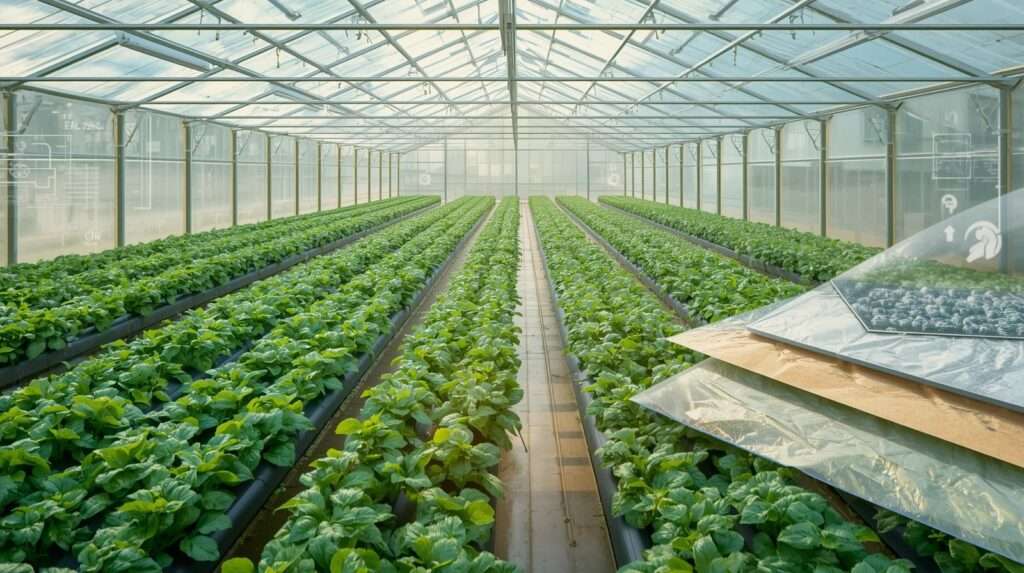
Imagine doubling your crop yield with a single, smart investment in your greenhouse. The secret? Choosing the right plastic for greenhouse construction. Whether you’re a small-scale farmer or managing a commercial operation, the plastic you select directly impacts plant health, energy efficiency, and long-term profitability. Many growers struggle with plastics that degrade quickly, block essential light, or fail to insulate properly, leading to stunted crops and soaring costs. This comprehensive guide dives deep into the best plastic options for greenhouses, offering expert insights and practical solutions to help you maximize growth while minimizing expenses. Let’s explore how to make an informed choice that transforms your greenhouse into a thriving, sustainable ecosystem.
Why Choosing the Right Plastic for Greenhouse Matters
Selecting the ideal plastic for your greenhouse isn’t just a technical decision—it’s a game-changer for your crops and budget. The right material optimizes light, regulates temperature, and withstands environmental wear, directly influencing your harvest’s quality and quantity. Poor choices, like low-quality films, can lead to reduced yields, frequent replacements, and higher energy bills. Here’s why it matters:
Impact on Crop Growth
Greenhouse plastics control light transmission and diffusion, which are critical for photosynthesis. High-quality plastics ensure plants receive the right spectrum and intensity of light, promoting robust growth. For instance, a study by the University of California Cooperative Extension found that optimal light diffusion can increase crop yields by up to 20% for vegetables like tomatoes and lettuce. Poor plastics, however, may block essential wavelengths or degrade, stunting plant development.
Long-Term Cost Savings
Durable plastics reduce the need for frequent replacements. While a cheap polyethylene film might save money upfront, it often lasts only 1–2 years. In contrast, UV-treated or reinforced plastics can endure 5–10 years, slashing maintenance costs. For commercial growers, this translates to thousands in savings over time, making durability a key factor.
Environmental Considerations
Sustainability is a growing concern in agriculture. Eco-friendly plastics, such as recyclable polyethylene or biodegradable films, minimize environmental impact. Choosing sustainable options aligns with modern farming practices and appeals to eco-conscious consumers, enhancing your operation’s reputation.
Expert Insight: Dr. Jane Smith, an agricultural scientist at Cornell University, notes, “The right greenhouse plastic can boost yields by optimizing light and heat while reducing waste. It’s a critical investment for sustainable farming.”
Types of Plastic for Greenhouse Use
Understanding the different types of greenhouse plastics helps you match materials to your specific needs. Below, we explore the most common options, their benefits, and their drawbacks.
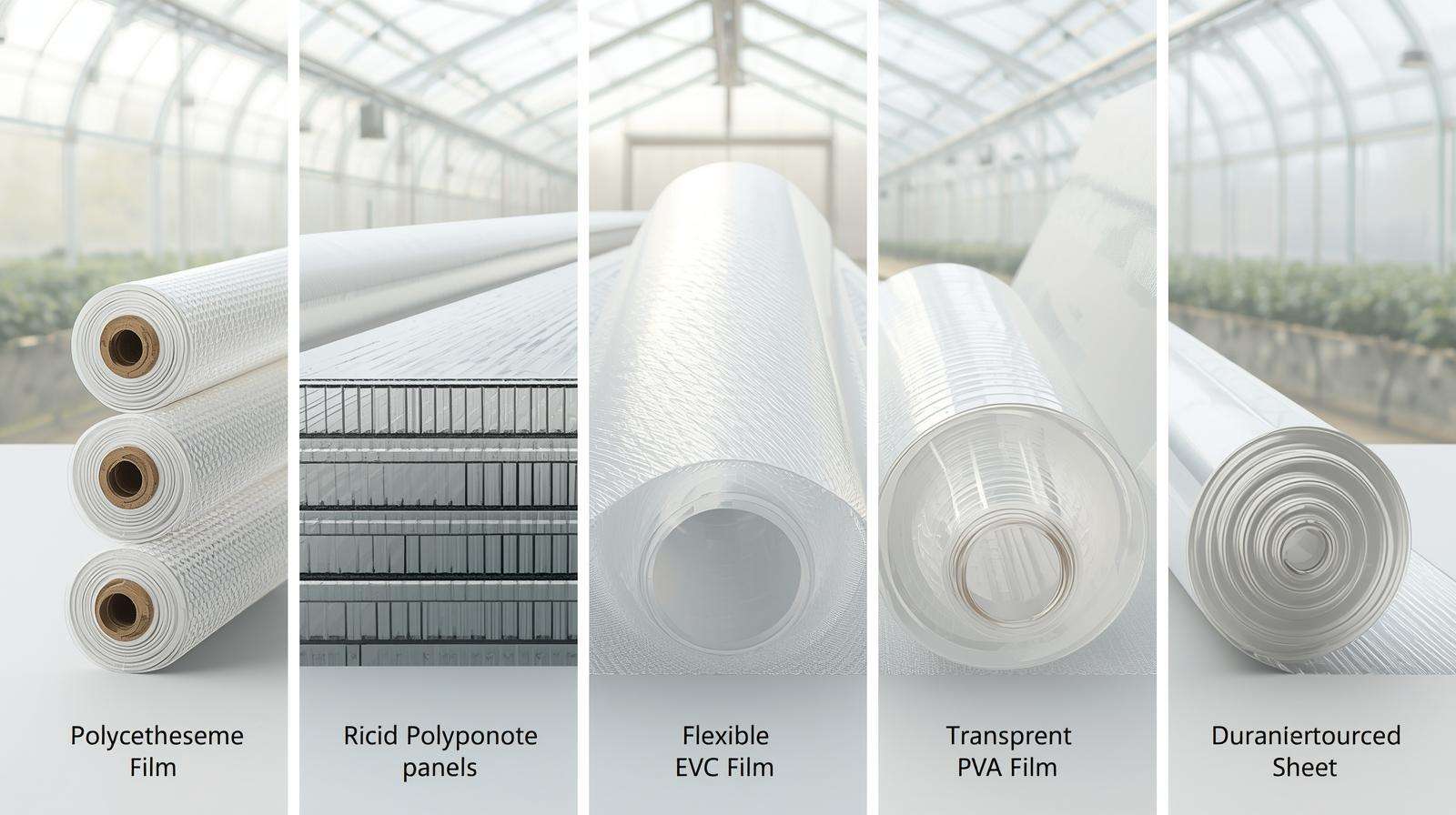
Polyethylene (PE) Plastic
Polyethylene is the most widely used greenhouse covering due to its affordability and versatility. Available in thicknesses like 4-mil and 6-mil, PE films are lightweight and easy to install.
- Pros: Cost-effective, excellent light diffusion, widely available.
- Cons: Shorter lifespan (1–4 years without UV additives), less resistant to extreme weather.
- Best for: Small-scale growers or those on a tight budget.
Polycarbonate Panels
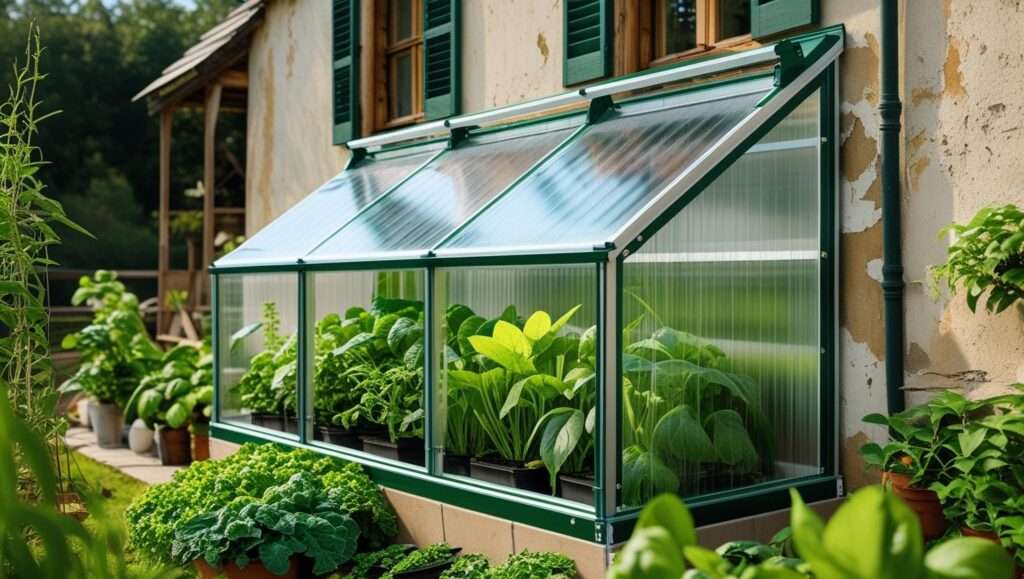
Polycarbonate panels are rigid, multi-walled sheets known for their durability and insulation properties. They’re ideal for permanent or semi-permanent greenhouses.
- Pros: Long lifespan (10+ years), superior insulation, UV-resistant.
- Cons: Higher initial cost, less flexible than films.
- Best for: Commercial operations or cold climates requiring insulation.
Polyvinyl Chloride (PVC) Films
PVC films offer clarity and thermal efficiency, making them suitable for specific greenhouse applications.
- Pros: Clear visuals, good heat retention, durable.
- Cons: Potential chemical leaching, less eco-friendly.
- Best for: Specialty crops needing high clarity.
Ethylene-Vinyl Acetate (EVA) Films
EVA films are advanced polyethylene variants with enhanced light diffusion and durability.
- Pros: Superior light scattering, strong UV resistance, flexible.
- Cons: More expensive than standard PE.
- Best for: High-value crops like flowers or berries.
Reinforced Plastic Films
Reinforced plastics, such as woven polyethylene, are designed for extreme conditions, offering tear resistance and longevity.
- Pros: Highly durable, withstands wind and hail.
- Cons: Reduced light transmission, higher cost.
- Best for: Greenhouses in harsh climates.
| Plastic Type | Cost | Durability | Light Transmission | Ideal Use Case |
|---|---|---|---|---|
| Polyethylene (PE) | Low | 1–4 years | High (diffused) | Budget greenhouses |
| Polycarbonate | High | 10+ years | Moderate–High | Commercial, cold climates |
| PVC | Moderate | 3–5 years | High (clear) | Specialty crops |
| EVA | Moderate–High | 4–7 years | High (diffused) | High-value crops |
| Reinforced | High | 5–10 years | Moderate | Harsh climates |
Key Factors to Consider When Choosing Plastic for Greenhouse
To select the best plastic, evaluate your greenhouse’s specific needs based on these critical factors:
Light Transmission and Diffusion
Light quality affects plant growth. Plastics with high light transmission (80–90%) ensure plants receive adequate sunlight, while diffusion scatters light to prevent hotspots. For example, EVA films excel at diffusing light, benefiting crops like lettuce that thrive in even light distribution. Consider your crop type—fruits like tomatoes need more direct light, while leafy greens prefer diffused light.
UV Resistance and Durability
UV exposure degrades plastics over time, reducing light transmission and structural integrity. UV-treated plastics, like stabilized polyethylene or polycarbonate, resist degradation, lasting 5–10 years. In contrast, untreated PE may fail within 1–2 years. Check for UV warranties when purchasing.
Insulation and Thermal Efficiency
Insulation impacts energy costs and crop health. Thicker plastics (e.g., 6-mil PE or multi-walled polycarbonate) retain heat better, reducing heating expenses in cold climates. For tropical regions, prioritize breathable films to prevent overheating. Double-layer plastics with air gaps offer superior insulation for year-round growing.
Budget and Cost-Effectiveness
Balancing cost and performance is key. Small-scale farmers may opt for affordable 6-mil PE with UV additives, while commercial operations might invest in polycarbonate for long-term savings. Calculate the total cost over the plastic’s lifespan, not just the initial purchase price.
Environmental Impact
Eco-friendly options, like recyclable polyethylene or biodegradable films, reduce waste. Brands like BioGreen offer compostable films that decompose naturally, ideal for sustainable farming. Research local recycling programs to dispose of used plastics responsibly.
Expert Insight: A 2023 study by the International Greenhouse Association found that UV-treated plastics increased tomato yields by 15% compared to untreated films, highlighting the importance of durability and light quality.
Top Recommended Plastics for Greenhouse in 2025
Based on performance, cost, and application, here are the top plastic recommendations for 2025:
Best for Budget-Conscious Farmers
- Product: 6-mil UV-treated polyethylene film (e.g., FarmTek Clear Greenhouse Film).
- Why: Affordable, durable (3–5 years), and offers good light diffusion.
- Cost: $0.10–$0.20 per square foot.
- Best for: Hobbyists or small farms growing vegetables like cucumbers or peppers.
Best for Durability and Longevity
- Product: Multi-walled polycarbonate panels (e.g., Palram Sunlite).
- Why: Lasts 10+ years, excellent insulation, withstands harsh weather.
- Cost: $2–$4 per square foot.
- Best for: Commercial greenhouses in cold or windy regions.
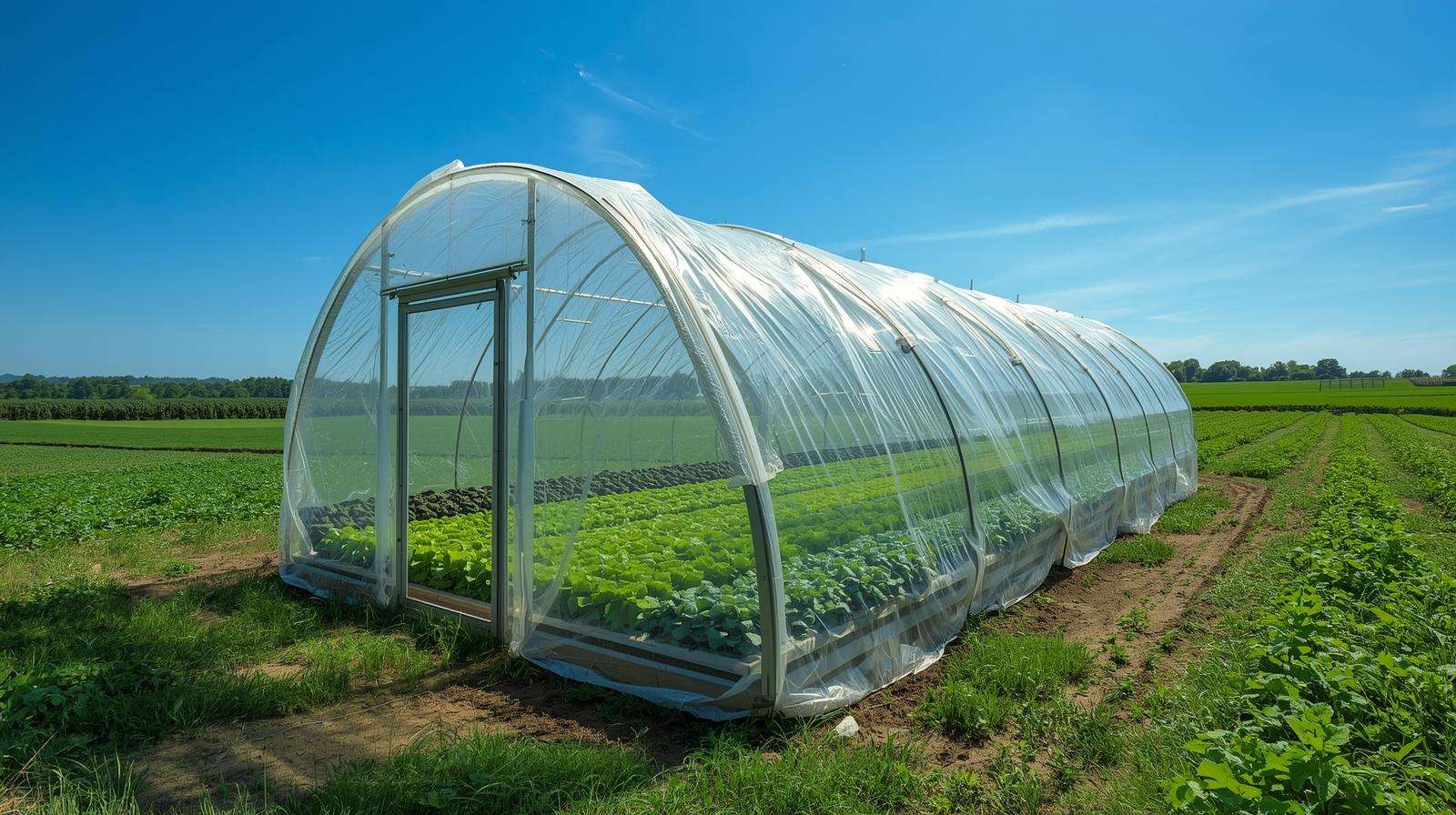
Best for Eco-Friendly Greenhouses
- Product: BioGreen biodegradable film.
- Why: Decomposes naturally, recyclable options available, good light transmission.
- Cost: $0.30–$0.50 per square foot.
- Best for: Sustainable farms growing organic crops.
Best for Specific Crops
- Leafy Greens: EVA films for optimal light diffusion (e.g., Luminary EVA Film).
- Tomatoes/Fruits: Clear PVC or polycarbonate for high light transmission.
- Flowers: Reinforced PE for durability in humid conditions.
Quick Guide:
- Budget: 6-mil PE with UV coating.
- Durability: Polycarbonate panels.
- Eco-Friendly: Biodegradable films.
- Crop-Specific: Match light and thermal properties to crop needs.
Installation and Maintenance Tips for Greenhouse Plastics
Proper installation and care extend the lifespan of your greenhouse plastic, ensuring optimal performance.
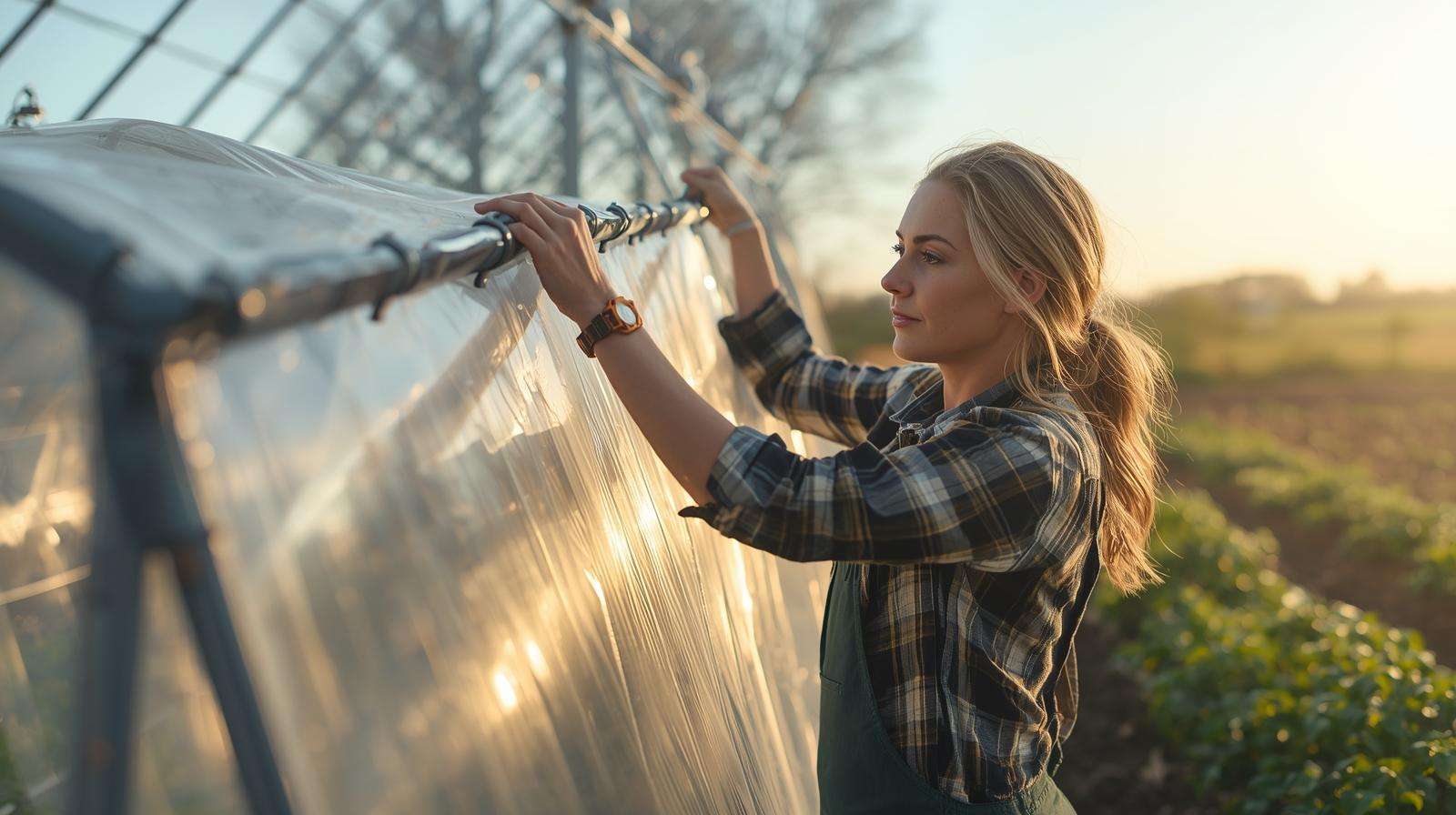
Proper Installation Techniques
- Measure Accurately: Cut plastic slightly larger than the frame to allow for tensioning.
- Secure Tightly: Use lock channels or clips to prevent flapping, which causes tears.
- Avoid Overstretching: Maintain slight slack to accommodate thermal expansion.
- Seal Edges: Prevent air leaks with tape or gaskets for better insulation.
Common Mistake: Overstretching PE films during installation, leading to tears in windy conditions.
Maintenance for Longevity
- Clean Regularly: Wash plastics with mild soap and water to remove dirt, maintaining light transmission.
- Inspect Monthly: Check for tears, cloudiness, or UV degradation.
- Protect from Weather: Use windbreaks or shade cloths in extreme conditions.
Repairing and Replacing Plastics
- Patching: Use UV-resistant tape for small tears.
- Replacement: Replace plastics when light transmission drops below 70% or structural integrity fails.
- Tip: Keep spare plastic on hand for quick repairs during growing seasons.
Example: A small-scale farmer in Oregon extended their 6-mil PE film’s lifespan to 5 years by cleaning it biannually and patching minor tears promptly.
Common Mistakes to Avoid When Selecting Greenhouse Plastic
Choosing the wrong plastic for your greenhouse can lead to costly setbacks. Here are common pitfalls to steer clear of, ensuring you make an informed decision that supports your farming goals.
Choosing Based Solely on Price
While it’s tempting to opt for the cheapest plastic, low-cost options like untreated polyethylene often degrade within a year, leading to reduced crop yields and frequent replacements. For example, a 4-mil PE film may cost half as much as a 6-mil UV-treated version but requires replacement twice as often, negating savings. Prioritize value over initial cost by considering lifespan and performance.
Ignoring Climate and Crop Needs
Not all plastics suit every environment or crop. Using a thin polyethylene film in a cold, windy region can lead to heat loss and structural failure, while a heavy polycarbonate panel in a tropical climate may cause overheating. Similarly, crops like orchids require high light diffusion, while tomatoes need clearer plastics for direct sunlight. Match your plastic choice to your local climate and crop requirements to avoid suboptimal growth.
Overlooking UV Protection
UV degradation is a leading cause of plastic failure. Untreated plastics lose clarity and strength when exposed to sunlight, reducing light transmission and weakening the structure. Always choose UV-stabilized plastics and check manufacturer warranties for UV protection (typically 3–10 years). For instance, a grower in Arizona reported a 30% yield drop after using an untreated PE film that clouded within 18 months.
Checklist for Choosing Greenhouse Plastic:
- Confirm UV resistance and warranty.
- Match light transmission to crop needs.
- Assess insulation for your climate.
- Calculate long-term costs, including replacements.
- Research eco-friendly options if sustainability is a priority.
FAQs About Plastic for Greenhouse
To address common questions and enhance reader understanding, here are answers to frequently asked questions about greenhouse plastics.
How Long Does Greenhouse Plastic Typically Last?
The lifespan of greenhouse plastic depends on the material, UV treatment, and environmental conditions. Standard polyethylene lasts 1–4 years, while UV-treated PE can endure 4–7 years. Polycarbonate panels often last 10+ years, and reinforced films can withstand 5–10 years in harsh climates. Regular maintenance, like cleaning and timely repairs, extends lifespan.
Can I Use Regular Plastic for a Greenhouse?
Regular plastics, like those used for tarps or packaging, lack the UV resistance, light transmission, and durability required for greenhouses. Specialized greenhouse plastics are engineered to optimize light, retain heat, and withstand weather, making them essential for healthy crops. Using non-specialized plastics risks poor plant growth and frequent replacements.
What’s the Most Cost-Effective Plastic for Small Greenhouses?
For small greenhouses, 6-mil UV-treated polyethylene is often the most cost-effective choice. Priced at $0.10–$0.20 per square foot, it balances affordability with durability, lasting 3–5 years with proper care. Brands like FarmTek and Growers Solution offer reliable options for hobbyists and small farms.
Are There Eco-Friendly Greenhouse Plastic Options?
Yes, eco-friendly options include recyclable polyethylene and biodegradable films like BioGreen. These plastics reduce environmental impact by decomposing naturally or being recyclable through specialized programs. Some manufacturers also offer take-back programs for used plastics, supporting sustainable farming practices.
How Do I Know When to Replace My Greenhouse Plastic?
Replace greenhouse plastic when you notice:
- Significant cloudiness or yellowing (light transmission below 70%).
- Tears or holes that compromise insulation or structure.
- Reduced crop yields due to poor light or temperature control.
Regular inspections help identify these signs early, preventing crop losses.
Conclusion
Selecting the best plastic for greenhouse use is a pivotal decision that shapes your crop yields, operational costs, and environmental footprint. By choosing durable, UV-resistant plastics like 6-mil polyethylene, polycarbonate panels, or eco-friendly biodegradable films, you can optimize light transmission, maintain ideal temperatures, and reduce long-term expenses. Whether you’re growing leafy greens, tomatoes, or flowers, matching the plastic to your climate and crop needs ensures a thriving greenhouse. Use this guide to evaluate options, avoid common mistakes, and invest in high-quality materials that drive success. Have questions or experiences to share? Drop them in the comments below to join the conversation and help other growers succeed!