In today’s challenging agricultural landscape, farmers and gardeners face a dual crisis: declining pollinator populations threaten crop yields, while persistent pests demand ever-more intervention. Recent data highlights the urgency—pollinators contribute to approximately 35% of global crop production by volume, supporting the yield and quality of 87 out of 115 major food crops. Yet, in regions like North America, over 22% of native pollinators face elevated extinction risk, and commercial beekeepers have reported unprecedented colony losses averaging 62% in some recent seasons, endangering billions in agricultural output.
At the same time, common pests such as aphids, caterpillars, whiteflies, and beetles can slash yields by 20-40% without effective management. Chemical pesticides offer short-term relief but often harm beneficial insects, create resistance, and increase costs. The solution lies in nature’s own toolkit: pollinator-friendly, pest-helping flowers. These strategic plants attract essential pollinators—like bees, butterflies, and hoverflies—for improved fruit set and seed production while drawing predatory and parasitoid insects (ladybugs, lacewings, parasitic wasps, tachinid flies) that naturally suppress pests. By integrating these flowers through companion planting, insectary strips, or field borders, you can enhance biological pest control, boost pollination services, reduce reliance on synthetic inputs, and promote sustainable, eco-friendly farming practices.
This comprehensive guide draws from trusted sources like the Xerces Society for Invertebrate Conservation, university extension programs (e.g., UC IPM, MSU, Wisconsin Horticulture), and peer-reviewed studies on beneficial insects and ecosystem services. Whether you’re managing a small homestead garden in Barishal’s tropical climate, a vegetable plot, or a larger farm, these proven strategies deliver real results: higher yields, healthier crops, lower pest damage, and long-term biodiversity benefits.
Why Pollinator-Friendly, Pest-Helping Flowers Matter in Modern Agriculture
The pollination crisis is no longer a distant concern. Declining bee populations, driven by habitat loss, pesticides, pathogens, and climate shifts, directly impact fruit, vegetable, and nut production. Without adequate pollination, many crops produce fewer, smaller, or misshapen fruits—reducing marketable yield and quality. Studies show insect pollination can enhance yields by 18-71% depending on the crop, with quality improvements like better oil content in oilseeds or higher commercial grade in berries.
Pests compound the problem. Aphids alone can stunt growth and transmit viruses, while caterpillars defoliate plants and reduce photosynthesis. Traditional broad-spectrum pesticides kill indiscriminately, disrupting natural balances and leading to secondary outbreaks or resistance.
Pollinator-friendly, pest-helping flowers bridge this gap by creating habitat for both groups. Adult beneficial insects rely on nectar and pollen for energy, longevity, and reproduction—even when prey is scarce. Flowering plants boost their numbers and effectiveness, turning your farm into a self-regulating ecosystem. Research from UC IPM and Xerces Society shows insectary plantings increase predator and parasitoid abundance, suppressing pests while supporting pollinators. In practical terms, this means fewer sprays, cost savings, improved soil health from biodiversity, and alignment with organic certification or sustainable agriculture standards.
Understanding Beneficial Insects: Pollinators vs. Pest Helpers
To maximize benefits, distinguish the roles:
- Pollinators transfer pollen, enabling fertilization and fruit/seed development. Key players include honey bees, native bumblebees, solitary bees, butterflies, moths, and some flies/hoverflies. They favor open, nectar-rich flowers in various shapes (tubular for hummingbirds, flat for bees).
- Pest helpers (biological control agents) include:
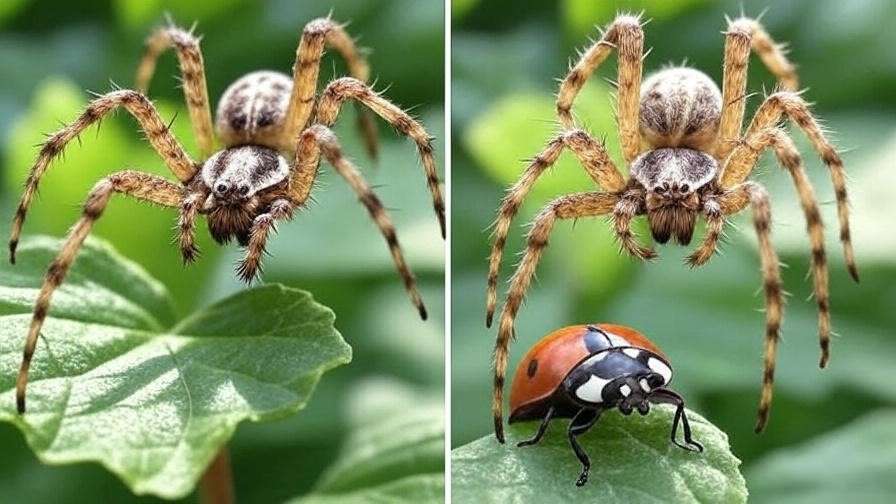
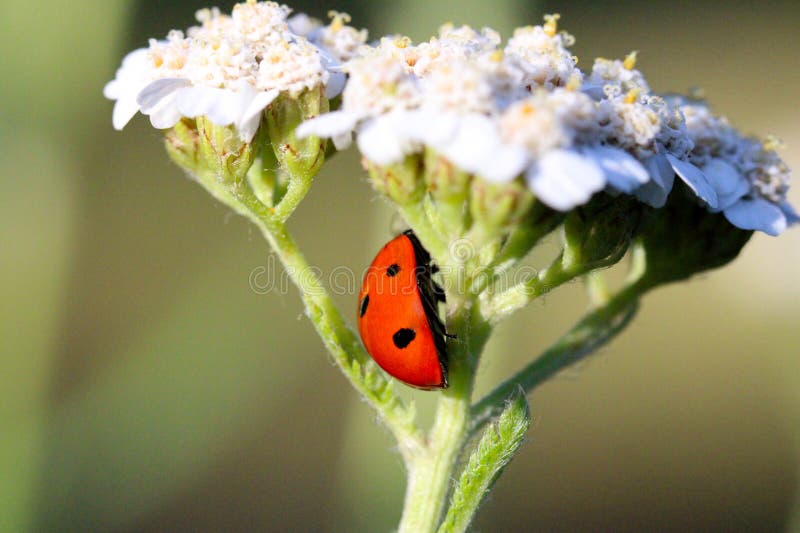
- Predators — Ladybugs (eat aphids), lacewings (larvae devour aphids, caterpillars), hoverflies/syrphid flies (larvae eat aphids), soldier beetles.
- Parasitoids — Tiny parasitic wasps (lay eggs in caterpillars/aphids), tachinid flies.
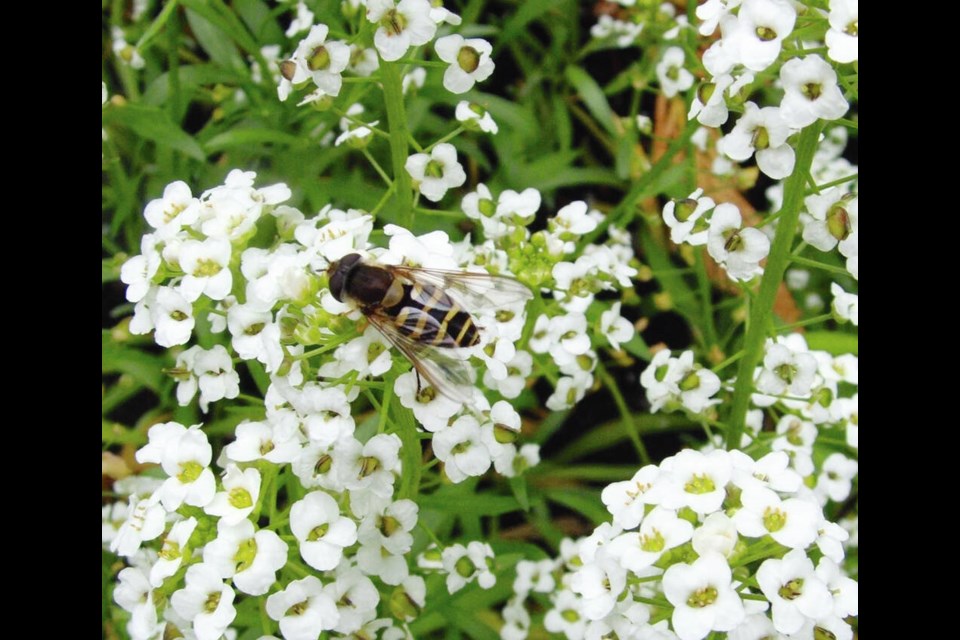
Many beneficials are dual-purpose: adult hoverflies and parasitic wasps feed on nectar/pollen, while larvae prey on pests. Small, open flowers (e.g., Apiaceae umbels like dill) suit tiny wasps; composite flowers (Asteraceae like cosmos) attract broader groups.
Here’s a quick comparison table:
| Beneficial Insect | Primary Role | Prey/Pests Controlled | Preferred Flower Types |
|---|---|---|---|
| Honey bees, bumblebees | Pollinators | N/A | Tubular/open: bee balm, coneflowers |
| Hoverflies (syrphids) | Pollinators + Predators | Aphids | Small open: alyssum, dill, yarrow |
| Ladybugs | Predators | Aphids, mites | Umbels/composites: fennel, cosmos |
| Lacewings | Predators | Aphids, caterpillars | Nectar-rich: cosmos, marigolds |
| Parasitic wasps | Parasitoids | Caterpillars, aphids | Tiny flowers: dill, fennel, buckwheat |
Key Principles for Selecting and Planting These Flowers
Success depends on thoughtful selection and placement:
- Flower structure — Small, shallow blooms (umbels in Apiaceae, composites in Asteraceae) allow access for tiny beneficials.
- Bloom continuity — Mix early (spring: cilantro), mid (summer: cosmos), and late-season (fall: goldenrod) bloomers for season-long support.
- Regional adaptation — In tropical/subtropical areas like Bangladesh (warm, humid, monsoon-influenced), prioritize heat-tolerant, humidity-resistant species. Many listed work well; natives or adapted varieties reduce maintenance.
- Planting strategies — Use borders, hedgerows, intercropping, or dedicated insectary strips (e.g., 5-10% of field area). Avoid monocultures—diversity attracts more species.
- Pesticide-free — Never apply broad-spectrum sprays near these plants; use selective or organic options only when necessary.
- Site needs — Full sun (6+ hours), well-drained soil; amend with compost for fertility. Water consistently during establishment
Top Pollinator-Friendly, Pest-Helping Flowers: Detailed Recommendations
Here are proven top choices, backed by extension services and Xerces recommendations. Each includes benefits, insects attracted, and tips.
Yarrow (Achillea millefolium) Perennial, drought-tolerant, flat-topped white/pink clusters bloom May-July. Attracts ladybugs, hoverflies, parasitic wasps, bees. Excellent for aphid control; supports broad beneficials. Plant in borders; cut back for rebloom. Adapts well to various soils.
Sweet Alyssum (Lobularia maritima) Low-growing annual/perennial, continuous white/purple blooms. Top hoverfly attractor; draws parasitic wasps, lacewings. Ideal border plant near vegetables; self-seeds easily. Thrives in heat; shear for more flowers.
Cosmos (Cosmos bipinnatus) Easy annual, daisy-like pink/white flowers summer-fall. Attracts lacewings, parasitic wasps, bees, hoverflies. Boosts pollination in nearby crops; simple to grow from seed. Succession plant for ongoing blooms.
Dill, Fennel, and Cilantro (Apiaceae family) Umbel flowers attract tiny parasitic wasps, hoverflies. Let bolt for blooms; culinary harvest bonus. Dill/fennel perennial in warm climates; cilantro annual. Plant near brassicas for aphid/caterpillar control.
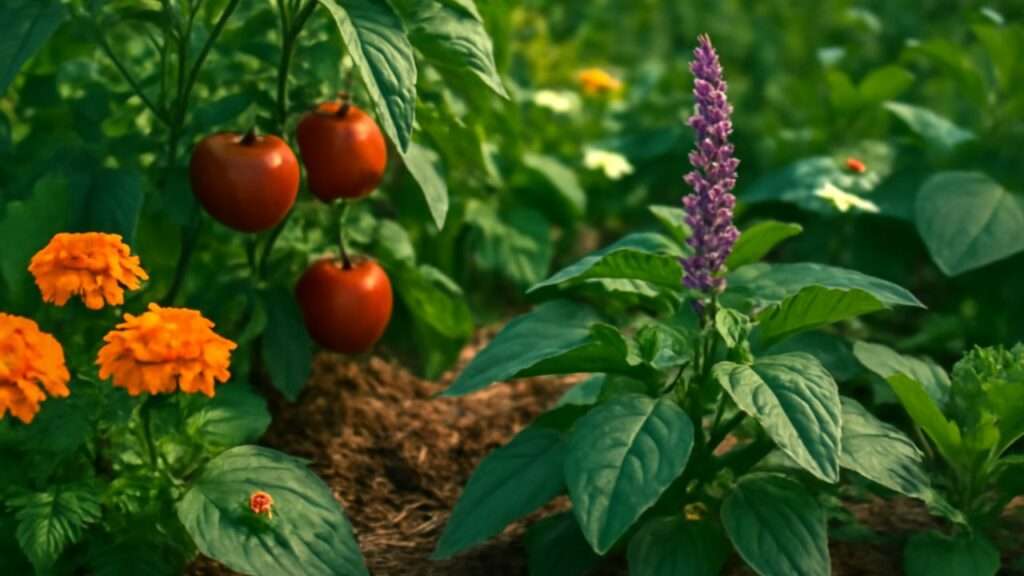
Marigolds (Tagetes spp.) Annual, bright orange/yellow; French varieties best. Repel nematodes + attract beneficials (hoverflies, ladybugs). Classic companion for tomatoes, peppers; interplant rows.
Coneflowers/Echinacea (Echinacea spp.) Perennial, purple daisy blooms summer. Draws bees, butterflies, predatory insects. Long-lasting; drought-tolerant once established. Native appeal in many regions.
Bee Balm/Monarda (Monarda spp.) Perennial, tubular red/purple flowers. Hummingbirds, bees, predatory wasps. Mildew-resistant varieties; good for moist soils.
Buckwheat (Fagopyrum esculentum) Fast-growing annual cover crop; massive blooms attract beneficials, bees. Quick nectar source; till in after bloom for soil improvement.
Calendula (Calendula officinalis) Edible annual, orange/yellow blooms. Hoverflies, pollinators; continuous if deadheaded.
Sunflowers and Goldenrod (Helianthus spp., Solidago spp.) Late-season powerhouses; sunflowers for bees, goldenrod for broad beneficials/fall support. Native goldenrod non-invasive in many areas.
How to Implement These Flowers in Your Farm or Garden
Integrating pollinator-friendly, pest-helping flowers requires strategic planning to maximize their impact on both pollination and biological pest control. The goal is to create functional habitat that supports beneficial insects without competing excessively with cash crops.
Design Strategies
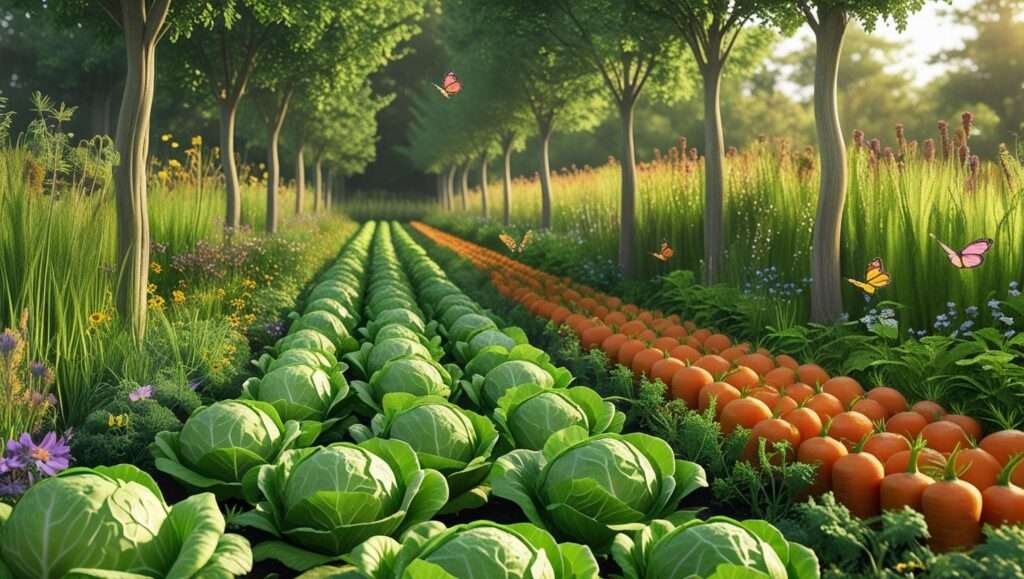
- Edge planting and borders: Plant flower strips along field edges, ditches, or fence lines. These act as permanent or semi-permanent refuges. Research from programs like Science-based Trials of Rowcrops Integrated with Prairie Strips (STRIPS) shows that even small strips (5-10% of field area) can enhance beneficial insect populations with minimal yield trade-off in main crops. In tropical regions like Barishal, Bangladesh, use heat-tolerant borders to avoid shading crops during monsoon season.
- Hedgerows and windbreaks: Combine perennials (e.g., yarrow, coneflowers) with shrubs for year-round structure. These provide overwintering sites for predatory insects and shelter from heavy rains.
- Intercropping and polyculture beds: Scatter small clusters within vegetable rows. For example, plant sweet alyssum every few feet in brassica beds to attract hoverflies that target aphids on cabbage or cauliflower—common in Bangladeshi vegetable farming.
- Insectary strips: Dedicate narrow strips (1-3 meters wide) every 50-100 meters in larger fields. Use quick-growing annuals like buckwheat for fast establishment.
Companion Planting Examples
- Marigolds interplanted with tomatoes or peppers to suppress nematodes while drawing hoverflies and ladybugs.
- Dill or fennel near brassicas or cucurbits to lure parasitic wasps that attack caterpillars.
- Cosmos or calendula near eggplants or chilies for lacewing and bee support.
- In tropical setups, pair sunflowers with beans or okra for late-season pollinator boost.


Seasonal Planning In Barishal’s tropical climate (warm year-round, heavy monsoon June-September), focus on succession planting. Sow cool-season annuals like cilantro early (post-monsoon), then transition to heat-lovers like cosmos or marigolds. Buckwheat grows rapidly (30-45 days to bloom) for quick gaps. Aim for overlapping blooms to maintain nectar flow.
Maintenance
- Deadhead annuals (e.g., cosmos, calendula) for extended blooming.
- Prune perennials lightly after flowering.
- Mulch to retain moisture in hot, dry spells between monsoons.
- Avoid tillage near strips to protect overwintering larvae.
Scaling Up For small homesteads: Start with 10-20% flower coverage in beds. For larger farms: Allocate 5-10% land to strips—studies show this can yield net economic gains through reduced pest damage and higher pollination.
Measuring Success: Tracking Pollinators, Beneficials, and Yields
Observe changes over 1-2 seasons for realistic expectations.
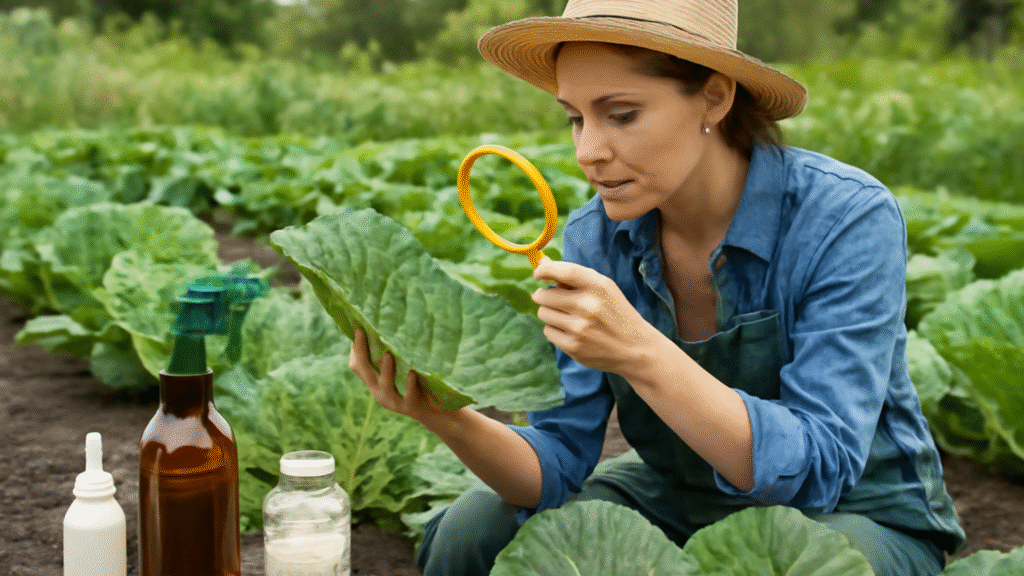
- Simple monitoring: Weekly visual counts—record bees on crop flowers and predators on plants. Use yellow sticky traps for aphids vs. ladybugs.
- Pest scouting: Compare pest levels (e.g., aphid colonies) in flower-enhanced vs. control areas.
- Yield tracking: Measure fruit set (e.g., tomato clusters) or marketable yield per plant/row. Extension studies show 5-20% yield boosts from better pollination and pest suppression in compatible crops.
- Expected outcomes: Reduced sprays, healthier plants, increased biodiversity. In tropical vegetable systems, hoverfly increases often cut aphid damage noticeably within months.
Common Mistakes to Avoid and Expert Tips
- Spraying indiscriminately—even “bee-safe” products can harm larvae. Use targeted applications only.
- Planting single species—diversity prevents boom-bust cycles.
- Ignoring local conditions—test small areas first in humid, flood-prone Barishal.
- Overcrowding crops—keep strips separate to avoid competition.
Expert insight (from Xerces Society and UC IPM guidelines): Start small, observe insect activity, and expand. Native or adapted plants outperform exotics long-term.
Conclusion
Pollinator-friendly, pest-helping flowers offer a powerful, natural solution to modern farming challenges. By attracting essential pollinators and predatory insects, these plants boost crop yields through better fruit set and reduce pest damage without chemicals—saving money, protecting the environment, and building resilient agroecosystems. In regions like Barishal, where vegetable and fruit production faces humidity, pests, and variable rains, these strategies promote sustainable agriculture that benefits both farmers and biodiversity.
Start small: Plant a border of sweet alyssum and marigolds this season, monitor results, and scale up. Nature rewards diversity and patience—your farm will thrive as a balanced, productive habitat.
FAQs
What are the best quick-start flowers for beginners? Sweet alyssum, cosmos, and marigolds—easy from seed, fast-blooming, and highly attractive to hoverflies and bees.
Can these flowers work in tropical climates like Bangladesh? Yes—many (cosmos, marigolds, dill, buckwheat, sunflowers) thrive in heat and humidity. Prioritize well-drained sites to avoid monsoon rot; locals often succeed with adapted varieties.
How long until I see pest control benefits? 2-6 months—beneficial populations build as adults feed and reproduce. Consistent blooms speed results.
Are there any flowers to avoid? Double-flowered hybrids (low nectar) or invasives (e.g., some lantana types). Stick to open-bloom natives/adapted species.
How to source seeds/plants? Local nurseries, agricultural extension offices, or online suppliers for tropical-adapted varieties. Check for pesticide-free stock.
This guide provides actionable, science-backed steps to transform your growing space—happy planting!