Imagine stepping into your backyard on a crisp morning, reaching into a nesting box, and pulling out warm, fresh eggs laid just hours ago. For many new homesteaders, this dream quickly becomes reality—but only if they avoid the costly mistakes that frustrate countless beginners. Predator attacks, unexpected health issues, noisy neighbors complaining about clucking, or simply choosing the wrong breeds can turn excitement into regret. If you’re searching for reliable backyard chickens beginners tips, you’ve come to the right place. This comprehensive guide, drawn from years of hands-on experience in sustainable farming and poultry management, will walk you through everything you need to succeed with your first flock.
As an agricultural specialist with over 15 years advising small-scale farmers, homesteaders, and urban gardeners on integrating livestock with crop production, I’ve seen what works and what doesn’t. I’ve raised dozens of flocks myself, consulted on hundreds more, and helped beginners transform their backyards into productive, eco-friendly systems. Whether you’re aiming for daily fresh eggs, natural pest control, or rich compost for your vegetable garden, these proven backyard chickens beginners tips will set you up for long-term success.
Is a Backyard Flock Right for You?
Before ordering chicks or building a coop, pause and honestly assess if backyard chickens align with your lifestyle and property.
Assessing Your Space and Lifestyle
Chickens need space to thrive. A common rule of thumb is at least 4 square feet per bird inside the coop and 10 square feet in the outdoor run. For a starter flock of 4-6 hens, that’s a minimum coop size of about 4×6 feet with a generous attached run.
Time commitment is another key factor. Expect to spend 10-20 minutes daily on feeding, watering, collecting eggs, and basic checks. Cleaning the coop thoroughly takes longer—usually 1-2 hours every few weeks, depending on your method (deep litter vs. regular scraping).
Families with children often find chickens educational and rewarding, but consider noise levels. Hens are generally quiet, but early morning clucking or excited “egg songs” can disturb light sleepers or close neighbors.
Pros of backyard chickens:
- Fresh, nutrient-rich eggs (often superior in taste and quality to store-bought)
- Natural pest control (chickens devour ticks, slugs, and garden insects)
- High-quality manure for composting and soil enrichment
- Therapeutic joy and connection to food production
Cons to consider:
- Ongoing costs for feed, bedding, and vet care
- Vacation planning (you’ll need a reliable chicken-sitter)
- Potential for loss due to predators or illness
Local Laws and Regulations
One of the biggest mistakes beginners make is skipping this step. Many cities and suburbs allow hens but ban roosters due to noise. Flock size limits vary—some areas cap at 6 birds, others allow more with permits.
Always check:
- Your city’s municipal code or animal ordinance
- Homeowners Association (HOA) rules
- Zoning regulations for urban agriculture
Resources like the Municipal Research and Services Center (MRSC) website or your local cooperative extension office can help. Getting caught with unpermitted chickens can mean fines or forced rehoming—definitely not the start you want.
Planning Your Flock: Size, Breeds, and Sourcing
Thoughtful planning here prevents headaches later.
How Many Chickens to Start With
For most beginners, 4-6 hens is ideal. This provides enough eggs (typically 3-5 per week per hen) for a small family while keeping management manageable. Starting small lets you learn without overwhelming yourself.
Skip roosters unless you specifically want fertilized eggs for hatching—hens lay just fine without them, and roosters can be aggressive and noisy.

Best Beginner-Friendly Chicken Breeds
Not all breeds are equal for novices. Here are my top recommendations based on temperament, hardiness, egg production, and adaptability to backyard settings:
- Buff Orpington: Gentle giants with fluffy golden feathers. Excellent cold tolerance, consistent layers (200-280 brown eggs/year), and wonderfully broody if you want natural hatching.
- Rhode Island Red: Hardy, productive (250-300 brown eggs/year), and adaptable to various climates. Slightly more active than Orpingtons.
- Plymouth Rock (Barred Rock): Friendly, striking black-and-white plumage, good layers (200-280 eggs/year), and dual-purpose (decent meat birds if needed).
- Australorp: World-record egg layers (up to 300+ per year), calm disposition, and heat tolerant.
- Easter Egger: Not a true breed but hybrids that lay beautiful blue, green, or pink eggs. Fun for families, hardy, and friendly.
Consider your climate: Orpingtons excel in cold winters, while breeds like Leghorns handle heat better but are flightier and less beginner-friendly.
Where to Get Your Chickens
Options include:
- Reputable hatcheries (e.g., Cackle Hatchery, Murray McMurray, or Meyer Hatchery) for day-old chicks
- Local feed stores or farms selling started pullets (16-20 weeks old, closer to laying)
- Chicken rescues or rehoming groups (great for giving birds a second chance)
Always choose sexed pullets (99% guarantee female) to avoid accidental roosters. Vaccinate for Marek’s disease if offered, and plan to quarantine new birds for 2-4 weeks to prevent disease spread.
Setting Up the Perfect Coop and Run
Your coop is your flock’s home—get this right, and everything else becomes easier.
Essential Coop Features
Must-haves:
- Adequate ventilation (prevents respiratory issues from ammonia buildup)
- Nesting boxes (1 per 4-5 hens, dark and private)
- Roosting bars (8-12 inches per bird, higher than nesting boxes)
- Easy-clean design (droppings boards, removable trays, or deep litter method)
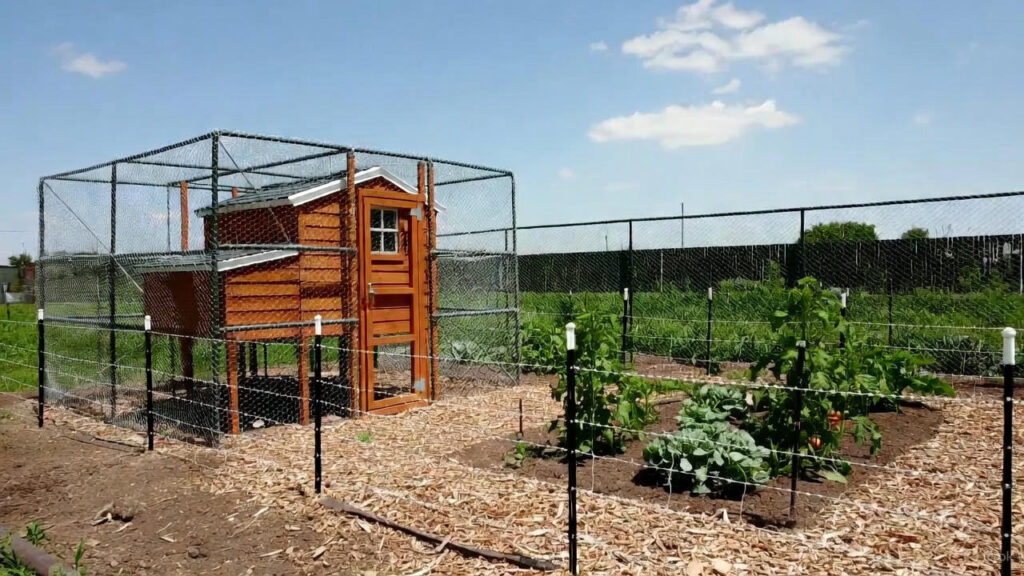
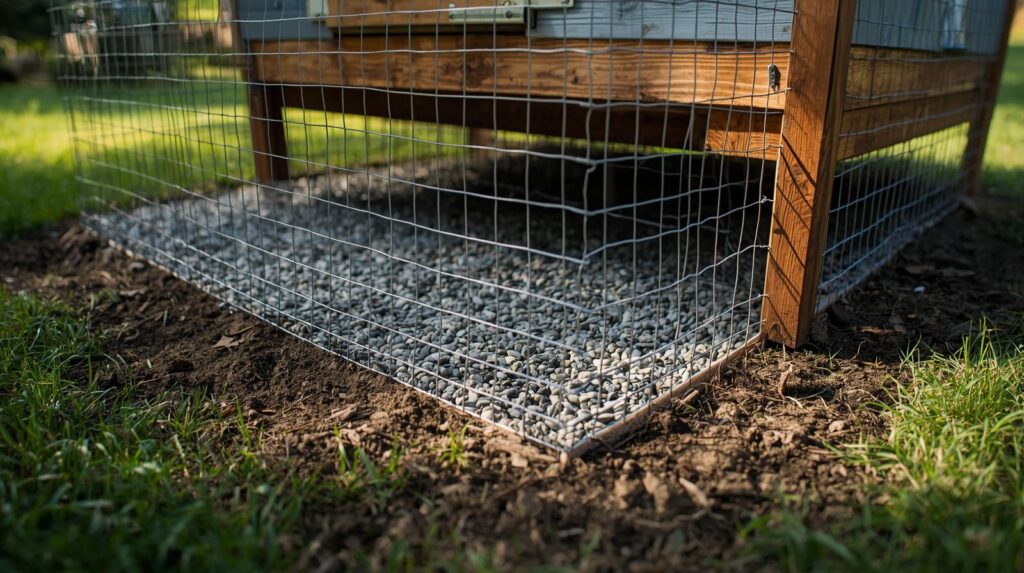
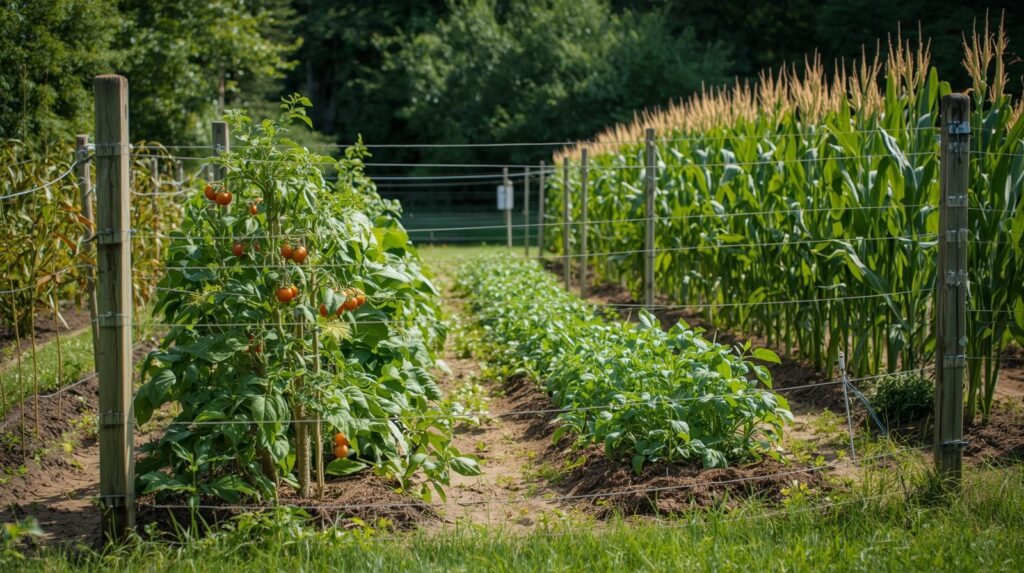
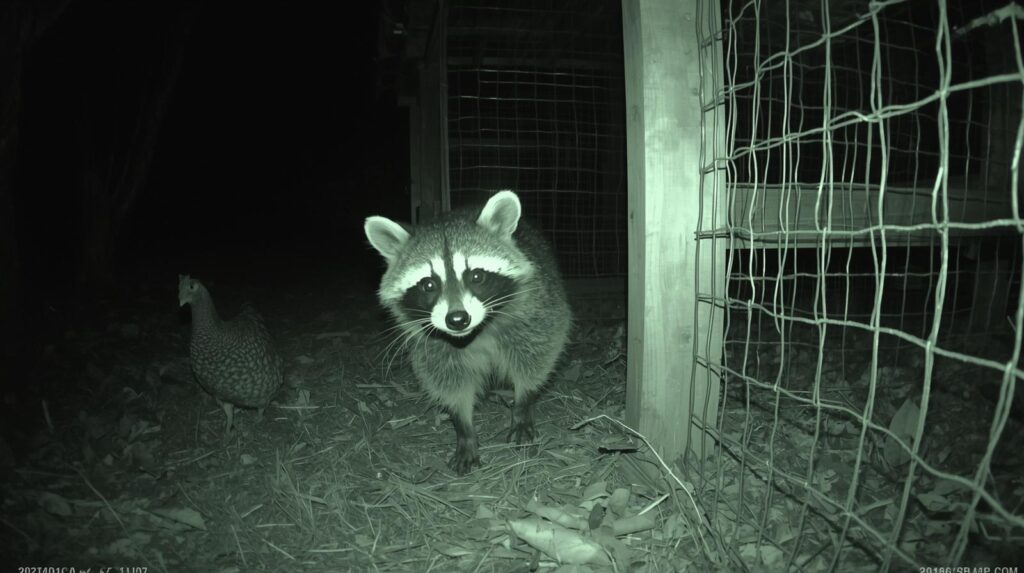
- Predator-proofing: ½-inch hardware cloth (not chicken wire), buried apron around run, secure latches (raccoons are clever with simple hooks)
Elevate the coop 12-18 inches off the ground to deter rodents and improve airflow.
Run and Fencing Options
Provide a secure outdoor space for foraging. Portable “chicken tractors” allow rotational grazing—moving the run to fresh grass regularly, which ties beautifully into sustainable gardening.
Pre-built coops are convenient but often overpriced and undersized. Many experienced keepers recommend building your own or modifying plans from trusted sources like university extension services.
Common Coop Mistakes to Avoid
- Buying too small (cramped birds = stress and pecking)
- Poor ventilation leading to frostbite or heat stress
- Using chicken wire instead of hardware cloth (predators easily rip through)
Raising Chicks vs. Starting with Adults
Decide early, as it affects your timeline.
Brooding Baby Chicks
Raising from day-old is rewarding but intensive. You’ll need:
- A brooder (large plastic tote or custom box)
- Heat source (brooder plate preferred over lamps for safety)
- Pine shavings bedding
- Chick starter feed (medicated if desired for coccidiosis prevention)
Temperature starts at 95°F week 1, dropping 5°F weekly until feathered.
Pros of Starting with Pullets
Point-of-lay pullets (16-22 weeks) begin producing eggs sooner and require less specialized equipment. Ideal if you want quicker rewards.
Daily Care and Feeding Essentials
Consistent daily routines are the backbone of a healthy, productive flock. Once your chickens are settled, care becomes straightforward—but skipping basics leads to problems.
Nutrition for Healthy Hens
Adult hens need a balanced layer feed with 16-18% protein, formulated specifically for egg production. Crumbles or pellets work best; mash can be messier.
Key guidelines:
- Free-choice access to feed (hens self-regulate)
- Grit for digestion (insoluble for grinding food, soluble oyster shell for calcium and strong eggshells)
- Fresh, clean water always available—use nipple drinkers or heated bases in winter to prevent freezing
Treats should never exceed 10% of total diet. Safe options include leafy greens, mealworms, berries, cooked vegetables, and pumpkin seeds. Avoid toxic foods like avocado, chocolate, raw potatoes, or anything moldy/salty.
Sustainable Feeding Tips
To reduce costs and enhance sustainability:
- Grow fodder (sprouted grains like barley or wheat)
- Allow supervised free-ranging for bugs and grass
- Offer kitchen scraps wisely (no citrus, onions, or excessive bread)
- Cultivate chicken-friendly plants: comfrey, kale, sunflowers, or clover
Many experienced keepers cut commercial feed use by 30-50% through smart foraging systems.
Health and Wellness: Preventing Problems
Prevention beats treatment every time. Healthy chickens are active, have bright eyes and combs, glossy feathers, and consistent laying.
Common Health Issues and Signs
Watch for:
- Mites/lice: Excessive scratching, feather loss
- Respiratory infections: Sneezing, wheezing, swollen sinuses
- Coccidiosis (in chicks): Bloody droppings, lethargy
- Egg-binding: Straining without results, penguin-like stance
- Sour crop: Swollen, squishy crop with sour smell
Perform weekly health checks: Feel for crop fill in the evening (should be full), examine vent for cleanliness, and note droppings.
Natural and Preventive Care
Build immunity naturally:
- Apple cider vinegar (1 tbsp per gallon water weekly) for gut health
- Herbs like oregano, garlic, thyme, and nasturtium as immune boosters
- Regular dust baths (provide a dry soil/sand mix)
- Clean coop to minimize parasites
Biosecurity basics: Quarantine new birds, disinfect boots/tools, limit visitors near the flock.
Veterinary care for chickens is improving—find a poultry-savvy vet through the Association of Avian Veterinarians directory.
Top 10 Beginner Mistakes and How to Avoid Them
- Overcrowding → Leads to stress, pecking, disease. Stick to space guidelines.
- Poor predator protection → Reinforce with hardware cloth and secure locks.
- Excessive treats → Causes nutritional imbalance and obesity. Limit strictly.
- Ignoring ventilation → Ammonia buildup harms respiratory health.
- No quarantine → Introduces disease. Always isolate new birds.
- Inadequate water → Dehydration kills fast. Check multiple times daily in heat.
- Skipping health checks → Problems escalate quickly.
- Wrong feed → Chick starter for babies, layer for adults only.
- Allowing free-range without supervision → Easy predator lunch.
- Neglecting manure management → Wasted resource and odor issues—compost it!
Egg Production: What to Expect
One of the biggest rewards—and most common questions from beginners.
When Hens Start Laying
Most breeds begin at 18-24 weeks, though light hybrids may start earlier and heritage breeds later. First eggs are often small or irregular (“fairy eggs”).
Peak production occurs in year 1-2 (4-6 eggs/week per hen), gradually declining after.
Factors affecting lay:
- Daylight (14-16 hours optimal)
- Nutrition (especially calcium and protein)
- Stress (moving, predators, extreme weather)
- Age and molt (annual feather renewal halts laying 8-12 weeks)
Collecting, Storing, and Troubleshooting
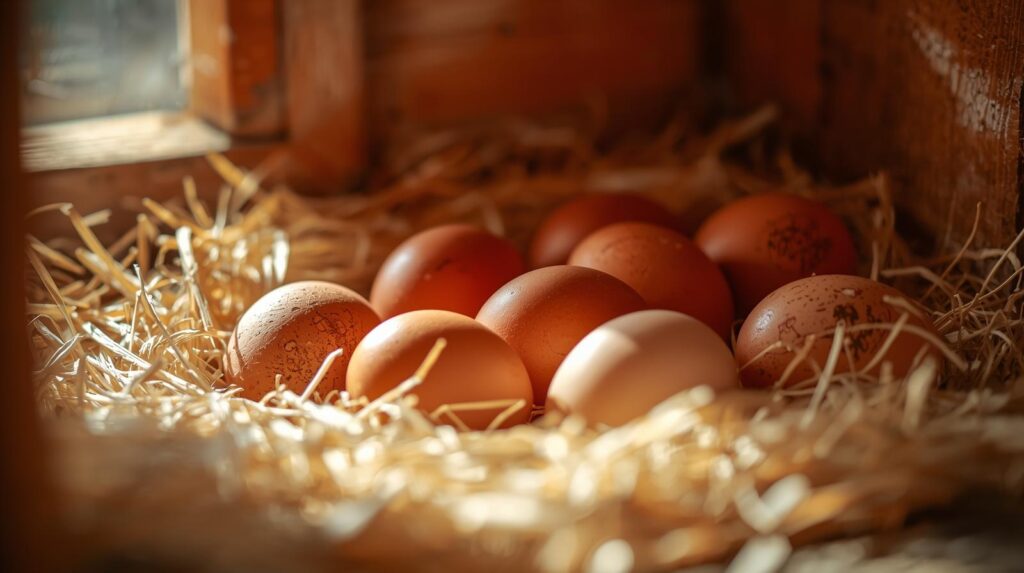
Collect eggs daily (multiple times in hot weather) to prevent breakage or broodiness.
Unwashed eggs store at room temperature for weeks due to natural bloom; washed eggs require refrigeration.
Common issues:
- Soft/thin shells → Increase calcium (oyster shell free-choice)
- No eggs → Check for hidden nests, stress, short days (add safe supplemental light)
- Blood on eggs → Normal for new layers; persists only if prolapse (vet needed)
Predator Protection and Safety
Losses devastate beginners—don’t learn this the hard way.
Common Threats
Urban/suburban: Raccoons, opossums, dogs, cats, hawks, owls. Rural adds foxes, coyotes, weasels, bears.
Most attacks happen at night or dawn/dusk.
Proven Strategies
- Fortified coop with buried apron (12-18 inches out) to stop digging
- Automatic coop doors on timers
- Motion-activated lights and noisemakers
- Electric poultry netting for runs
- Guardian animals (well-trained dogs or geese)
- Double-check locks nightly—raccoons open simple latches
Supervised free-ranging minimizes risk while maximizing benefits.
Integrating Chickens with Your Garden (Sustainable Farming Tie-In)
This is where backyard chickens truly shine in agricultural systems.
Benefits for Crop Rotation and Soil Health
Chickens excel as part of regenerative farming:
- Natural tillers: Scratch and aerate soil
- Pest controllers: Devour grubs, slugs, ticks, and weed seeds
- Fertilizer producers: Manure is nitrogen-rich (hot—must compost 6+ months before direct use)
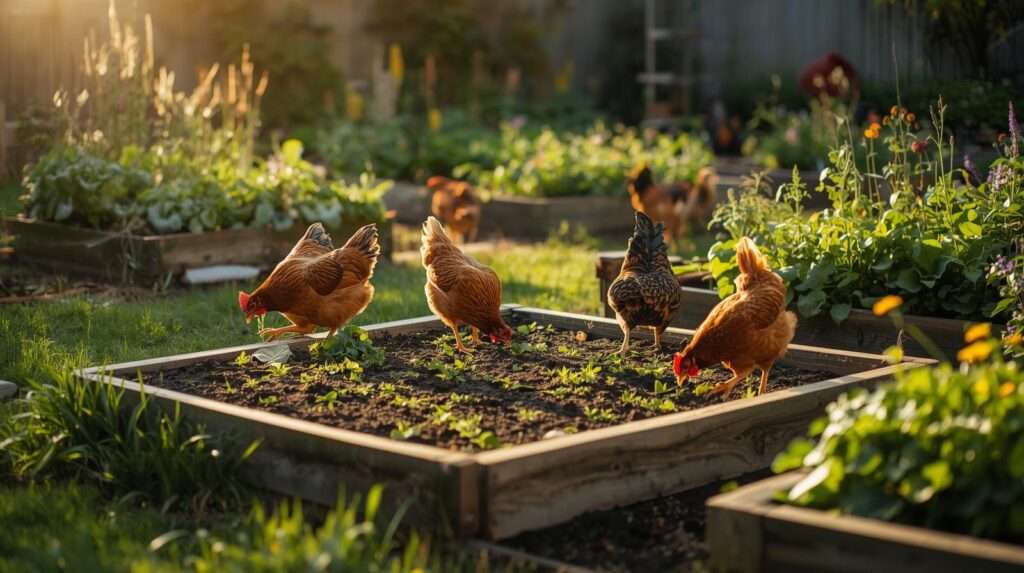
Use “chicken tractors” or rotational runs to follow crop harvest. After harvesting a bed, move chickens over—they clean residue, eat pests, and deposit manure, preparing soil for the next planting.
Safe Integration Tips
Protect plants:
- Sturdy fencing around gardens
- Only allow access to finished beds
- Use temporary netting or tunnels
Compost manure properly: Hot composting kills pathogens and weed seeds.
Examples of successful integration:
- Chickens in orchards for pest control and fertilization
- Following brassicas or tomatoes with chicken cleanup
- Sheet mulching with chicken help
Eco-Friendly Practices
Reduce waste:
- Compost all coop bedding and manure
- Collect rainwater for drinkers
- Use solar-powered coop lights/doors
- Plant perennials chickens can forage (berries, herbs)
Seasonal Care Guide
Adapt care to weather for year-round success.
Spring: New Flocks and Growth
- Ideal time to start chicks or pullets
- Increase protein for growth/molting recovery
- Deep clean coop after winter
Summer: Heat Stress Prevention
- Provide shade, cool water, frozen treats
- Electrolytes in water during heat waves
- Early morning free-range to avoid midday heat
Fall: Preparing for Winter
- Health checks before cold
- Stock supplies
- Plan supplemental lighting if desired
Winter: Cold Protection and Supplemental Light
- Deep litter method for warmth
- Vaseline on combs/wattles to prevent frostbite
- 14-16 hours light for continued laying (timer recommended)
- Insulated coop (not airtight—ventilation still critical)
Frequently Asked Questions (FAQs)
How much do backyard chickens cost to start and maintain? Startup: $300-800 (coop, birds, supplies). Annual maintenance: $300-600 for 6 hens (mostly feed), offset by eggs.
Can I have chickens in the city? Many cities allow 4-8 hens (no roosters). Always verify local ordinances.
What if my hens stop laying? Check age, diet, stress, daylight, parasites, or molt. Address underlying cause.
Are roosters necessary for eggs? No—hens lay unfertilized eggs without a rooster.
How to handle molting or broodiness? Molting: Extra protein, patience (6-12 weeks no eggs). Broodiness: Collect eggs frequently, block nest access, or let her hatch if desired.
How can I reduce feed costs naturally? Foraging, fodder sprouting, kitchen scraps, and insect cultivation (black soldier flies or mealworms).
Conclusion
Starting backyard chickens is one of the most rewarding steps toward sustainable living. With these backyard chickens beginners tips, you’ll avoid common pitfalls and build a thriving flock that provides fresh eggs, enriches your soil, and brings daily joy.
Remember: Start small, observe your birds daily, and learn from experience. Your hens will teach you as much as any guide.