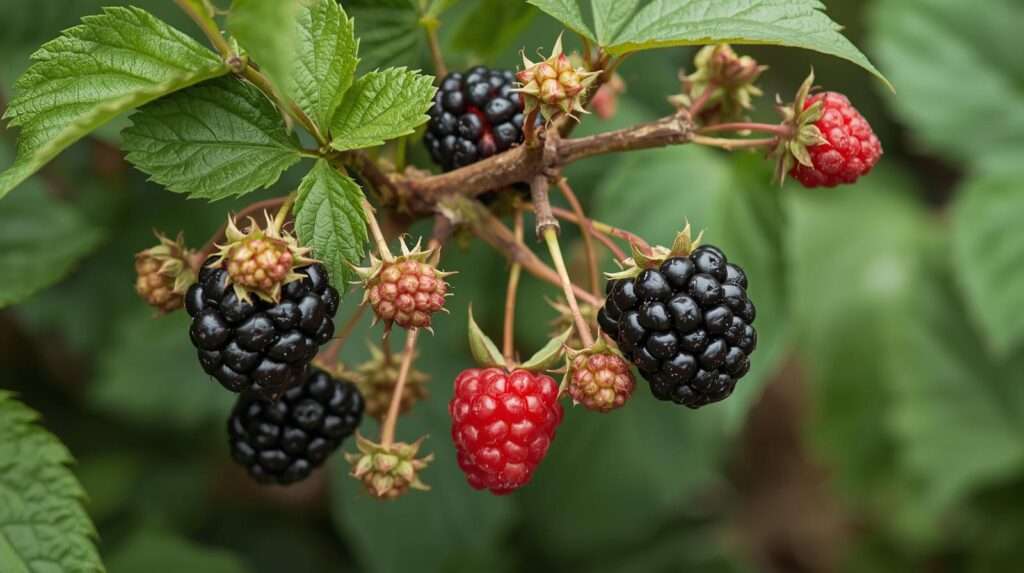
Pruning blackberries and raspberries is the single most powerful technique you can use to transform an average berry patch into a high-yielding, healthy, and easy-to-manage garden treasure. Imagine walking out to your backyard each summer and harvesting baskets overflowing with large, juicy, perfectly formed berries—without fighting through a tangled jungle of canes or dealing with small, sparse fruit. The secret? Proper, timely pruning.
Whether you’re a beginner gardener with just a few plants or an experienced grower looking to maximize production, this comprehensive guide will walk you through every aspect of pruning blackberries and raspberries. You’ll learn exactly when and how to prune different varieties, why pruning dramatically increases yields (often by 50–100%), prevents diseases, and makes harvesting a pleasure instead of a chore.
By the end of this article, you’ll have the confidence and knowledge to prune your brambles like a pro—resulting in bigger berries, healthier plants, and more abundant harvests year after year.
Understanding Blackberry and Raspberry Growth Cycles
Before you make the first cut, it’s essential to understand how blackberries and raspberries grow. These brambles produce fruit on specific types of canes, and knowing the difference between them is the foundation of successful pruning.
Primocanes vs. Floricanes: The Key to Successful Pruning
Blackberries and most raspberries follow a biennial growth cycle:
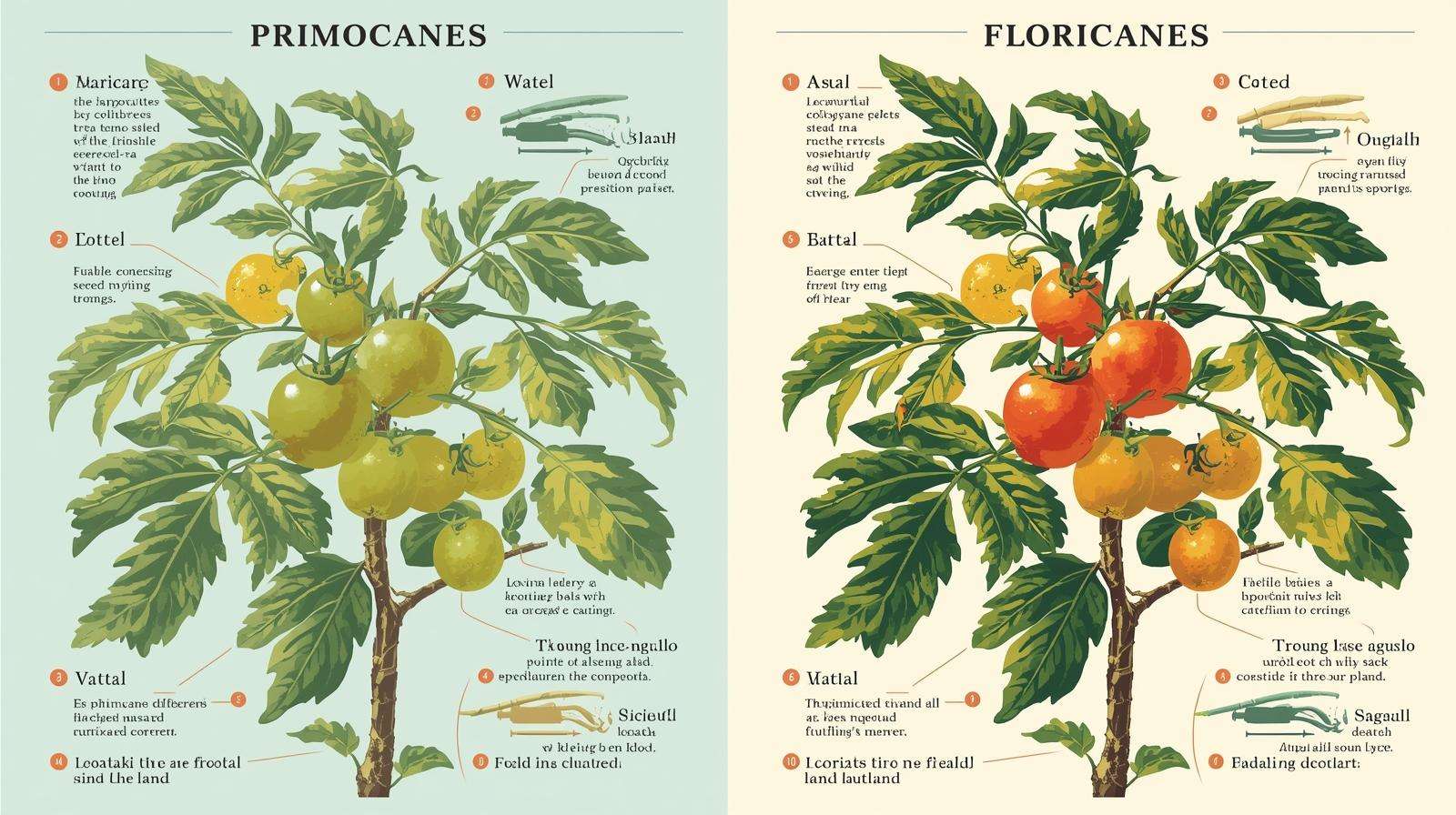
- Primocanes — These are the new, first-year canes that grow during the current season. They are green, flexible, and do not produce fruit in their first year (with one important exception we’ll cover later).
- Floricanes — These are the same canes in their second year. They turn woody, brown, and produce flowers and fruit before dying back naturally at the end of the season.
Most blackberries and summer-bearing raspberries fruit only on floricanes. This means the canes that fruited this year will never fruit again, and the new primocanes growing now will become next year’s fruiting canes.
Types of Raspberries and Their Pruning Needs
Raspberries come in two main fruiting types, each requiring a slightly different pruning approach:
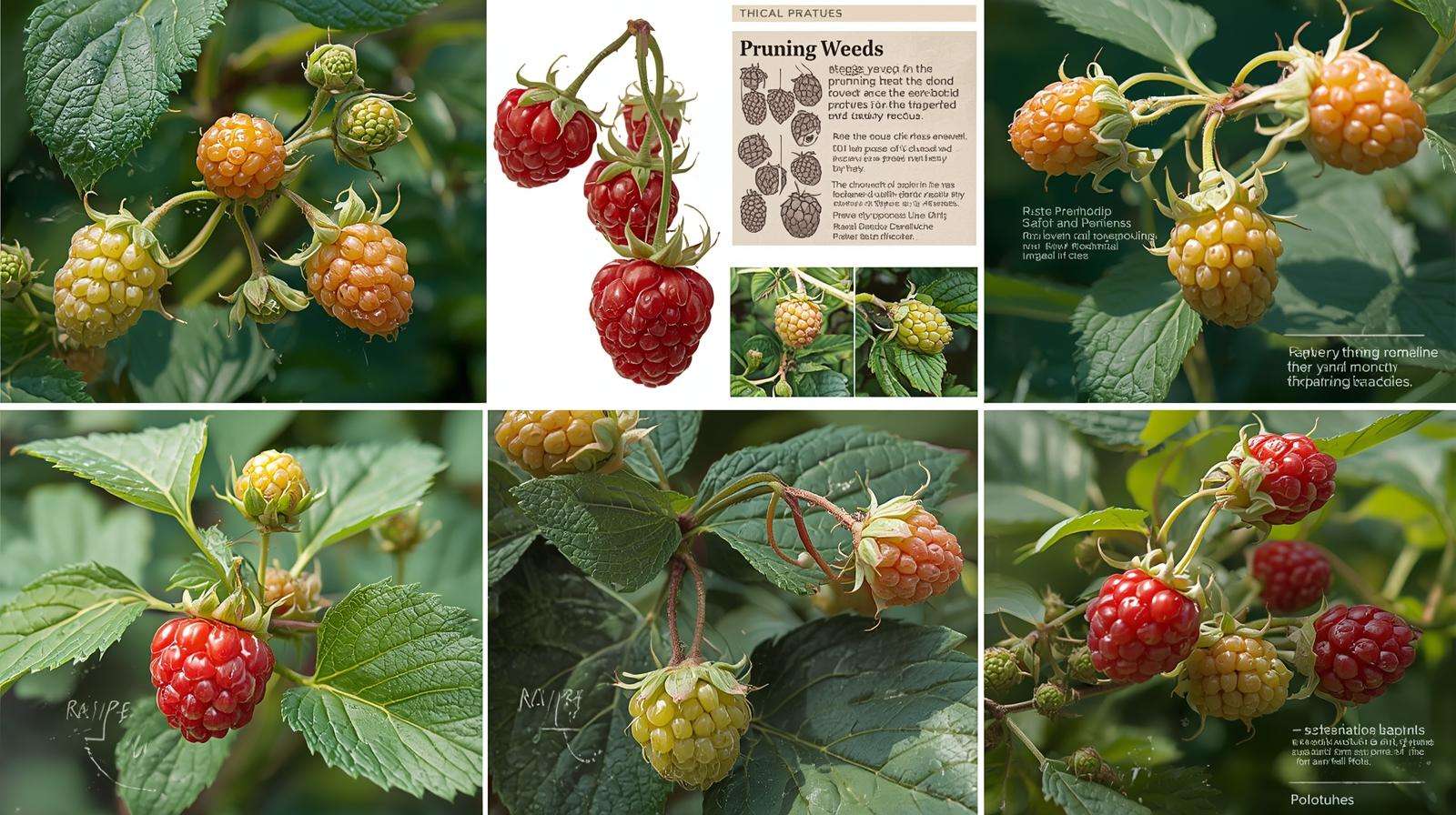
- Summer-bearing (floricane-fruiting) raspberries These produce one large crop in early to mid-summer on last year’s canes (floricanes).
- Everbearing (primocane-fruiting) raspberries These produce two crops:
- A smaller summer crop on floricanes
- A larger fall crop on the current season’s primocanes (Many growers prune them for just the larger fall crop.)
Black raspberries and purple raspberries follow similar patterns to summer-bearing red raspberries but have more brittle canes.
Types of Blackberries and Their Pruning Needs
Blackberries are classified by growth habit, which affects how you prune and train them:
- Erect blackberries — These stand upright without much support but benefit from trellising.
- Semi-erect blackberries — They grow tall and arching; they need strong trellising.
- Trailing blackberries — These have long, flexible canes that trail along the ground unless supported.
All blackberries fruit on floricanes (second-year canes), except a few newer primocane-fruiting varieties (still rare).
Why Prune Blackberries and Raspberries?
Pruning isn’t optional—it’s essential. Here’s why:
- Increases yield and berry size — Removing excess and spent canes directs energy to fewer, stronger fruiting canes, resulting in larger, better-quality berries.
- Improves air circulation and sunlight penetration — This dramatically reduces fungal diseases like anthracnose, cane blight, and botrytis.
- Makes harvesting easier — Well-pruned plants are open and accessible—no more scratched arms or lost berries.
- Extends plant life — Healthy, uncrowded plants live longer and remain productive.
- Controls plant size — Prevents your patch from becoming an overgrown, unmanageable thicket.
What happens if you skip pruning? Overcrowded canes compete for light, water, and nutrients. Fruit becomes small and sparse, diseases spread rapidly, and harvesting turns into a nightmare.
Tools and Safety Equipment You’ll Need
Investing in the right tools makes pruning safer, faster, and more precise:
- Sharp bypass pruners — For clean cuts on canes up to ½ inch thick.
- Loppers — For thicker canes.
- Pruning saw — For very thick or old canes.
- Thick leather gloves — Brambles have vicious thorns!
- Long sleeves and pants — Protection from scratches.
- Safety glasses — To protect your eyes from whipping canes.
- Trellis materials — Posts, wires, and ties for support.
- 70% alcohol or bleach solution — To disinfect tools between plants and prevent disease spread.
Pro tip: Always use sharp tools. Dull blades crush canes instead of cutting cleanly, increasing disease risk.
When to Prune: Best Timing for Each Season
Timing is everything in bramble pruning. Here’s the ideal schedule:
Dormant Season Pruning (Late Winter/Early Spring)
- Best time: Late winter to early spring, before buds swell but after the worst of the cold has passed (typically February–March in most temperate climates).
- What to do: Remove all dead, damaged, and diseased canes. Thin primocanes and head laterals.
Summer Pruning (Tipping/Heading)
- When: Early to mid-summer, when primocanes reach 3–5 feet tall.
- Purpose: Encourages lateral branching, which produces more fruiting wood.
Post-Harvest Pruning
- When: Immediately after harvest (late summer for summer-bearing types).
- What to do: Cut all spent floricanes to ground level.
Fall Pruning Considerations
- For primocane-fruiting raspberries: Optional full cut-back for a single large fall crop.
- General cleanup: Remove any diseased or damaged canes.
Step-by-Step Pruning Guide for Raspberries
Raspberries are among the most rewarding home fruit crops, but they require precise pruning to stay productive. Below are detailed, variety-specific instructions.
Pruning Summer-Bearing (Floricane-Fruiting) Raspberries
These varieties (e.g., ‘Heritage’, ‘Boyne’, ‘Latham’) produce one large crop in early to mid-summer on last year’s canes.
- Immediately After Harvest (Late June–July)
- Cut all spent floricanes to ground level. These are the brown, woody canes that just finished fruiting.
- Remove any weak, damaged, or diseased primocanes at the same time.
- Why now? Removing spent canes immediately prevents disease spores from overwintering and frees up space and energy for the new primocanes.
- Late Winter/Early Spring (February–March, before buds swell)
- Thin the remaining primocanes: Keep only the strongest 4–6 canes per linear foot of row.
- Space canes 4–6 inches apart in the row for good air circulation.
- Remove any weak, thin, or damaged canes at ground level.
- Cut the tops of the remaining canes back to 4.5–5 feet tall (this encourages strong laterals).
- Remove any suckers that have sprouted outside your intended row width.
- Summer Tipping (Optional for Black Raspberries & Purple Raspberries)
- When new primocanes reach 3–4 feet tall (usually June–July), pinch or cut off the top 3–6 inches.
- This forces the cane to branch, creating 6–10 strong laterals that will bear next year’s fruit.
Pruning Everbearing (Primocane-Fruiting) Raspberries
Popular varieties include ‘Heritage’, ‘Caroline’, ‘Joan J’, and ‘Autumn Bliss’. These offer flexibility in pruning strategy.
Option 1: Two Crops (Summer + Fall)
- After the summer crop finishes: Cut only the spent floricanes to ground level (brown canes that fruited in summer).
- Thin primocanes to 4–6 strong canes per foot in late winter.
- You’ll get a smaller summer crop on floricanes and a large fall crop on primocanes.
Option 2: One Large Fall Crop (Most Recommended for Maximum Yield)
- In late fall, winter, or very early spring: Cut ALL canes to ground level (a process called “mowing back”).
- New primocanes will grow and fruit heavily in late summer/fall.
- Advantages: Larger berries, later harvest (great for extending the season), fewer diseases, simpler maintenance.
Pro tip: Many commercial growers and serious home gardeners prefer the single large fall crop method for everbearing varieties—it often doubles total yield compared to the double-crop system.
Special Notes for Black and Purple Raspberries
These varieties (e.g., ‘Bristol’, ‘Jewel’, ‘Royalty’) are more similar to erect blackberries in pruning needs:
- Tip primocanes at 3–4 feet in summer.
- Remove spent floricanes immediately after harvest.
- Thin to 4–6 strong canes per plant in late winter.
- Their canes are more brittle, so handle gently to avoid breakage.
Step-by-Step Pruning Guide for Blackberries
Blackberries are generally more vigorous than raspberries, but the same primocane/floricane principle applies.
Pruning Erect Blackberries
Varieties: ‘Arapaho’, ‘Navaho’, ‘Ouachita’
- Summer Tipping (Late Spring–Early Summer)
- When new primocanes reach 3–4 feet tall, pinch or cut off the growing tip (about 3–4 inches).
- This forces 6–12 strong lateral branches to form, which will bear next year’s fruit.
- Immediately After Harvest (Late Summer)
- Cut all spent floricanes to ground level.
- Late Winter/Early Spring
- Thin primocanes: Keep 4–6 of the strongest canes per plant or per linear foot.
- Shorten lateral branches to 12–18 inches long for easier picking and larger berries.
- Remove any weak, damaged, or crossing canes.
Pruning Semi-Erect Blackberries
Varieties: ‘Triple Crown’, ‘Prime-Ark Freedom’, ‘Illini Hardy’
- Similar to erect types, but they grow taller (6–10 feet) and need strong trellising.
- Tip primocanes at 4–5 feet.
- Thin to 4–5 canes per plant.
- Head laterals to 18–24 inches.
Pruning Trailing Blackberries
Varieties: ‘Marion’, ‘Boysen’, ‘Logan’, ‘Thornless Evergreen’
- No tipping needed—these varieties naturally produce many laterals.
- Immediately after harvest: Remove all spent floricanes.
- In late winter: Thin primocanes to 6–8 strong canes per plant.
- Train canes onto a trellis (see below).
Training and Trellising All Types
Proper support is non-negotiable for blackberries and most raspberries.
Why trellis?
- Keeps fruit off the ground (less rot and easier picking).
- Improves air circulation and sunlight exposure.
- Makes pruning and harvesting much easier.
Recommended Trellis Types
- Two-wire trellis (simplest): Posts 20–30 feet apart, wires at 3 feet and 5 feet high.
- T-trellis or V-trellis: Excellent for semi-erect and trailing types—separates primocanes and floricanes for easier management.
- Alternate-year V-trellis: Advanced system for maximum yield—train primocanes one direction, floricanes the other.
How to Train
- Tie primocanes loosely to wires as they grow (use soft twine or plant ties).
- For trailing types, bundle canes and fan them out along wires.
- After fruiting, remove floricanes and retie next year’s primocanes.
Common Pruning Mistakes and How to Avoid Them
Even experienced gardeners make mistakes when pruning brambles. Here are the most frequent errors—and exactly how to prevent them:
- Pruning the wrong canes Mistake: Cutting off healthy primocanes thinking they’re spent floricanes, removing next year’s fruiting wood. Solution: Learn to identify canes—primocanes are green/flexible with fresh growth; floricanes are woody, brown, and often have peeling bark or leftover fruit/flower remnants.
- Leaving stubs instead of cutting to the ground Mistake: Leaving 2–6 inches of dead cane above ground. Solution: Always cut spent floricanes flush to the ground. Stubs invite disease and pests.
- Over-thinning or under-thinning Mistake: Leaving too many canes (poor airflow, small berries) or removing too many (reduced yield). Solution: Aim for 4–6 strong canes per linear foot (or per plant for bush types). Thin to the healthiest, thickest canes.
- Pruning at the wrong time Mistake: Pruning in late spring/summer (except tipping), which removes flower buds. Solution: Stick to the seasonal schedule: post-harvest for spent canes, dormant season for thinning and heading.
- Not disinfecting tools Mistake: Spreading diseases like cane blight or anthracnose between plants. Solution: Wipe blades with 70% alcohol or a 10% bleach solution between each plant.
- Ignoring diseased or damaged canes Mistake: Leaving canes with spots, cankers, or weak growth. Solution: Remove any suspicious canes immediately, even if it means sacrificing some healthy ones.
- Skipping summer tipping Mistake: Letting primocanes grow unchecked (tall, leggy plants with fruit only at the top). Solution: Tip at the recommended height for erect and semi-erect types.
Expert Tips for Maximum Yields and Healthy Plants
Here are proven, advanced techniques used by commercial growers and university extension specialists:
- Fertilize right after pruning — Apply a balanced fertilizer (e.g., 10-10-10) or compost in early spring after dormant pruning to fuel strong growth.
- Mulch heavily — Apply 3–4 inches of organic mulch (straw, wood chips) after pruning to suppress weeds, retain moisture, and regulate soil temperature.
- Monitor for pests and diseases — After pruning, inspect regularly for spider mites, Japanese beetles, anthracnose, and cane borers. Early intervention is key.
- Renovate overgrown patches — If your patch is a mess, cut everything to the ground in late winter (even floricanes). You’ll sacrifice one year’s crop but get vigorous new growth the following season.
- Choose high-performing varieties — For raspberries: ‘Caroline’, ‘Joan J’ (everbearing), ‘Heritage’. For blackberries: ‘Triple Crown’, ‘Prime-Ark Freedom’ (primocane-fruiting), ‘Navaho‘. These respond exceptionally well to proper pruning.
- Water consistently — Provide 1–2 inches per week, especially after pruning when plants are putting out new growth.
Seasonal Pruning Calendar (Quick Reference)
Northern Hemisphere (Temperate Climates)
- January–February: Dormant pruning (thin primocanes, head laterals).
- March–April: Final dormant pruning before buds swell; apply fertilizer.
- May–June: Summer tipping when primocanes reach 3–5 feet.
- July–August: Post-harvest removal of spent floricanes.
- September–October: Optional fall cut-back for everbearing raspberries; general cleanup.
- November–December: Light cleanup; mulch for winter protection.
Adjust for your climate: In warmer zones (e.g., USDA 8–9), shift timing earlier by 2–4 weeks. In colder zones (USDA 4–5), delay until late March/April.
Frequently Asked Questions (FAQs)
Q: When is the best time to prune blackberries and raspberries in my area? A: Late winter/early spring for major thinning and heading; immediately after harvest for spent canes. Check your local extension service for precise dates based on your growing zone.
Q: Can I prune everbearing raspberries for two crops? A: Yes, but the single large fall crop method usually produces higher total yields and larger berries. Choose based on your preference for early or late fruit.
Q: What if I missed summer tipping? A: You’ll still get fruit, but it will be concentrated at the top of tall canes. Next year, resume tipping to build better structure.
Q: How do I tell primocanes from floricanes? A: Primocanes are green, flexible, and have fresh leaves. Floricanes are woody, brown, and often have peeling bark or dried fruit remnants.
Q: Should I prune newly planted berries? A: Yes—prune new plants back to 12–18 inches tall at planting to encourage strong root development and branching.
Q: Do primocane-fruiting blackberries exist? A: Yes, newer varieties like ‘Prime-Ark Freedom’ and ‘Prime-Ark 45’ fruit on first-year canes. Prune them like everbearing raspberries.
Q: How often should I replace my berry patch? A: With good pruning and care, plants can remain productive for 10–15 years. Renovate when yields drop significantly.
Q: Can I compost the pruned canes? A: Only if they’re disease-free. Diseased canes should be burned or bagged and discarded to prevent spreading pathogens.