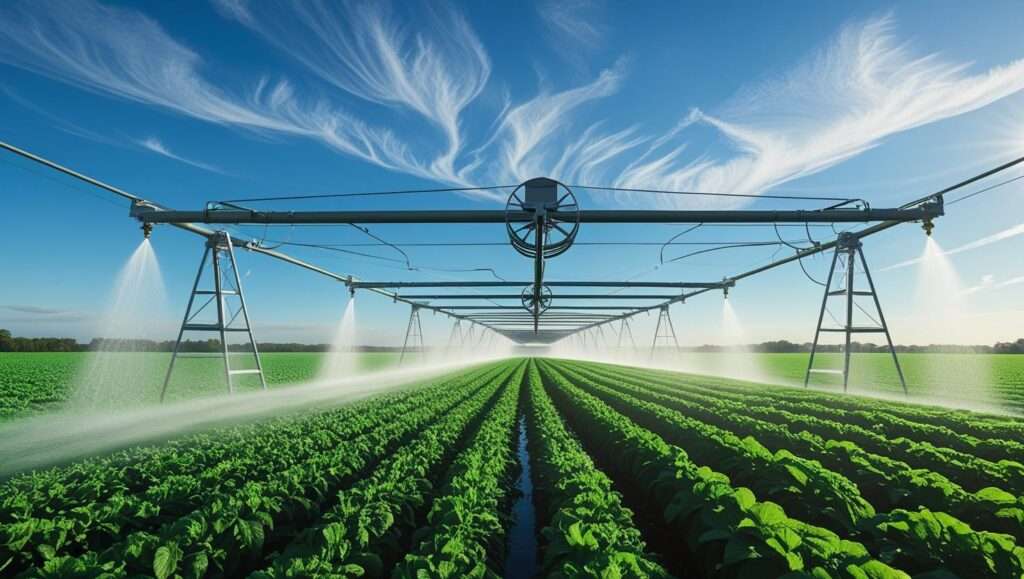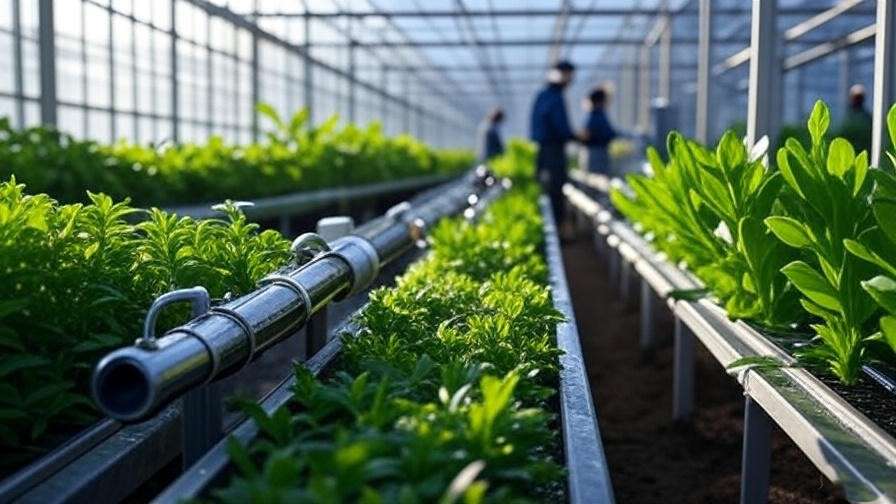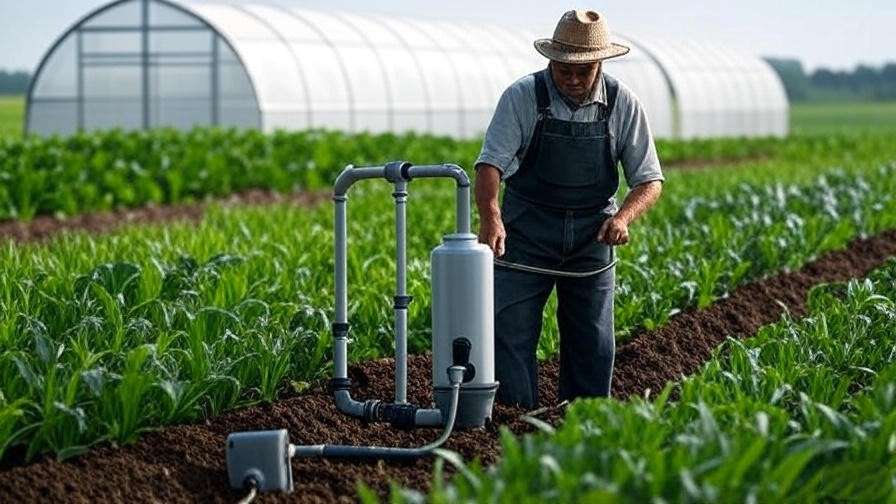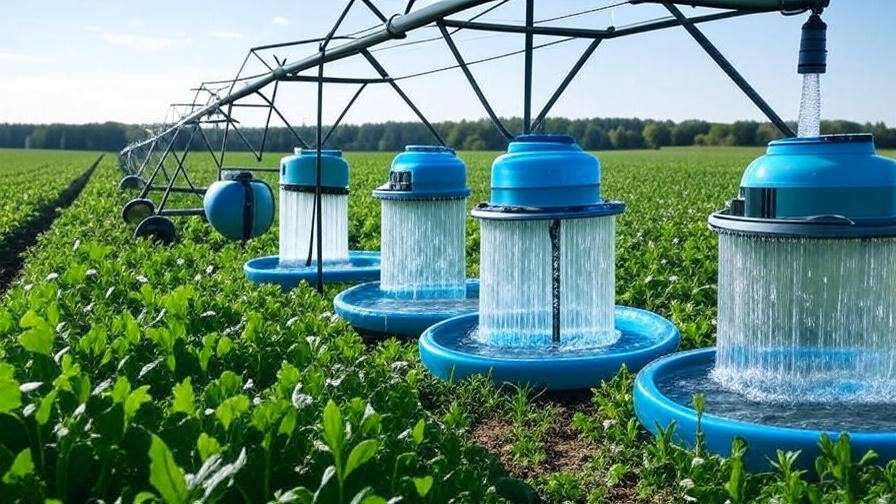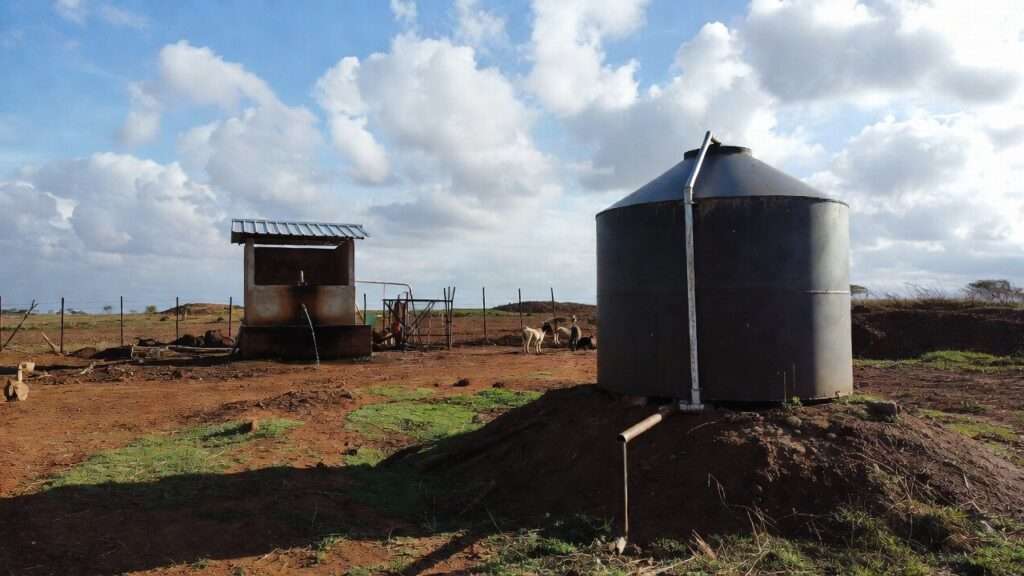
Rain Barrels and IBC Totes are powerful, affordable tools that thousands of farmers and gardeners now rely on to harvest free rainwater and achieve sustainable crop irrigation — especially as droughts become more frequent and water costs continue to rise. Imagine facing another season of unpredictable dry spells, watching your crops struggle while your water bills climb and local groundwater levels drop. In regions like California, the Midwest, and even parts of Bangladesh, forward-thinking growers are solving this challenge by capturing rooftop runoff with rain barrels and IBC totes, saving thousands of gallons and significant money each year while building long-term farm resilience.
Rain barrels and IBC totes stand out as essential, practical tools for effective rainwater harvesting in agriculture. These systems allow farmers, smallholders, and gardeners to collect, store, and distribute rooftop runoff for sustainable crop irrigation, dramatically reducing dependence on municipal supplies or depleting groundwater. Whether you’re managing a backyard vegetable plot or a multi-acre operation, these solutions promote water conservation, lower expenses, and build farm resilience.
As an agricultural expert with extensive experience consulting on sustainable water management for farms, I’ve seen these systems deliver real results: healthier plants from chemical-free rainwater, reduced soil salinity issues, and measurable savings. This in-depth guide draws on guidelines from authoritative sources like the EPA and USDA, along with practical field insights, to provide everything you need—from selection and installation to maintenance and optimization—for implementing rainwater harvesting that truly works for your crops.
Rainwater harvesting addresses a core need in modern farming: reliable, eco-friendly irrigation in an era where agriculture consumes a major share of freshwater resources. By using rain barrels and IBC totes, you can minimize runoff pollution, improve soil health, and contribute to long-term sustainability. Let’s explore how these tools function, their proven advantages, and a step-by-step path to getting started on your own farm.
Understanding Rain Barrels and IBC Totes
What Are Rain Barrels?
Rain barrels are simple, accessible containers engineered to capture and store rainwater from rooftops, serving as an excellent starting point for anyone new to rainwater harvesting for agriculture. Most are made from durable, UV-resistant, food-grade plastic and hold between 50 and 100 gallons (with some models reaching 150 gallons or more). Essential features include a tight-fitting lid to block debris and mosquitoes, a screened inlet, a bottom spigot for easy dispensing, and an overflow outlet to handle heavy downpours safely.
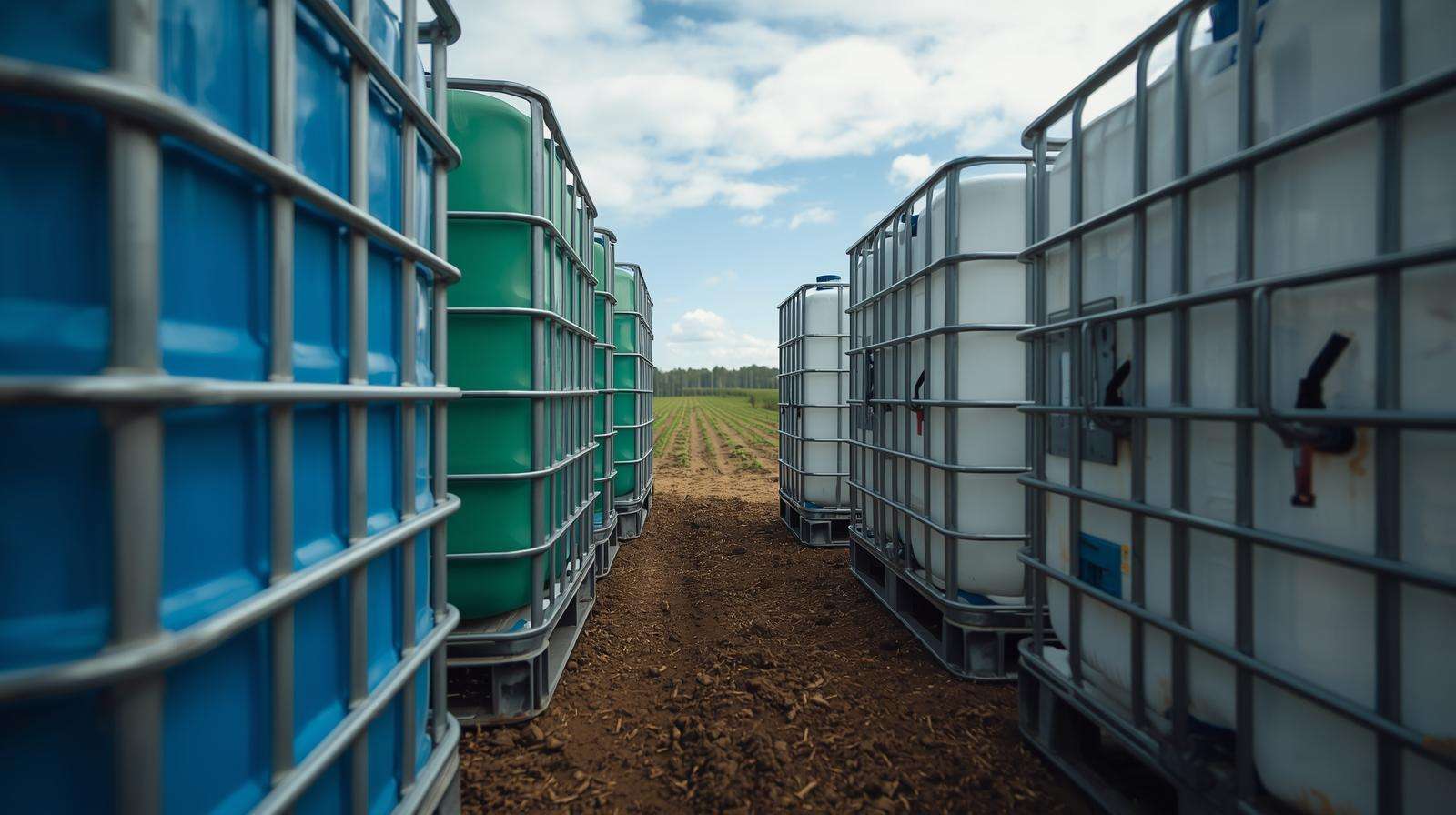
These barrels are lightweight, affordable (often $50–$150), and quick to set up—ideal for small gardens, orchards, or supplemental watering on hobby farms. In practice, elevating them slightly enables gravity-fed flow to hoses or drip lines, while dark coloring helps prevent algae growth. They work best in areas with consistent rainfall, providing quick access to soft, chlorine-free water that’s perfect for sensitive crops.
Advantages include low cost, portability, and minimal maintenance. Limitations arise from smaller capacity: during extended dry periods, they may empty quickly, requiring multiple units for larger needs.
What Are IBC Totes?
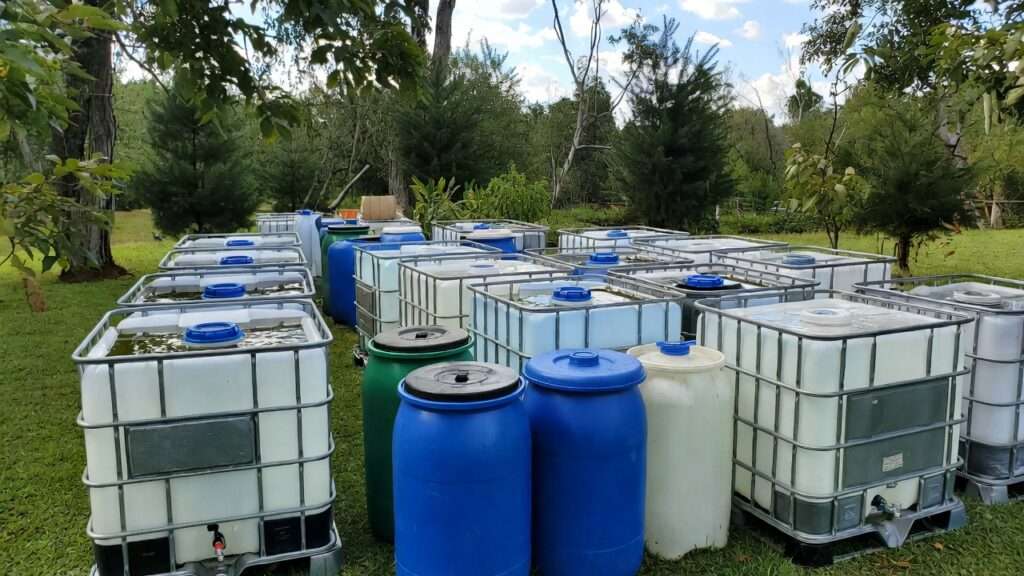
Intermediate Bulk Containers (IBC totes), also called caged totes, offer industrial-scale storage for serious rainwater harvesting. These robust units typically hold 275–330 gallons and feature a food-grade high-density polyethylene (HDPE) inner tank encased in a protective metal cage on a pallet base. Originally used for shipping liquids, they are now widely repurposed for water storage due to their strength and scalability.
For farm use, IBC totes excel in medium-to-large operations, supporting crop irrigation, greenhouse watering, or livestock needs. They can be modified with valves, pumps, and filters, and multiple units can be connected (daisy-chained) for even greater volume. Always prioritize food-grade or certified water-safe models to avoid any risk of chemical leaching from prior contents.
Benefits include exceptional capacity at a low cost (used units often $100–$300), durability against outdoor conditions, and easy integration with irrigation systems. Considerations include the need for thorough cleaning (especially for used totes), protection from direct sunlight to prevent degradation, and potentially higher setup effort.
Comparing Rain Barrels and IBC Totes
Choosing between rain barrels and IBC totes depends on your farm’s scale, rainfall patterns, and budget. Here’s a practical comparison:
- Capacity — Rain barrels: 50–150 gallons; IBC totes: 275–330 gallons (or more when linked).
- Cost — Rain barrels: Lower upfront ($50–$150); IBC totes: Higher initial but better value per gallon, especially used.
- Installation — Rain barrels: Simple DIY; IBC totes: Moderate, often needing modifications and stable base.
- Best For — Rain barrels suit small-scale or supplemental use; IBC totes ideal for primary storage on larger farms.
- Durability & Maintenance — Both are sturdy, but IBCs handle heavier duty with proper care.
Data from agricultural suppliers and extension services show IBC totes deliver superior economics for operations needing substantial reserves, while rain barrels offer quick wins for beginners. Many successful farms combine both for layered storage.
The Benefits of Harvesting Rainwater for Sustainable Crop Irrigation
Environmental Advantages
Rainwater harvesting with rain barrels and IBC totes directly supports water conservation by capturing rooftop runoff that would otherwise flow into storm drains or cause erosion. This reduces pressure on aquifers and surface waters, critical in areas facing drought. By diverting water before it carries pollutants, these systems help protect local ecosystems and improve water quality downstream.
On farms, using harvested rainwater promotes healthier soils—it’s naturally soft, low in salts, and free of treatment chemicals—leading to better nutrient uptake and reduced long-term degradation. Overall, widespread adoption contributes to biodiversity and resilience against climate variability.
Economic Benefits for Farmers
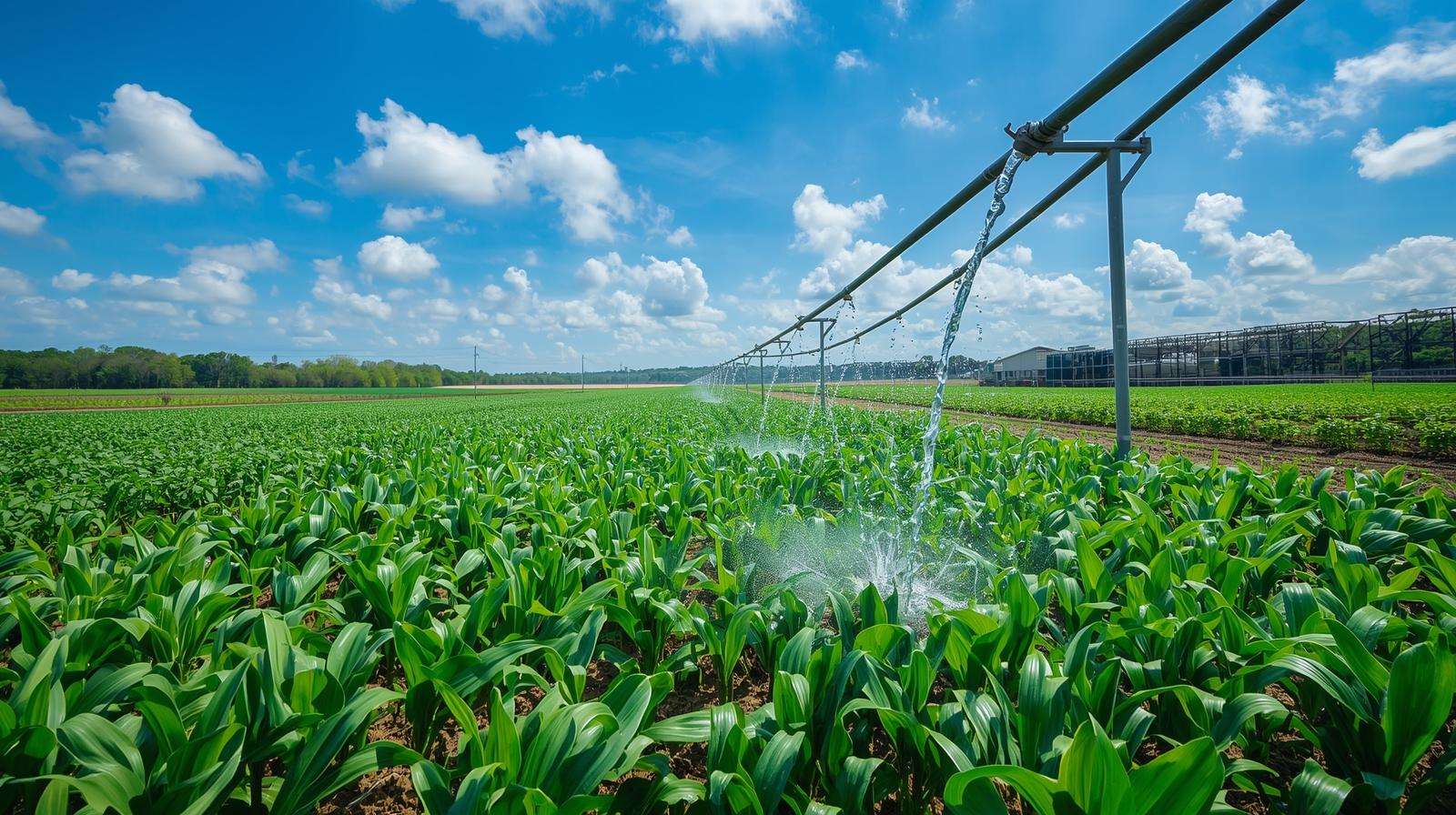
The financial returns are substantial. A typical small-to-medium farm can save hundreds annually on water bills by offsetting irrigation needs. Larger setups with IBC totes often achieve 20–40% reductions in supplemental water costs, depending on local rainfall and system scale.
Beyond savings, consistent access to free water during dry spells supports stable yields. Studies and real-world examples show rainwater improves plant health, sometimes increasing production through better soil conditions and fewer salinity issues. The initial investment pays back relatively quickly—often within a few seasons—especially with low-cost used IBCs.
Health and Safety Aspects
Rainwater is naturally distilled, lacking chlorine, fluoride, and many dissolved minerals found in municipal or well water—making it excellent for organic farming and sensitive crops. When properly filtered and stored, it poses minimal risks for irrigation.
To ensure safety, use food-grade containers, install screens and first-flush diverters to remove initial contaminants, and test periodically for pH or bacteria if needed. Following EPA-recommended practices keeps water suitable for non-potable farm use, protecting both crops and the environment.
Choosing the Right Rainwater Harvesting System for Your Farm
Assessing Your Needs
Before purchasing any equipment, accurately evaluate your farm’s water requirements and collection potential. Start by estimating irrigation needs: use crop-specific evapotranspiration (ET) rates combined with your planted area. For example, common vegetables like tomatoes might require 1–1.5 inches of water per week during peak growth, translating to roughly 20–30 gallons per plant weekly in hot conditions.
Next, calculate potential harvest volume using this standard formula (widely recommended by extension services):
Potential gallons = Roof area (sq ft) × Rainfall (inches) × 0.623
The 0.623 factor converts square feet and inches of rain into US gallons, accounting for typical collection efficiency. A 1,000 sq ft barn roof in an area averaging 40 inches of annual rainfall could theoretically yield about 25,000 gallons yearly—though real-world efficiency is often 70–90% due to losses.
Factor in your local climate using NOAA or regional weather data. In wetter regions (e.g., Southeast U.S. with 50+ inches/year), smaller rain barrels may suffice as supplements. In drier areas (e.g., parts of the Midwest or West), larger IBC totes provide critical buffer storage during dry spells.
Consider crop types: high-value or drought-sensitive plants (e.g., berries, leafy greens) benefit most from consistent, soft rainwater, while more tolerant field crops like corn may need less supplementation.
Sourcing Quality Materials
Prioritize food-grade or certified safe containers to minimize contamination risks. New rain barrels from reputable brands (often $80–$200) come ready-to-use with built-in features.
For IBC totes, used food-grade units (previously holding non-toxic liquids like food ingredients) offer the best value ($100–$300), available through farm supply sites, Craigslist/Facebook Marketplace (in the Farm & Garden category), or industrial recyclers. Always verify history: ask what was stored previously and insist on “food-grade” certification. Avoid totes that held chemicals, oils, or unknown substances.
Key accessories to budget for:
- Gutters/downspout extensions
- Leaf screens/first-flush diverters (essential for cleaner water)
- Overflow pipes/hoses
- Valves, hoses, and optional pumps/filters
Look for grants or cost-share programs through USDA NRCS or state conservation offices—many support water conservation practices.
Legal and Regulatory Considerations
Rainwater harvesting is generally encouraged or unregulated for non-potable agricultural use in most U.S. states, but check local rules. In some Western states with prior appropriation water rights (e.g., Colorado, parts of Arizona), large-scale collection may require permits. Most Eastern and Midwestern states have few restrictions for farm irrigation.
Use resources like your state agricultural extension service or EPA rainwater harvesting guides for compliance checklists. Always direct overflow to safe drainage areas to avoid erosion or neighbor issues.
Step-by-Step Guide to Installing Rain Barrels and IBC Totes
Preparation and Site Selection
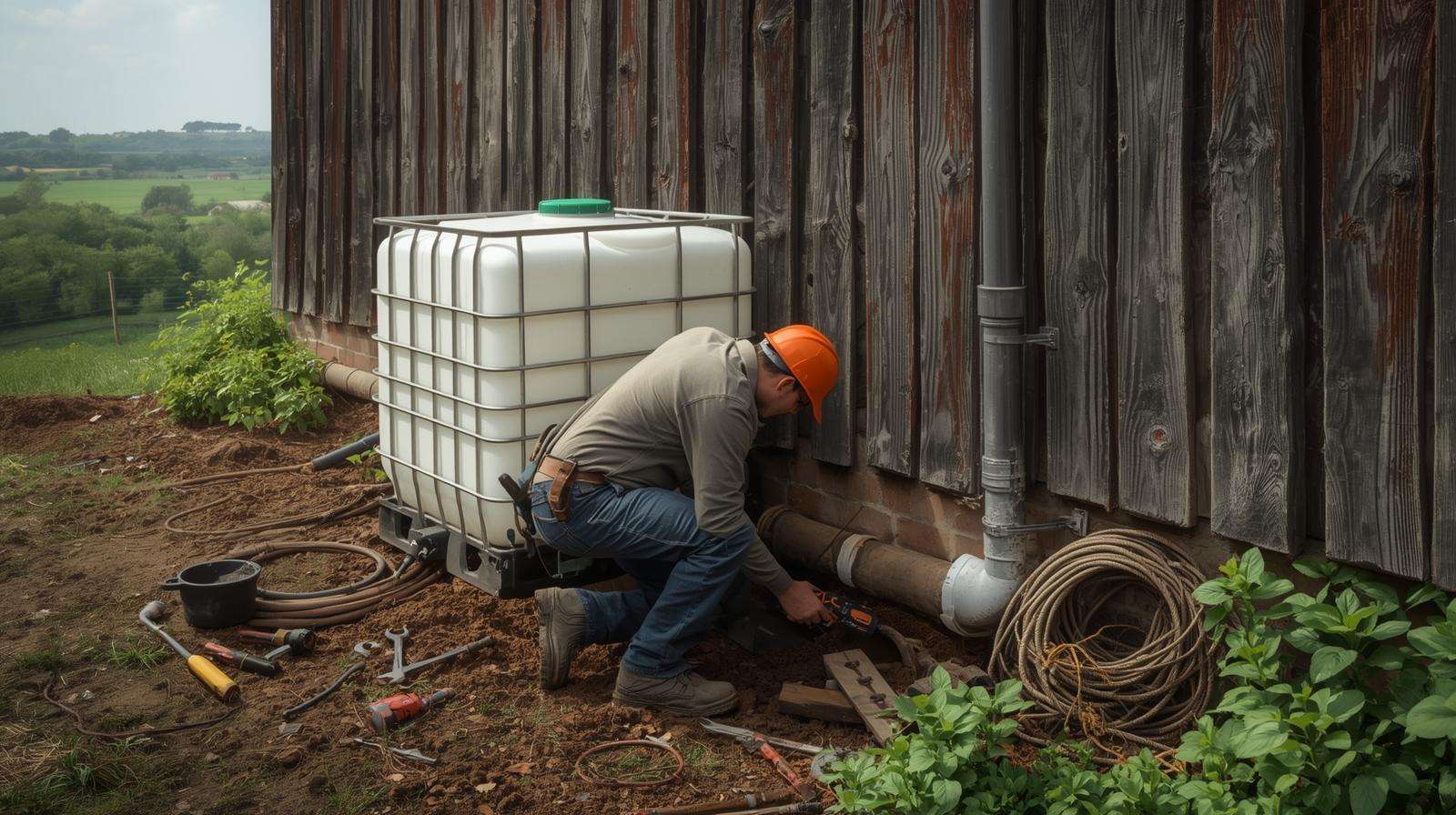
Gather tools: drill, hole saw, PVC fittings, sealant, level, shovels, and safety gear. Choose a stable, level site near the downspout with good drainage. Place containers on a solid base (concrete blocks, pallets, or gravel) to prevent tipping—especially important for full IBC totes weighing over 2,000 lbs.
Elevate rain barrels 12–24 inches for gravity flow. For IBCs, keep them low for stability but accessible for valves.
Install a leaf eater/filter at the downspout and consider a first-flush diverter to discard the initial dirty runoff (common recommendation for better water quality).
Installation Process for Rain Barrels
- Cut and connect: Modify the downspout to direct water into the barrel’s top inlet (use a diverter kit for overflow handling).
- Add screens: Install mesh on inlets to block debris.
- Secure overflow: Attach a hose to direct excess water away from foundations.
- Add spigot and accessories: Drill/install bottom spigot if needed; connect to hose for irrigation.
- Test: Run water through the system and check for leaks.
This DIY setup typically takes 1–2 hours.
Installation Process for IBC Totes
- Clean thoroughly (critical for used units): Rinse multiple times, use mild detergent if needed, then sanitize with food-grade bleach solution (e.g., 1 tsp unscented bleach per gallon, let sit 30 min, rinse thoroughly). Many experts recommend power washing and multiple rinses.
- Modify fittings: Install bulkhead fittings or valve adapters on the bottom outlet; add top inlet screen.
- Position and level: Place on level base; remove cage top tabs if wrapping for UV protection.
- Connect multiple units (for larger storage): Use Y-connectors or manifold piping at the bottom for equalizing levels.
- Add overflow and first-flush: Pipe excess to safe drainage.
- Shade/protect: Cover or paint opaque to prevent algae; locate in shade where possible.
Linking 2–5 IBCs can create thousands of gallons of storage.
Integration with Irrigation Systems
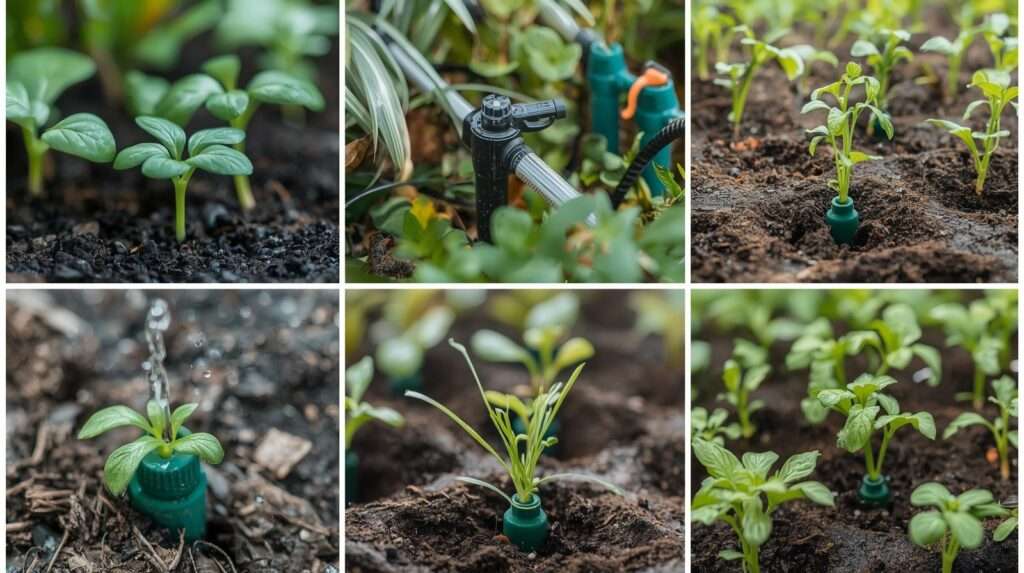
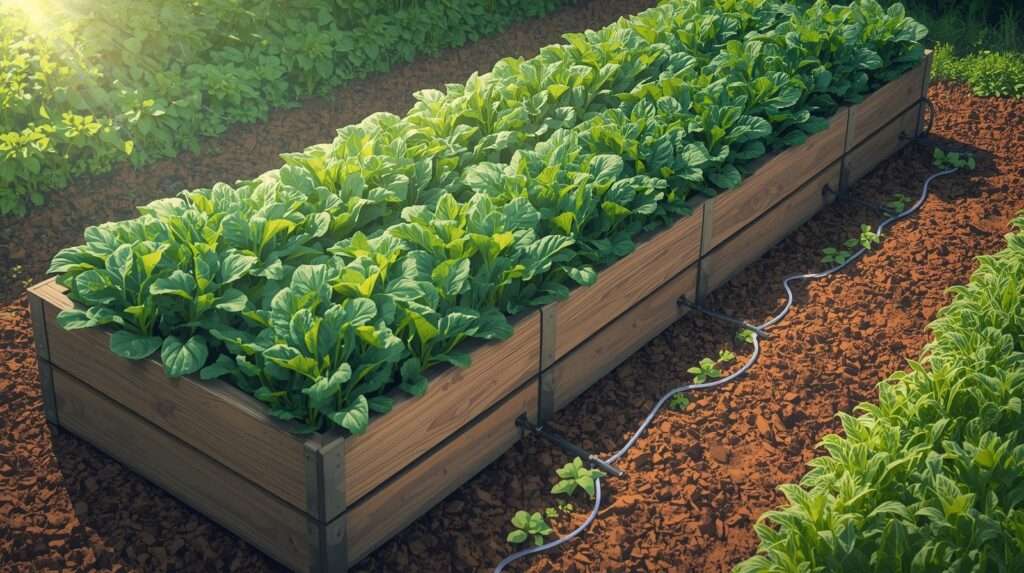
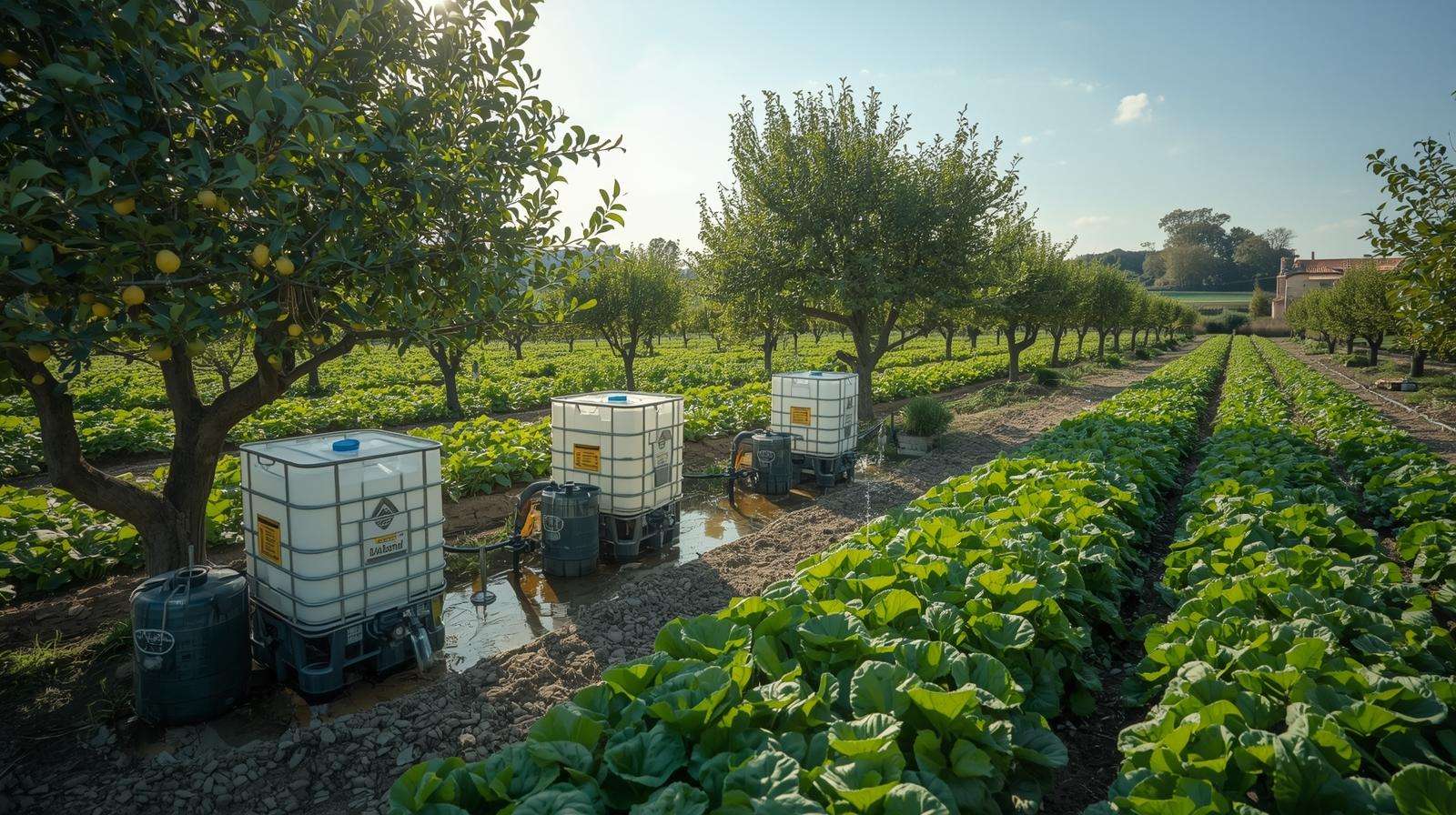
Connect via gravity (hose from spigot) or add a small solar/electric pump for pressure. Pair with drip irrigation for efficiency—rainwater’s softness reduces clogging. For example, on a small orchard, gravity feed from an elevated IBC to drip lines can water dozens of trees effectively.
Calculate flow: A full 275-gallon IBC at 3–4 ft height provides decent pressure for short runs.
Maintenance, Troubleshooting, and Optimization
Routine Maintenance Practices
- Monthly: Check screens/filters; clear debris.
- Seasonal: Clean interior (rinse, scrub if algae appears); test water pH.
- Winter: Drain or insulate in freezing areas to prevent cracking.
- Annual deep clean: Empty, sanitize, inspect for cracks.
Shade containers and use first-flush systems to minimize algae.
Common Problems and Solutions
- Algae growth: Solution: Opaque covering, UV protection, or hydrogen peroxide treatment.
- Leaks: Tighten fittings; use food-grade sealant.
- Low pressure: Add pump or elevate higher.
- Mosquitoes: Ensure tight lids; add Bti dunks if needed.
Optimizing for Maximum Efficiency
Upgrade with solar pumps, automated valves, or level sensors. Monitor rainfall and usage with simple gauges/apps. Add more totes as needs grow.
Real-World Examples and Case Studies
Small-Scale Farm and Garden Success Stories
Many small-scale growers and homesteaders have successfully transitioned from basic rain barrels to larger IBC tote systems, dramatically improving their irrigation reliability.
One notable example comes from a backyard grower in a suburban setting who started with a small 20-gallon rain barrel but quickly outgrew it as their fruit trees, herb planters, peppers, tomatoes, and other crops expanded. By switching to a single 275-gallon food-grade IBC tote connected to the house roof, they captured significantly more water during rain events. After heavy downpours, the tote filled completely, providing chemical-free, soft rainwater that eliminated issues with municipal water quality (such as high chlorine or sulfur content in well water). This setup reduced reliance on city irrigation and supported healthier plant growth without additional costs.
In permaculture communities, users have shared setups where one or two IBC totes collect from barn or house roofs, piping water downhill to gardens and food forests. One system yielded about 180 gallons per inch of rain from a barn roof, demonstrating efficient scaling for small homesteads.
These examples highlight how even modest operations can achieve substantial water independence, with minimal upfront investment and quick payback through reduced utility bills and improved yields.
Large-Scale Agricultural Applications
For medium to larger farms, daisy-chained IBC totes offer scalable storage. In one documented permaculture project, multiple IBCs were linked from a barn roof, with water piped up to 300 feet to drip irrigation beds. The operator added a small pump for efficiency and reported high satisfaction with the system’s performance during dry periods.
Another enthusiast set up two IBC totes (totaling over 500 gallons) to supplement a 5-zone irrigation system that previously used 1,800 gallons per hour from municipal sources. After monsoonal rains, even 1/2 inch of precipitation nearly filled a tote, providing a buffer against drought stress on lawns and landscaping while cutting water bills noticeably.
In these cases, key lessons include:
- Using food-grade totes only
- Implementing first-flush diverters and screens to maintain water quality
- Shading or wrapping totes to prevent algae and UV degradation
- Connecting units at the bottom for automatic leveling
These real-world implementations show IBC totes as a practical bridge between small barrels and expensive custom cisterns, especially for farms needing hundreds to thousands of gallons.
Environmental and Economic Impact Analysis
Long-Term Sustainability
Implementing rain barrels and IBC totes reduces your farm’s carbon footprint by minimizing energy used for pumping groundwater or treating municipal water. Harvested rainwater also decreases stormwater runoff, which carries fertilizers and sediments into waterways—helping prevent erosion, improve local water quality, and support biodiversity.
Over time, consistent use of soft, low-mineral rainwater enhances soil structure, reduces salinity buildup, and promotes healthier microbial activity, contributing to more resilient agroecosystems amid climate variability.
ROI Calculations
The return on investment varies by location, rainfall, system size, and water rates, but many see payback within 5–15 years.
Basic setups (e.g., one or two rain barrels at $100–$300 total) can save hundreds annually on irrigation for gardens. Larger IBC-based systems (e.g., $200–$600 for used totes plus fittings) often achieve 20–40% reductions in water costs, with some users reporting full tote fills during single storms offsetting significant municipal usage.
A simple formula for rough estimation:
Annual savings = (Harvested gallons per year) × (Local water cost per gallon) – (Annual maintenance ~$20–$50)
Payback period = Initial cost / Annual net savings
For example, in areas with moderate rainfall and $0.005–$0.01 per gallon municipal rates, a 550-gallon IBC setup might pay for itself in 3–7 years through savings and avoided drought losses. Incentives like USDA conservation programs can shorten this further.
Frequently Asked Questions (FAQs)
How much rainwater can a typical rain barrel or IBC tote collect? A 55-gallon rain barrel on a 1,000 sq ft roof might collect 300–600 gallons annually in moderate rainfall areas (using the formula: Roof sq ft × annual inches × 0.623 × efficiency). A 275-gallon IBC can hold far more per event, often filling with just 1–2 inches of rain depending on roof size.
Are IBC totes safe for storing water for crop irrigation? Yes, when using food-grade or certified safe totes (previously held non-toxic contents like food ingredients). Thorough cleaning, first-flush diverters, and screens remove contaminants. Avoid chemical-previous totes.
How do I prevent algae growth in rain barrels or IBC totes? Keep containers opaque (paint, wrap, or shade them), use tight lids, install first-flush diverters, and consider occasional hydrogen peroxide or circulation. Light is the main trigger.
What’s the best way to connect multiple IBC totes? Use bottom outlets with Y-connectors or manifolds (e.g., 2″ PVC) for automatic leveling. Add vents and overflow pipes. This creates a larger effective reservoir.
Do I need a pump for irrigation from these systems? Gravity works for low-pressure drip if elevated; add a small solar or electric pump for better flow, especially with long runs.
Is rainwater harvesting legal for farm use? Generally yes in most U.S. states for non-potable agricultural irrigation, but check local water rights (more restrictions in some Western states). Most encourage it.
How do I winterize rain barrels and IBC totes? Drain completely or insulate in freeze-prone areas; disconnect hoses and cover openings to prevent cracking.
Can harvested rainwater improve crop yields? Yes—it’s soft, chlorine-free, and low in salts, often leading to better plant health, reduced soil issues, and more consistent growth during dry spells.
Conclusion
Rain barrels and IBC totes offer a practical, scalable path to sustainable crop irrigation through rainwater harvesting. From simple backyard setups providing supplemental water to linked IBC systems delivering bulk storage for larger operations, these tools address water scarcity, cut costs, and promote environmental health.
Start small—assess your roof, rainfall, and needs—then expand as you see the benefits. With proper setup and maintenance, you’ll gain resilience against drought, healthier crops from superior water quality, and meaningful contributions to conservation.
Take the first step today: calculate your potential harvest and source quality materials. Your farm—and the planet—will thank you.