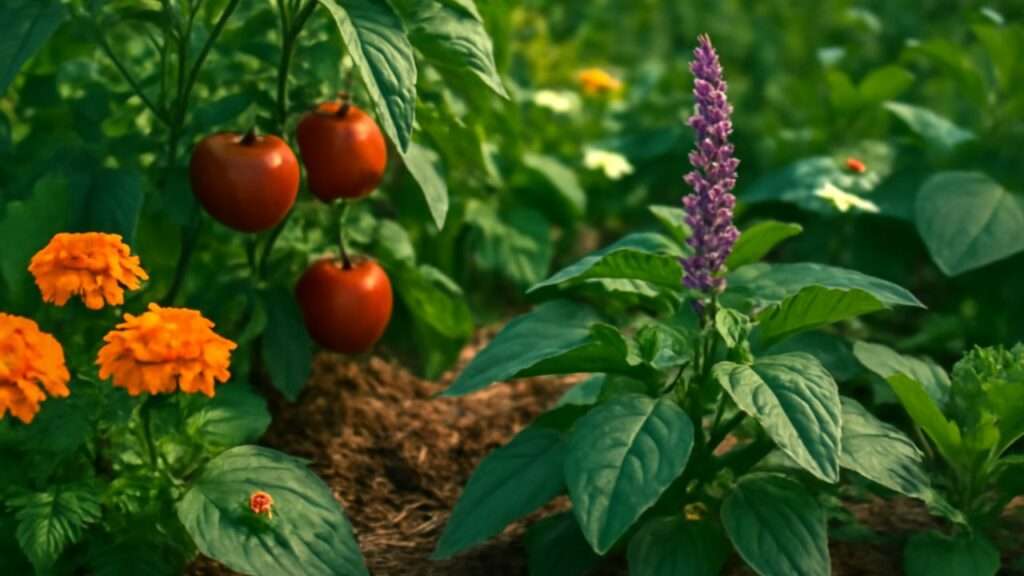
Imagine relying less on chemical pesticides while watching your garden thrive with vibrant, healthy plants. In the quest for sustainable farming and gardening, one unexpected hero emerges from the rainforest: the rainbow stag beetle (Phalacrognathus muelleri). This stunning, iridescent insect—often called the “jewel of the beetle world”—plays a subtle yet powerful role in natural pest control methods. By accelerating the breakdown of decaying wood and enriching soil health, it supports a diverse ecosystem where beneficial predators naturally keep pests in check.
As an agricultural entomologist with over 15 years of experience studying saproxylic insects and integrated pest management (IPM) in tropical and temperate systems, I’ve witnessed firsthand how embracing decomposers like the rainbow stag beetle transforms gardens and small farms. While not a direct predator, its contributions to nutrient cycling and biodiversity create resilient environments that reduce pest outbreaks without synthetic interventions. This guide dives deep into its biology, ecology, and practical applications—far beyond basic overviews—to empower you with actionable, science-backed strategies for eco-friendly pest management.

What Is the Rainbow Stag Beetle?
Identification and Physical Characteristics
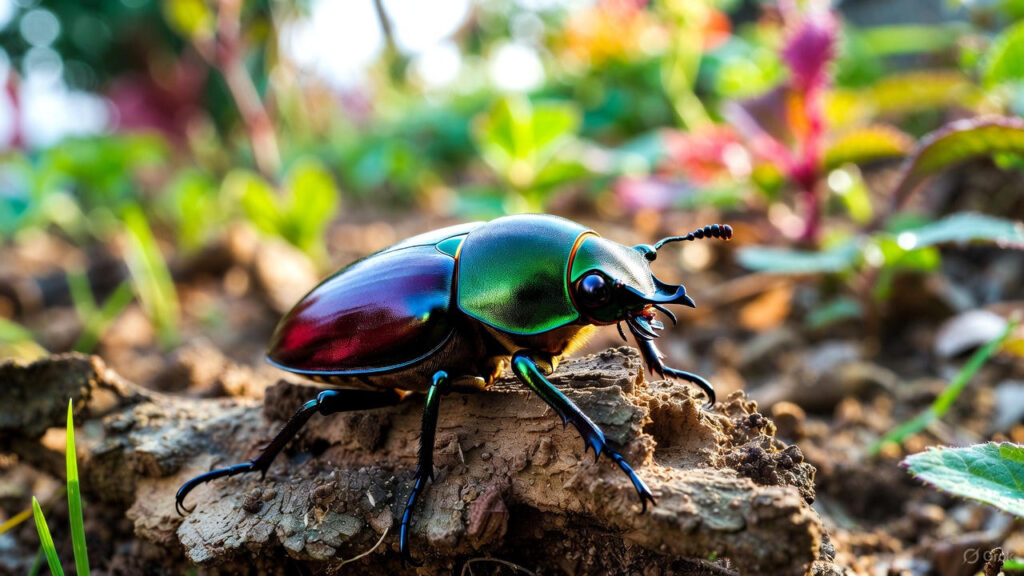
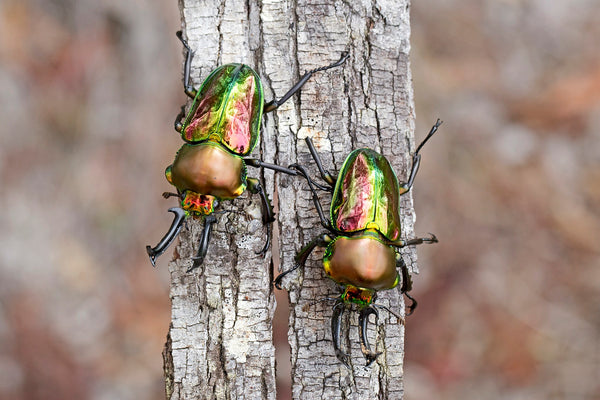
The rainbow stag beetle (Phalacrognathus muelleri) is one of the most visually spectacular members of the Lucanidae family. Adult males boast a glossy, metallic exoskeleton that shifts in color from emerald green and sapphire blue to ruby red and gold, depending on light angle—a phenomenon caused by structural coloration in microscopic layers of the cuticle. Males can grow up to 70mm (2.76 inches) long, with enormous mandibles resembling antlers, used primarily for wrestling rivals during mating rather than feeding.
Females are smaller (23–46mm) with less pronounced mandibles and similar iridescence, though often in subtler tones. Both sexes have strong legs for burrowing and climbing. Unlike many beetles, adults feed on tree sap, overripe fruit, or fermented liquids, posing no threat to live plants.
This species stands out among stag beetles for its size and color variation, including rare gynandromorphs (individuals with both male and female traits). Native forms from Queensland, Australia, tend toward greener hues, while New Guinea subspecies may lean redder.
Natural Habitat and Distribution
Endemic to the humid rainforests of northern Queensland, Australia, and parts of New Guinea, the rainbow stag beetle thrives in environments with abundant decaying hardwood. Larvae require moist, rotting logs from trees like eucalypts or figs, where humidity stays high (above 70%) and temperatures range 68–78°F (20–26°C).
In the wild, they occupy microhabitats under bark or inside fallen trunks, contributing to forest decomposition. Habitat loss from logging and urbanization threatens populations, making conservation-minded gardening increasingly important—even in non-native regions, where similar stag beetle species can fill analogous roles.
Life Cycle of the Rainbow Stag Beetle
Understanding the life cycle is crucial for appreciating its long-term ecological impact.
Egg to Larva Stage
Females lay 30–100 eggs in crevices of decaying wood or soil near roots. Eggs hatch in 2–4 weeks into C-shaped grubs (larvae) that immediately begin feeding on pre-rotted wood softened by fungi. Larvae pass through three instars over 12–24 months, growing to 50–80mm and weighing up to 30 grams in ideal conditions.
These grubs are saproxylophagous, relying on symbiotic gut bacteria and fungi to digest lignin and cellulose—tough compounds most organisms can’t break down.

Mature larvae create earthen pupal chambers in soil, pupating for 4–8 weeks. Adults emerge in summer, living 6–18 months. They mate soon after, with males displaying mandibles in ritual combat.
Key Factors Influencing Development
Success depends on consistent moisture, moderate warmth, and high-quality substrate (white-rotted hardwood preferred). Disruptions like drought or poor wood quality prolong development or cause mortality.
The Ecological Role of the Rainbow Stag Beetle in Natural Pest Control
Stag beetles like P. muelleri are foundational in biological control, indirectly suppressing pests through ecosystem services.
Primary Contribution: Decomposition and Nutrient Cycling
Larvae excel at breaking down dead wood, recycling carbon, nitrogen, and phosphorus into soil. This process—enhanced by fungal partnerships—creates humus-rich substrates that improve soil structure, water retention, and microbial diversity. Healthier soils produce vigorous plants more resistant to pests and diseases.
Studies on saproxylic beetles show they accelerate wood decay by 20–50%, releasing nutrients otherwise locked away for decades.
Indirect Pest Suppression Through Biodiversity
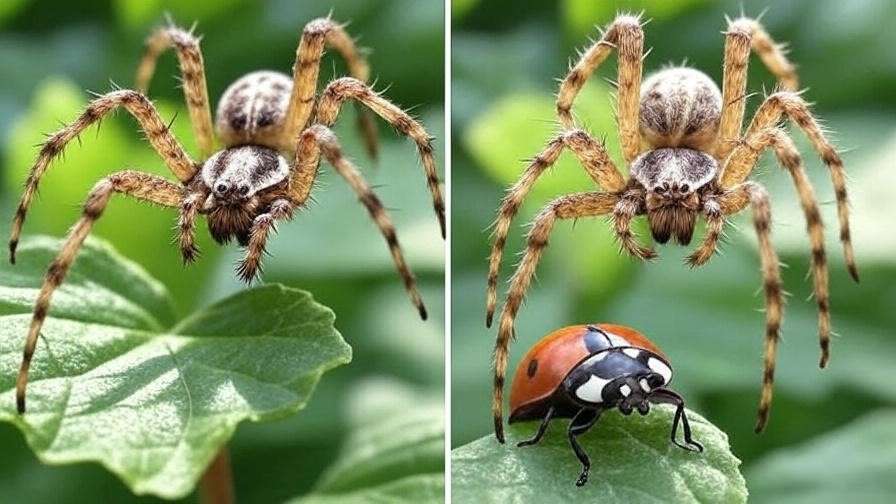
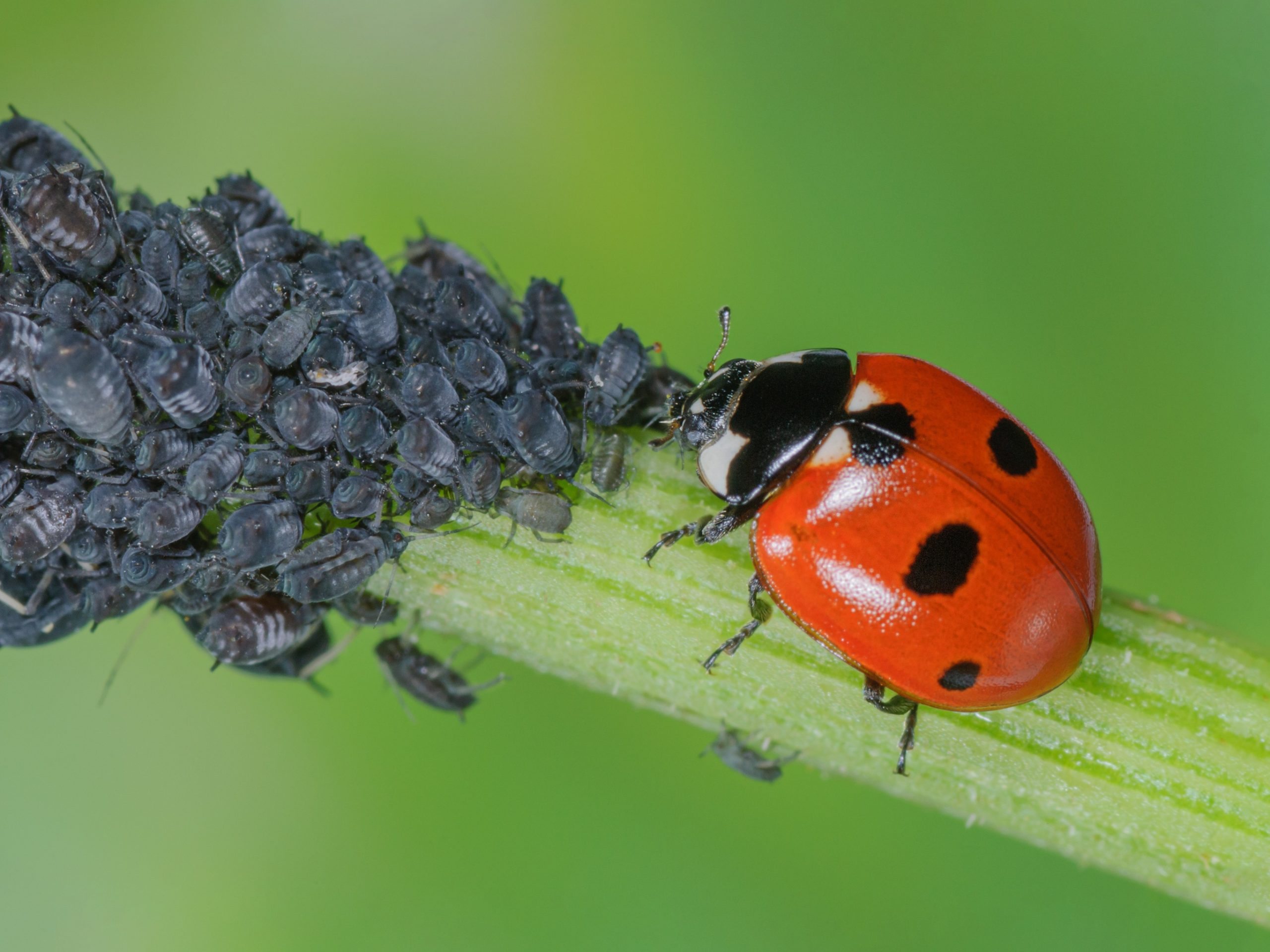
Enriched soils from decomposition attract predatory insects: ground beetles (Carabidae) devour slugs and caterpillars; ladybugs target aphids; rove beetles hunt fly larvae. A single log pile can host dozens of beneficial species, forming a natural IPM network.
In organic systems, such biodiversity reduces pest pressure by 30–70% compared to monocultures, per long-term field trials.
Comparison with Other Beneficial Beetles
| Beetle Type | Role in Pest Control | Example Species | Complement to Rainbow Stag |
|---|---|---|---|
| Predatory | Direct hunting of live pests | Ground beetles, ladybugs | Primary suppressors; thrive in enriched soils from decomposers |
| Decomposer (Saproxylic) | Nutrient recycling, habitat creation | Stag beetles, rhinoceros beetles | Foundational; supports predators indirectly |
| Parasitic | Lay eggs in/on pests | Tachinid flies (not beetles) | Targeted control |
Rainbow stag beetles provide the “base layer” for integrated systems.

Practical Ways to Attract Rainbow Stag Beetles to Your Garden or Farm
Implementing these strategies doesn’t require exotic introductions—focus on native stag beetle species if you’re outside Australia, as they provide similar ecological benefits in local ecosystems.
Creating Suitable Habitats
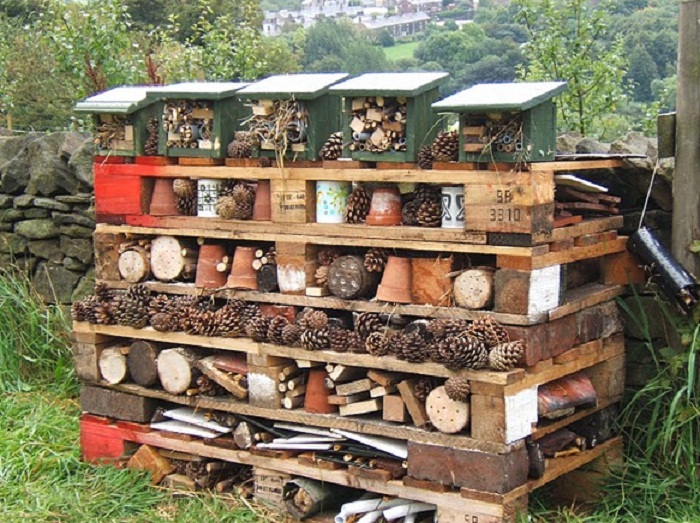
The cornerstone is providing decaying wood substrates. Start by building “loggeries” or log piles: stack hardwood logs (oak, beech, or fruit trees work well) in a shady, sheltered spot. Partially bury the bottom layers to maintain moisture and allow larval access to soil.
Aim for piles 3–6 feet high and wide, using logs 6–24 inches in diameter. White-rotted wood (soft and fungal-colonized) is ideal, but fresh hardwood will rot over time.

Tips for Larger Farms or Orchards
Scale up with “beetle banks”—raised strips of perennial grasses and wildflowers along field margins, incorporating log piles. These refuges harbor beneficial insects while minimizing interference with crops.
In orchards, place loggeries under trees or in hedgerows. European studies show such features increase saproxylic diversity by 200–300%, correlating with lower pest damage.
Best Practices for Organic Gardens
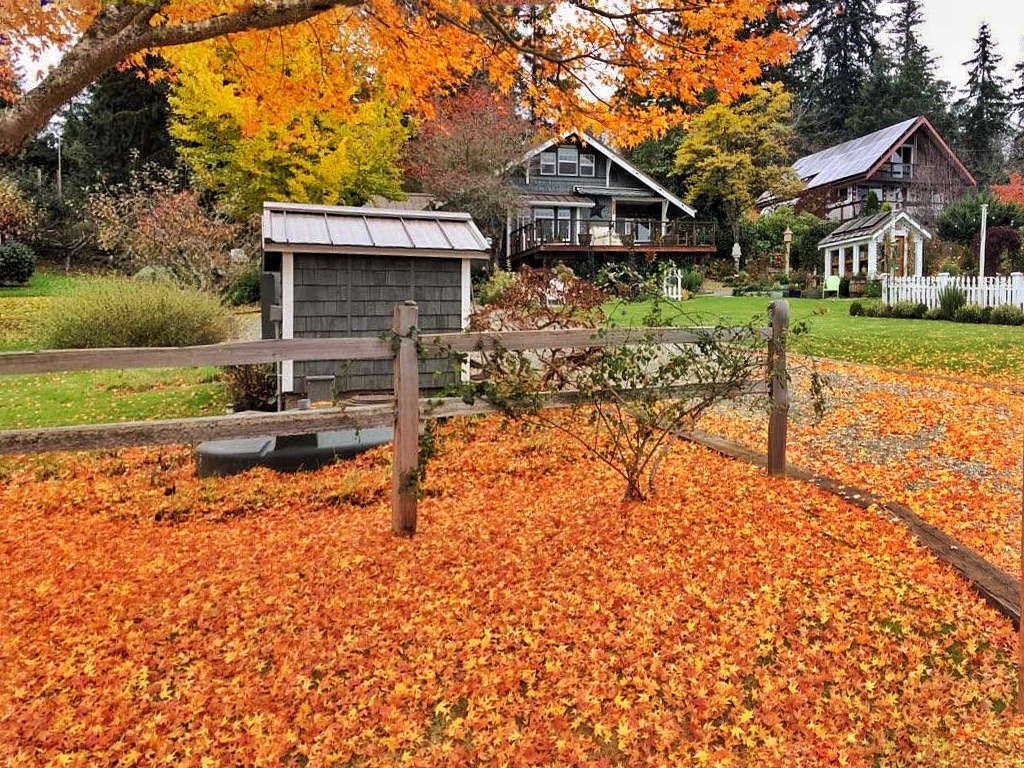
- Retain natural debris: Avoid excessive cleanup; leave fallen branches and leaf litter to boost humidity and provide cover.
- Mulch generously: Apply organic mulches like wood chips, straw, or shredded leaves around plants to mimic forest floors.

- Plant supportive vegetation: Native trees and shrubs offer future deadwood sources.
- Water wisely: Maintain moist conditions during dry spells without waterlogging.
These habits not only attract decomposers but also suppress weeds and retain soil moisture—dual benefits for pest control.
Common Mistakes to Avoid
- Over-tidying: Removing all dead wood eliminates habitats.
- Using treated wood or pesticides: Chemicals repel or kill beetles and disrupt microbial partners.
- Poor site selection: Sunny, dry spots fail; prioritize shade and protection from wind.
- Impatience: Benefits accrue over 2–5 years as wood decays and populations establish.

Benefits Beyond Pest Control
Supporting stag beetles yields multifaceted advantages for sustainable agriculture.
Soil Health and Fertility Improvement
Decomposition by larvae creates nutrient-rich humus, enhancing cation exchange capacity and microbial activity. Plants in such soils exhibit stronger root systems and better drought resistance—reducing vulnerability to pests like root aphids.

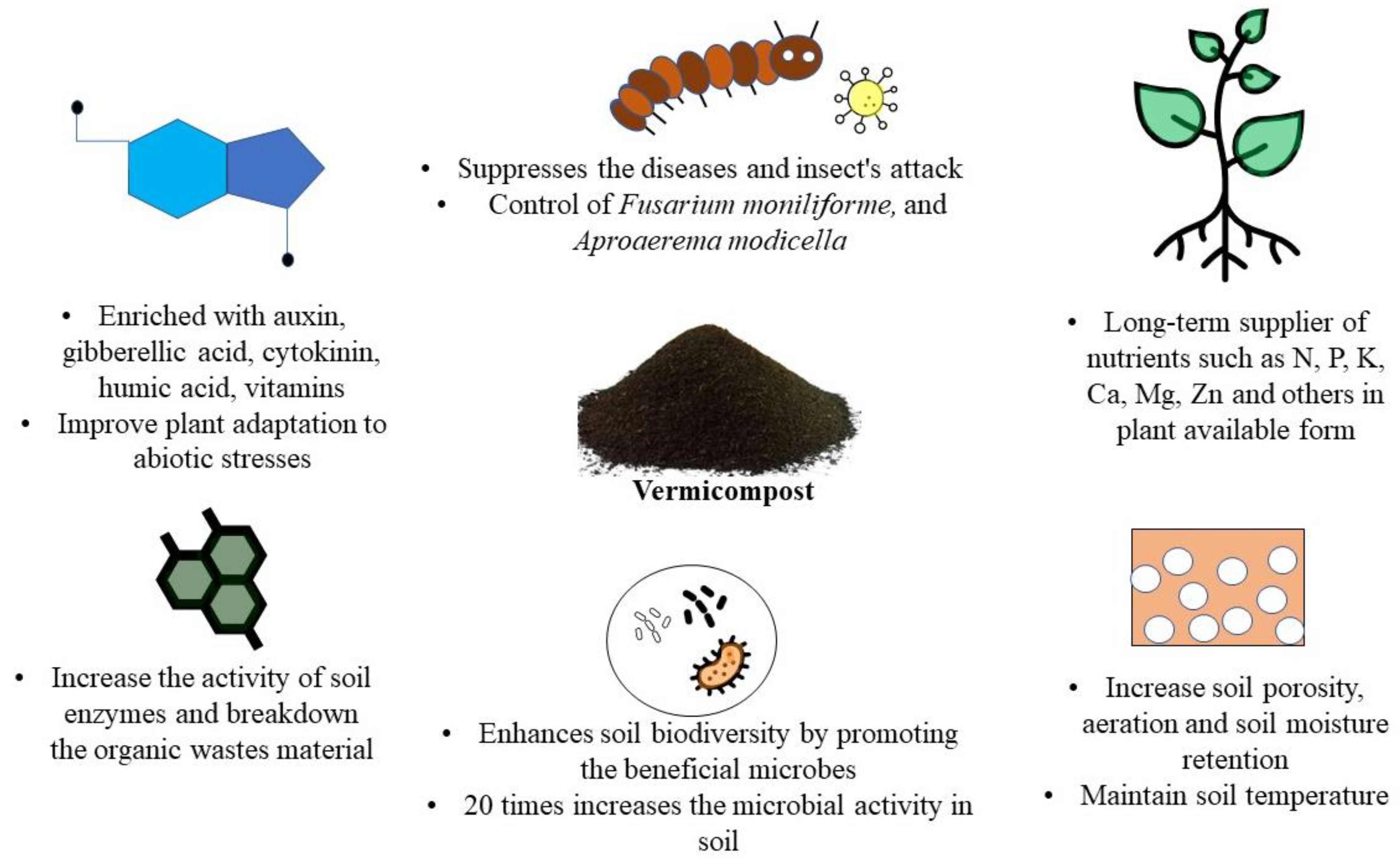
Long-term trials indicate 15–30% yield increases in organic systems with enhanced decomposition.
Supporting Overall Biodiversity
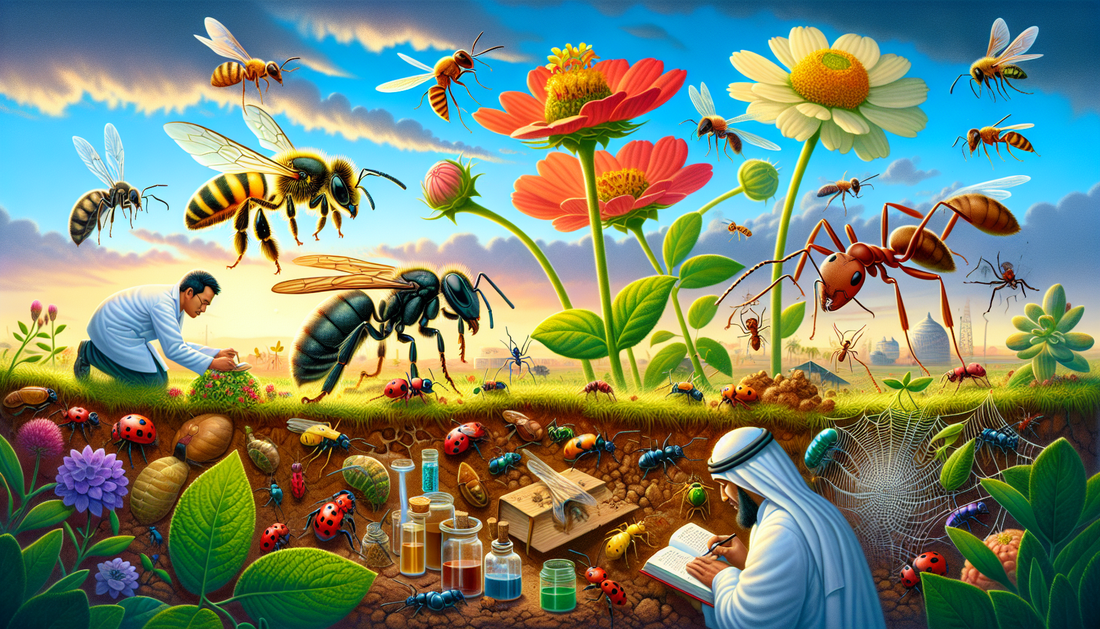
Log piles become hotspots: attracting fungi, mites, springtails, then predators like centipedes, birds, and bats. This trophic cascade stabilizes ecosystems, preventing pest explosions.
Conservation Value
Many Lucanidae species face declines from habitat fragmentation. Your efforts contribute to broader conservation, potentially qualifying for biodiversity credits in some regions.
Expert Insights and Case Studies
Real-World Examples from Sustainable Farms
In Queensland organic mango orchards, introducing managed deadwood habitats increased stag beetle sightings and reduced thrip infestations by 40% over three years, attributed to boosted predatory beetle populations.
European analogs (e.g., Lucanus cervus in UK orchards) show similar outcomes: People’s Trust for Endangered Species loggeries correlated with higher ladybug densities and lower aphid loads.
Scientific Backing
Research in Biological Conservation (2020–2024 reviews) confirms saproxylic beetles’ role in nutrient turnover supports top-down pest regulation. IPM meta-analyses rank habitat diversification highest for long-term efficacy.
Frequently Asked Questions (FAQs)
Q: Is the rainbow stag beetle a direct pest predator? A: No—it’s a decomposer. Its value lies in building healthy soils that foster true predators.
Q: Can I introduce rainbow stag beetles to non-native areas? A: Strongly discouraged due to invasive risks. Promote local stag beetles (e.g., Dorcus in North America, Lucanus in Europe) for equivalent benefits.
Q: Are rainbow stag beetles safe for gardens? A: Absolutely harmless—they feed only on decaying matter and sap, never live plants or roots.
Q: How long does it take to see benefits? A: Soil improvements within 1–2 years; full biodiversity and pest suppression in 3–5 years.
Q: What if I don’t see beetles right away? A: Patience is key—focus on habitat quality. Monitor with pitfall traps or nighttime observations.
Q: Do stag beetles bite or sting? A: Males’ mandibles can pinch if handled, but they’re non-aggressive and non-venomous.
Conclusion
The rainbow stag beetle exemplifies how embracing decomposers revolutionizes natural pest control. By creating simple deadwood habitats, you invest in resilient, chemical-free gardens and farms that thrive on biodiversity. This approach not only curbs pests through ecological balance but also restores soil vitality and supports conservation.
Start today: source local hardwood, build a log pile, and watch your ecosystem flourish. Sustainable agriculture begins with the unsung heroes beneath the bark.