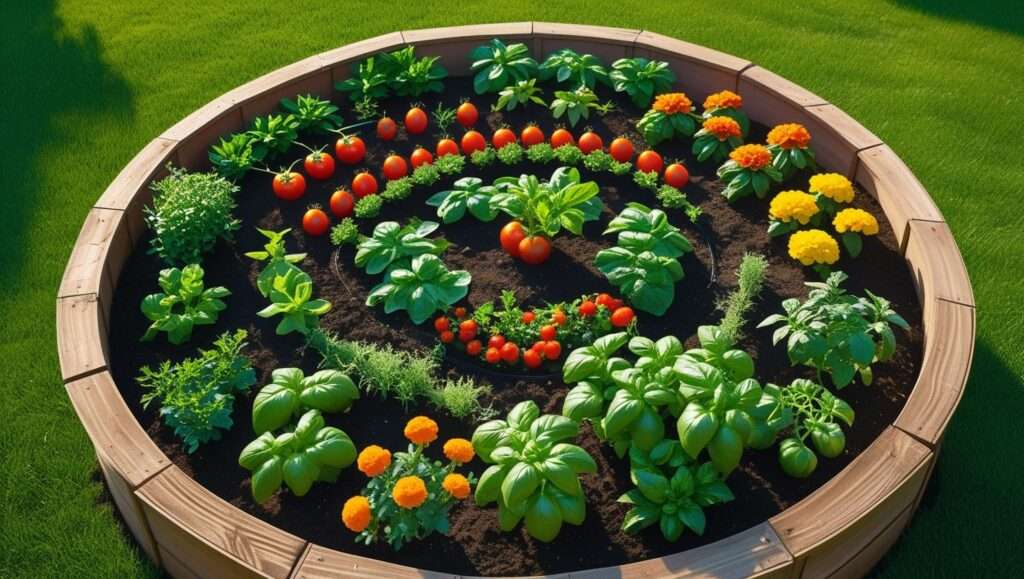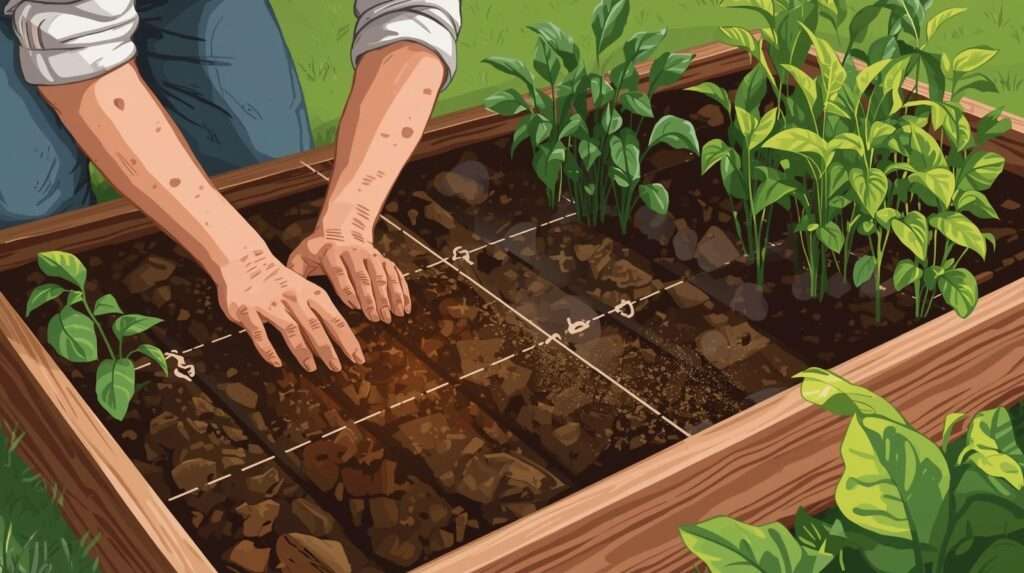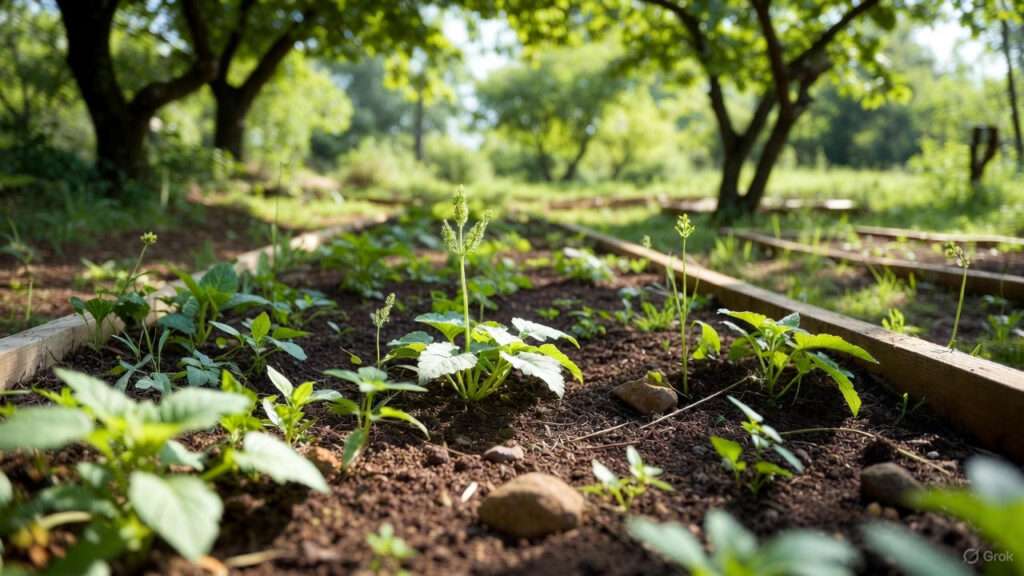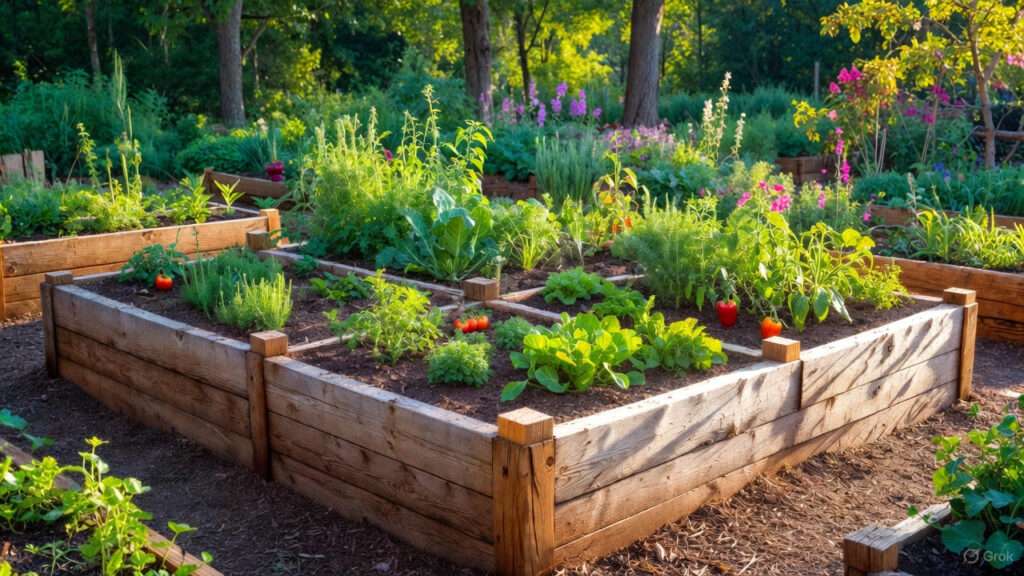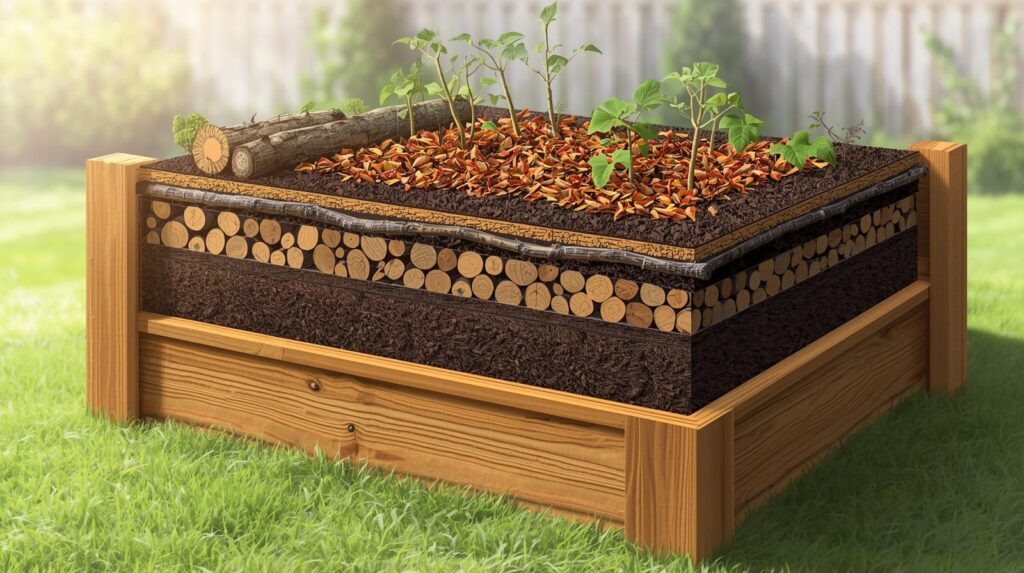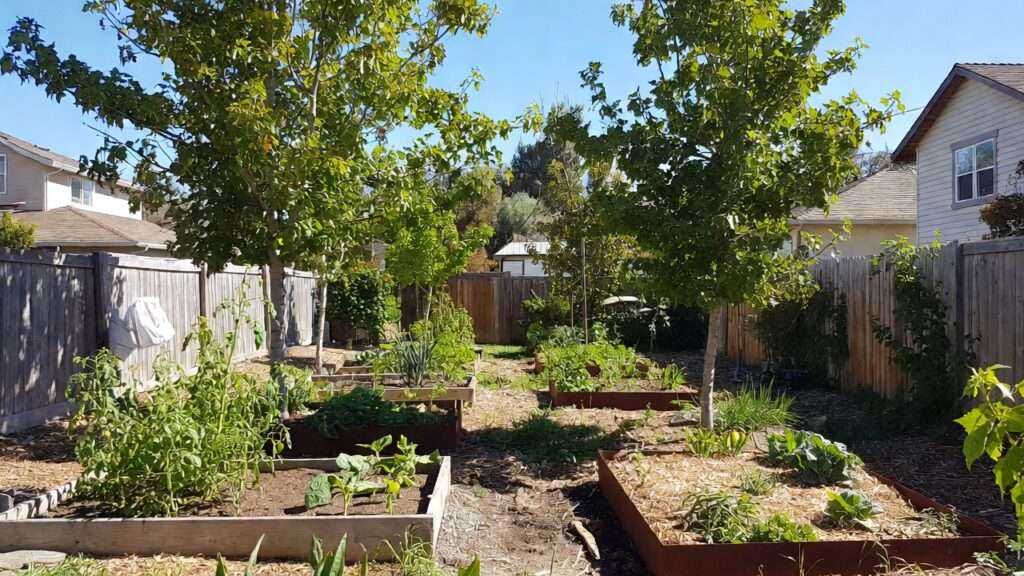
You’ve carefully built beautiful raised garden beds filled with nutrient-rich soil, planted rows of vibrant tomatoes, leafy greens, and herbs, and watered them diligently all season. At first, everything thrives—until you notice your plants wilting despite regular care. Digging down reveals a dense mat of tree roots snaking through the bed, stealing water and nutrients. Worse yet, years later, the once-majestic tree nearby starts showing signs of decline: thinning canopy, dieback, or vulnerability to pests. This common scenario plagues many home gardeners and small-scale farmers who try raised beds near trees without understanding the hidden conflicts between tree roots and garden plants.
Raised beds offer excellent advantages—improved drainage, better soil quality, weed control, and easier access for planting and harvesting. They’re especially popular in urban yards, sloped land, or areas with poor native soil. However, placing them near trees creates a double-edged problem: trees aggressively seek out the fertile, irrigated soil in raised beds with their opportunistic feeder roots, while adding soil depth over tree roots can deprive them of oxygen, leading to gradual suffocation and long-term damage.
As an agricultural expert with years of experience advising on sustainable gardening, permaculture setups, and tree health in home and community landscapes (drawing from university extension services like Penn State, University of Minnesota, and others), I can tell you this: While it’s tempting to maximize every square foot of your yard, encircling a tree trunk with a raised bed or placing beds too close is one of the most common mistakes that harms both your garden yields and valuable trees. Trees provide shade, wildlife habitat, property value, and carbon sequestration—losing one due to avoidable gardening practices is a real loss.
In this comprehensive guide, we’ll explore the science behind these issues, when it’s safe (or not) to garden near trees, recommended distances, practical modifications to beds, protective strategies, and smart alternatives. By the end, you’ll have actionable steps to garden productively without sacrificing tree health or your harvest.
Why Trees and Raised Beds Often Don’t Mix: Understanding the Science
Tree roots aren’t like garden plant roots. About 80-90% of a tree’s feeder roots—the fine, nutrient-absorbing ones—reside in the top 12-18 inches of soil. These roots spread horizontally far beyond the drip line (the outer edge of the canopy), often 2-3 times the tree’s height or more. They’re opportunistic: when they detect moist, fertile, well-aerated soil (exactly what raised beds provide), they invade aggressively.
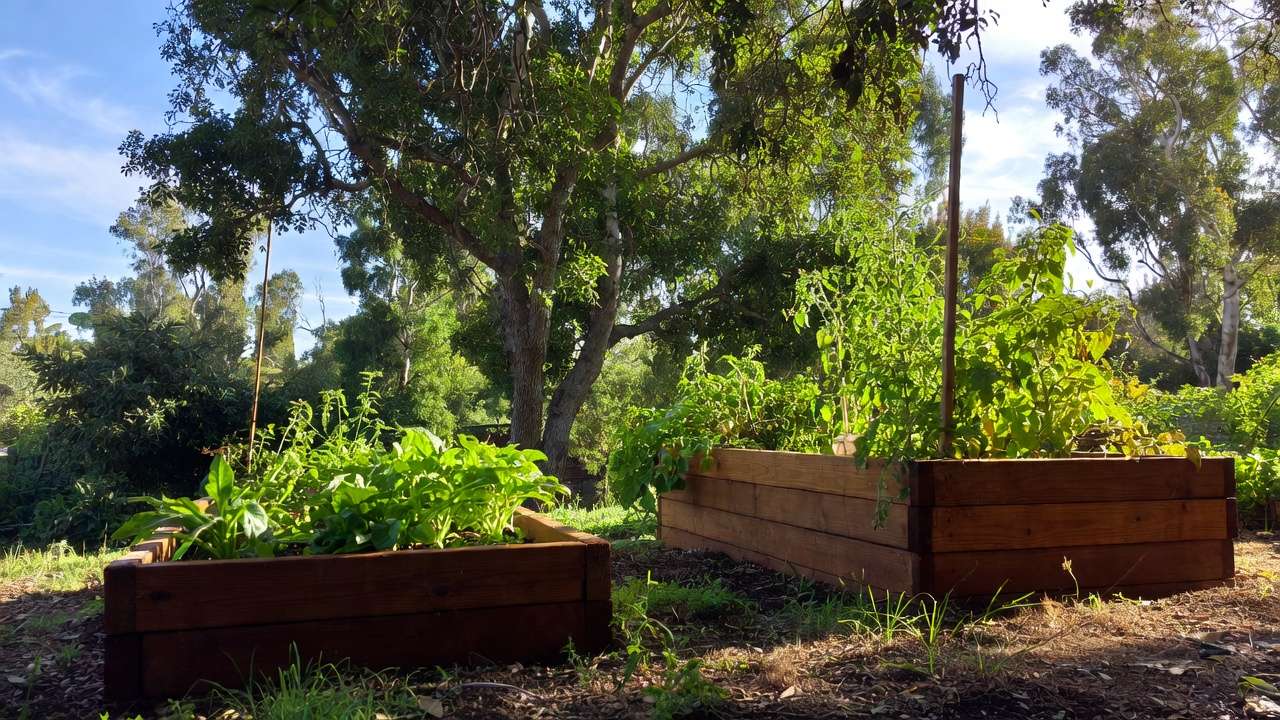
For your raised beds, this means:
- Root invasion leads to competition. Tree roots absorb water and nutrients faster than most vegetables can, resulting in stunted growth, lower yields, and nutrient deficiencies in crops like tomatoes, peppers, or leafy greens.
- Beds can become a tangled mess. Over time, roots lift frames, create air pockets, or make digging impossible, turning maintenance into a nightmare.
For the tree, the risks are even more serious:
- Adding soil (grade change) over roots reduces oxygen availability. Tree roots need oxygen for respiration; even 2-4 inches of added fill can cause root dieback, starting a slow decline that manifests 5-10 years later as canopy thinning, branch dieback, increased pest susceptibility, or eventual death.
- Encircling the trunk exacerbates issues: Soil against the bark promotes rot, girdling roots (roots that wrap and strangle the trunk), and fungal diseases.
- Symptoms appear delayed. Many gardeners don’t connect a tree’s decline to that raised bed installed years earlier.
University extension experts (e.g., from Penn State, Nebraska, and others) consistently warn against altering soil levels over tree roots. Myths like “landscape fabric stops roots forever” or “mature trees can handle it” don’t hold up—roots penetrate fabric, and species like maples, oaks, and birches are particularly sensitive.
Is It Ever Safe? Assessing Your Specific Situation
Not all scenarios are doomed. Success depends on tree species, age, size, soil type, and bed design.
- Tree species tolerance: Shallow-rooted trees like silver maples, willows, or poplars invade aggressively and suffer from grade changes. Deeper-rooted species (e.g., pines, oaks in some cases) may tolerate shallow additions better, but few handle encirclement well. Avoid anything near black walnut trees due to juglone toxicity.
- Distance check: Measure from trunk to proposed bed edge. The drip line is a key indicator—roots extend well beyond it.
- Health signs: Look for surface roots, lean, cracks, or poor leaf color. If the tree already shows stress, avoid nearby beds.
- When to avoid: Mature/large trees, beds encircling trunks, or depths >6-12 inches under the canopy. In tight urban yards, it may be impossible without risk.
If unsure, consult a certified arborist for a site-specific assessment.
Recommended Safe Distances and Placement Strategies
The golden rule: Keep raised beds outside the drip line whenever possible, or at minimum 10-20 feet from the trunk for small/young trees, scaling up to 40-50+ feet for established large ones. University sources and arborist guidelines suggest 1.5-2 times the canopy radius as a safe buffer to minimize competition.
- Placement tips — Prioritize full sun (6-8+ hours) for vegetables; trees provide afternoon shade benefits in hot climates but can reduce yields if too close.
- Site selection — Balance tree shade (wind protection, cooler microclimate) with crop needs. Use shade-tolerant crops (lettuce, spinach, herbs) if slightly closer.
- If space is limited — Relocate beds to open areas, or use mobile containers on wheels for flexibility.
How to Build or Modify Raised Beds to Minimize Risks
If proximity is unavoidable, design defensively.
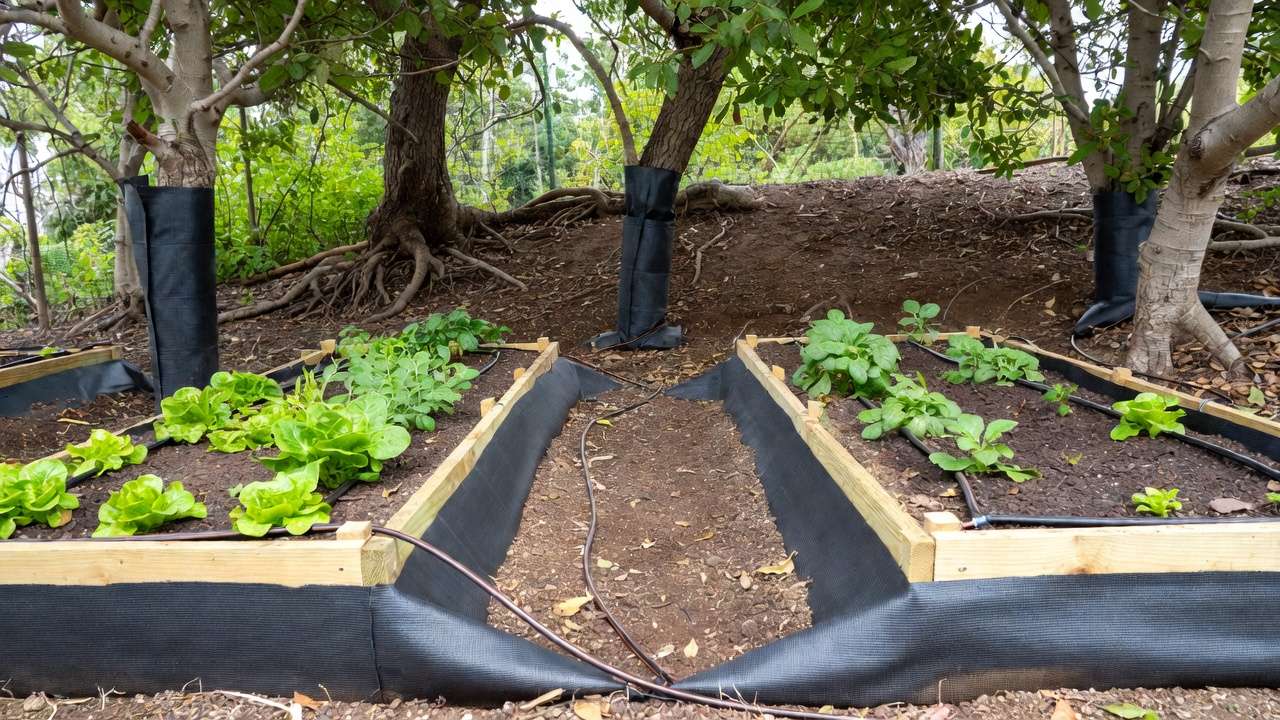
Choose shallow beds — Limit height to 6-12 inches near trees to avoid significant grade change. Deeper beds (18-24 inches) increase suffocation risk.
Install root barriers — Use heavy-duty materials:
- Vertical barriers: Dig a 24-30 inch trench around the bed and insert thick plastic root barrier fabric, metal sheets, or HDPE panels.
- Horizontal liners: Double-layer heavy landscape fabric (0.5mm+ thick) or pond liner at the bed bottom, secured to sides. Add hardware cloth for extra protection against burrowing.
Elevated designs — Build on legs, cinder blocks, or pallets for an air gap—roots can’t enter directly.
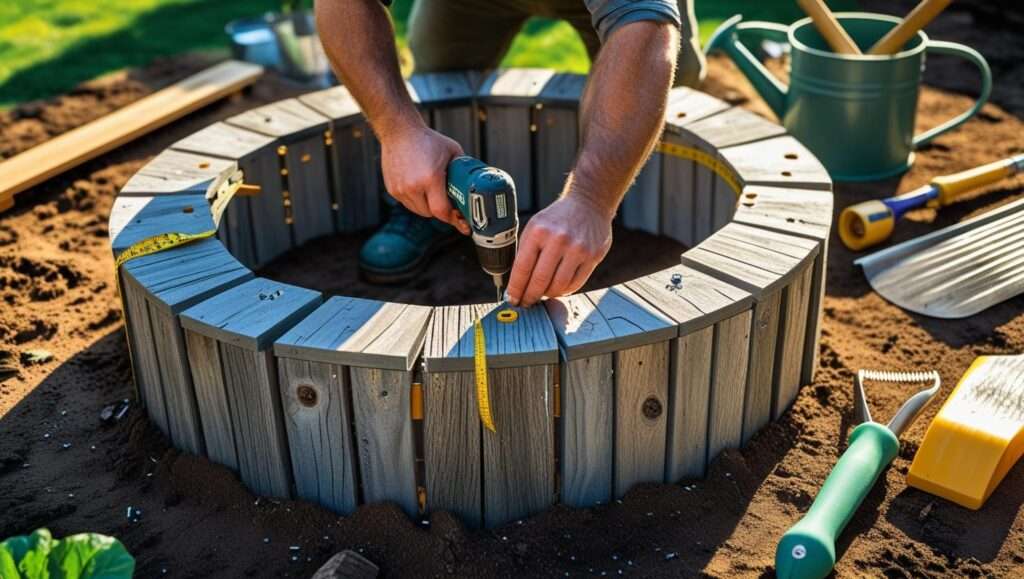
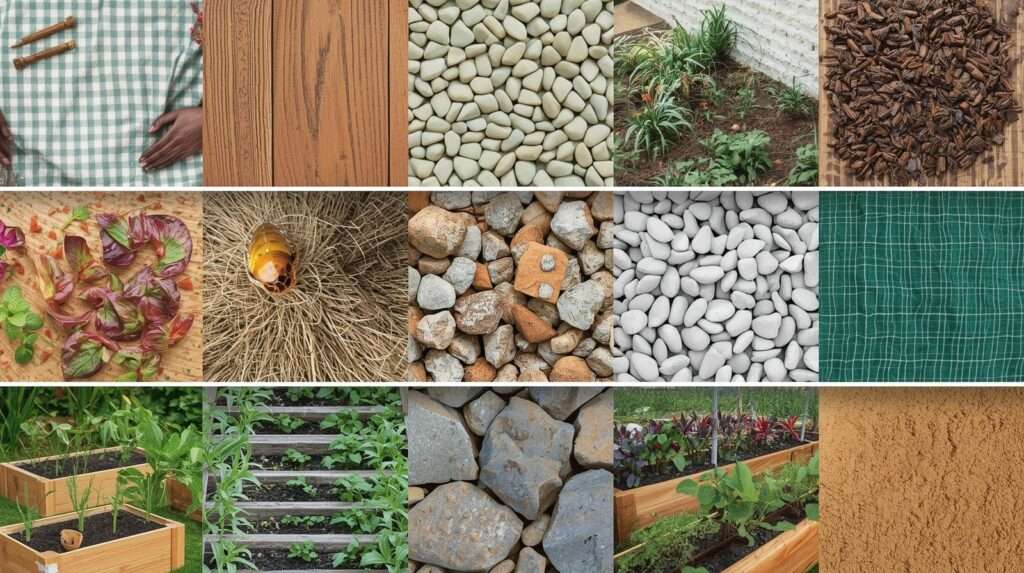
Materials — Opt for naturally rot-resistant cedar or redwood; avoid treated lumber for edible gardens.
Step-by-step example: For a 4×8 foot bed near a maple:
- Site 15+ feet away.
- Level ground, install vertical barrier trench if needed.
- Build frame, line bottom with double fabric.
- Fill with high-quality mix (compost, topsoil, vermiculite).
Maintenance: Annually inspect/prune invading roots carefully (avoid >20% cut to prevent tree shock).
Protecting Your Plants from Tree Root Competition
Even with precautions, some competition may occur.
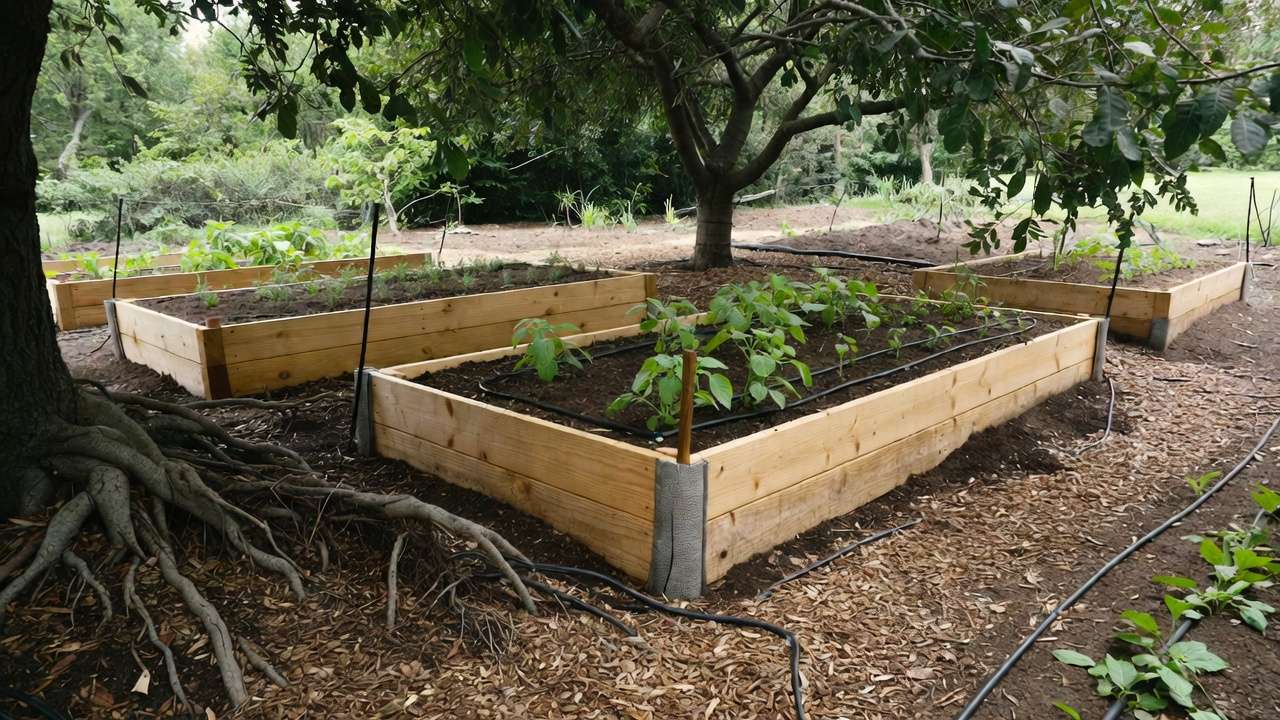
- Watering — Deep, infrequent for trees; use drip irrigation targeted at beds to reduce attraction.
- Fertilization — Avoid excess in beds (draws roots); use slow-release or tree-specific if needed.
- Crop selection — Choose compact, drought-tolerant varieties; shade-lovers like beets, kale, or herbs perform better.
- Mulching — Thick organic mulch suppresses weeds and retains moisture without attracting roots.
Alternatives to Raised Beds Near Trees
- In-ground with amendments — Loosen soil carefully, add compost without raising grade.
- Mulch rings/groundcovers — Best for tree health: 3-4 inches mulch under canopy, planted with shade-tolerant perennials (hostas, astilbe).
- Containers — Pots or grow bags on patios avoid root issues entirely.
- Permaculture — Integrate shade-tolerant edibles in forest garden style.
Real-Life Examples and Case Studies
- Success — A suburban gardener placed shallow (8-inch) beds 25 feet from an oak, using barriers—yielded excellent veggies for 5+ years with minimal invasion.
- Failure — Encircling a maple with a 12-inch bed led to tree decline (thinning crown after 7 years) and bed takeover by roots.
- Before/after — Moving beds 40 feet away transformed a struggling plot into a productive one, saving a nearby birch.
Expert Insights and Pro Tips
Arborists emphasize: “Tree health first—gardens are replaceable, mature trees aren’t.” Seasonal checklist: Spring root checks, summer deep watering, fall mulch refresh. Recommended tools: Root pruner, heavy fabric, drip system.
Frequently Asked Questions (FAQ)
Can I put a raised bed directly under a tree? No—roots suffocate and invade aggressively; avoid entirely.
How do I stop tree roots from invading my raised bed? Use deep vertical barriers, bottom liners, or elevate the bed; distance is most effective.
Will raised beds kill my tree? Possibly, over time—especially with grade changes or encirclement.
What’s the minimum safe distance? 10-20+ feet, ideally beyond drip line; species-dependent.
Best plants for near-tree areas? Shade-tolerant, low-water: lettuce, herbs, berries, or groundcovers.
How to fix an existing problematic setup? Remove invading roots carefully, install barriers, or relocate beds.
Conclusion
Gardening with raised beds near trees requires respect for both systems. Prioritize distance, shallow designs, barriers, and tree-friendly practices to enjoy bountiful harvests without long-term damage. Assess your yard today—start small, observe, and adjust. Sustainable gardening benefits everyone: healthier plants, thriving trees, and a more productive landscape.