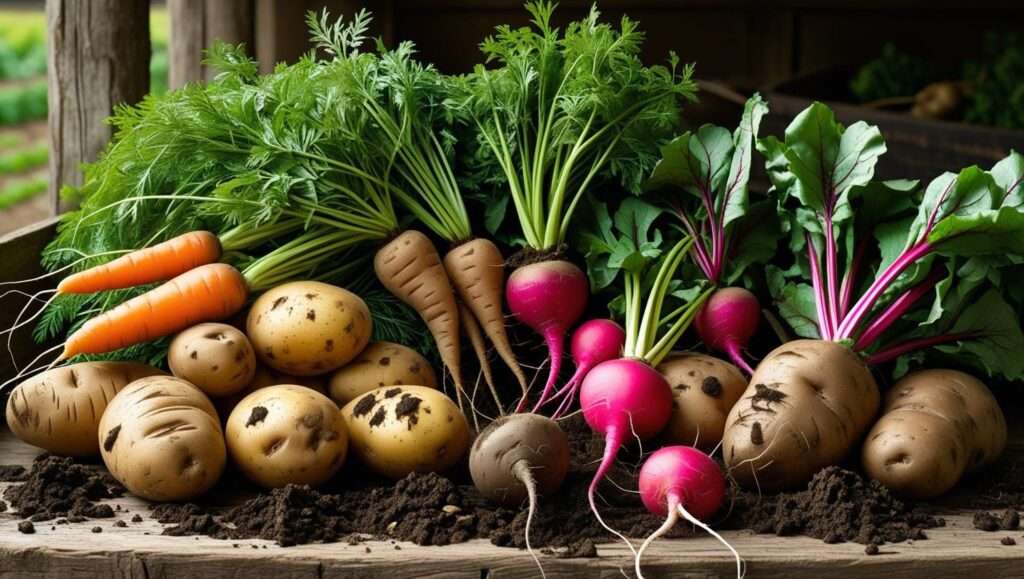
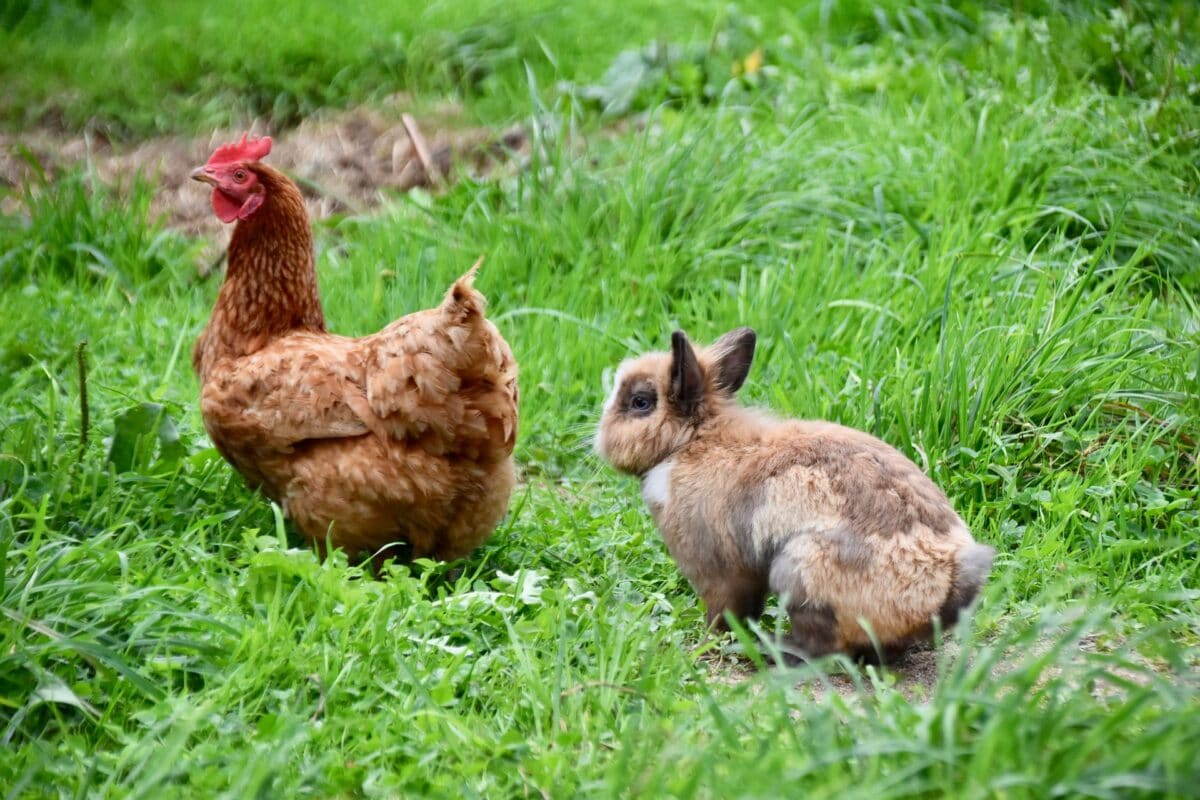
Imagine stepping into your backyard on a crisp morning: your chickens are eagerly scratching the soil for insects, clucking contentedly, while nearby, a group of rabbits hops gracefully across the grass, nibbling on fresh clover and dandelions. This harmonious scene isn’t just a homesteader’s dream—it’s a realistic possibility for many small-scale farmers and backyard enthusiasts. Free-ranging rabbits and chickens together can create a dynamic, low-input ecosystem that boosts animal welfare, reduces feed costs, and enhances soil fertility. However, it’s not without challenges, including health risks, behavioral conflicts, and predator threats.
In this comprehensive guide, we’ll explore the realities of allowing rabbits and chickens to free-range side by side. Drawing from veterinary science, experienced homesteader reports, and proven systems like the innovative “Raken” setup popularized by regenerative farming pioneers, you’ll gain the knowledge to decide if this approach suits your homestead—and how to implement it safely and successfully.
Understanding Free-Ranging for Rabbits and Chickens
Free-ranging means giving animals supervised or protected access to outdoor areas for natural foraging, rather than confining them solely to hutches or coops. For backyard poultry keepers and rabbit breeders, this often involves secure pastures, yards, or rotated paddocks where animals can graze, dust-bathe, and exercise.
What Does Free-Ranging Look Like?
In practice, free-ranging rabbits and chickens together might involve:
- A fenced pasture where both species roam during the day, returning to secure night housing.
- Tractor systems (mobile pens) moved daily for fresh forage.
- Hybrid setups, like the “Raken” house (rabbit + chicken), where rabbits in elevated cages drop manure that chickens scratch and compost below—extending benefits to semi-free-range scenarios.
The appeal is clear: animals exhibit natural behaviors, leading to better physical health, reduced boredom, and often tastier eggs or meat. Fresh greens and insects supplement commercial feed, potentially cutting costs by 20-50% in good foraging conditions. Plus, rabbit manure fertilizes the soil directly, while chickens control pests like flies and ticks.

Key Behavioral Differences Between Rabbits and Chickens
Success hinges on understanding species-specific traits:
- Chickens: Highly social in flocks, active daytime foragers, omnivorous (bugs, seeds, greens). They reliably return to roost at dusk and use group vigilance against threats.
- Rabbits: More crepuscular (dawn/dusk active), herbivorous grazers. Less flock-oriented—often solitary or in small bonded groups. They bolt at danger rather than alert others and lack a strong “homing” instinct like chickens.
Expert insight from homesteaders and veterinarians: Rabbits are far more stress-prone and flighty. Sudden movements from chickens can trigger panic, and unlike poultry, rabbits won’t consistently return to a coop without training or supervision.
The Benefits of Free-Ranging Rabbits and Chickens Together
When managed well, combining these species creates powerful synergies.
Mutual Companionship and Enrichment
Many homesteaders report peaceful co-existence. Rabbits gain stimulation from watching chickens, reducing stereotypical behaviors like bar-chewing in confined setups. Chickens benefit from the rabbits’ calm presence, and mixed groups often entertain with playful interactions—rabbits binkying (joyful leaps) while chickens scratch nearby.
Natural Pest and Waste Management
This is where the magic happens:
- Chickens devour fly larvae in rabbit manure and clean up spilled pellets.
- Rabbit droppings are “cold” manure—rich in nitrogen but safe to apply directly to gardens without burning plants.
- In Raken-inspired systems, chickens aerate bedding, turning waste into compost faster and eliminating odors.
Real-world example: Polyface Farm’s Joel Salatin pioneered the Raken house, proving chickens can sanitize rabbit areas while producing eggs and meat in stacked vertical space.
Health and Foraging Advantages
Access to diverse forage improves gut health, vitamin intake, and immune function. Bugs provide protein for chickens; fresh herbs and grasses aid rabbit digestion. Larger mixed groups may deter minor predators through numbers and noise.
Practical Homestead Perks
- Space efficiency: One secure area serves both.
- Lower feed bills: Foraging supplements diets significantly.
- Diversified production: Eggs from chickens, meat or fiber from rabbits.
The Potential Drawbacks and Risks
Despite the upsides, free-ranging rabbits and chickens together carries notable risks. Transparency is key—many experienced keepers succeed, but others face losses.
Behavioral Conflicts
- Chickens may peck at rabbits, especially curious or fast-moving ones. A sharp peck can cause serious injury.
- Roosters can be aggressive, chasing or spurring rabbits.
- Unneutered bucks may mount hens, risking back injuries or suffocation.
- Baby kits or chicks are vulnerable: Adult chickens have been known to attack newborn rabbits.
Cautionary note: Introduce animals gradually and monitor closely. Separate aggressive individuals immediately.
Health and Disease Concerns
This is the most cited reason for caution from veterinarians:
- Pasteurella multocida: Common in rabbits (“snuffles”), can cause fowl cholera in chickens. Cross-transmission is possible, though strains are often host-specific.
- Salmonella and Campylobacter: Often carried asymptomatically by chickens; highly dangerous to rabbits (mortality >90% in some cases).
- Parasites: Shared mites, fleas; coccidiosis strains usually species-specific but poor hygiene amplifies risks.
- Chicken manure contamination: Rabbits practicing coprophagy (eating cecotropes) risk ingesting pathogens.
Expert consensus from sources like Hobby Farms and veterinary manuals: Strict hygiene, separate feeding, and avoiding full co-housing for breeding stock minimize risks. Many recommend supervised free-ranging over constant shared space.
Feeding Challenges
- Diets differ: Medicated chicken feed contains coccidiostats toxic to rabbits.
- Chickens greedily eat rabbit pellets; rabbits may avoid contaminated food.
- Coprophagy issues: Chickens scattering rabbit cecotropes disrupts nutrition.
Predator Protection Strategies for Free-Ranging Setups
Predation is the #1 cause of loss in free-range systems—rabbits are especially vulnerable.
Common Predators and Vulnerabilities
- Aerial: Hawks, owls (rabbits freeze or bolt poorly).
- Ground: Foxes, dogs, cats, raccoons.
- Diggers: Coyotes, badgers.
Rabbits’ burrowing instinct can lead them under fences; they lack chickens’ roosting safety.
Essential Safeguards
- Fencing: Buried hardware cloth or electric netting (at least 4-6 ft high, with apron buried 12-18 inches).
- Overhead protection: Netting or covered runs for hawks.
- Guardian animals: Livestock guardian dogs (LGDs), geese, or alert roosters.
- Supervised ranging: Daylight hours only, with human or dog presence.
- Safe retreats: Separate lockable hutches/coops for night or alerts.
- Cover: Bushes, logs, and hides for escape.
Pro tip: Rotate pastures to avoid worn paths that attract predators.
Practical Tips for Successful Free-Ranging
Safe Introduction Process
- Start with young animals for better acclimation.
- Use visual barriers (fencing) for initial familiarity.
- Short, supervised sessions; watch for stress signs (hiding, aggression).
Enclosure and Housing Design
- Hybrid secure runs with separate sleeping quarters.
- Elevated feeders/waterers to prevent cross-contamination.
- Daily cleaning routines: Remove manure to reduce pathogens.
Breed Selection for Compatibility
- Chickens: Calm breeds like Orpingtons, Silkies (avoid aggressive roosters).
- Rabbits: Docile breeds like Flemish Giants, New Zealands, or mini lops.
Daily Management Best Practices
- Separate feeding stations with species-specific access.
- Regular health checks: Quarantine newcomers, monitor for snuffles or diarrhea.
- Seasonal notes: Rabbits overheat easily (>80°F); provide shade/water. Both need cold protection.
7. Humane and Efficient Slaughter & Processing at Home
Processing your own rabbits is a responsibility that demands respect, skill, and a commitment to minimizing suffering. When done correctly, dispatch is instantaneous and stress-free for the animal.
Legal note (as of late 2025): In most U.S. states, home slaughter for personal consumption is fully legal under the federal Poultry Products Inspection Act exemption (which includes rabbits). Selling rabbit meat typically requires USDA inspection or state-specific custom exemption—check your local regulations via extension services.
Recommended harvest window: 8–12 weeks, 4.5–5.5 lbs live weight for optimal tenderness and yield (fryers). Beyond 14 weeks, meat toughens (stewers).
Most humane homestead methods (in order of popularity and effectiveness):
- Cervical dislocation (broomstick method or Hopper Popper tool): Instantaneous spinal separation.
- Penetrating captive bolt (for larger operations).
- Avoid blunt force unless highly skilled—it’s easy to miss.

Common humane dispatch tools: cervical dislocation devices ensure quick, reliable results.
Step-by-step home processing (single rabbit, ~20–30 minutes):
- Withhold feed 12–24 hours (clears gut, cleaner processing).
- Calm handling to dispatch area.
- Instant dispatch.
- Hang by hind legs; bleed out (optional but reduces residual blood).
- Remove head.
- Peel skin (rabbit skin removes like a sock—no need to scrape).
- Eviscerate carefully (save liver/heart/kidneys—delicious and nutritious).
- Chill carcass in ice water 1–2 hours.
- Cut into parts or freeze whole.
Basic cuts:
- Hind legs (most meat)
- Loins (tender, premium)
- Saddle/rack
- Forelegs/belly/flaps
:max_bytes(150000):strip_icc()/20210713-break-down-rabbit-vicky-wasik-seriouseats-seriouseats-step1-223273645b594ef687803565c95a1b01.jpg)
Standard rabbit butchering diagrams showing primary cuts: loins, legs, and saddle.
Food safety: Cool below 40°F quickly. Vacuum seal or wrap tightly; freezes well up to 12 months.
Healthy fryers at processing weight (left) and a properly dressed whole carcass (right).
8. Economics of Small-Scale Rabbit Meat Production – Real Numbers
Many homesteaders wonder if rabbits “pay for themselves.” The answer: yes, when managed efficiently—often achieving the lowest cost per pound of any homestead meat.
Startup costs (2025 estimates, 3-doe + 1-buck starter herd):
| Item | Cost Range |
|---|---|
| Breeding stock (trio) | $150–$400 |
| Cages & stacking frames (4 units) | $300–$500 |
| Feeders, waterers, nest boxes | $100–$150 |
| Miscellaneous (scale, tools) | $50–$100 |
| Total | $600–$1,150 |
Ongoing annual costs (5 does, producing ~200 fryers/year):
- Feed (bulk pellets): $800–$1,200
- Hay/supplements: $200–$400
- Bedding/utilities: $100–$200
- Total annual: $1,100–$1,800
Cost per pound calculation:
- Average dressed weight: 3 lbs per fryer
- 200 fryers × 3 lbs = 600 lbs meat/year
- Total cost ÷ 600 lbs = $1.83–$3.00/lb
Compare to grocery chicken ($3–$6/lb organic) or beef ($8+/lb grass-fed)—rabbits win on cost and sustainability.
Side income potential:
- Sell pelts: $3–$10 each (tanned)
- Manure: $5–$10 per 50-lb bag (gold for gardens)
- Breeding stock: $40–$100 each
- Many operations become cash-flow positive within 2 years.
Real-world cost breakdowns shared by homesteaders confirm rabbits’ economic edge.
9. Common Beginner Mistakes & How to Avoid Them
Even experienced livestock keepers trip up with rabbits. Here are the top pitfalls I’ve seen (and made early on):
- Poor ventilation → Respiratory issues → Use fans, avoid enclosed sheds without airflow.
- Overfeeding growers → Fat, slow growth → Restrict pellets after 8 weeks.
- Buying cheap/unhealthy stock → Disease introduction → Invest in quality, quarantine.
- Ignoring summer heat → Heat stroke deaths → Shade, frozen bottles, ventilation.
- Keeping non-productive does → Wasted feed → Cull after two poor litters.
- Inadequate nest boxes → Chilled kits → Provide early, check fur pulling.
- No records → Can’t improve → Track breeding, weights, feed use.
- Colony raising beginners → Fighting, parasites → Start with cages.
- Sudden diet changes → Enterotoxemia → Transition slowly.
- Emotional decisions → Overcrowding → Separate pet vs. meat mindset.

Examples of preventable issues: poor cage conditions and stressed does.
10. Frequently Asked Questions (FAQ)
How many rabbits do I need to feed a family of four? 3–5 productive does can supply 1–2 rabbits per week year-round.
Is rabbit meat healthy? Yes—leaner than chicken (22% protein, 3–5% fat), high in B vitamins, lower cholesterol than beef.
Can I raise rabbits on grass/forage only? No. Rabbits need concentrated protein for growth; forage supplements only.
How do I legally sell rabbit meat? USDA-inspected facility required for retail; custom-exempt for direct sales in many states.
Are meat rabbits noisy or smelly? No—quieter than chickens, minimal odor with daily waste removal.
What’s the best age to butcher? 10–12 weeks for tender fryers.
Do rabbits need vaccinations? Not commonly in U.S.; focus on prevention.
How much space for 10 does? ~100–150 sq ft total in stacked cages.
Is rabbit manure good for gardens? Excellent—”cold” manure, safe direct application.
Can I raise rabbits in extreme cold? Yes, down to 0°F with protection; they handle cold better than heat.
Conclusion & Next Steps
Raising rabbits for meat on a small scale remains one of the most accessible, efficient paths to sustainable protein in 2025. With modest space, reasonable startup costs, and proper management, you can produce healthier, lower-cost meat than store-bought—while closing the loop with garden fertilizer.
Start small: one trio, good cages, quality feed. Track everything. Learn from each litter. Within a year, you’ll likely expand confidently.
Join communities like ARBA, local homesteading groups, or online forums. Keep experimenting responsibly, and enjoy the satisfaction of true food security.