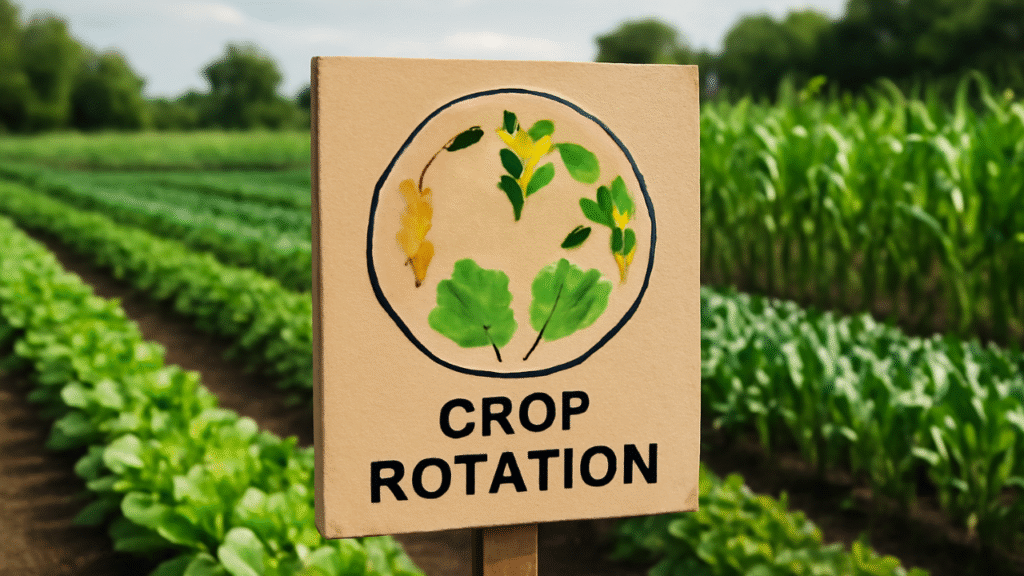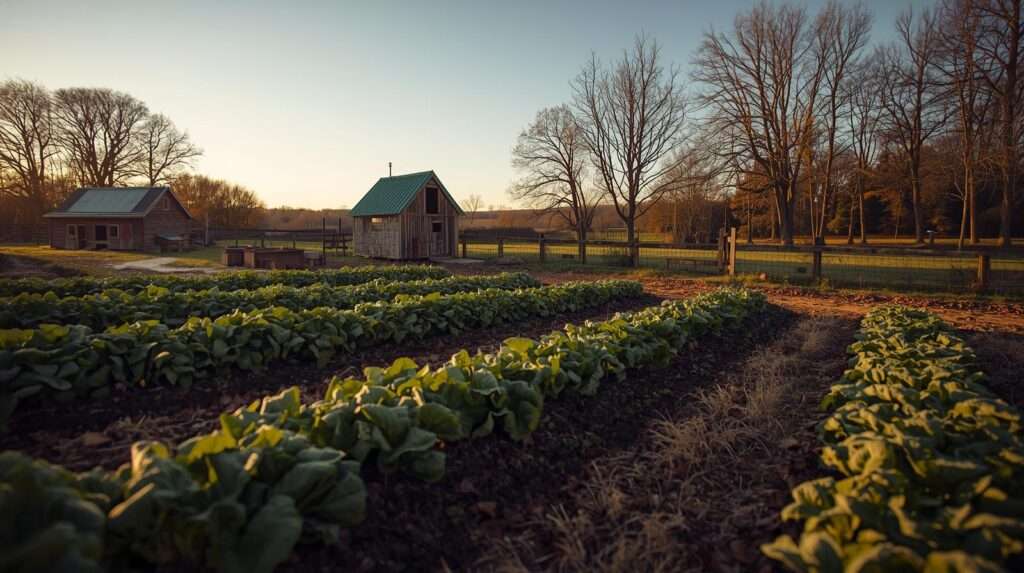
The homesteading dream is exciting at first. Fresh eggs in the morning. A thriving garden. Homemade meals. A slower, simpler lifestyle. But for many people, reality quickly becomes overwhelming. Animals need daily care. Gardens need constant attention. Meals take longer to prepare. Repairs never seem to end. And suddenly, the dream lifestyle starts feeling like a never-ending to-do list. That is why creating Realistic Homesteading Schedules is one of the most important skills any homesteader can learn.
The truth is simple:
Successful homesteads are not built on exhaustion.
They are built on realistic routines, smart systems, and sustainable daily habits.
Whether you manage a backyard garden, a small family homestead, or several acres with livestock, this guide will help you build a schedule that keeps your homestead productive — without burning yourself out.
What Is a Realistic Homesteading Schedule?
A realistic homesteading schedule is a daily and seasonal routine that fits your:
- Time
- Energy
- Property size
- Budget
- Family responsibilities
- Physical ability
Instead of trying to do everything every day, realistic schedules focus on:
- Consistency
- Efficiency
- Flexibility
- Long-term sustainability
The goal is not perfection.
The goal is building a homestead you can realistically maintain for years.
Why Realistic Schedules Matter
Many new homesteaders fail because they try to copy large farms or social media creators.
That usually leads to:
- Physical exhaustion
- Stress
- Unfinished projects
- Financial pressure
- Loss of motivation
A realistic routine prevents burnout and makes homesteading more enjoyable.
It also helps you:
- Save time
- Stay organized
- Reduce stress
- Improve productivity
- Avoid feeling overwhelmed
Common Tasks That Fill a Homesteader’s Day
Even small homesteads require daily work.
Typical tasks include:
Livestock Care
- Feeding animals
- Refilling water
- Collecting eggs
- Cleaning coops or shelters
- Checking animal health
Gardening Tasks
- Watering
- Weeding
- Harvesting
- Mulching
- Pest control
Household Responsibilities
- Cooking from scratch
- Cleaning
- Laundry
- Meal planning
Property Maintenance
- Fence repairs
- Mowing
- Equipment maintenance
- Firewood management
Food Preservation
- Canning
- Dehydrating
- Freezing produce
- Fermenting foods
Without structure, these tasks can easily consume the entire day.
The Biggest Mistakes That Cause Homestead Burnout
Many homesteaders do not fail because they lack motivation.
They fail because their schedules are unrealistic.
Here are the most common mistakes.
Trying to Do Everything at Once
This is the fastest path to burnout.
Many beginners:
- Expand gardens too quickly
- Buy too many animals
- Start multiple projects at once
- Overload every day with chores
The result?
Constant exhaustion and unfinished work.
Instead, focus on a few important priorities at a time.
Adding Too Many Animals Too Fast
Livestock creates daily responsibilities that cannot be skipped.
For example:
Chickens Need:
- Feed
- Water
- Egg collection
- Coop cleaning
Goats Need:
- Strong fencing
- Hoof trimming
- Regular health checks
Dairy Animals Need:
- Milking schedules
- Extra feed
- Strict routines
Start small.
It is far easier to expand later than to manage too much too early.
Ignoring Rest
Many homesteaders believe they must stay productive all day.
That mindset is dangerous.
Homesteading is physically demanding.
Without proper rest:
- Injuries become more likely
- Motivation drops
- Stress increases
- Productivity decreases
Rest is not laziness.
Rest is part of sustainable homesteading.
Comparing Yourself to Social Media
Online homesteading content often shows:
- Perfect gardens
- Beautiful barns
- Large harvests
- Organized pantries
What you do not see:
- Fatigue
- Failed crops
- Financial struggles
- Long work hours
- Stress
Do not build your schedule around someone else’s highlight reel.
Build it around your real life.
How to Create a Realistic Homesteading Schedule
A good homestead schedule should make life easier — not harder.
Here is how to build one that actually works.
Start With Essential Daily Tasks
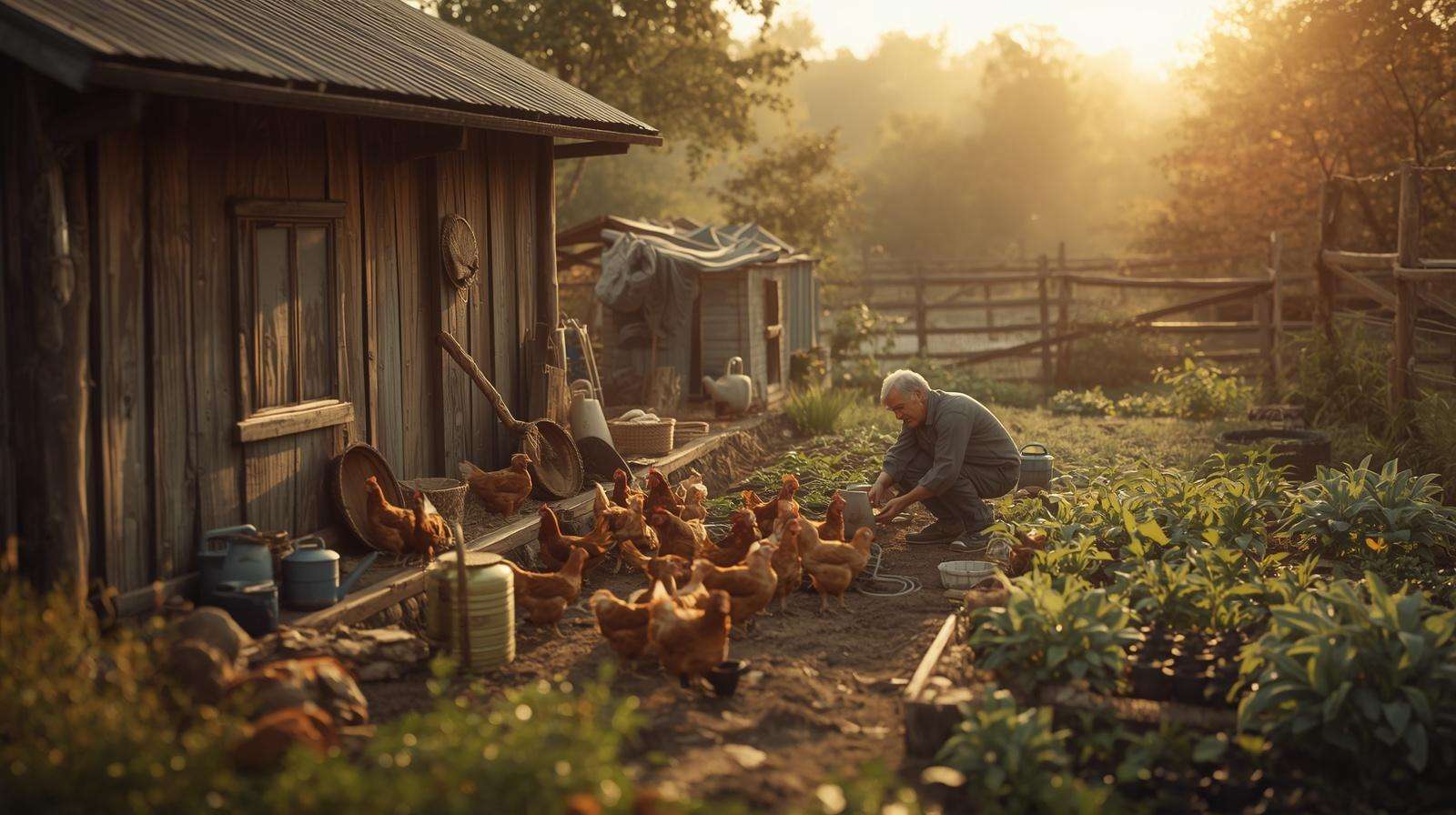
Every homestead has a few non-negotiable chores.
These usually include:
- Feeding animals
- Watering livestock
- Collecting eggs
- Harvesting ripe produce
- Quick safety checks
Complete these tasks first every day.
Everything else comes second.
This keeps the homestead functioning even when unexpected problems happen.
Use Time Blocking
Time blocking helps prevent chaos and wasted time.
Instead of jumping randomly between chores, group similar tasks together.
Example Daily Schedule
| Time | Task |
|---|---|
| 6:00–8:00 AM | Animal chores |
| 8:00–9:00 AM | Breakfast and planning |
| 9:00–12:00 PM | Gardening or projects |
| 12:00–1:00 PM | Lunch and rest |
| 1:00–3:00 PM | Harvesting or preservation |
| 3:00–5:00 PM | Flexible tasks |
| 5:00–7:00 PM | Evening chores |
This system reduces stress and improves focus.
Plan Around the Seasons

Homesteading work changes throughout the year.
Trying to maintain the same routine year-round rarely works.
Spring Schedule
Spring is often the busiest season.
Common spring tasks include:
- Starting seeds
- Preparing soil
- Repairing fences
- Planting crops
- Brooding chicks
Spring Tip
Do not plant everything at once.
Spread tasks over several weeks to reduce stress.
Summer Schedule
Summer focuses heavily on maintenance and harvesting.
Daily summer chores may include:
- Watering
- Weeding
- Harvesting vegetables
- Preserving food
- Monitoring livestock heat stress
Summer Tip
Work early in the morning during hot weather.
This reduces heat exhaustion and saves energy.
Fall Schedule
Fall is preparation season.
Tasks often include:
- Canning food
- Harvesting root crops
- Storing firewood
- Cleaning gardens
- Winterizing animal shelters
Fall Tip
Prioritize winter preparation before cold weather arrives.
Winter Schedule
Winter usually brings slower outdoor workloads.
Typical winter tasks include:
- Feeding livestock
- Equipment repairs
- Seed ordering
- Budget planning
- Homestead organization
Winter Tip
Use winter to simplify systems and plan for the next growing season.
Sample Realistic Homesteading Schedules
Every homestead is different.
However, realistic examples help set better expectations.
Beginner Homestead Schedule (1–2 Acres)
A beginner setup may include:
- Chickens
- A vegetable garden
- Composting
- Small food preservation projects
Morning Routine
- Feed chickens
- Refresh water
- Collect eggs
- Water sensitive plants
Time needed:
About 45–60 minutes
Afternoon Tasks
- Weeding
- Mulching
- Compost management
- Small repairs
Time needed:
1–2 hours
Evening Routine
- Lock chicken coop
- Harvest vegetables
- Prepare for tomorrow
Time needed:
30 minutes
This type of schedule works well for many beginners.
Part-Time Homesteader Schedule

Many people homestead while working full-time jobs.
The key is simplicity.
Before Work
- Feed animals
- Check water
- Collect eggs
- Quick garden inspection
Goal:
Keep chores under one hour.
After Work
- Garden maintenance
- Meal preparation
- Harvesting
- Coop cleaning
Focus only on high-priority tasks during weekdays.
Weekend Tasks
Save large projects for weekends:
- Building projects
- Deep cleaning
- Food preservation
- Fence repairs
This helps avoid weekday burnout.
Full-Time Homestead Schedule
Full-time homesteading requires more structure.
Morning Chores
- Feeding livestock
- Milking
- Water checks
- Health inspections
Midday Tasks
- Gardening
- Equipment repairs
- Construction projects
- Hay management
Evening Routine
- Secure animals
- Final watering checks
- Prepare feed for morning
Even full-time homesteaders need rest and balance.
Working nonstop is not sustainable.
Daily, Weekly, and Monthly Planning Systems
Good scheduling becomes easier when tasks are divided into categories.
Daily Tasks
Daily chores should focus on immediate needs.
Common Daily Chores
- Feed animals
- Refill water
- Harvest produce
- Check fences
- Inspect gardens
Keep daily lists simple and repeatable.
Weekly Tasks
Weekly systems prevent small problems from becoming major ones.
Common Weekly Chores
- Clean coops
- Refill feed bins
- Turn compost
- Mow pathways
- Check equipment
Many homesteaders assign themes to different days.
Example:
| Day | Focus |
|---|---|
| Monday | Garden work |
| Tuesday | Animal care |
| Wednesday | Food preservation |
| Thursday | Repairs |
| Friday | Cleaning |
| Saturday | Big projects |
| Sunday | Rest and planning |
This reduces decision fatigue.
Monthly Tasks
Monthly planning keeps the homestead organized long-term.
Common Monthly Responsibilities
- Budget reviews
- Seed inventory
- Fence inspections
- Tool maintenance
- Seasonal planning
Monthly check-ins reduce stress during busy seasons.
Smart Time-Saving Tips for Homesteaders
Efficiency matters more than working longer hours.
Here are practical ways to save time every week.
Automate What You Can
Automation reduces repetitive labor.
Helpful systems include:
- Automatic waterers
- Drip irrigation
- Timed greenhouse fans
- Rainwater collection systems
Even small upgrades can save hours each month.
Batch Similar Tasks Together
Doing similar chores at the same time improves efficiency.
Examples:
- Wash all produce together
- Cook multiple meals at once
- Clean all animal shelters on one day
Task batching reduces wasted time and mental fatigue.
Focus on High-Impact Tasks First
Not every chore matters equally.
Always prioritize:
- Animal health
- Water systems
- Harvest timing
- Food storage
Cosmetic projects can wait when schedules become overloaded.
Keep Tools Organized
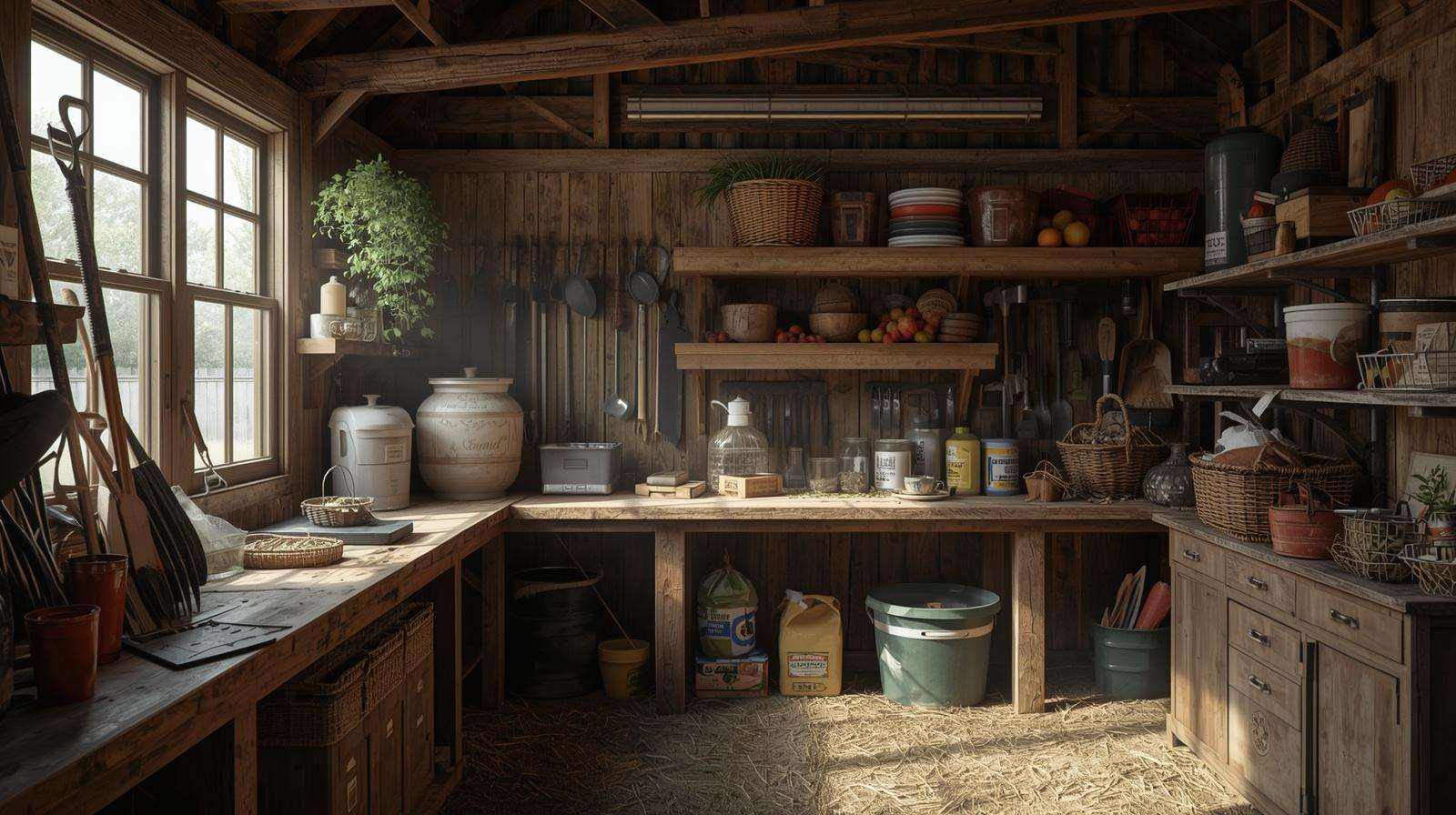
Disorganization wastes time every day.
Simple improvements include:
- Tool racks near work areas
- Labeled feed containers
- Mobile harvest carts
- Dedicated storage zones
Better organization creates smoother daily routines.
Balancing Homesteading With Family and Work
Most modern homesteaders balance multiple responsibilities.
That is completely normal.
Set Realistic Expectations
You do not need:
- A massive garden
- Dozens of animals
- Perfect homemade meals every day
It is okay to:
- Scale back temporarily
- Buy supplemental food
- Delay projects
- Simplify routines
Sustainable homesteading is about long-term success.
Involve the Whole Family
Children can help with age-appropriate chores.
Examples include:
- Collecting eggs
- Watering plants
- Feeding chickens
- Sorting produce
Shared responsibilities reduce stress for everyone.
Protect Your Relationships
Homestead burnout can damage relationships if workloads become unfair.
Helpful strategies include:
- Dividing chores clearly
- Communicating regularly
- Scheduling rest days
- Respecting personal downtime
Healthy relationships are part of a successful homestead.
Signs Your Homestead Schedule Needs Adjustment
Even good systems sometimes need changes.
Watch for warning signs.
Constant Exhaustion
You should not feel permanently drained.
Falling Behind on Chores
Missed tasks often signal overload.
Increased Stress
If homesteading feels miserable, your schedule may be unsustainable.
Loss of Enjoyment
A healthy homestead should still feel rewarding.
Simplifying your systems early prevents long-term burnout.
Frequently Asked Questions
How many hours a day does homesteading take?
Small homesteads may require 1–3 hours daily. Larger operations may require full-time labor.
Can you homestead while working full-time?
Yes. Many successful homesteaders manage both by simplifying routines and avoiding overexpansion.
What is the hardest season for homesteaders?
Spring and summer are usually the busiest due to planting, watering, harvesting, and food preservation.
What should beginners automate first?
Watering systems are often the best first investment because they save daily labor immediately.
Final Thoughts
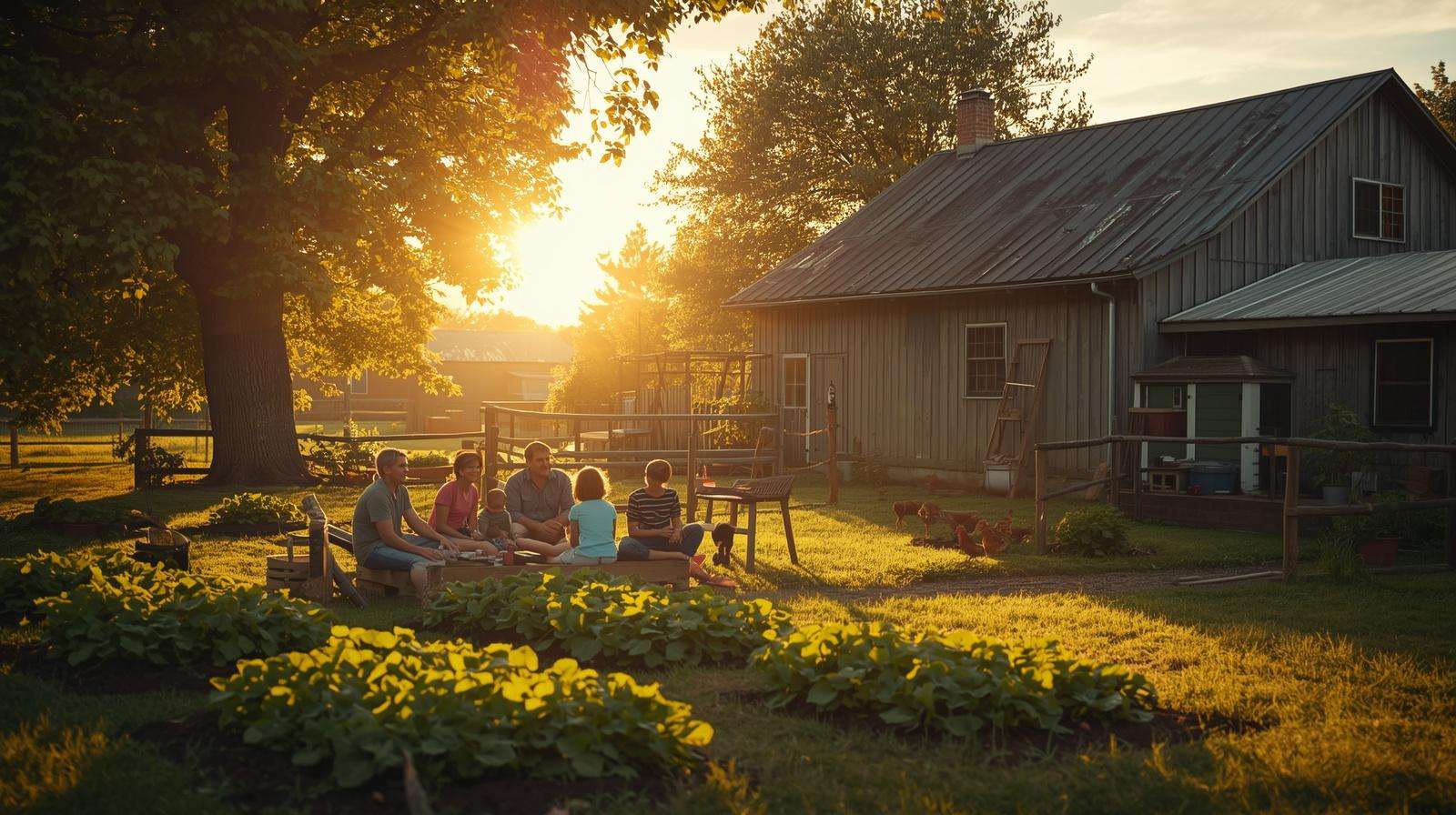
The best homestead schedule is not the busiest one.
It is the one you can maintain consistently without sacrificing your health, relationships, or peace of mind.
Realistic homesteading schedules create:
- Better balance
- Lower stress
- Improved productivity
- More enjoyable routines
- Long-term sustainability
Remember:
A successful homestead is not built through exhaustion.
It is built through smart planning, flexible systems, and sustainable daily habits.