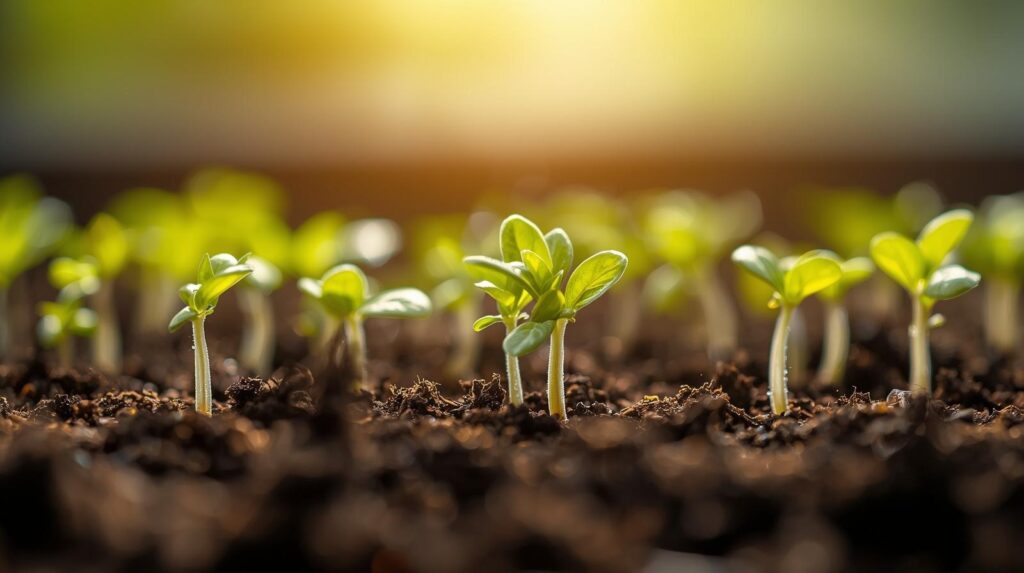
You’ve carefully selected your seeds, filled trays with fresh potting mix, and eagerly awaited those first tiny green shoots—only to be met with disappointment weeks later. If you’re wondering about the reasons seeds don’t sprout indoors, you’re far from alone. Indoor seed starting offers control over the growing environment, but that same controlled space can amplify small mistakes, leading to poor or zero germination. According to university extension services like those from the University of Maryland and Iowa State, common issues like improper temperature, overwatering, and old seeds frustrate thousands of home gardeners each year, resulting in wasted time, money, and delayed harvests.
As an agronomist with over 15 years of experience advising home and commercial growers on seed starting and vegetable production—backed by research from cooperative extensions and field trials—I’ve helped countless gardeners troubleshoot these exact problems. In this comprehensive guide, we’ll dive deep into the 10 most common reasons seeds don’t sprout indoors, supported by evidence from reliable sources like university extensions. For each, I’ll provide practical fixes, prevention strategies, and expert tips to help you achieve 90%+ germination rates. By the end, you’ll have the tools to diagnose issues confidently and enjoy robust, healthy seedlings ready for transplant.

Understanding Seed Germination Basics Indoors
Successful seed germination requires four key elements: moisture, oxygen, optimal temperature, and (for some species) light. Seeds are living embryos in a dormant state, waiting for the right conditions to break dormancy and begin growth.
Indoors, germination can be trickier than outdoors because we eliminate natural variables like rain, wind, and soil microbes—while inadvertently introducing others, such as stagnant air or inconsistent heating. University extensions note that indoor environments often lead to uneven moisture and temperature fluctuations, amplifying errors.
The Role of Temperature, Moisture, and Light
- Temperature: Soil temperature (not air) is critical. Most vegetables germinate best between 70–85°F.
- Moisture: Seeds need consistent dampness—like a wrung-out sponge—but not sogginess.
- Light: Most seeds germinate in darkness, but some (e.g., lettuce, petunia) require light exposure.
- Oxygen: Good drainage and air circulation prevent rot.
Common Indoor vs. Outdoor Challenges
Outdoors, nature balances these factors; indoors, over-control (e.g., domes trapping humidity) or under-control (e.g., cold windowsills) causes failures. A quick ideal setup: sterile seed-starting mix in trays, humidity dome initially, bottom heat mat, and grow lights.

The 10 Most Common Reasons Seeds Fail to Sprout Indoors
Here are the top culprits, drawn from extension resources and practical experience.
Reason 1: Old or Low-Viability Seeds
Seeds have a finite lifespan. Viability declines over time, especially if stored in warm, humid conditions. Even new packets can have low rates if mishandled.
Evidence: University extensions report most vegetable seeds lose significant viability after 2–3 years; parsnips after 1 year, onions after 1–2.
Fixes and Prevention:
- Test viability: Place 10 seeds on a damp paper towel, roll up, seal in a bag, and check sprouting after 7–14 days.
- Buy fresh seeds annually for poor storers.
- Store in a cool, dry, dark place (refrigerator ideal) in airtight containers.
Expert Tip: Seed Viability Chart for Common Crops (years under ideal storage):
| Crop | Viability (Years) |
|---|---|
| Beans | 3–4 |
| Broccoli | 3–5 |
| Carrots | 3 |
| Corn | 2 |
| Lettuce | 2–5 |
| Onions | 1 |
| Parsnips | 1 |
| Peppers | 2–4 |
| Tomatoes | 4–7 |
Reason 2: Incorrect Soil Temperature
Too cold: Seeds rot or delay indefinitely. Too hot: Enzymes denature.
Evidence: Extensions recommend monitoring soil temp; e.g., tomatoes need 70–85°F optimal.
Fixes:
- Use a seedling heat mat with thermostat.
- Soil thermometer for accuracy.
- Variety-specific: Cool-season (spinach) 50–75°F; warm-season (tomatoes) 75–90°F.
Reason 3: Improper Watering (Too Much or Too Little)
Overwatering causes fungal rot and oxygen deprivation; underwatering desiccates embryos.
Evidence: Damping-off thrives in soggy conditions (common indoor issue per Illinois Extension).
Fixes:
- Keep mix moist but not waterlogged—bottom-water trays.
- Use domes for initial humidity, vent/remove after sprouting.
- Mist surface lightly.
Reason 4: Planting at the Wrong Depth
Too deep: Seedlings exhaust energy reaching surface. Too shallow: Dry out.
Evidence: Rule of thumb: 2x seed diameter (Iowa State Extension).
Fixes:
- Follow packet instructions.
- Surface-sow light-requiring seeds (e.g., lettuce).
- Diagram suggestion: Cover small seeds lightly, larger 1/4–1/2 inch.
Reason 5: Unsuitable Seed Starting Medium
Garden soil harbors pathogens and compacts; heavy mixes drain poorly.
Evidence: Extensions strongly advise sterile soilless mixes.
Fixes:
- Use peat/coir/perlite/vermiculite blends.
- Avoid reusing mix from diseased trays.
Reason 6: Insufficient or Excessive Light During Germination
Some seeds need light; others darkness. Post-sprout, low light causes legginess.
Evidence: Lettuce needs light; most others dark until emergence.
Fixes:
- Check packet.
- Provide 14–16 hours grow lights post-germination, 2–4 inches above seedlings.
Reason 7: Poor Air Circulation and High Humidity Leading to Fungal Issues
Stagnant air + high humidity = damping-off (Pythium, Rhizoctonia).
Evidence: Common in covered trays (UMN Extension).
Fixes:
- Vent domes daily.
- Small fan for circulation.
- Cinnamon sprinkle or chamomile tea watering for mild prevention.
Reason 8: Seeds Requiring Special Pretreatment
Some need scarification, stratification, or soaking to break dormancy.
Evidence: Perennials/herbs like lavender need cold stratification.
Fixes:
- Cold-stratify in fridge 4–8 weeks.
- Scarify hard coats with sandpaper.
- Soak large seeds overnight.
Reason 9: Environmental Fluctuations or Pests
Drafts, temp swings; rare pests like fungus gnats.
Fixes:
- Stable warm location.
- Yellow sticky traps for gnats.
Reason 10: Variety-Specific Needs Ignored
Warm vs. cool-season differences overlooked.
Evidence: Tomatoes love heat; spinach prefers cooler.
Fixes:
- Group similar needs.
- Use charts below.
Germination Temperature Chart for Common Vegetables (Optimal Soil Temp °F, Days to Emerge)
| Crop | Min °F | Optimal °F | Max °F | Days |
|---|---|---|---|---|
| Bean | 60 | 80 | 90 | 6–14 |
| Broccoli | 50 | 75–85 | 95 | 5–10 |
| Carrot | 40 | 75 | 90 | 10–20 |
| Lettuce | 40 | 70–75 | 85 | 4–10 |
| Pepper | 60 | 80–90 | 95 | 8–14 |
| Spinach | 35 | 60–70 | 85 | 6–21 |
| Tomato | 50 | 75–85 | 95 | 6–12 |
Step-by-Step Guide to Perfect Indoor Seed Starting
Now that we’ve identified the Reasons Seeds Don’t Sprout Indoors common pitfalls, let’s build a foolproof process. This step-by-step method, refined from years of trials and extension recommendations, consistently delivers high germination rates.
Materials You’ll Need
- Sterile seed-starting mix (peat/coir-based)
- Seed trays or cells (1020 trays with inserts)
- Humidity dome or clear cover
- Seedling heat mat with thermostat
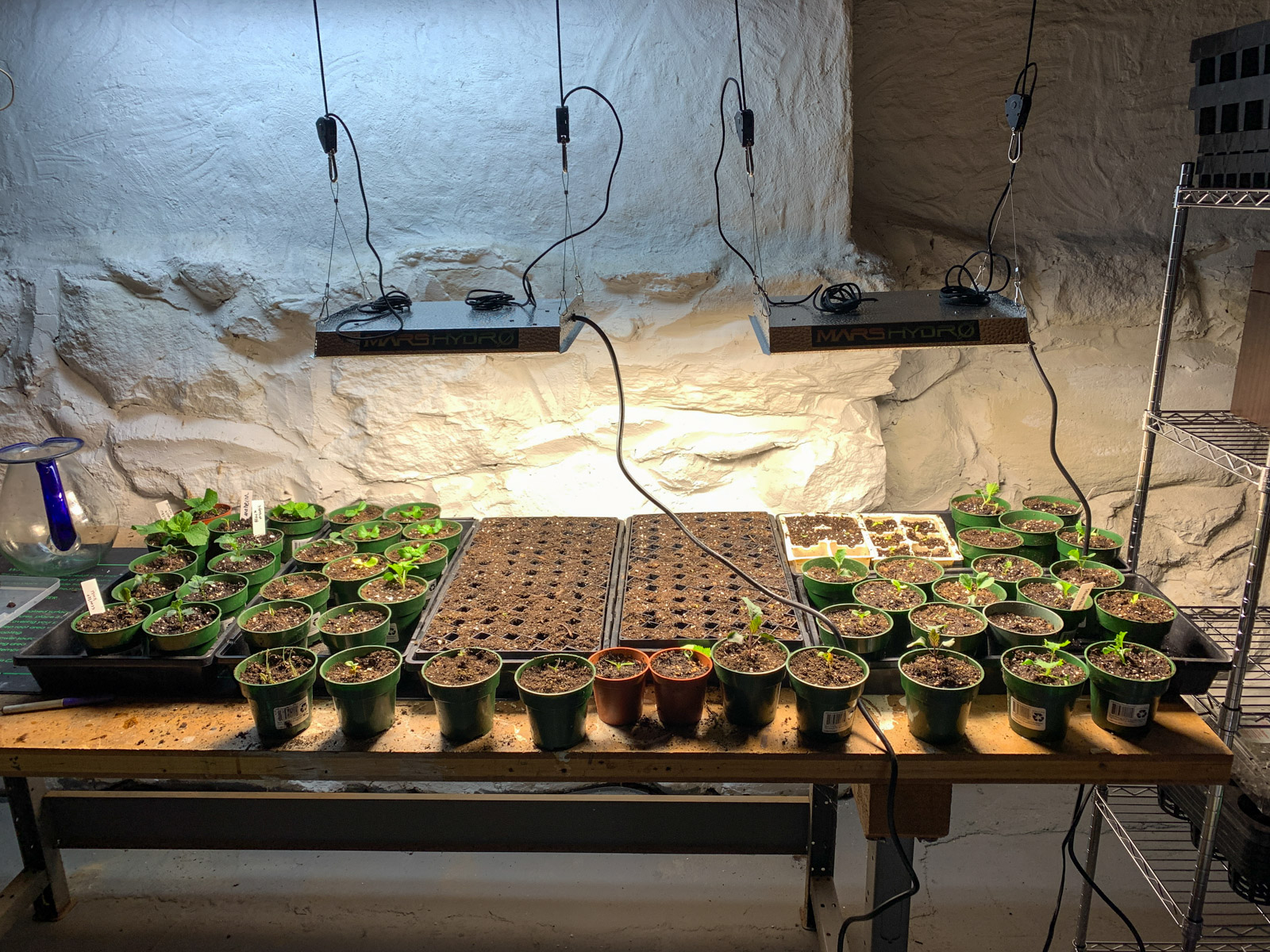
- Grow lights (full-spectrum LED preferred)
- Spray bottle and watering tray
- Labels and permanent marker
- Soil thermometer

The Process
- Prepare the Mix: Moisten seed-starting mix until it holds together when squeezed but no water drips. Fill trays firmly but not compacted.
- Sow Seeds: Check packet for depth and light needs. Make holes, place 1–3 seeds per cell, cover appropriately.
- Label Everything: Variety and sow date—essential for tracking.
- Initial Moisture: Mist surface, bottom-water if needed.
- Apply Bottom Heat: Place on heat mat set to crop-specific temperature.
- Cover for Humidity: Use dome to create mini-greenhouse effect.
- Monitor Daily: Check moisture, vent dome to prevent mold, watch for sprouts.
- Remove Dome and Add Light: As soon as first sprouts appear, remove cover and hang lights 2–4 inches above.
- Water Carefully: Bottom-water to encourage deep roots; keep mix consistently moist.
- Fertilize Lightly: After true leaves appear, use diluted organic fertilizer.
Pro Tip: Rotate trays daily for even growth and brush seedlings gently to strengthen stems (mimics wind).
Advanced Tips for Boosting Germination Rates to 90%+
Experienced growers push beyond basics for near-perfect results.
- Bottom Heat Only: Heat mats under trays warm soil without drying air—far superior to overhead heat lamps.
- Pre-Soaking Seeds: Overnight soak for larger seeds (beans, peas) speeds emergence.
- Organic vs. Conventional Seeds: Organic often have higher vigor if sourced well, but test batches.
- LED Grow Lights: Full-spectrum LEDs run cooler and use less energy; aim for 200–400 PPFD.
- Seasonal Timing: Start warm-season crops 6–8 weeks before last frost; cool-season 4–6 weeks.
- Record-Keeping: Track varieties, temps, and rates yearly to refine your system.
Many gardeners report jumping from 50% to 95% germination with heat mats and proper mix alone (per Cornell Extension trials).
Troubleshooting Post-Germination Issues (Leggy Seedlings, Damping-Off)
Even perfect germination can lead to issues—address them early for strong transplants.
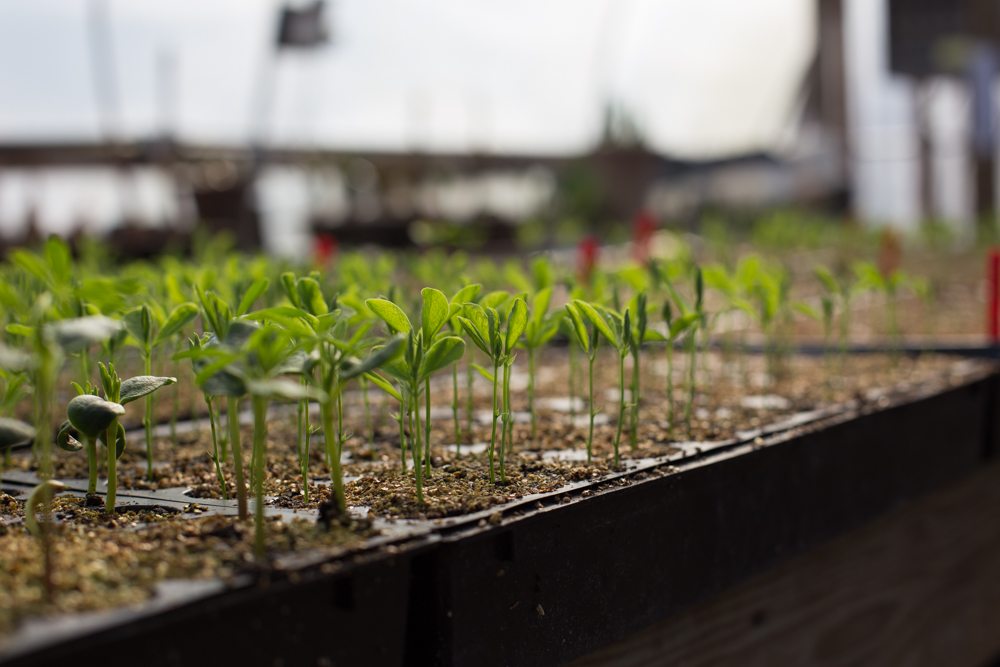
Leggy Seedlings
Tall, spindly stems reaching for light.
Causes: Insufficient light intensity/duration; too warm.
Fixes:
- Lower lights to 1–2 inches above foliage.
- Increase light to 14–18 hours daily.
- Cool temperatures slightly (65–70°F days).
- Transplant deeper when potting up (bury stems).
:max_bytes(150000):strip_icc()/GettyImages-1208437646-41d825af0bac4c3b9649f5cde56f682a.jpg)
Damping-Off Disease
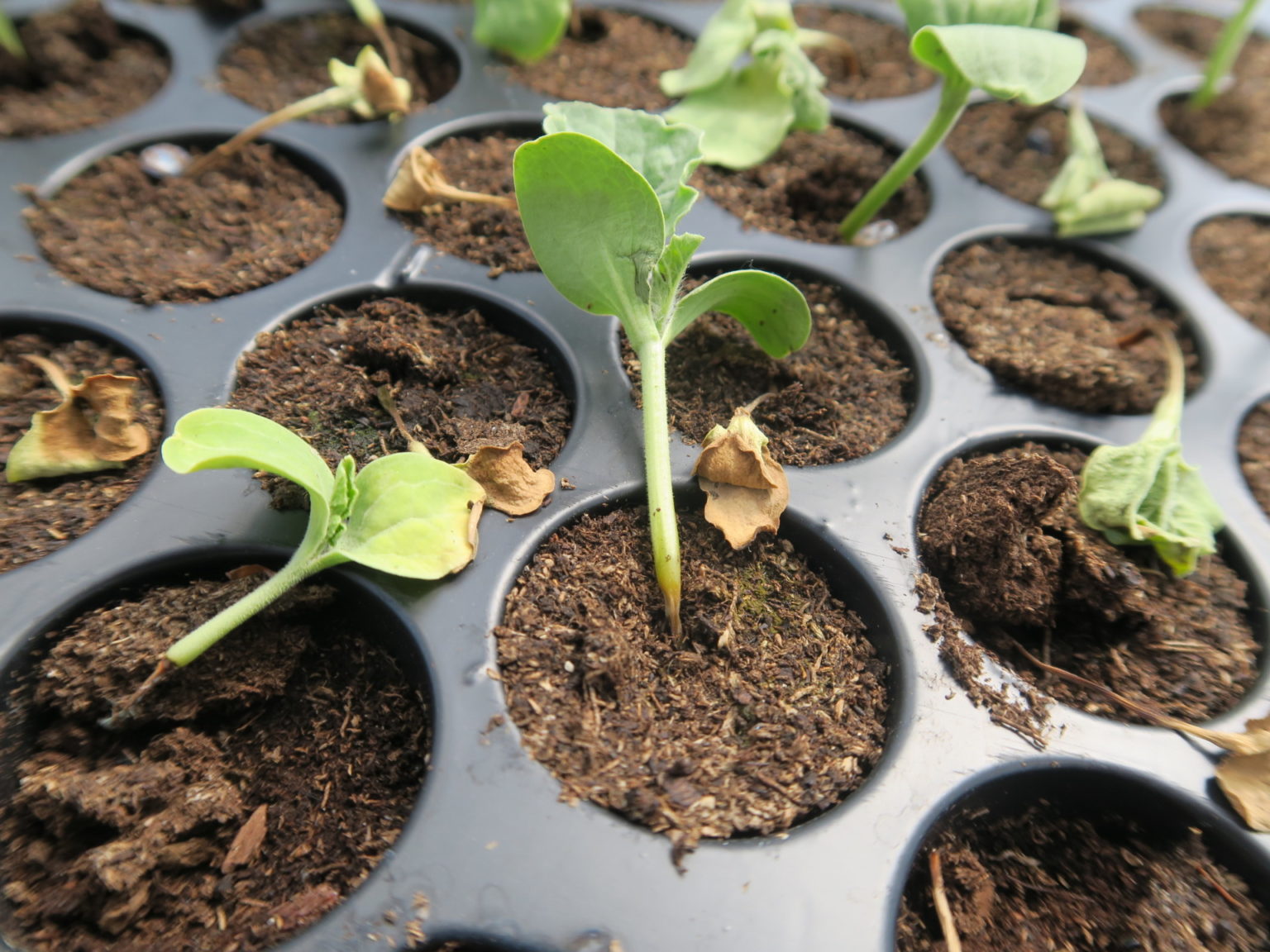
Seedlings collapse at soil line, often with fuzzy mold.
Causes: Overwet conditions, poor air flow, contaminated mix.
Fixes:
- Improve circulation with fan.
- Water less frequently.
- Use fresh sterile mix next time.
- Preventive: Sprinkle cinnamon or use biological fungicides.
Frequently Asked Questions (FAQs)
Why are my tomato seeds not sprouting indoors? Tomatoes need consistent 75–85°F soil temperature and fresh seeds. Cold windowsills or old packets are common culprits—use a heat mat.
How long should I wait before giving up on seeds? Most sprout in 7–14 days under ideal conditions. Wait up to 21–30 days for slower crops like peppers, then reseed.
Can I reuse seed starting mix? Not recommended—pathogens build up. Compost it and start fresh for best disease prevention.
What’s the best temperature for indoor seed germination? Varies by crop (see chart above), but 70–80°F soil temp works for most vegetables.
Do all seeds need light to germinate indoors? No—most need darkness, but lettuce, celery, and petunias require surface sowing and light.
Why do my seedlings fall over after sprouting? Likely damping-off from excess moisture. Increase airflow and reduce watering.
Is bottom watering better for seed starts? Yes—prevents disturbing seeds/seedlings and reduces fungal issues.
How do I know if my seeds are too old? Perform a germination test; if under 50% sprout, replace them.
Can I start seeds without grow lights? Possible near bright south windows, but results are inconsistent—lights yield stronger plants.
What’s the biggest mistake beginners make? Overwatering—aim for moist, not soggy.
Understanding and addressing the reasons seeds don’t sprout indoors transforms frustrating failures into thriving seedling trays. By controlling temperature, moisture, light, and using quality materials, you’ll achieve reliable germination and healthier plants that translate to bigger harvests.
Implement these evidence-based fixes on your next round—whether tomatoes, peppers, or flowers—and watch your success rate soar. Gardening is a learning journey; each season builds expertise.
Happy sowing! Share your results or questions in the comments—I’d love to hear how these tips worked for you.