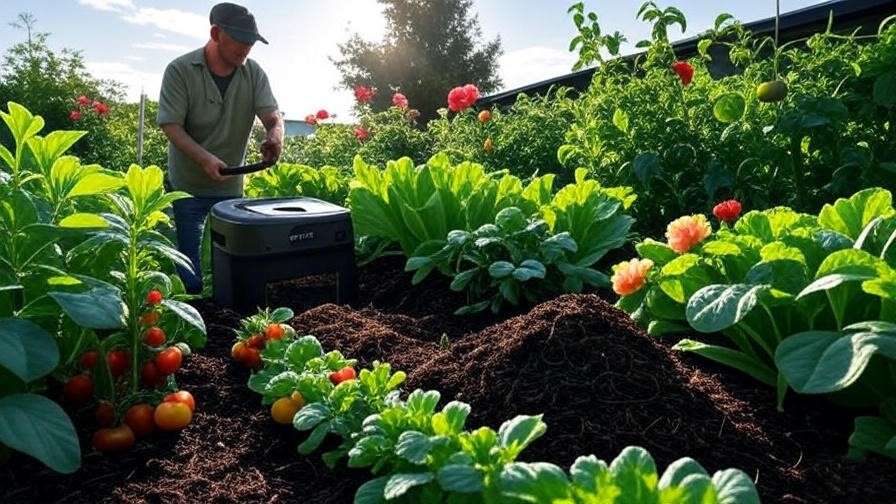
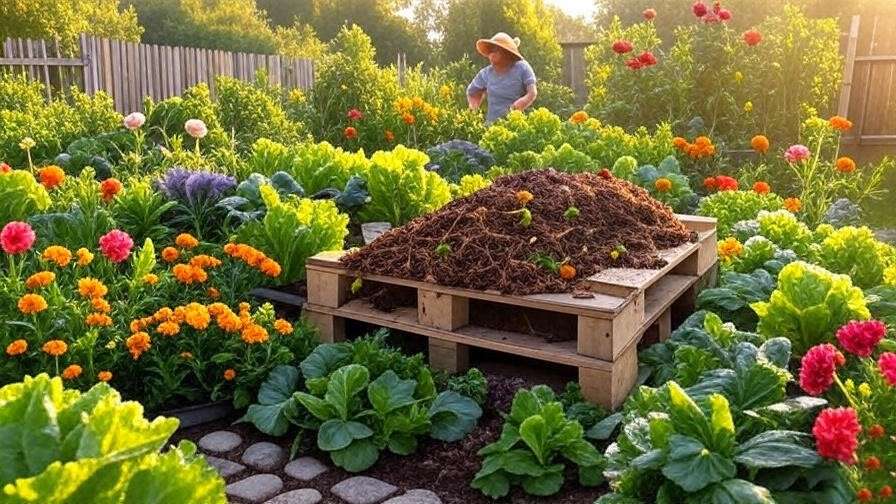
Imagine spending months building a beautiful compost pile, turning kitchen scraps and yard waste into rich, black gold for your garden—only to wake up one morning and find tunnels, droppings, and chewed-up materials scattered throughout. Worse yet, you spot a rat scurrying away. For countless home gardeners, urban farmers, and sustainable agriculture enthusiasts, this frustrating scenario turns the joy of composting into a nightmare. The good news? It doesn’t have to happen. With the right strategies, you can practice rodent safe composting and produce high-quality compost without attracting rats, mice, or other pests.
In this comprehensive guide, written by an agricultural specialist with over 15 years of experience advising farmers and homesteaders on sustainable soil management, we’ll cover everything you need to know to keep rodents out of your compost pile. From choosing the best rodent-proof systems to managing materials and maintaining optimal conditions, these proven tips are backed by university extension research, permaculture principles, and real-world field results. By the end, you’ll have a step-by-step plan to create nutrient-rich compost safely and effectively.
Why Compost Piles Attract Rodents
Understanding why rodents are drawn to compost is the first step toward prevention. Rats and mice aren’t invading your pile out of spite—they’re simply responding to an ideal habitat that provides food, warmth, water, and shelter.
Understanding Rodent Behavior
Compost piles mimic the natural environments rodents seek:
- Food sources: Kitchen scraps like fruit peels, vegetable trimmings, and bread crumbs offer easy calories.
- Warmth: Active decomposition generates internal temperatures of 130–160°F (54–71°C), creating a cozy refuge during cooler months.
- Shelter: Undisturbed piles with dense layers provide perfect nesting sites.
- Moisture: The damp conditions needed for decomposition also meet rodents’ water needs.
Common culprits include Norway rats, roof rats, house mice, and occasionally voles. These opportunistic feeders can detect odors from dozens of yards away, making even a well-intentioned compost pile a beacon if not managed properly.

Health and Garden Risks
Beyond annoyance, rodents pose genuine risks:
- Disease transmission: Rat urine can carry leptospirosis, hantavirus (via mice), and salmonellosis.
- Garden damage: Rodents may gnaw on nearby vegetables, fruit trees, or seedlings.
- Contamination: Droppings and urine in finished compost can introduce pathogens to your soil and crops.
University extension services, including those from Cornell and the University of California, consistently highlight proper compost management as the most effective way to mitigate these risks without resorting to poisons that harm beneficial wildlife.
Common Myths vs. Facts
- Myth: Any compost pile will attract rats. Fact: Well-managed, enclosed systems with careful material selection rarely have issues.
- Myth: Hot composting alone solves everything. Fact: High temperatures help, but rodents can still access cooler outer layers if attractants are present.
- Myth: Rural areas are worse than urban. Fact: Urban and suburban areas often have higher rat populations due to abundant food waste and shelter.
Choosing a Rodent-Proof Compost System
The foundation of rodent safe composting is selecting hardware that physically barriers pests while allowing proper aeration and decomposition.
Types of Compost Bins and Their Effectiveness
Open piles are the most vulnerable because rodents can burrow directly in from any side. Enclosed systems dramatically reduce risk.
Best Rodent-Resistant Options
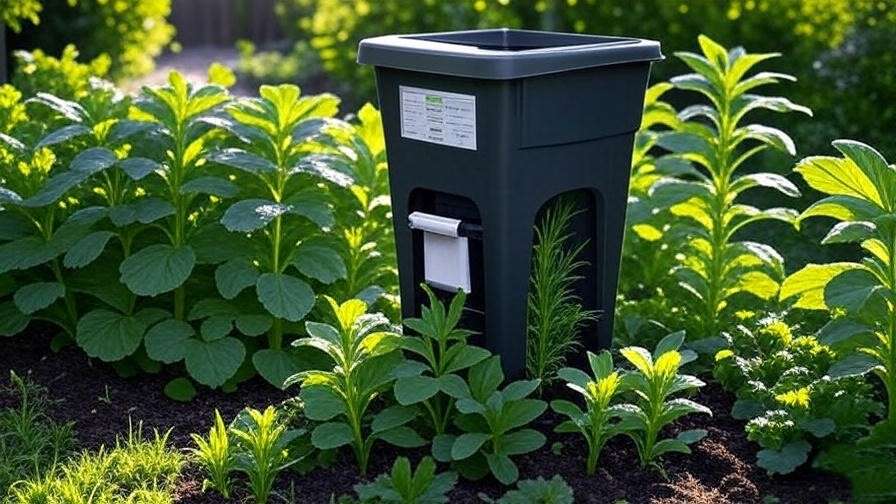
- Tumbler Bins Elevated, fully sealed, and rotatable, tumblers are widely regarded as the gold standard for rodent prevention. Popular dual-chamber models allow continuous adding on one side while the other finishes. Their height (usually 30–36 inches off the ground) prevents burrowing, and tight-fitting lids block entry. Brands like Jora, FCMP, and Envirocycle consistently earn high marks from users in rodent-heavy areas.
- Stationary Enclosed Bins with Secure Features Plastic or metal bins with locking lids and ventilation holes covered in fine mesh work well. Look for models with solid bottoms or add ¼-inch galvanized hardware cloth underneath.
- DIY Modifications for Existing Bins If budget is a concern, reinforce wooden or open-bottom bins by lining the base and lower sides with hardware cloth (not chicken wire—rats chew through it). Secure all edges with staples or screws.
Comparison of Common Systems
| System Type | Rodent Resistance | Ease of Use | Cost Range | Best For |
|---|---|---|---|---|
| Open Pile | Low | High | Free | Large rural properties (with strict management) |
| Stationary Plastic Bin | Medium-High | Medium | $50–150 | Beginners |
| Tumbler | Very High | High | $150–400 | Urban/suburban gardeners |
| Worm Bin (Vermicomposting) | High | Medium | $50–200 | Indoor or small-space |
| Bokashi Bucket | Very High | Very High | $50–100 | Kitchen scrap pre-treatment |

Site Selection for Your Compost Setup
Location matters as much as the bin itself:
- Choose a sunny, well-drained spot at least 20–30 feet from structures, woodpiles, fences, or bird feeders (which drop seeds rodents love).
- Avoid shady corners or areas near dense vegetation that provide cover.
- Place on a solid surface like concrete, pavers, or hardware cloth to block tunneling.
- Increase human traffic nearby—rodents prefer quiet zones.
What to Compost (and What to Avoid) for Rodent Safety
Material selection is arguably the single most important factor in rodent prevention. A few wrong additions can undo every other precaution.
Safe “Green” and “Brown” Materials
Stick to plant-based materials that break down quickly and don’t emit strong odors:
- Greens (nitrogen-rich): Fruit and vegetable scraps, coffee grounds, tea bags, fresh grass clippings, plant trimmings, eggshells (crushed).
- Browns (carbon-rich): Dry leaves, straw, shredded cardboard/newspaper, small twigs, wood chips, paper towels.
Maintain a carbon-to-nitrogen ratio of roughly 30:1 (practically, 3–4 parts browns to 1 part greens by volume). This promotes rapid, odor-free decomposition.
Materials That Attract Rodents
Never add:
- Meat, fish, bones, or poultry
- Dairy products, cheese, or yogurt
- Oils, grease, or fatty foods
- Cooked foods, bread, grains, or pasta
- Pet manure (dog/cat)
- Diseased plants or weed seeds
These items decompose slowly, produce strong smells, and provide high-protein rewards rodents crave. Even small amounts can trigger visits.
Alternatives for Problematic Scraps
If you generate unavoidable food waste:
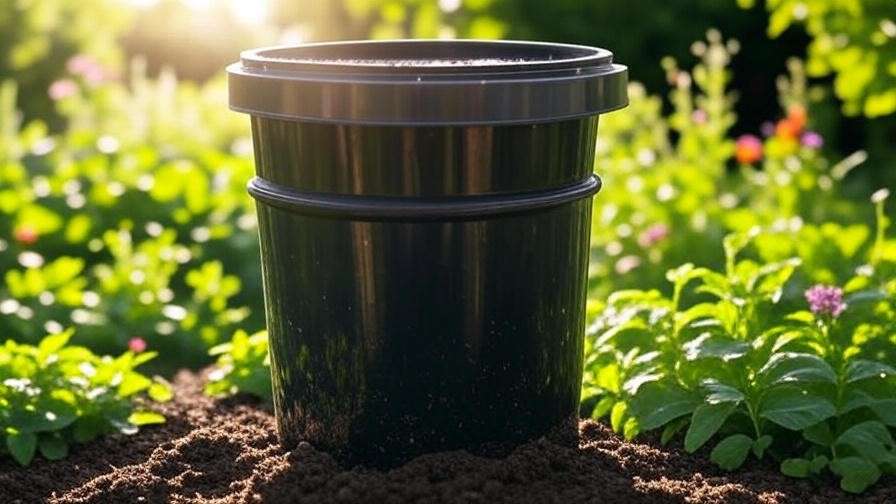
- Use Bokashi composting: Ferment scraps anaerobically with inoculated bran in a sealed bucket. The acidic environment deters rodents, and the pre-compost can later be buried or added to a hot pile.
- Municipal green waste collection or food scrap drop-off programs in many cities.
Expert Layering Technique
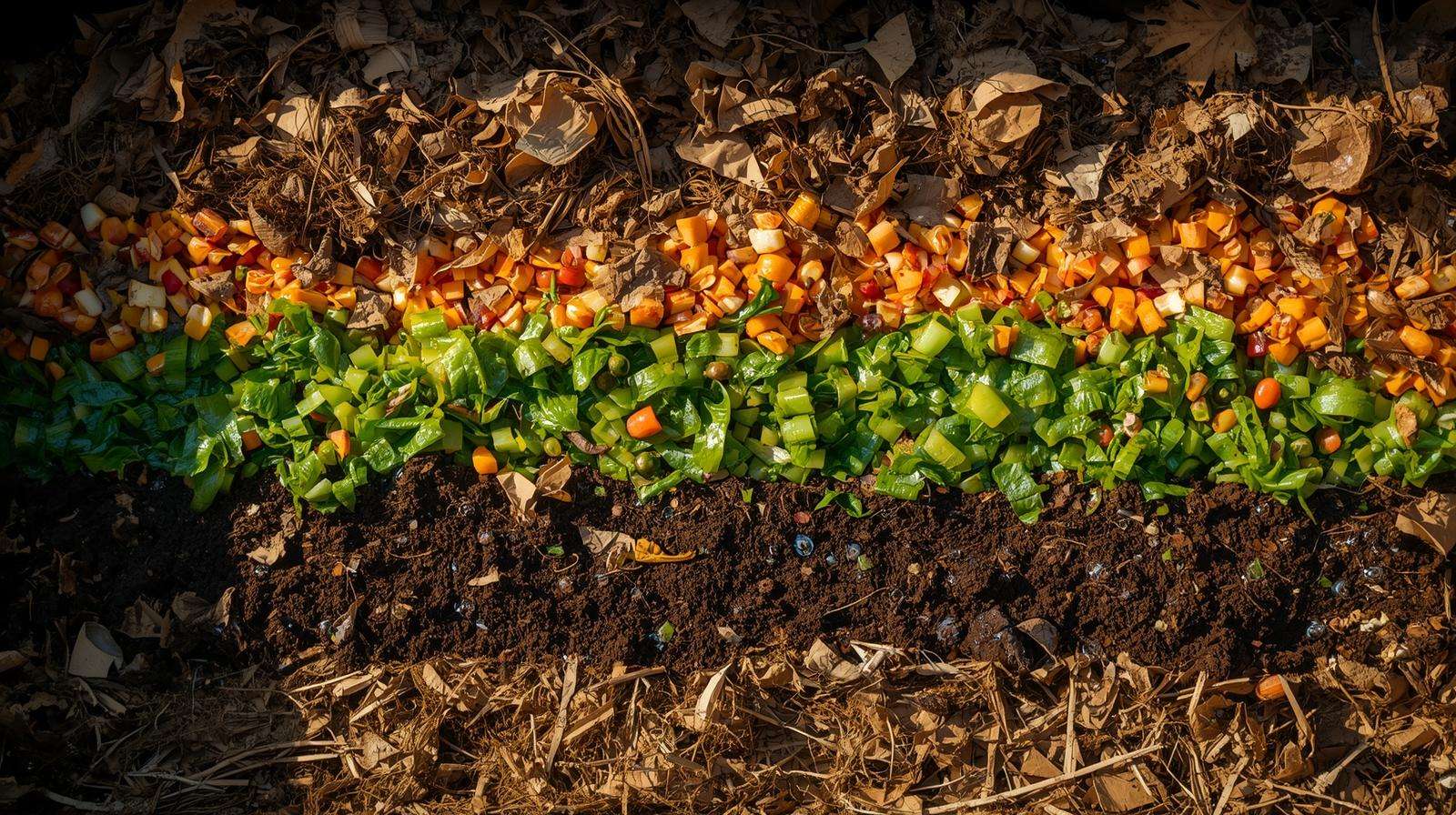
Always bury fresh kitchen scraps at least 10–12 inches deep in the center of the pile, then cover with a thick layer of browns. This “compost lasagna” approach traps odors and forces rodents to dig through unappealing dry material.
Best Management Practices to Deter Rodents
Even with the perfect bin and material selection, active management is essential for truly rodent safe composting. Passive piles become pest magnets; actively maintained ones do not.
Maintaining Heat and Aeration
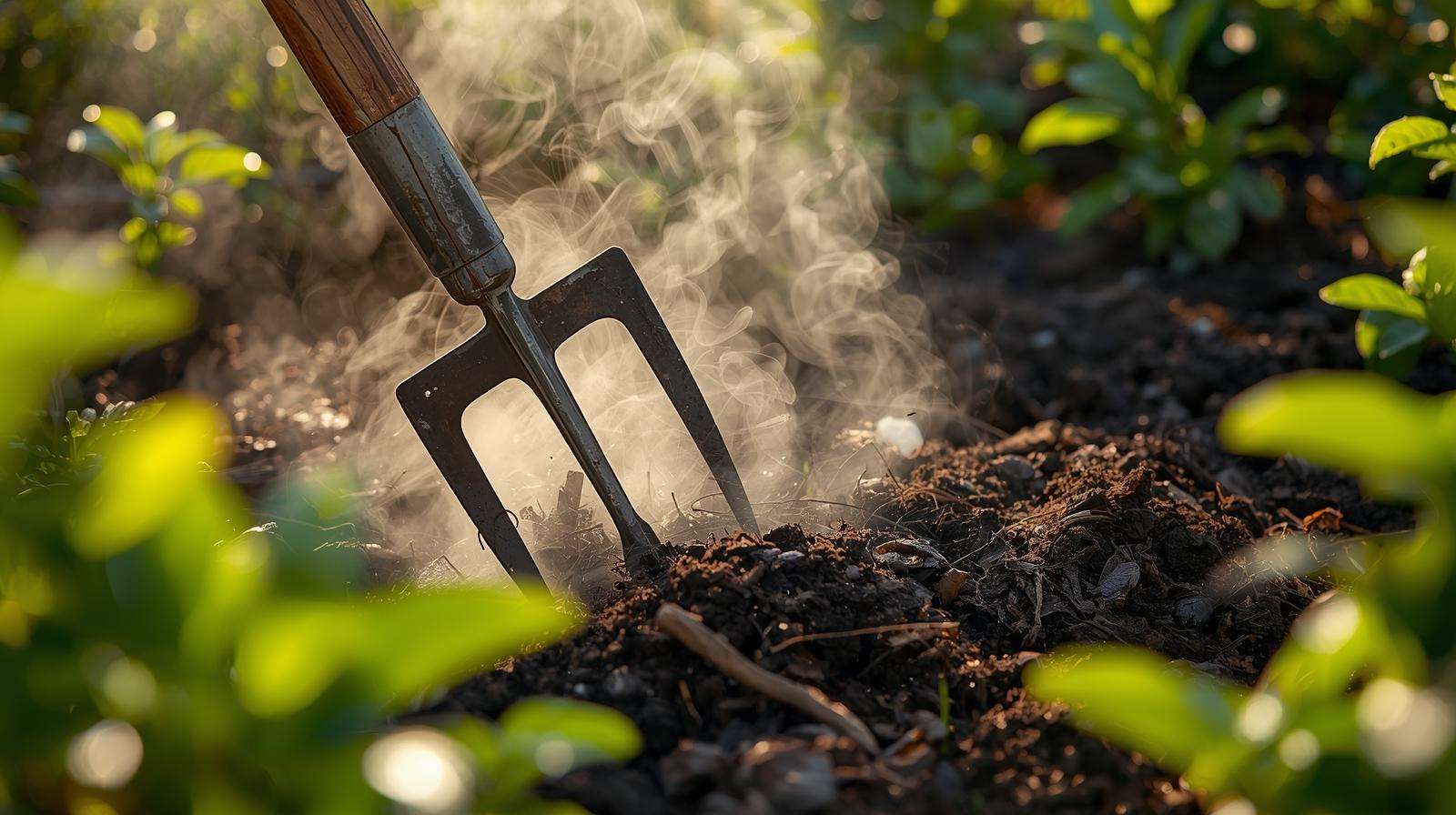
Hot composting is one of the most powerful natural deterrents. When internal temperatures reach 130–160°F (54–71°C), the pile becomes uncomfortably hot for nesting and accelerates breakdown, reducing odors.
Step-by-step guide to achieving hot composting:
- Build a pile at least 3 ft × 3 ft × 3 ft (one cubic yard) – smaller piles don’t retain heat well.
- Layer greens and browns alternately in 4–6 inch layers.
- Moisten each layer until it feels like a wrung-out sponge (55–65% moisture).
- Turn the pile after 3–5 days when the center hits peak heat, moving outer material inward.
- Monitor temperature with a 20-inch compost thermometer (inexpensive and highly recommended).
- Repeat turning every few days until heat subsides, then let cure.
Research from the Rodale Institute and USDA shows hot composting can reduce pathogen loads and make the pile far less attractive to rodents.
Regular Turning and Disturbance
Rodents prefer quiet, stable environments for nesting. Disrupt that:
- Turn the pile at least weekly (more often during active hot phase).
- For tumblers, spin daily or every other day.
- Bang on the bin or rattle it occasionally to create noise and vibration.
Many experienced composters report that frequent turning alone solved minor rodent issues without any other changes.
Moisture and Odor Control
Excess moisture leads to anaerobic conditions, foul smells, and slower decomposition—all rodent attractants.
- Aim for “wrung-out sponge” consistency.
- If the pile smells like ammonia (too wet/nitrogen-heavy), add more browns and turn.
- If it smells rotten (anaerobic), turn immediately and add dry materials.
Covering fresh additions with a 4–6 inch layer of browns further traps odors.
Natural Deterrents
While not standalone solutions, these can provide an extra layer of protection:
- Plant strong-scented herbs like peppermint, spearmint, garlic, or onions around the bin base.
- Sprinkle used coffee grounds or crushed red pepper flakes on top layers (renew after rain).
- Place bundles of dog hair or human hair (collected from brushes) around the perimeter—rodents avoid predator scents.
- Increase human activity: Position the bin along a frequently used garden path.
Avoid commercial “repellents” containing mothballs or other toxins—they can contaminate your compost and harm beneficial organisms.
Common Mistakes That Attract Rodents (and How to Fix Them)
Even seasoned gardeners slip up. Here are the most frequent errors I’ve observed in consultations and how to correct them quickly.
- Adding prohibited foods Fix: Immediately stop and remove recent additions if possible. Switch to Bokashi or municipal collection for those items.
- Infrequent turning Fix: Commit to a weekly schedule. Set a recurring phone reminder or tie it to another garden task.
- Poor location choice Fix: Relocate the bin to a sunnier, more open spot. Use a dolly or wheels for easier moving.
- Imbalanced greens vs. browns Fix: Stockpile fall leaves, shredded paper, or cardboard year-round for quick carbon boosts.
- Ignoring early warning signs Fix: Perform weekly inspections for droppings, tunnels, or chewed scraps. Early intervention prevents escalation.
Real-world example: A client in suburban California had persistent rats until we moved their open pile 40 feet away from a woodpile and switched to a tumbler. Problem solved within two weeks.
Troubleshooting: Signs of Rodents and What to Do
Identifying an Infestation
Look for these telltale signs:
- Small, capsule-shaped droppings (rat droppings are larger, ~½ inch; mouse ~¼ inch).
- Burrow holes or runways around the base.
- Chewed vegetable scraps or nesting material pulled from the pile.
- Greasy rub marks along bin sides.
- Nocturnal scratching or squeaking sounds.
Safe Removal Steps
If you discover rodents:
- Stop adding new kitchen scraps immediately.
- Turn the pile aggressively several times over a week to destroy nests and expose rodents.
- Harvest any finished compost from the bottom (usually rodent-free).
- Clean the bin thoroughly.
- Implement stricter material rules and add hardware cloth if needed.
- Monitor for 2–4 weeks before resuming normal additions.
In severe cases, combine with snap traps or live traps placed around (not in) the bin, baited with peanut butter. Always prioritize non-toxic methods to protect children, pets, and wildlife.
Long-Term Prevention
Integrate compost management into broader garden IPM (Integrated Pest Management):
- Remove other food sources (fallen fruit, bird seed, pet food).
- Secure trash and chicken coops.
- Encourage natural predators: Barn owls, hawks, snakes, and cats.
Advanced Rodent-Safe Composting Methods
For those wanting even greater control or dealing with high food-waste households:
Bokashi Composting
This Japanese anaerobic fermentation method is virtually rodent-proof:
- Layer scraps in a sealed bucket with Bokashi bran (effective microorganisms).
- After 2–4 weeks, the pickled material has minimal odor.
- Bury directly in soil trenches or add to a traditional pile (rodents avoid the acidity).
Ideal for meat, dairy, and cooked foods that would otherwise attract pests.
Vermicomposting (Worm Bins)
Red wigglers process scraps quickly in enclosed bins. Commercial stacked systems like the Worm Factory or Hungry Bin are naturally rodent-resistant when lids are secured. Keep in a garage, basement, or shaded outdoor spot. Worms thrive on many items rodents love, but the enclosed design prevents access.
Trench or Pit Composting
Bury kitchen scraps directly in garden trenches 12–18 inches deep, then cover with soil and plant over them. No pile means no rodent target. Best for seasonal use or integrating with crop rotation.
Large-Scale or Farm Considerations
For small farms or community gardens:
- Use three-bin systems with hardware cloth bases.
- Electric fencing around open windrows has proven effective in some operations.
- Commercial in-vessel composters offer the highest security.
Frequently Asked Questions (FAQs)
Is all composting risky for attracting rodents? No. Well-managed, enclosed systems with proper material selection are extremely low-risk. Open piles with food scraps are the primary culprits.
Can I compost meat scraps safely? Generally no in traditional piles. Use Bokashi fermentation first, then bury or add to a very hot commercial system.
What’s the best rodent-proof bin for beginners? A dual-chamber tumbler is the top choice—easy to use, highly effective, and widely available.
Does hot composting kill rodent-borne diseases? Sustained temperatures above 131°F (55°C) for several days can significantly reduce many pathogens, per EPA and WHO guidelines.
How do I start composting again if I already have rats? Pause food additions, aggressively turn and heat the pile, relocate or upgrade the bin, and eliminate other food sources around your property.
Are tumblers worth the investment? Absolutely. Most users recoup the cost in reduced pest control and fertilizer savings within 1–2 years, plus the convenience is unmatched.
Is compost from a formerly infested pile safe to use? Yes, if properly hot-composted and cured. Heat and time eliminate most pathogens. Avoid using raw or partially finished material.
Conclusion
Rodent safe composting is entirely achievable—and highly rewarding. By selecting a secure bin, avoiding attractant materials, maintaining hot and active conditions, and staying vigilant, you can transform kitchen and yard waste into exceptional soil amendment without inviting unwanted guests.
The payoff is substantial: healthier crops, reduced waste, lower fertilizer costs, and the satisfaction of a truly sustainable system. Start implementing these proven tips today, beginning with the changes that fit your setup best. Monitor progress over the next few weeks, and you’ll likely see dramatic improvement.
Your garden deserves rich, safe compost—and you deserve the peace of mind that comes with knowing rodents aren’t sharing it.
Thank you for reading—happy composting!