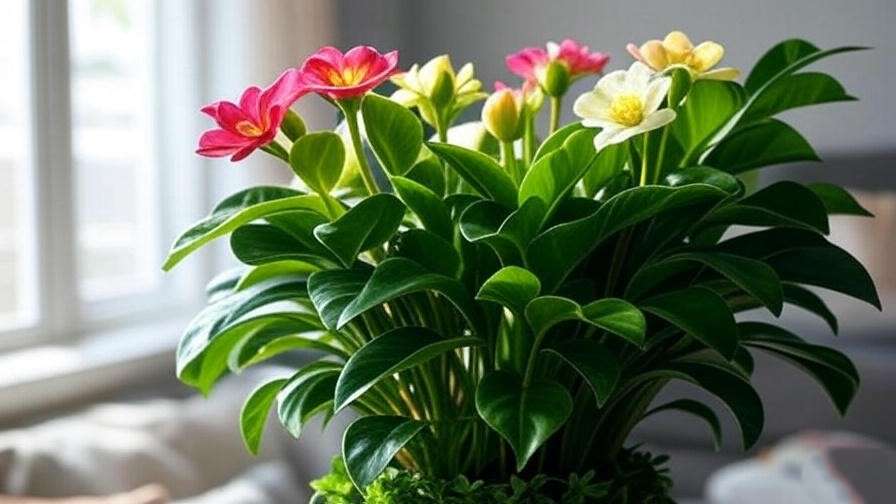
Why a Rosewood Garden Belongs in Serious Home Landscapes
A well-designed rosewood garden offers shade, structure, and long-term value in ways that smaller ornamentals simply cannot match. Thoughtful placement and care transform these trees from “just plants” into living infrastructure that cools your home, enriches your soil, and potentially yields valuable timber decades down the line.
This guide is written for homeowners, smallholders, and agroforestry enthusiasts who want more than casual landscaping. It walks through every stage—from choosing species and preparing soil to pruning, pest control, and integrating rosewood into productive mixed gardens—so you can avoid costly mistakes and build a garden that matures safely and sustainably.
Readers will learn how to evaluate their site, choose appropriate planting material, design the layout, and manage water and nutrients with long-term tree health in mind. Along the way, the article emphasizes practical, field-tested methods rather than theory, aiming to give you processes you can actually follow in your own yard or homestead.
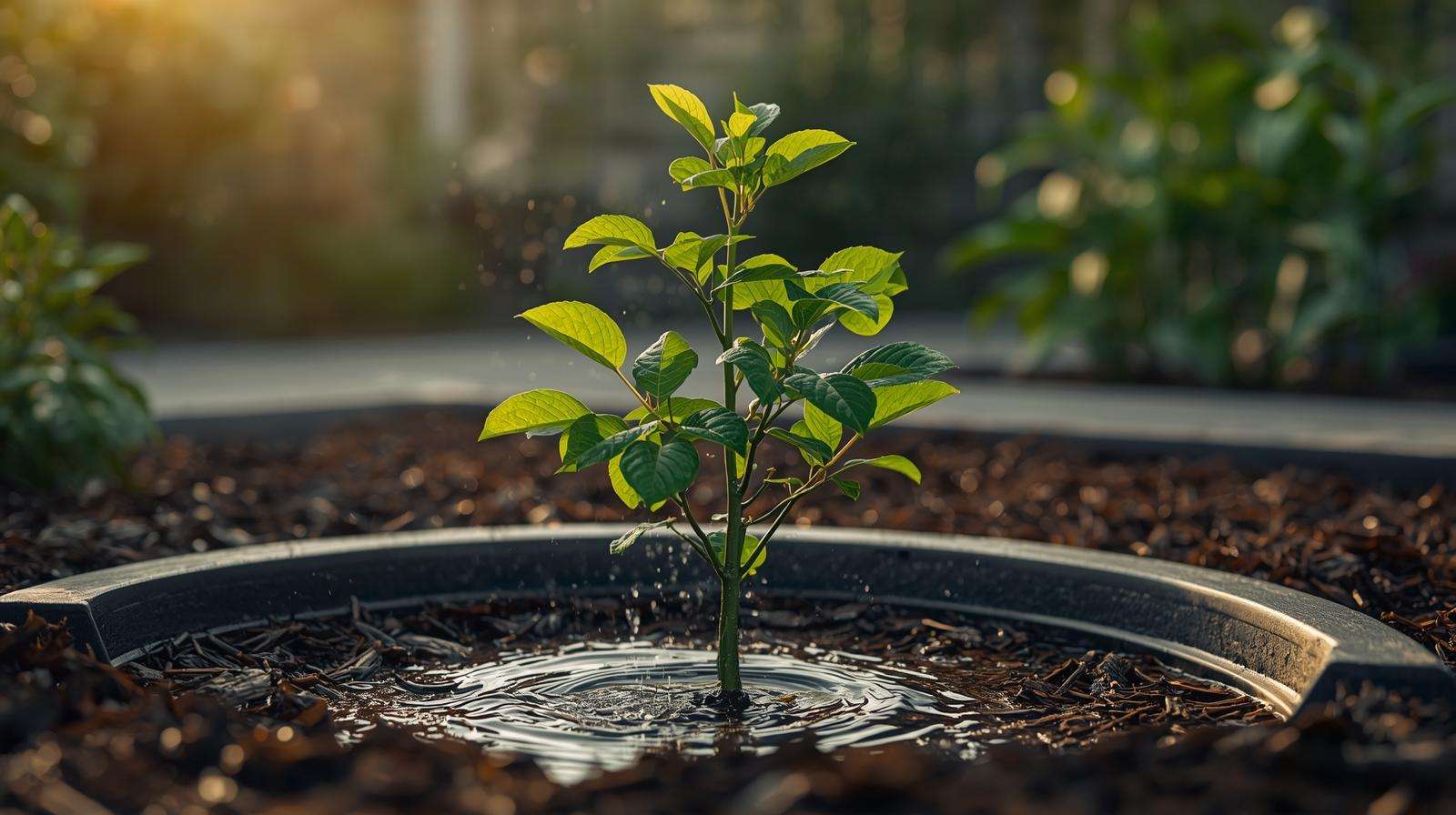
Understanding Rosewood and Its Role in a Home Garden
What Is Rosewood in a Garden Context?
“Rosewood” can refer to several valuable hardwoods known for dense, beautifully grained timber. In a home garden or smallholding context, the term often describes selected ornamental or timber trees that share similar growth habits: medium to large canopy, durable wood, and strong landscape presence.
For home landscapes, the emphasis usually shifts from commercial timber value to shade, aesthetics, and microclimate effects. This means the trees are placed not just for maximum size but for how they frame the house, protect outdoor spaces, and complement other plantings.
Climatic and Environmental Requirements
Most rosewood-type trees perform best in warm to hot climates with distinct wet and dry seasons or stable moisture. They typically prefer:
-
Full sun once established, with some protection for seedlings
-
Well-drained soils that do not stay waterlogged
-
Adequate space for canopy spread and roots
Cold tolerance and drought resistance vary by species or cultivar, so local advice is vital. Before planting, match your chosen tree to your USDA/FAO hardiness zone or equivalent regional classification and verify it is appropriate for residential planting.
Ecological and Economic Benefits
A mature rosewood garden can deliver multiple benefits beyond its ornamental value:
-
Shade and cooling: Large crowns significantly lower ground and surface temperatures, making outdoor spaces usable in hot seasons and reducing cooling costs.
-
Habitat creation: Canopies, bark, and leaf litter support birds, insects, and beneficial soil organisms.
-
Soil improvement: Leaf fall contributes organic matter, and root systems help stabilize soil and improve structure.
-
Long-term value: Depending on species and regulations, mature rosewood-type trees may hold meaningful timber value, even at small scale, or serve as a key asset in agroforestry systems.
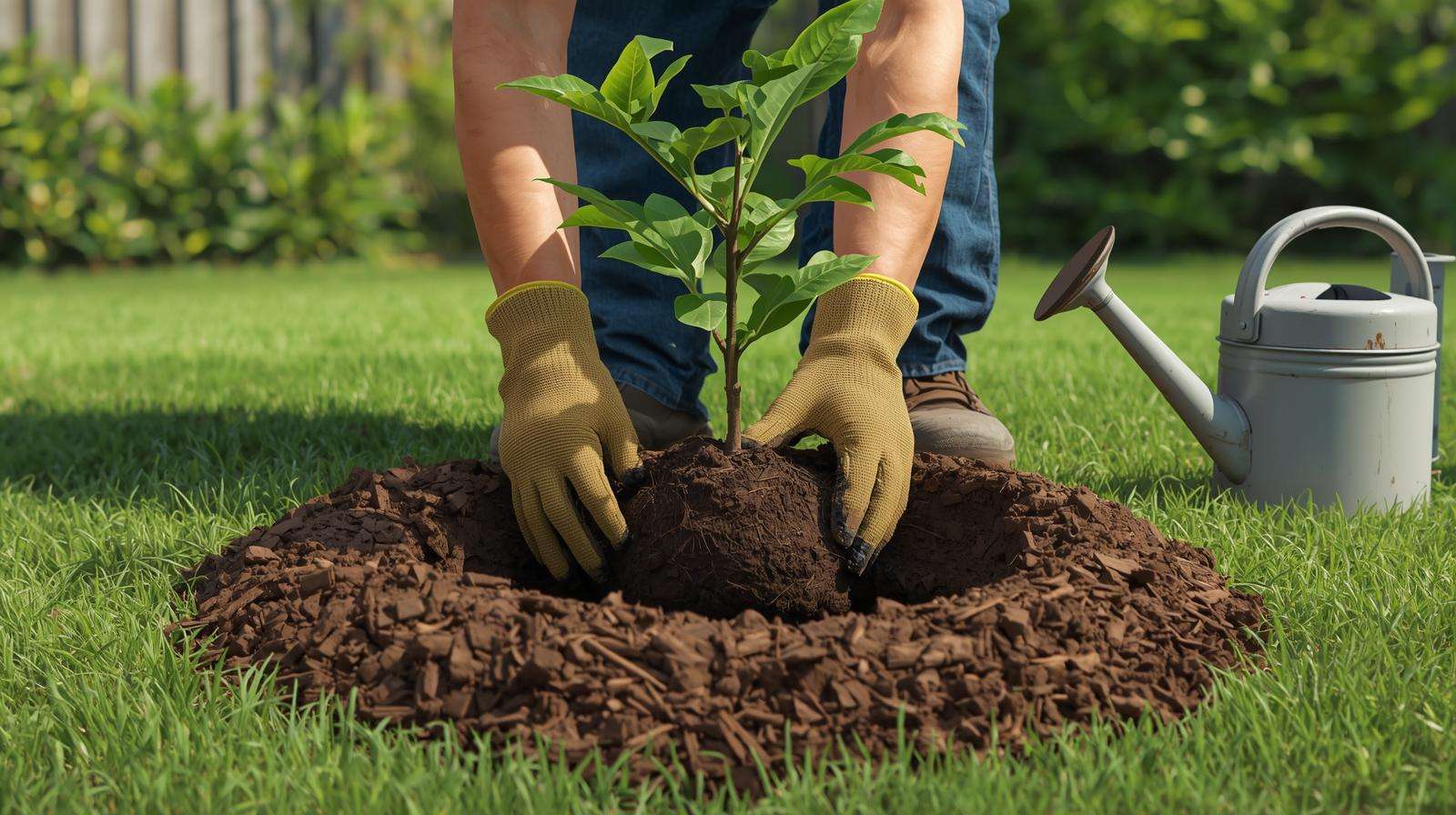
Planning Your Rosewood Garden for Long-Term Success
Defining Clear Goals Before Planting
The first step is deciding what you want your rosewood garden to do. The same tree can play very different roles depending on your objective:
-
Ornamental shade tree anchoring a lawn or patio
-
Part of a mixed-species garden with ornamentals, shrubs, and flowers
-
Component of an agroforestry or silvopasture system with crops or livestock beneath
Be explicit about your priorities—shade, beauty, soil improvement, privacy, future timber, or integrated production—because each goal changes how many trees you plant, where you place them, and how you manage them over time.
Choosing the Right Location
Site selection determines whether your rosewood garden thrives or becomes a future maintenance problem. Key factors include:
-
Sun exposure: Most rosewood-type trees need full sun to develop strong wood and dense foliage. Avoid permanently shaded corners for your main specimens.
-
Wind and storm exposure: On windy sites, consider windbreaks or slightly sheltered positions to reduce the risk of windthrow.
-
Distance from structures: Allow enough space so mature crowns do not crowd roofs, and roots do not threaten foundations, walls, or underground services.
-
Access and use patterns: Think about how people move through the garden, where you sit, and where you want summer shade or winter sun.
Spacing and Layout
Improper spacing is one of the most common mistakes in shade-tree planting. Young trees look small, leading homeowners to plant them too close together, to buildings, or to property boundaries. Over time this causes crowding, heavy pruning, or forced removals.
As a guideline:
-
Plan for the mature crown spread, not the nursery size.
-
Use wider spacing if you want distinct specimen trees, and closer spacing if your goal is a more woodland-like rosewood garden.
-
Keep sufficient clearance from power lines, driveways, and neighboring properties to avoid future disputes and hazards.
Integrating Rosewood with Other Plants
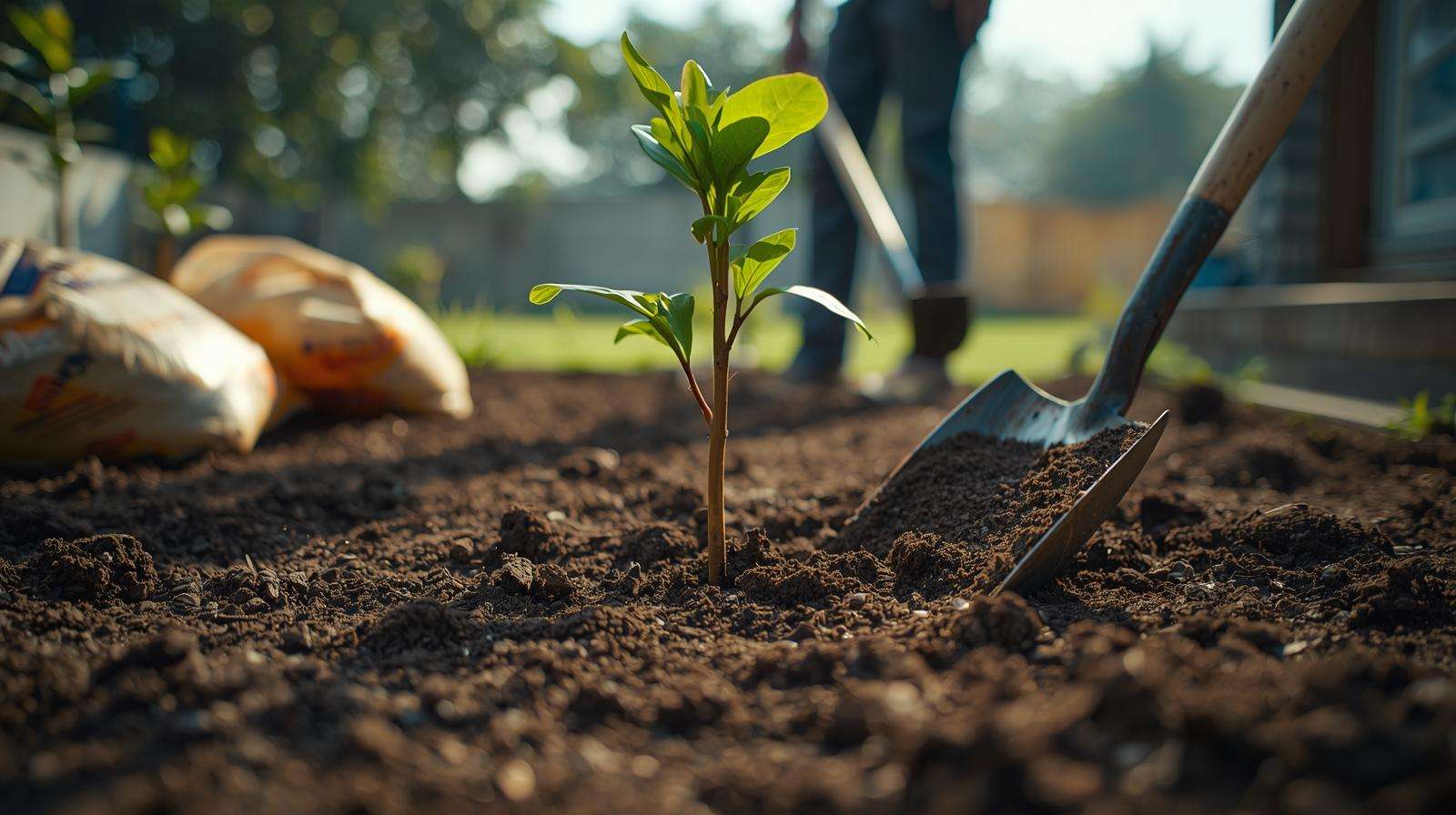
Treat the rosewood garden as a layered system rather than a single tree in a lawn. Understory and companion planting will vary with your climate and management goals:
-
Ornamental underplanting: Shade-tolerant shrubs, groundcovers, and perennials can fill space beneath the canopy.
-
Edible understory: Leafy greens, herbs, or shade-tolerant fruits (like some berries) may thrive in dappled light.
-
Biodiversity plantings: Native flowering plants around and under trees support pollinators and beneficial insects, improving overall ecosystem health.
Design pathways, seating areas, and focal points in relation to your rosewood trunks and canopies, so the garden feels coherent and intentional.
Soil Requirements and Preparation for a Healthy Rosewood Garden
Ideal Soil Type and pH
Most rosewood-style trees prefer:
-
Loamy, well-structured soils that balance water-holding capacity and drainage
-
Slightly acidic to neutral pH in many regions (often around 6.0–7.0), though exact preferences depend on species
-
Adequate depth for root penetration and stability
Heavy clays, very shallow soils, or waterlogged sites increase stress and disease risk and often require significant improvement or strategic avoidance.
Simple Soil Testing Methods
Before planting, test your soil instead of guessing. Even basic testing can prevent serious missteps:
-
DIY test kits: Inexpensive pH and NPK kits give a rough idea of soil reaction and fertility.
-
Jar test for texture: A simple sedimentation jar can show the proportions of sand, silt, and clay, helping you understand drainage potential.
-
Laboratory or extension service tests: Provide more precise nutrient levels, organic matter content, and any salinity or contamination concerns.
Interpreting results allows you to decide where to plant, what amendments to add, and whether certain areas of the property are unsuitable for large trees.
Improving Poor Soils
If your soil is far from ideal, focus on structural improvement and organic matter rather than quick chemical fixes:
-
Add compost and well-rotted organic matter to increase water retention in sandy soils and improve drainage in clay soils.
-
Use gypsum or similar amendments in specific heavy clays where recommended, to help aggregates form and improve structure.
-
Avoid heavy machinery or repeated compaction around planting areas to protect pore space and root growth potential.
Over time, leaf litter from the rosewood garden itself will contribute organic matter, but initial preparation can greatly speed establishment.
Preparing Planting Beds
Instead of digging isolated “post holes” in otherwise compacted ground, think of preparing a broader planting zone:
-
Mark out the approximate area of the future canopy.
-
Loosen the soil over a generous radius, removing large stones, construction debris, and obstacles.
-
Incorporate compost or other recommended amendments into the topsoil layer.
-
Consider establishing a temporary groundcover to protect bare soil until the tree’s canopy closes.
This approach encourages roots to spread broadly rather than circling in a narrow improved pocket.
Selecting Quality Rosewood Plants or Seedlings
Seed vs. Nursery-Grown Seedlings
There are two main routes to a rosewood garden:
-
Growing from seed: This offers more genetic diversity and potentially lower cost but demands patience and proper nursery techniques. Seedlings take longer to reach landscape impact.
-
Purchasing nursery-grown seedlings or saplings: More expensive per plant but faster and more predictable. Good nurseries provide hardened plants, ready for field conditions.
For most homeowners aiming at a practical home garden, nursery plants in suitable sizes (often container-grown saplings) are the most efficient choice.
Identifying Healthy Seedlings
Inspect each tree before purchase. Healthy planting stock generally shows:
-
Firm, straight or properly formed stems without cracks, cankers, or sunken areas
-
Leaves that are uniform in color, free from major spotting, holes, or distortion
-
A root system that is not pot-bound—when gently eased from the container, roots should be white or light-colored, not black or foul-smelling, and should not spiral tightly around the pot
Reject any plants with severe dieback, obvious pest infestation, or roots that fill the container in thick coils. These issues can stunt growth for years.
Choosing Reliable Suppliers
Work with nurseries or tree suppliers who:
-
Provide correct species names and, where applicable, cultivar information
-
Can explain the typical size, growth rate, and care requirements
-
Offer plants adapted to your climate rather than generic stock from distant regions
Local recommendations, agricultural extensions, or forestry/agroforestry programs can often point you toward reputable sources.
Common Purchasing Mistakes
Avoid these frequent pitfalls when selecting plants for your rosewood garden:
-
Choosing trees solely on height rather than overall quality
-
Buying weak, discounted stock that has been stressed or poorly maintained
-
Selecting species that are inappropriate for your climate or too large for your property’s scale
Investing in fewer, better-quality trees is usually smarter than overfilling the garden with marginal stock.
Step-by-Step Planting Guide for Your Rosewood Garden
Best Season and Weather Conditions
The ideal planting time depends on climate, but several general principles hold:
-
Plant during mild, moist seasons—often early rainy season in the tropics or early spring/early autumn in temperate climates.
-
Avoid planting during extreme heat, deep drought, waterlogged periods, or freezing conditions.
-
Aim for days with moderate temperatures and overcast skies if possible, which reduce transplant shock.
Planting Hole Dimensions and Spacing
Dig planting holes that are:
-
At least as deep as the root ball and wider than the container, often 2–3 times the diameter
-
Loosened at the sides and bottom to allow roots to penetrate outward
-
Located according to your spacing plan, respecting future crown spread and root zone
Avoid the temptation to over-enrich just the planting hole. The goal is a transition zone, not a “soft pocket” that roots never leave.
Correct Planting Technique
-
Hydrate the tree: Water the container thoroughly a few hours before planting.
-
Remove carefully from the pot: Handle the root ball gently; do not yank the stem.
-
Inspect and correct roots: If roots are circling, gently tease some outward or make a few shallow cuts to encourage outward growth.
-
Set the planting depth: The root collar (where root and stem meet) should sit at or very slightly above the surrounding soil level, never buried.
-
Backfill with native soil: Firm gently as you fill to remove large air pockets without compacting heavily.
-
Water deeply: After planting, apply a slow, thorough watering to settle the soil and hydrate the root zone.
Mulching After Planting
Mulch is one of the most powerful tools for successful establishment:
-
Use organic materials such as wood chips, shredded bark, straw, or composted leaves.
-
Spread mulch in a wide ring around the tree, but keep a clear gap around the trunk to prevent moisture against bark and rot.
-
Aim for a depth of about 5–8 cm (2–3 inches), adjusting for climate and material.
Mulch buffers soil temperature, conserves moisture, and suppresses weeds, all of which help young rosewood trees establish strong roots.
Watering Strategies for Strong Roots and Sustainable Growth
Water Needs: Establishment vs. Maturity
Newly planted rosewood trees, especially in dry or hot climates, often fail due to irregular watering rather than poor soil or genetics. Young trees need:
-
Regular, deep watering to keep the root zone moist but not saturated
-
Extra attention during the first 6–24 months, depending on climate and soil
Once established, many species become more drought-tolerant and require far less supplemental water. At maturity, the main goal is to prevent extreme stress rather than maintain constant high moisture.
Setting a Practical Irrigation Schedule
To design a schedule, consider:
-
Soil type: Sandy soils dry quickly; clays hold more water but risk waterlogging.
-
Climate and rainfall: Adjust frequency based on local rain patterns; rain gauges or simple observation help.
-
Mulch presence: Mulched soils retain water longer than bare soils.
A common pattern is deep watering once or twice per week during dry spells for new trees, allowing the top few centimeters of soil to dry slightly between waterings to encourage deep rooting.
Signs of Overwatering and Underwatering
Learn to read your trees and soil:
-
Underwatering: Wilting, dull or curling leaves, dry soil several centimeters down, and slow growth.
-
Overwatering: Persistently soggy soil, yellowing leaves, root or collar rot, and foul odors from the root zone.
Correct problems by adjusting frequency and volume rather than making drastic changes overnight.
Efficient Watering Methods
For long-term sustainability and convenience:
-
Use basins or watering rings around young trees to direct water to the root zone.
-
Install drip irrigation or soaker hoses for consistent, low-loss watering.
-
Combine irrigation with mulching and, where appropriate, contouring or small swales to retain rainwater in the root zone.
Efficient methods reduce water waste and labour while keeping the rosewood garden consistently supported.
Fertilization and Nutrient Management in a Rosewood Garden
Nutrient Needs at Different Growth Stages
Nutrient demand shifts as trees age:
-
Young trees (establishment and juvenile phase): Need balanced nutrition to build roots, trunk, and primary branches.
-
Intermediate trees: Focus shifts to canopy development and structural strengthening.
-
Mature trees: Often require less additional fertilization if soil is healthy and organic matter is adequate, though specific deficiencies may still need correction.
The goal is not to force extremely fast growth—especially in residential settings—but to support steady, resilient development.
Organic vs. Synthetic Fertilizers
Both organic and mineral fertilizers can be used effectively:
-
Organic sources (compost, manure, organic pellets): Improve soil structure and biology over time and release nutrients more slowly.
-
Synthetic fertilizers: Offer precise NPK ratios and quick uptake but do not improve soil organic matter.
A combined strategy is often ideal: build soil with organic inputs and correct specific deficiencies with carefully measured mineral fertilizers when needed.
Seasonal Fertilization Calendar
A general approach might include:
-
Early growth season: Apply a balanced fertilizer or compost to support new leaf and shoot growth.
-
Mid-season: Evaluate growth and foliage; top up with moderate feeding if needed.
-
Late season: Reduce or stop nitrogen-heavy inputs in climates with cold winters, to avoid pushing soft growth before frost.
In warm, evergreen climates, mild, periodic feeding throughout the growing year may be more appropriate, with breaks during extreme heat or drought.
Recognizing and Correcting Deficiencies
Common visual signs include:
-
Nitrogen deficiency: Overall pale foliage and reduced growth.
-
Phosphorus deficiency: Poor root development; sometimes darker, dull foliage.
-
Potassium deficiency: Edge burn or marginal scorching on older leaves.
-
Micronutrient issues: Interveinal chlorosis (yellowing between veins), distorted leaves, or specific patterning.
Always confirm with soil or leaf analysis where possible before heavy interventions. Correct slowly with appropriate fertilizers or soil amendments rather than “dumping” large quantities of nutrients at once.
Pruning, Training, and Structural Management
Why Pruning Matters
Pruning in a rosewood garden is about much more than shape; it directly impacts:
-
Structural safety: Removing weak, crossing, or poorly attached branches reduces risk of breakage near homes and paths.
-
Light penetration: Proper thinning allows light to reach understory plants and keeps the canopy healthier.
-
Long-term aesthetics: Thoughtful pruning builds a balanced, attractive crown that frames the landscape.
Neglecting structure in early years often leads to heavier, more stressful removals later.
Formative Pruning in the First 3–5 Years
During the establishment phase, focus on:
-
Selecting a strong central leader or desired main structure (depending on species and design).
-
Removing double leaders, tight crotch angles, and rubbing branches early.
-
Gradually raising the canopy height to the level you want for clear access and line-of-sight under the tree.
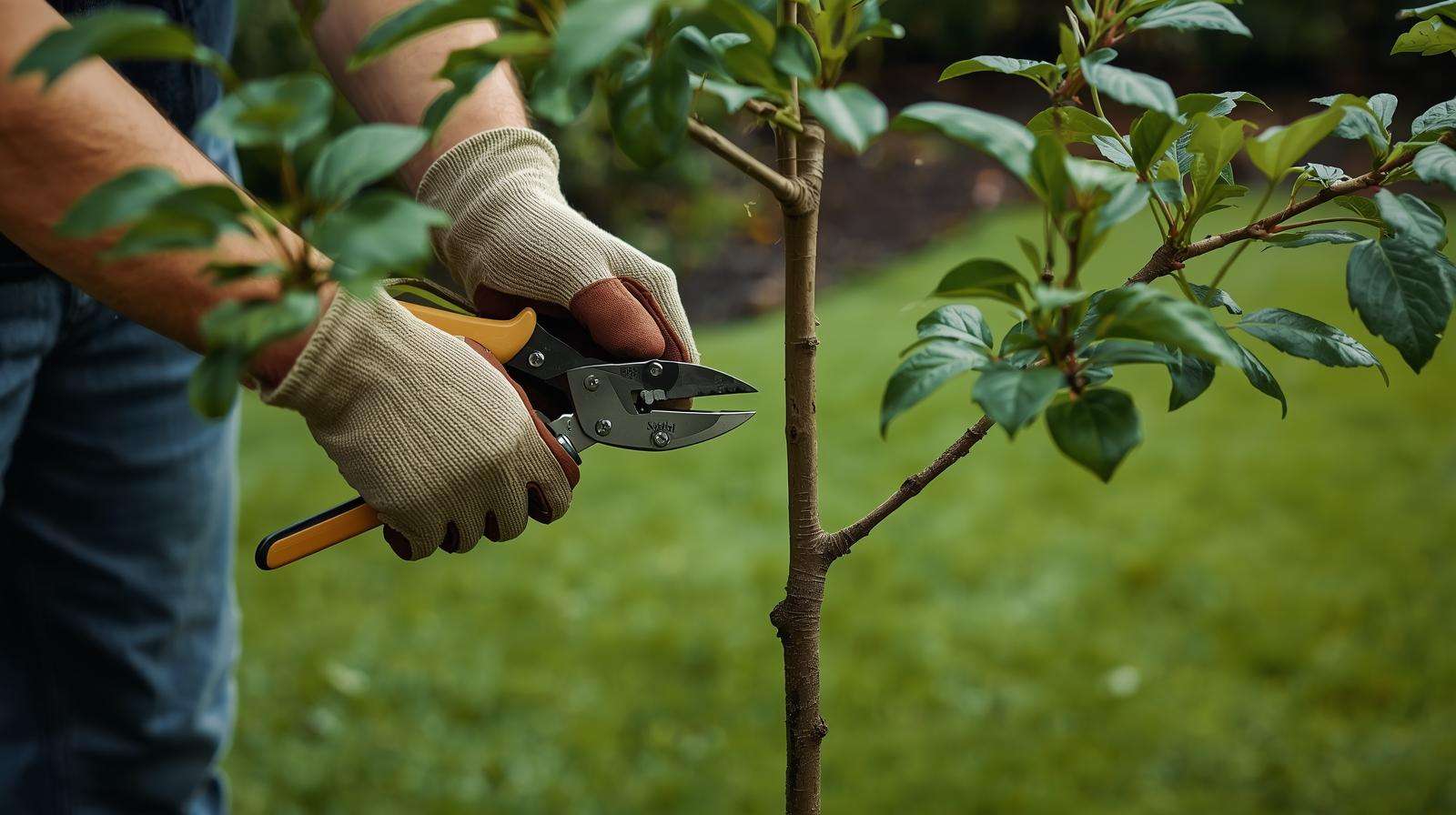
Use clean, sharp tools and make cuts just outside the branch collar to promote proper healing. Avoid removing a large proportion of foliage in a single year on young trees.
Maintenance Pruning for Mature Trees
As trees mature:
-
Conduct regular, light inspections and remove dead, diseased, or damaged wood.
-
Thin crowded sections rather than topping or severe heading cuts, which can cause weak regrowth.
-
Plan pruning in appropriate seasons for your climate and species to reduce stress and pathogen entry.
For large or high-risk work—especially near roofs, power lines, or public pathways—consider engaging a qualified arborist rather than attempting dangerous cuts yourself.
Managing Height and Spread in Small Gardens
In limited spaces, proactive management is essential:
-
Choose species or varieties that are compatible with the space at maturity.
-
Use careful, regular crown reduction and thinning rather than drastic “topping.”
-
Combine pruning with root zone management to avoid overly vigorous, unstable growth in confined areas.
If the tree is inherently too large for the site, it may be more responsible to replace it with a more suitable species rather than fight its natural size indefinitely.
A rosewood garden becomes truly powerful when it works as both a beautiful landscape feature and a productive agricultural system. Integrating shade, soil health, and biodiversity around these trees lets your garden deliver food, habitat, and microclimate benefits for decades.
Integrating Rosewood into a Productive Agricultural Landscape
Rosewood in Agroforestry and Silvopasture
When strategically placed, rosewood-type trees can form the backbone of small-scale agroforestry or silvopasture designs. Their canopy creates a moderated microclimate that reduces heat stress on crops, livestock, and people, while deep roots help stabilize soil and recycle nutrients from deeper layers.
In an agroforestry layout, rows or clusters of rosewood may be combined with alley crops (such as vegetables, grains, or forage species) in between. In silvopasture systems, trees are integrated with rotationally grazed animals, which add manure and help manage ground vegetation. Good design avoids excessive shade over full-sun crops and prevents livestock from damaging young trees until trunks are sturdy and protected.
Shade-Tolerant Companion Crops and Plants
Beneath or near rosewood canopies, choose plants that tolerate partial shade and work with the altered moisture patterns. Examples include:
-
Many leafy greens and herbs that appreciate reduced afternoon heat
-
Certain berries or fruiting shrubs suited to dappled light
-
Shade-tolerant ornamentals and groundcovers that protect soil and suppress weeds
Select species according to your climate, rainfall, and soil type, and observe how shade patterns shift through the seasons so you can place each plant where it performs best.
Long-Term Microclimate and Soil Effects
As your rosewood garden matures, it will subtly reshape conditions on your property. Canopies reduce wind speed, lower peak temperatures, and capture more dew and light rain under the dripline. Leaf litter adds organic matter and supports fungi, earthworms, and beneficial microbes that improve soil structure and nutrient cycling.
These changes can be highly beneficial, but they also mean some full-sun crops may eventually need to be relocated. Plan your garden so annual cropping beds can shift over time, while perennials and understorey plantings adapt to the evolving microclimate around your trees.
Example Layout on a Small Homestead
On a modest property, a practical design might include:
-
One or two main rosewood specimens positioned to shade the house and a seating area in late afternoon
-
A crescent of shade-tolerant herbs and perennials under and just beyond the canopy
-
Vegetable beds placed in the sunniest section, with room to move them slightly as shade increases
-
Narrow paths that loop past trunks, creating comfortable, cool routes during hot weather
This kind of layout balances aesthetics, comfort, and productivity without overwhelming the site.
Pest and Disease Management in Rosewood Gardens
Common Pests and Their Indicators
Although many rosewood-type trees are relatively hardy, they can still experience insect and mite problems, especially in stressed conditions. Watch for:
-
Chewed or skeletonized leaves, indicating leaf-feeding insects
-
Honeydew and sooty mold, often linked to sap-sucking pests like aphids or scale
-
Fine webbing, stippling, or bronzing from spider mites
-
Boring damage in trunks or larger branches from beetle larvae
Early detection is critical. Examine leaves (including undersides), young shoots, and bark regularly, especially during warm, dry weather when some pests become more active.
Disease Symptoms and Early Warning Signs
Disease issues vary by region and species, but you should be alert for:
-
Leaf spots or blotches that expand and cause early defoliation
-
Cankers or sunken lesions on branches and stems
-
Dieback of twigs or whole sections of the canopy
-
Discoloration, oozing, or cracking around the root collar
Stress from poor drainage, chronic overwatering, or compaction often predisposes trees to disease, so prevention begins with good planting and soil management.
Integrated Pest Management (IPM) Approach
An IPM strategy combines multiple tools rather than relying solely on chemicals:
-
Cultural controls: Maintain proper spacing, prune for airflow, avoid over-fertilizing with nitrogen, and keep the area free of heavy weed competition.
-
Mechanical controls: Hand-pick pests where feasible, prune out heavily infested or diseased branches, and dispose of infected material properly.
-
Biological controls: Encourage beneficial insects and birds with diverse plantings and minimal broad-spectrum pesticide use.
-
Chemical controls: Reserve targeted, approved products for situations where other methods are insufficient and apply them carefully according to label directions.
Document your observations and responses so you can refine your approach from season to season.
Preventive Strategies
Prevention is always less costly than cure in a rosewood garden. Focus on:
-
Good hygiene: clear fallen infected leaves or branches, especially after disease outbreaks
-
Thoughtful watering: avoid chronic saturation and overhead watering that keeps foliage wet
-
Resistant or suitable varieties: when possible, select species and cultivars known to perform well in your local conditions
Healthy trees in well-managed soils are significantly more resistant to both pests and diseases.
Long-Term Care: From Young Saplings to Mature Trees
Year-by-Year Care Focus
The needs of your rosewood garden evolve over time:
-
Years 0–2: Priority is establishment—consistent watering, protection from mechanical damage, weed control, and light formative pruning.
-
Years 3–7: Focus shifts to crown development, structural pruning, and continued soil improvement. Fertilization and mulching support rapid but stable growth.
-
Years 8+: Trees enter maturity; major structural decisions should already be made. Maintenance pruning, safety inspection, and occasional soil and nutrient checks become the main tasks.
Treat each year as part of a long-term plan, not a series of unrelated actions.
Managing Root Competition and Groundcovers
As trees grow, roots compete with lawn grasses, ornamental plantings, and crops for water and nutrients. You can reduce this conflict by:
-
Replacing thirsty turf under the canopy with mulch and selected groundcovers
-
Using drip irrigation targeted to high-value understory plants
-
Avoiding frequent tillage that cuts roots close to the tree
Think of the root zone as shared real estate; allocate it intentionally rather than letting aggressive species dominate.
Protection from Storms and Physical Damage
Even strong, well-rooted trees can suffer damage from severe storms, heavy winds, or construction activity. To reduce risks:
-
Maintain sound structure with regular pruning and avoid top-heavy, unbalanced crowns
-
Prevent soil excavation, trenching, or heavy vehicle traffic within the critical root zone
-
Stake only when absolutely necessary and remove stakes once trees can stand independently
If a major storm causes significant damage, consult a professional to assess structural safety and determine whether corrective pruning or removal is needed.
When to Call a Professional
Professional advice is valuable when:
-
Large branches overhang buildings, play areas, or public paths
-
You notice significant decay, cracking, or signs of instability
-
You need detailed soil or tissue analysis to diagnose complex nutrient or disease problems
Partnering with qualified arborists or soil specialists can prevent small issues from turning into major hazards or losses.
Environmental and Legal Considerations for Rosewood Gardens
Understanding Local Regulations
Some rosewood-type species are protected, regulated, or restricted in certain countries or regions due to conservation concerns or invasive potential. Before planting or removing any tree marketed as rosewood or similar high-value species:
-
Check local forestry, environmental, or agricultural regulations
-
Confirm whether permits are required for planting, felling, or transporting wood
-
Keep purchase records and species labels for future reference
This ensures your garden plans align with legal frameworks and avoids unintended violations.
Ethical Sourcing and Conservation
Genuine rosewood timber has historically been subject to overharvesting and illegal trade in some parts of the world. Even in a home garden context, it is important to support ethical, traceable sourcing:
-
Purchase nursery stock from reputable growers who comply with relevant regulations
-
Avoid participating in trade of illegally harvested timber or endangered species
-
Support local or regionally appropriate alternatives when true rosewood species are threatened or unsuitable
By making informed choices, your garden becomes part of a more sustainable system rather than adding pressure to vulnerable forests.
Aligning with Sustainability Goals
A thoughtfully designed rosewood garden can contribute positively to environmental goals:
-
Carbon sequestration in wood and soil
-
Habitat for pollinators, birds, and beneficial insects
-
Reduced energy use by shading buildings and outdoor spaces
Consider recording the development of your garden, tracking canopy expansion and soil improvements over time, and sharing your experience with local gardening or agroforestry communities to encourage similar projects.
Common Problems in Rosewood Gardens and How to Fix Them
Slow or Poor Growth
If your trees are not growing as expected, systematically check:
-
Soil quality and compaction
-
Watering frequency and depth (too little or too much)
-
Nutrient availability, especially nitrogen and key micronutrients
-
Planting depth—trees planted too deep often struggle for years
Address one factor at a time and give the tree a full growing season to respond before making further major changes.
Yellowing Leaves or Dieback
Yellowing or dieback may indicate:
-
Nutrient deficiencies
-
Overwatering, root rot, or poor drainage
-
Disease or root damage
-
Severe pest infestations
Start with a careful inspection of roots, soil moisture, and foliage. Adjust watering, improve drainage, or add targeted nutrition where appropriate. Remove and destroy heavily affected material if disease is suspected, and consider expert diagnosis for persistent problems.
Poor Establishment in the First Year
When young trees fail to establish, common causes include:
-
Inconsistent or inadequate watering during dry periods
-
Competition from grass or weeds right up to the trunk
-
Damage from animals, machinery, or extreme weather
-
Planting errors such as deeply buried collars or girdling roots left uncorrected
If a tree fails completely, take time to analyze why before replanting so the same issue does not recur. Adjust your planting technique, protection measures, or species choice if needed.
Structural Issues and Storm Damage
Leaning trunks, split crotches, and broken branches often trace back to inadequate formative pruning or disproportionate loading on one side of the crown. For minor issues, careful pruning and support can help; for major structural defects, safe removal and replacement may be the wiser option.
Never climb or cut large limbs without proper equipment and training. In risky situations, prioritise safety and seek professional help.
Practical Tips and Pro Insights for a Thriving Rosewood Garden
Time-Saving Routines for Busy Homeowners
You can maintain a high-performing rosewood garden with limited time by focusing on a few key routines:
-
Deep watering on a consistent weekly or biweekly schedule during dry periods
-
Seasonal checks for pruning needs, pests, and nutrient issues
-
Annual soil improvement with mulch and, where appropriate, compost
Automating irrigation and keeping tools organized and sharp further reduces the friction of regular maintenance.
Low-Cost, High-Impact Practices
Several practices deliver outsized benefits relative to their cost:
-
Mulching generously under canopies instead of maintaining thirsty lawns right up to the trunk
-
Using local organic matter (leaf mold, chipped branches) as mulch and soil conditioners
-
Collecting and recording simple data—rainfall, growth measurements, pruning dates—to understand how your trees respond over time
These habits build resilience into your garden without requiring large budgets.
Mistakes Experienced Growers Avoid
Growers with long experience managing shade and timber trees usually avoid:
-
Planting large-canopy trees too close to houses, walls, or property boundaries
-
Over-fertilizing young trees in poor soil instead of improving structure and organic matter
-
Ignoring early structural problems such as co-dominant stems or tight fork angles
-
Relying solely on quick chemical fixes for underlying soil or watering issues
By learning from these patterns, new gardeners can skip many of the most costly errors.
Quick Visual Health Checks
With practice, you can assess your rosewood garden quickly by asking:
-
Is new growth a healthy color and proportionate to the season?
-
Does the canopy have a balanced, stable structure without obvious hazards?
-
Is the soil under the canopy protected by mulch or groundcover rather than bare, compacted ground?
-
Are there any sudden changes—leaf color shifts, bark damage, unusual dieback—that need closer investigation?
A five-minute walk-through every week or two helps you catch small problems early.
Rosewood Garden Design Inspiration
Layout Ideas for Different Property Sizes
-
Small gardens: One carefully placed rosewood tree near a patio or seating area, with a compact understory of shrubs and perennials, can anchor the entire design.
-
Medium properties: Two to four trees staggered in gentle arcs or clusters create layered shade and multiple focal points without overwhelming the space.
-
Large sites: Rows, groves, or mixed-species woodlots featuring rosewood can form windbreaks, outdoor “rooms,” and long visual axes that guide the eye.
Scale your design to your actual space rather than to what looks impressive in diagrams or photos.
Combining Trees with Paths, Seating, and Features
Think of your rosewood garden as an outdoor living space, not just a planting area. Consider:
-
Curving paths that lead toward or around trunks, inviting exploration and providing cool walking routes
-
Benches, hammocks, or small decks positioned to enjoy afternoon shade and prevailing breezes
-
Accent elements such as boulders, water features, or sculpture placed in relation to tree form and shadow patterns
These features help the garden feel welcoming and intentional year-round.
Seasonal Interest and Year-Round Appeal
Even if your main rosewood species is evergreen or primarily green, you can use surrounding plants and design elements to create seasonal highlights:
-
Spring: flowering shrubs and bulbs at the edge of the root zone
-
Summer: lush understory foliage and shaded seating areas
-
Autumn: foliage color from companion trees or shrubs, plus textured bark in the slanting light
-
Winter: sculptural form of trunks and branches, combined with evergreens and hardscape features
A multi-layered design ensures that the garden remains interesting even when the main canopy is quiet.
FAQs About Rosewood Gardens
How long does it take a rosewood garden to mature?
Time to maturity depends on species, climate, and care, but many rosewood-type trees reach meaningful shade and structure in 8–15 years, with full maturity taking several decades. Early years focus on establishment and structure; the most dramatic landscape impact typically appears after the first 5–10 years.
Can I grow a rosewood garden in containers or very small spaces?
True large-canopy trees are poorly suited to long-term container culture, but small-space gardeners can still incorporate related or smaller species with similar aesthetic qualities in large pots. Where space is tight, it is often better to choose more compact trees rather than forcing full-sized rosewood-type species into containers.
Is a rosewood garden safe near foundations, walls, or septic systems?
Safety depends on species, soil conditions, and planting distance. As a rule, avoid planting large trees close to foundations, retaining walls, or septic components; consult local guidelines and err on the side of greater distance. Plan with the mature size in mind, not the nursery size.
How do I balance aesthetics with agricultural productivity under rosewood shade?
Start by mapping sun patterns through the year, then place full-sun crops outside or at the edge of the canopy and shade-tolerant crops or ornamentals beneath. Over time, as shade increases, gradually shift high-light crops outward and convert deeper shade zones to perennials, herbs, or groundcovers that thrive with reduced light.
Turning a Rosewood Garden Vision into Reality
A successful rosewood garden is the result of many small, informed decisions made consistently over years. When you choose suitable species, prepare soil properly, plant with care, and maintain steady watering, pruning, and monitoring routines, your trees evolve into a resilient, high-value component of your home landscape.
This kind of garden rewards patience. Instead of quick, short-lived landscaping, you build living structure that cools your home, enriches your soil, supports wildlife, and potentially adds long-term economic value. With a clear plan and attentive management, your rosewood garden can become one of the most enduring and rewarding features of your property.