
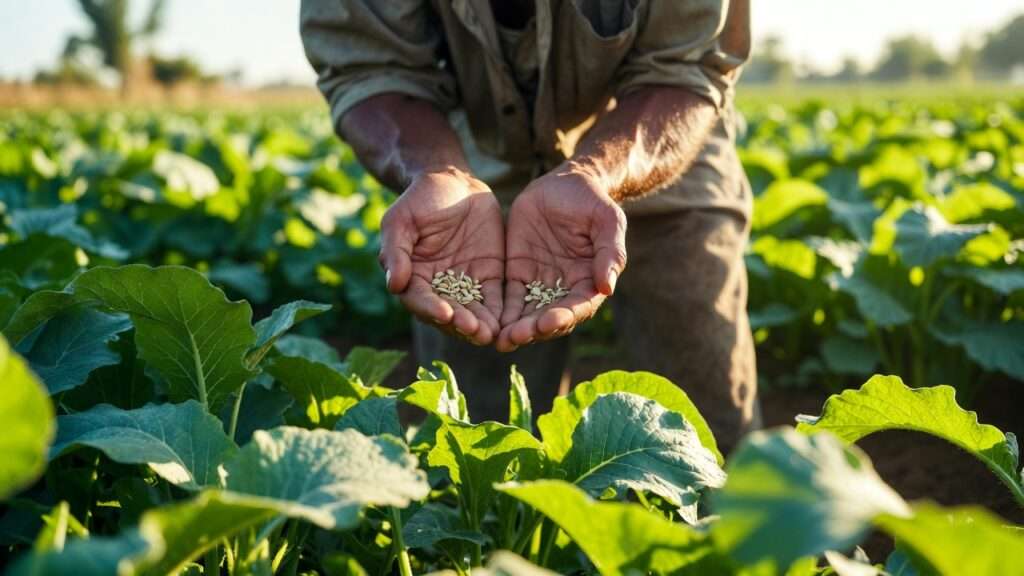
In today’s agricultural landscape, seed prices continue to climb due to factors like inflation, supply chain disruptions, and growing demand for resilient, high-yield varieties. Recent market reports indicate that global vegetable seeds markets are expanding significantly, with projections showing growth from around $6-12 billion in 2025 toward even higher figures by the 2030s, driven by hybrid adoption and climate challenges. For individual gardeners and small-scale farmers—especially in regions like Bangladesh where humid conditions and rising input costs hit hard—these increases can strain budgets and threaten food security efforts. Yet, growing your own crops remains one of the most effective ways to achieve self-sufficiency and reduce food expenses.
Saving money on seeds isn’t just possible—many experienced growers cut costs by 50-90% or eliminate seed purchases entirely after the first season. This comprehensive guide draws from established agricultural extension practices, real-world farmer experiences, and proven techniques tailored for both home gardens and small farms. Whether you’re dealing with tropical humidity or planning for the next planting cycle, these 10 strategies provide actionable, sustainable solutions that build long-term resilience. By combining seed saving, smart purchasing, and efficient planning, you’ll not only lower expenses but also cultivate healthier, locally adapted plants that thrive in your conditions.
Why Seed Costs Matter in Today’s Agriculture and Gardening
Seed expenses represent a critical input in any growing operation, and they’ve been trending upward. In 2025-2026, reports highlight price increases in garden seed catalogs—sometimes 10-18% for specific varieties like peppers or zinnias—alongside broader market growth fueled by demand for disease-resistant and organic options. For smallholders and homesteaders, these hikes compound with other rising costs like fertilizers and fuel, directly impacting profitability and household food budgets.
In humid, tropical areas such as Dhaka Division and similar regions, challenges intensify: high moisture accelerates seed deterioration, making commercial reliance riskier. Beyond finances, saving on seeds fosters biodiversity, preserves heirloom varieties suited to local pests and weather, and reduces dependency on distant suppliers vulnerable to global disruptions. The payoff? Greater self-reliance, improved soil health through crop rotation with saved varieties, and potentially higher yields from plants adapted over generations.
1. Master Seed Saving from Your Own Crops (The Ultimate Long-Term Saver)
Seed saving stands as the most powerful, cost-free method once established. By harvesting seeds from your best-performing plants, you create a perpetual supply tailored to your microclimate.
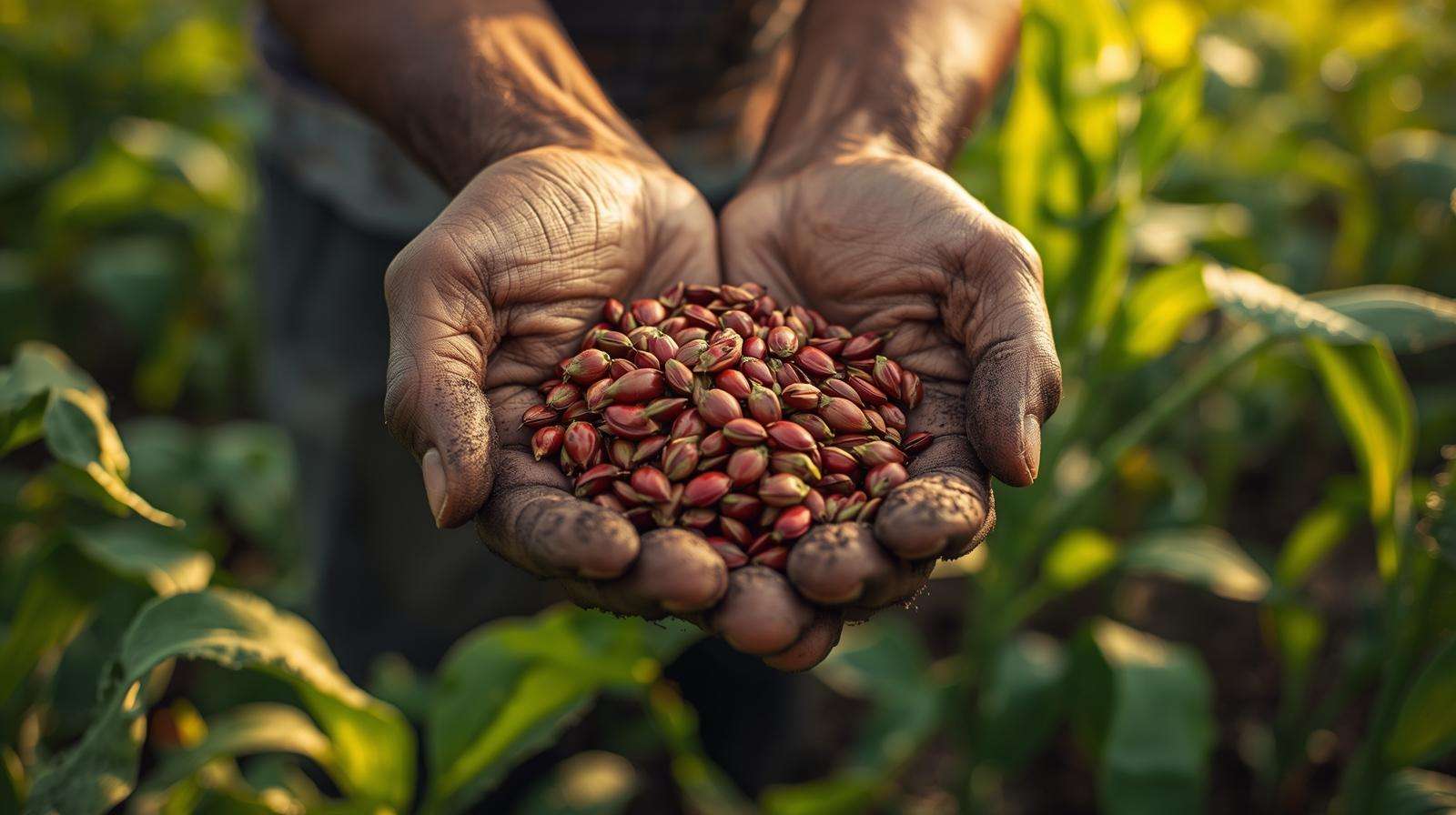
Focus on open-pollinated and heirloom varieties—these breed true, unlike most hybrids (F1) that produce inconsistent offspring. Start with beginner-friendly crops:
- Dry-seeded crops like beans, peas, lettuce, and corn: Let pods or heads mature fully on the plant until dry and brittle. Harvest, thresh by hand or rubbing, winnow to remove chaff, and clean.
- Wet-seeded crops such as tomatoes, cucumbers, peppers, and squash: Scoop seeds with pulp, ferment in water for 2-5 days (stir daily) to break down gel inhibitors and kill pathogens, then rinse thoroughly and dry on screens or paper.
Crop-specific advice includes isolating cross-pollinators (e.g., squash families need 500-1000 feet separation or hand-pollination). In humid climates, prioritize quick-drying: Use fans, solar dryers during sunny spells, or desiccants like silica gel. For Bangladesh growers, fermentation works well for tomatoes and peppers, common local staples.
With proper technique, expect to eliminate repurchase costs after year one—many report saving hundreds annually while building a seed bank resilient to market fluctuations.
2. Buy Smarter: Bulk Purchases, Comparison Shopping, and Timing
When new seeds are needed, strategic buying maximizes value.
Shop off-season (late fall or winter) for clearances on next-year stock. Compare value by calculating seeds-per-dollar rather than packet price—larger packets often offer better rates. Reputable sources for quality heirlooms and organics include trusted suppliers emphasizing non-GMO and regionally adapted varieties.
For farmers, join agricultural co-ops or bulk programs through local extension services. Variety packs allow testing multiple crops affordably. Always factor shipping—consolidate orders to minimize fees.
3. Join Seed Swaps, Libraries, and Community Exchanges
Community resources provide diverse, low- or no-cost seeds adapted to local conditions.
Participate in local gardening groups, Facebook communities, or farmer cooperatives for swaps. Seed libraries—often at public spaces or agricultural centers—are growing in availability. In Bangladesh and similar areas, extension programs and farmer networks frequently host exchanges, offering varieties proven in humid, monsoon-prone environments.
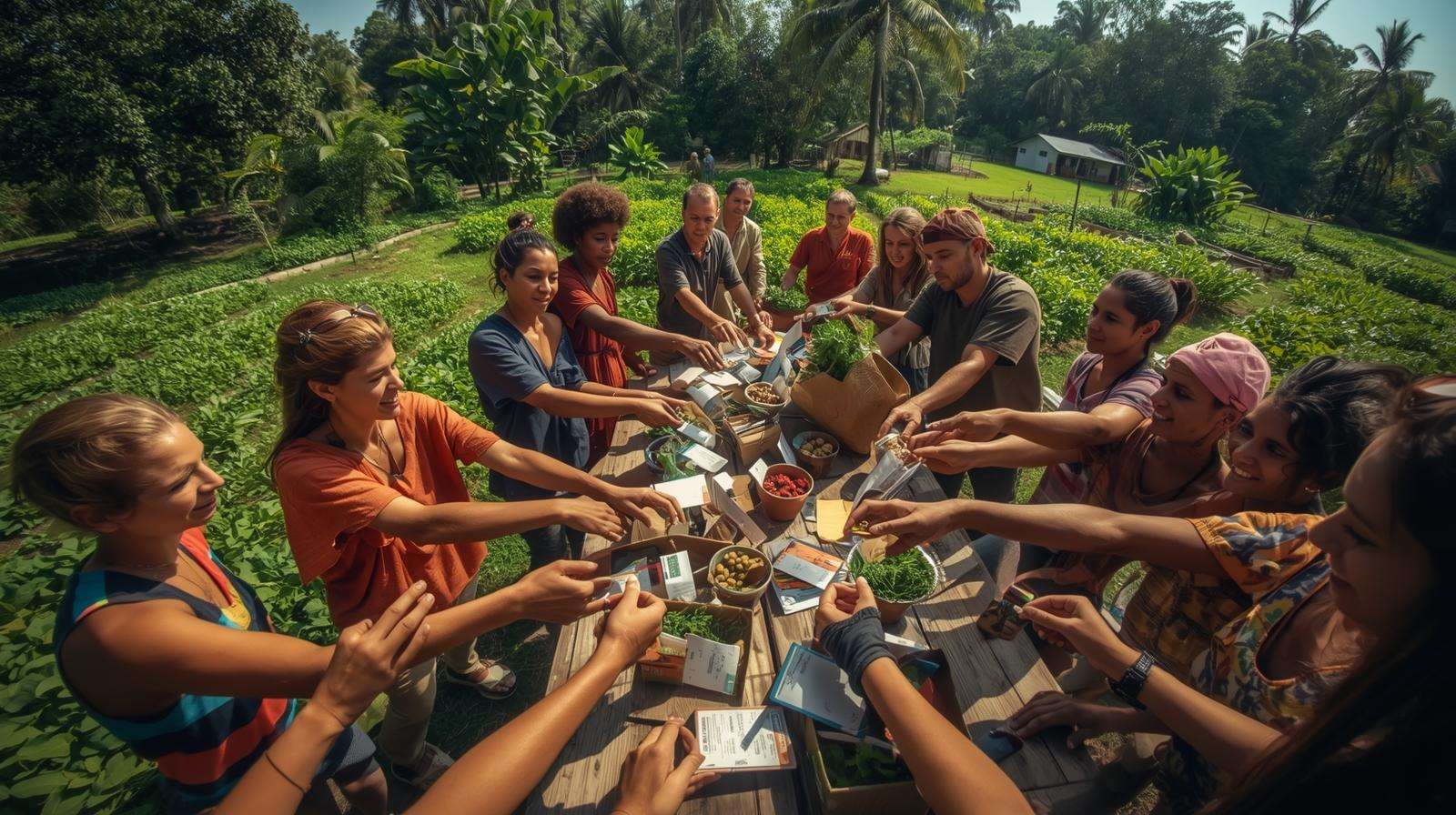
These exchanges build networks, share knowledge on successful local strains, and introduce biodiversity without expense.
4. Share and Split Seed Packets with Fellow Growers
Packets frequently contain excess seeds for one grower. Partner with neighbors or groups to divide costs on larger quantities—common for beans, greens, or root crops.
Organize small group buys for specific needs, reducing per-person outlay while ensuring everyone gets fresh stock.
5. Plan Your Garden Strategically to Use Fewer Seeds
Efficient planning minimizes waste.
Use precise spacing charts and succession planting to avoid over-seeding. Direct sow hardy crops instead of indoor starts to save on supplies. Prioritize high-yield, multi-harvest options like beans, leafy greens, or okra that provide ongoing returns.
Tools like simple garden planners or basic calculations help estimate exact needs—preventing impulse overbuys.
6. Reuse and Repurpose Seed-Starting Supplies
Cut startup costs with DIY solutions.
Recycle yogurt cups, egg cartons, or milk jugs as trays. Create mini-greenhouses from plastic bottles or old windows. For indoor starts in cooler months, affordable shop lights suffice over expensive grow lamps.
These hacks maintain quality while slashing expenses on commercial kits.
7. Invest in Long-Lived, Perennial, or Self-Seeding Varieties
Shift to plants requiring fewer annual purchases.
Perennials like asparagus, rhubarb, or herbs (mint, oregano) establish once and produce for years. Self-seeders such as cilantro, dill, arugula, or certain lettuces reseed naturally in suitable climates.
In tropical settings, quick-maturing locals like amaranth or malabar spinach often self-perpetuate with minimal intervention.
8. Proper Seed Storage to Maximize Viability and Longevity
Storage determines how long seeds remain viable.
Aim for cool (ideally below 10°C, using fridge/freezer for long-term), dark, and dry conditions. Use airtight jars or envelopes with desiccants like silica gel or dried rice.
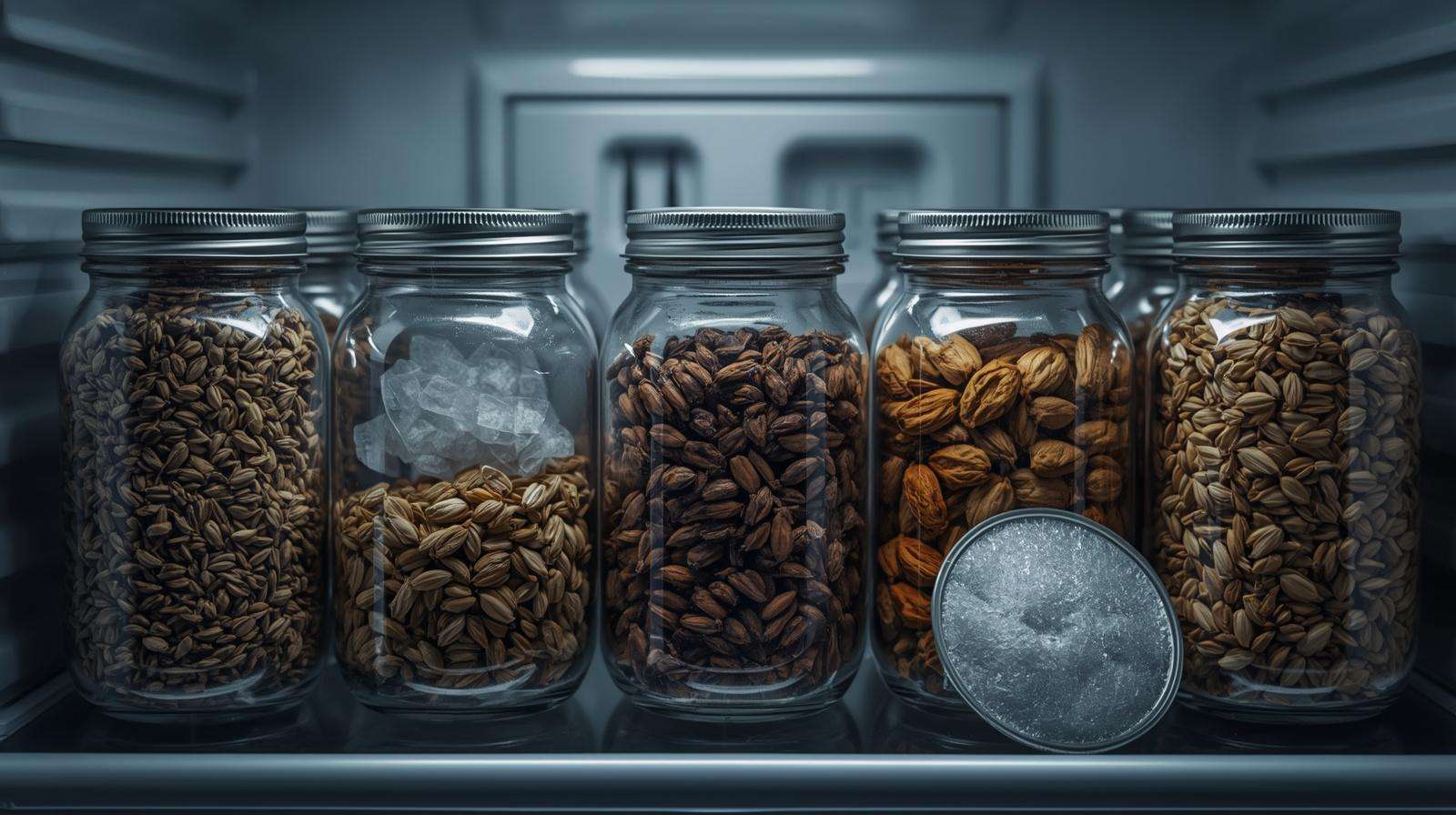
In high-humidity areas, incorporate dry chain methods: Dry seeds thoroughly (using zeolite beads if available through extension programs), then store hermetically. Test germination on older seeds by sprouting a sample on damp paper towels.
Tropical adaptations include vacuum sealing with manual pumps or silica packets—proven in humid regions like Bangladesh to extend viability dramatically.
9. Source Free or Discounted Seeds Creatively
Explore giveaways from agricultural fairs, extension demos, or plant societies.
Save seeds from untreated market produce (if open-pollinated). Regrow from scraps where possible, though true seed sources yield better results.
Participate in community programs offering starter packets.
10. Combine Strategies for Maximum Savings (Real-World Examples)
The real power emerges from integration.
Example: A small Bangladeshi farmer combines seed saving (from heirloom brinjal and okra) with bulk co-op buys and dry chain storage, reducing costs 70% while improving yields through adapted varieties. A home gardener uses swaps, packet splitting, and DIY starts to drop annual expenses below $20.
Create a yearly cycle: Plan off-season, save during harvest, buy minimally in spring. Track savings with a simple log to quantify progress.
Common Mistakes to Avoid When Trying to Save on Seeds
Avoid saving from hybrids—offspring vary unpredictably. Prevent low germination from inadequate drying or humid storage. Don’t overbuy without planning, and always isolate crops for pure seed saving.
Expert Insights and Regional Considerations
For tropical/subtropical growers in Bangladesh: Emphasize humidity-resistant drying (fermentation + desiccants), quick-maturing locals, and monsoon leveraging for natural processes. Agricultural extensions stress open-pollinated seeds for resilience against pests and variable weather.
Frequently Asked Questions (FAQs)
How long do saved seeds last? Most vegetable seeds remain viable 2-5 years under good conditions; beans and tomatoes often 4-10+ years, while onions/parsnips may drop quickly (1-2 years). Germination rates decline gradually—test before planting.
Which crops are easiest for beginners to save? Beans, peas, tomatoes, peppers, and lettuce—self-pollinating with straightforward methods.
Can I save seeds from store-bought vegetables? Yes, if untreated and open-pollinated (many heirlooms qualify), but hybrids won’t breed true.
What’s the best way to store seeds in high-humidity areas? Dry thoroughly, use desiccants/silica, store airtight in cool/dark spots, or employ dry chain techniques with beads or vacuum.
Are heirloom seeds worth the initial extra cost? Absolutely—for seed saving, they pay for themselves quickly through free future generations and local adaptation.
Conclusion
These 10 proven ways—led by seed saving and supported by smart buying, community sharing, and efficient planning—empower you to slash seed costs while enhancing sustainability. Start small: Pick 2-3 methods this season, track results, and scale up. The outcome? Not just financial savings, but a more resilient, self-reliant growing system that delivers for years.
Implement these today, adapt to your local conditions, and share your successes in comments or with fellow growers. Your garden—and wallet—will thank you.