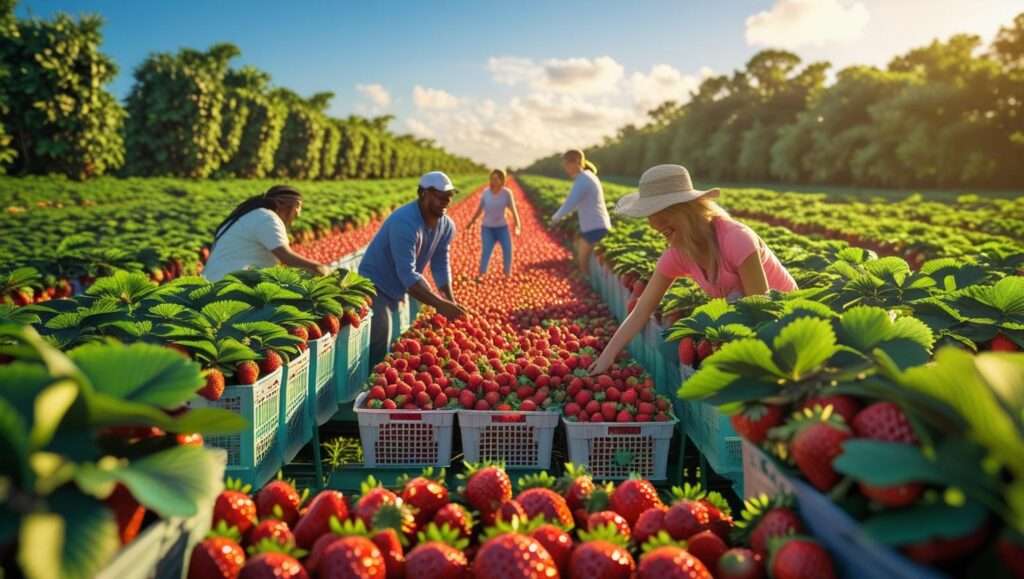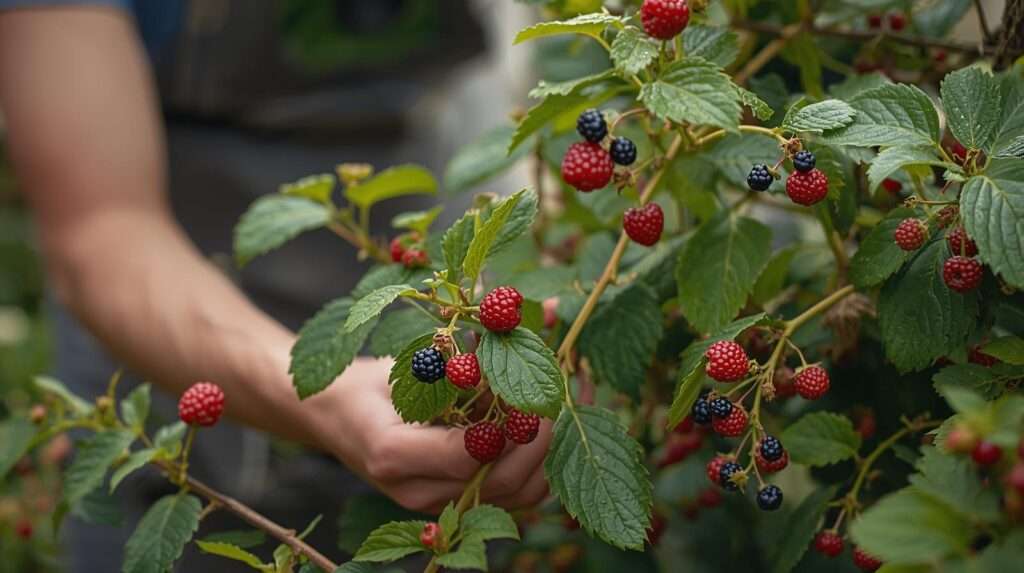
Imagine stepping into your backyard each summer and picking handfuls of plump, sun-ripened blueberries, raspberries, and blackberries straight from the bush—juicy, flavorful, and abundant. For many home gardeners and small-scale growers, this dream remains elusive due to inconsistent yields, winter damage, pest invasions, or simply applying the same care routine regardless of the season. The good news? Proper seasonal berry shrub care transforms these challenges into reliable success. By tailoring pruning, watering, fertilizing, mulching, and pest management to each season, you can boost plant health, prevent common problems like low fruit production or yellowing leaves, and increase harvests by 30-50% or more, according to horticultural extension guidelines.
This in-depth, year-round guide draws from university extension services (such as Oregon State, Penn State, and Missouri Extension), master gardener best practices, and proven techniques for popular berry shrubs: blueberries (highbush and rabbiteye varieties), raspberries (summer-bearing and everbearing), and blackberries (erect and trailing types). Whether you’re in a temperate climate with cold winters or a milder zone, these actionable steps address real needs—stronger roots, better disease resistance, optimal fruit bud development, and bigger, tastier berries. Let’s dive into the essentials and build a thriving berry patch that produces for years.
Understanding Berry Shrubs: Types and Basic Requirements
Before seasonal specifics, master the fundamentals. Different berry shrubs have unique needs, but all thrive with full sun (6-8+ hours daily), excellent drainage, good air circulation, and consistent moisture without waterlogging.
Common Berry Shrubs Covered
- Blueberries: Highbush (taller, larger fruit), lowbush (groundcover style), and rabbiteye (heat-tolerant). They demand acidic soil (pH 4.0-5.5) and benefit from ericaceous companions.
- Raspberries: Summer-bearing (one big crop on second-year canes) vs. everbearing (crops on first-year canes in fall, sometimes summer too).
- Blackberries: Erect (self-supporting), trailing (need trellising), and thornless varieties for easier harvest.
Essential Growing Basics for Success Site selection is critical: Choose spots with morning sun and afternoon shade in hot areas to prevent scorching. Space plants 4-6 feet apart for blueberries, 2-3 feet for raspberries, and 3-5 feet for blackberries, with rows 8-10 feet apart.
Soil preparation sets the foundation. Test pH and nutrients annually—blueberries need sulfur or pine needle amendments to lower pH, while raspberries and blackberries prefer slightly acidic to neutral (5.5-7.0). Incorporate organic matter like compost or aged pine bark for drainage and fertility. Plant in early spring (after frost danger) or fall in milder climates. Dig holes twice as wide as roots, plant at the same depth as nursery level, water deeply, and apply 2-4 inches of mulch (pine needles for blueberries, wood chips or straw for others) to retain moisture, suppress weeds, and moderate soil temperature.
Why seasonal care matters: Timing aligns with natural cycles—pruning removes disease sources and encourages fruiting wood, spring fertilizing fuels growth without excess nitrogen causing weak canes, consistent summer watering prevents small, dry berries, and fall/winter protection safeguards roots and canes from freeze-thaw damage or rodents.
Spring: Awakening and Establishing Strong Growth
Spring kickstarts vigorous growth and fruit bud development. Focus on rejuvenation and prevention.
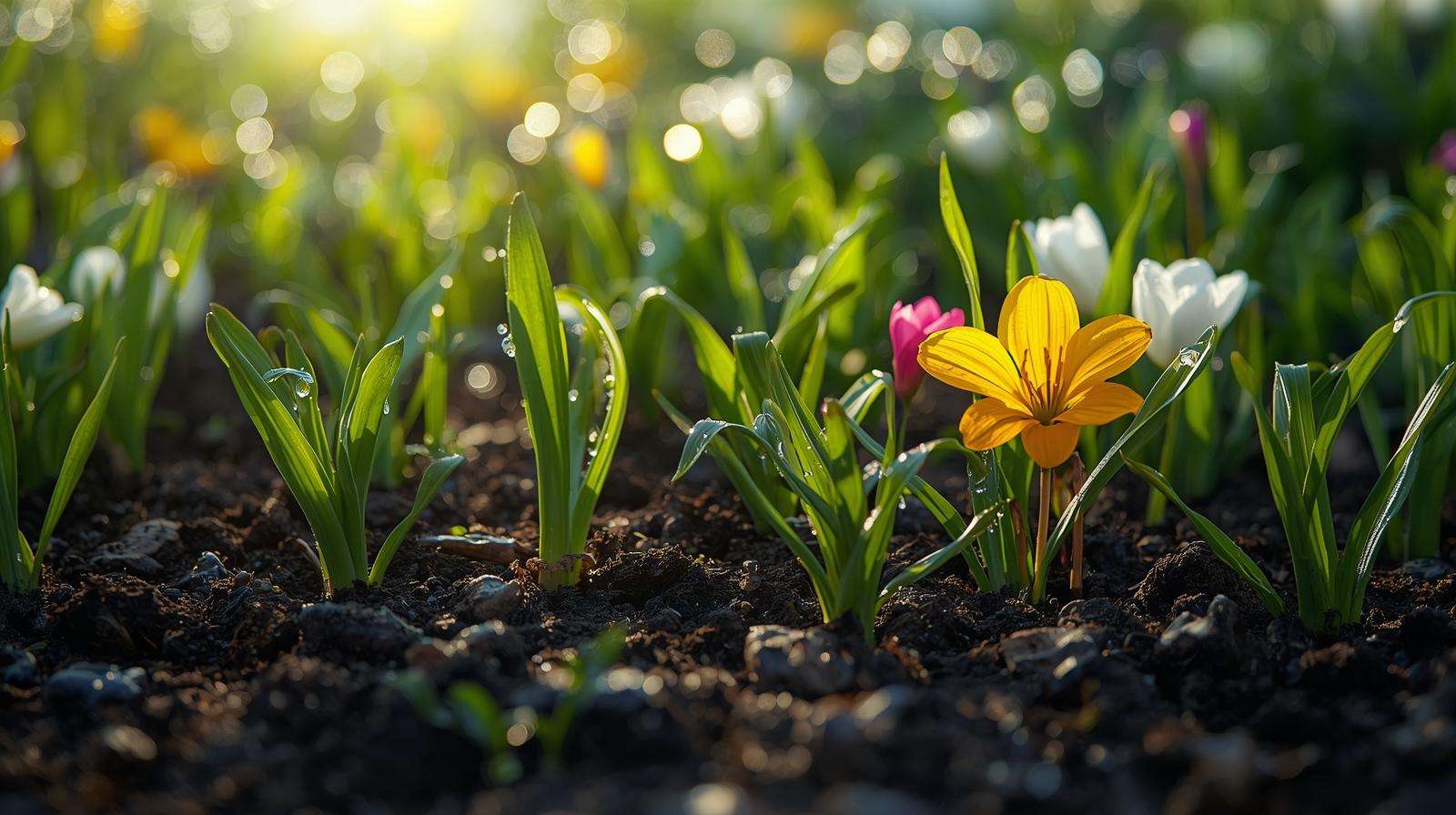
Early Spring (Late Winter to Bud Break) Pruning is priority. For blueberries, remove dead, diseased, or crossing branches; cut oldest canes (over 5-6 years) at ground level to encourage new shoots—aim for 3-5 strong new canes annually. Raspberries and blackberries: Remove all spent floricanes (second-year canes that fruited last year) at soil level. For summer-bearing raspberries, thin primocanes to 4-6 per foot; tip blackberries if not done last summer. Use sharp, sanitized tools to avoid spreading disease.
Conduct soil tests now—amend blueberries with elemental sulfur if pH is above 5.5. Apply balanced, acid-loving fertilizer (e.g., for blueberries: ammonium sulfate or cottonseed meal) around drip line when buds swell, avoiding high-nitrogen formulas late in season.
Mid to Late Spring (Bloom and Early Growth) Water consistently (1 inch/week if no rain) during bud swell and flowering—drought stress here reduces pollination and fruit set. Refresh mulch to 3-4 inches, keeping it away from stems to prevent rot.
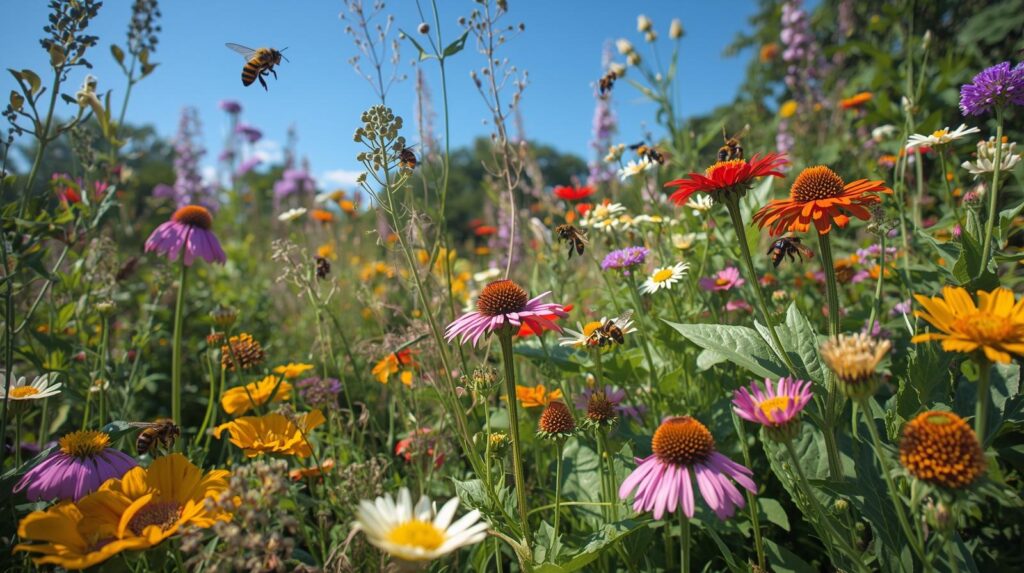
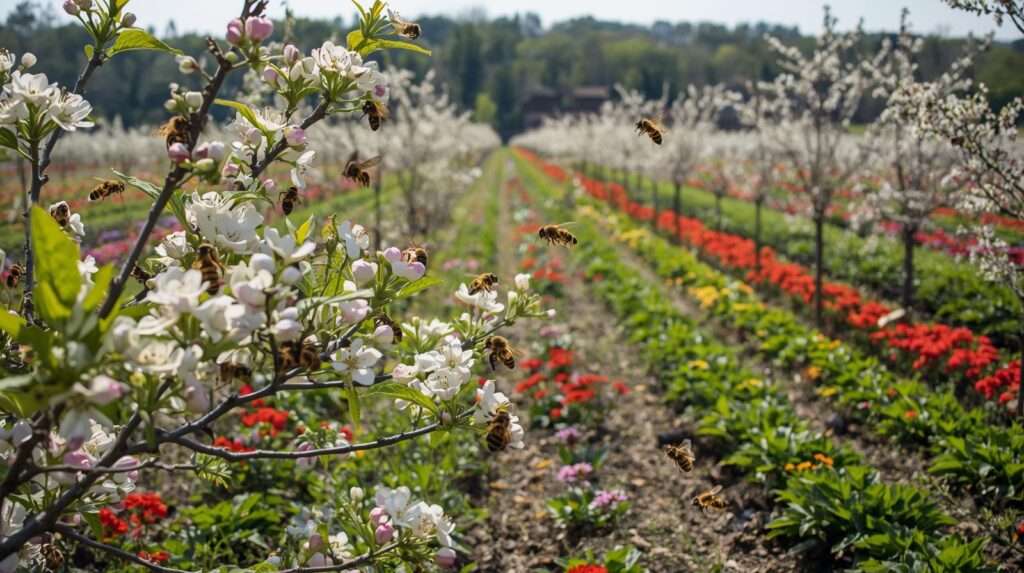
Support pollination with bee-friendly companions like borage or lavender nearby. Scout for early pests: aphids on new growth, cane borers in raspberries/blackberries (prune affected canes), or fungal issues like anthracnose (remove infected parts, improve air flow). Organic options include neem oil or insecticidal soap for soft-bodied pests.
Summer: Supporting Peak Growth and Fruit Development
Summer demands support for fruit swelling and plant vigor without encouraging weak, disease-prone growth.
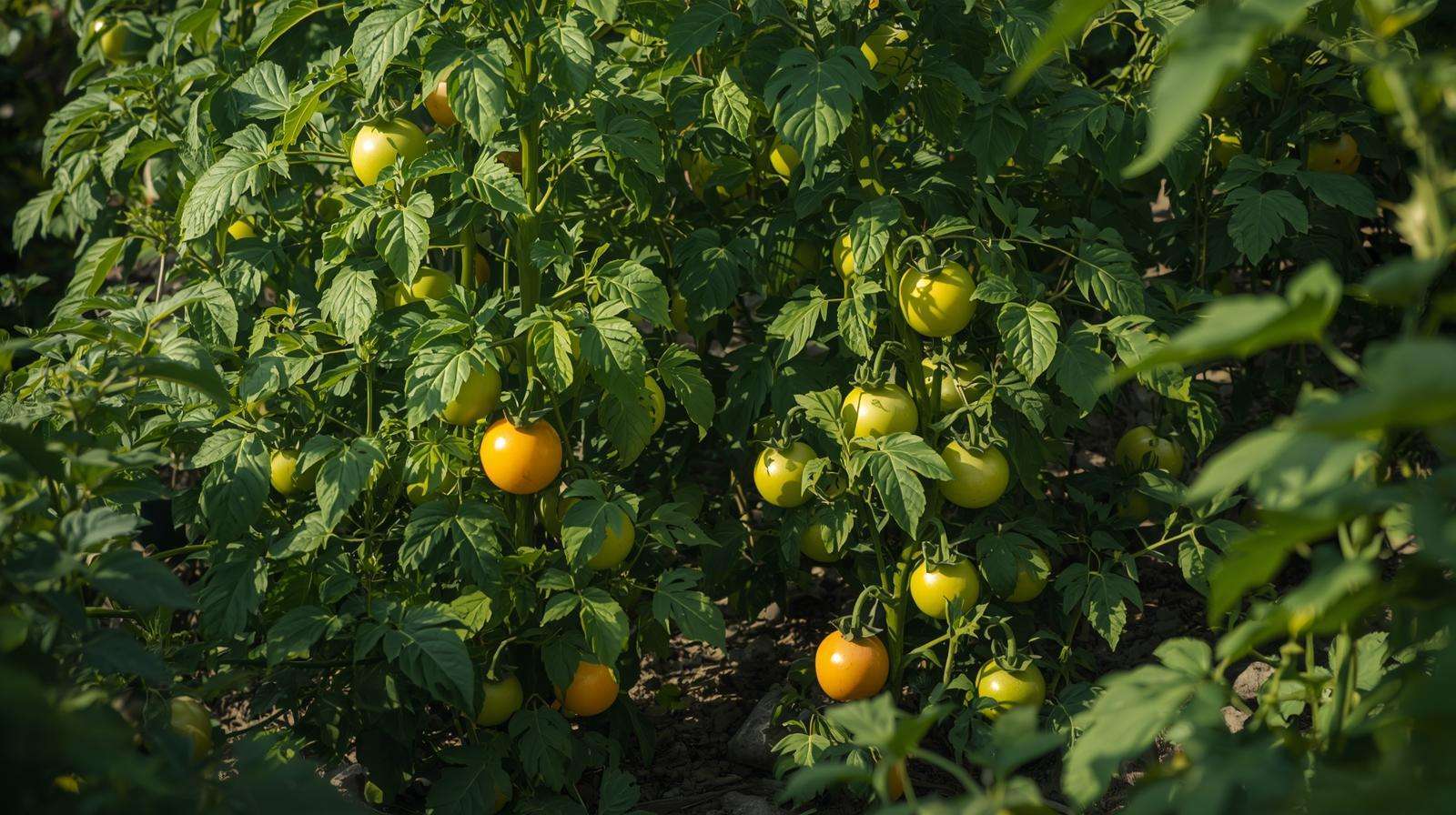
Watering and Irrigation Strategies Berry shrubs need 1-2 inches of water weekly, more in heat or during fruiting—deep, infrequent soaks encourage strong roots. Drip irrigation or soaker hoses work best to keep foliage dry and reduce fungal risks. Watch for stress signs: wilting leaves or small berries signal under-watering; yellowing or scorched edges may indicate overwatering or poor drainage. Established plants are somewhat drought-tolerant but yield better with steady moisture.
Fertilizing and Nutrient Management Apply a light mid-season feed after bloom (balanced organic like 4-4-4 or fish emulsion) but stop by mid-summer to avoid soft growth vulnerable to winter. Blueberries often show iron chlorosis (yellow leaves with green veins) from high pH—use chelated iron foliar sprays. Monitor for magnesium or nitrogen deficiencies.
Pruning and Maintenance During Fruiting Tip blackberry/raspberry canes if needed for bushier growth. Support heavy loads with trellises (T-bar for raspberries, V-shaped for blackberries). Net bushes early to protect from birds—common thieves that can wipe out crops overnight.
Pest and Disease Management in Peak Season Common threats: Japanese beetles (hand-pick or use traps), spider mites (hose off), powdery mildew (improve circulation, apply baking soda sprays), anthracnose, or botrytis gray mold (remove affected fruit, prune for airflow). Use integrated pest management (IPM): encourage beneficial insects, rotate mulch, and apply organic controls like Bt for caterpillars only when needed.
Fall: Preparing for Dormancy and Next Year’s Success
Post-harvest care builds resilience for winter and next season.
Post-Harvest Care Prune spent floricanes immediately after last pick—remove at ground level for raspberries/blackberries to reduce overwintering pests. Clean fallen debris to minimize disease carryover.
Fertilizing and Soil Health Apply light compost top-dressing or low-nitrogen organic fertilizer. Avoid heavy feeding that promotes tender growth.
Winter Preparation Mulch deeply (4-6 inches) with straw or pine needles for root insulation—especially important for blueberries in cold zones. Water thoroughly before ground freezes. In harsh climates, bend flexible canes (raspberries/blackberries) and cover with soil or burlap for protection.
Fall Planting Opportunities Plant new shrubs in early fall for root establishment before winter—ideal in zones 6+.
Winter: Protecting and Planning
Dormancy is rest and reflection time.
Dormant Season Protection Check mulch for erosion; deter rodents with hardware cloth wraps. Inspect for winter injury (cracked bark) in late winter.
Late Winter Pruning Best for blueberries—structural cuts when fully dormant. For brambles, final thinning if not done fall.
Planning Ahead Interpret soil tests, order disease-resistant varieties suited to your zone (e.g., cold-hardy raspberries like ‘Boyne’ or ‘Killarney’), and keep records of yields/pests for improvements.
Common Challenges and Expert Solutions
Even with seasonal care, berry shrubs can face setbacks. Here are the most frequent issues gardeners encounter, along with proven, research-backed solutions from university extension services and experienced growers.
Troubleshooting Low Yields Low fruit production is one of the top complaints. Causes include:
- Incorrect soil pH (especially for blueberries—yellow leaves with green veins often signal chlorosis from pH above 5.5). Solution: Test soil every spring and fall; apply elemental sulfur or aluminum sulfate in small increments (follow label rates to avoid over-acidifying).
- Improper pruning: Over-pruning removes fruiting wood; under-pruning leads to dense, shaded canes with fewer berries. Follow variety-specific guidelines—e.g., remove no more than 20-30% of blueberry canopy annually.
- Poor pollination: Many blueberries and some brambles benefit from cross-pollination. Plant at least two compatible varieties (e.g., ‘Bluecrop’ and ‘Duke’ for highbush blueberries) and encourage bees with nearby flowering plants.
- Nutrient imbalances: Excess nitrogen produces lush foliage but few berries. Stick to balanced, slow-release fertilizers and avoid lawn fertilizer runoff.
Dealing with Birds, Deer, and Other Wildlife Birds can devour 50-100% of a crop in days. Netting is the most effective long-term solution—use bird netting draped over the entire bush or row before berries color up, securing it tightly at the base. Reflective tape, motion-activated sprinklers, or ultrasonic devices offer supplementary deterrence.
Deer browse tender new growth and canes. Install 8-foot fencing, use commercial repellents (rotate products to prevent habituation), or plant deer-resistant companions like garlic or marigolds nearby. For smaller patches, individual cages made from wire mesh work well.
Container Growing Adaptations for Small Spaces or Poor Soil Many gardeners in urban areas or with heavy clay soil succeed with pots. Use large containers (15-25 gallons) with excellent drainage holes. For blueberries, choose acid-specific potting mix (e.g., blends for azaleas/rhododendrons) and water with rainwater or acidified tap water (add vinegar—1 tbsp per gallon—to lower pH slightly). Raspberries and blackberries adapt well to containers but need frequent watering and annual root pruning/refreshing of soil. Overwinter pots in an unheated garage or insulate heavily in cold zones.
Organic vs. Conventional Approaches Organic methods (neem, insecticidal soaps, beneficial insects, compost teas) build long-term soil health and reduce chemical exposure. Conventional options (targeted fungicides, synthetic fertilizers) offer faster results for severe issues. A hybrid IPM approach—starting with cultural controls, then organic, then conventional only as needed—provides the best balance of efficacy and safety. Always follow local regulations and label instructions.
Advanced Tips for Maximum Harvests
Once basics are mastered, these strategies take production to the next level.
Companion Planting and Biodiversity for Natural Pest Control Plant marigolds, nasturtiums, and alliums (garlic, chives) around berry shrubs to repel aphids, Japanese beetles, and other pests. Beneficial insect attractors like dill, fennel, yarrow, and alyssum draw ladybugs, lacewings, and predatory wasps. Avoid planting nightshades (tomatoes, potatoes) nearby, as they can share verticillium wilt with brambles.
Extending the Season with Variety Selection Choose a mix of early-, mid-, and late-season cultivars for weeks of continuous harvest. Examples:
- Blueberries: ‘Duke’ (early), ‘Bluecrop’ (mid), ‘Jersey’ (late)
- Raspberries: ‘Heritage’ (everbearing), ‘Boyne’ (summer-bearing, cold-hardy)
- Blackberries: ‘Prime-Ark Freedom’ (primocane-fruiting for fall crop), ‘Navaho’ (thornless, mid-season)
This strategy can extend your picking window from 3-4 weeks to 8-10 weeks or more.
Propagation Basics Expand your patch affordably:
- Raspberries and blackberries: Tip layering—bend a healthy primocane tip to the ground, cover with soil, and sever once rooted (usually 6-8 weeks).
- Blueberries: Softwood cuttings in late spring/early summer—take 4-6 inch cuttings, dip in rooting hormone, plant in peat-perlite mix under high humidity. Success rates improve with bottom heat (70-75°F).
Expert Insights and Regional Variations
- In cooler climates (USDA zones 3-5): Prioritize winter-hardy varieties and extra mulch (6-8 inches). Penn State Extension recommends bending canes and covering with straw for extra protection.
- In warmer, humid regions (zones 7-9): Focus on disease-resistant cultivars and excellent air circulation to combat fungal issues. Oregon State suggests morning-only watering to keep foliage dry.
- Record-keeping tip from master gardeners: Maintain a simple journal noting bloom dates, first ripe fruit, pest sightings, and yield per bush. Patterns emerge over 2-3 years, allowing precise adjustments.
FAQs: Seasonal Berry Shrub Care
When is the best time to prune raspberries vs. blueberries? Raspberries (summer-bearing): Prune spent canes right after harvest in summer/fall; thin primocanes in late winter/early spring. Everbearing: Light summer prune after fall crop, major prune in late winter. Blueberries: Late winter/early spring (before bud break) is ideal for structural pruning.
How much water do berry shrubs really need in summer? Aim for 1-2 inches per week, depending on heat, rainfall, and soil type. Deep watering (to 6-8 inches) once or twice weekly is better than daily shallow sprinkling. Mulch helps conserve moisture.
Why are my blueberry leaves yellowing? Most commonly iron chlorosis from high soil pH. Test pH and apply chelated iron foliar spray for quick relief, plus long-term soil acidification. Other causes: overwatering, magnesium deficiency, or cold injury.
Can I grow berries in pots year-round? Yes—especially blueberries in acid potting mix and large containers. Raspberries and blackberries work too but need more frequent watering and winter protection (move to sheltered spot or insulate pots).
What’s the difference in care for everbearing vs. summer-bearing raspberries? Summer-bearing: One large crop on second-year canes; prune out floricanes after harvest. Everbearing: Crop on first-year canes (fall) and sometimes tips of same canes (summer); you can mow all canes to ground in late winter for single large fall crop or prune selectively for two crops.
Mastering seasonal berry shrub care is the single most effective way to grow healthier, more productive berry plants and enjoy bigger, sweeter harvests year after year. By aligning pruning, watering, fertilizing, mulching, and pest management with each season’s natural rhythm, you reduce stress on your shrubs, minimize disease and wildlife damage, and set the stage for consistent abundance.
Start small: Pick one section—perhaps this season’s pruning or mulching refresh—and implement it immediately. Track your progress over the next year, and you’ll likely see noticeable improvements in plant vigor and fruit quality.
Ready to take your berry patch to the next level? Subscribe for more practical agricultural tips, download our free printable Seasonal Berry Shrub Care Checklist, or share your own successes (and challenges) in the comments below. Happy growing!