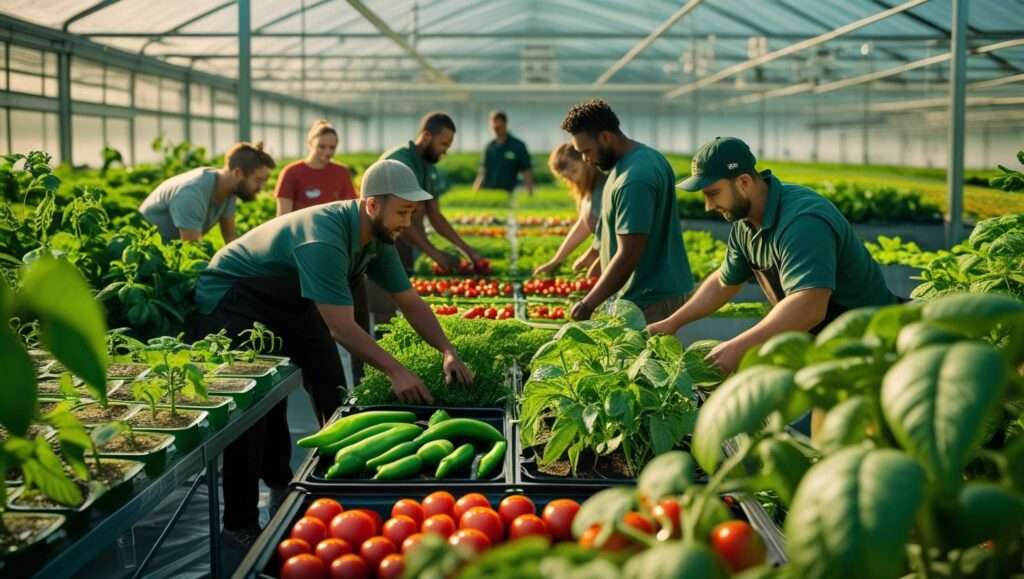
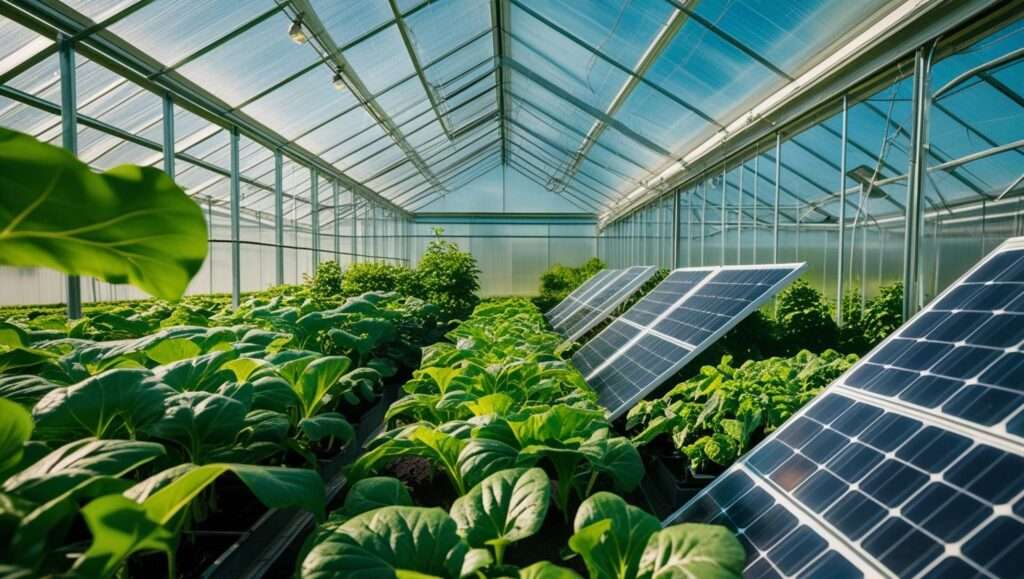
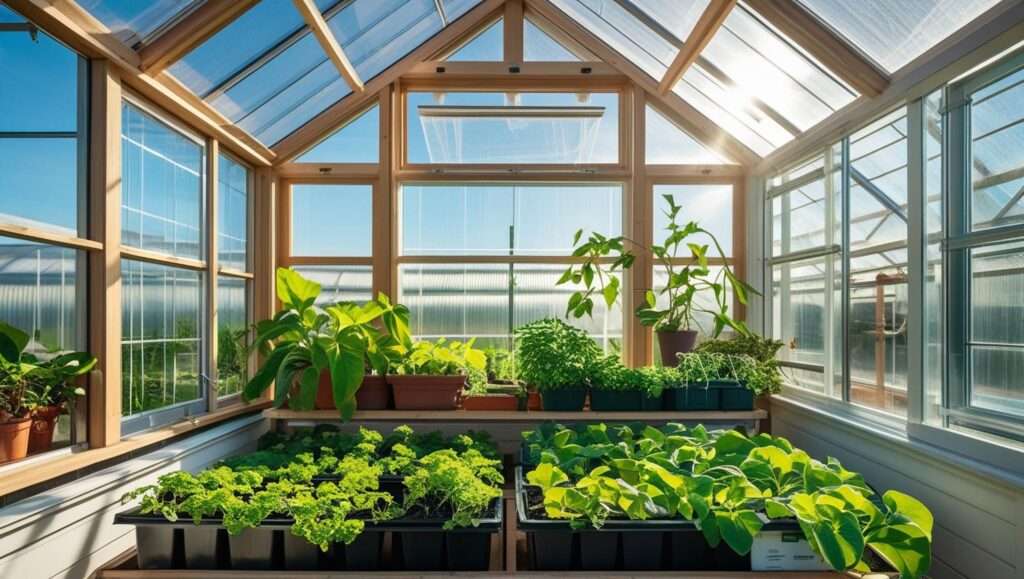
Picture this: it’s a crisp December morning, and while your neighbors are buying overpriced, out-of-season tomatoes, you’re harvesting vibrant, homegrown ones from your backyard. Your tools are neatly organized just steps away, ready for action, and your seedlings are thriving in a warm, controlled environment. This isn’t a dream—it’s the power of a shed and greenhouse combo. For small-scale farmers and gardeners, limited growing seasons, disorganized tools, and tight spaces often stifle productivity. A shed and greenhouse combination solves these challenges by extending your growing season, streamlining tool storage, and optimizing your space for year-round success. Drawing on agricultural expertise and real-world success stories from farmers across the country, this guide will walk you through how to design, set up, and maintain a shed and greenhouse combo to transform your farming game. Whether you’re a hobbyist or a market gardener, this solution unlocks your potential for abundant, sustainable harvests.
Why a Shed and Greenhouse Combo is a Game-Changer for Farmers
The Challenges of Traditional Gardening and Farming
Traditional gardening comes with hurdles that frustrate even seasoned growers. In many regions, cold winters or scorching summers limit growing seasons to just a few months, leaving gardeners dependent on store-bought produce for much of the year. Tool storage is another pain point—shovels, rakes, and fertilizers often end up scattered in garages or exposed to the elements, leading to rust and inefficiency. For urban farmers or those with small plots, space is a constant constraint, making it tough to balance growing areas with storage needs. These challenges reduce yields, waste time, and increase costs.
Benefits of Integrating a Shed and Greenhouse
A shed and greenhouse combo is a transformative solution. By combining a controlled growing environment with secure storage, you can:
- Extend Growing Seasons: Grow fresh produce year-round, from winter greens to summer tomatoes, regardless of climate.
- Centralize Storage: Keep tools, seeds, and supplies organized and protected, saving time and money.
- Optimize Space: Maximize small plots by integrating storage and growing areas into one cohesive unit.
- Protect Crops: Shield plants from pests, frost, and extreme weather, ensuring consistent yields.
According to Dr. Jane Thompson, an agricultural extension officer at Oregon State University, “Integrated shed-greenhouse systems can increase farm efficiency by up to 30% by reducing time spent on logistics and protecting valuable resources.”
Real-World Impact
Consider Sarah, a hobbyist gardener in Vermont. With a small backyard, she struggled to store tools and grow crops beyond summer. After installing a shed and greenhouse combo, she now harvests kale and spinach through winter and keeps her tools rust-free, cutting her gardening time by half.
Understanding the Shed and Greenhouse Combo
What is a Shed and Greenhouse Combo?
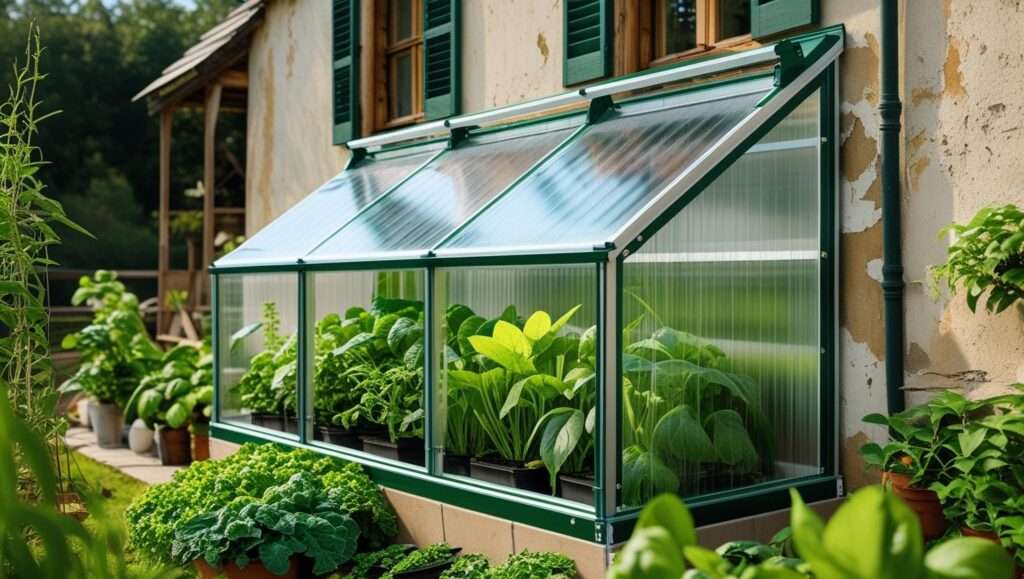
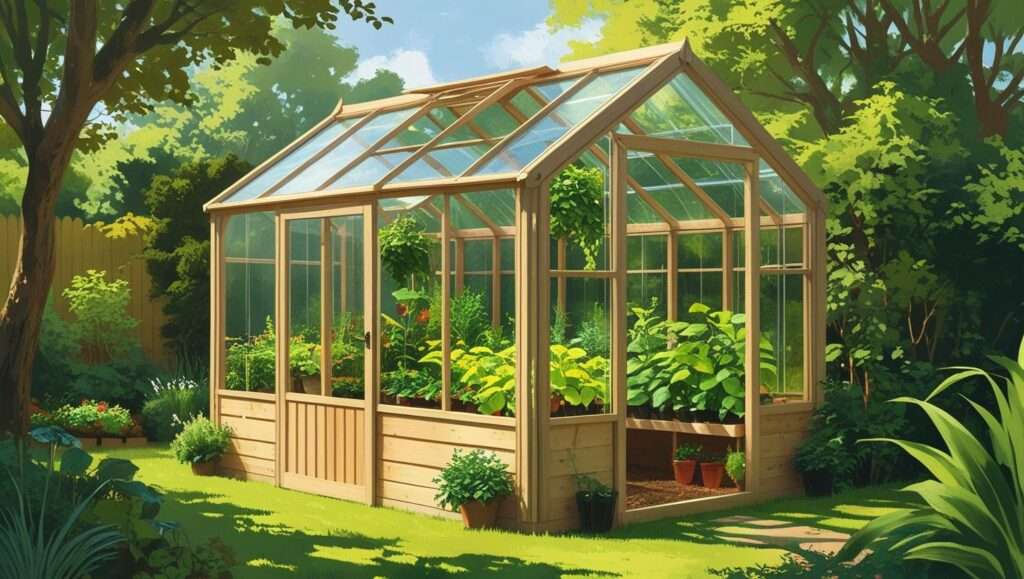
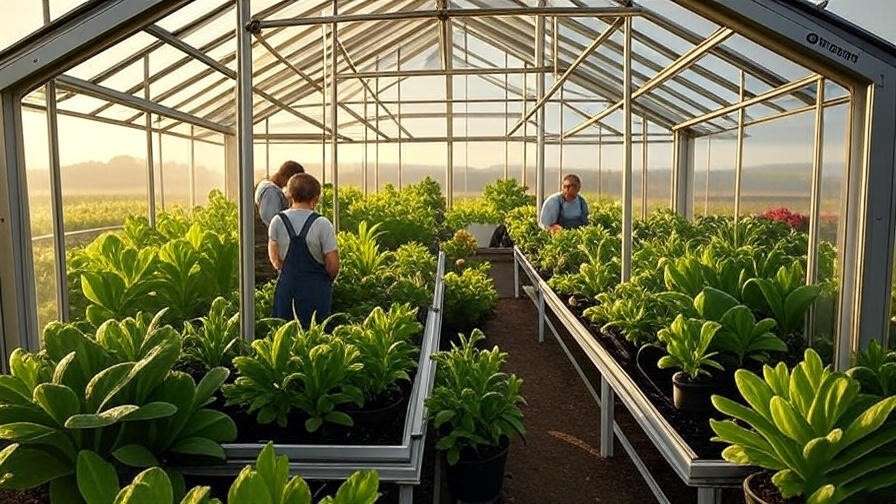
A shed and greenhouse combo is a dual-purpose structure that pairs a weatherproof storage shed with a climate-controlled greenhouse. The shed houses tools, fertilizers, and seeds, while the greenhouse provides a protected environment for plants. Designs vary: some are single units with a shared wall, while others feature separate but adjacent structures connected by a pathway. This setup is ideal for small-scale farmers, urban gardeners, or anyone looking to streamline their operation.
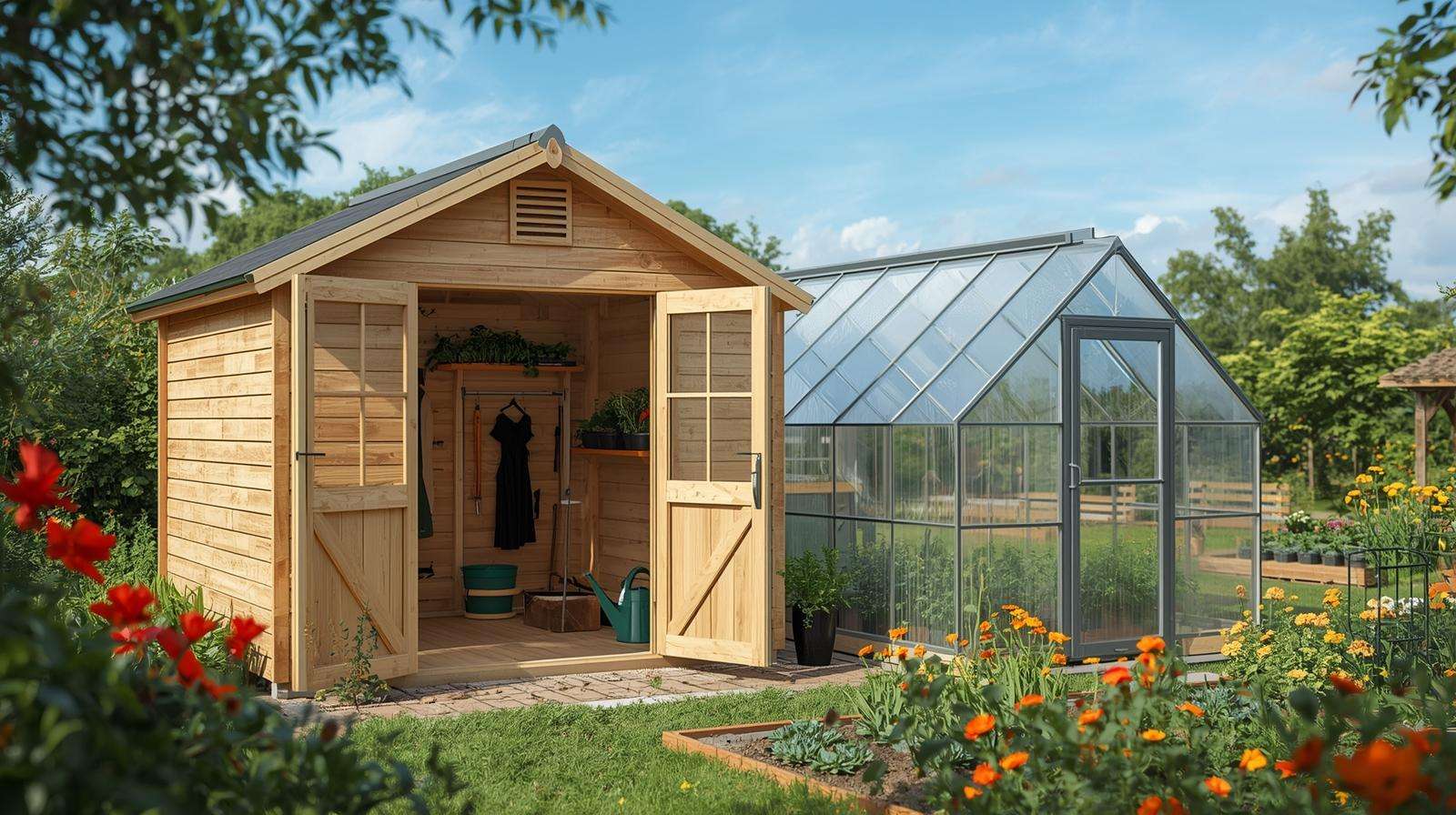
Types of Shed and Greenhouse Combos
- Backyard Setups: Compact units (e.g., 8×12 feet) for hobbyists with limited space.
- Small Farm Units: Larger setups (e.g., 12×20 feet) for market gardeners or homesteaders.
- DIY vs. Pre-Built: DIY options allow customization but require time and skill; pre-built kits offer quick assembly but less flexibility.
Key Features to Look For
When choosing a combo, prioritize:
- Ventilation: Automatic vents or fans to regulate greenhouse temperature and humidity.
- Durability: Galvanized steel or treated wood for the shed; UV-resistant polycarbonate or glass for the greenhouse.
- Accessibility: Wide doors and clear pathways for easy movement between storage and growing areas.
- Insulation: Proper insulation in the shed to protect tools and in the greenhouse to maintain stable temperatures.
Case Study: Oregon’s Green Oasis
Mark, a small-scale farmer in Oregon, installed a 10×16-foot shed-greenhouse combo. The shed stores his irrigation equipment, while the greenhouse grows year-round lettuce and herbs. By integrating the two, he reduced his setup costs by 20% compared to separate structures and doubled his winter yield.
Designing Your Shed and Greenhouse Combo
Planning for Your Space and Climate
Before building, assess your property:
- Sunlight Exposure: Ensure the greenhouse gets 6–8 hours of direct sunlight daily.
- Climate Suitability: In cold regions, opt for double-glazed panels; in hot climates, prioritize ventilation and shade cloths.
- Zoning and Permits: Check local regulations, as some areas require permits for structures over 100 square feet.
Optimizing Layout for Efficiency
A well-designed layout saves time and boosts productivity:
- Workflow: Place the shed near the greenhouse entrance for quick tool access.
- Space Allocation: Dedicate 60% of the space to growing and 40% to storage for balance.
- Accessibility: Install wide doors and gravel or paver pathways to ease movement, especially with heavy equipment.
Budget-Friendly Options
- DIY Builds: Use reclaimed wood for the shed and affordable polycarbonate panels for the greenhouse. Online tutorials can guide construction.
- Pre-Built Kits: Brands like Palram offer combo units starting at $1,500, ideal for quick setups.
- Tip: Incorporate a rainwater collection system to cut water costs and promote eco-friendly gardening.
Expert Tip
Landscape architect Emily Rivera advises, “Design your combo with modularity in mind. Adjustable shelving and movable benches allow you to adapt the space as your needs evolve.”
Setting Up Your Shed and Greenhouse for Success
Step-by-Step Installation Guide
- Site Preparation: Clear and level the ground, ensuring proper drainage to prevent flooding.
- Shed Assembly: Build a concrete or gravel foundation, then erect the shed frame with weather-resistant materials.
- Greenhouse Setup: Secure transparent panels, install vents, and add heating or cooling systems as needed.
- Integration: Connect the shed and greenhouse with a covered walkway or shared wall for seamless access.
Essential Equipment and Tools
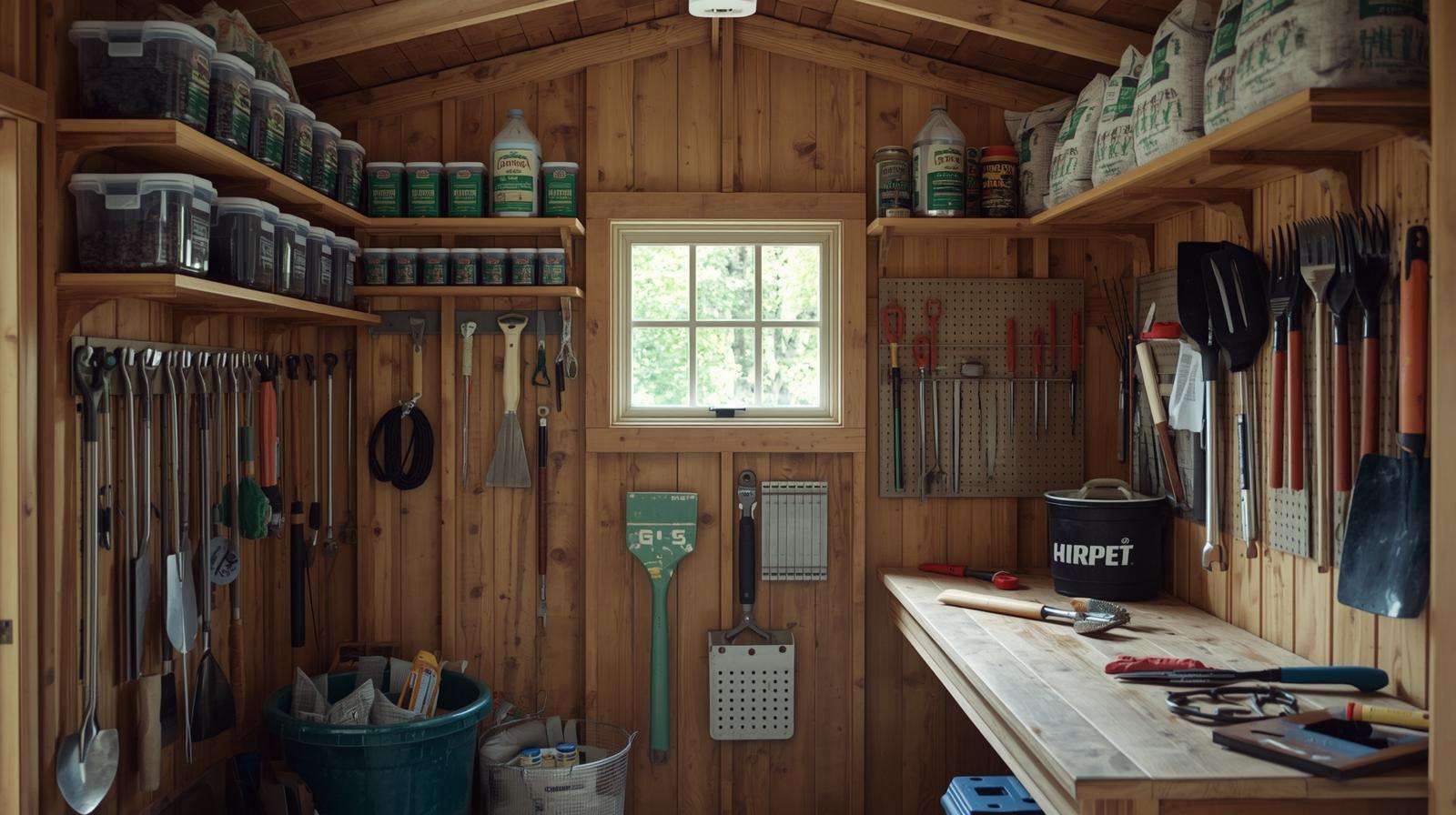
- Shed: Install heavy-duty shelving, pegboards, and airtight containers for seed storage.
- Greenhouse: Use drip irrigation, grow lights, and a thermometer to monitor conditions.
- Shared Tools: Invest in quality pruners, trowels, and a wheelbarrow for efficiency.
Common Mistakes to Avoid
- Poor Ventilation: Inadequate airflow causes mold and plant stress. Install vents or fans.
- Neglecting Shed Insulation: Uninsulated sheds lead to rust and tool damage. Use foam board insulation.
- Overcrowding Plants: Space plants properly to avoid competition for light and nutrients.
Expert Insight
Greenhouse designer Michael Chen notes, “Proper airflow is non-negotiable. Automated vents can reduce maintenance time by 50% while keeping plants healthy.”
Maximizing Year-Round Productivity
Crop Selection for Year-Round Growth
Choose crops suited to your climate and greenhouse conditions:
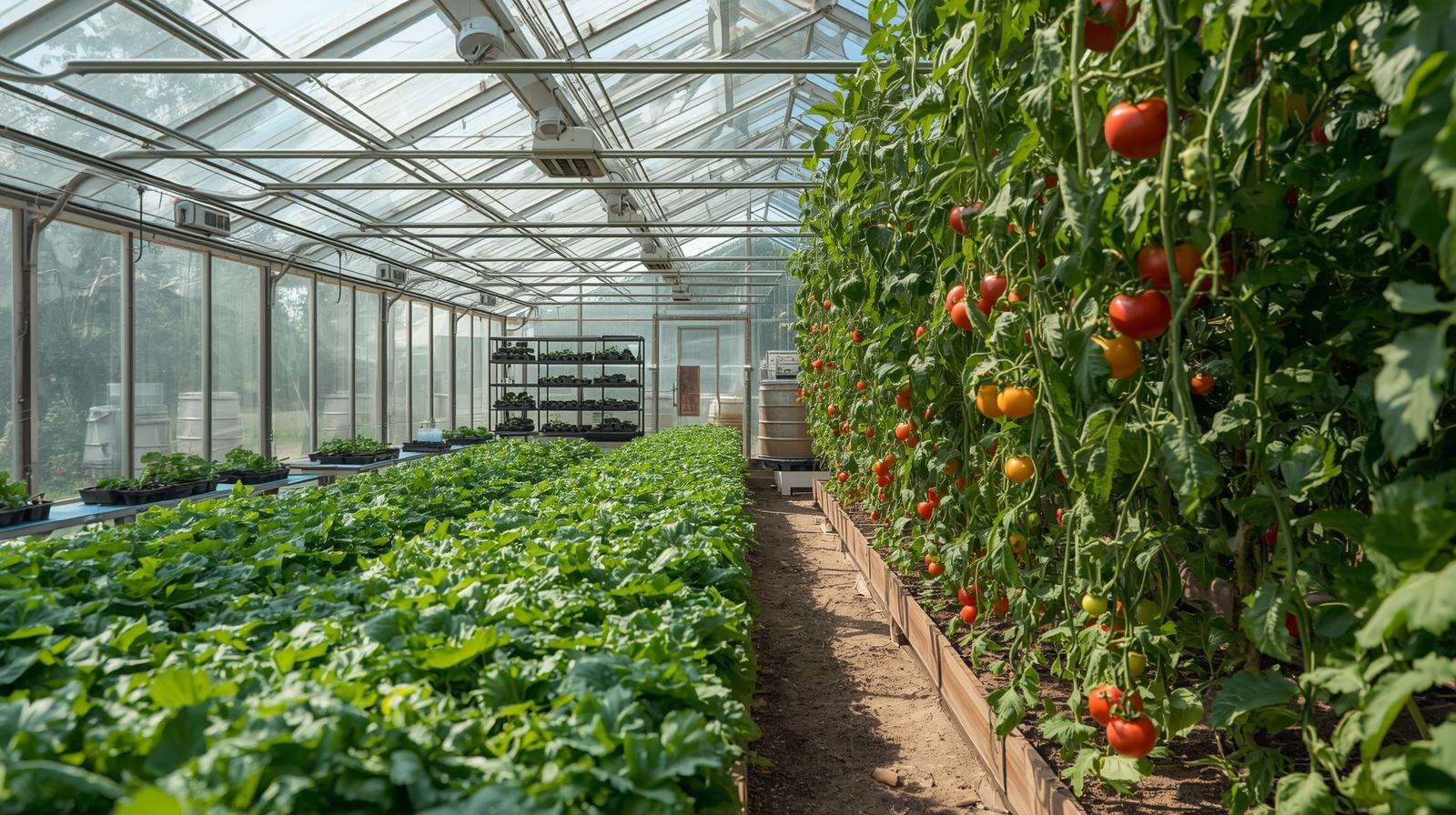
- Cool-Season Crops: Kale, spinach, and lettuce thrive in winter with minimal heating.
- Warm-Season Crops: Tomatoes, peppers, and cucumbers flourish in summer or with supplemental heat.
- Succession Planting: Stagger plantings every 2–3 weeks to ensure continuous harvests.
Climate Control Techniques
- Passive Heating: Use water barrels or stone walls to store heat during the day and release it at night.
- Supplemental Lighting: LED grow lights extend daylight hours in winter, boosting growth.
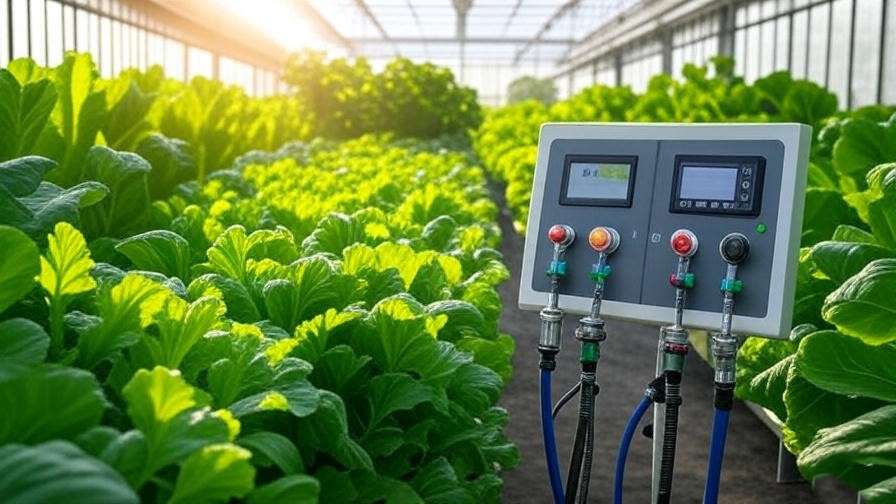
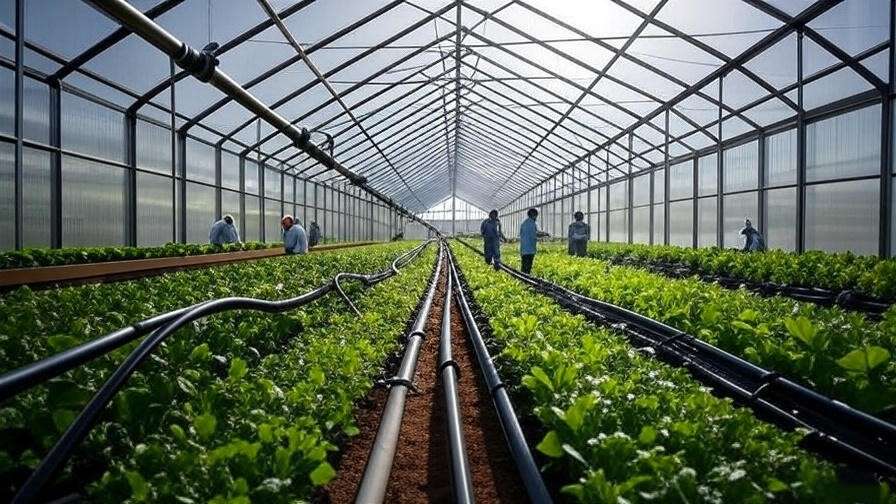
- Automated Irrigation: Drip systems deliver consistent water, reducing labor and waste.
Efficient Tool and Supply Management
- Tool Organization: Use wall-mounted racks to keep tools accessible and prevent clutter.
- Seed Storage: Store seeds in airtight containers with silica gel to maintain viability.
- Inventory Checks: Conduct monthly checks to replace worn tools or restock supplies.
Success Story: Midwest Abundance
Lisa, a gardener in Wisconsin, installed a 12×14-foot combo unit. By using succession planting and grow lights, she harvests salad greens year-round and keeps her tools organized, increasing her yield by 60% compared to outdoor gardening.
Maintenance and Long-Term Care
Routine Greenhouse Maintenance
- Clean Panels: Wash polycarbonate or glass panels quarterly to maximize light transmission.
- Monitor Pests: Check for aphids or spider mites weekly and use organic controls like neem oil.
- Ventilation Checks: Ensure vents open and close smoothly to prevent overheating.
Shed Upkeep for Durability
- Weatherproofing: Apply sealant to shed walls annually to prevent leaks.
- Tool Maintenance: Clean and oil tools regularly to avoid rust.
- Inventory Management: Rotate fertilizer stock to ensure freshness.
Seasonal Adjustments
- Winter: Add bubble wrap insulation to the greenhouse and store sensitive tools indoors.
- Summer: Use shade cloths to prevent overheating and ensure shed ventilation.
Tip
Create a seasonal maintenance checklist: Spring (clean panels, organize tools), Summer (check irrigation, apply shade), Fall (winterize greenhouse), Winter (monitor heating).
Cost-Benefit Analysis of a Shed and Greenhouse Combo
Initial Investment vs. Long-Term Savings
Setting up a shed and greenhouse combo requires an upfront investment, but the returns can be substantial. A DIY setup using reclaimed materials might cost $800–$2,000, depending on size and features. Pre-built kits range from $1,500 for small units to $5,000 for larger, professional-grade models. These costs include the shed frame, greenhouse panels, and basic climate control systems.
Long-term savings offset the initial expense:
- Reduced Produce Costs: Growing your own food saves $500–$1,000 annually for a family of four, based on USDA estimates.
- Tool Longevity: Proper storage prevents rust and damage, saving $100–$300 per year on replacements.
- Extended Harvests: Year-round growing increases yields, reducing reliance on expensive off-season produce.
Environmental and Economic Benefits
A shed and greenhouse combo promotes sustainability:
- Lower Carbon Footprint: Homegrown produce reduces transportation emissions from store-bought goods.
- Water Efficiency: Rainwater collection and drip irrigation cut water usage by up to 50%.
- Soil Health: Controlled environments reduce the need for chemical fertilizers, preserving soil quality.
Economically, the combo supports self-sufficiency. For market gardeners, selling surplus crops at local markets can generate $1,000–$5,000 annually, depending on scale.
ROI for Small-Scale Farmers
For hobbyists, a combo unit typically pays for itself in 2–3 years through savings on produce and tools. Market gardeners can see returns faster—within 1–2 years—if selling crops. For example, a $2,500 combo unit could yield $1,500 in annual produce savings and sales, achieving breakeven in under two years.
Example: Financial Breakdown
John, a market gardener in California, invested $3,000 in a 12×20-foot combo unit. He saves $600 yearly on produce and earns $1,200 selling greens at a farmers’ market. His unit paid for itself in 18 months, and he now nets $1,800 annually.
Real-World Applications and Success Stories
Urban Gardening Success
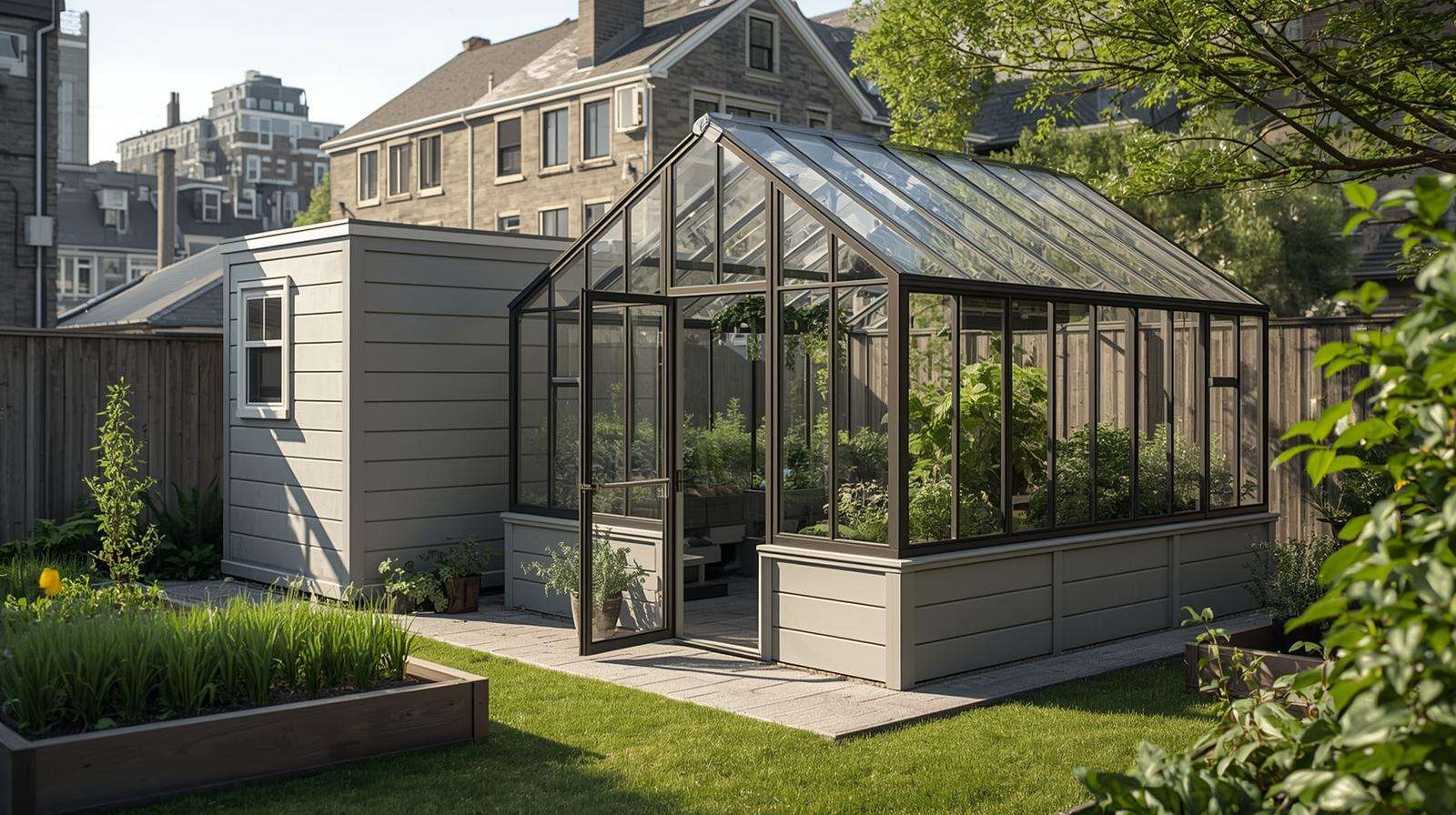
In cities like Chicago and Seattle, urban gardeners use compact shed-greenhouse combos to maximize small spaces. For instance, Maria, a Seattle resident with a 500-square-foot backyard, installed an 8×10-foot unit. She grows herbs and greens year-round, supplying her family and neighbors while keeping tools organized in the adjacent shed. Her setup cost $1,800 and saved her $700 in grocery bills in the first year.
Small Farm Efficiency
Small farms benefit significantly from larger combos. In North Carolina, a 15-acre farm installed a 12×24-foot unit to store equipment and grow specialty crops like microgreens. The farmer, Tom, reports a 40% increase in efficiency, as tools are now centralized, and his greenhouse extends the growing season by four months, boosting revenue by $3,000 annually.
Community and Educational Uses
Community gardens and schools are adopting shed-greenhouse combos for education and outreach. A California community garden in Oakland uses a 10×16-foot unit to teach sustainable farming to students. The greenhouse grows vegetables for a local food bank, while the shed stores donated tools, fostering community engagement.
Case Study: Oakland’s Community Garden
The Oakland garden’s combo unit, funded by a local grant, cost $2,200 to install. It produces 200 pounds of vegetables annually for donation and serves as a hands-on classroom for 50 students. The shed’s organization system ensures tools are always available, making it a model for urban agriculture programs.
FAQs About Shed and Greenhouse Combos
What size shed and greenhouse combo is best for a small backyard?
An 8×12-foot unit is ideal for most backyards, offering enough space for a small greenhouse and tool storage without overwhelming the plot. Adjust based on available space and crop goals.
Can I build a shed and greenhouse combo on a budget?
Yes! DIY builds using reclaimed wood and affordable polycarbonate panels can cost under $1,000. Pre-built kits starting at $1,500 are also budget-friendly for quick setups.
How do I maintain temperature control in a greenhouse during winter?
Use passive heating (e.g., water barrels), add bubble wrap insulation, and install a small electric heater for extreme cold. Monitor temperatures with a digital thermometer.
What crops are best for year-round greenhouse growing?
Cool-season crops like lettuce, kale, and spinach thrive in winter, while tomatoes, cucumbers, and peppers excel in warmer conditions with supplemental heat or light.
Do I need a permit for a shed and greenhouse combo?
Check local zoning laws. Structures under 120 square feet often don’t require permits, but larger units or those in urban areas may need approval.
How long does it take to set up a pre-built combo unit?
Most pre-built kits can be assembled in 1–2 days with two people, assuming the site is prepped. DIY builds may take 3–5 days, depending on experience.
Conclusion
A shed and greenhouse combo is a game-changer for gardeners and small-scale farmers, addressing the challenges of limited growing seasons, disorganized tools, and tight spaces. By integrating storage and growing areas, this solution maximizes productivity, protects resources, and enables year-round harvests. Whether you’re a hobbyist growing fresh greens or a market gardener scaling up, a well-designed combo unit can transform your operation. Start planning your setup today to unlock sustainable, efficient farming. Have questions or experiences to share? Drop them in the comments, or contact us for personalized setup tips!