Should a Homestead Keep Bees?
Imagine a small homestead in full bloom: apple trees laden with fruit, rows of vegetables producing more than expected, and a jar of golden honey on the kitchen table harvested by the family last summer. That transformation may begin with one seemingly simple question: Should a homestead keep bees? If you want stronger yields, a new income stream, and a practical way to support local biodiversity, beekeeping could be the right next step. This guide delivers evidence-based, practical answers and step-by-step instructions from experienced practitioners and extension science so you can decide confidently.
Why this guide is different
-
Written with hands-on homestead experience and vetted extension recommendations to show real costs, seasonal time demands, and risk mitigation.
-
Includes concrete numbers, decision checklists, troubleshooting steps, and downloadable tools you can use immediately.
-
Designed to answer the exact question “Should a homestead keep bees” and help you make a go/no-go decision plus clear next steps.
Who this guide is for Should a Homestead Keep Bees
-
Homesteaders, small-scale farmers, and market gardeners evaluating pollination needs.
-
Beginners curious about honey, beeswax, and low-footprint livestock.
-
People wanting to increase on-site resilience and biodiversity.
What you’ll learn (quick)
-
The benefits and trade-offs of homestead beekeeping.
-
Real startup and recurring cost estimates plus simple ROI examples.
-
How to choose hive systems and bee stock for small properties.
-
A month-by-month management plan and troubleshooting guide.
-
Legal, biosecurity, and neighbor-relations best practices.
Why Consider Beekeeping on a Homestead? (Value and Evidence)
Direct benefits for homesteads
-
Improved pollination: Honey bees increase fruit set and vegetable yields for many crops. For example, crops such as apples, blueberries, cucurbits, and many vegetables show measurable yield improvements when effective pollinators are present.
-
Food and products: Honey, beeswax, propolis, and other hive products provide food, household goods, and potential income.
-
Education and ecosystem services: Beekeeping teaches ecology and farm systems thinking. It contributes to local biodiversity and supports wild pollinators when managed responsibly.
Economic and resilience advantages
-
Diversified income: Even a single well-managed hive can produce surplus honey to sell or trade; multiple hives can support small-scale product businesses or pollination services.
-
Risk buffering: On-site pollination reduces dependence on hired pollination services and can increase the reliability of annual fruit/vegetable yields.
Environmental and community benefits for Should a Homestead Keep Bees
-
When managed with pesticide stewardship and habitat improvements, a homestead apiary can be an asset for local pollinator networks and community education.
Is Beekeeping Right for Your Property? (Decision Checklist)
Space, neighbors, and zoning considerations
-
Space: You don’t need acres; many homesteads run 1–5 hives in a backyard or small field. Provide a stable base, sunlight, and a flight path away from busy human areas.
-
Neighbors and legal: Check local ordinances, HOA rules, and registration requirements. Some jurisdictions require registration or have distance/height rules.
-
Flight path management: Locate hives so bees fly upward over property lines, use hedges/fences to direct flight, and consider directional entrances to reduce neighbor interactions.
Climate and forage assessment
-
Forage calendar: Map main nectar and pollen sources across seasons (fruit trees in spring, summer flowers, late-season asters). Reliable forage is crucial—poor forage increases feeding costs and lowers survival.
-
Tools: Use local extension recommendations, bloom calendars, and citizen-science data (iNaturalist, regional pollinator maps) to estimate forage windows.
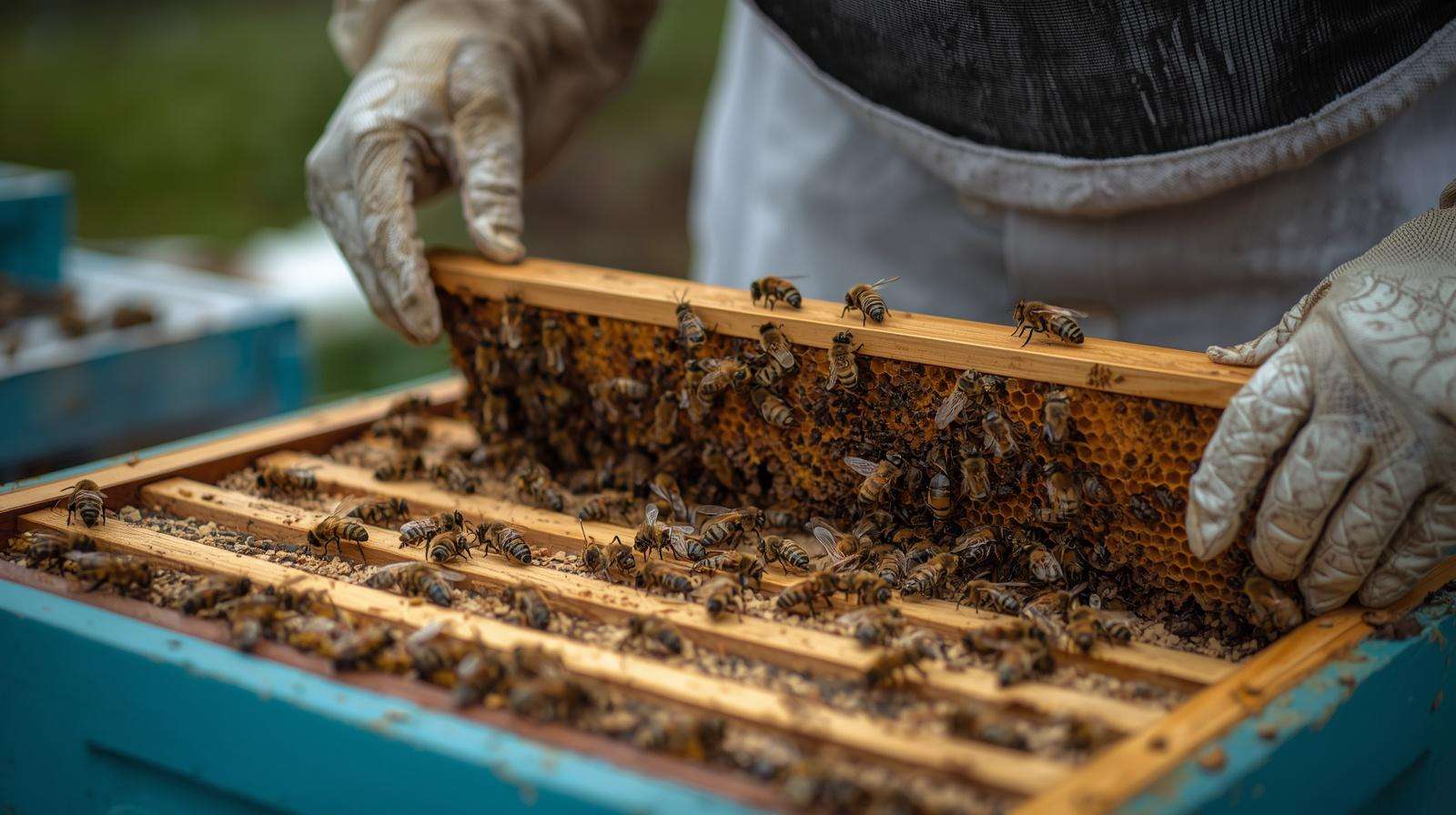
Time, physical ability, and commitment
-
Time commitment: Expect variable time across seasons. Spring and nectar flows demand weekly inspections; summer needs intermittent management; fall and winter require preparation and monitoring. Beginners should plan 2–4 hours per hive per month on average, more during active seasons.
-
Physical demands: Lifting boxes with honey can be heavy (30–40+ lbs), so consider assistance or lighter langstroth frames if necessary.
Risk tolerance and safety
-
Allergies: Confirm anyone living on-site does not have severe bee allergies. Keep an emergency plan and consider hive location accordingly.
-
Insurance: Check farm liability coverage and consider beekeeper-specific insurance if you sell products or provide pollination services.
Costs, Time, and Expected Returns (Real Numbers)
Startup costs (one-off)
-
Hive types and typical price ranges (examples, country-dependent):
-
Langstroth hive (basic components): frames, boxes, bottom board, lid — low-cost setup roughly $150–$300 per hive for DIY/basic; medium-quality kit $300–$600.
-
Top-bar hive: $100–$300 depending on materials and craftsmanship.
-
Warré hive: $150–$400 assembled.
-
-
Protective gear and tools: veil/hood, gloves, smoker, hive tool, brush — $60–$150.
-
Bees: package bees (3-lb) $100–$150; 5-frame nuc $150–$250; mated queen $30–$50. Swarm captures may be free but variable.
-
Example startup estimate:
-
Low-cost beginner (1 hive, basic gear, top-bar): $250–$500.
-
Medium setup (1 Langstroth hive, better gear, nuc): $500–$900.
-
Higher-budget (2 hives, extra equipment, extractor access): $1,000–$2,500.
-
Recurring costs and time for Should a Homestead Keep Bees
-
Annual recurring: feed (sugar syrup or pollen patties), mite treatments (varies $10–$40/year), frame replacements, winterization materials — estimate $50–$150 per hive/year on average.
-
Time: Expect peak seasonal work in spring (weekly or biweekly inspections), moderate in summer, preparatory in fall, and minimal in winter except in milder climates. Rough average 20–60 hours per hive per year depending on intensity.
Revenue and non-monetary returns
-
Honey yield (typical ranges): 25–60+ lb per hive per season in good forage areas; lower yields in poor forage or urban settings. Yields are highly variable.
-
Market value: Local raw honey often sells $6–$12 per 8–16 oz jar depending on region and branding. A 50 lb yield could translate to sizable gross revenue, but factor in extraction, bottling, and time.
-
Pollination value: Harder to monetize directly for homesteads, but improved yields equate to saved costs and increased on-site food security. A basic ROI example: increased fruit set valued against hive maintenance costs often favors keeping 1–3 hives for small mixed gardens.
Choosing Your Bees and Hive System for Should a Homestead Keep Bees
Hive types compared (pros and cons)
-
Langstroth
-
Pros: Standardized equipment, scalable, easy access for inspections and honey extraction, broad supplier support.
-
Cons: Higher startup cost and heavier lifting.
-
-
Top-bar
-
Pros: Lower cost, more natural combing, easier for small operators uninterested in heavy extraction equipment.
-
Cons: Lower honey yield per hive generally; differing management techniques.
-
-
Warré
-
Pros: Designed for low-intervention, vertical top-bar-like boxes.
-
Cons: Less common, fewer standardized tools, and a learning curve.
-
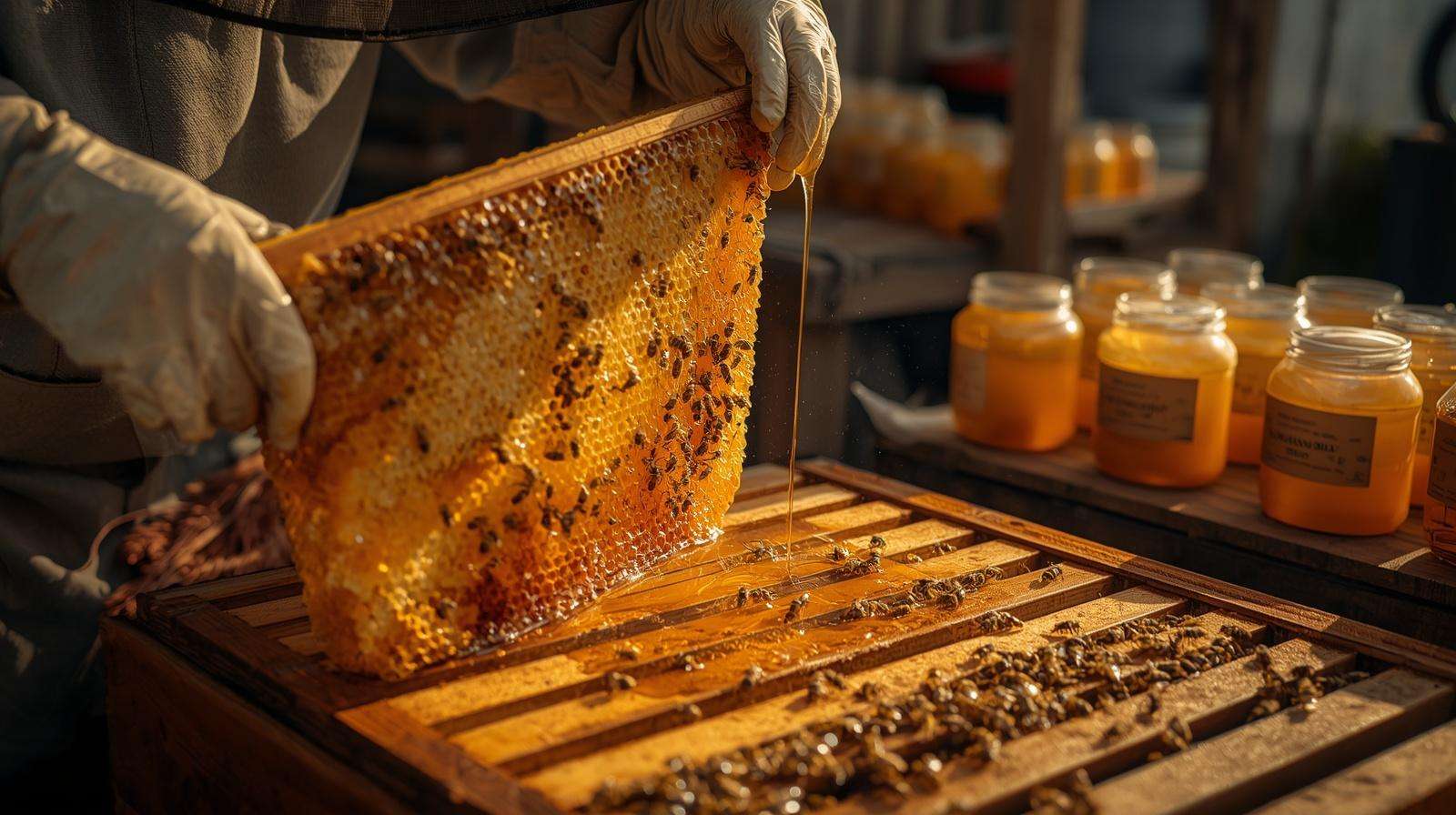
Bee options: hybrid vs. local stock vs. native bees
-
Italian/Carniolan/Other hybrids: Known temperaments and productivity; susceptibility to local pests varies.
-
Locally adapted or feral stock: Often better adapted to local climate and local disease pressures; may show higher overwintering survival.
-
Native pollinators: Consider encouraging native bees and not relying solely on honey bees. Mason bees and bumblebees supplement pollination without honey production.
Sourcing bees ethically and legally
-
Buy from reputable local suppliers, extension-recommended breeders, or local beekeeping associations. Avoid importing queens without quarantine and check regulations.
-
Consider swarm rescue programs for low-cost bees but inspect for disease risks.
Setting Up Your Homestead Apiary (Step-by-step)
Site selection and hive placement
-
Sun exposure: Aim for morning sun to warm hives early, reducing moisture and encouraging foraging. Partial afternoon shade helps in hot climates.
-
Wind protection: Place hives near windbreaks (hedges, fences) or use screens to reduce stress on colonies.
-
Water: Provide a nearby shallow water source (paddling area with stones) so bees don’t seek neighbors’ pools.
-
Flight path: Face entrances away from high-traffic areas and toward open space or tall vegetation so bees fly up and over people.
-
Accessibility: Ensure a firm level surface for hive stands; allow room to work around hives and transport equipment.
Preparing the hive and equipment
-
Assembly: Pre-assemble boxes, frames, and inner covers where possible to reduce first-year hassle.
-
Foundation choices: Decide on wax foundation, plastic foundation, or foundationless frames based on your management style and extractor method.
-
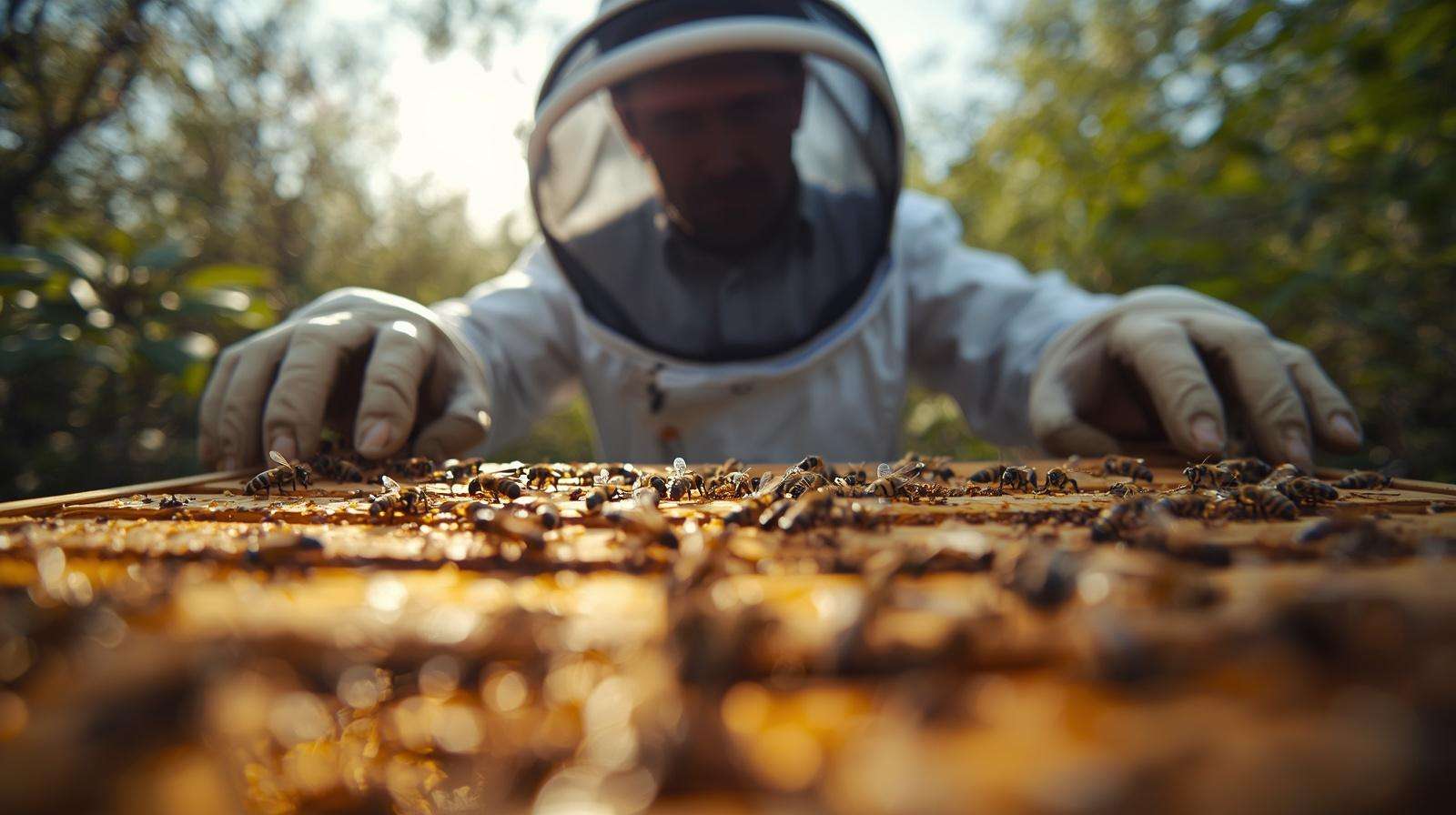
Protective gear: Keep a veil/hood and gloves handy. Comfortable clothing and a smoker with fuel are essential.
-
Storage: Designate dry, cool storage for extracted honey, supers, and spare frames.
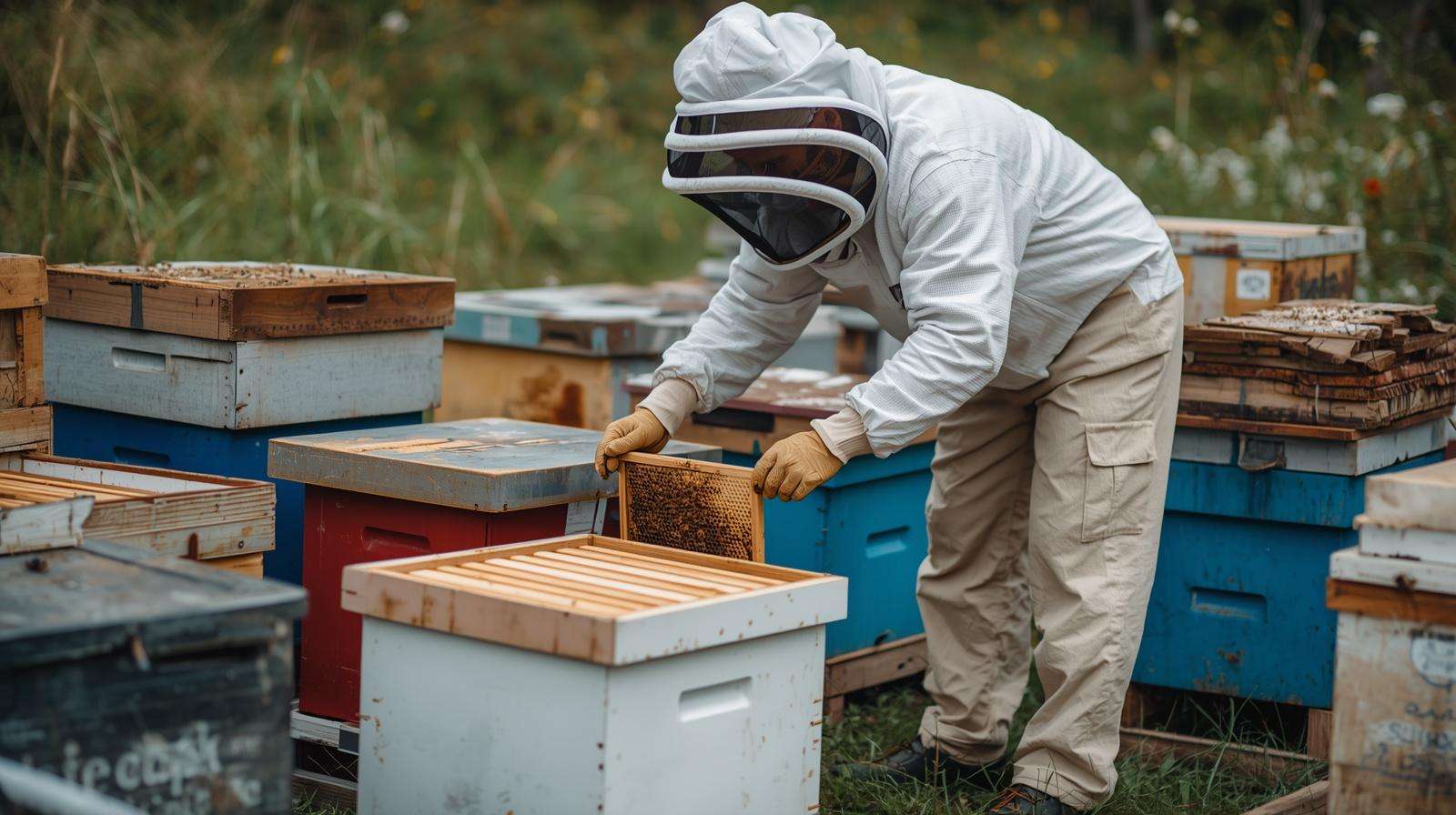
First installation: establishing the colony
-
Installing a nuc: Transfer frames from nuc to hive maintaining brood orientation, close gaps, and give sugar-water feed if nectar is scarce.
-
Installing a package: Shake package into hive, place queen cage centrally between frames, and feed sugar syrup to encourage building.
-
First-week checklist: daily/alternate-day checks for queen acceptance (package), feed presence, calm temperament, and robbing threats. Limit inspections to reduce stress.
Creating pollinator-friendly habitat around the apiary
-
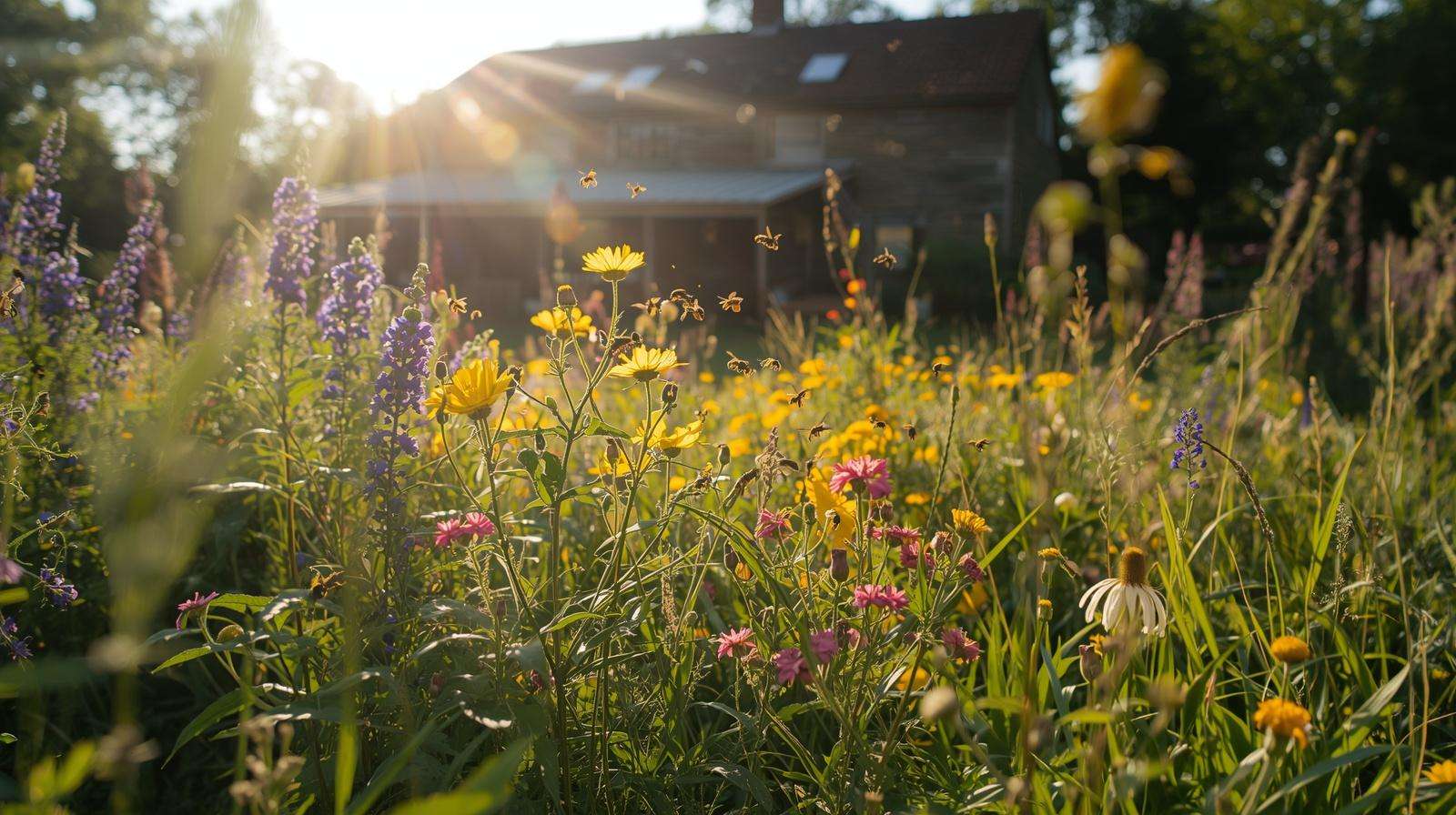
Plant diversity: Include early, mid, and late-season bloomers. Focus on native perennials, fruit trees, herbs (borage, thyme), and legumes that support bees.
-
Pesticide safety: Adopt pesticide-free zones or apply pesticides in the evening when bees are less active; use targeted, bee-safe products when necessary.
-
Water and shelter: Install shallow water stations and leave brush piles or natural habitat for other pollinators.
Monthly and Seasonal Management (Practical Calendar)
Spring: inspections, swarm control, feeding
-
Early spring: Check for winter survival, signs of brood, and sufficient stores. Feed if stores are low.
-
Mid/late spring: Monitor queen laying, add supers as nectar flows begin, and start swarm-prevention measures (split colonies, add space).
-
Swarm prevention: Regular inspections, crowding relief, and timely requeening if genetics predispose to swarming.
Summer: honey flow management, disease vigilance
-
Honey flow: Super or harvest management—don’t remove too early; leave enough for the bees.
-
Disease checks: Look for varroa symptoms, unusual brood patterns, or signs of stress.
-
Water and shade: Provide supplemental water and shade during heatwaves.
Fall: preparing for winter, mite treatments, storing equipment for Should a Homestead Keep Bees
-
Honey harvest: Complete harvesting after main flows but leave adequate stores for winter.
-
Mite treatments: Implement integrated pest management (IPM) timed to reduce varroa before winter.
-
Winter preparation: Reduce hive entrances if needed, ensure ventilation, and consolidate weak colonies.
Winter: minimal checks, ventilation, emergency feeding
-
Minimal intrusion: Avoid opening hives in cold spells. Check from outside for activity and snow blocking entrances.
-
Emergency feeding: Offer fondant or candy boards for long winters and severe dearths.
-
Pest monitoring: Inspect when temperatures allow for a quick peek; note weight loss and signs of dysentery.
Sample 12-month management checklist (actionable bullets)
-
January–February: Equipment maintenance, order queens, plan plantings.
-
March–April: First inspections, feed if necessary, requeen weak colonies.
-
May–June: Add supers, swarm prevention, top up water sources.
-
July–August: Manage honey flow, monitor varroa, avoid heavy interventions during peak heat.
-
September–October: Harvest, treat for mites, consolidate weak hives.
-
November–December: Winterize, check stores, document annual records.
Common Problems and How to Solve Them (Troubleshooting)
Pests and diseases: Varroa, Nosema, American foulbrood
-
Varroa destructor
-
Signs: deformed wings, mite counts on adult bees or brood.
-
Management: Use IPM—screened bottom boards, drone frame removal, powdered sugar dusting, oxalic or formic acid treatments per label and timing. Rotate treatments to reduce resistance.
-
-
Nosema
-
Signs: dysentery, reduced forage activity.
-
Management: Maintain strong colonies, good ventilation, and consider approved treatments where recommended.
-
-
American foulbrood (AFB)
-
Signs: sunken, perforated brood cappings; ropy larval remains.
-
Management: AFB is reportable in many jurisdictions; follow legal disposal or mandated treatments and notify authorities. Replace contaminated equipment; use sterile procedures.
-
Swarming and queen issues for Should a Homestead Keep Bees
-
Prevention: Provide adequate space, manage brood nest congestion, perform splits, and maintain strong queen pheromone presence through timely requeening.
-
When to requeen: Poor brood patterns, aggressive behavior, or failing queens warrant requeening.
-
Capturing swarms: Use bait hives, communicate with local beekeeping groups, and follow safe capture protocols to avoid introducing disease.
Poor winter survival
-
Causes: insufficient stores, varroa load, poor queen, inadequate ventilation.
-
Mitigation: Prioritize mite control in fall, ensure 20–40 lb of honey/reserves per hive in many climates, and consider insulation or cluster management strategies. Should a Homestead Keep Bees
Neighbor complaints and safety incidents
-
Preventative communication: Inform neighbors before placing hives, explain benefits, and show safety measures.
-
Signage and education: Post signs and offer simple guidelines for interacting near hives.
-
Conflict resolution: Offer to relocate hives slightly, plant barriers, or provide local numbers for beekeeper contacts. Keep a log of incidents to support any legal inquiries.
Harvesting and Processing Products (Honey, Wax, and More)
When and how to harvest honey safely
-
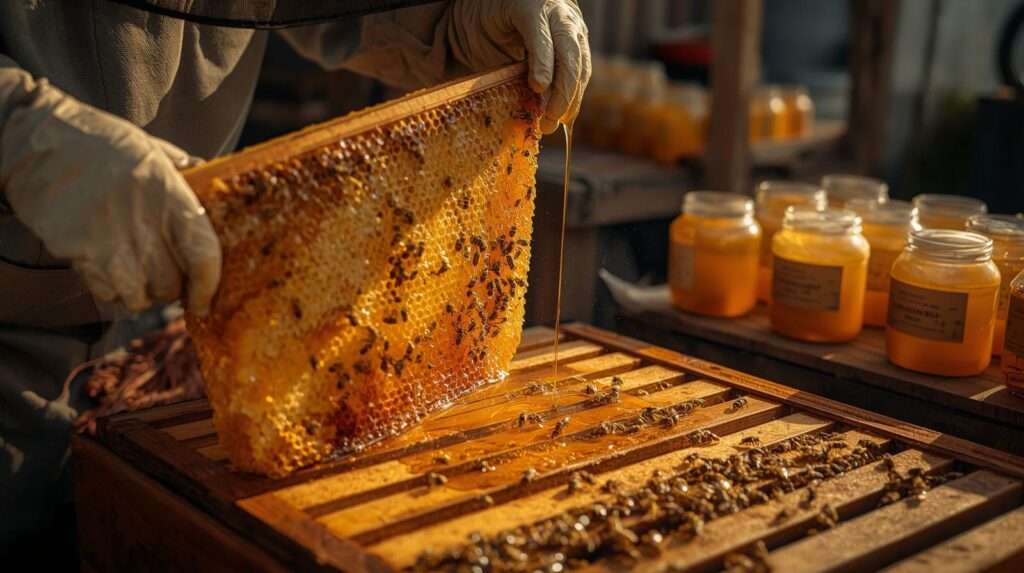
Signs honey is ready: Capped honey cells indicate moisture content is low enough for storage.
-
Harvest methods: Centrifuge extractor (Langstroth frames), crush & strain (top-bar), or cut-comb honey depending on hive type.
-
Sanitation: Use clean equipment and sanitary bottling conditions; avoid heating honey above 40–45°C to preserve enzymes and flavor. Should a Homestead Keep Bees
Processing and storing honey and wax
-
Filtering: Use coarse filters to remove debris; finer filtration removes pollen (but reduces some health benefits and product differentiation).
-
Bottling: Use sterilized jars and label with harvest date, net weight, and origin.
-
Wax rendering: Melt cappings and strain to separate honey, then render wax for candles or products.
Value-added product ideas
-
Beeswax wraps, lip balms, candles, salves, infused honey, mead basics.
-
Branding: Emphasize local, raw, single-origin, and pollinator-friendly messages to command premiums.
-
Small-batch marketing: Farmers markets, CSA add-ons, local stores, and online platforms are good channels.
Legal, Ethical, and Biosecurity Considerations
Registration, inspection, and recordkeeping best practices
-
Register hives where required; maintain basic records: colony health, treatments, queen replacements, and harvest weights.
-
Keep a logbook or digital records to support disease tracing and compliance with inspections.
Biosecurity measures to prevent disease spread
-
Quarantine new bees for observation, avoid sharing combs between unknown colonies, and sanitize tools between apiaries.
-
Dispose of heavily diseased equipment per local regulations to prevent spread.
Ethical considerations: humane treatment, pesticide stewardship
-
Avoid practices that unduly stress colonies (over-harvesting, poor winter prep).
-
Coordinate with neighbors and use targeted pest management to minimize non-target impacts.
Case Studies and Real Homestead Examples (E-E-A-T Reinforcement)
Small homestead (1–2 hives) — low-cost, high-benefit
-
Example: A family homestead in a temperate zone started with one Langstroth nuc, spent $650 startup, invested 30 hours the first year, and harvested 30 lb of honey. Increased apple set and backyard squash yields provided noticeable food security gains and an estimated net benefit within 18 months.
Market garden (5–10 hives) — pollination-focused model
-
Example: A 1-acre market garden using five hives reported earlier fruit set and more uniform berry ripening. The grower estimated a 15–30% revenue increase on pollination-dependent crops, offsetting hive management costs.
Community-shared apiary — cooperative approach
-
Example: Three neighbors co-located 6 hives on one property, sharing costs, time, and harvest. This model reduced individual labor and increased local knowledge exchange. Clear agreements on revenue split and responsibilities were key.
Expert quotes and references
-
Include concise quotes from local extension agents or master beekeepers about regional considerations, plus links to university extension publications and peer-reviewed articles on pollination economics and varroa management.
Tools, Resources, and Further Learning
Essential tools and suppliers checklist
-
Basic checklist: hive(s), frames, protective gear, smoker, hive tool, feeder, extractor access, storage jars, and a quality reference book.
Recommended books, extension services, and online courses
-
Suggest state/country extension publications, the basics from recognized beekeeping manuals, and beginner-friendly online courses or local club mentorship programs.
Local and national organizations to join
-
Encourage joining beekeeping associations for swarm alerts, buying cooperatives, and mentorship.
Quick Decision Checklist — Should You Keep Bees? (Actionable Conclusion)
Go/no-go decision points (bullet checklist)
-
Go if: you have adequate forage or can create it; at least one non-allergic household member can commit time; neighbors and zoning permit; you want to invest in pollination, produce, or small-scale income.
-
Consider delaying if: frequent pesticide use nearby, severe neighbor concerns, no time or physical ability, or lack of initial funding.
-
Next steps if “go”: start with one nuc, join a club, take a local beginner class, and order basic equipment in winter/spring.
-
Next steps if “wait”: enhance forage, address neighbor concerns, explore alternative pollinators like mason bees, or plan for a later start.
FAQs (High-value SEO snippets)
- For pollination on a small mixed garden, 1–3 hives often suffice. Match hive numbers to crop area and flowering overlap.
Are bees aggressive and dangerous to neighbors?
-
Honey bees are generally non-aggressive when managed well; proper placement and swarm prevention reduce risk. Keep open communication with neighbors.
How much honey can one hive produce?
-
Typical ranges are 25–60 lb per hive per year depending on region and forage; yields vary widely.
What is the easiest hive type for beginners?
-
Many beginners prefer Langstroth for availability of equipment and learning resources; top-bar can be simpler for low-cost, low-extraction operators.
Can I keep bees if I use pesticides on my garden?
-
Not safely without precautions. Coordinate timing, use bee-safe products, and avoid spraying during bloom or when bees are active.