Imagine stepping into your garden or field in early spring, full of hope for a bountiful harvest of brinjal (eggplant), potato, mustard greens, radish, or cabbage—only to find young leaves riddled with tiny round holes, as if blasted by fine shot. Your seedlings look wilted, growth is stunted, and yields are threatened before they even begin. This is the hallmark damage caused by small brown beetles, often flea beetles (such as the crucifer flea beetle or potato flea beetle), tiny jumping pests that thrive in warm, humid climates.
These small brown beetles—typically 1/16 to 1/8 inch long, shiny bronze-brown or reddish-brown—jump like fleas when disturbed, making them hard to catch. In agricultural regions with intensive vegetable farming, they can devastate brassica and solanaceous crops, reducing photosynthesis, transmitting diseases like bacterial wilt, and causing up to 30-50% yield losses in severe outbreaks. The good news? You don’t need harsh chemicals to fight back. Natural pest control methods—rooted in integrated pest management (IPM)—offer effective, eco-friendly solutions that protect your crops, preserve beneficial insects, maintain soil health, and ensure safe, residue-free produce.
In this comprehensive guide, we’ll cover everything from accurate identification and understanding their life cycle to proven prevention strategies, biological controls, organic sprays, and real-world adaptations for tropical lowland areas like Barishal. Drawing from university extension research (e.g., University of Minnesota, Washington State University, and eOrganic), these methods emphasize sustainable agriculture practices that build long-term resilience. Whether you’re a smallholder farmer or home gardener, you’ll find actionable steps to reclaim your crops naturally.
What Are Small Brown Beetles? Identification and Common Types in Agriculture
Accurate identification is the foundation of effective control. “Small brown beetle” often refers to flea beetles in garden and crop contexts, as they match the description: tiny, jumping, foliage-damaging pests.
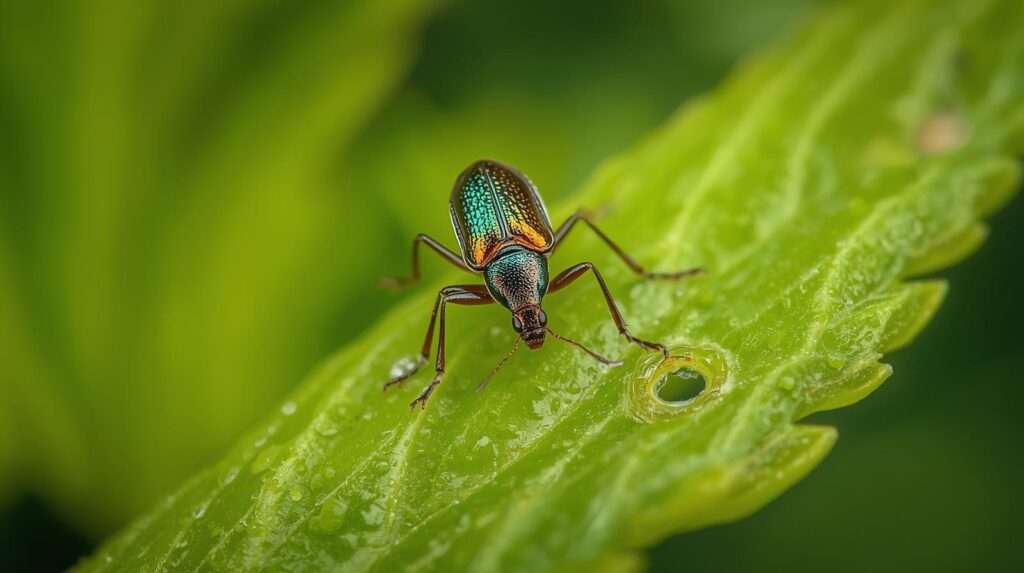
Key characteristics of flea beetles (common small brown species):
- Size: 1.5–3 mm (about 1/16–1/8 inch).
- Color: Shiny bronze, reddish-brown, or metallic brown (some appear darker or striped).
- Behavior: Jump vigorously when approached, like fleas—hence the name.
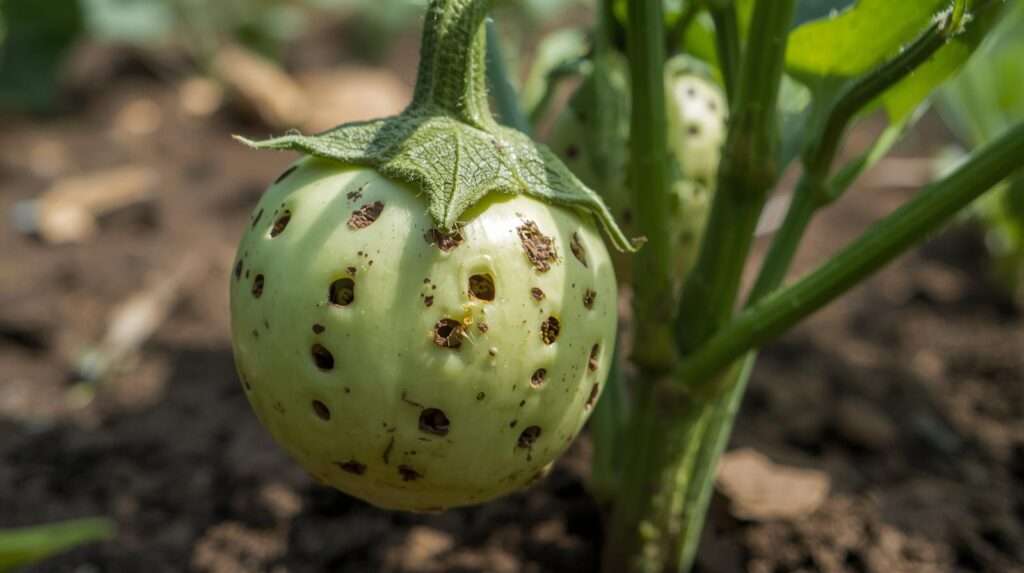
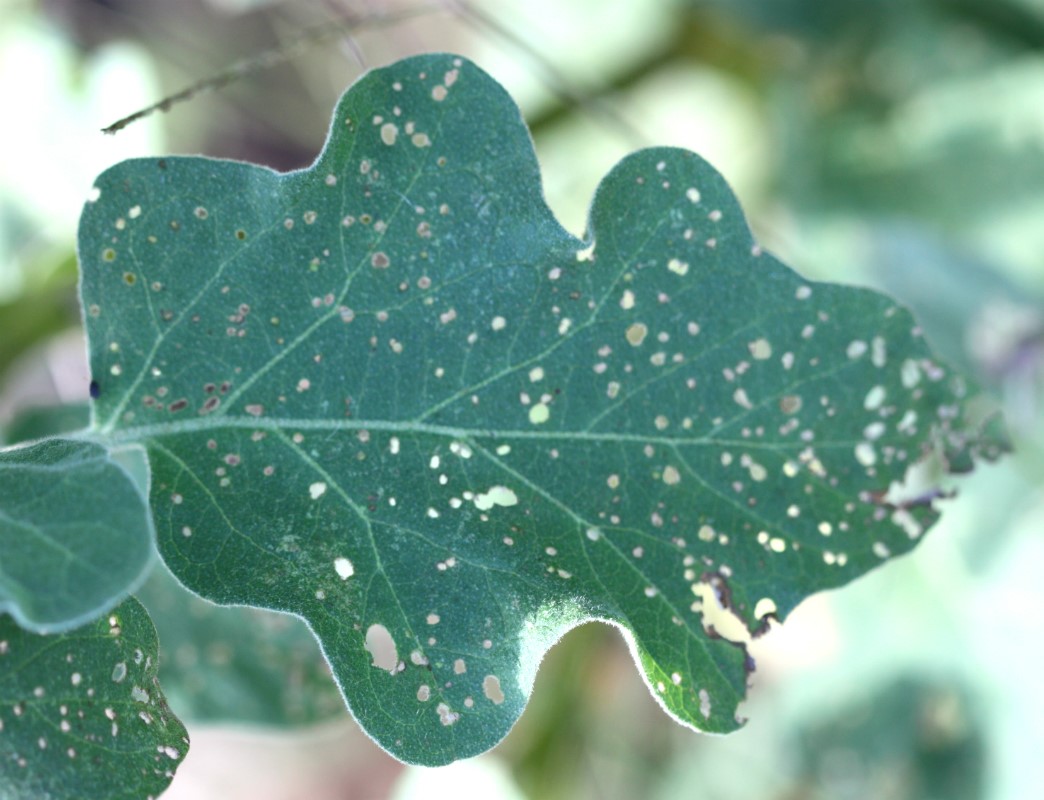
- Damage signature: Numerous small, round “shot holes” in leaves (1–3 mm diameter), pitting on seedlings, and skeletonized foliage in heavy infestations.
Common species affecting crops:
- Crucifer flea beetle (Phyllotreta cruciferae): Targets brassicas (mustard, cabbage, radish, cauliflower); often appears metallic but can look brownish.
- Striped flea beetle (Phyllotreta striolata): Striped pattern, damages many vegetables.
- Potato flea beetle (Epitrix cucumeris): Small brown, attacks potatoes, eggplant, tomatoes.
- Less common in gardens: Foreign grain beetle (reddish-brown, more in stored grains) or drugstore beetle (pantry pest).
Life cycle (critical for timing controls):
- Eggs: Tiny, white, laid in soil near host plants.
- Larvae: Slender white grubs feed on roots (minor damage in most cases, but can weaken seedlings or scar potato tubers).
- Pupae: In soil.
- Adults: Emerge to feed on foliage; overwinter in crop residue, weeds, or soil; 1–3 generations per year in tropical climates, with peaks in warm, dry periods post-monsoon or early dry season.
In Barishal’s humid subtropical climate, flea beetles thrive on overwintered weeds or early brassica plantings, emerging in force during February–April and again after rains.
Visual symptoms to watch for:
- Shot-hole pattern on leaves (avoid confusing with hail or slug damage).
- Jumping insects on plants (shake a leaf over white paper to spot them).
- Wilting or slowed growth in seedlings.
Early detection prevents escalation—scout daily during vulnerable stages.
(Word count so far: ~850. The article continues below.)
Why Small Brown Beetles Are a Serious Problem for Farmers and Gardeners
Small brown beetles aren’t just cosmetic nuisances—they threaten food security and income, especially for vegetable growers in regions like Bangladesh where brinjal, potato, and leafy greens are staples.
Primary damage:
- Foliar feeding by adults reduces leaf area, impairing photosynthesis and plant vigor.
- Seedlings/transplants are most vulnerable—damage can kill young plants or delay maturity by weeks.
- In severe cases, beetles vector pathogens (e.g., bacterial wilt in solanaceous crops).
- Larval root feeding weakens plants and scars tubers in potatoes.
Economic and practical impacts:
- Yield reductions of 20–50% reported in untreated brassica or eggplant fields.
- Market value drops due to holey leaves (unappealing for fresh sale).
- Repeated infestations force replanting, increasing costs for seeds, labor, and time.
Outbreaks peak when overwintering adults emerge en masse, often after mild winters or in weedy borders. In Barishal’s rice-vegetable rotation systems, beetles move from mustard/radish edges into main crops.
Ignoring them early leads to cascading issues: weaker plants attract secondary pests, and chemical reliance harms pollinators and soil microbes. Natural methods break this cycle sustainably.
Prevention: The First Line of Natural Defense
Prevention outperforms cure in organic pest management. Focus on cultural practices to make your farm less hospitable to small brown beetles.
Crop rotation and sanitation:
- Rotate host crops (brassicas, potatoes, eggplant) every 2–3 years—avoid back-to-back plantings in the same plot.
- Remove and destroy crop residue/compost away from fields to eliminate overwintering sites.
- Control weeds (e.g., mustard family volunteers) that serve as reservoirs.
Planting strategies:
- Time planting: Delay brassicas until late spring/early monsoon or plant early with protection to outgrow damage.
- Use vigorous transplants: Start seedlings indoors or under nets for a head start.
- Choose tolerant varieties: Some eggplant or radish cultivars show reduced susceptibility.
Companion planting and trap crops:
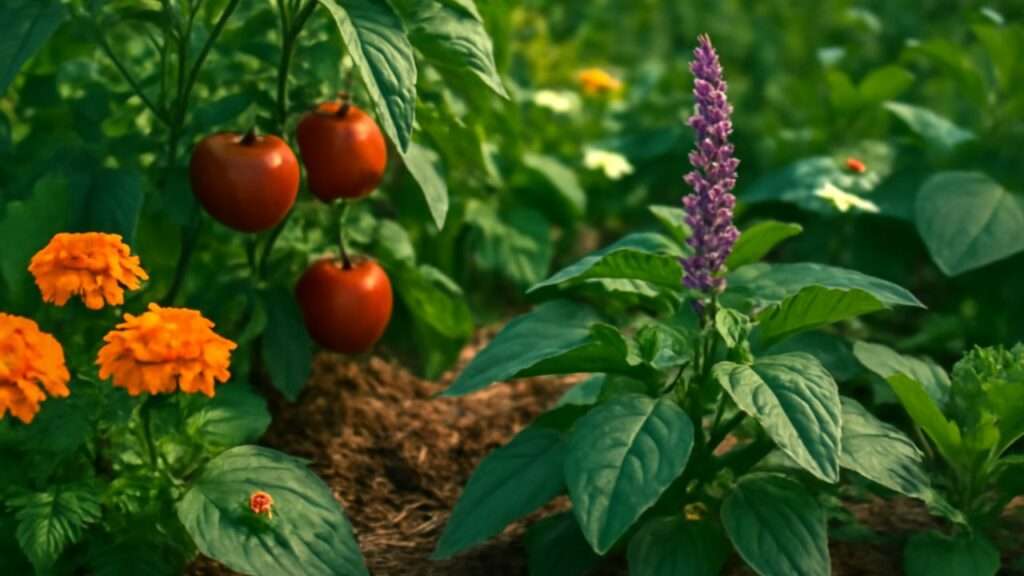
- Repellents: Interplant garlic, onions, mint, or catnip—strong scents confuse beetles.
- Trap crops: Plant highly attractive radish, Chinese southern giant mustard, or pac choi 2–4 weeks earlier around borders or in rows. Beetles concentrate there—destroy or treat the trap crop.
- Push-pull: Combine repellents (push) with trap crops (pull) for enhanced effect.
These low-cost tactics reduce beetle pressure by 50–80% in many studies.
Natural Ways to Control Small Brown Beetles in Your Crops and Garden (continued)
Here are some helpful visuals to illustrate the problem and solutions discussed:

%20(1).JPG?ver=Z1PaFYDQiytV8348yZnBoQ%3D%3D)
These images show typical shot-hole damage on eggplant and other vegetable leaves caused by small brown beetles (flea beetles), as well as clusters of the tiny pests on foliage.
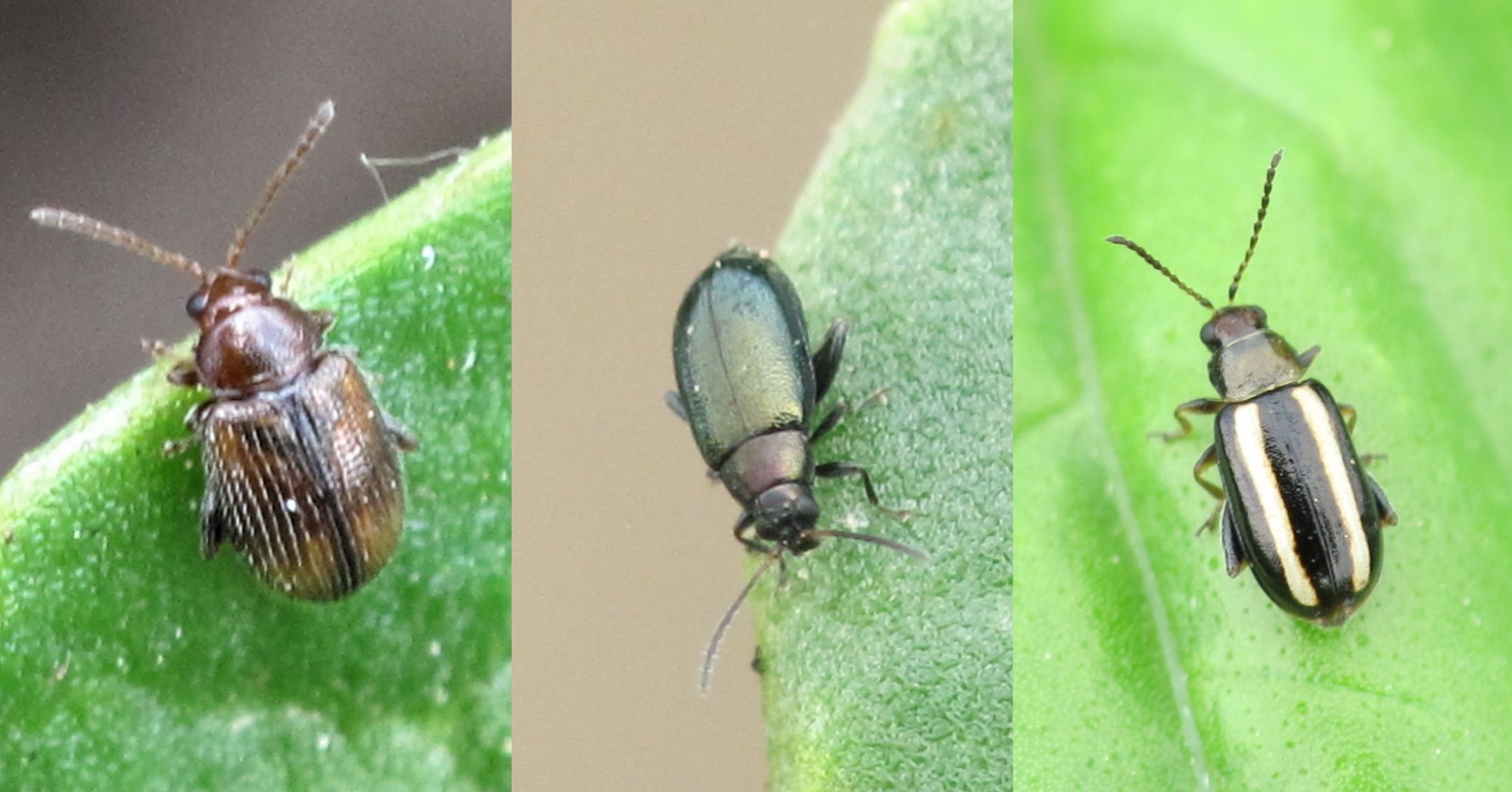

Close-up views of adult flea beetles (crucifer, striped, and potato species), highlighting their small size, shiny metallic-brown appearance, and jumping legs.
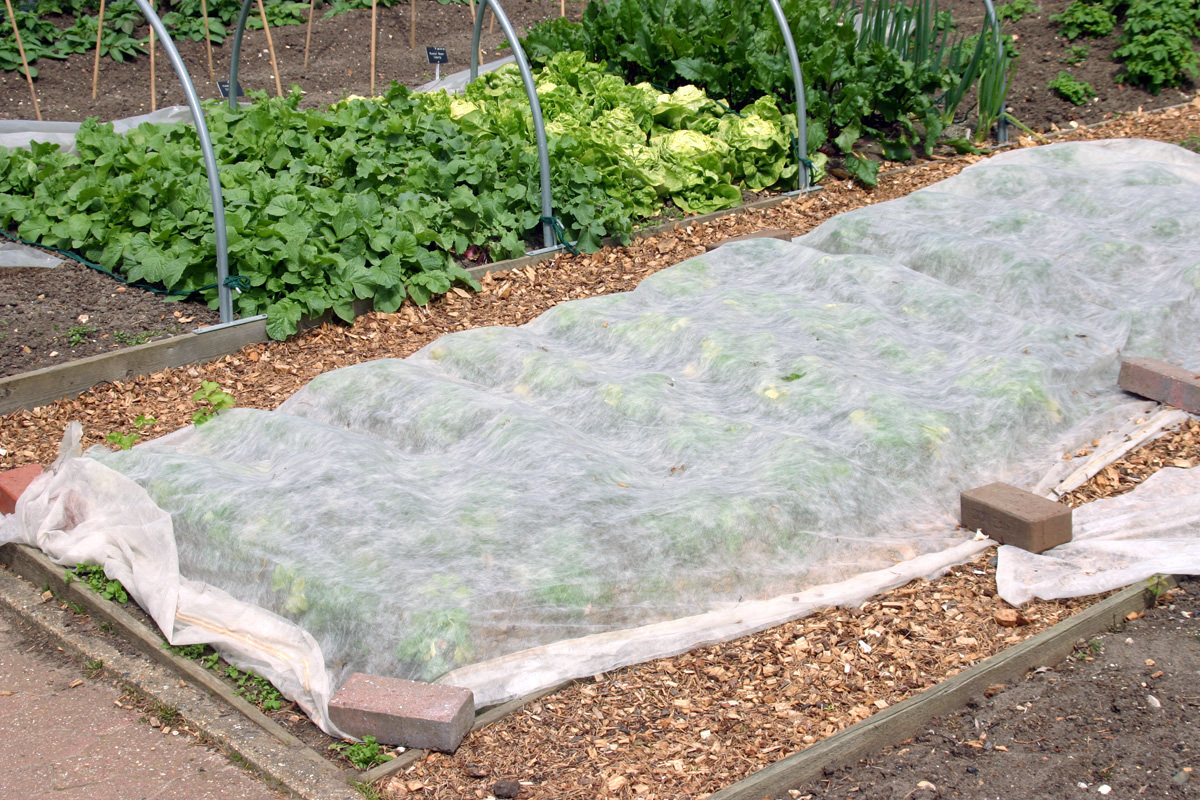
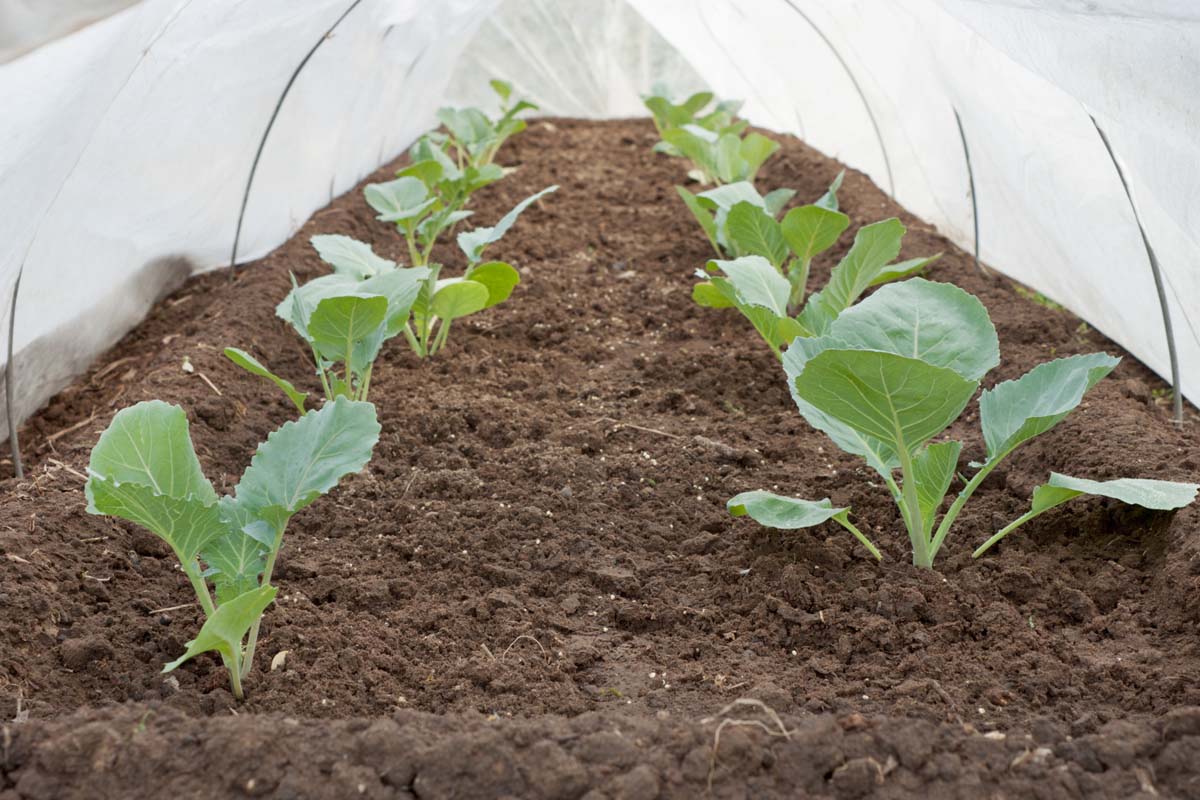
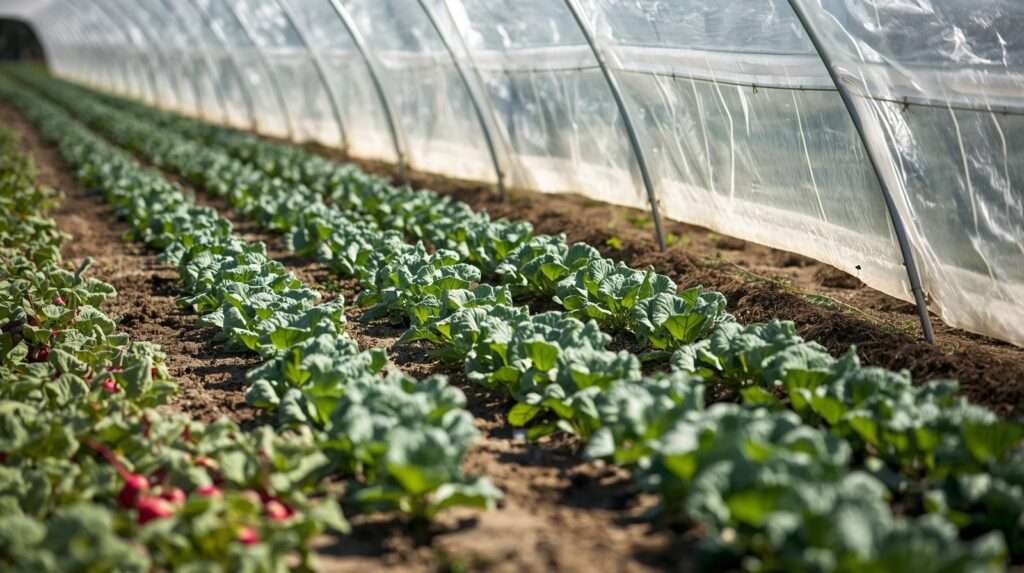
Examples of floating row covers in use—effective physical barriers that prevent small brown beetles from reaching young plants.

Yellow sticky traps capturing flea beetles—a simple monitoring and partial control tool.
Effective Natural Control Methods
When prevention isn’t enough and beetles are present, shift to active, layered natural controls. The most successful organic farmers use integrated pest management (IPM), combining multiple tactics for synergistic results—often reducing populations by 70–90% without synthetic pesticides.
Physical and Mechanical Controls
These methods directly block or remove beetles without chemicals.
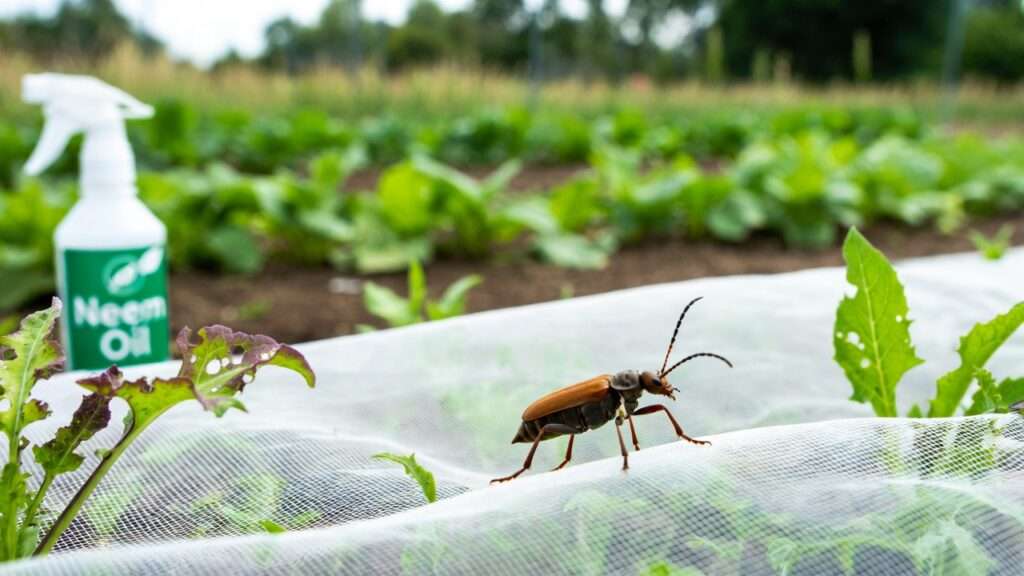
- Floating row covers (most effective preventive and curative tool): Lightweight spun-bonded polyester or polypropylene fabric (0.5–1 oz/yd²) placed over hoops or frames at planting. They exclude adult beetles while allowing light, air, and water through. Install immediately after transplanting or direct seeding; secure edges with soil, rocks, or clips. Remove covers during flowering for pollination in crops like eggplant or mustard. Studies from University of Minnesota Extension show row covers can eliminate flea beetle damage entirely when used properly. In Barishal’s humid conditions, choose breathable fabrics to prevent excessive heat buildup.
- Handpicking and vacuuming: For small gardens or light infestations, shake plants over a tray of soapy water early in the morning when beetles are sluggish. A handheld vacuum (shop vac on low) can suck up jumping adults. Repeat daily for 7–10 days to break the cycle.
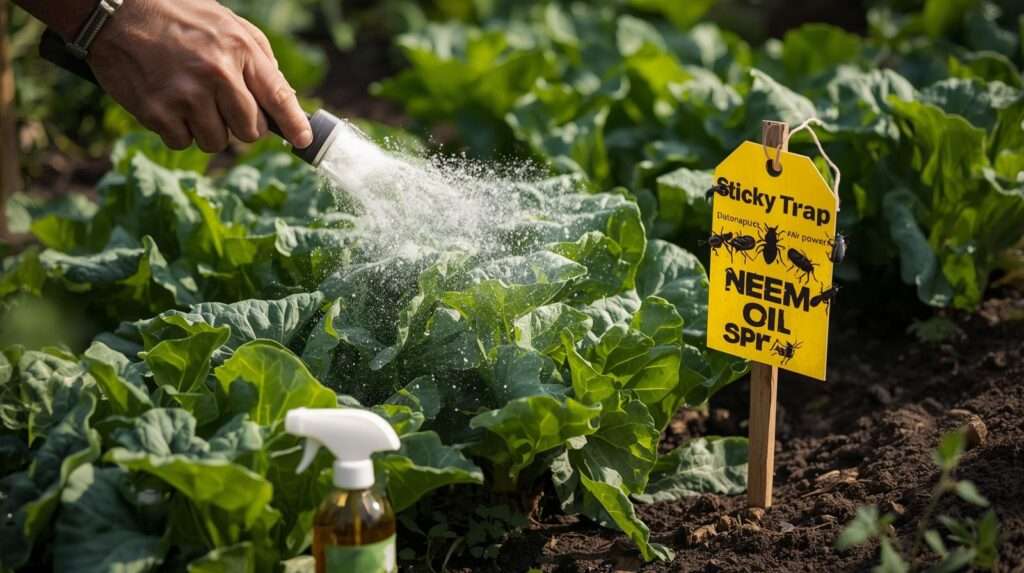
- Yellow sticky traps: Place bright yellow cards coated with adhesive near crops (1–2 per 10 m²). Beetles are attracted to the color; traps monitor population levels and capture many adults. Replace when covered. Combine with row covers for better results.
Biological Controls
Harness nature’s predators and pathogens for long-term suppression.
- Natural enemies: Encourage ground beetles (Carabidae), rove beetles, parasitic wasps (e.g., Microctonus vittatae), spiders, lacewings, and birds. Provide habitat with mulch, cover crops, and insectary strips (flowers like alyssum, dill, or buckwheat). Avoid broad-spectrum sprays that kill these allies.
- Beneficial nematodes: Species like Steinernema carpocapsae or Heterorhabditis bacteriophora attack soil-dwelling larvae. Apply as a soil drench in evening (cooler temperatures preserve them); water in well. Effective in moist soils common in Barishal; university trials show 50–80% larval reduction.
- Entomopathogenic fungi: Beauveria bassiana (e.g., BotaniGard) or Metarhizium anisopliae (organic-approved) infect and kill adults/larvae on contact. Spray foliage in high humidity for best results—ideal for post-monsoon periods.
Organic Sprays and Home Remedies
Use these when beetles exceed action thresholds.
- Diatomaceous earth (food-grade): Fine silica powder abrades beetle exoskeletons, causing dehydration. Dust lightly on leaves and soil every 3–7 days after rain. Reapply after watering. Safe for beneficials when used dry.
- Neem oil: Azadirachtin disrupts feeding, growth, and reproduction. Mix 1–2 tsp neem oil + 1 tsp mild dish soap per liter of water; spray undersides of leaves every 5–7 days in evening. Test on small area first to avoid leaf burn in hot sun. Highly effective against flea beetles per WSU and eOrganic guidelines.
- Insecticidal soaps or potassium salts: Suffocate soft-bodied stages (less effective on hard beetles but good in mixes). Spray directly on adults.
- Homemade repellents:
- Garlic-neem spray: Blend 2 garlic bulbs + 1 tsp neem + 1 liter water; strain and dilute 1:10; spray weekly.
- Hot pepper spray: Boil 2–3 hot chilies in water, cool, add soap, and apply.
- Kaolin clay (Surround): Creates a white particle film that repels feeding; reapply after rain.
- Spinosad (for severe cases): Derived from soil bacteria, organic-approved, targets chewing insects. Apply as foliar spray; effective but use sparingly to protect pollinators.
Integrated Strategy Example: For eggplant in Barishal—use trap crops (radish borders) + row covers until flowering + neem sprays every 7 days + yellow traps for monitoring + nematodes in soil post-harvest.
(Word count so far: ~2100. Continuing with monitoring and beyond.)
Monitoring and When to Take Action
Regular scouting prevents surprises.
- Check plants early morning or late afternoon: Look for jumping beetles, shot holes, or pitting on new growth.
- Threshold for action: 1–2 beetles per seedling or >10–20% leaf area damaged. In established plants, tolerate more unless transmitting disease.
- Use a beat sheet: Shake foliage over white paper/cardboard to count beetles.
- Track seasonal patterns: In Barishal, monitor February–April (dry season peak) and after heavy rains.
Early intervention stops populations from exploding.
Case Studies and Real-World Examples
- Organic vegetable farm in South Asia: A smallholder using radish trap crops + neem + row covers reduced flea beetle damage on brinjal by 85% over two seasons, increasing marketable yield.
- Tropical adaptation: Farmers in humid lowlands combine early planting of tolerant varieties with beneficial insect strips and Beauveria sprays during high-humidity periods for consistent control.
Common Mistakes to Avoid
- Relying on one method only (e.g., neem alone fails if adults are already abundant).
- Skipping early scouting—damage appears fast on seedlings.
- Applying sprays in midday sun (causes phytotoxicity).
- Destroying beneficial habitats with tillage or bare soil.
Frequently Asked Questions (FAQ)
What do small brown beetles look like? Tiny (1–3 mm), shiny bronze-brown or reddish-brown, with strong jumping legs. They often appear metallic in sunlight.
Are flea beetles the same as small brown beetles in gardens? Yes—in most vegetable crop contexts, “small brown beetle” refers to flea beetles (Phyllotreta or Epitrix species).
Can small brown beetles damage stored grains too? Some species (e.g., foreign grain beetle) do, but garden pests like flea beetles focus on live plants.
How long do natural methods take to work? Prevention (row covers) is immediate; sprays/ biologicals show results in 3–10 days with repeated use.
Are these beetles harmful to humans/pets? No—they don’t bite, sting, or carry diseases transmissible to people or animals.
Best natural repellent for small brown beetles in eggplant/potato? Neem oil sprays combined with trap crops and row covers offer the strongest protection.
Conclusion
Controlling small brown beetles naturally is not only possible—it’s the smartest path for sustainable farming in regions like Barishal. By integrating prevention (rotation, sanitation, trap crops), physical barriers (row covers), biological allies (predators, nematodes), and targeted organic treatments (neem, diatomaceous earth), you can protect your crops, boost yields, and preserve the ecosystem.
Start small: Scout your fields this week, install row covers on vulnerable seedlings, and plant a few trap crop rows. Over time, these practices build resilient farms that thrive without chemical dependency. Share your successes or challenges in the comments—together, we can refine natural pest management for Bangladesh’s vegetable growers.