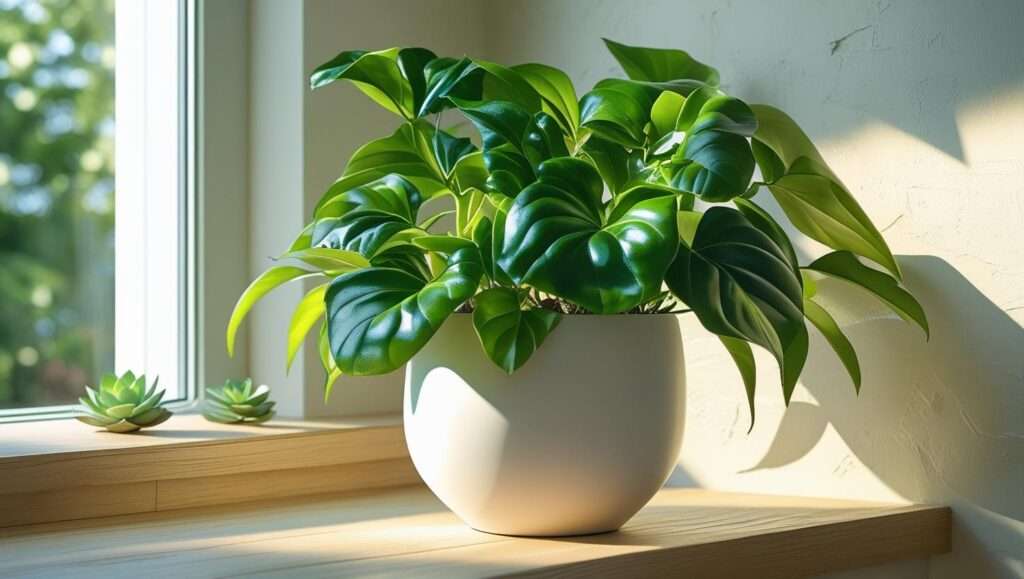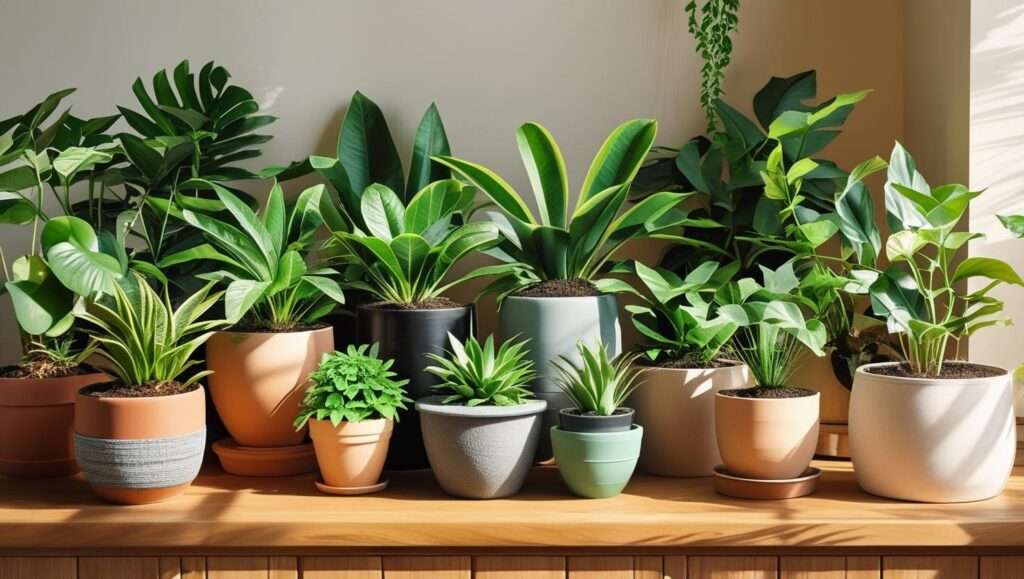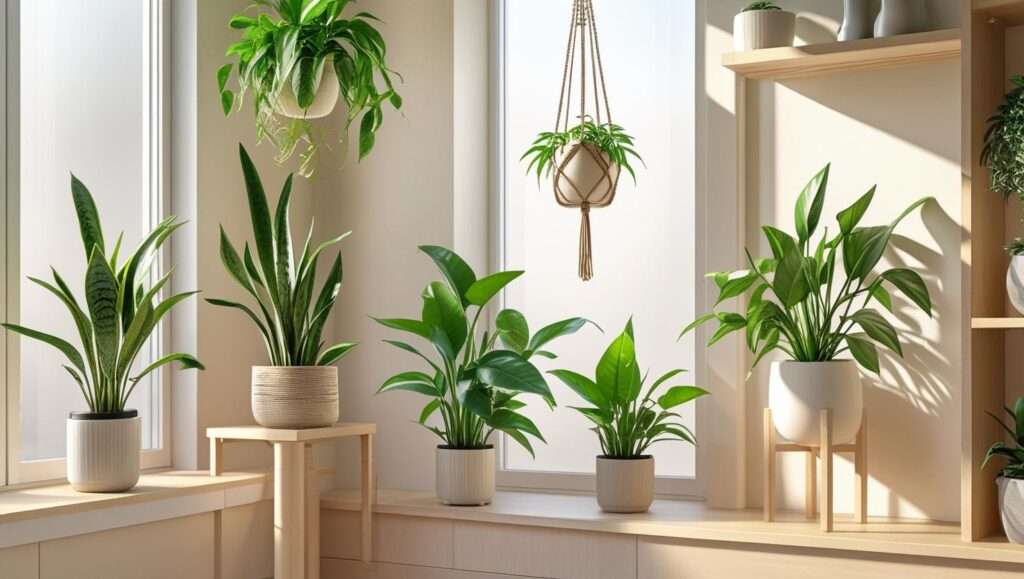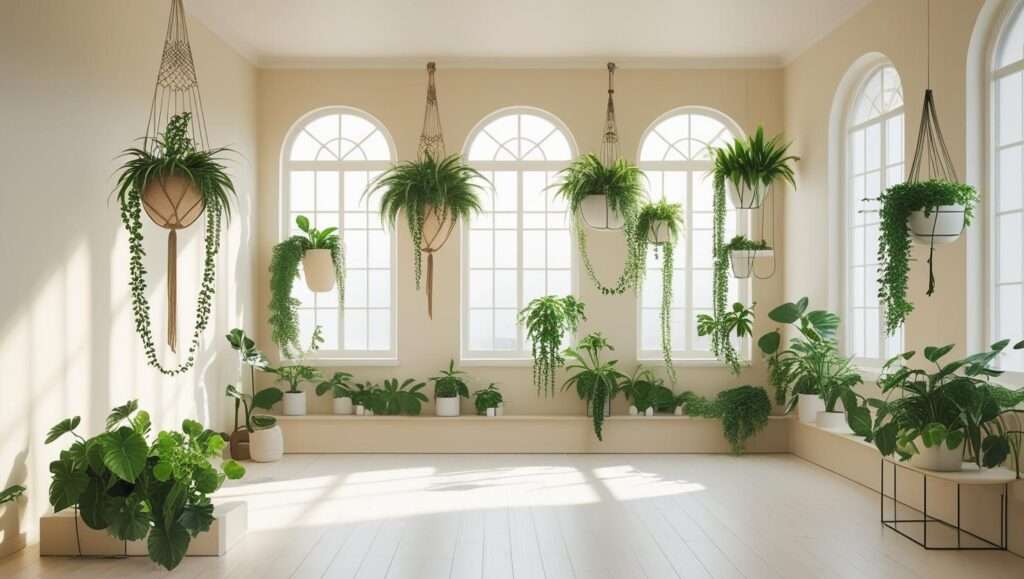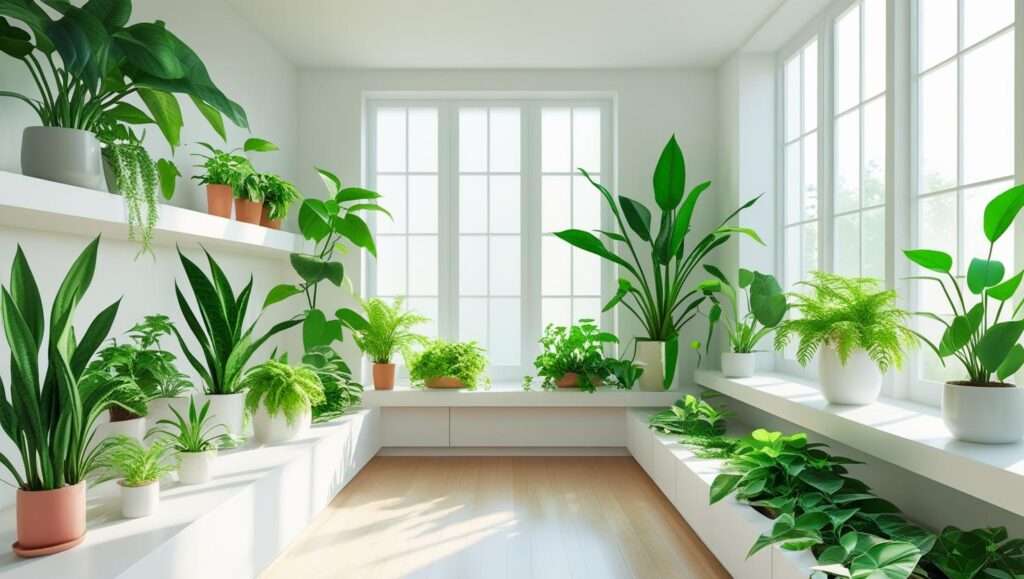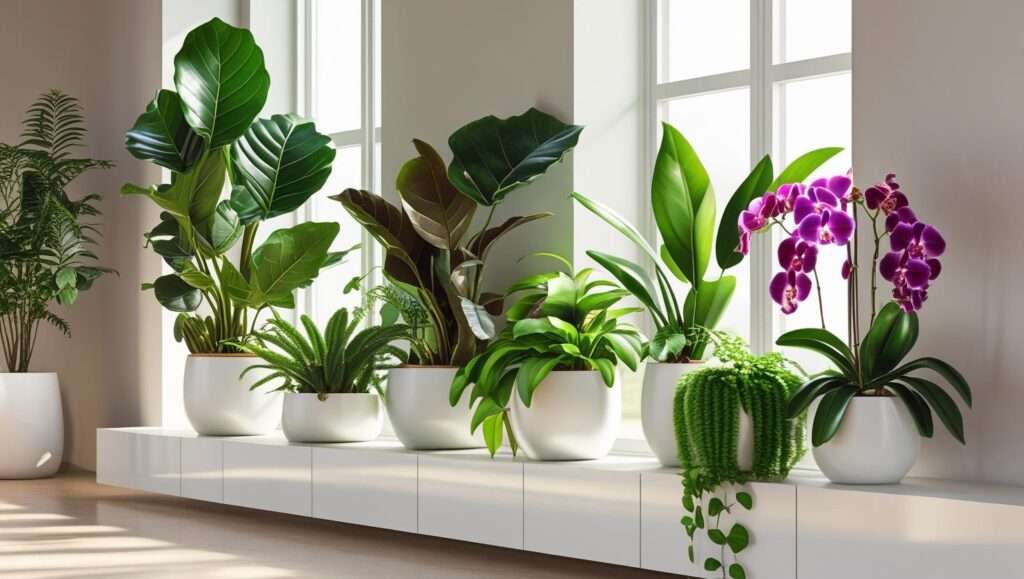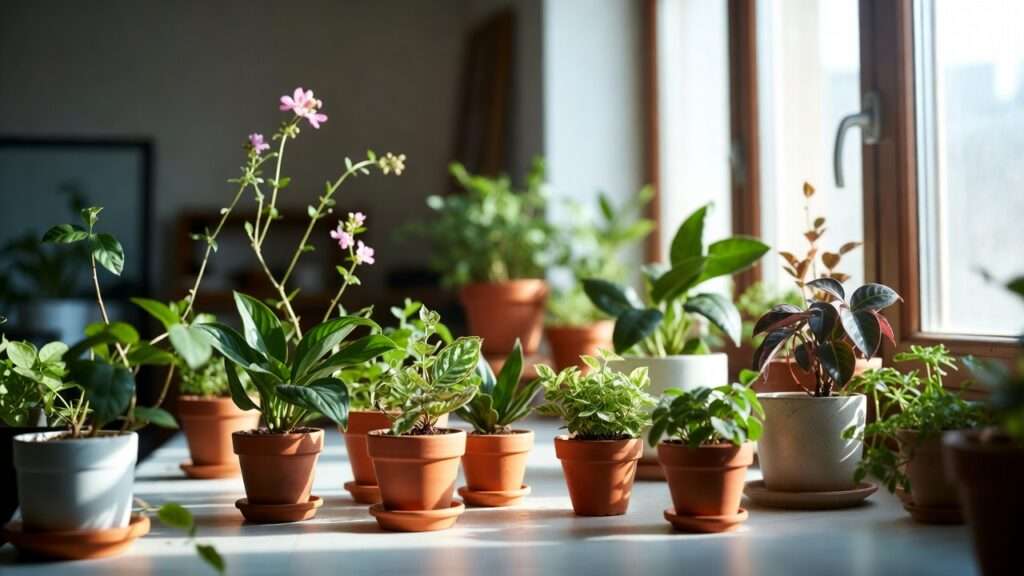
Imagine stepping into your kitchen or living room and being greeted by a vibrant mini-garden bathed in golden sunlight, where every leaf looks healthy, plump, and full of life. For many indoor gardeners, bright windowsills represent the perfect spot to display greenery—yet they often become a graveyard for plants that can’t handle the intense direct rays pouring through the glass. Leaves scorch, stems stretch leggily, or roots rot from inconsistent watering in the heat. If you’ve ever watched a favorite houseplant wilt despite your best efforts, you’re not alone.
The good news? Small houseplants for bright windowsills that thrive in direct sun do exist—and they can turn that challenging space into a thriving, low-maintenance oasis. These compact, sun-loving varieties are ideal for south- or west-facing windows, where they receive 4–8+ hours of direct sunlight daily. In this in-depth guide, we’ll explore the best options, backed by horticultural principles and real-world growing experience, to help you select, care for, and style plants that not only survive but genuinely flourish in those sunny spots. Whether you’re a beginner seeking foolproof picks or an experienced grower looking to expand your collection, you’ll find practical solutions here to solve the common “sunny windowsill struggle.”
Understanding Bright Windowsills: Light, Challenges, and Solutions
A “bright windowsill” typically means a location with strong, direct sunlight for several hours each day. South-facing windows in the Northern Hemisphere (or north-facing in the Southern) deliver the most consistent intensity, often 6–8 hours or more. West-facing sills get hot afternoon sun, while east-facing ones offer gentler morning light. To gauge your setup accurately, observe the spot over a few days or use a free smartphone light meter app to measure foot-candles—aim for 5,000+ for true sun-lovers.
The challenges are real: Glass amplifies heat (creating a greenhouse effect), soil dries out rapidly, and intense midday rays can cause sunburn on tender foliage. Reflected light from nearby surfaces adds extra intensity. Small plants shine here because their compact size fits narrow sills, and many sun-adapted species (especially succulents) have built-in defenses like thick, waxy leaves that store water and reflect harsh rays.
Pro tip from years of growing indoors: Acclimate new plants gradually. Start them a foot away from the window for a week, then move closer to prevent shock. This simple step dramatically increases success rates.
Benefits of Choosing Sun-Loving Small Houseplants
Placing the right plants in bright windowsills offers more than aesthetics. These sun-tolerant varieties excel at air purification—removing toxins like formaldehyde and benzene—while their thick foliage helps regulate indoor humidity in dry, sun-heated rooms. Low-maintenance traits mean less fuss for busy lifestyles, and the year-round color (vibrant greens, purples, reds, and even flowers) boosts mood and creates a natural focal point.
In small apartments or homes with limited floor space, windowsills become prime real estate. Compact plants deliver big visual impact without overcrowding, turning a plain ledge into a living artwork that evolves with the seasons.
Top Small Houseplants for Bright Windowsills
Here are the standout performers that genuinely love direct sun indoors. These selections prioritize small to medium sizes (under 12–18 inches tall/wide at maturity for most), proven sun tolerance, and ease of care.
Succulents & Cacti (Ideal for Intense Direct Sun)
Succulents and cacti are the undisputed kings of sunny windowsills. Their desert origins make them perfectly adapted to blazing light and infrequent watering.

- Jade Plant (Crassula ovata) A timeless favorite, the jade plant develops thick, glossy leaves and a tree-like form over time. Compact varieties like ‘Hobbit’ or ‘Gollum’ stay small (8–12 inches) and add sculptural interest. It thrives in full direct sun, developing red-tinged edges in bright conditions. Water only when soil is bone-dry; overwatering is the main killer. Propagation is effortless via leaf or stem cuttings. Bonus: It’s said to bring good luck in some cultures!
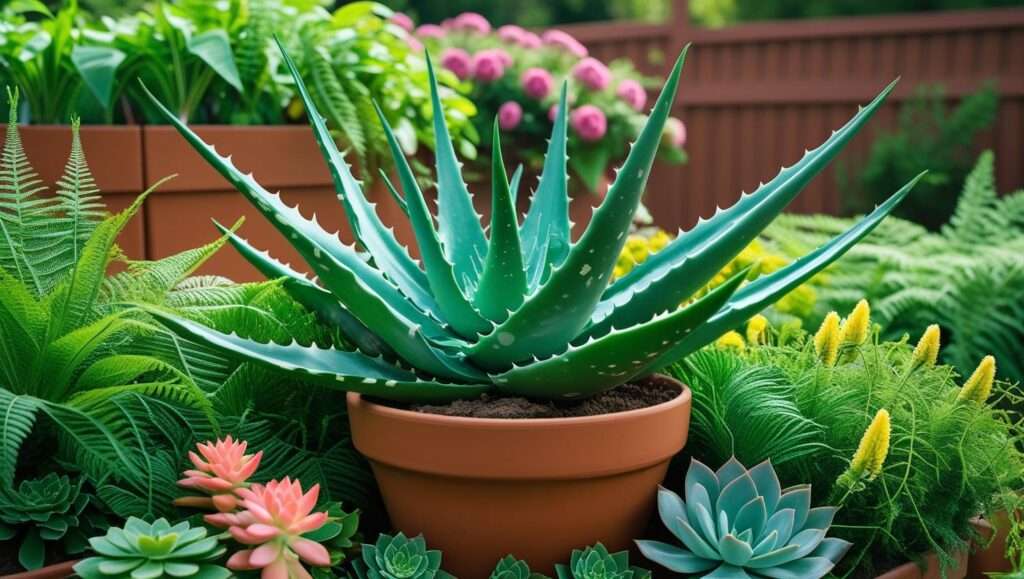
- Aloe Vera Beyond its medicinal gel for burns, aloe vera forms neat rosettes of fleshy, serrated leaves. True Aloe barbadensis stays compact (12–18 inches) and blooms with tall orange spikes in ideal light. It demands bright direct sun to stay compact and healthy—low light causes stretching. Use well-draining cactus mix and terracotta pots to prevent rot. Easy to propagate from pups.
- Echeveria These rosette succulents come in stunning colors: powdery blues, pinks, purples, and greens. Varieties like Echeveria ‘Lola’ or ‘Perle von Nurnberg’ remain under 6–8 inches wide, perfect for grouping. They love intense sun (color intensifies with more light) but appreciate afternoon shade in very hot climates. Minimal water; let soil dry completely between soakings.
- Haworthia Often called zebra plants for their white-striped patterns, Haworthia species (like H. fasciata or attenuata) are petite (4–6 inches) and forgiving. They handle bright direct sun well without scorching, unlike many succulents. Great for beginners—tolerate occasional neglect.
- Small Cacti (e.g., Mammillaria, Rebutia) Globe or pincushion types add texture and occasional colorful blooms. They adore full sun and need gritty, fast-draining soil. Size stays naturally small, making them ideal sill fillers.
Colorful & Textured Foliage Options
For variety beyond succulents, these add pops of color and movement.
- Tradescantia (Wandering Jew, e.g., Zebrina or Nanouk) Trailing or bushy stems with purple, pink, and green stripes. ‘Nanouk’ stays compact and vibrant in direct sun. Pinch tips for bushiness; propagate easily in water. Fast grower for quick impact.
- Snake Plant Dwarf Varieties (Sansevieria trifasciata ‘Hahnii’) Rosette-forming, upright leaves in green or variegated patterns. Extremely tough—handles direct sun, drought, and low care. Air-purifying superstar; stays under 12 inches.
- Kalanchoe blossfeldiana Flowering succulent with clusters of red, pink, yellow, or orange blooms lasting weeks. Compact (8–12 inches); thrives in sun for best flowering.
Flowering & Unique Picks
- Geranium (Pelargonium) Classic windowsill bloomer with scented leaves and continuous flowers in bright sun. Keep compact by pinching and deadheading.
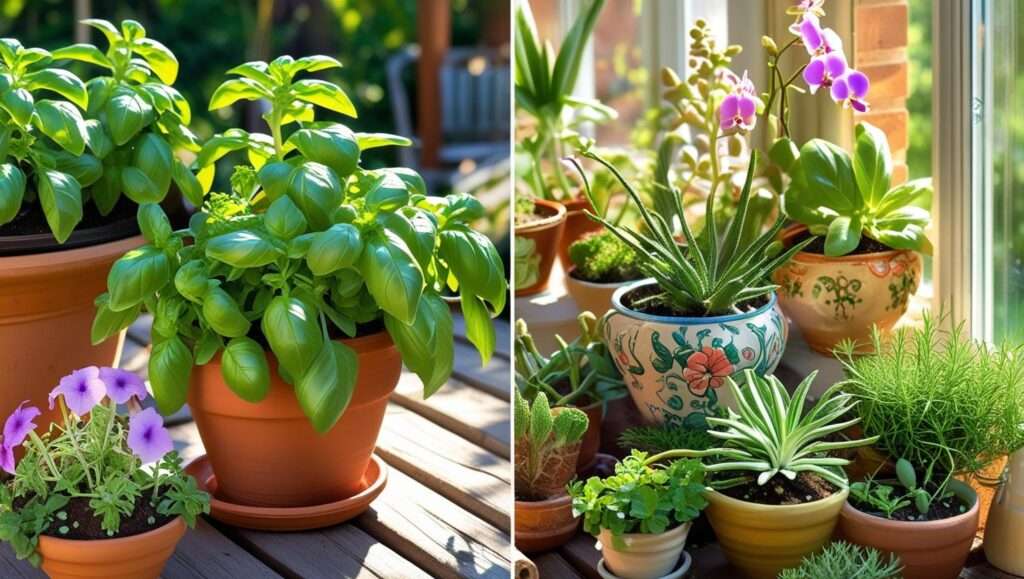
- Herbs like Rosemary, Thyme, or Basil Edible and fragrant; harvest regularly to maintain bushy form. They love the heat and sun of windowsills—bonus for cooking!
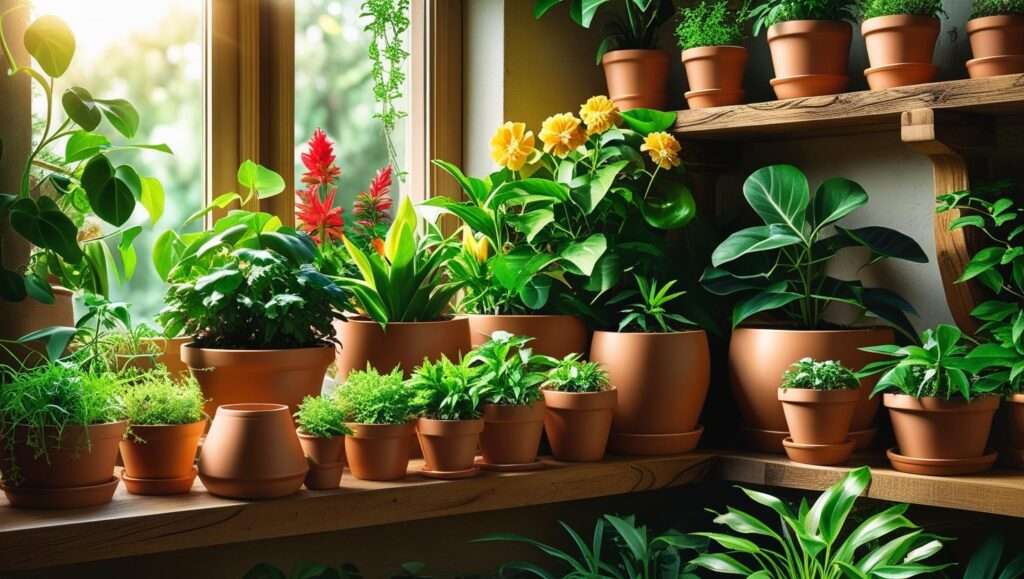
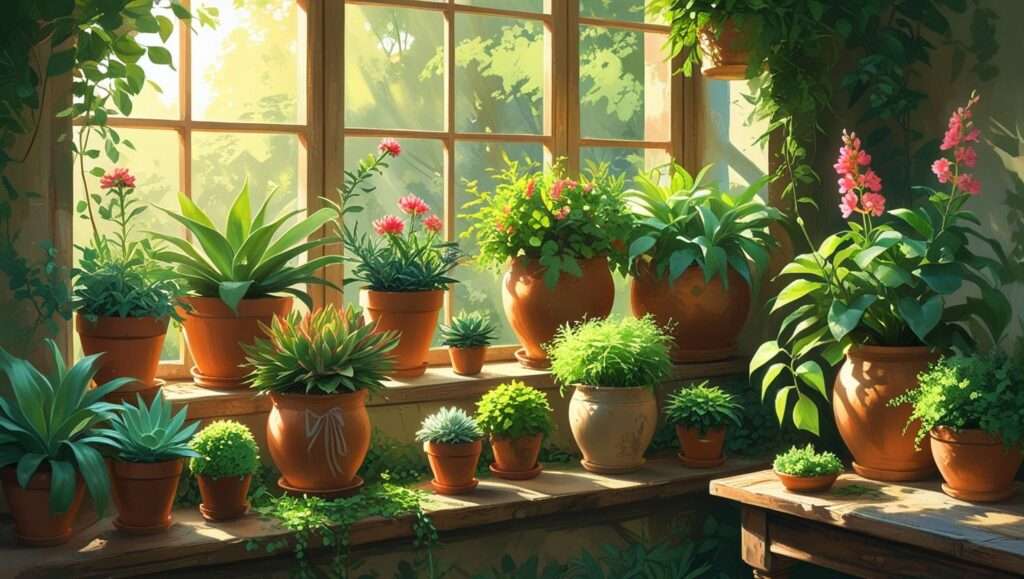
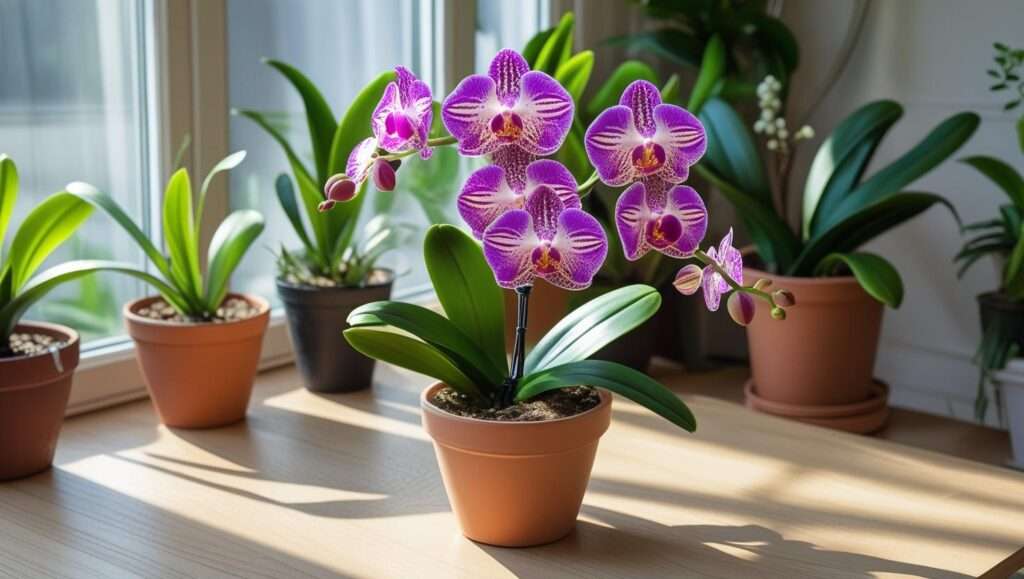
Here are a few visual examples of these top performers thriving in sunny conditions:
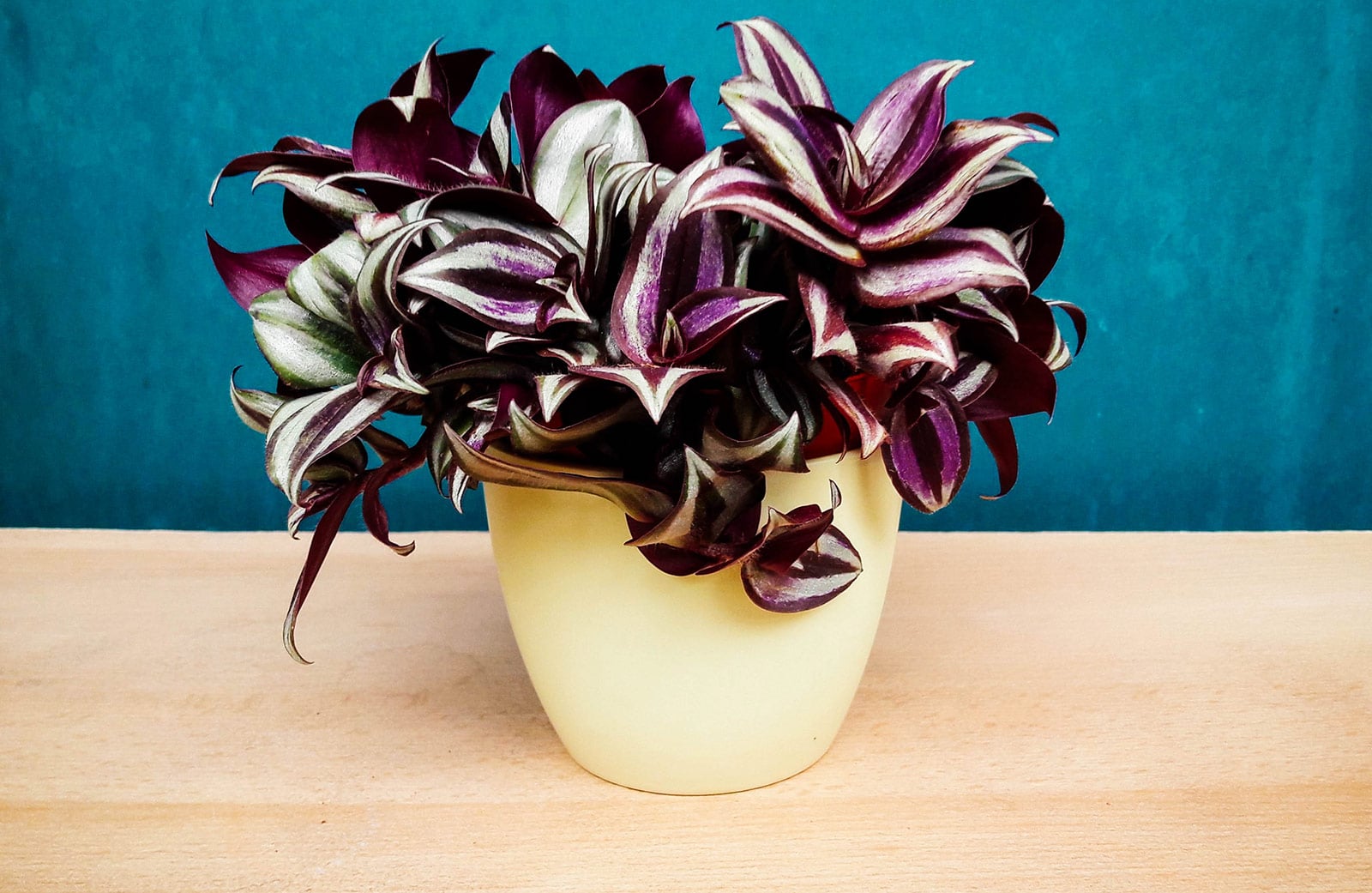
(Vibrant Tradescantia varieties, including trailing purple and green-striped foliage, adding cascading color to sunny sills.)
These images illustrate how these small houseplants look when happily growing in direct sunlight—compact, colorful, and full of vitality.
How to Care for Small Houseplants on Bright Windowsills
Success with sun-loving small houseplants hinges on mimicking their natural arid, high-light habitats while adapting to indoor constraints.
Light Optimization Rotate pots every 7–10 days for even growth—bright windows can cause plants to lean toward the light. In peak summer (especially in hot climates like parts of Bangladesh), use sheer curtains during the hottest midday hours (11 a.m.–3 p.m.) if scorch appears. Acclimate new plants over 7–14 days by gradually increasing exposure.
Watering Strategies The golden rule: Water deeply but infrequently. For succulents and cacti, wait until the top 2–3 inches of soil are completely dry (use a moisture meter or finger test). In bright sun, this might mean every 7–14 days in summer, less in winter. Bottom watering (placing the pot in a saucer of water for 15–30 minutes) prevents crown rot and encourages strong roots. Avoid misting—most of these plants prefer low humidity.
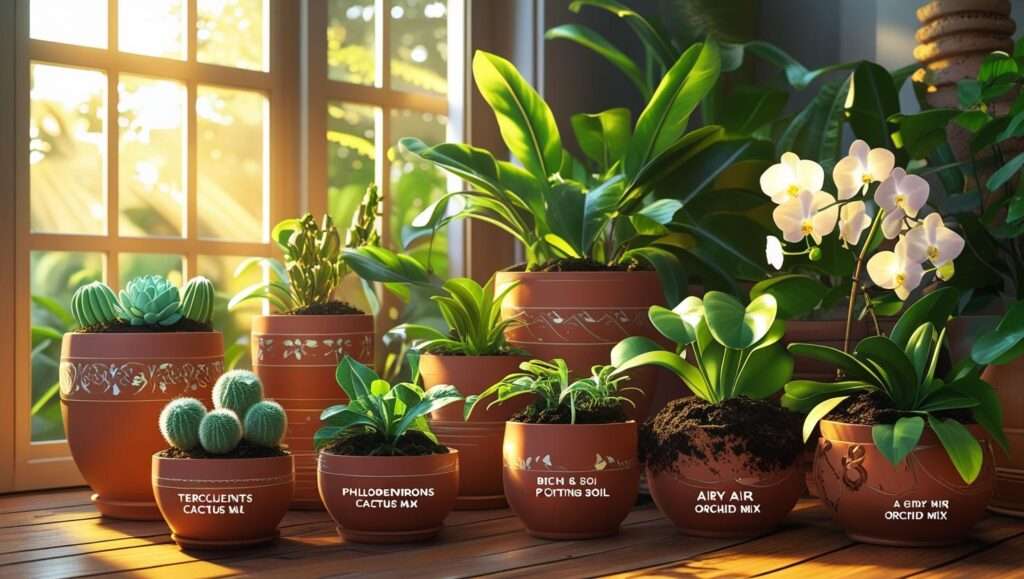
Soil and Potting Use a well-draining mix: 50% cactus/succulent potting soil + 50% perlite, pumice, or coarse sand. Terracotta or unglazed clay pots are best—they wick away excess moisture and prevent overwatering. Ensure pots have drainage holes; add a layer of pebbles or broken pottery at the bottom for extra aeration.
Temperature & Humidity Ideal range: 65–85°F (18–29°C) daytime, no lower than 50°F (10°C) at night. Sunny windowsills can hit 90°F+ in summer—good for these plants but watch for rapid drying. Low humidity is preferred; if your home is very dry from AC, a small pebble tray with water nearby (not touching the pot) helps slightly without raising overall humidity too much.
Fertilizing Feed sparingly during the growing season (spring–summer) with a diluted balanced fertilizer (e.g., 10-10-10 or succulent-specific) every 4–6 weeks. Skip in fall/winter when growth slows. Too much nitrogen causes weak, leggy growth in high light.
Pruning & Shaping Pinch tips of trailing plants like Tradescantia for bushiness. Remove dead leaves from succulents promptly to prevent pests. For jade or geraniums, prune back leggy stems in spring to maintain compact form.
Seasonal Care Guide for Sunny Windowsills
Spring/Summer Peak growth season—water more frequently as soil dries faster, fertilize regularly, and monitor for pests (mealybugs love warm, dry conditions; wipe with alcohol-soaked cotton). Protect from extreme heat waves with light shading if needed.
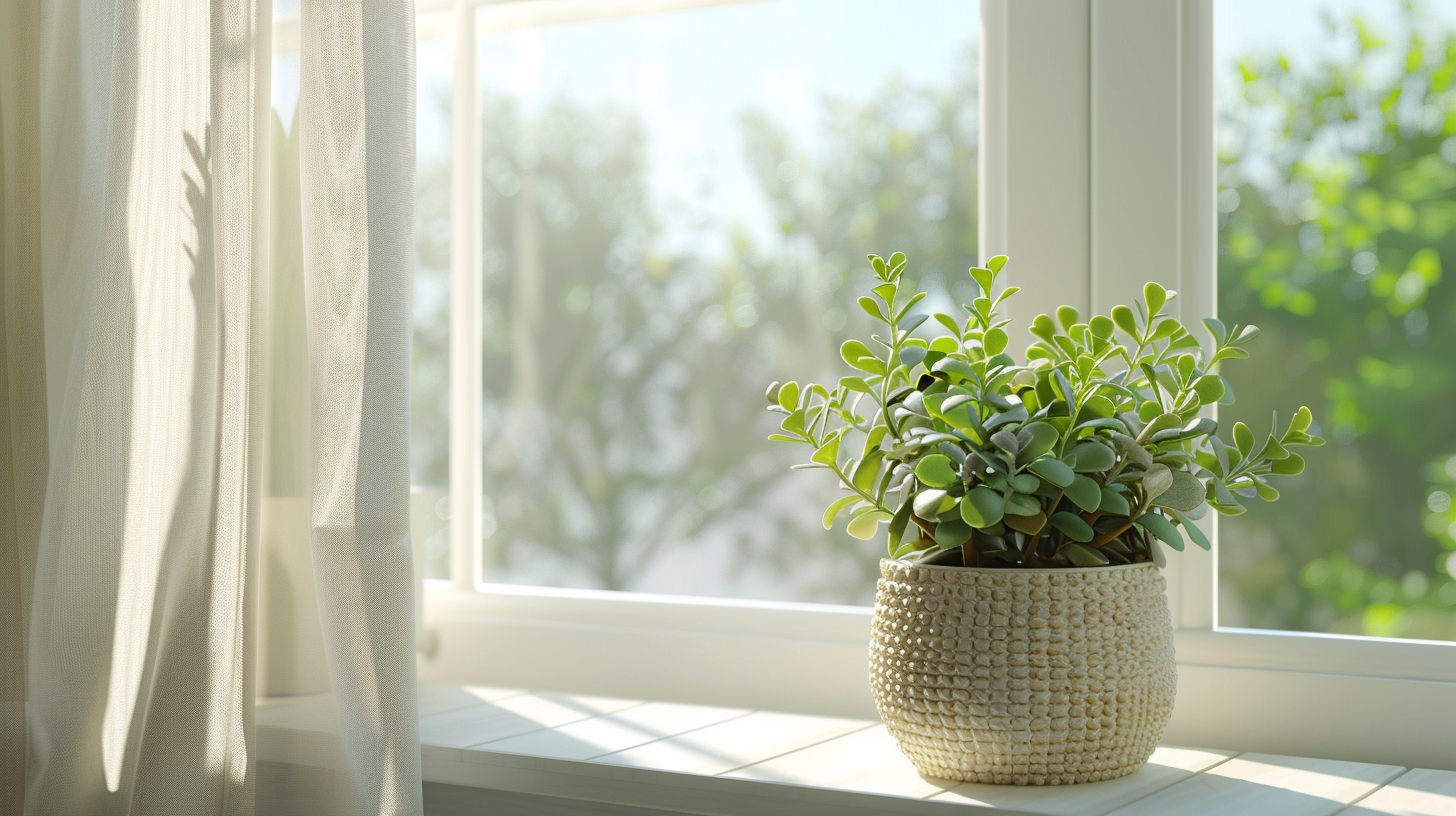
Fall/Winter Reduce watering significantly (every 3–4 weeks or more); plants enter dormancy. Shorter days mean less intense light—move closer to the window if possible. Avoid cold drafts from open windows. If natural light drops below 4 hours direct, consider a small LED grow light for consistency.
Year-Round Pest & Problem Prevention Inspect weekly for spider mites (fine webbing), mealybugs (white cottony spots), or scale. Treat with neem oil or insecticidal soap. Good airflow and not overwatering are your best defenses in hot, bright spots.
Propagation Tips to Multiply Your Collection
One of the joys of these plants is how easily they propagate—turning one into many for free.
- Succulents (Jade, Echeveria, Aloe, Haworthia): Leaf cuttings (twist off healthy leaves, let callus 2–3 days, place on soil) or offsets/pups. Success rate 80–90% in bright light.
- Tradescantia: Stem cuttings in water or soil—roots appear in 1–2 weeks. Pinch and replant tips.
- Geranium/Herbs: Stem cuttings with nodes in water or moist soil. Step-by-step: Use clean tools, bright indirect light initially, then move to sun once rooted. This saves money and lets you create fuller displays.
Common Mistakes and Troubleshooting
- Overwatering/Rot: Soft, mushy stems—repot in dry soil, trim rot, reduce water.
- Sunburn: Brown, crispy edges—move slightly back or add sheer curtain; acclimate better next time.
- Leggy Growth: Too little light paradoxically—ensure 4+ hours direct; supplement if winter is dim.
- Nutrient Deficiencies: Yellowing lower leaves—fertilize lightly; pale color in succulents often means more sun needed. Quick fixes with observation prevent most issues.
Design Ideas: Styling Your Bright Windowsill Garden
Group 3–5 plants for impact: Mix heights (tall aloe behind short echeveria) and textures (spiky haworthia with round jade). Use matching terracotta for cohesion or varied pots for eclectic charm. Theme ideas: All-succulent desert vibe, colorful foliage rainbow, or edible herb corner. Narrow sills? Use slim rail planters or hanging macramé for trailing Tradescantia.
FAQs About Small Houseplants for Bright Windowsills
Can succulents burn in direct indoor sun? Yes, if unacclimated or in very intense midday rays—use sheer curtains initially.
What if my window gets scorching afternoon sun? Opt for toughest picks like jade, aloe, or small cacti; provide light shade during peak heat.
Are these plants pet-safe? Jade is toxic to pets; aloe gel can cause upset if ingested. Haworthia, echeveria, and snake plant are safer options.
How often should I repot? Every 2–3 years or when roots fill the pot—spring is best.
Best beginner picks? Jade plant, aloe vera, and haworthia—forgiving and rewarding in bright light.
Final Expert Advice
Bright windowsills are a gift for indoor gardening when you choose the right small houseplants for bright windowsills—drought-tolerant, thick-leaved varieties that crave the sun rather than fear it. Start simple: Pick 2–3 easy winners like a jade plant, aloe vera, and echeveria, focus on excellent drainage and thoughtful watering, and watch them thrive.
With these expert strategies, you’ll avoid common failures and enjoy a vibrant, air-purifying mini-oasis year-round. Experiment, observe your specific conditions, and soon your sunny ledge will be the envy of every visitor. Have a favorite sun-loving plant or a windowsill success story? Share in the comments—I’d love to hear and offer more tailored tips!