In an era where natural wellness practices are surging and many seek tobacco-free alternatives for relaxation, stress relief, and ceremonial moments, smokable herbs have emerged as a powerful option. Plants like mullein for soothing the lungs, damiana for gentle mood enhancement, and mugwort for dream support offer aromatic, nicotine-free inhalation experiences rooted in centuries of traditional use. Yet for enthusiasts, herbalists, and wellness seekers, one persistent challenge remains: sourcing consistently high-quality, organic, pesticide-free smokable herbs.
Traditional field-grown supplies fluctuate with seasons, weather, and soil conditions—leading to shortages, variable potency, potential pesticide residues, and reduced freshness after long transport. Overharvesting of wild populations adds sustainability concerns. Enter vertical farming innovations: stacked, controlled-environment systems using hydroponics, precise LED lighting, and AI-optimized climates are transforming how these medicinal and aromatic herbs are produced. This breakthrough delivers premium, year-round crops that are cleaner, more potent, and eco-friendly, solving real sourcing problems for anyone crafting herbal blends for wellness or ritual.
As an agricultural expert with years tracking controlled-environment agriculture (CEA) trends and herbal crop production, I’ve seen vertical farming evolve from niche leafy greens to high-value botanicals. In 2025, advancements in energy-efficient LEDs, secondary metabolite tuning, and urban-scale setups make it ideal for smokable herbs—unlocking purer, sustainable options that elevate your blends. This comprehensive guide explores the revolution, practical insights, and future potential.
What Are Smokable Herbs? A Quick Primer for Beginners and Enthusiasts
Smokable herbs refer to dried leaves, flowers, and other plant parts inhaled through pipes, rolling papers, or vaporizers—often as loose blends or herbal cigarettes. Unlike tobacco (nicotine-laden and addictive) or cannabis (psychoactive in many forms), most smokable herbs are non-intoxicating, focusing on flavor profiles, smoothness, and mild therapeutic effects like respiratory support, relaxation, or aromatic ritual.
Historically, cultures worldwide have used herbs for ceremonial smudging (e.g., sage in Indigenous practices), European folk traditions, and ancient relaxation rituals. Today, in 2025, interest explodes among health-conscious consumers avoiding nicotine addiction, seeking natural stress relief, or incorporating mindful inhalation into daily wellness routines. Popular as tobacco alternatives, these herbs align with rising demand for clean, plant-based options in a post-pandemic world emphasizing respiratory health and sustainability.
Key distinctions: Smokable herbs burn cleaner when properly dried, produce lighter smoke, and emphasize benefits from volatile compounds (essential oils) rather than heavy stimulation. Always source from reputable, organic suppliers to avoid contaminants.
Top Smokable Herbs: Profiles, Benefits, and Traditional Uses
Understanding individual herbs helps create balanced blends. Here are the most popular, with evidence-based insights from traditional use and modern herbalism:
Mullein (Verbascum thapsus) Often called the “base” herb for smokable blends, mullein offers fluffy, light leaves that produce exceptionally smooth smoke. Traditionally used for respiratory support, it soothes irritated throats and lungs—making it ideal for those transitioning from tobacco. When smoked, it provides gentle expectorant effects and reduces harshness in blends. In vertical systems, mullein thrives due to its leafy structure and fast growth.
Damiana (Turnera diffusa) Native to Mexico and Central America, damiana delivers a woodsy, slightly sweet flavor with mild euphoric and aphrodisiac qualities. It relaxes nervous tension and uplifts mood without heavy sedation. Its oil-rich leaves ensure smooth burning. Traditional uses include mood enhancement and ceremonial rituals; modern enthusiasts add it for balanced, pleasurable inhalation.
Mugwort (Artemisia vulgaris) Renowned in dreamwork traditions (e.g., European and Asian practices), mugwort promotes vivid dreams and relaxation when smoked before bed. It has a strong, aromatic profile—slightly bitter and herbaceous—so it’s best blended. Supports lucid dreaming rituals and calming effects.
Marshmallow Leaf (Althaea officinalis) A demulcent powerhouse, marshmallow moistens and soothes dry throats, countering any harshness. Neutral flavor makes it an excellent base or supportive herb for smooth draws.
Other notables
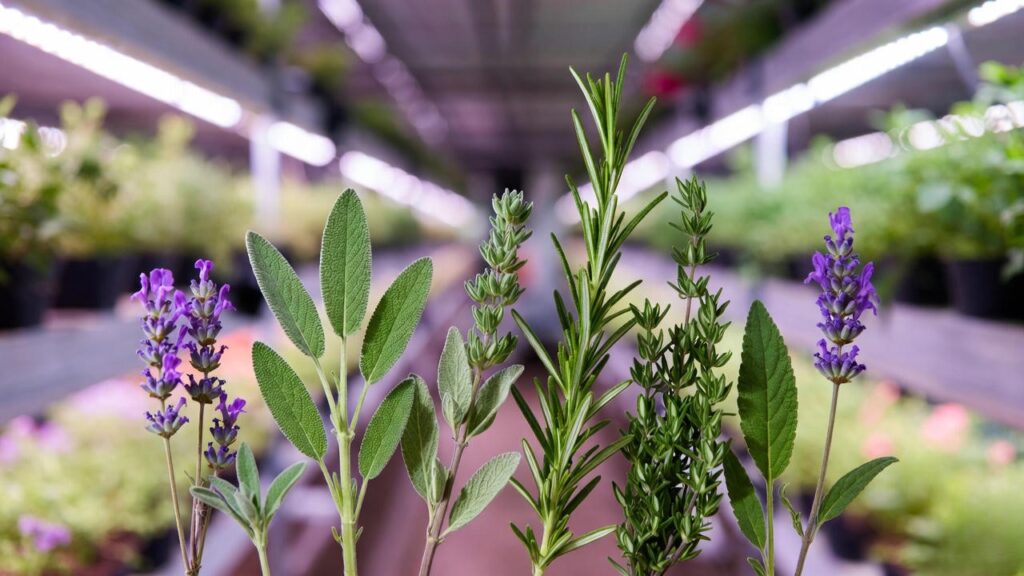
- Lavender and chamomile: Calming, floral notes for relaxation.
- Peppermint: Cooling, invigorating flavor.
- Rose petals: Mildly sweet, heart-opening for rituals.
- Skullcap: Gentle nervous system support.
Expert note: Prioritize organic, lab-tested sources. Improper drying causes harsh smoke or mold risks—vertical farming’s controlled drying excels here.
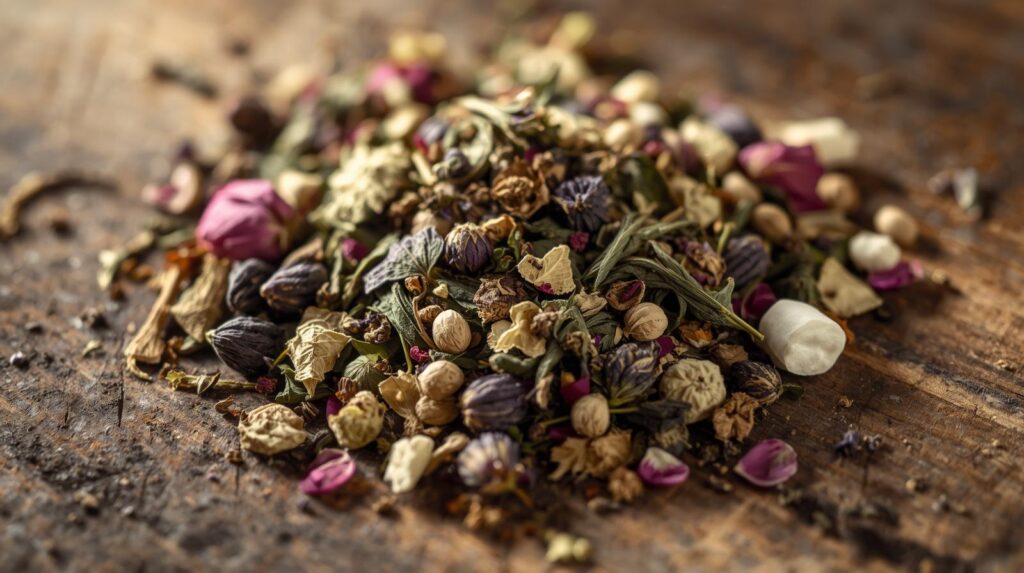
Challenges in Traditional Smokable Herb Production
Field-grown herbs face persistent hurdles that impact quality for blenders and users:
- Seasonal dependency: Mullein and mugwort peak in summer/fall; damiana requires warm climates—leading to off-season shortages.
- Pesticide and contaminant risks: Conventional farming uses chemicals; wild-harvested plants risk heavy metals or pollution.
- Potency inconsistency: Soil variations, weather stress, and harvest timing affect essential oil content and bioactive compounds.
- Supply chain vulnerabilities: Long-distance transport reduces freshness, increases carbon footprint, and raises spoilage.
- Sustainability issues: Overharvesting threatens wild mugwort and mullein in some regions.
These problems limit reliable access to premium blends, frustrating wellness practitioners and ritual users who need consistent quality.
How Vertical Farming Innovations Are Changing the Game
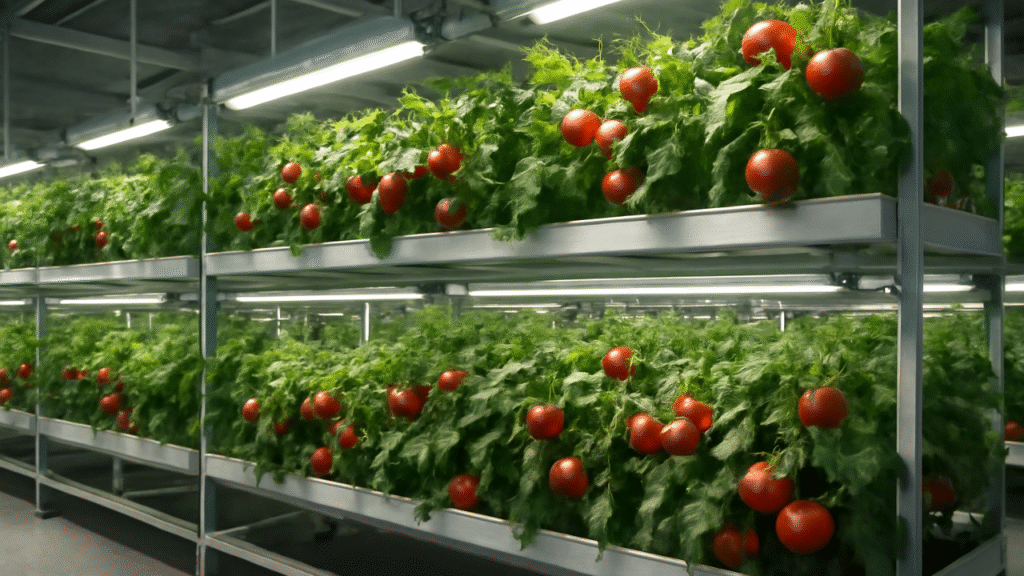
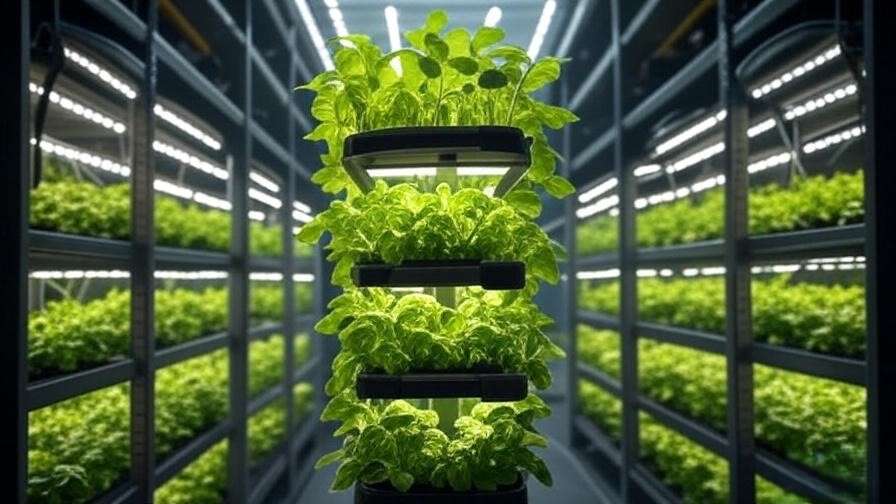
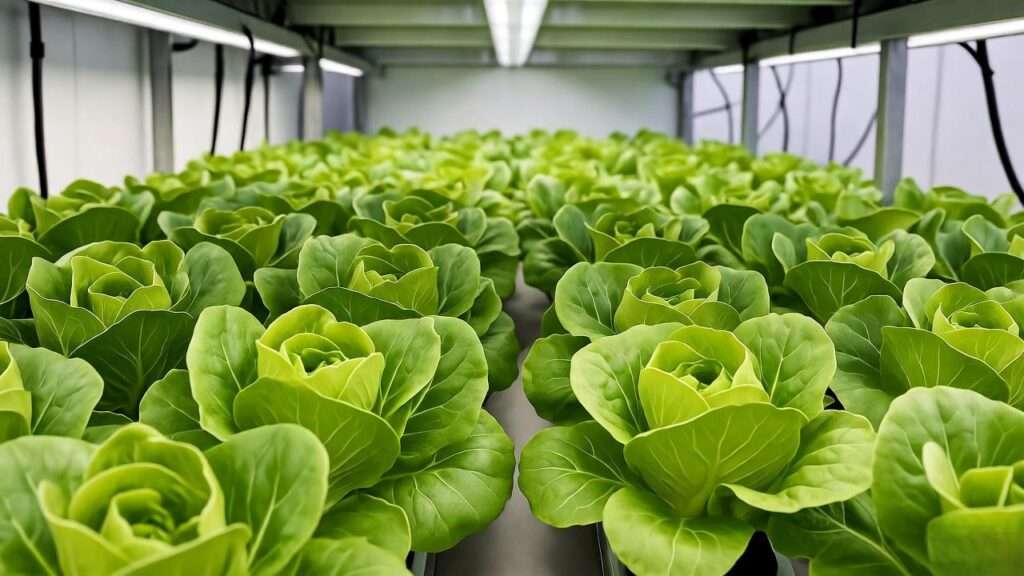
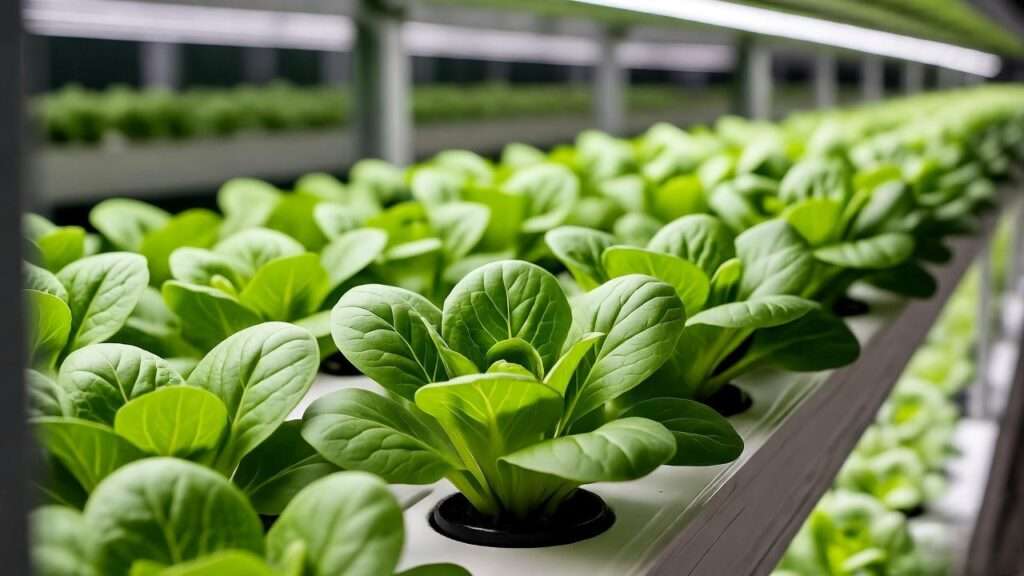
Vertical farming—stacked hydroponic or aeroponic systems in controlled environments—addresses these issues head-on. Core tech includes:
- Multi-layer stacking for high-density production.
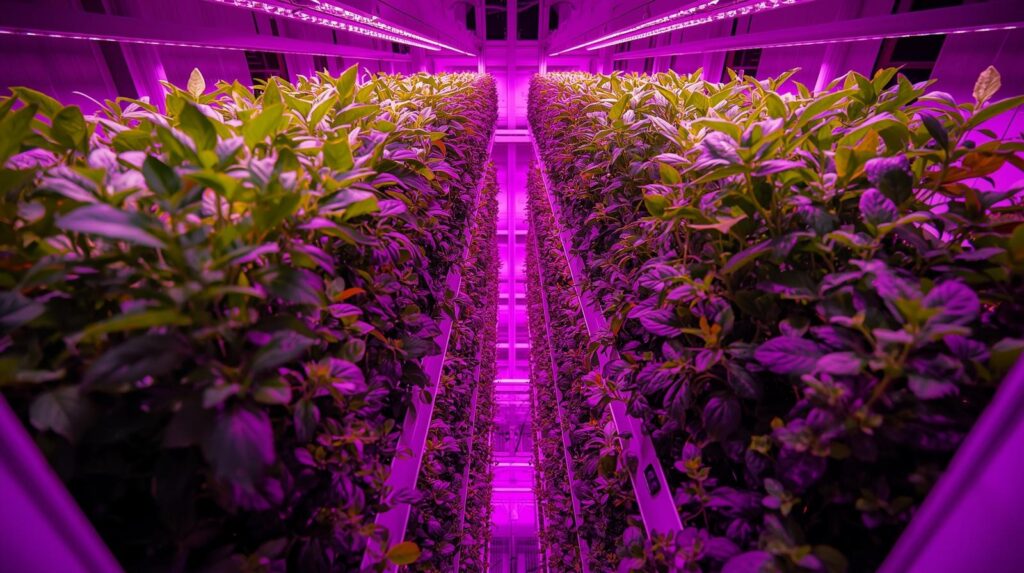
- LED lighting tuned to spectra (e.g., blue for vegetative growth, red for aroma enhancement).
- Hydroponics/aeroponics for precise nutrient delivery.
- Climate control (temperature, humidity, CO2) via sensors and AI.
Advantages for smokable herbs
- Year-round consistency—no seasonal gaps, enabling steady supply for blends.
- Pesticide-free: Closed-loop systems eliminate residues, producing cleaner, safer herbs.
- Enhanced potency: Optimized light recipes boost secondary metabolites (e.g., essential oils in damiana or flavonoids in mullein). Research in 2025 shows CEA increases bioactive compounds in medicinal herbs.
- Space and resource efficiency: 90–95% less water, minimal land—ideal for urban farms near consumers.
- Sustainability: Reduced transport emissions, lower ecological footprint.
Real examples: While most vertical farms focus on leafy greens/herbs like basil/mint, 2025 trends extend to medicinal/aromatic plants. Trials with mullein-like leafy species show promise; hybrid systems integrate for higher-value botanicals.
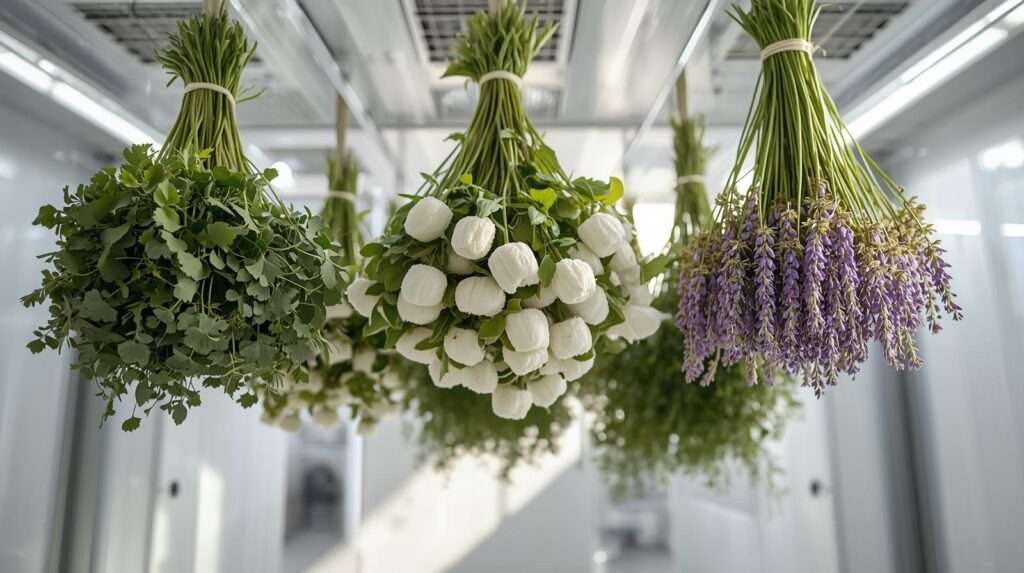
Growing Smokable Herbs in Vertical Systems: Practical Insights
Not all herbs suit vertical farming equally, but fast-growing, leafy types excel:
- Best candidates: Mullein (tall but adaptable), marshmallow leaf, lavender, peppermint; damiana and mugwort in trials (shorter cycles, hydroponic compatibility).
System types:
- Nutrient Film Technique (NFT) for constant flow.
- Aeroponic misting for oxygen-rich roots.
- Tower gardens for home/small-scale.
Key parameters:
- Light: Full-spectrum LEDs; adjust ratios for aroma/potency (e.g., increased UV-B for secondary metabolites).
- Nutrients: Balanced NPK with micronutrients for leaf density.
- Harvest timing: Peak essential oils before flowering.
Post-harvest: Controlled drying (low humidity, airflow) preserves smokability—superior to field curing.
Scale: Home DIY (e.g., hydroponic towers) to commercial farms supplying premium blends.
Vertically farmed herbs shine in custom blend creation due to their uniform quality, enhanced aroma from optimized growth, and cleanliness. Here’s how to build effective, balanced smokable blends using these superior materials.
Blend Structure Basics Most successful herbal smoking blends follow a 3-part formula:
- Base herbs (50–75%): Provide bulk, smoothness, and easy burning. Mullein and marshmallow leaf dominate here—their fluffy, neutral profiles ensure gentle smoke.
- Action/support herbs (20–40%): Deliver desired effects like relaxation, mood lift, or respiratory aid. Damiana, skullcap, or mugwort fit perfectly.
- Flavor/aromatic herbs (5–20%): Add taste and appeal. Lavender, peppermint, rose petals, or chamomile enhance enjoyment without overpowering.
Sample Recipes Using Vertically Grown Herbs These proportions assume high-quality, properly dried material from controlled environments (fresher oils = better flavor and smoother burn).
- Relaxation Evening Blend
- 60% Mullein (smooth base, lung support)
- 20% Skullcap (nervous system calm)
- 10% Chamomile (mild sedative floral note)
- 10% Lavender (soothing aroma) Ideal for winding down; vertically grown versions yield more consistent potency in calming compounds.
- Ritual / Dreamwork Blend
- 50% Mullein (smooth carrier)
- 25% Mugwort (dream enhancement, aromatic bitterness balanced by base)
- 15% Rose petals (heart-opening, sweet floral)
- 10% Lavender (calming bridge) Smoke small amounts 30–60 minutes before sleep for lucid dreaming support—controlled growth ensures mugwort’s volatile oils remain potent without degradation.
- Respiratory Support / Transition Blend (for those reducing tobacco)
- 70% Mullein (primary soother)
- 15% Marshmallow leaf (throat moistening)
- 10% Peppermint (cooling, clearing)
- 5% Damiana (mild uplift to ease cravings) The clean, residue-free nature of vertical herbs makes this especially gentle on lungs.
Customization Tips
- Adjust for throat feel: Increase marshmallow if smoke feels dry; add more mullein for fluffiness.
- Potency tuning: Vertically optimized herbs often have higher essential oil content—start with smaller ratios of strong ones like mugwort to avoid overpowering.
- Drying/curing: Even with premium material, air-dry in low humidity (40–50%) for 7–14 days, then jar-cure for 2–4 weeks to develop full flavor.
- Storage: Keep blends in airtight glass jars away from light/heat for 6–12 months of peak quality.
Safety and Legal Notes Start low (1–2 puffs) to assess tolerance. These are not medical treatments—consult a healthcare professional for therapeutic intent. Legality varies: Mugwort and damiana are generally unrestricted in most places, but always check local regulations. Avoid if pregnant, breastfeeding, or with respiratory conditions without guidance.
Benefits for Users: Why Vertically Farmed Smokable Herbs Stand Out
Vertically grown herbs address core user pain points better than traditional sources:
- Unmatched Purity and Cleanliness: Closed systems eliminate pesticides, heavy metals, and environmental pollutants—critical for inhalation. No residues mean smoother, less irritating smoke.
- Consistent Potency and Freshness: Precise light/nutrient control boosts secondary metabolites (e.g., essential oils in damiana, flavonoids in mullein), delivering reliable effects batch after batch. Year-round harvest means fresher material, preserving volatile compounds lost in long transport.
- Sustainability and Ethics: 90–95% less water, near-zero land use, and local/urban production cut emissions. Supports ethical sourcing over wild-harvesting that risks depleting populations.
- Accessibility for Wellness and Ritual: Reliable supply enables consistent use in daily relaxation, ceremonial practices, or tobacco reduction—empowering mindful inhalation without scarcity worries.
- Enhanced Experience: Users report smoother burns, richer flavors, and stronger subtle effects from optimized herbs, elevating blends from “good” to premium.

In short, vertical farming turns smokable herbs from variable wild/foraged products into a dependable, high-quality wellness tool.
The Future of Smokable Herbs in Vertical Farming
As of late 2025, vertical farming for medicinal/aromatic plants accelerates rapidly. Recent research highlights CEA boosting compounds like apigenin in chamomile/parsley—principles extend to smokable herbs (e.g., enhanced volatiles in lavender or damiana).
Scaling Potential More farms specialize in high-value botanicals; partnerships between herbal brands and CEA operators emerge for dedicated lines. Home-scale systems (hydroponic towers, LED-optimized kits) democratize growing mullein, marshmallow, or peppermint indoors.
Innovation Outlook
- Tailored LED spectra/UV supplementation to amplify bioactive profiles.
- AI-driven monitoring for precise harvest timing.
- Expanded trials: Damiana, mugwort, and mullein show promise in hydro/aeroponic setups; genetic selection for compact, high-oil varieties.
- Integration with wellness: Branded “vertically grown” blends marketed for purity and sustainability.
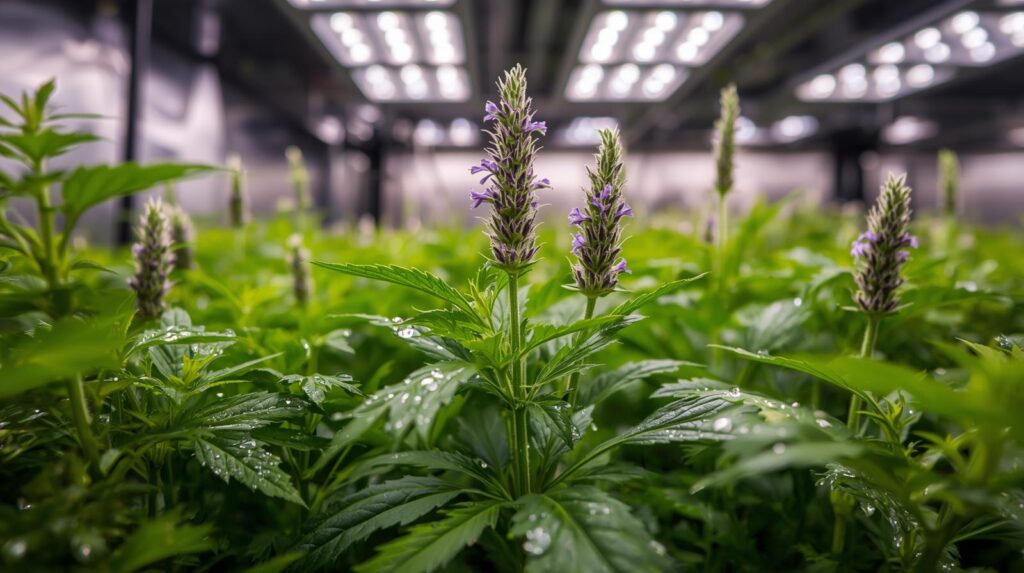
Challenges Ahead Energy costs remain high (though renewables help); initial setup barriers limit small growers; regulatory scrutiny on “medicinal” claims persists. Still, momentum favors expansion.
Optimistically, this fusion of ancient herbal traditions with modern CEA heralds accessible, premium smokable herbs—cleaner, greener, and more potent than ever.
FAQs
What are the best smokable herbs for beginners? Start with mullein (smooth, neutral) blended with marshmallow leaf. Add small amounts of peppermint or lavender for flavor. Avoid strong ones like mugwort solo until experienced.
Is vertical farming suitable for growing damiana or mugwort? Yes—both adapt well to hydroponics/aeroponics with proper light (full-spectrum LEDs) and warmth. Trials show success; shorter cycles suit compact vertical systems.
Are vertically grown herbs safer to smoke? Significantly—pesticide-free, controlled environments reduce contaminants. Fresher, optimized plants burn cleaner with fewer irritants than field-grown or wild-harvested.
How do I store homemade herbal blends? Use airtight glass jars in cool, dark places. Cure first, then check periodically for mold. Properly stored, blends maintain quality 6–12+ months.
Can vertical farming reduce the cost of premium smokable herbs? Long-term yes—efficiency, year-round output, and local production lower supply costs. Early adoption remains premium, but scaling trends point to greater affordability.
Are there any risks or precautions when smoking herbs? Any smoke inhalation carries risks (tar, particulates). Use moderately; avoid if asthmatic or with lung issues. Not a substitute for medical treatment. Source organically and start slow.
Conclusion
Vertical farming innovations solve longstanding sourcing challenges for smokable herbs, delivering pesticide-free, potent, year-round supplies that transform wellness and ritual practices. From smoother mullein bases to richly aromatic damiana blends, these advancements offer cleaner, more sustainable options aligned with mindful living.
Explore vertically sourced herbs, experiment with small home setups, or support emerging CEA farms. The marriage of timeless botanical wisdom and cutting-edge agriculture promises a future where premium, eco-conscious herbal blends are accessible to all—enhancing relaxation, ceremony, and well-being without compromise.