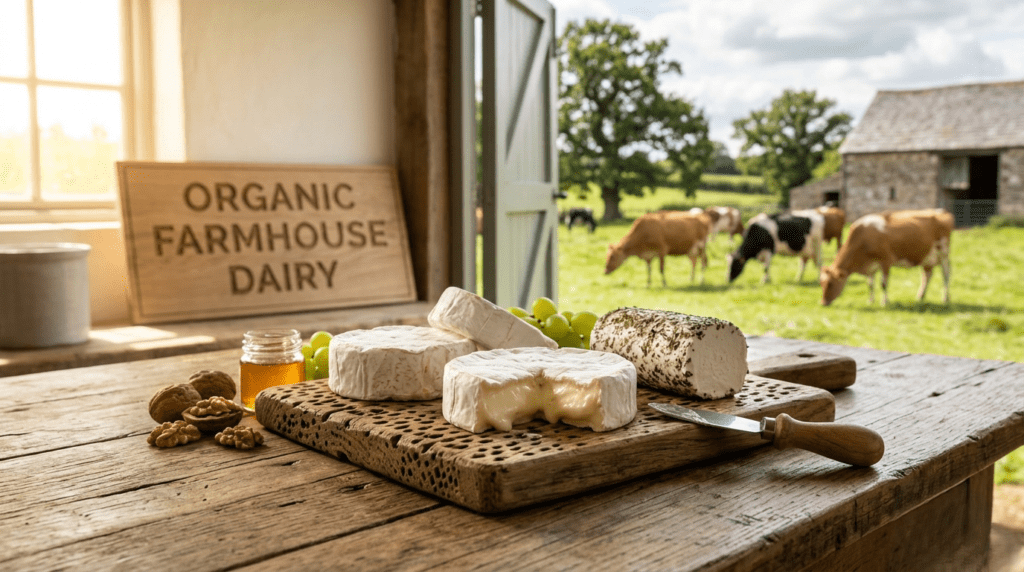
Imagine the perfect wheel of Camembert: a velvety, snow-white rind that yields to a center so creamy it nearly flows like molten gold. Now, imagine that this level of perfection was achieved without a single synthetic pesticide, hormone, or artificial stabilizer. In the world of high-end dairy, the demand for Soft Cheeses produced under strict organic farming practices is at an all-time high. Consumers are no longer just buying food; they are buying a story of soil health, animal welfare, and artisanal integrity. However, for the producer, this path is paved with complexity. Crafting a shelf-stable, pathogen-free, and flavorful soft cheese in a natural ecosystem requires more than just a recipe—it requires a mastery of the entire farm organism.
This guide serves as a comprehensive blueprint for farmers, homesteaders, and agricultural entrepreneurs who aim to dominate this niche by merging traditional wisdom with modern organic science.
I. Understanding Soft Cheeses in an Organic Context
To master the craft, one must first understand the unique vulnerability and potential of the product.
What Defines a Soft Cheese?
In technical terms, soft cheeses are characterized by their high moisture content, typically ranging from 50% to over 60%. Unlike hard cheeses (like Cheddar or Parmesan), soft cheeses are rarely pressed. Instead, the curd is gently ladled into molds, allowing gravity to do the work of expelling whey. Because they are high-moisture and often have a “bloomy” or “washed” rind, they are biologically active environments.
Common varieties include:
-
Bloomy Rinds: Brie and Camembert.
-
Fresh Cheeses: Chèvre, Ricotta, and Cottage Cheese.
-
Brined Soft Cheeses: Feta.
The “Terroir” of Organic Dairy
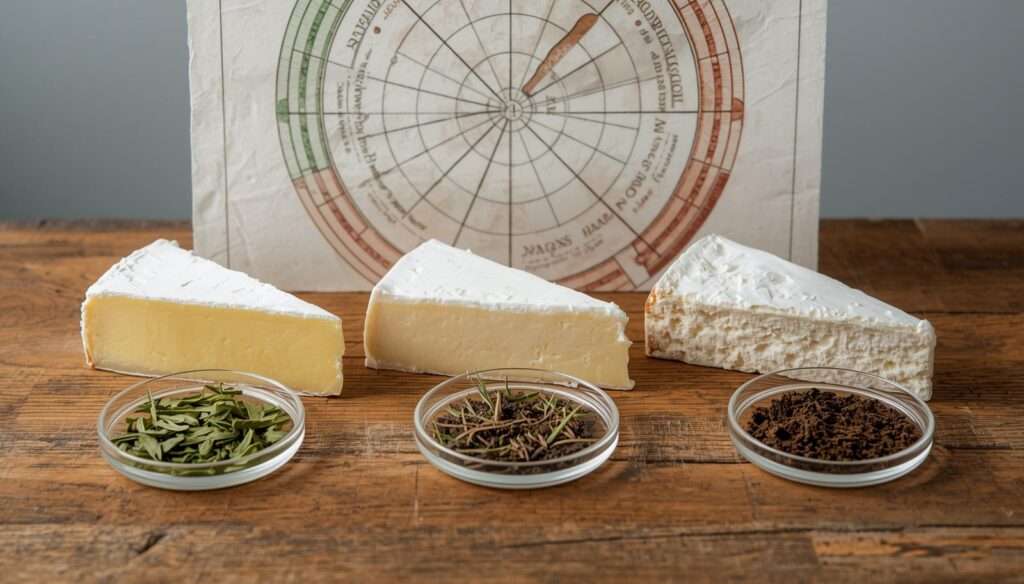
In organic farming, we often speak of terroir—the “taste of place.” Because organic practices forbid the use of synthetic nitrogen fertilizers, the pasture is composed of a diverse array of legumes, grasses, and forbs. This biodiversity translates into a complex aromatic profile in the milk. In soft cheeses, where the milk is less processed and aged for shorter periods, these subtle botanical notes—the clover, the wild mint, the rye—shine through more clearly than in any other dairy product.
II. The Foundation: Organic Farming Practices for Premium Milk
You cannot make premium organic cheese from mediocre milk. In an organic system, the milk is a direct reflection of the soil.
Soil Health and Pasture Management
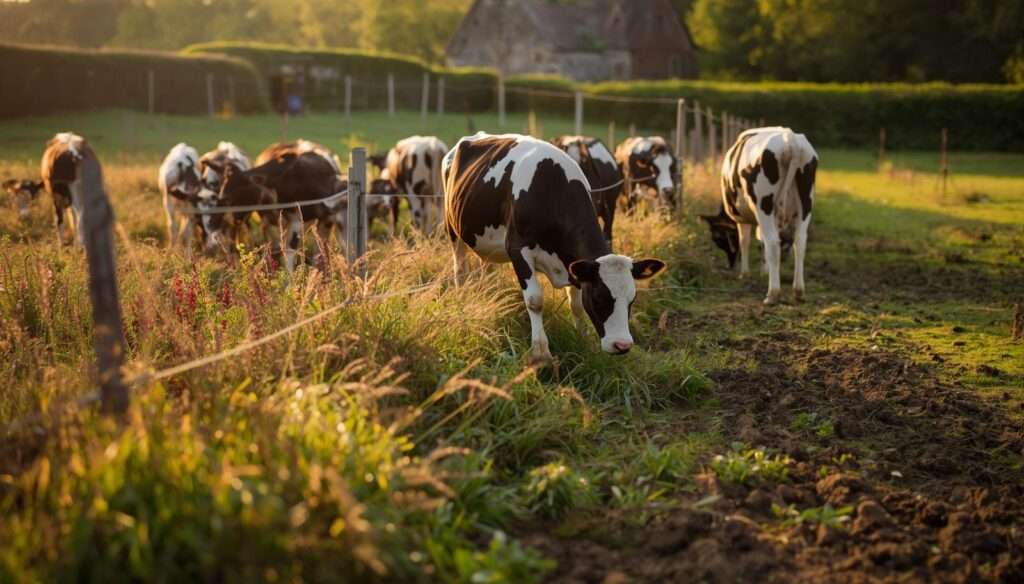
The journey begins beneath the hooves of the herd. Regenerative grazing is the cornerstone of organic dairy. By utilizing rotational grazing, farmers ensure that livestock always have access to the “iceberg lettuce” of the grass—the nutrient-dense top third of the plant.
-
Carbon Sequestration: Healthy, organic soils rich in organic matter produce forage with higher mineral content.
-
Diverse Swards: Instead of a monoculture of Kentucky Bluegrass, organic pastures should feature multi-species swards. Legumes like white clover fix nitrogen naturally, while deep-rooted chicory brings up minerals from the subsoil, directly improving the coagulation properties of the milk.
Organic Animal Husbandry & Welfare
High-quality soft cheese requires milk with low Somatic Cell Counts (SCC). Stress, poor bedding, and lack of movement increase SCC, which introduces enzymes that break down protein and fat prematurely, leading to bitter flavors in soft cheese.
Organic standards (such as the USDA 120-day grazing rule) ensure that animals live in their natural habitat. This isn’t just about ethics; it’s about chemistry. Pasture-raised cows and goats produce milk higher in Omega-3 fatty acids and Conjugated Linoleic Acid (CLA), which affects the “mouthfeel” and melting point of the cheese fats.
Organic Feed and Nutrition
While pasture is primary, supplemental feeding must be 100% certified organic. For soft cheese production, maintaining a consistent balance of protein and energy is vital. A sudden shift in feed can change the milk’s pH, which can ruin a batch of delicate Brie. Expert producers often use “hay-milk” (Heumilch) standards, avoiding fermented silages which can harbor Clostridium spores—the nemesis of high-moisture cheeses.
III. Health, Hygiene, and Herd Management
In conventional farming, a flare-up of mastitis is met with antibiotics. In organic farming, that tool is removed from the shed. This necessitates a “prevention-first” architecture.
Disease Prevention Without Antibiotics
Managing a dairy herd for soft cheeses organically requires rigorous hygiene.
-
Pre-and-Post Dipping: Using organic-approved iodine or lactic acid-based teat dips.
-
Dry Cow Therapy: Using internal teat sealants (if permitted by your local organic certifier) and nutritional boosts like Vitamin E and Selenium to bolster the immune system.
-
Culling for Resilience: Selecting breeds (like the Jersey for cows or the Alpine for goats) that are known for robust health and high solids-not-fat (SNF).
Raw vs. Pasteurized Milk in Organic Systems
This is where the US and Global contexts diverge significantly.
-
The US Context: The FDA requires that any cheese made from raw milk must be aged for at least 60 days at temperatures not less than 35°F. Since most soft cheeses (Brie, Camembert, fresh Chèvre) are best consumed within 20–30 days, US organic producers almost exclusively use VAT Pasteurization. This “low and slow” method (145°F for 30 minutes) is preferred over HTST (High Temperature Short Time) because it is gentler on the milk proteins, preserving the “farm-fresh” character.
-
The Global Context: In Europe, particularly France and Italy, raw milk soft cheeses (AOP) are the gold standard. These producers rely on “Pathogen Competition”—where the beneficial organic microflora in the raw milk actually outcompete harmful bacteria like Listeria.
IV. The Organic Cheesemaking Process: Crafting Soft Cheeses
Once the milk leaves the parlor, the focus shifts to the creamery. Every ingredient added must be scrutinized for organic compliance.
Sourcing Organic Ingredients
-
The Cultures: You cannot use just any starter. For an organic label, the cultures must be non-GMO and produced on organic media. For soft cheeses, you will likely use Mesophilic starters for acidification and Penicillium candidum or Geotrichum candidum for that signature white rind.
-
The Rennet: While traditional animal rennet is allowed in organic standards, many modern organic producers opt for microbial rennet (derived from fermented fungi) to appeal to the vegetarian-organic demographic. However, ensure the microbial rennet is not produced via “Fermentation Produced Chymosin” (FPC) using GMO yeast, as this is prohibited in organic farming.
-
The Salt: Salt is the only major ingredient not “certified organic” (as it is a mineral), but it must be pure. Avoid salts with anti-caking agents like yellow prussiate of soda.
Step-by-Step Production Logic
-
Innoculation: Adding cultures to warm milk. In organic systems, we often allow a longer “pre-ripening” period to let the natural milk flavors develop.
-
Coagulation: Adding rennet. For soft cheese, we look for a “clean break” that is slightly fragile, ensuring the curd retains enough moisture.
-
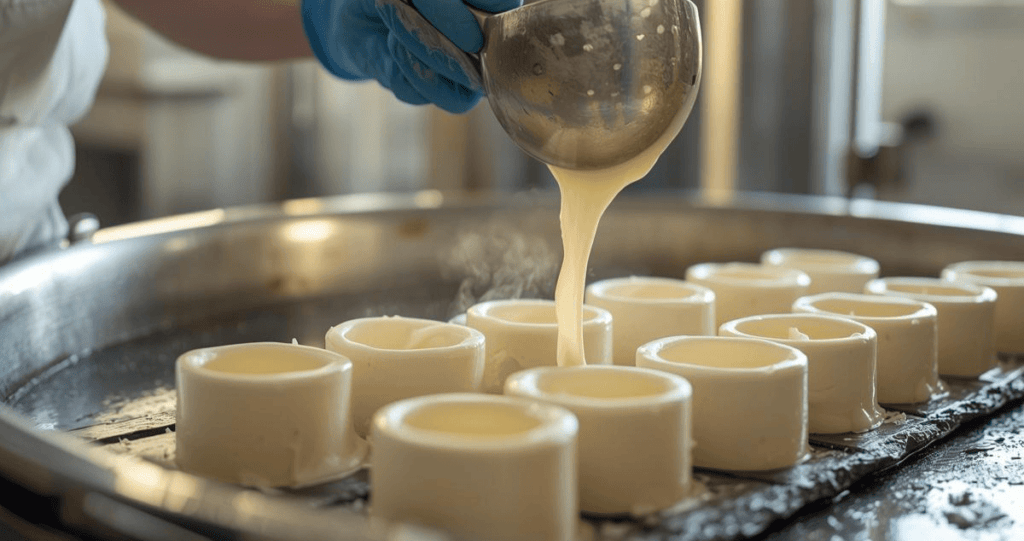
The Lading: This is a manual art. Curds are gently placed into hoops. If you break the curd too much, you lose the “cream line,” and the cheese becomes dry and chalky.
-
Draining and Turning: The hoops are turned several times over 24 hours. This ensures the moisture is evenly distributed—a critical factor for the organic rind-ripening process.
V. The Affinage: Managing the Organic Rind
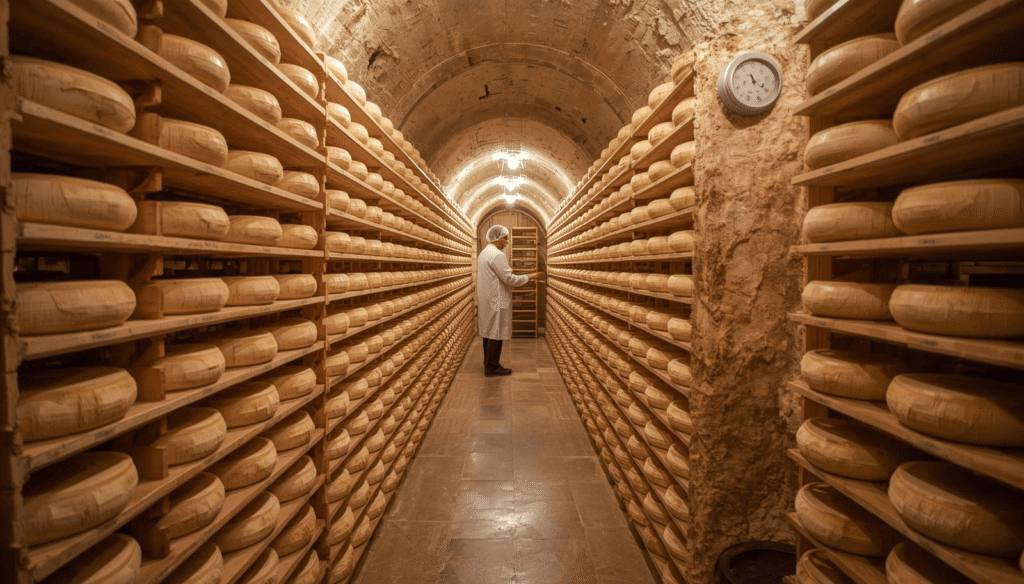
Once the cheese has drained and been salted, it enters the most critical phase for any soft variety: the affinage (aging). In the context of soft cheeses produced under organic farming practices, this stage is a delicate dance between biology and environment.
The Science of the Bloomy Rind
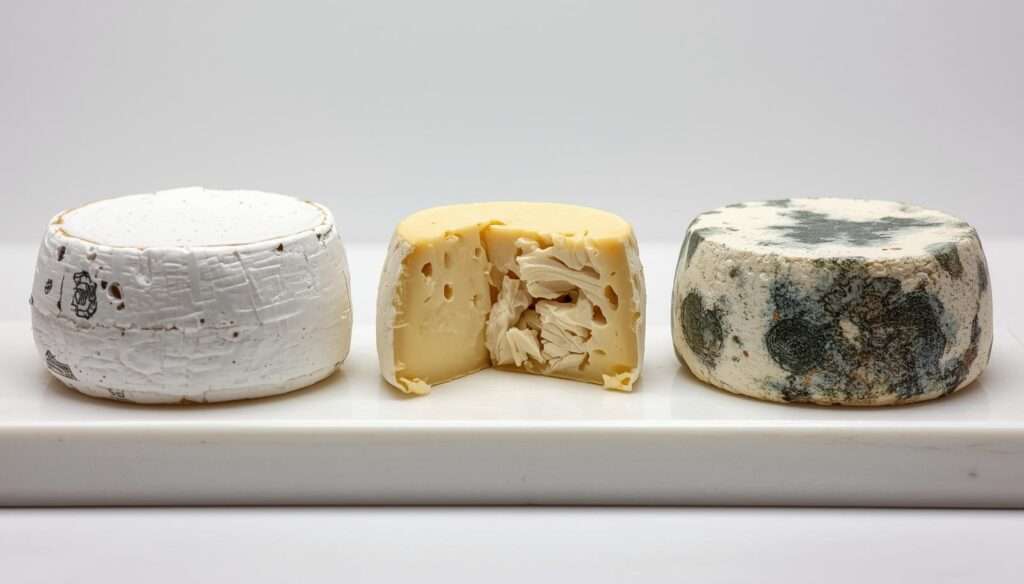
For cheeses like Brie and Camembert, the white crust is actually a living forest of Penicillium candidum. In an organic creamery, you cannot use chemical fungicides to control “rogue” molds. Instead, you must manage the “biota” of the aging room.
-
Airflow: Proper circulation prevents “dead air” pockets where mucor (black bread mold) can take hold.
-
Humidity Management: Soft cheeses require roughly 90–95% humidity. If it drops, the rind becomes thick and “toady”; if it’s too high, the cheese may suffer from “slip skin,” where the rind liquefies and detaches from the paste.
Ecological Sanitation
In an organic affinage, sanitation relies on steam, hot water, and organic-approved peracetic acid or hydrogen peroxide solutions rather than harsh chlorine-based bleaches. Maintaining a “resident” beneficial flora on the aging boards (often made of untreated organic spruce or food-grade polymers) helps outcompete pathogens naturally.
VI. Troubleshooting: Common Challenges in Organic Production
Expertise is defined by how a producer handles things when they go wrong. Organic soft cheese is prone to specific defects due to the lack of chemical stabilizers.
1. Bitterness in the Paste
This is often caused by using too much rennet or by specific “weedy” flavors in the milk (such as wild garlic or ragweed) that are concentrated during the curd-making process.
-
The Organic Fix: Adjust grazing rotations to ensure cows are not eating bitter-tasting weeds 2–4 hours before milking. Reduce rennet slightly and allow for a longer, cooler coagulation period.
2. Excessive Runniness (Proteolysis)
If a soft cheese becomes liquid too quickly, it’s usually a sign of high pH or excessive moisture.
-
The Organic Fix: Ensure the “starter” culture is robust. In organic farming, because we don’t use “booster” chemicals, the vitality of your mother culture is everything. Test the pH of your curd before lading; it should ideally be between 4.6 and 4.7 for most soft varieties.
3. The “Ammonia” Smell
Soft cheeses naturally produce some ammonia as proteins break down, but an overwhelming “cat urine” smell indicates the cheese is overripe or the rind was too wet.
-
The Organic Fix: Improve the “drying” phase before the cheese enters the aging room. The surface must be touch-dry before the molds begin to grow.
VII. Global Market Context: US vs. International Standards
Navigating the business of organic soft cheese requires an understanding of different regulatory landscapes.
| Feature | US (USDA Organic / FDA) | Global (EU / International) |
| Raw Milk Allowance | Prohibited for cheeses aged <60 days. | Allowed and celebrated (e.g., Brie de Meaux). |
| Animal Welfare | Strict “Access to Pasture” rule (120 days). | Often tied to specific regional “Terroir” laws. |
| GMO Policy | Zero tolerance in feed or processing aids. | Zero tolerance; often includes stricter seed-level rules. |
| Market Positioning | Viewed as a “Premium Health” product. | Viewed as a “Cultural Heritage” product. |
VIII. Establishing E-E-A-T: The Path to Authority
To rank as a skyscraper-level resource and appeal to Google Discover, your farm or brand must demonstrate Experience, Expertise, Authoritativeness, and Trustworthiness.
Transparency as Trust
The most successful organic dairy producers share their “Soil-to-Shelf” journey. This includes:
-
Certifications: Proudly displaying USDA Organic, Grass-fed, or Animal Welfare Approved seals.
-
Lab Testing: Regularly publishing (or referencing) somatic cell count averages and pathogen-free test results to prove that “organic” doesn’t mean “unregulated.”
-
Educational Outreach: Hosting “Field Days” or webinars on organic soil mineralogy—showing the world you aren’t just a cheesemaker, but a land steward.
IX. Frequently Asked Questions (FAQs)
Q: Can I produce organic soft cheese without a professional creamery?
A: While small-batch “homestead” cheese is possible, selling it requires a licensed facility that meets Grade A dairy standards (in the US) or local health authority codes globally. Organic certification is an additional layer of auditing on top of these food safety rules.
Q: Why is organic soft cheese more expensive?
A: The cost reflects the lower milk yields of pasture-based animals, the higher cost of certified organic grain, and the intensive manual labor involved in lading and turning soft curds without mechanical assistance.
Q: Is vegetable rennet “more organic” than animal rennet?
A: Not necessarily. Both can be certified organic. The choice is usually based on the target market (e.g., vegetarians) rather than the organic integrity itself.
Q: How does climate change affect organic soft cheese production?
A: Changes in rainfall patterns affect pasture diversity. Organic farmers are leading the way in “Climate-Smart” agriculture by using deep-rooted perennial grasses that stay green during droughts, ensuring milk quality remains stable year-round.
X. Conclusion: The Future of Organic Artisan Dairy
Mastering soft cheeses within the framework of organic farming practices is perhaps the ultimate expression of agricultural craft. It requires the precision of a chemist, the patience of a monk, and the grit of a farmer. By focusing on soil health as the primary ingredient and treating hygiene as a biological management strategy rather than a chemical one, you can produce a dairy product that is not only superior in flavor but also restorative to the planet.
As global food trends shift toward transparency and “clean labels,” the farmstead producer who masters these guidelines will find themselves not just competing in the market, but leading it.
Are you ready to transition your dairy operation or start your organic cheesemaking journey? Subscribe to our newsletter for weekly “Agricultural Tips and Guidelines,” or browse our deep-dive guides on pasture mineralogy and artisanal fermentation. Leave a comment below with your biggest challenge in organic dairy—we respond to every inquiry with expert advice.