Imagine waking up on a crisp morning, stepping into your backyard, and collecting a basket of warm, fresh eggs laid just hours ago by your own hens. No more store-bought eggs with questionable origins—just nutritious, flavorful eggs perfect for your family’s breakfasts, baking, and meals. If you’re a beginner wondering how to start with chickens for family eggs without getting overwhelmed by too many birds or falling short on production, you’re in the right place.
As an agricultural expert with years of hands-on experience raising backyard flocks and advising homesteaders, I’ve helped countless families achieve reliable home egg production. This comprehensive guide draws from proven poultry practices, real-world data from thousands of keepers, and the latest insights as of 2025. We’ll calculate exactly how many hens you need based on your household’s consumption, avoiding common pitfalls that lead to either egg shortages or excess waste. By the end, you’ll have a clear, actionable plan to start your flock confidently.

Understanding Your Family’s Egg Needs
The foundation of deciding how many chickens to start with for family eggs lies in accurately assessing your household’s consumption. Underestimating leads to disappointment; overestimating results in surplus eggs spoiling or unnecessary feed costs.
How Many Eggs Does Your Family Really Use?
Start by tracking your weekly egg usage for at least two weeks. Include everything: scrambled eggs for breakfast, omelets, baking (cakes, cookies, custards), and recipes like quiches or frittatas.
- A typical family of 2–3 uses 1–2 dozen eggs per week (12–24 eggs).
- Families of 4–6 often consume 2–4 dozen (24–48 eggs), especially if baking frequently or eating eggs daily.
- Heavy users (e.g., large families or those following high-protein diets) may need 4+ dozen.
Factor in extras: Plan for 10–20% more to cover sharing with neighbors, gifting, or unexpected recipe demands. Seasonal variations matter too—many families use more eggs during holiday baking.
Expert Tip: Use a simple calculator: Multiply daily eggs per person (average 0.5–1 egg) by household size and days per week. For a family of 4 eating eggs 4–5 times weekly plus baking, aim for 24–36 eggs/week as a baseline.
Real-world data from backyard chicken communities (e.g., forums and surveys in 2025) shows most beginner families thrive with 2–3 dozen weekly for self-sufficiency without overwhelming surplus.
Realistic Egg Production Expectations
Not every hen lays an egg daily—production varies by breed, age, health, diet, and season.
A healthy laying hen averages 4–6 eggs per week (200–300 annually) during peak years (ages 1–3). High-production hybrids can hit 5–7 eggs/week, while heritage breeds often produce 3–5.
Key reducers:
- Winter short days: Production can drop 50–100% without supplemental lighting.
- Molting (annual feather renewal): Hens pause laying for 4–8 weeks.
- Stress, heat, or age: Older hens (4+ years) lay 2–4 eggs/week.
- Broodiness: Some breeds stop laying to sit on eggs.
Pro Insight: Expect 70–80% peak output year-round on average. For reliable family eggs, build in a buffer—plan for 20–30% fewer eggs than maximum calculations suggest.
Recommended Flock Sizes for Beginners Focusing on Family Eggs
Consensus from experienced keepers and agricultural extensions in 2025: Most beginners should start with 4–8 hens for family egg production. This provides enough eggs with manageability.
Ideal Starting Numbers Based on Family Size
- Small household (2–3 people, 1–2 dozen/week): 3–5 hens (15–30 eggs/week peak).
- Average family (4–6 people, 2–3 dozen/week): 5–8 hens (25–48 eggs/week peak).
- Larger or baking-heavy families (3+ dozen/week): 8–12 hens.
Adjust for realism: With seasonal dips, 6 hens often yield 20–30 eggs/week reliably—perfect for a family of 4 with extras.
Why 4–6 Hens is Often the Beginner Sweet Spot
This size strikes the balance:
- Produces 16–36 eggs/week peak, buffering for lows.
- Meets social needs: Chickens are flock animals; fewer than 3 risks loneliness and stress.
- Manageable chores: Less feed (about 1/4 lb per hen daily), waste, and coop cleaning.
- Lower risk: Easier to monitor health issues in small groups.
Real-World Example: In surveys from sites like BackYardChickens.com and homesteading forums, families report 6 hens supply a household of 4 abundantly year-round, with winter adjustments yielding 10–20 eggs/week.
Common Beginner Mistakes to Avoid
- Starting too small (1–2 hens): Insufficient eggs, social isolation leading to behavioral issues.
- Starting too large (10+): High initial costs ($500–$1,500+ in 2025), overwhelm with daily care, predator losses amplified.
- Ignoring “chicken math”: Flocks grow addictively—start conservative!
Expert Advice: Begin with pullets (16–20 weeks old) for quicker eggs. Sexed hens minimize rooster surprises.
Choosing the Right Chicken Breeds for Consistent Family Egg Production
Breed choice dramatically affects egg quantity, size, color, and hen temperament—crucial for beginners focusing on family eggs.
Top Egg-Laying Breeds for Beginners (2025 Recommendations)
- ISA Brown (or similar hybrids like Golden Comets): Top producers (up to 300+ eggs/year, 6–7/week). Calm, efficient—ideal for high output.
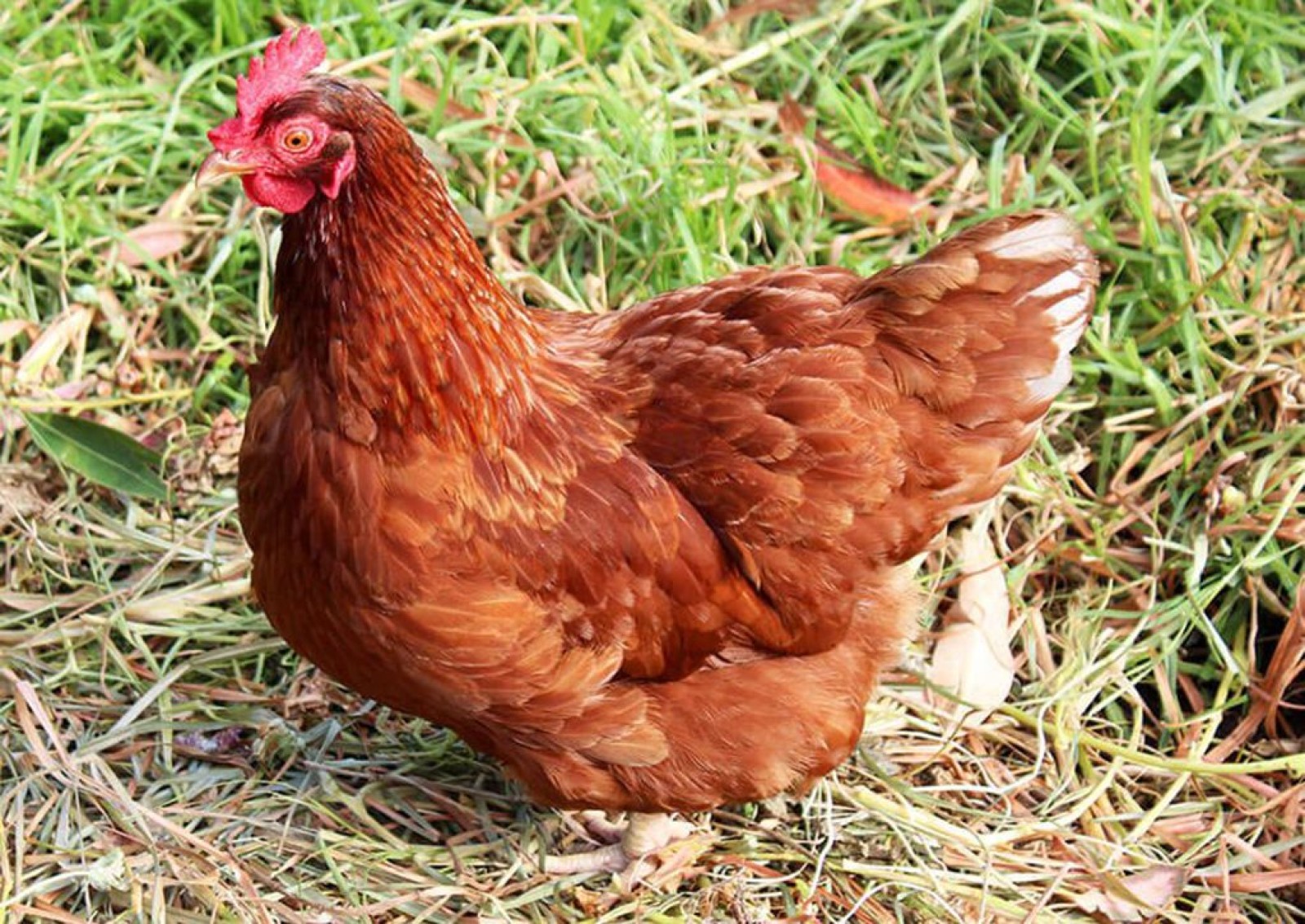
- Rhode Island Red: Hardy, 250–300 brown eggs/year. Docile, cold-resistant—great all-around beginner breed.
- Australorp: Reliable 250–300 light brown eggs/year. Gentle, excellent foragers.
- Plymouth Rock (Barred Rock): 200–280 brown eggs/year. Friendly, family-safe—perfect with kids.
- Leghorn: Prolific white-egg layers (280–320/year). Energetic but efficient.
Other notables: Buff Orpington (friendly, 200–280 eggs), Sussex (dual-purpose, calm).
Considerations for Family-Friendly Breeds
- Docile temperaments: Orpingtons, Rocks, Australorps excel around children.
- Climate hardiness: Rhode Islands and Australorps handle cold; Leghorns prefer warmth.
- Egg variety: Mix for colorful baskets (e.g., add Ameraucana for blue eggs).
Setting Up Your Backyard Coop and Run
A well-designed coop and run are the cornerstone of healthy, productive hens and consistent family egg supply. Poor housing leads to stress, reduced laying, predator attacks, and health problems—issues I’ve seen derail many beginner flocks.
:max_bytes(150000):strip_icc()/BeeJeweledCoop.1-0a39d43b66ab431087661b003e355c5e.jpg)
Coop and Space Requirements
Standard guidelines from university extensions (e.g., Cornell, Purdue as of 2026) recommend:
- Inside the coop: 3–4 square feet per hen for sleeping and nesting.
- Outdoor run: 8–10 square feet per hen minimum; more (15+) if confined full-time.
For a starter flock of 6 hens:
- Coop: At least 18–24 sq ft (e.g., 6×4 ft structure).
- Run: 48–60 sq ft minimum (e.g., 10×6 ft).
Overcrowding causes pecking, disease spread, and dropped production. Free-range supplements space but requires predator vigilance.
Pro Tip: Elevate the coop 12–18 inches for ventilation, rodent control, and hen security.
Essential Features for Egg Production
Prioritize these for clean eggs and happy layers:
- Nesting boxes: 1 box per 4–5 hens (12x12x12 inches), dark and private to encourage laying inside.
- Roosts: 8–12 inches per hen, higher than nests to prevent sleeping (and pooping) in boxes.
- Ventilation: Windows or vents for airflow without drafts—prevents respiratory issues.
- Flooring: Deep litter method (pine shavings) for easy cleaning and natural scratching.

Predator-proofing is non-negotiable: Use 1/2-inch hardware cloth (not chicken wire), buried apron 12 inches out, secure latches (raccoons open simple hooks).
Cost Estimate (2026 prices): Pre-built coop for 6 hens: $400–$1,200. DIY: $200–$600 materials. Run fencing: $150–$400.
Feeding and Nutrition for Maximum Eggs
Nutrition directly drives egg output—I’ve seen flocks double production with proper feed.
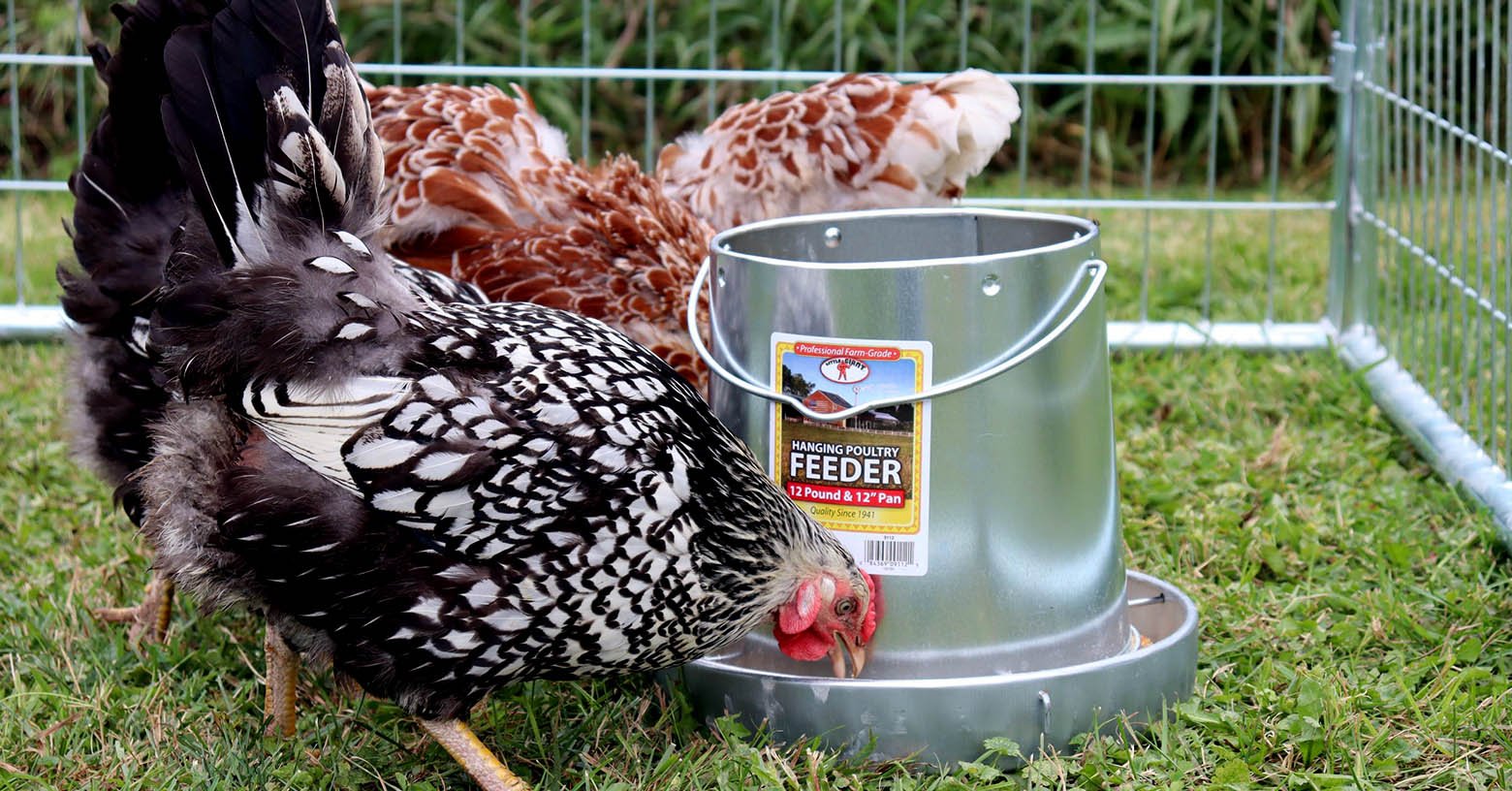
- Primary feed: Complete layer pellet or crumble (16–18% protein) from reputable brands.
- Daily amount: 1/4–1/3 lb per hen (about 1.5–2 lbs for 6 hens).
- Calcium supplement: Free-choice oyster shell for strong shells.
- Grit: Insoluble grit for digestion if not free-ranging.
- Treats: Kitchen scraps, greens (20% max of diet) for variety—avoid toxic foods (avocado, chocolate, onions).
Fresh, clean water always—heated in winter to prevent freezing.
Expert Insight: Switch to layer feed at 16–18 weeks when pullets near point-of-lay. Consistent feeding schedule boosts reliability.

Health, Maintenance, and Seasonal Considerations
Regular care prevents 90% of problems—early detection saves flocks.
Daily and Weekly Care Routine
- Daily: Let out, feed/water, collect eggs (multiple times to reduce breakage), quick health scan.
- Weekly: Clean waterers/feeders, rake run, add fresh bedding.
- Monthly: Deep clean coop, dust bath areas.
Time commitment for 6 hens: 15–30 minutes daily.
Boosting Winter Egg Production
Short days trigger reduced laying—counter with:
- Supplemental lighting: Timer for 14–16 hours total light/day (e.g., LED bulb).
- Insulation: Wrap coop (not airtight—ventilation crucial).
- Higher protein feed or mealworms for energy.
Many keepers maintain 50–70% winter output with these.
Common Health Issues and Prevention
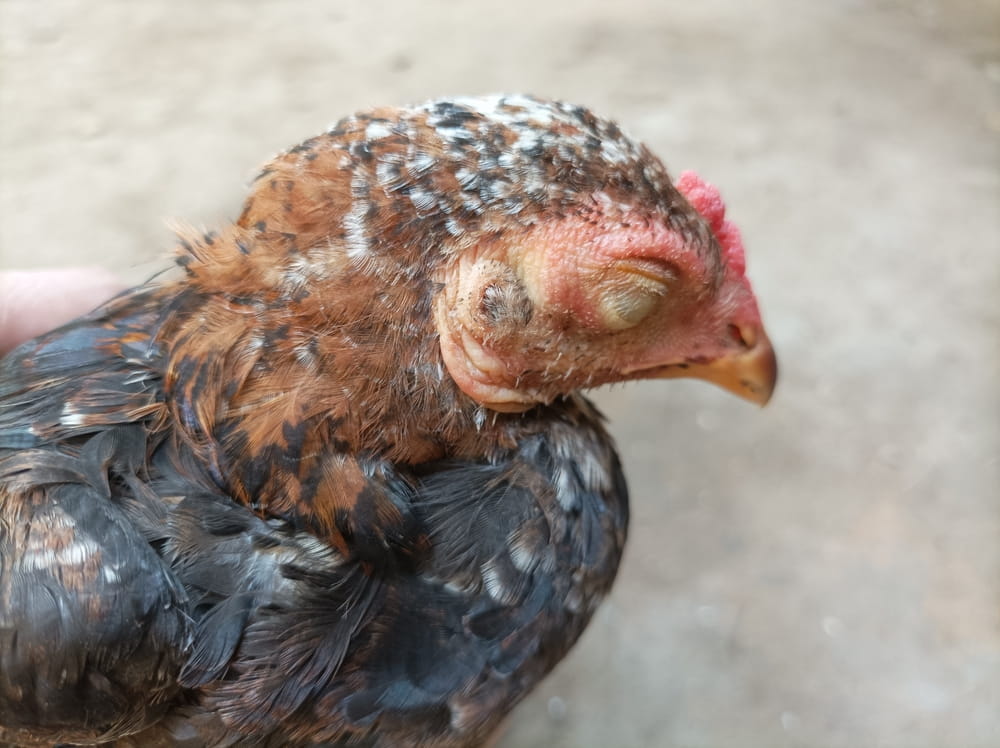
Top issues:
- External parasites (mites/lice): Red mites hide in cracks—treat with permethrin, clean thoroughly.
- Internal worms: Rotate pastures or deworm annually.
- Respiratory infections: Quarantine new birds, good ventilation.
- Egg-binding: Rare but serious—provide calcium, watch obese hens.
Veterinary Insight: Establish relationship with avian vet. Biosecurity: Limit visitors, clean boots.
Provide dust baths (sand + diatomaceous earth) for natural parasite control.
Long-Term Planning and Expanding Your Flock
Chickens live 8–12 years, but peak laying is years 1–3.
When and How to Add More Chickens
- Add in spring/summer for easier integration.
- Quarantine new birds 2–4 weeks.
- Introduce gradually (side-by-side pens) to minimize pecking.
Replace 1–2 older hens annually with pullets for steady eggs.
Benefits Beyond Eggs
- Natural pest control (ticks, slugs).
- Rich compost from manure.
- Educational for families—teaching responsibility and food origins.
Frequently Asked Questions (FAQs)
How many chickens should I start with for family eggs? 4–8 hens, depending on consumption—6 is ideal for most.
How long until hens start laying? Pullets: 18–24 weeks; breeds vary (hybrids earlier).
Do I need a rooster for eggs? No—hens lay unfertilized eggs perfect for eating.
What if egg production drops suddenly? Check light, diet, stress, parasites, age—systematically troubleshoot.
Are there local regulations for backyard chickens? Yes—check zoning, flock limits, coop setbacks (many allow 4–8 hens).
Initial cost to start with 6 hens? $600–$2,000 (chicks $5–$15 each, coop/run, feed, supplies). Ongoing: $20–$40/month.
Can I mix breeds? Yes—enhances resilience and egg variety.
Conclusion: Take the First Step Toward Fresh Family Eggs
Starting with 4–8 hens positions you perfectly for reliable, delicious eggs tailored to your family’s needs—without the overwhelm of large-scale poultry keeping. With the right breeds, setup, and care outlined here, you’ll enjoy fresh eggs daily while reaping the rewards of sustainable backyard farming.