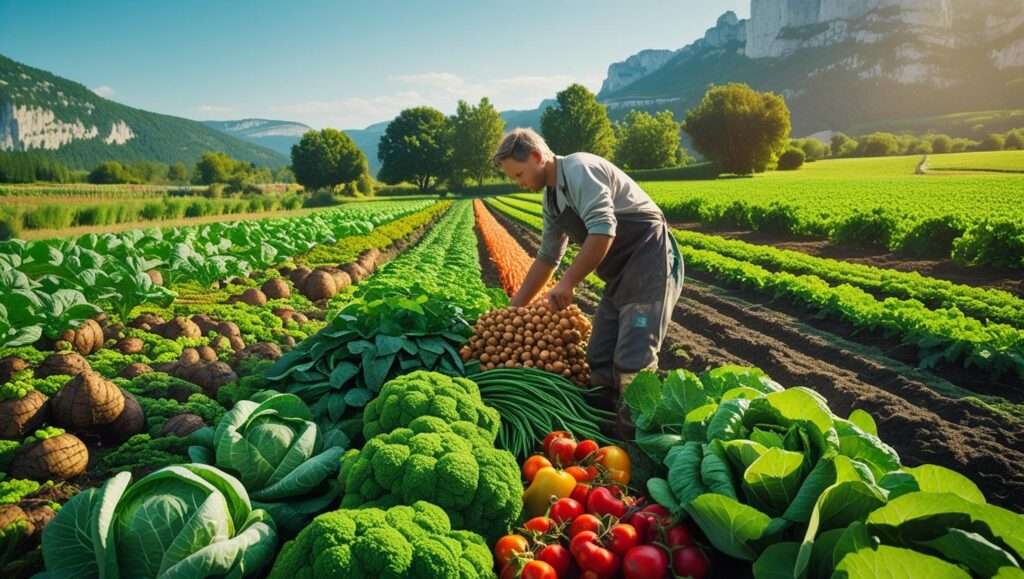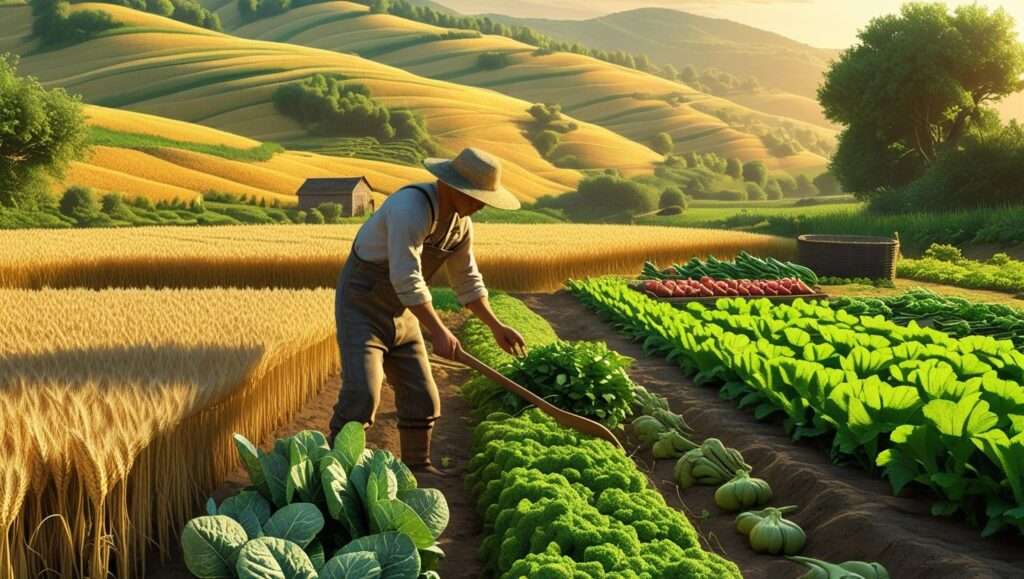
Imagine this: You’ve finally secured that perfect piece of rural land—perhaps 5-20 acres in the rolling hills of the Midwest, the fertile valleys of the Pacific Northwest, or even a smallholding in rural Canada or Europe—ideal for building self-sufficiency. But your day-to-day life keeps you in the city or suburbs, 30 to 60 minutes (or more) away. Weekends and occasional days off become your precious windows for progress. The dream feels tantalizingly close, yet the reality of limited time on-site makes traditional homesteading seem overwhelming. How do you start building productive gardens, improve soil, and grow food without constant daily oversight?
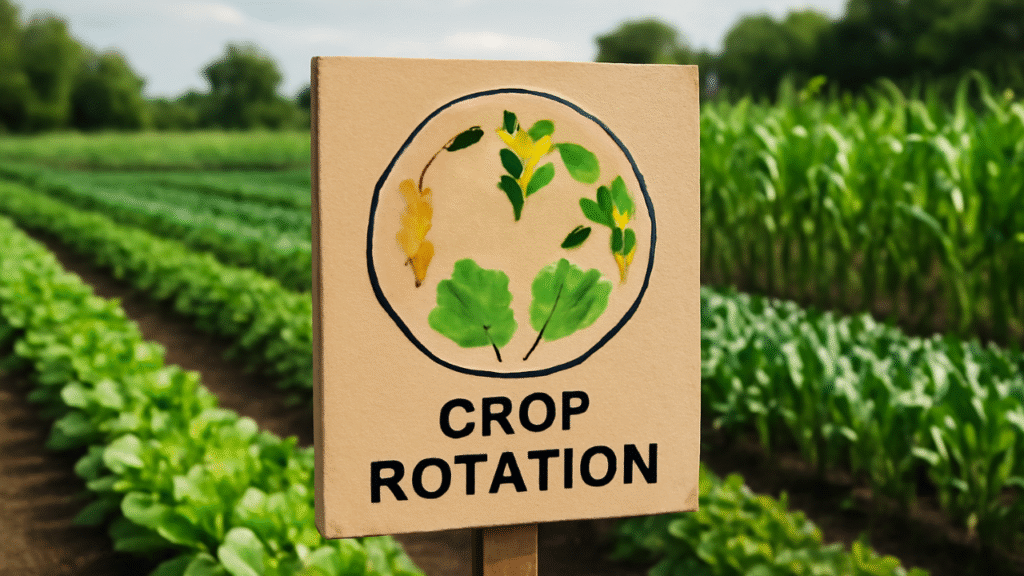
Starting a homestead while living off-site is increasingly common as land prices rise near urban areas and remote work enables more flexible lifestyles. The key to making it work lies in low-maintenance, high-impact practices that thrive with infrequent visits. Among these, crop rotation emerges as one of the most powerful tools. This time-tested method—endorsed by USDA Natural Resources Conservation Service (NRCS) guidelines, university extension services like Penn State, Iowa State, and Wisconsin Horticulture—helps maintain soil health, disrupt pest and disease cycles, and boost long-term yields with minimal intervention.
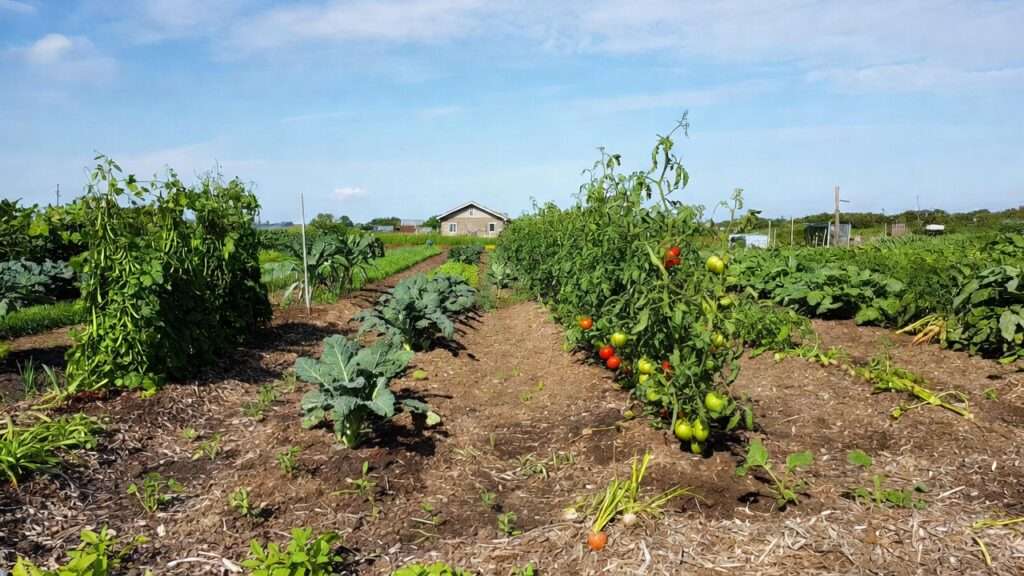
In this in-depth guide, we’ll explore tailored crop rotation strategies designed specifically for off-site homesteaders. Drawing from extension research, organic farming principles, and real-world adaptations for part-time stewards, you’ll learn how to plan, implement, and troubleshoot rotations that turn distant land into a thriving, productive asset. Whether you’re in USDA hardiness zones 4-7 (common in much of the US) or similar temperate climates globally, these approaches minimize trips, reduce risks, and maximize results.
The Unique Challenges of Remote Homesteading
Off-site homesteading presents distinct hurdles that full-time residents rarely face. With visits limited to weekends or bi-weekly trips, you can’t easily spot early pest outbreaks, adjust irrigation during unexpected dry spells, or pull weeds before they seed. Soil issues compound quickly: nutrient depletion from repeated heavy feeders, compaction from foot traffic or machinery, and erosion during heavy rains become harder to correct without regular presence.
Pests and diseases thrive in static systems. For example, soil-borne pathogens like verticillium wilt (affecting nightshades such as tomatoes and potatoes) or clubroot (in brassicas) build up when families stay in the same spot. Weeds exploit bare soil between infrequent visits, and nutrient imbalances arise as crops repeatedly draw the same elements.
These challenges make “set-it-and-forget-it” tactics essential. Crop rotation addresses them head-on by leveraging natural cycles rather than constant human input.
Core Benefits of Crop Rotation for Part-Time Stewards
Crop rotation isn’t just tradition—it’s a cornerstone of sustainable agriculture backed by decades of research. According to USDA NRCS and extension services, rotating crops from different plant families prevents the buildup of host-specific pests and diseases, often reducing the need for pesticides. It balances soil nutrients: legumes fix nitrogen, brassicas are heavy feeders, and root crops improve structure.
Key benefits for remote homesteaders include:
- Soil Health Improvement: Alternating deep-rooted and shallow-rooted crops prevents compaction and enhances organic matter. Cover crops in rotation protect soil during off-seasons, reducing erosion—vital when land sits unattended.
- Pest and Disease Disruption: Breaking life cycles of common issues (e.g., Colorado potato beetle or fungal blights) lowers pressure without daily scouting.
- Nutrient Management: Reduces fertilizer needs by recycling elements naturally. Legumes following heavy feeders replenish nitrogen, cutting costs and trips for amendments.
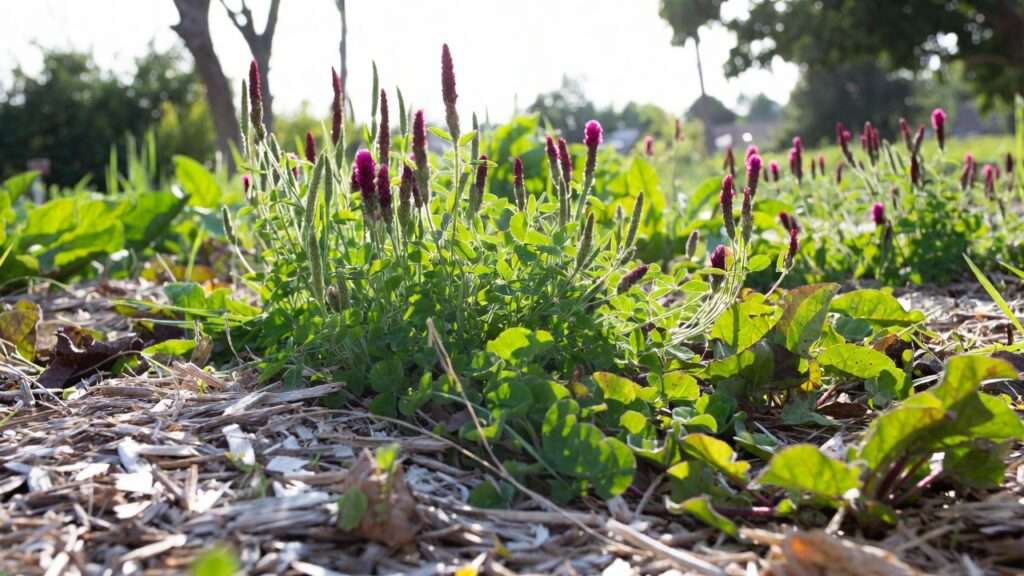
- Yield Resilience: Diverse rotations spread risk across seasons and weather. Studies from Iowa State and USDA ARS show diversified systems perform better under variable conditions, like droughts or wet springs common in changing climates.
- Low Maintenance Fit: Once planned, rotations require mainly seasonal planting and occasional cover crop seeding—tasks doable in a few visits per year.
Real-world examples abound. Weekend homesteaders in the Northeast US report doubling garden output after shifting to 4-year rotations with cover crops, while European smallholders use similar systems to maintain productivity on commuter-distance plots.
Getting Started: Planning Your Remote Crop Rotation System
Success begins with assessment and smart planning—done mostly from home.
Assess Your Land and Growing Conditions
Start remotely: Use Google Earth or satellite imagery to map plots, noting sun exposure, slopes, and water features. Obtain soil tests through local extension services or mail-in labs (e.g., via Penn State or equivalent global services). Test for pH, nutrients, and organic matter—crucial for baseline planning.
Determine your USDA hardiness zone (or equivalent Köppen classification globally) and average frost dates using tools like the Old Farmer’s Almanac or NOAA. Factor in rainfall, wind, and microclimates. For distant land, prioritize hardy, forgiving crops.
Choose the Right Rotation Model for Low-Maintenance
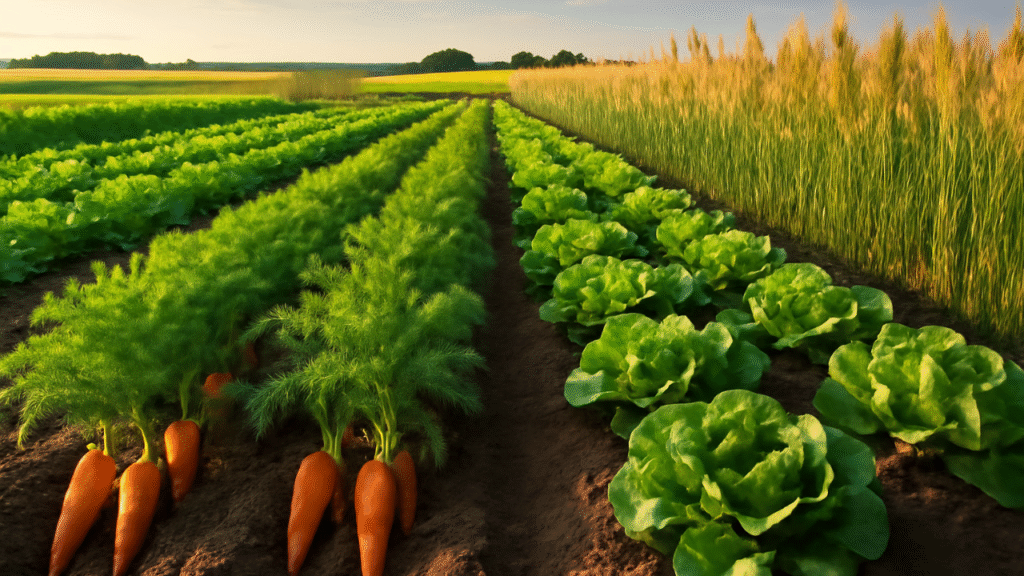
- Simple 2- or 3-Year Rotation (Beginner-Friendly): Divide space into sections. Example: Year 1 – Legumes (beans, peas); Year 2 – Leafy greens/brassicas; Year 3 – Heavy feeders (corn, squash, tomatoes). Repeat with cover crops in off-seasons. Ideal for small plots or very limited time.
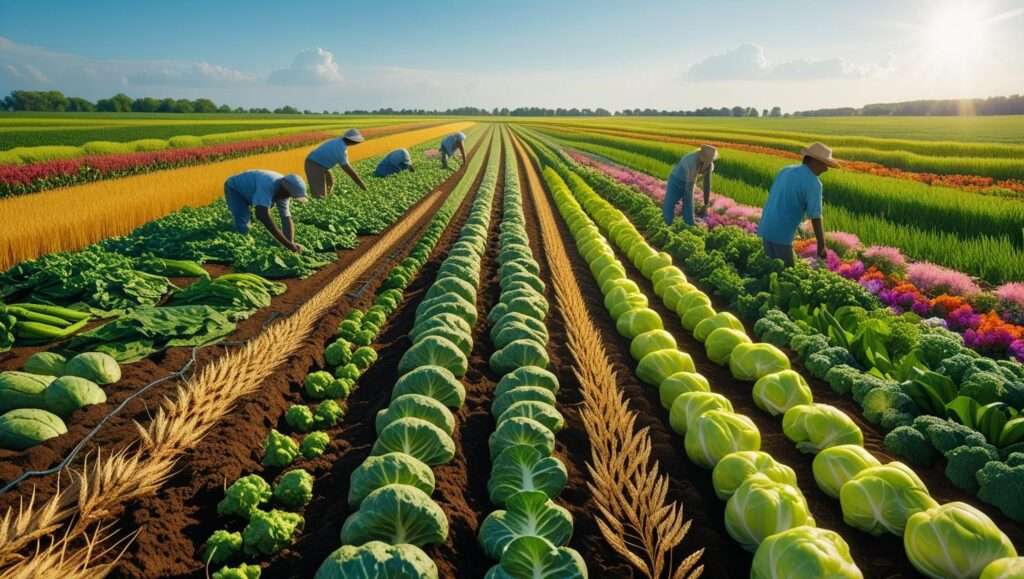
- Classic 4-Year Rotation (Most Recommended for Sustainability): Divide garden into four beds/sections. Group by families:
- Legumes (nitrogen-fixers: beans, peas, clover cover).
- Brassicas (leafy/heavy: cabbage, broccoli, kale).
- Nightshades (fruiting: tomatoes, peppers, potatoes).
- Roots/Alliums (carrots, beets, onions, garlic). Rotate annually so no family returns to the same spot for 4+ years. Incorporate cover crops (e.g., rye, vetch) after harvest to protect soil.
- Minimalist Options for Very Remote Setups: Focus on perennials (asparagus, berries) anchoring beds, with annual rotation only in vegetable patches. Combine with no-dig/mulch methods to suppress weeds and retain moisture.
Tools and Tech for Remote Management
Leverage digital aids: Apps like GrowVeg, Planter, or SeedTime for mapping rotations and sending planting reminders. Weather apps (e.g., Weather Underground) track forecasts for timing visits. Affordable remote sensors (soil moisture, temperature via Wi-Fi) provide updates via phone—game-changers for off-site decisions.
Step-by-Step Crop Rotation Strategies Tailored for Off-Site Success
Building a Practical Rotation Plan
- Group Crops by Family and Needs: Use extension charts (e.g., from Clemson or Wisconsin) to categorize. Avoid planting same-family crops consecutively.
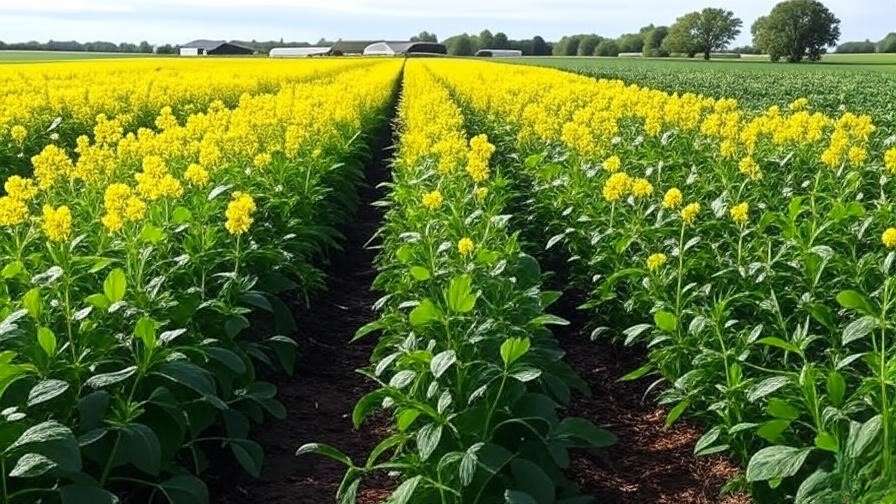
- Incorporate Cover Crops: Plant nitrogen-fixing clover or rye in fall—seed once, let it grow over winter. Mow or crimp in spring for mulch.
- Succession Planting: Stagger sowings (e.g., beans every 2-3 weeks) for extended harvests per visit.
- Companion Planting Integrations: Pair beans with corn (Three Sisters method) or marigolds for pest deterrence.
Sample 4-Year Rotation Plans
For temperate US climates (e.g., Midwest/Northeast, zones 5-7):
- Bed 1 Year 1: Legumes (peas/beans) + cover crop follow-up.
- Bed 2 Year 1: Brassicas (kale, broccoli).
- Bed 3 Year 1: Nightshades (tomatoes, peppers).
- Bed 4 Year 1: Roots (carrots, beets, onions).
Rotate clockwise each year. In warmer zones (Southeast or similar global areas), substitute heat-tolerant varieties (e.g., okra for brassicas if needed).
Include visual tables in practice—here’s a simplified example:
| Year | Bed 1 | Bed 2 | Bed 3 | Bed 4 |
|---|---|---|---|---|
| 1 | Legumes | Brassicas | Nightshades | Roots/Alliums |
| 2 | Brassicas | Nightshades | Roots/Alliums | Legumes |
| 3 | Nightshades | Roots/Alliums | Legumes | Brassicas |
| 4 | Roots/Alliums | Legumes | Brassicas | Nightshades |
Low-Maintenance Crop Recommendations
Prioritize resilient varieties: Bush beans, winter squash, carrots, garlic (plant once, harvest later). Perennials like rhubarb or strawberries anchor low-effort areas.
Expert Insight: Extension agronomists emphasize no-till regenerative additions—mulch heavily and use chop-and-drop cover crops to build soil without tillage.
Overcoming Common Challenges in Remote Crop Rotation
Even the best-laid rotation plans encounter hurdles when you’re not living on-site. The good news is that many of the most frequent issues can be mitigated with proactive, low-intervention strategies.
Dealing with Weeds, Pests, and Soil Issues from Afar
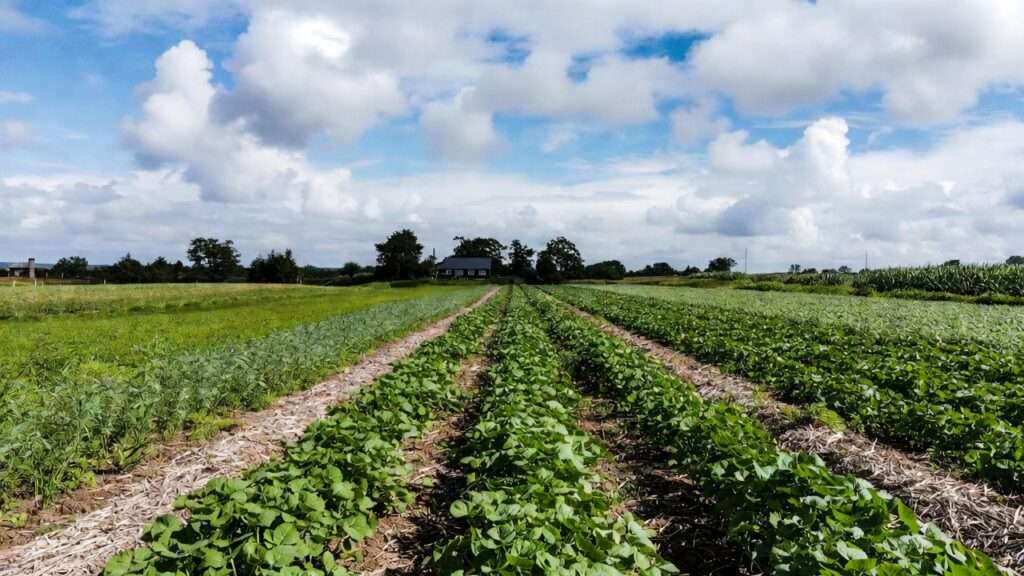
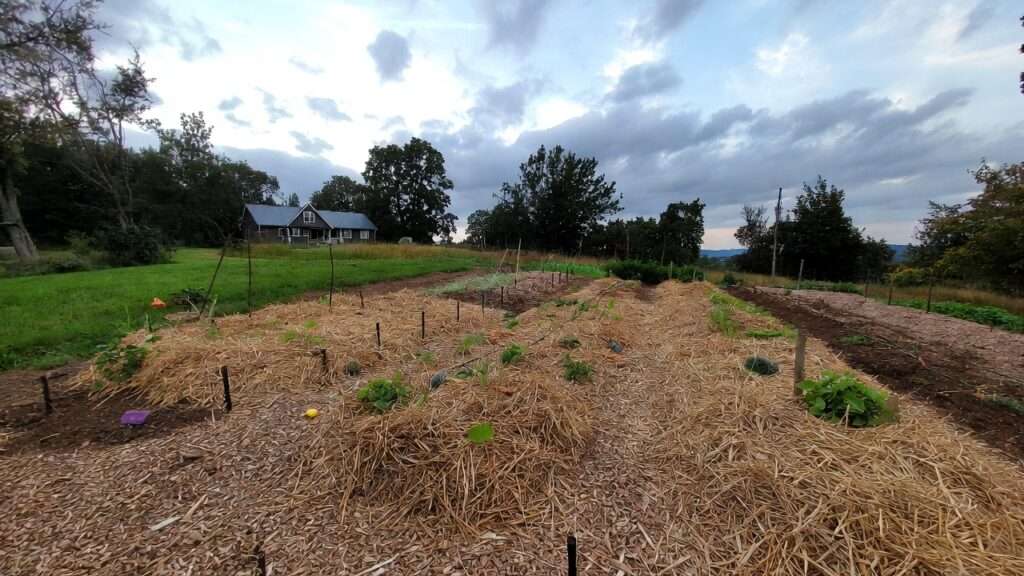
Weeds are often the biggest headache for part-time homesteaders. Without frequent mowing or hand-pulling, they can quickly go to seed and dominate beds. The most effective defense is heavy mulching: During your spring or fall visit, apply 4–8 inches of organic mulch (straw, wood chips, shredded leaves, or grass clippings) around all plants and between rows. This suppresses weed germination, retains soil moisture during dry spells, and slowly feeds the soil as it breaks down.
For pest management, prevention beats reaction. Choose resistant varieties (check seed catalogs or extension variety trials for recommendations like ‘Provider’ bush beans or ‘Early Girl’ tomatoes for disease tolerance). Install physical barriers during planting visits—floating row covers for brassicas to block cabbage worms, or copper tape around raised beds to deter slugs. Neem oil or insecticidal soap can be applied sparingly if pests appear, but timing is key: Use weather apps to predict outbreaks (e.g., warm, humid conditions favor fungal issues) and treat during the next visit.
Soil problems like compaction or nutrient lockup are harder to spot remotely. Prevent them by never walking on growing beds (use designated paths), and incorporate green manures or cover crops that naturally aerate and feed the soil. If soil tests show deficiencies, apply slow-release organic amendments (e.g., compost, rock dust, or kelp meal) once per season during a visit—avoid fast-acting synthetics that require frequent reapplication.
Timing and Seasonal Planning
Poor timing can derail even a solid rotation. Use long-range frost-date calculators (NOAA, local extension services, or apps like Garden.org) to create a calendar of critical tasks:
- Early spring visit (March–April in most US zones): Prepare beds, plant cool-season crops (peas, spinach, onions), seed cover crops if needed.
- Late spring/early summer visit (May–June): Plant warm-season crops (beans, squash, tomatoes), install mulch.
- Late summer/fall visit (August–October): Harvest main crops, plant fall/winter cover crops (winter rye, hairy vetch, crimson clover), or garlic for next year’s harvest.
Global homesteaders in the Southern Hemisphere (e.g., Australia, South America) simply reverse the calendar while following the same principles.
Budgeting Time and Resources
Prioritize ruthlessly. Start with one or two beds using a simple 3-year rotation rather than attempting to rotate an entire acre. Focus on high-yield, low-care crops first: pole beans, zucchini, potatoes, and garlic give generous returns for minimal ongoing effort. Track expenses and time in a simple spreadsheet or notebook—many off-site homesteaders find that after the initial setup (soil building, fencing, mulch stockpiling), annual maintenance drops to 4–6 full days of work spread across the year.
Advanced Tips and Long-Term Success
Once your basic rotation is running smoothly, you can layer in techniques that build even greater resilience and productivity with almost no extra visits.
- Regenerative Practices: Adopt no-till methods fully by sheet-mulching new beds with cardboard, compost, and wood chips. This builds soil biology over time, reducing the need for mechanical disturbance. “Chop-and-drop” cover crops—cut them at flowering and leave them on the surface—adds instant organic matter.
- Integrating Livestock Remotely: If your land allows, consider hardy, low-maintenance animals like chickens in a mobile coop (moved during visits) or pastured pigs to till and fertilize sections naturally. For very remote setups, rotational grazing with rented sheep or goats can clear weeds and add manure between your visits.
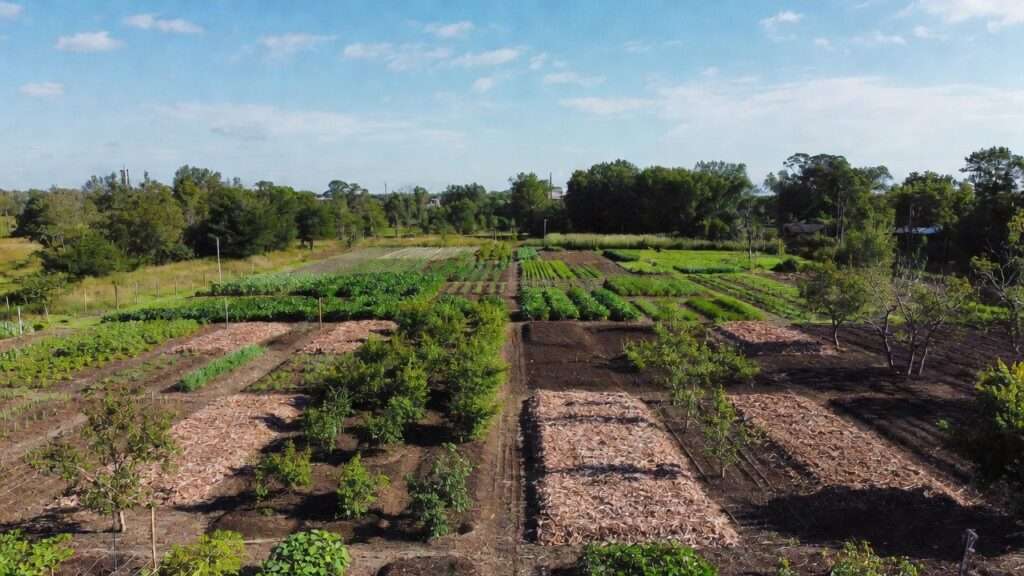
- Scaling Up: Transition from annual vegetables to a food forest model. Plant perennial fruit and nut trees, berry bushes, and herbs in designated zones—these require far less annual care. Use alley cropping (rows of trees with annual crops between) to maximize space while the perennials mature.
- Monitoring Progress Remotely: Take timestamped photos of each bed during every visit and store them in a dedicated folder or app (Google Photos albums work well). Compare year-over-year to spot trends in soil color, plant vigor, and weed pressure. Simple soil penetrometers or inexpensive EC/pH meters can provide data points without lab costs.
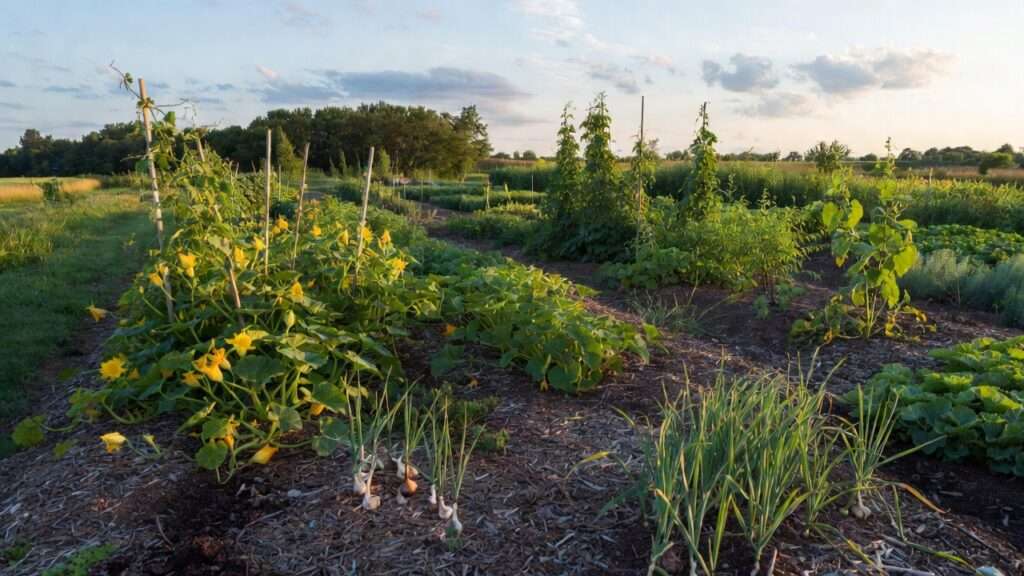
Many experienced off-site homesteaders report that after 3–5 years of consistent rotation and soil-building, their land becomes noticeably more forgiving—higher organic matter means better drought and flood tolerance, fewer pest outbreaks, and steadier yields even with irregular care.
Conclusion
Starting a homestead while living off-site doesn’t have to mean constant frustration or underwhelming results. By making smart crop rotation the backbone of your system, you harness natural processes to do much of the work for you. Soil stays healthier, pests stay in check, and yields improve over time—all with a schedule that fits weekend warriors, remote professionals, or anyone building a homestead life from a distance.
Start small: Pick one bed or section this season, implement a simple 3- or 4-year rotation, add cover crops, and mulch heavily. Track what works, adjust, and expand. Within a few seasons, you’ll likely see the same transformation many part-time homesteaders describe: land that feels alive and productive even when you’re not there.
Your distant homestead isn’t a limitation—it’s an opportunity to farm smarter, not harder. Ready to get started? Grab a notebook, pull up your land on Google Earth, and sketch your first rotation plan today. Share your progress, questions, or adaptations in the comments—I’d love to hear how these strategies work for you.
FAQs (Frequently Asked Questions)
How often should I rotate crops if I only visit monthly or less? Stick to at least annual rotation—never plant the same family in the same spot two years in a row. For very infrequent visits, prioritize cover crops and perennials so the soil continues improving even when you’re away.
What if my land has poor or depleted soil to start with? Begin with a soil-building year: Plant a full-season cover crop mix (e.g., oats + field peas + tillage radish) and let it grow. The following year, rotate into your first vegetable crops. Heavy mulching and compost additions accelerate recovery.
Can I skip rotation if I use raised beds or containers? Raised beds still benefit from rotation, especially for soil-borne diseases. However, you can get away with shorter cycles (2–3 years) and more frequent soil amendments if space is limited.
What are the best cover crops for off-site homesteaders? Easy, effective choices include winter rye (excellent erosion control), crimson clover (nitrogen-fixing, winter-hardy), hairy vetch (great nitrogen, easy to terminate), and buckwheat (fast summer cover, bee-friendly). Seed once during a visit and let nature handle the rest.
Does crop rotation really save money and time long-term? Yes—extension studies consistently show reduced fertilizer and pesticide costs (often 30–50% savings) and fewer crop failures. Time savings come from fewer crisis interventions and more predictable harvests.
How do I handle crop rotation when adding perennials or fruit trees? Reserve separate zones for perennials—they don’t rotate. Use the annual vegetable rotation around them. Trees and bushes benefit indirectly from improved soil health in surrounding beds.
What if I make a mistake in my rotation plan? Don’t panic. One year of overlap rarely causes catastrophe, especially if you’re mulching and building organic matter. Simply correct it the next season and keep records to avoid repeating the error.
Are there regional differences I should consider? Absolutely. In wetter climates (e.g., Pacific Northwest, parts of Europe), prioritize cover crops that prevent waterlogging. In drier regions (e.g., Southwest US, parts of Australia), focus on drought-tolerant covers and heavy mulching. Always adapt to your local extension service recommendations.