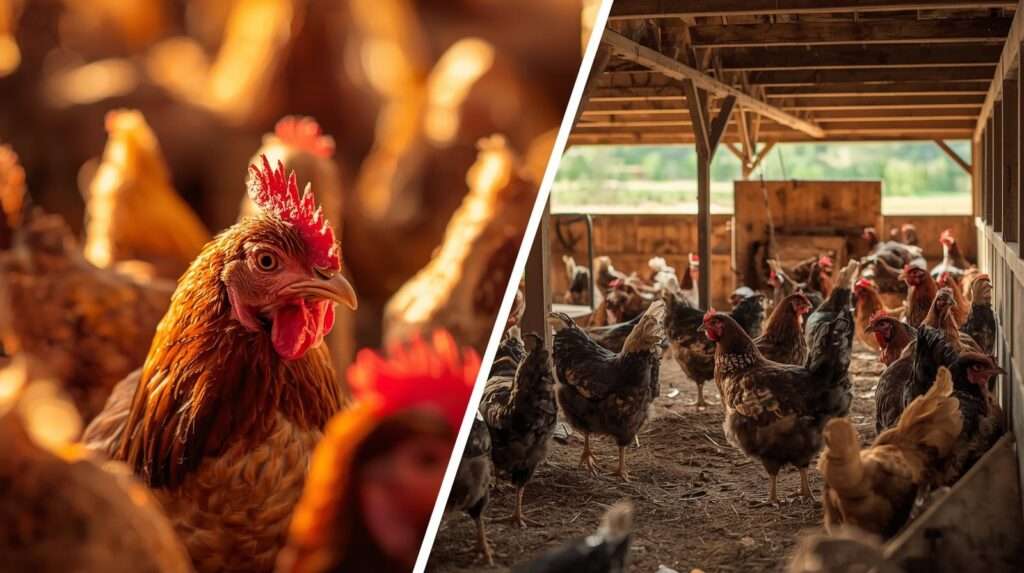
Imagine stepping outside on a crisp winter morning, the ground dusted with frost, and watching your backyard flock eagerly scratch at the soil for hidden treats. Chickens are remarkably resilient creatures, often thriving in conditions that would send most pets indoors. But as temperatures drop—especially in regions with biting winds, snow, or prolonged subzero spells—many chicken keepers face the same pressing question: At what temperature should I stop letting chickens free-range?
The short answer is that there’s no single magic number where free-ranging suddenly becomes unsafe for all flocks. Chickens have a core body temperature around 105–107°F and natural adaptations like dense feathering and the ability to fluff up to trap air, allowing many hardy breeds to handle temperatures well below freezing. However, the real risk isn’t just the thermometer reading—it’s a combination of wind chill, moisture, duration of exposure, breed traits, and individual bird health. Free-ranging provides essential benefits in winter: mental stimulation, exercise, natural foraging behavior, and reduced boredom that can lead to issues like feather pecking in confined spaces.
In this comprehensive guide, we’ll break down the science of chicken cold tolerance, provide practical temperature thresholds based on university extension recommendations and experienced keepers’ insights, highlight warning signs of cold stress, and share actionable strategies to keep your flock healthy and happy all season long. Whether you’re in a mild climate with occasional freezes or a harsher zone with deep snow and -20°F nights, you’ll find the tools to make informed decisions that prioritize welfare.
Understanding Chicken Cold Tolerance: The Science Behind It
Chickens are naturally cold-hardy birds, evolved from jungle fowl but selectively bred over centuries for resilience in diverse environments. Their high metabolism generates significant internal heat, and feathers provide excellent insulation when dry and fluffed. In their thermo-neutral zone—roughly 60–75°F—they expend minimal energy on temperature regulation, directing resources toward egg production, growth, and activity.
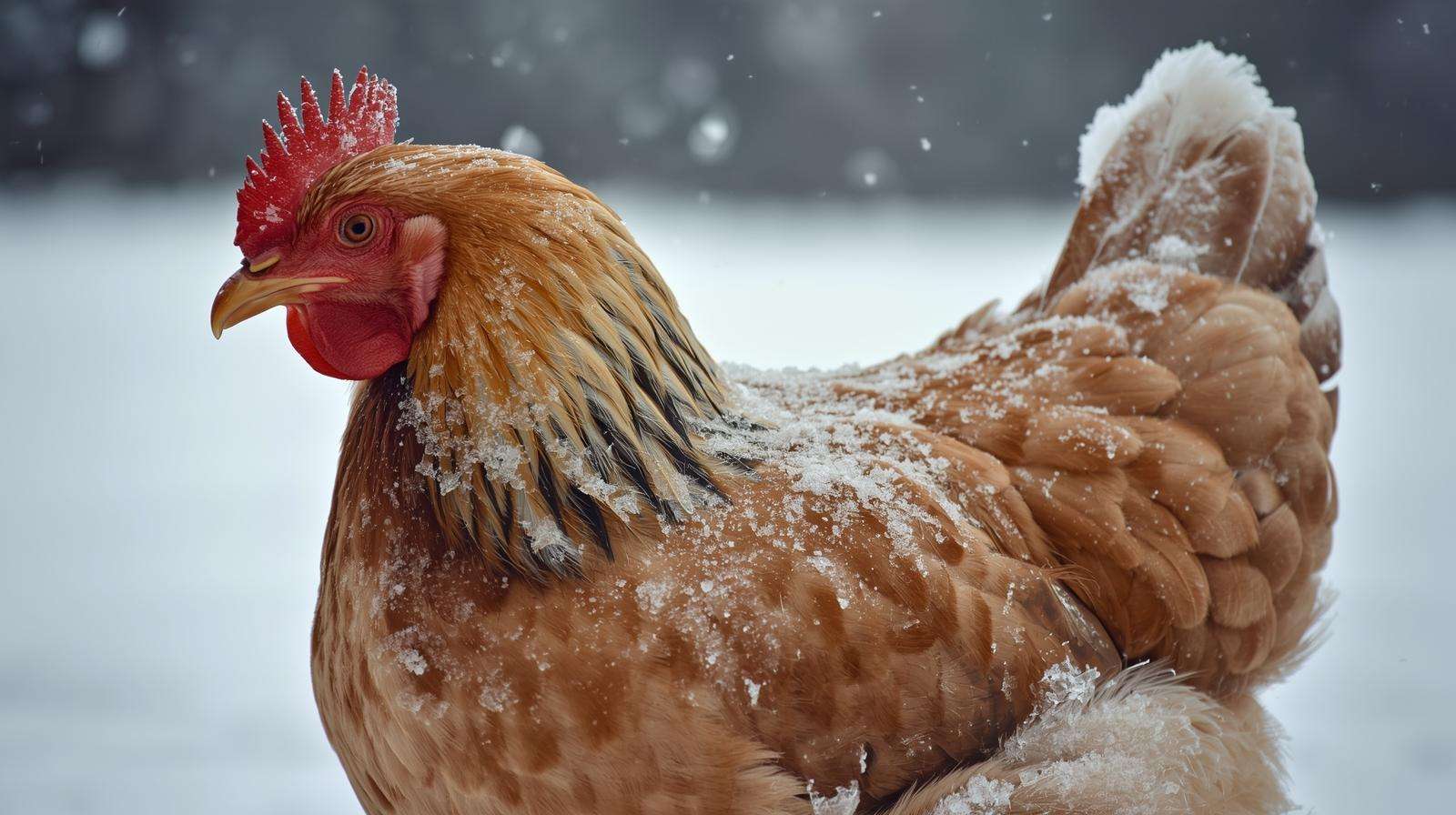
Below this zone, birds increase heat production through shivering, huddling, and tucking feet under feathers while roosting. Many keepers report flocks comfortably free-ranging down to 0°F or lower if conditions are right. University of Minnesota Extension notes that most poultry maintain body temperature effectively outside the 60–75°F range, but supplemental measures become important as temperatures fall.
The critical factors that turn tolerable cold into dangerous conditions include:
- Wind chill: A 20°F day with strong winds can feel like 0°F or colder, accelerating heat loss from exposed areas like combs and wattles.
- Moisture: Wet feathers lose insulating power dramatically. Rain, snowmelt, or damp bedding can lead to hypothermia or frostbite far quicker than dry cold.
- Sudden drops: Birds acclimated gradually to falling temperatures fare better than those shifted abruptly from a warm coop.
- Breed differences: Cold-hardy, heavy breeds like Rhode Island Reds, Plymouth Rocks, Wyandotte, Orpington, Brahmas, and Ameraucanas excel in winter. They have smaller pea or rose combs (less surface area for heat loss) and denser feathering. In contrast, Mediterranean breeds like Leghorns with large single combs are more frostbite-prone, as are Silkies or naked-neck varieties.
Age and health play roles too—young pullets, molting birds (with reduced feather coverage), or those recovering from illness have lower tolerance and may need confinement sooner.
Stop Letting Chickens Free-Range Temperature? Practical Thresholds
There’s no universal cutoff because “too cold” depends on your local conditions, flock setup, and observation. However, guidelines from extension services, poultry experts, and thousands of backyard keepers provide reliable benchmarks:
- Above 20–30°F: Free-ranging is generally safe for most flocks. Birds forage actively, get sunlight (important for vitamin D), and exhibit natural behaviors. Provide windbreaks and dry footing if needed.
- 0–20°F: Allow access if the day is calm, dry, and sunny. Monitor closely—many flocks self-regulate by returning to the coop when uncomfortable. Wind chill becomes the decider; if “feels like” drops below 10°F, limit time outdoors.
- Below 0°F: Restrict or supervise outings. Hardy, acclimated flocks in protected runs often handle short excursions, but prolonged exposure risks frostbite on extremities. Many keepers switch to covered runs or supervised yard time.
- Extreme subzero (e.g., -15°F or lower with wind): Confine to a well-ventilated, dry coop or run. Even cold-hardy breeds face higher stress, increased feed needs, and potential tissue damage.
Real-world examples illustrate this flexibility. In northern states like Minnesota or Canada, keepers routinely allow free-ranging down to -10°F to -20°F for acclimated flocks with good shelter. One extension resource highlights birds thriving at -20°C (-4°F) inside insulated coops, while community forums report flocks venturing out at -10°F if snow is cleared and straw provided for footing.
Always prioritize the “feels like” temperature over air reading alone. Deep snow limits mobility (chickens struggle in drifts over a few inches), and icy ground can freeze feet quickly—scatter straw or clear paths to encourage safe activity.
Signs Your Chickens Are Too Cold and Need to Be Confined
Watch for these behavioural and physical indicators of cold stress:
- Behavioural signs: Constant feather puffing (beyond normal fluffing), huddling in groups, standing on one leg to conserve heat, reduced foraging or activity, lethargy, or reluctance to leave the coop.
- Physical signs: Pale, shrivelled combs (early warning), shivering, frostbitten areas (blackened, brittle tips on combs, wattles, or toes), or laboured breathing.
- Production clues: Sharp drops in egg laying, soft shells, or pale yolks from nutritional stress.
If you spot these, act quickly: Bring vulnerable birds indoors temporarily for warmth, apply petroleum jelly to combs/wattles as a barrier, and ensure dry bedding. Severe frostbite requires veterinary attention to prevent infection.
How to Safely Allow Winter Free-Ranging (Practical Tips)
Maximize safe outdoor time with these strategies:
- Prepare the environment: Clear snow paths and spread straw, sand, or wood chips for dry footing. Install windbreaks (tarps, evergreen branches, or fencing) to reduce chill.
- Enrichment alternatives: Hang cabbage or treat balls for pecking, scatter scratch grains in cleared areas to mimic foraging.
- Nutrition and hydration: Offer extra calories via scratch grains, warm mashes, or suet in the afternoon. Use heated waterers to prevent freezing—electrolyte additives help in extreme cold.
- Predator awareness: Winter brings hungry predators closer; reinforce fencing and supervise outings.
- Acclimation: Let birds adjust gradually in fall—no sudden coop heating. Apply Vaseline to large combs/wattles during cold snaps.
- Breed-specific care: Favor pea/rose-comb breeds; protect large-combed roosters extra carefully.
Alternatives to Full Free-Ranging in Extreme Cold
When conditions demand confinement:
- Expand covered runs for protected outdoor access.
- Offer short, supervised yard time on milder days.
- Provide indoor enrichment like deep litter for scratching or hanging treats.
Common Mistakes to Avoid in Winter Chicken Care
- Overheating the coop (creates moisture and respiratory risks).
- Poor ventilation (traps humidity leading to frostbite).
- Assuming all breeds or birds tolerate cold equally.
- Neglecting extra feed or water management.
Frequently Asked Questions (FAQ)
At what temperature do chickens get frostbite? Frostbite risk rises below 32°F, especially with wind chill or moisture. Exposed areas like large combs can be affected in prolonged exposure; prevention focuses on dry, draft-free conditions.
Is it cruel to keep chickens locked up in winter? No—if confinement provides space, enrichment, and protection from elements. Free-ranging is ideal when safe, but welfare prioritizes health over constant outdoor access.
Do I need to heat my coop if I stop free ranging?
Usually not for hardy breeds in well-insulated, ventilated coops. Supplemental heat risks moisture buildup; focus on draft protection and deep litter instead.
How do I prevent frozen feet in free-ranging chickens? Provide straw paths, avoid icy surfaces, ensure dry bedding, and monitor for limping.
Can baby chicks free-range in cold weather? No—chicks lack full feathering and require brooder warmth until fully feathered (around 6–8 weeks).
Chickens’ winter resilience often surprises new keepers. By focusing on protection from wind and moisture rather than a strict temperature cutoff, most flocks can enjoy some Stop Letting Chickens Free-Range Temperature free ranging even in harsh conditions. Observe your birds daily—their behaviour is the best guide. Adjust as needed, prioritize dry shelter and nutrition, and your healthy, happy flock will reward you with eggs and vitality through the season.