Imagine carefully tending your tomato plants all season — watching vibrant flowers turn into plump green fruits — only to discover dark, leathery, sunken spots on the blossom ends of your precious tomatoes. This frustrating issue, known as blossom end rot, ruins the appearance and usability of the fruit, often striking just as harvest time approaches.
Stopping blossom end rot on tomatoes doesn’t have to remain a recurring nightmare. As a physiological disorder rather than a contagious disease, it stems primarily from calcium transport problems within the plant, triggered most often by inconsistent soil moisture. The good news? With targeted, science-backed strategies rooted in university extension research from sources like Michigan State University, Oregon State University, and the University of Georgia, you can prevent it effectively and respond quickly when early signs appear.
In this comprehensive guide, you’ll discover the real causes, how to identify it early, and exactly 7 proven ways to stop blossom end rot on tomatoes fast. Whether you grow in raised beds, containers, or in-ground gardens — in hot, humid climates like many parts of Bangladesh or cooler regions — these practical steps will help you enjoy a bountiful, rot-free harvest. We’ll cover everything from soil management and watering techniques to variety selection and quick-response fixes, going deeper than typical articles to deliver actionable, expert-level advice.
What Is Blossom End Rot and How to Identify It Early
Blossom end rot (BER) is not caused by pests, fungi, or bacteria. It is a non-infectious physiological disorder resulting from insufficient calcium in the developing fruit tissue. Calcium is essential for strong cell walls; when transport to the blossom (bottom) end fails, cells collapse, creating characteristic damage.
Symptoms to watch for:
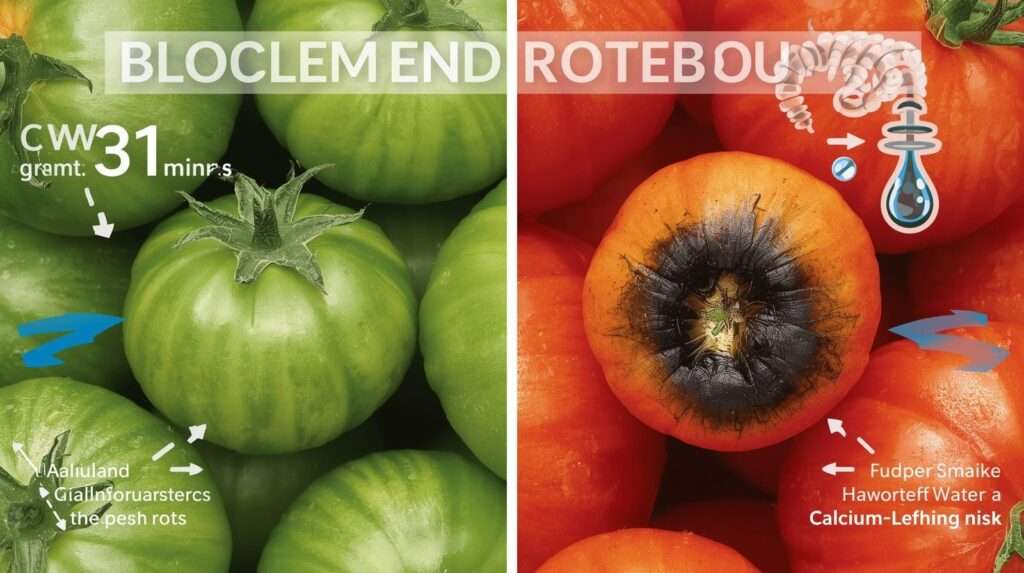
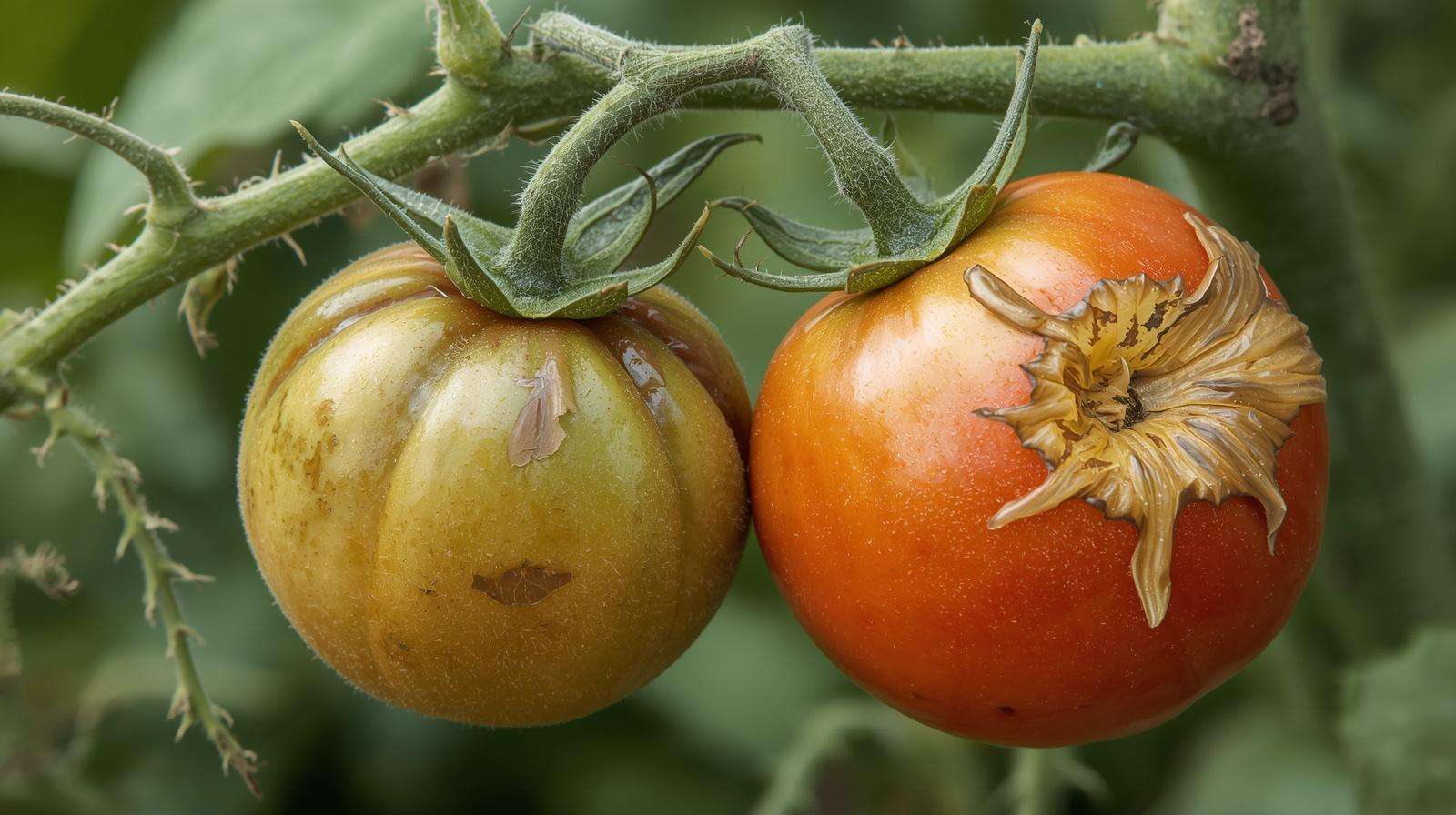
- A small, water-soaked spot appears at the blossom end (opposite the stem) of green or ripening fruit.
- The spot enlarges, turns tan to dark brown or black, and develops a leathery, sunken texture.
- In advanced stages, secondary pathogens may invade the damaged area, but the primary issue is nutritional/physiological.
Early identification is critical. Check fruits regularly starting from the first fruit set. Mild spots may affect only the exterior, but internal damage can extend deeper. Affected fruits are best removed promptly to redirect the plant’s energy to healthy ones. You can still eat mildly affected ripe tomatoes after cutting away the damaged portion, as the rest remains safe and nutritious.
How to differentiate blossom end rot from similar issues:
- Sunscald: Occurs on the top or sides exposed to direct sun; appears white or papery rather than dark and leathery.
- Catfacing: Distorted, scarred fruit near the stem end, often from cool temperatures during flowering.
- Anthracnose or other fungal spots: Usually appear later on ripe fruit with concentric rings or soft rot.
- Insect damage: Holes or tunneling visible.
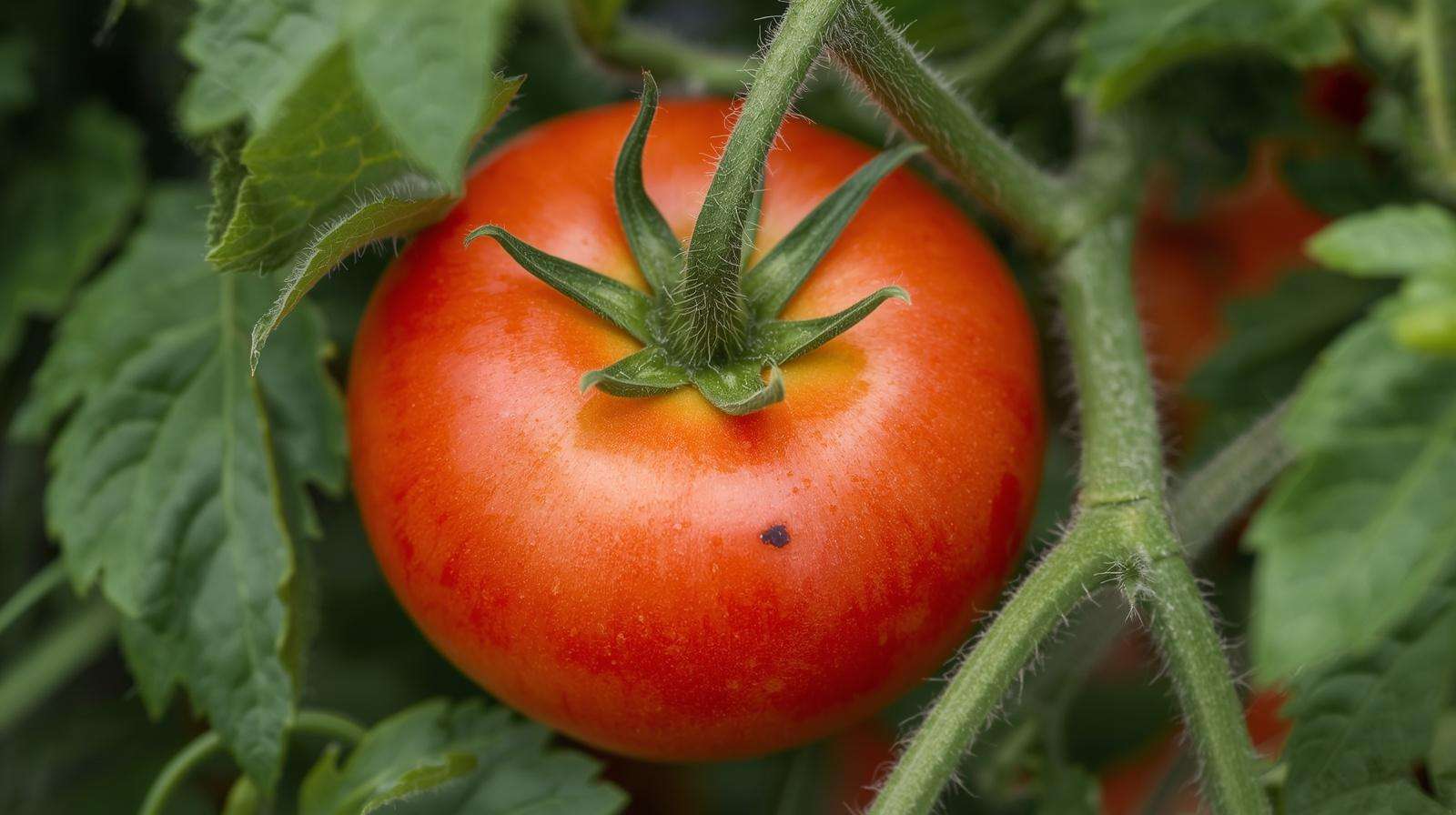
Pro tip for visuals: Compare healthy tomatoes (smooth, uniform color) against affected ones in different stages. Early detection allows intervention before widespread loss.
BER commonly affects larger-fruited varieties like beefsteak, plum, or Roma types more than cherry tomatoes. It can also impact peppers, eggplant, and squash, though symptoms and management are similar.
The Real Causes of Blossom End Rot on Tomatoes
Understanding why blossom end rot develops is the foundation for effective prevention. At its core, BER results from a localized calcium deficiency in the fruit, even when soil calcium levels appear adequate. Calcium moves passively with water through the plant via transpiration (water evaporation from leaves). Anything disrupting consistent water uptake or transport limits calcium delivery to rapidly growing fruit.
Primary triggers:
- Inconsistent or fluctuating soil moisture — The most common cause. Alternating wet-dry cycles impair calcium movement. Drought stress or overwatering (leading to root damage) both contribute.
- Low available calcium or improper soil pH — Calcium availability drops significantly below pH 6.0–6.2 or in very alkaline soils. Ideal tomato soil pH is 6.2–6.8, with many experts recommending around 6.5 for optimal nutrient uptake.
Contributing factors that worsen the problem:
- Excessive nitrogen fertilizer, which promotes lush leafy growth that “steals” calcium needed for fruit.
- Root damage from aggressive cultivation, transplant shock, or poor drainage.
- Cold soil temperatures early in the season, slowing root activity.
- Rapid growth spurts due to heat, high humidity, wind, or heavy fertilization.
- High concentrations of competing nutrients like ammonium nitrogen, potassium, or magnesium.
- Susceptible varieties and environmental stress (extreme heat, drought, or waterlogged soils).
Common myths debunked:
- Simply adding eggshells or crushed Tums to planting holes rarely solves acute issues quickly. Eggshells provide slow-release calcium but do not address moisture fluctuations, the dominant factor.
- Foliar calcium sprays (e.g., calcium chloride) offer only limited, temporary help at best because calcium does not translocate well from leaves to fruit, and fruit skin absorbs little. They are not a reliable standalone fix.
A simple way to visualize: Think of calcium as passengers on a water bus. If the bus (water flow) runs irregularly, passengers never reach their destination (the blossom end).
Soil testing remains the gold standard. Test annually or before planting to check pH, calcium levels, and other nutrients. Many university extensions offer affordable testing services.
7 Proven Ways to Stop Blossom End Rot on Tomatoes
Here are the seven most effective, research-supported strategies. Implement as many as possible for best results, starting with consistent watering and soil management.
1. Master Consistent Watering Practices Consistent soil moisture is the single most important factor in preventing BER. Calcium uptake depends on steady water movement from roots to fruit.
- Aim for 1–2 inches of water per week (including rainfall), delivered deeply but less frequently once plants establish.
- Use drip irrigation or soaker hoses on timers for even delivery without wetting foliage (which can invite disease).
- Avoid overhead watering, which increases humidity and foliar diseases.
- In hot weather or containers, check soil daily. The top inch should dry slightly, but never let the root zone (6–8 inches deep) dry out completely.
- Finger test or moisture meter: Water when the top 1–2 inches feel dry.
- For containers: Larger pots (at least 5 gallons) with good drainage reduce fluctuations. Water twice daily during extreme heat.
Regional note: In humid or monsoon-prone areas, focus on drainage to avoid waterlogging while maintaining even moisture during dry spells.
2. Optimize Soil pH and Calcium Levels Proper pH unlocks calcium availability.
- Conduct a soil test before planting. Amend with lime (calcitic or dolomitic) 2–4 months in advance if pH is low. Dolomitic lime also supplies magnesium.
- If calcium is low but pH is adequate, use gypsum (calcium sulfate), which does not raise pH significantly.
- Target pH 6.2–6.8. Organic matter like compost improves structure and nutrient retention.
- Timing matters: Fall or early spring applications work best as lime reacts slowly.
3. Use Mulch to Stabilize Soil Moisture and Temperature Mulch is one of the simplest yet most powerful tools.
- Apply 2–4 inches of organic mulch (straw, shredded leaves, wood chips, or grass clippings) after planting, keeping it away from the stem to prevent rot.
- Benefits: Conserves moisture, moderates soil temperature, suppresses weeds, and adds organic matter over time.
- Red plastic mulch can warm soil and boost early growth in cooler climates, while organic mulches excel at moisture retention.
4. Fertilize Wisely – Balance Nutrients Without Excess Nitrogen Over-fertilization, especially with high-nitrogen products, encourages leafy growth at the expense of fruit calcium.
- Follow soil test recommendations. Choose balanced or tomato-specific fertilizers low in nitrogen but higher in phosphorus and potassium (e.g., formulations like 5-10-10).
- Prefer nitrate forms of nitrogen over ammonium, as ammonium can interfere with calcium uptake.
- Side-dress lightly during fruit set; avoid heavy applications when fruits are developing.
- Maintain balance with potassium and magnesium to support overall health.
5. Choose Resistant Tomato Varieties and Plant Smart While no variety is completely immune, some show better tolerance.
- More resistant options often include: Celebrity, Jet Star, Better Boy, Mountain Fresh Plus, Early Girl, and many cherry or grape types. Large beefsteak and paste/plum varieties (e.g., Roma, San Marzano) tend to be more susceptible.
- Plant properly: Harden off transplants, plant deeply (burying part of the stem for better roots), space adequately for airflow, and avoid planting in cold soil (below 60°F/15°C).
- Rotate crops and practice good sanitation.
6. Protect Roots and Manage Environmental Stress Healthy roots = better calcium uptake.
- Minimize root disturbance during weeding or cultivation.
- Use shade cloth or windbreaks during extreme heat or dry winds.
- In containers, ensure excellent drainage and larger volumes to buffer temperature swings.
- Avoid planting too early in the season when soils are cold and wet.
7. Quick-Response Fixes When BER Appears Prevention is ideal, but act fast if spots develop.
- Remove affected fruits immediately to conserve plant energy for healthy ones.
- Ramp up consistent deep watering right away.
- As a short-term measure, some gardeners use a soil drench of calcium nitrate or calcium chloride solution (follow label rates carefully), though results vary.
- Foliar sprays provide minimal benefit for existing fruit but may support new growth in some cases — use as a supplement only.
- Focus on long-term recovery: Stabilize moisture, check pH, and mulch if not already done. The rest of the crop can often recover fully for later fruits.
Each of these methods builds on the others. For example, mulch enhances watering consistency, while proper fertilization supports root health.
(Word count so far: approximately 1450. Continuing with remaining sections.)
Additional Expert Strategies for Long-Term Success
Beyond the core seven ways, build resilient soil and plants for season-after-season success.
- Incorporate organic matter: Regularly add compost to improve water-holding capacity and microbial activity, which aids nutrient cycling.
- Crop rotation and companion planting: Rotate tomatoes with non-solanaceous crops. Companions like basil or marigolds can support overall garden health.
- Integrated management: Healthy, unstressed plants better resist physiological issues. Monitor for pests and diseases that could indirectly weaken roots.
- Season-long checklist:
- Pre-plant: Soil test and amend.
- Planting: Mulch and proper spacing.
- Growth: Consistent water and balanced feed.
- Fruiting: Daily checks in hot weather.
- Harvest: Remove damaged fruit promptly.
Container and raised-bed adaptations: Use high-quality potting mixes with added perlite for drainage. Larger containers reduce drying risk. Raised beds warm faster but may need more frequent watering.
Common Mistakes That Worsen Blossom End Rot (and How to Avoid Them)
- Cycling between underwatering and overwatering — Solution: Set a schedule or use timers/drip systems.
- Applying high-nitrogen fertilizer too liberally or at the wrong time.
- Skipping soil tests and guessing amendments.
- Relying solely on home remedies like eggshells or Tums without addressing moisture.
- Planting in cold, compacted, or poorly drained soil.
- Cultivating too close to plants, damaging shallow feeder roots.
Avoiding these pitfalls, combined with the 7 ways, dramatically reduces BER incidence.
Real Gardener Success Stories and Case Studies
Many gardeners have transformed their harvests. For instance, home growers in variable climates report near-zero losses after switching to drip irrigation plus thick mulch and pre-season soil testing. One small-scale producer reduced BER from affecting 40% of fruits to almost none by stabilizing moisture and switching to more tolerant varieties like Celebrity. In hot, humid conditions, consistent evening checks and soaker hoses made the difference. These real-world outcomes align with extension recommendations emphasizing prevention over cure.
Conclusion
Stopping blossom end rot on tomatoes is achievable when you address the root causes — primarily inconsistent moisture and calcium transport issues — through proven cultural practices. By mastering consistent watering, optimizing soil pH and calcium, mulching effectively, fertilizing balancedly, choosing suitable varieties, protecting roots, and responding quickly, you can prevent and minimize this common frustration.
Start with a soil test and a reliable watering plan this season. Your plants — and your harvest — will thank you with plump, unblemished tomatoes ready for salads, sauces, and fresh eating. Consistent attention to these details not only stops blossom end rot but leads to healthier overall plants and higher yields.
Share your experiences with blossom end rot in the comments below. What worked best in your garden? For more tomato-growing tips, explore our guides on soil testing, drip irrigation setups, and selecting the best varieties for your climate.
Frequently Asked Questions (FAQ)
Can blossom end rot be reversed on affected fruit? No. Once the tissue collapses, the damaged part cannot recover. Remove the fruit and focus on preventing it on new ones.
Are foliar calcium sprays effective? They provide limited benefit and are not a primary solution. Consistent soil moisture is far more important, as calcium moves with water from the roots.
Does adding eggshells or crushed Tums prevent BER? Eggshells offer slow-release calcium and can help maintain long-term levels when added to compost or soil, but they do not quickly fix moisture-related issues. Use them as a supplement after addressing watering and pH.
Why do my container tomatoes get it more often? Containers dry out faster and fluctuate more in moisture and temperature. Use larger pots, mulch the surface, and check soil moisture daily.
Is blossom end rot contagious? No. It is a physiological disorder, not caused by pathogens that spread plant-to-plant.
Best time to apply lime or gypsum? Several months before planting (ideally fall or early spring) so amendments can react in the soil.
Can I still eat tomatoes with mild BER? Yes, after cutting away the affected leathery portion. The rest of the fruit is safe.
How does weather affect BER risk? Extreme heat, drought, heavy rains, or rapid temperature swings increase risk by disrupting moisture consistency. Adjust watering accordingly.
What’s the difference between BER in tomatoes versus peppers or squash? The underlying calcium/moisture issue is similar, but larger-fruited tomatoes are often more susceptible. Management strategies overlap.