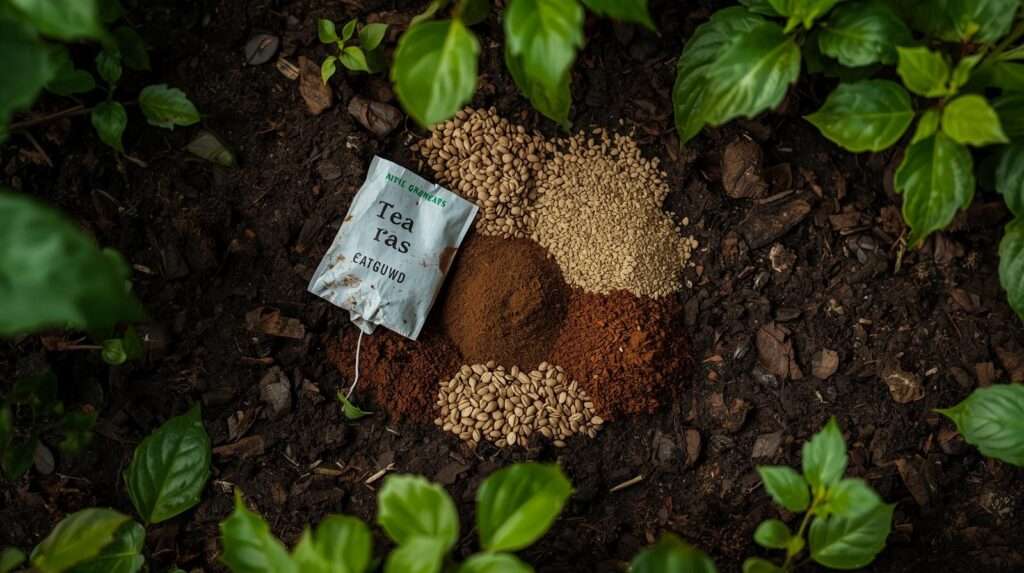
Every morning, millions of people discard used tea bags and coffee grounds without a second thought. Yet these everyday kitchen scraps hold surprising potential to nourish your soil, support beneficial microbes, deter common pests, and help your plants thrive — all while reducing household waste and saving money on commercial fertilizers.Tea bags and coffee grounds in the garden
Tea bags and coffee grounds in the garden represent one of the simplest, most accessible forms of kitchen-to-garden recycling. When handled correctly, they add organic matter, supply modest amounts of nitrogen and micronutrients, improve soil structure, retain moisture, and contribute to a healthier garden ecosystem. As a horticulture enthusiast with years of hands-on experience testing organic amendments in home vegetable patches, flower beds, and container gardens, I’ve seen firsthand how thoughtful use of these materials can deliver noticeable improvements in plant vigor — provided you follow evidence-based practices and avoid common pitfalls.
This comprehensive guide goes beyond basic listicles. It draws on scientific insights from university extension services and peer-reviewed studies to deliver balanced, practical advice. You’ll learn exactly when, how, and where these materials work best, which plants benefit most, and — crucially — the safety guidelines that prevent disappointment or harm. Whether you grow roses, blueberries, leafy greens, or houseplants, these 10 smart methods will help you turn daily waste into garden gold.
Why Tea Bags and Coffee Grounds Work Wonders in the Garden
Used (spent) coffee grounds typically contain 1–2% nitrogen along with smaller amounts of phosphorus, potassium, magnesium, copper, and other micronutrients. As they break down, they feed soil microbes, which release “microbial glues” that improve soil aggregation, aeration, and drainage — especially helpful in heavy clay soils. They also increase water-holding capacity in sandy soils and stimulate earthworm activity.
Tea leaves and used tea bags contribute nitrogen, phosphorus, potassium, and tannins. The tannins can mildly influence soil pH over time and may offer subtle pest-deterrent or antimicrobial effects. Both materials add valuable organic matter that enhances overall soil biology and structure.
Key benefits include:
- Slow-release nitrogen for leafy growth
- Improved soil tilth and microbial diversity
- Better moisture retention and weed suppression when used as thin mulch
- Reduced landfill waste and lower gardening costs
- Support for a circular, sustainable home garden system
Importantly, these are supplements, not complete fertilizers. They work best as part of a broader organic approach that includes compost, balanced amendments, and soil testing.
Note on acidity: A persistent myth claims coffee grounds strongly acidify soil for plants like blueberries and azaleas. In reality, spent coffee grounds have a near-neutral pH (roughly 6.5–6.8) because brewing removes most acidic compounds. They will not reliably lower soil pH. Tea leaves contain tannins that can gently increase acidity in some conditions, but effects remain modest. Always test your soil pH before relying on these materials for pH adjustment.
Important Safety Guidelines and Common Myths
Success with tea bags and coffee grounds in the garden depends on moderation and proper preparation. Here are evidence-based guidelines drawn from university extension research and practical experience:
Do:
- Use only spent (used) grounds and steeped tea bags — fresh/unbrewed materials contain higher levels of caffeine, tannins, and polyphenols that can inhibit germination or harm young plants.
- Choose biodegradable paper tea bags; avoid plastic or silk mesh bags that may release microplastics.
- Start small — apply in thin layers or mix into compost to prevent compaction, mold, or nitrogen immobilization (temporary tie-up of nitrogen by microbes breaking down the material).
- Incorporate into compost piles or dilute as “tea” for safer, more even distribution.
- Observe plant response and adjust based on your soil type and climate.
Don’t:
- Apply thick layers directly on soil — they can form a water-resistant crust or promote fungal issues.
- Use near seeds or delicate seedlings without composting first — some studies show direct application of high percentages of spent coffee grounds can suppress growth due to phytotoxic compounds or nitrogen competition.
- Rely solely on these materials for nutrition — they provide modest nutrients and should complement other organic inputs.
- Ignore soil testing — especially if growing acid-loving or alkaline-preferring plants.
Debunked myths:
- “Coffee grounds are highly acidic and perfect for blueberries.” — Spent grounds are near neutral; they won’t significantly acidify soil.
- “They’re a complete fertilizer.” — They offer limited N-P-K and are better as a soil conditioner.
- “More is always better.” — Over-application can lead to temporary nutrient tie-up or poor growth in sensitive plants.
Potential risks are minimized by composting or using diluted applications. Many studies show positive or neutral results when grounds are properly integrated, while direct high-rate use in some urban soil trials reduced plant performance.
Pro tip from experience: Keep a garden journal. Note application rates, plant types, and results over seasons. This builds your own localized expertise and prevents repeating mistakes.
10 Smart Ways to Use Tea Bags and Coffee Grounds in the Garden
Here are ten practical, tested methods. Each includes step-by-step instructions, target applications, and expected benefits.
- As a Slow-Release Organic Fertilizer Sprinkle a thin layer (no more than ½ inch) of dried used coffee grounds or opened tea bag contents around the base of established plants, then lightly scratch into the top 1–2 inches of soil. Water thoroughly. Best for: Nitrogen-loving leafy greens (lettuce, spinach, basil, parsley), roses, and established perennials. Benefit: Gradual nitrogen release supports lush foliage without burn risk. Combine with compost for balanced nutrition. For a quick liquid boost, steep 2 cups of used grounds or tea leaves in 5 gallons of water for 24–48 hours, strain, and dilute 1:10 before applying as a soil drench.
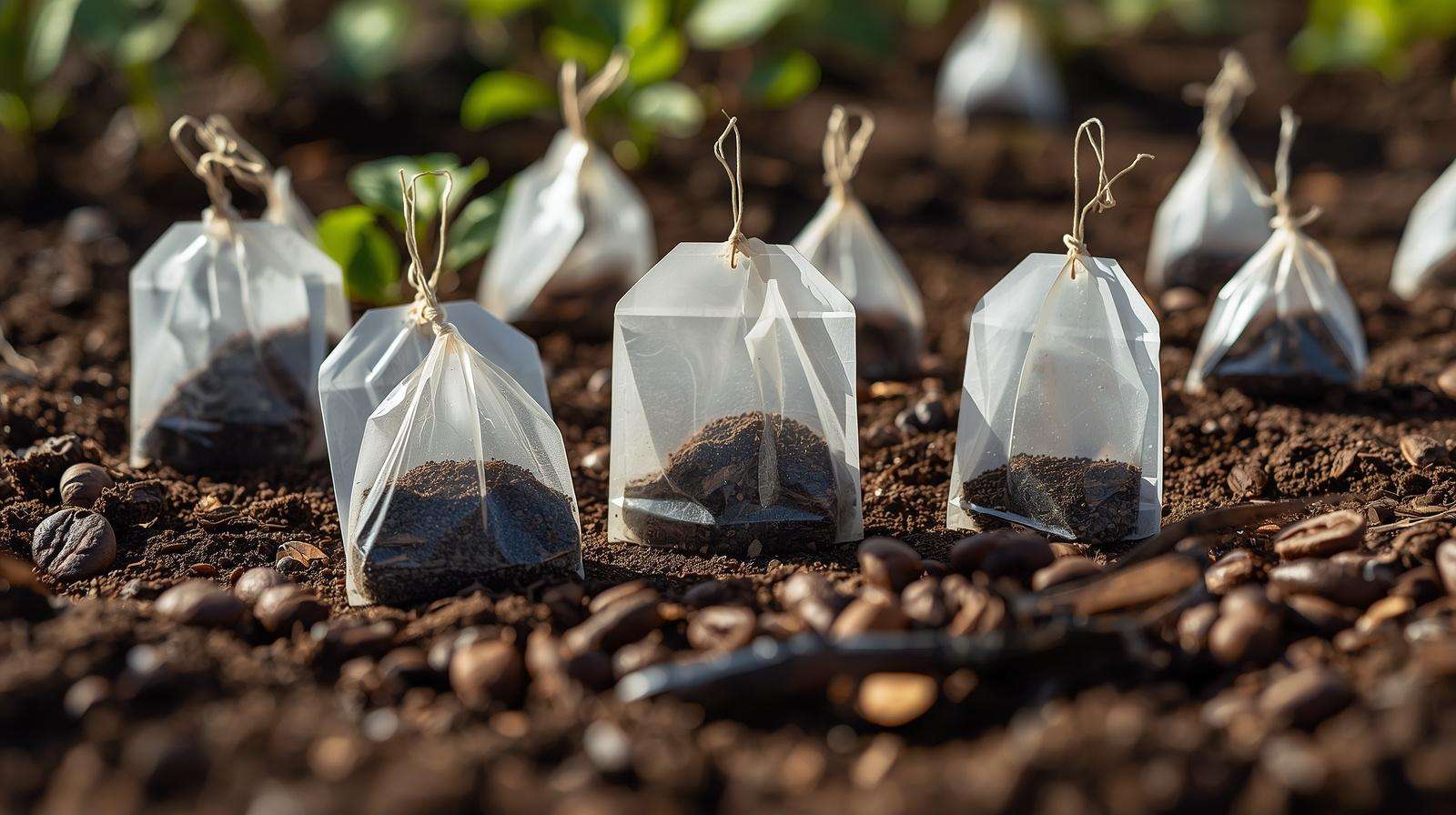
2.Boosting Compost Piles Add used coffee grounds and tea bags (paper only, staples removed) as a “green” nitrogen source. Aim for a balanced carbon-to-nitrogen ratio by mixing with brown materials like leaves or cardboard. Benefit: Speeds decomposition, heats the pile, and enriches final compost with micronutrients. Grounds can comprise up to 10–20% of the pile by volume. Tea leaves help break down other materials thanks to tannins. Tip: In vermicomposting (worm bins), used grounds are well-tolerated in moderation and improve castings quality.
3. Creating Nutrient-Rich Mulch Apply a very thin layer (¼–½ inch) mixed with other mulches like wood chips or straw around plants. Avoid piling against stems. Benefit: Suppresses weeds, retains soil moisture, moderates temperature, and slowly feeds microbes. The texture can also deter slugs and snails. Caution: Monitor for compaction in wet climates; refresh only after previous layer breaks down.
4.Improving Soil Structure and Drainage Mix dried grounds or tea leaves into heavy clay or compacted soils at a rate of no more than 10% by volume when preparing beds. Benefit: Organic matter improves aggregation, aeration, and root penetration. In sandy soils, it enhances water and nutrient retention. Long-term use supports healthier root systems and microbial activity.
5.Natural Pest Deterrent Create barriers by sprinkling used grounds or burying opened tea bags around vulnerable plants. The texture and residual compounds can repel slugs, snails, ants, and some insects. Benefit: Non-toxic alternative to chemical controls. Reapply after heavy rain. Liquid “coffee tea” sprayed on foliage may offer additional mild deterrence for certain soft-bodied pests. Real-world note: Oregon State University research confirms used grounds can help kill or deter slugs when applied appropriately.
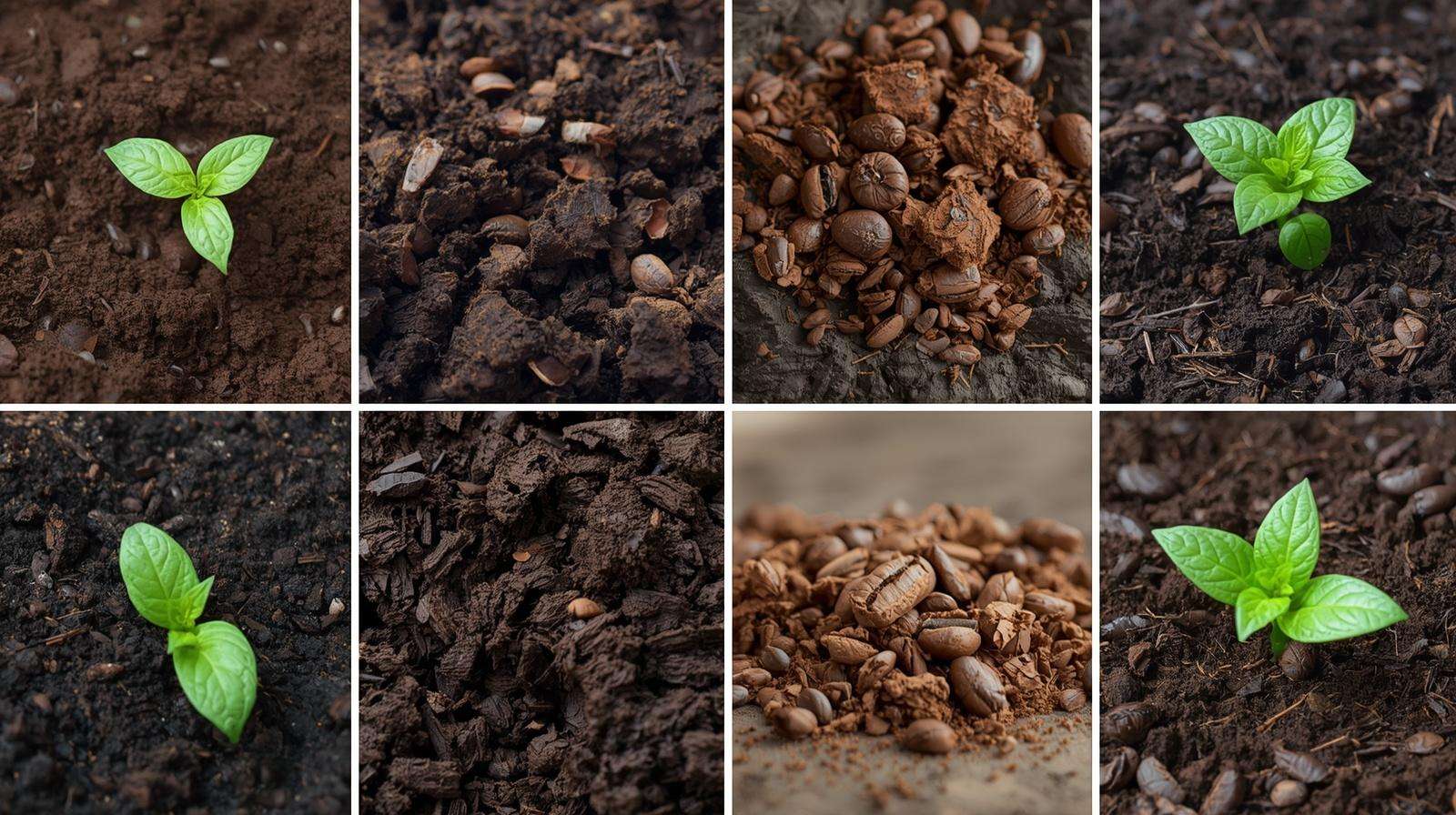
6.Supporting Acid-Loving Plants (with Realistic Expectations) While neither material dramatically lowers pH, tea’s tannins and the overall organic contribution can benefit plants that prefer slightly acidic conditions when used alongside proper amendments like elemental sulfur or pine needles. Best plants: Azaleas, rhododendrons, blueberries, gardenias, camellias, hydrangeas (for bluer blooms in responsive varieties), roses, and ferns. Approach: Apply sparingly around the drip line and combine with pH-lowering strategies if soil tests show need. Monitor pH annually.
7.Seed Starting and Potting Mix Amendment (with Caution) Use only well-composted grounds or very dilute tea at low rates (under 10%) in potting mixes. Fresh material is risky near germinating seeds. Benefit: Adds minor nutrients and improves moisture retention in containers. Best for established seedlings or transplants.
8.Reviving Struggling or Drooping Plants Bury 1–2 used tea bags near the root zone of tired container plants or dig lightly around garden specimens, then water. Or apply diluted compost tea from grounds. Benefit: Quick microbial boost and mild nutrient refresh can help stressed plants recover, especially those showing nitrogen deficiency (yellowing older leaves).
9.Weed Suppression and Ground Cover Layer thin applications of grounds mixed with other organic matter in pathways or between rows. Benefit: Reduces weed germination while improving soil over time. Combine with cardboard for sheet mulching techniques.
10.Making Compost Tea or Liquid Fertilizer Steep 2 cups used coffee grounds or tea leaves in 5 gallons of water for 2–7 days (aerate if possible for better results). Strain and dilute 1:10 before use as a foliar spray or soil drench. Benefit: Delivers soluble nutrients and beneficial microbes directly to plants. Use every 2–4 weeks during active growth for a gentle boost. Recipes can be enhanced with banana peels or eggshells for added potassium and calcium.
For each method, results vary by soil type, climate, and plant species. In tropical or subtropical areas like parts of Bangladesh, faster decomposition occurs due to heat and humidity — adjust application frequency accordingly and ensure good drainage to prevent issues.
Best Plants That Thrive with Tea Bags and Coffee Grounds
These materials suit many common garden plants when used thoughtfully:
Strong candidates:
- Roses — benefit from nitrogen and disease-suppressing effects
- Blueberries and strawberries
- Azaleas, rhododendrons, camellias, gardenias
- Hydrangeas (especially for foliage and potential bloom color influence when combined with pH management)
- Leafy herbs and vegetables: basil, parsley, spinach, lettuce
- Ferns and some flowering annuals/perennials
Use sparingly or avoid:
- Alkaline-loving plants like lavender, Mediterranean herbs (rosemary, thyme), asparagus, or garlic
- Seedlings and very young plants without composting first
Quick Reference Table:
| Plant | Primary Benefit | Recommended Method | Notes |
|---|---|---|---|
| Roses | Nitrogen + disease suppression | Mulch or compost addition | Excellent results reported |
| Blueberries | Organic matter + mild acidity support | Thin mulch around base | Combine with sulfur if needed |
| Azaleas/Rhododendrons | Soil conditioning | Composted amendment | Monitor pH |
| Basil/Parsley | Nitrogen for leafy growth | Diluted tea or light sprinkle | Fast response |
| Hydrangeas | General soil health | Any balanced method | pH affects bloom color more than grounds alone |
Always match application to your specific soil test results and local conditions.
Step-by-Step: How to Prepare and Store Tea Bags & Coffee Grounds
- Collect daily used grounds and steeped tea bags.
- Spread on a tray or newspaper to dry completely (prevents mold).
- Store in breathable containers (paper bags or jars with lids loosened) in a cool, dry place.
- For larger volumes, ask local cafés for spent grounds — many are happy to share.
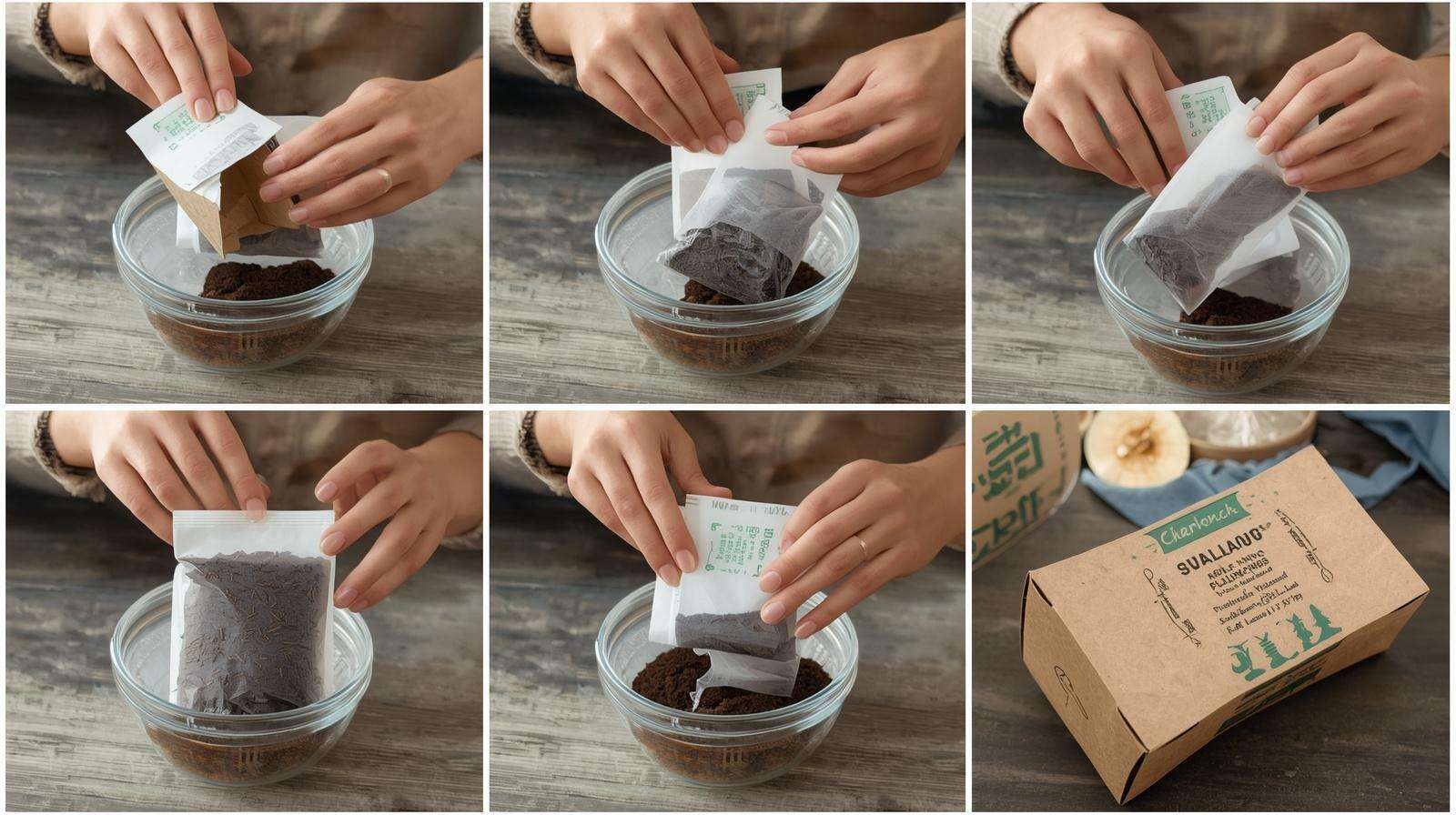
Drying takes 1–3 days depending on humidity. Scale up collection for seasonal bed preparation.
Combining with Other Kitchen & Garden Waste for Maximum Results
Synergies multiply benefits. Mix coffee grounds and tea with:
- Eggshells (calcium)
- Banana peels (potassium)
- Vegetable scraps
- Fallen leaves or grass clippings
This creates more balanced compost or mulch with broader nutrient profiles and faster breakdown.
Common Mistakes to Avoid
- Over-application leading to compaction or nitrogen tie-up
- Using on wrong plants or near seeds
- Ignoring biodegradable tea bag types
- Expecting dramatic pH changes or instant fertilizer effects
- Failing to water after application
Start with small test areas to learn what works in your garden.
Real Results: What Gardeners Can Expect
Visible improvements often appear within 2–4 weeks for liquid applications (greener foliage, stronger growth). Soil structure benefits build over months. In balanced systems, expect healthier plants, fewer pests, and reduced need for purchased inputs. Track progress with photos and notes for the most reliable outcomes.
Frequently Asked Questions (FAQs)
Are coffee grounds acidic for all plants? No. Spent grounds are near neutral (pH 6.5–6.8). They won’t reliably acidify soil.
Can I use tea bags directly in the soil? Only paper tea bags, opened or buried shallowly. Remove staples and avoid plastic types.
How much is too much? Limit direct application to thin layers or no more than 10% in mixes/compost. Less is often more.
Do they deter all pests? They help against slugs, snails, and some ants, but are not a complete solution.
Are they safe for vegetables? Yes, when composted or used sparingly. Avoid direct heavy use near edible seedlings.
What about plastic tea bags? Avoid placing them in soil or compost due to potential microplastics. Use loose leaf or paper bags instead.
Can I use them on houseplants? Yes — dilute liquid tea or add small amounts of composted material to potting mix for established plants.
How do they compare to commercial fertilizers? They are a mild, free supplement that improves soil biology rather than providing high-analysis nutrition. Use alongside balanced organic fertilizers for best results.
Final definatiom
Tea bags and coffee grounds in the garden offer an easy, eco-friendly way to recycle kitchen waste while supporting healthier plants and soil. The ten methods above provide flexible, practical options for any gardener — from beginners to experienced growers.
Start small: Collect a week’s worth, dry it, and try one or two techniques this season. Combine with soil testing, diverse compost, and observation for the best long-term success. Sustainable gardening isn’t about magic single ingredients — it’s about thoughtful, balanced practices that build resilient ecosystems.
By repurposing these common items, you reduce waste, cut costs, and nurture a more productive, beautiful garden. Try one method today and watch your plants respond. Share your results in the comments — I’d love to hear what works in your unique growing conditions