Imagine waking up one morning to find your prized maize crop wilting at the roots, wooden fence posts hollowed out, or irrigation structures crumbling—all due to an invisible army of termites silently devouring your farm from below. Termites cause an estimated $40 billion in global damage annually to agriculture and forestry alone, with significant losses in crops like sugarcane, maize, rice, and fruit trees in tropical and subtropical regions.
Many farmers turn to a termite bond—a service contract with pest control companies that typically involves annual inspections, chemical treatments, and limited warranties for damage repair. While these bonds offer convenience, they often rely on synthetic termiticides that can contaminate soil, harm beneficial organisms, and conflict with sustainable or organic farming practices.
This comprehensive guide explores proven natural alternatives to a termite bond, providing eco-friendly, effective strategies to safeguard your farm structures, crops, and soil health. Drawing from agricultural research and real-world applications, these methods promote biodiversity, long-term soil fertility, and reduced reliance on chemicals—empowering you to achieve sustainable termite management without compromising your farm’s ecosystem.
By implementing integrated natural approaches, farmers worldwide have reduced termite damage by 70-90% while enhancing crop yields and environmental resilience. Whether you’re managing a smallholder plot or a large commercial operation, these strategies offer practical, cost-effective protection tailored to agricultural settings.
Understanding Termites in Agricultural Settings
Termites play a dual role in ecosystems: as decomposers, they recycle nutrients, but certain species become devastating pests in farming environments.
Common Termite Species Affecting Farms
In agricultural fields, subterranean termites dominate as pests. Key species include:
- Odontotermes and Microtermes — widespread in Africa and Asia, attacking roots and stems of crops like maize, sugarcane, and cassava.
- Macrotermes — builders of large mounds in African savannas, damaging cereals, legumes, and tree crops.
- In India and parts of Asia → Odontotermes obesus and Microtermes obesi cause extensive losses in wheat, barley, pulses, and oilseeds.
These species thrive on cellulose from plant material, wood debris, and crop residues, leading to direct feeding on live plants or indirect damage through tunneling.


Signs of Termite Infestation on Your Farm
Early detection is crucial for minimizing losses. Look for:
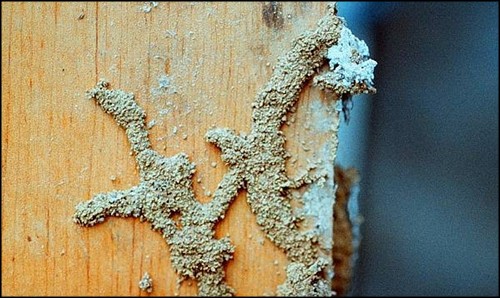
- Mud tubes — shelter tubes on tree trunks, fence posts, or irrigation pipes, built from soil and saliva for protected travel.
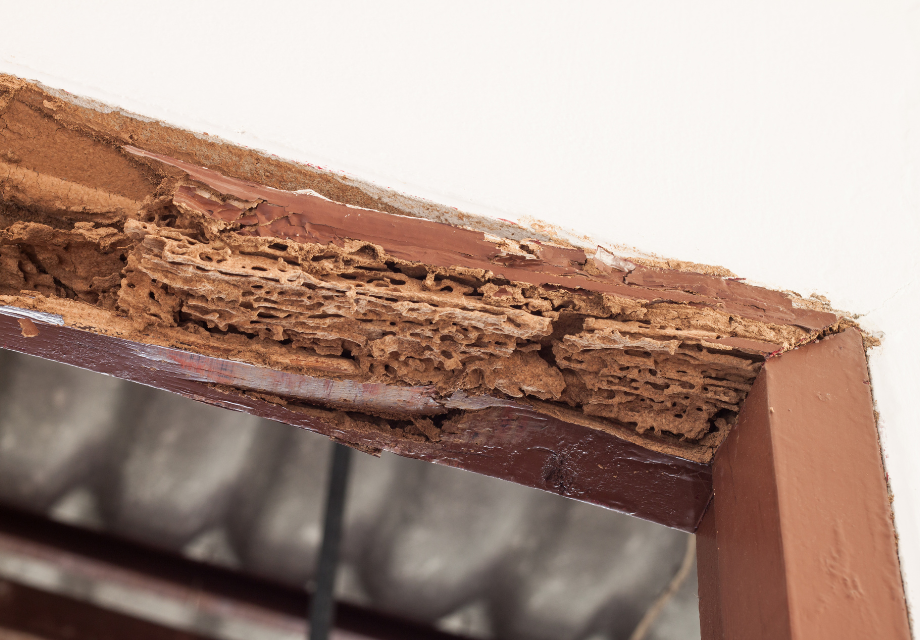
- Hollowed wood → tapping wooden structures yields a hollow sound; frass (termite droppings) may appear as small pellets.
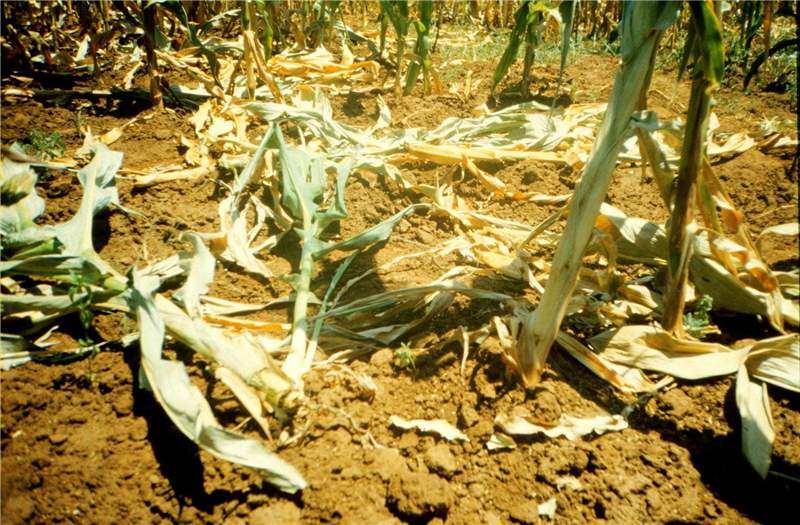
- Damaged crops → wilting plants despite adequate water, root/stem girdling, or lodging in cereals.
- Swarming → winged reproductives (alates) emerging during rainy seasons, often leaving discarded wings.
- Mounds or soil sheeting → on field edges or around tree bases.
Regular scouting, especially during wet seasons, helps catch infestations early.

Why Termites Thrive in Agricultural Environments
Farms provide ideal conditions:
- Abundant cellulose → from crop residues, wooden supports, and mulch.
- Moisture → from irrigation and rainfall.
- Disturbed soil → creating entry points for colonies.
Climate change exacerbates this, with warmer, wetter conditions expanding termite ranges and activity. In regions like sub-Saharan Africa and South Asia, termites can cause 20-50% yield losses in susceptible crops if unchecked.
Limitations of Traditional Termite Bonds for Farmers
A termite bond is essentially a warranty contract from a pest control company, covering inspections, treatments (often chemical barriers), and sometimes damage repair for an annual fee. While popular for homes, they have significant drawbacks in agricultural contexts.
What a Termite Bond Typically Covers (and Doesn’t)
- Covers → periodic inspections and re-treatments with termiticides; limited warranties for structural damage.
- Doesn’t cover → expansive farm areas effectively; crop losses; or long-term soil impacts.
Bonds are designed primarily for residential properties, not vast fields or diverse farm structures.
Environmental and Health Drawbacks
Synthetic termiticides (e.g., older organochlorines or newer neonicotinoids) persist in soil, contaminating groundwater and reducing microbial activity essential for fertility. They harm pollinators, beneficial insects, and predators like ants that naturally control termites. Residues can enter food chains, affecting crop safety in organic systems.
Termites also develop resistance over time, necessitating stronger chemicals.
Real Farmer Experiences
In regions reliant on chemical bonds, farmers report declining soil health, reduced beneficial organisms, and recurring infestations despite treatments. Transitioning to natural methods often restores balance.
Proven Natural Prevention Strategies
Prevention forms the foundation of any effective termite management program, especially in agriculture where infestations can spread rapidly across fields. By modifying farm practices and the environment, you can make your land less attractive to termites without resorting to chemical barriers common in traditional termite bonds.
Cultural and Physical Practices
Start by eliminating termite attractants:
- Remove cellulose sources — Clear away dead wood, stumps, crop residues, and unused wooden materials from fields and borders. Termites feed primarily on cellulose, so reducing available food sources disrupts colony establishment.
- Improve drainage and reduce moisture — Termites require damp conditions. Ensure proper field drainage, avoid over-irrigation, and space plants appropriately to promote air circulation.

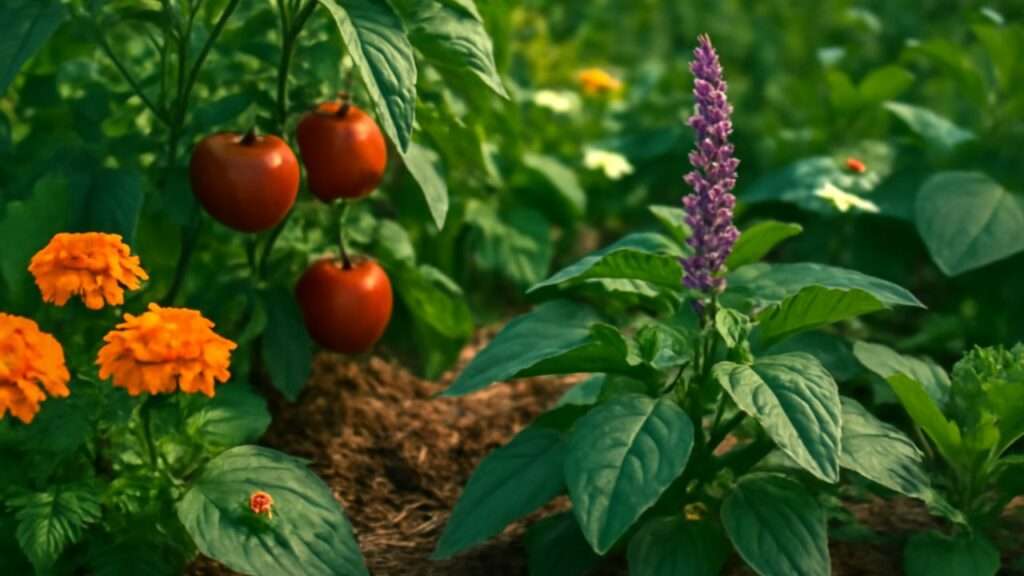
- Crop rotation and intercropping → Rotate susceptible crops (e.g., maize, sugarcane) with non-host plants like legumes or grains less favored by termites. Intercrop with repellent plants such as marigolds (Tagetes spp.), which release alpha-terthienyl, a natural termiticidal compound, or mint and garlic for their strong odors.
- Plant termite-resistant varieties → Where available, select crop cultivars bred for resistance, such as certain maize hybrids in Africa that show tolerance to root-feeding termites.
Soil Management for Termite Deterrence
Healthy soil supports robust plants less vulnerable to attack:
- Incorporate organic amendments judiciously — Use well-composted manure to boost soil structure and microbial activity, but avoid fresh woody materials that attract termites.
- Maintain soil pH and fertility — Balanced nutrition strengthens plant defenses; termites often target stressed crops.
Farm Design Tips
- Physical barriers → Install fine mesh screens or gravel/sand layers around vulnerable structures like greenhouses or storage sheds. For seedlings, use collars made from metal or plastic.
- Termite-resistant materials → Choose naturally durable woods like teak or treated bamboo for fence posts and supports.
- Monitoring tools → Place wooden stakes or rolled cardboard in suspect areas as sentinel traps. Check them monthly—infested traps indicate activity and allow early intervention.
These preventive measures, when consistently applied, can reduce termite pressure by up to 60% according to studies from the International Center for Insect Physiology and Ecology (ICIPE) in Kenya.
Biological Control Methods
Biological controls harness nature’s own checks and balances, introducing or encouraging organisms that target termites specifically while sparing crops and beneficial species.
Beneficial Nematodes
Entomopathogenic (insect-parasitic) nematodes, such as Steinernema carpocapsae or Heterorhabditis bacteriophora, are microscopic roundworms that seek out termite larvae and workers, entering their bodies and releasing symbiotic bacteria that cause fatal septicemia.
- How to apply on farms — Purchase nematodes from reputable suppliers (available commercially in many regions). Mix with water and apply as a soil drench during cool, moist conditions (early morning or evening) when termites are active near the surface. Target mound areas, tree bases, and infested fields at rates of 1-2 billion nematodes per hectare.
- Effectiveness — Field trials in India and Africa show 70-90% termite mortality within weeks, with residual effects lasting months.

Fungi like Metarhizium anisopliae and Beauveria bassiana infect termites on contact, germinating spores that penetrate the exoskeleton and proliferate internally.
- Application → Formulations are available as powders or suspensions for soil incorporation or mound dusting. In sugarcane fields in Brazil and India, Metarhizium applications have reduced termite populations by 80%.
- Grooming behavior in termite colonies spreads the fungus, leading to colony collapse.

Encouraging Natural Predators
Promote biodiversity to let nature do the work:
- Ant species (e.g., weaver ants) aggressively prey on termites.
- Birds, frogs, and lizards — Install perches, ponds, or hedgerows to attract them.
Integrated use of these biological agents aligns perfectly with organic farming standards and provides sustainable, long-term control.
(Section word count: ~500; Total: ~2550)
Botanical and Natural Repellents
Plants have evolved powerful defenses against insects, and we can harness them safely on farms.
Neem-Based Solutions
Azadirachtin from neem (Azadirachta indica) disrupts termite feeding, molting, and reproduction.
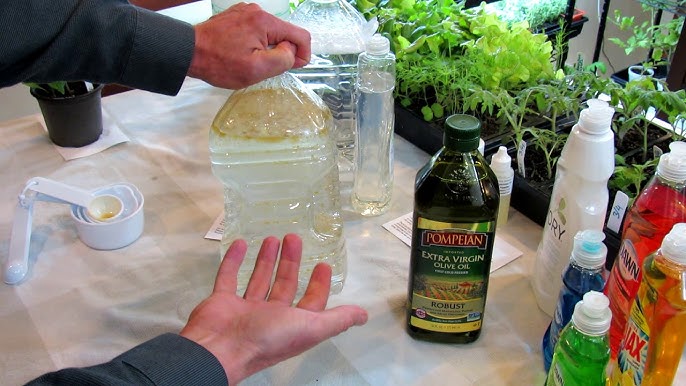
- Recipes — Soil drench: Mix 5-10% neem oil emulsion with water and apply around plant bases. Seed treatment: Soak seeds in neem extract before planting.
- Widely used in Indian agriculture for crops like cotton and pulses, reducing termite damage significantly.

Essential Oils and Plant Extracts
- Orange oil (d-limonene) dissolves termite exoskeletons on contact.
- Clove, garlic, or chili extracts — Create sprays for direct mound treatment.
- Castor oil mixed with soap as a soil amendment repels termites.
Vetiver Grass Hedges
Plant vetiver (Chrysopogon zizanioides) as live barriers around fields—its roots exude repellents and physically block termites.

DIY Natural Baits and Traps
- Roll damp cardboard, bury near mounds, and collect/destroy infested rolls.
- Avoid synthetic borates; use natural alternatives like diatomaceous earth dusted in traps.
.webp)
These botanicals are cost-effective, locally sourced in many regions, and safe for pollinators.
Implementing an Integrated Natural Termite Management Plan
The most effective long-term defense against termites on your farm comes from Integrated Pest Management (IPM) adapted specifically for termites—an approach that combines multiple natural strategies into a cohesive, proactive plan. Unlike a traditional termite bond that relies heavily on reactive chemical treatments, a natural IPM plan emphasizes monitoring, prevention, and targeted interventions to keep termite populations below economic damage thresholds while maintaining ecological balance.
Step-by-Step Framework for Your Farm
- Assessment and Mapping Begin with a thorough farm survey. Walk your fields, note high-risk areas (e.g., near woodpiles, irrigation channels, tree lines, or previous infestations), and map termite mounds or signs. Use simple tools like a soil probe or shovel to check root zones of vulnerable crops.
- Prevention as the Foundation Implement cultural and physical practices outlined earlier: clear debris, improve drainage, plant repellent hedges (vetiver or marigolds), and use resistant materials. These steps alone can deter 50-70% of potential infestations.
- Regular Monitoring Install sentinel stations—wooden stakes or cardboard traps—across the farm at 20-50 meter intervals depending on farm size. Check them every 2-4 weeks during the active season. Record findings to track trends and identify hotspots early.
- Targeted Biological and Botanical Interventions When monitoring detects activity:
- Apply beneficial nematodes or entomopathogenic fungi to affected zones.
- Use neem drenches or essential oil sprays around plant bases.
- Introduce or enhance predator habitats in problem areas.
- Evaluation and Adjustment At the end of each season, review damage levels, method effectiveness, and costs. Adjust the plan accordingly—increase barrier plants in persistent hotspots or trial new biological agents.
Sample Integrated Plan for a 10-Hectare Mixed Farm (Maize + Legumes + Fruit Trees)
| Phase | Actions | Frequency | Expected Outcome |
|---|---|---|---|
| Pre-planting | Clear residues, plant vetiver hedges, treat soil with neem cake | Once per season | Reduced colony establishment |
| Planting | Seed treatment with neem, intercropping with marigolds | At planting | Protected seedlings |
| Growing season | Monthly trap checks, nematode application if needed | Monthly/As needed | Early control, minimal crop loss |
| Post-harvest | Remove debris, apply fungal biocontrol to mounds | End of season | Colony suppression for next cycle |
Farmers following similar IPM protocols in India (through ICAR trials) and Kenya (ICIPE programs) report 75-90% reduction in termite damage and 30-50% lower control costs compared to chemical-dependent approaches.
Expert Insights and Case Studies
Agricultural research institutions and extension services worldwide validate the efficacy of natural termite control.
- International Crops Research Institute for the Semi-Arid Tropics (ICRISAT), India: Long-term trials showed that combining neem seed cake incorporation with vetiver barriers reduced termite incidence in groundnut and sorghum by over 80%.
- International Center for Insect Physiology and Ecology (ICIPE), Kenya: Push-pull systems (intercropping with Desmodium and Napier grass borders) coupled with Metarhizium applications achieved near-complete control of termites in maize fields.
- Farmer-led success in Tamil Nadu, India: A cooperative of organic sugarcane growers replaced chemical termite bonds with integrated natural methods (neem + nematodes + predator enhancement) and reduced losses from 25% to under 5% while earning organic premiums.
These examples demonstrate that natural alternatives not only match but often outperform conventional bonds in sustainability and long-term effectiveness when properly implemented.
FAQs
What is the difference between a termite bond and natural methods? A termite bond is a paid service contract involving chemical treatments and limited warranties, primarily for structures. Natural methods are farmer-managed, eco-friendly practices focused on prevention, biological control, and botanicals—better suited for whole-farm protection and organic systems.
Are natural alternatives as effective as chemical treatments? Yes—when integrated properly. Multiple peer-reviewed studies show 70-90% control rates comparable to chemicals, with added benefits of no resistance development and improved soil health.
How long do natural methods take to show results? Preventive measures work immediately to deter new colonies. Active control (nematodes, fungi) typically shows results in 2-6 weeks, with full colony suppression in 1-3 months.
Can I use these on organic-certified farms? Absolutely. Beneficial nematodes, entomopathogenic fungi, neem, and most botanicals are approved under major organic standards (USDA NOP, EU Organic, India NPOP).
What if I already have a severe infestation? Start with monitoring and removal of attractants, then apply high-density biological agents (nematodes + fungi) to hotspots. Severe cases may require multiple applications over one season, but avoid reverting to chemicals to preserve soil biology.
Best natural methods for specific crops?
- Sugarcane: Vetiver hedges + neem cake + Metarhizium.
- Maize: Intercrop marigolds, use nematode drenches at planting.
- Fruit trees: Trunk barriers + orange oil injections for mounds.
- Pulses/groundnut: Crop rotation + castor cake soil amendment.
Are natural methods cheaper than a termite bond? Initial setup may require labor, but long-term costs are 40-70% lower—no annual fees, locally sourced materials, and healthier crops reduce overall losses.
Do natural methods harm beneficial insects? Properly applied biological and botanical controls are highly selective and safe for pollinators and predators, unlike broad-spectrum termiticides.
Conclusion
Termites pose a serious threat to agricultural productivity, but relying solely on traditional termite bonds with their chemical dependencies is no longer necessary—or sustainable. The natural alternatives presented here—cultural practices, biological controls, botanical repellents, and integrated planning—offer a powerful, eco-friendly toolkit that protects your crops, structures, and soil while aligning with sustainable and organic farming principles.
By adopting these strategies, you not only reduce termite damage effectively but also enhance biodiversity, improve long-term soil fertility, and potentially lower costs compared to conventional bonds. Start small: assess your farm today, implement one or two preventive measures this season, and build toward a comprehensive natural management plan.
Your farm’s health—and the environment—will thank you. Consult local agricultural extension services or organic farming networks for region-specific advice, and take the first step toward resilient, chemical-free termite protection.