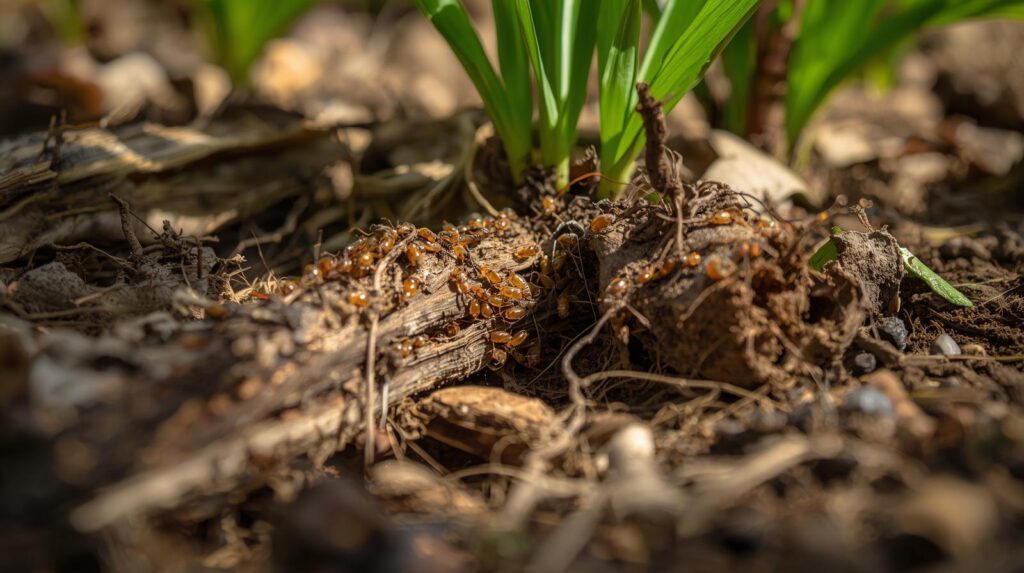
Imagine finding a pile of fallen logs on your property—free, abundant, and seemingly perfect for building hugelkultur raised beds or filling garden structures with organic material. The idea of using termite-infested logs for garden beds is tempting: they’re already partially broken down, promising faster decomposition and nutrient-rich soil. But then doubt creeps in—what if those termites spread to your crops, fruit trees, or worse, your home?
This common dilemma faces many sustainable gardeners and farmers. Termite-infested logs offer an eco-friendly resource, yet they carry real risks in permaculture practices like hugelkultur. In this expert guide, we’ll cut through the confusion with balanced, evidence-based insights from entomologists, cooperative extension services, and real-world permaculture experiences. You’ll learn when (and if) it’s safe to use them, the potential benefits and dangers, and practical alternatives to protect your garden and property.
(Word count so far: ~220)
What Are Termites and Why Do They Infest Logs?
Termites are social insects that play a vital role in ecosystems as decomposers, breaking down dead plant material like fallen logs and branches. There are over 2,000 species worldwide, but the ones most relevant to gardeners are subterranean termites (e.g., eastern subterranean in the US), which live in soil colonies and forage for cellulose in wood.
Termite Basics
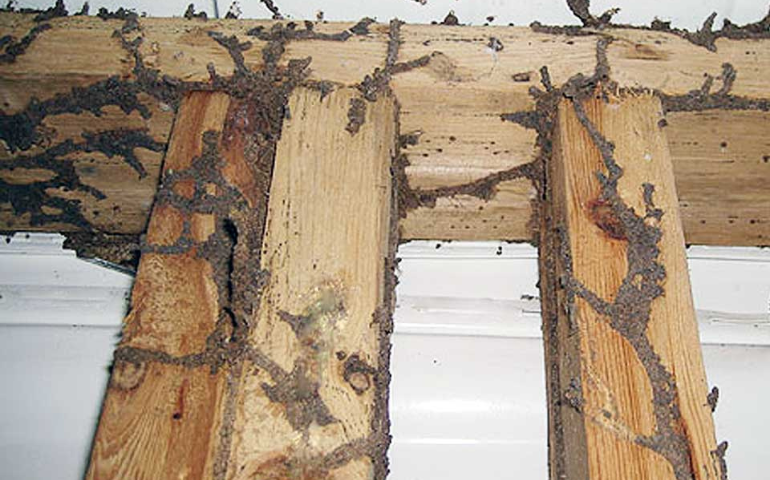
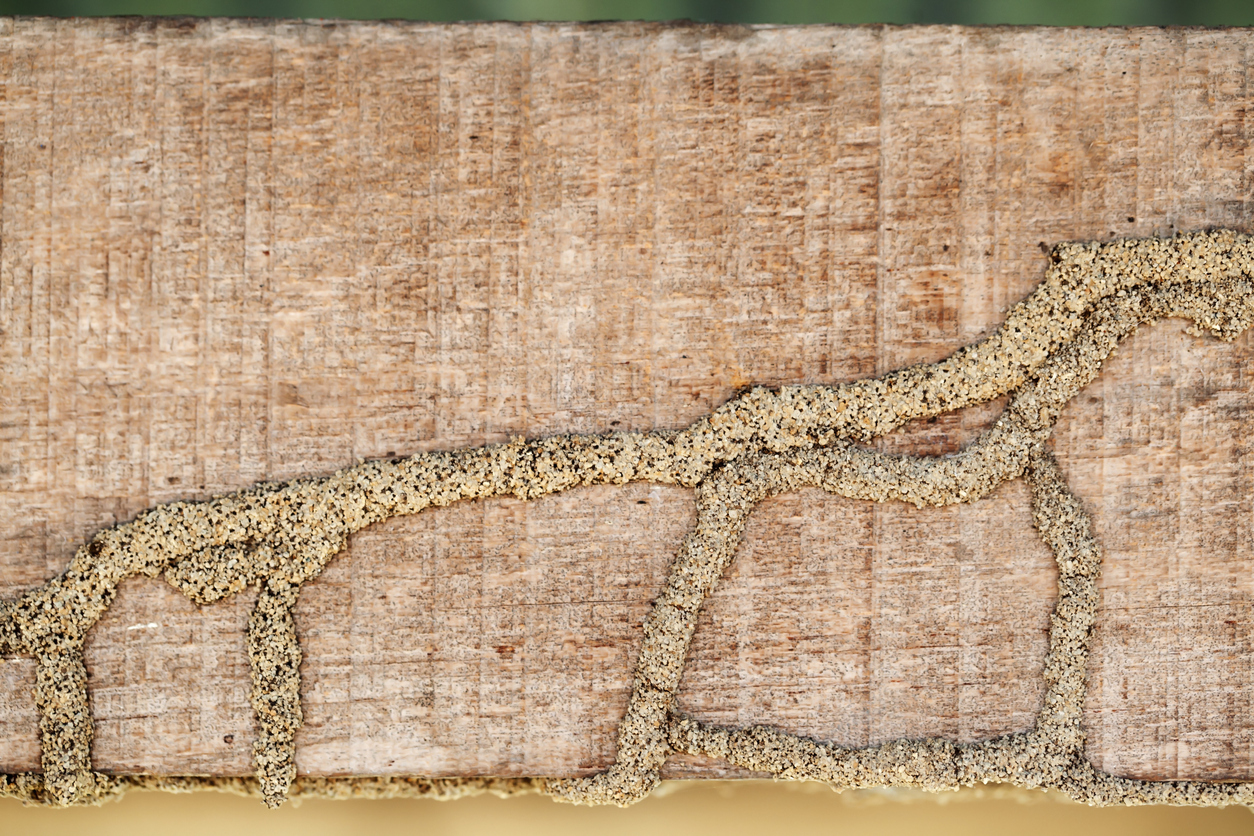
Subterranean termites build large underground nests and travel through mud tubes to reach food sources. They prefer moist, decaying wood, which is why fallen logs become prime targets. Signs of infestation include:
- Mud tubes on wood surfaces (shelter tunnels for travel)
- Hollowed-out wood with soil-packed galleries
- Frass (termite droppings) resembling sawdust
How Infestation Happens
Logs infest when moist conditions attract foraging workers. Partially rotted wood is especially appealing, as it’s easier to digest.
Natural Role of Termites
In forests, termites accelerate nutrient cycling by turning dead wood into humus, aerating soil, and fostering microbial activity. This decomposition role is why some permaculture enthusiasts view them positively in controlled settings.
Understanding Hugelkultur and Raised Garden Beds
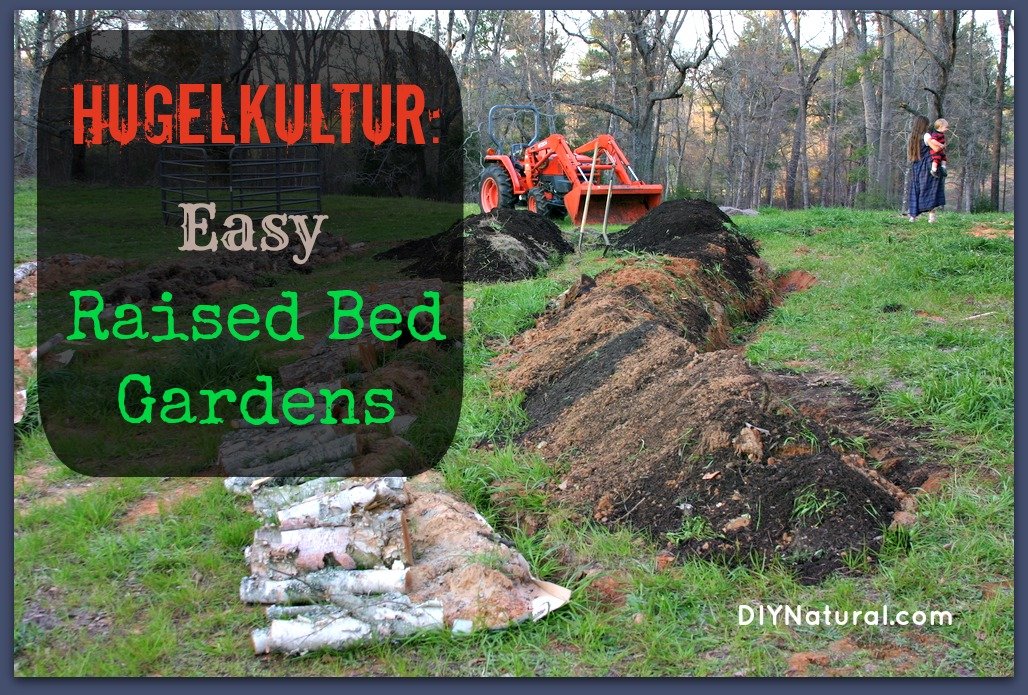
Hugelkultur (German for “mound culture”) is a permaculture technique pioneered by Sepp Holzer and popularized in sustainable agriculture. It involves burying woody debris—logs, branches, and twigs—to create raised beds that mimic natural forest floor decomposition.

What is Hugelkultur?
Layers typically include large logs at the bottom, smaller branches, compostable materials, and topsoil. As wood breaks down over years, it releases nutrients and retains moisture like a sponge.
Why Use Logs in Garden Beds?
Benefits include:
- Reduced irrigation needs (wood holds water)
- Slow-release fertility from decomposing organic matter
- Improved soil structure and biology
- Carbon sequestration and waste reduction
Common Appeal of Infested Logs
Infested logs are often free and pre-softened, potentially speeding breakdown. This aligns with “no-waste” principles, turning a “problem” into a resource.

The Potential Benefits of Using Termite-Infested Logs
While risks dominate discussions, some experienced permaculturists report benefits when using infested wood carefully.
Accelerated Decomposition
Termites (and their symbiotic gut microbes) rapidly convert cellulose into nutrient-rich frass, speeding humus formation. In remote beds, this acts as “free labor” for soil building.
Soil Enrichment
Termite activity aerates soil, adds nitrogen via frass, and promotes fungal networks that aid plant roots. Some forums note thriving beds after termites consume wood and move on.
Real-World Examples
In termite-prone areas like Australia and the southern US, gardeners report no long-term issues when beds are isolated. One permaculture practitioner observed: “Termites broke down the logs quickly, and the bed produced abundantly once they left.”
However, these benefits are conditional—most experts emphasize risks outweigh rewards for most users.
(Word count so far: ~1,350)
The Serious Risks and Dangers
The primary concern with termite-infested logs is introducing or exacerbating colonies that threaten plants and structures.
Risk to Plants and Crops
While termites prefer dead wood, subterranean species occasionally attack live plants. Extension services document damage to vegetables (e.g., beets, squash stems, tomatoes) and roots of rhubarb, broccoli, and young trees. Plants wilt suddenly as roots/stems hollow out.
Spread to Structures
This is the biggest danger. Burying infested wood creates “feeding sites” near homes, increasing infestation risk. Entomologists warn hugelkultur near foundations acts as bait, with colonies foraging up to 150 feet.
Professional pest controllers describe it as an “extraordinary risk,” especially in warm, humid regions.
Long-Term Issues
Persistent colonies may target garden frames, stakes, or fruit trees. In urban areas, spread to neighbors’ properties is possible.
Regional Variations
Risks are higher in the southern US, Australia, and tropics; lower in cooler, drier climates.
(Word count so far: ~1,700)
Expert Opinions: A Balanced View
Opinions divide between permaculture advocates and entomology professionals.
Permaculture Advocates
Many on forums like Permies.com embrace termites as decomposers if beds are distant (30-50+ feet) from structures. They argue termites are natural and move on after wood depletion.
Entomologists and Extension Services
Sources like Alabama Cooperative Extension, LSU AgCenter, and University of Florida strongly caution against burying large woody material in raised beds, citing increased termite attraction and plant/structure risks.
Key Takeaway
Consensus leans cautious: Potentially acceptable in remote, monitored gardens in low-risk areas; generally avoid near homes or with active infestations.
(Word count so far: ~1,950)
Is It Safe? Guidelines for Safe Use
No universal “yes” or “no”—safety depends on context.
When It Might Be Okay
- Beds at least 50-100 feet from structures
- In open, mounded hugelkultur (not buried near foundations)
- Low local termite pressure
- Use as decomposers with regular monitoring
When to Absolutely Avoid
- Near homes, sheds, or wooden gardens
- Heavily active infestations
- Termite-prone regions without professional barriers
Pre-Treatment Options
Natural methods have limited efficacy:
- Extended sun exposure to dry/kill termites
- Burning wood (use ashes for soil amendment)
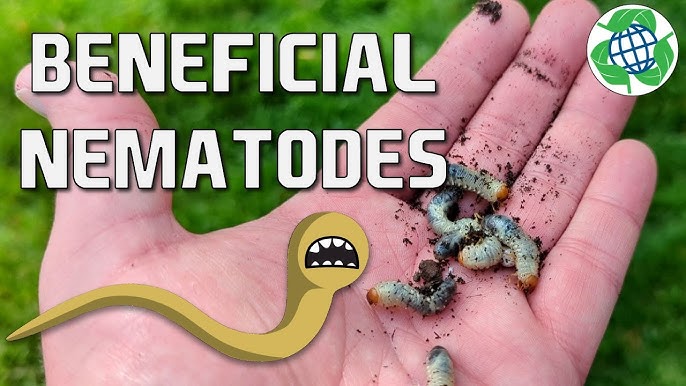
- Beneficial nematodes (parasitic worms that attack termites)
Avoid chemicals in edible gardens.
Step-by-Step Decision Checklist
- Identify local termite species (subterranean vs. others)
- Measure distance to structures
- Inspect logs for active signs
- Consult local extension service
- Consider alternatives if any risk factor present
Safe Alternatives to Termite-Infested Logs
If the risks outweigh the benefits in your situation—and for most home gardeners, they do—there are excellent, termite-safe ways to build productive raised beds and achieve similar permaculture goals without inviting pests.
Preferred Woods
Choose fresh or naturally fallen hardwoods that show no signs of infestation. Ideal options include:
- Oak, maple, or fruit tree prunings (dense, slow-rotting)
- Pine or cedar in moderation (natural termite resistance due to resins, but avoid excess as they can acidify soil)
- Smaller branches and twigs over large logs for faster, safer decomposition
Always inspect for mud tubes or hollowing before use.
Non-Wood Options
Layer lighter, faster-decomposing materials:
- Straw, hay, or grass clippings for moisture retention
- Cardboard and newspaper as weed barriers and carbon sources
- Compost, leaves, and kitchen scraps for immediate fertility These create “lasagna” or no-dig beds popularized by Charles Dowding.
Modified Hugelkultur
Adapt the technique safely:
- Use wood chips or small branches instead of logs
- Build above-ground mounds rather than buried fills
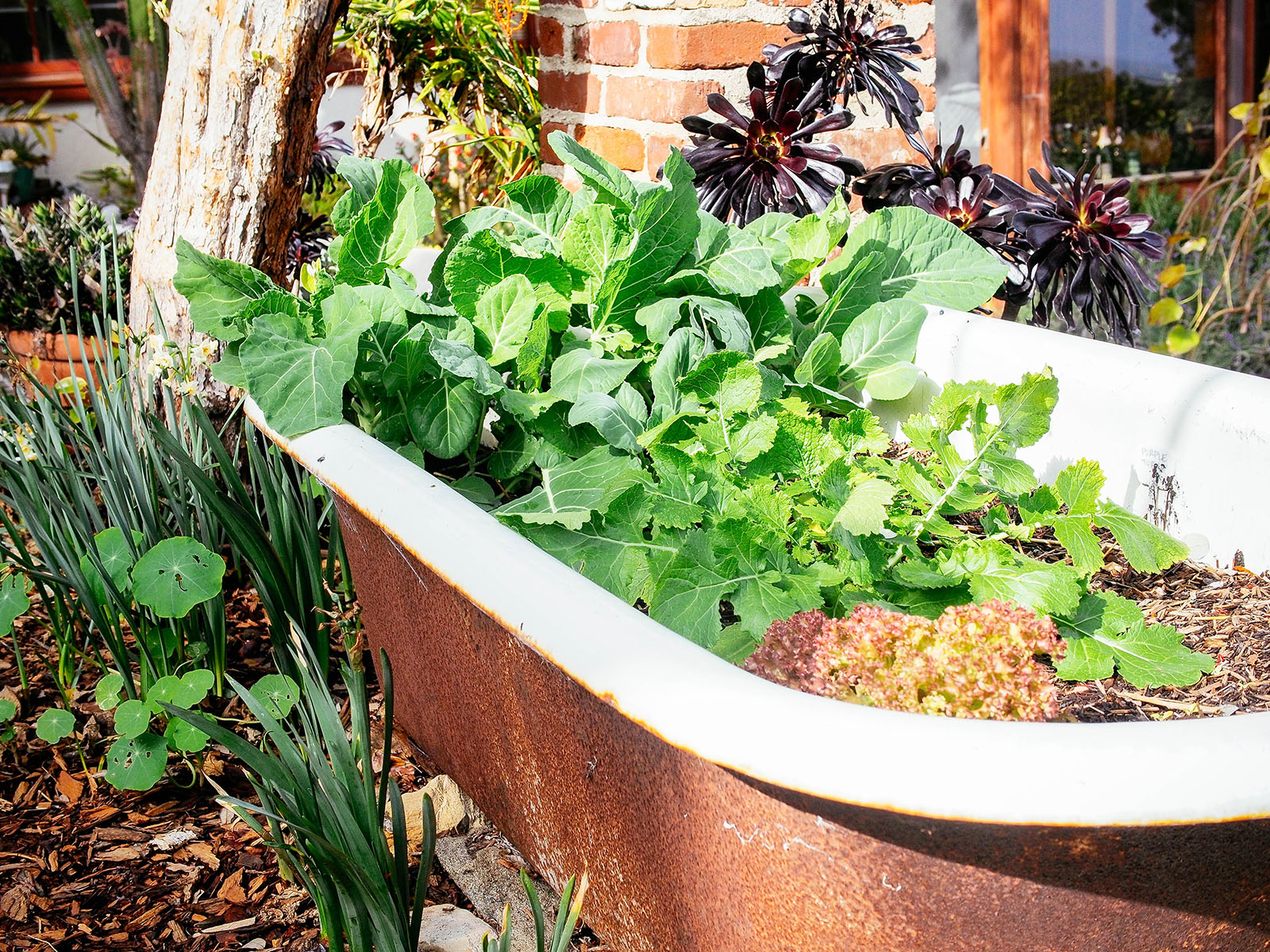
- Incorporate metal, stone, or concrete raised bed frames to deter subterranean access
Prevention and Monitoring Strategies
Even with clean materials, vigilance protects your garden long-term.
Site Selection Tips
- Locate beds at least 50–100 feet from home foundations, wooden structures, or firewood stacks
- Avoid shady, moist areas that attract termites
- Elevate firewood off the ground and away from gardens
Natural Deterrents
Organic options include:
- Beneficial nematodes (microscopic worms like Steinernema carpocapsae) applied to soil—they parasitize termite larvae without harming plants or beneficial insects
- Diatomaceous earth or neem oil as barriers (limited efficacy against subterranean species)
- Encourage predators: frogs, toads, birds, and ants
Ongoing Monitoring
- Inspect beds seasonally for mud tubes, frass, or sudden plant wilting
- Probe wood with a screwdriver—if it feels hollow or reveals galleries, act quickly
- If termites appear: Remove affected material, apply nematodes, or consult a local organic pest exper
Expert Tips Box
From cooperative extension services:
- In high-risk areas, consider physical barriers like metal mesh under beds
- Rotate crops and maintain healthy plants—stressed vegetation is more vulnerable
- Test soil regularly for balanced nutrients to support vigorous growth
FAQs
Are termite-infested logs ever safe for vegetable beds? Rarely for most gardeners. Only in isolated locations far from structures, with active monitoring, and in low-risk climates. The potential for crop damage or spread usually makes it unwise.
Do termites eat vegetable plants? Subterranean termites primarily target dead wood, but they can damage live roots, stems, and tubers of crops like beets, squash, tomatoes, rhubarb, and young trees.
How far should garden beds be from my house? At minimum 50 feet; ideally 100+ feet in termite-prone regions to reduce foraging risks.
Can I treat infested logs naturally? Options like extended sun drying or burning (using ashes) help, but they’re not foolproof. Beneficial nematodes offer some control post-burial.
What’s the best hugelkultur wood to avoid termites? Fresh hardwoods without decay signs; cedar or locust for natural resistance. Smaller pieces decompose faster with less appeal.
Will hugelkultur always attract termites? Not always—clean, dry materials in sunny locations reduce attraction. But any buried wood can draw them in moist, shaded, or high-termite areas.
Using termite-infested logs for garden beds tempts with free, pre-decomposed material and aligns with sustainable principles, but the risks—particularly to nearby structures and occasional crop damage—generally outweigh benefits for most farmers and gardeners.
Evidence from entomologists, university extension services, and professional pest experts consistently advises caution or avoidance, especially near homes. Permaculture enthusiasts may succeed in remote, monitored settings, but safer alternatives like no-dig layering, smaller clean branches, or non-wood fills achieve excellent results without the gamble.
Prioritize your property’s long-term health: Inspect sources carefully, site beds wisely, and opt for termite-free materials. Your garden will thrive with rich, productive soil—and peace of mind.
For localized advice, contact your regional cooperative extension office. Happy, pest-free gardening!