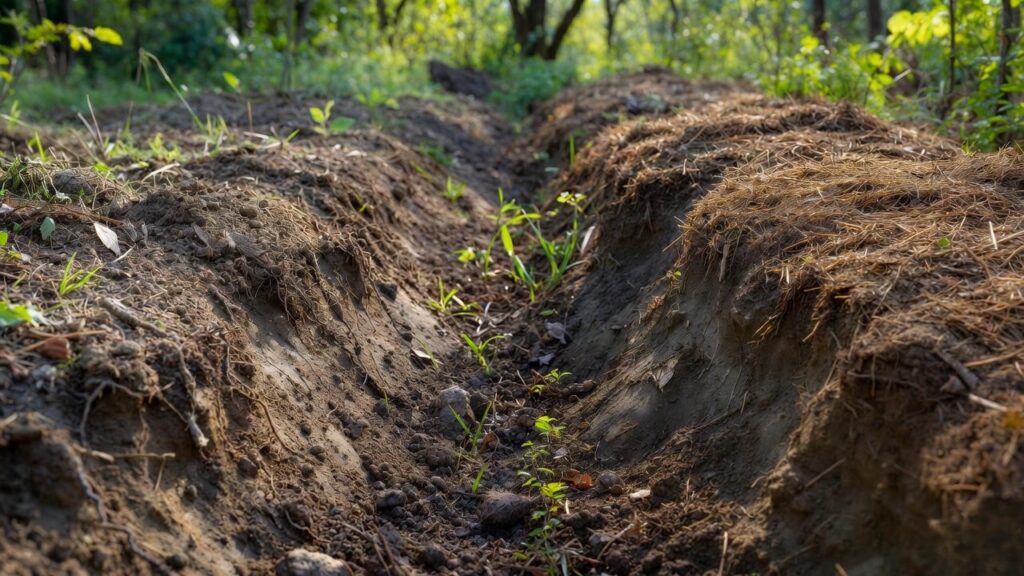
Imagine stepping into your garden after a rainstorm, only to find your boots sinking into sticky, impenetrable mud that clings like glue—or worse, during dry spells, facing soil so hard and cracked it feels like concrete. If you’re dealing with heavy clay soil, this frustrating scenario is all too common. Many permaculture gardeners and regenerative farmers wrestle with the dilemma of tilling vs no-till in clay: Should you dig to loosen it up quickly, or commit to no-till methods that promise long-term health but seem agonizingly slow on compacted ground?
In this comprehensive guide, we’ll dive deep into this exact challenge. Drawing from years of hands-on experience in permaculture systems, insights from regenerative agriculture pioneers, and evidence-based research, we’ll explore when minimal tillage might be a necessary starting point and how to transition to no-till practices that transform heavy clay into fertile, resilient soil. The goal? To help you avoid the common pitfall of creating an even worse hardpan—a dense, brick-like layer that blocks roots, water, and air—while building a thriving ecosystem aligned with permaculture principles.
Clay soils hold tremendous potential: they’re naturally rich in minerals and can retain nutrients and moisture better than sandy types. But without the right management, they compact easily, leading to poor drainage, anaerobic conditions, and stunted plant growth. No-till emerges as the permaculture gold standard for sustainable improvement, preserving the soil food web and gradually building structure from the top down. Yet, in severely degraded or compacted clay—often from construction damage or years of conventional plowing—strategic, one-time interventions can accelerate progress without long-term harm.
By the end, you’ll have actionable strategies to improve drainage, boost biodiversity, and increase yields in your clay soil, all while staying true to regenerative principles. Let’s turn that challenging clay into your garden’s greatest asset.

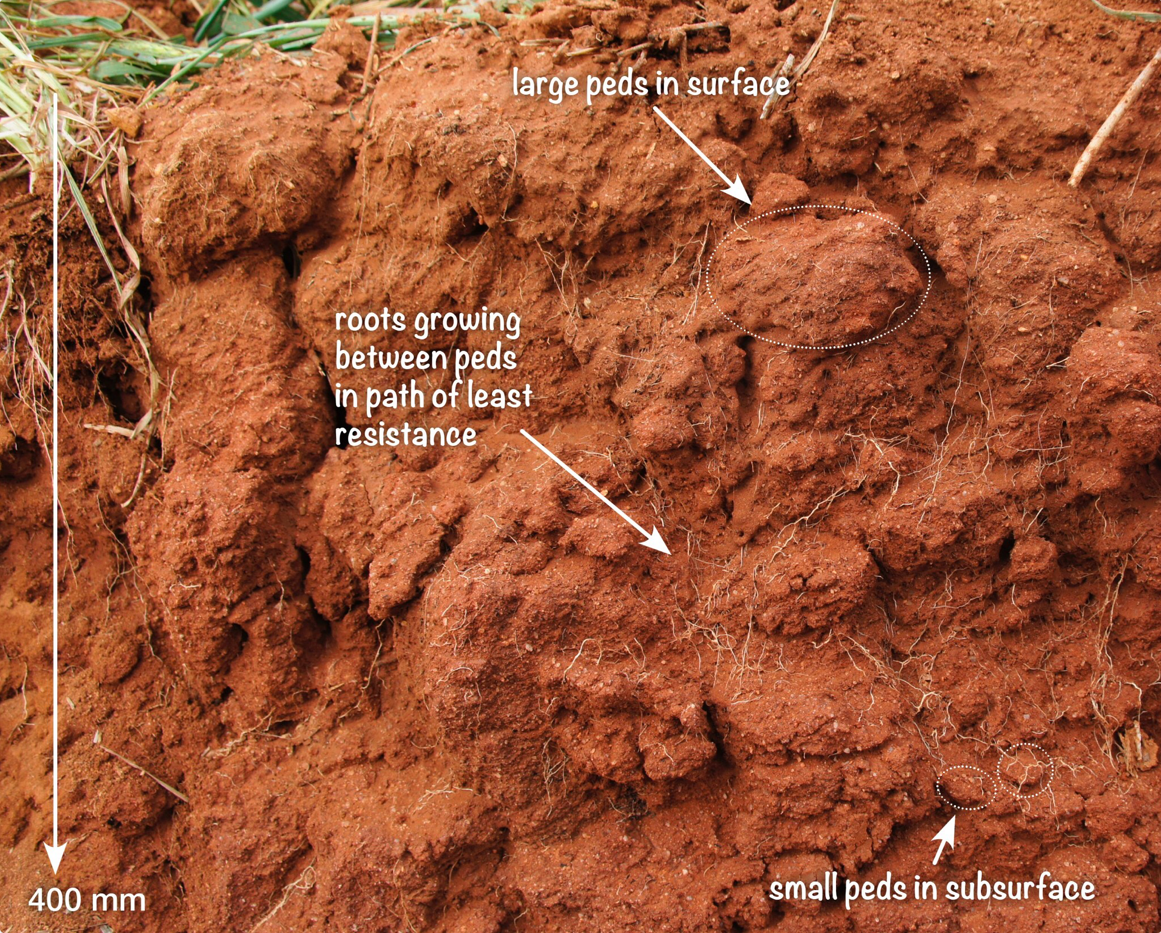
Examples of hardpan compaction in clay soils—notice how roots struggle to penetrate the dense layer below the surface.
Understanding Clay Soil: Strengths and Challenges in Permaculture
Clay soil is defined by its fine particle size—less than 0.002 mm—which gives it unique properties. These tiny platelets pack tightly, creating high cation exchange capacity (CEC) for holding nutrients like potassium, calcium, and magnesium. In permaculture terms, clay is a “nutrient bank” that, when healthy, supports abundant growth.
What Makes Clay Soil Unique?
The strengths are clear: excellent water retention during dry periods and superior fertility potential compared to coarser soils. Many native plants and deep-rooted perennials thrive in clay once established. However, the challenges dominate for new gardeners: slow percolation leads to waterlogging in wet seasons, while drying creates deep cracks and surface crusting.
Common Problems in Clay
Compaction is the biggest issue. Foot traffic, machinery, or repeated tillage smears particles, forming a plow pan or hardpan just below the surface. This impervious layer restricts root penetration, reduces oxygen availability, and promotes runoff. In heavy rains, water pools; in drought, plants wilt despite moisture deeper down.
Permaculture Perspective on Soil Types
Permaculture teaches us to “observe and interact” (Principle 1). Clay isn’t a flaw—it’s an opportunity to design systems that work with its characteristics. By mimicking natural processes—like forest floors building humus on clay subsoils—we can enhance structure without fighting nature. Principles like “use biological resources” and “produce no waste” guide us toward solutions that feed soil life rather than disrupt it.
Real-world observation: In undisturbed forests on clay, leaf litter and root exudates create aggregated, crumbly topsoil over time. Our gardens can replicate this.
The Science Behind Tilling vs. No-Till
To make informed decisions, let’s examine the evidence.
Pros and Cons of Tilling in Clay Soil
Tilling provides immediate benefits: aeration, weed burial, and easier incorporation of amendments. In severely compacted sites, a one-time deep till can incorporate bulky organics, breaking surface crusts.
But the downsides are significant. Repeated tillage disrupts mycorrhizal networks and earthworm channels, accelerates organic matter oxidation, and—critically in clay—creates smear pans. Studies show tillage pans form at the depth of implement penetration, worsening compaction cycles.
Benefits of No-Till for Long-Term Soil Health
No-till preserves soil architecture. Fungal hyphae and glomalin (a glycoprotein from fungi) glue particles into stable aggregates, improving infiltration. Earthworms and roots create permanent pores. Regenerative farmers report deeper root zones and higher water-holding capacity after years of no-till.
Evidence: Farmers like Roger Wenning in Indiana transitioned wet clay fields to no-till with cover crops, eliminating hardpans and boosting yields by 30+ bushels/acre without extra fertilizer.
Why Clay Soil Amplifies the Risks of Repeated Tilling
Clay’s plasticity makes it prone to smearing when tilled at wrong moisture levels. Wet tilling creates clods; dry tilling pulverizes into dust that resettles denser. Over time, this leads to plow pans that no-till systems naturally alleviate through biological activity.
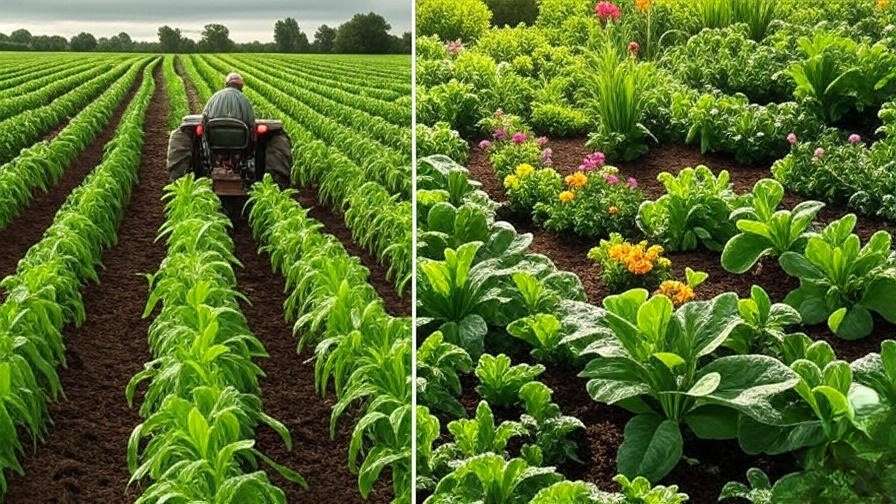
Table: Tilling vs No-Till Comparison in Clay
| Aspect | Tilling (Repeated) | No-Till (Long-Term) |
|---|---|---|
| Short-Term Aeration | High | Low initially |
| Soil Food Web | Disrupted | Preserved and enhanced |
| Hardpan Risk | Increases | Decreases over time |
| Organic Matter | Rapid loss | Gradual buildup |
| Water Infiltration | Temporary improvement | Sustained increase |
| Yield Potential | Quick boost, then plateau/decline | Slow start, exponential growth |
Permaculture Principles Applied to Clay Soil Management
Permaculture offers a framework for clay success.
- Observe and Interact: Start with soil tests (jar test for texture, ribbon test for clay content, penetration resistance).
- Catch and Store Energy: Organic matter stores water and nutrients.
- Obtain a Yield: Begin with clay-tolerant pioneers like comfrey or potatoes.
- Use Biological Resources: Let roots, microbes, and worms do the work.
- Integrate Rather Than Segregate: Diverse polycultures improve synergy.
Slow, observant changes yield the best results.
Permaculture Principles Applied to Clay Soil Management
Permaculture offers a framework for clay success.
- Observe and Interact: Start with soil tests (jar test for texture, ribbon test for clay content, penetration resistance).
- Catch and Store Energy: Organic matter stores water and nutrients.
- Obtain a Yield: Begin with clay-tolerant pioneers like comfrey or potatoes.
- Use Biological Resources: Let roots, microbes, and worms do the work.
- Integrate Rather Than Segregate: Diverse polycultures improve synergy.
Slow, observant changes yield the best results.
When It Makes Sense to Till (and When It Doesn’t)
Minimal tillage has a place—as a transition tool.
Scenarios Where Minimal or One-Time Tilling Helps
- Severely compacted sites (e.g., post-construction).
- Initial incorporation of massive organics.
- “Till once, no-till forever” – common in regenerative circles.
Do it when soil is moist but not wet—crumbly, not sticky.
Red Flags – Avoid Tilling If…
- Soil is improving biologically.
- Conditions are too wet/dry.
- Long-term no-till is the goal.
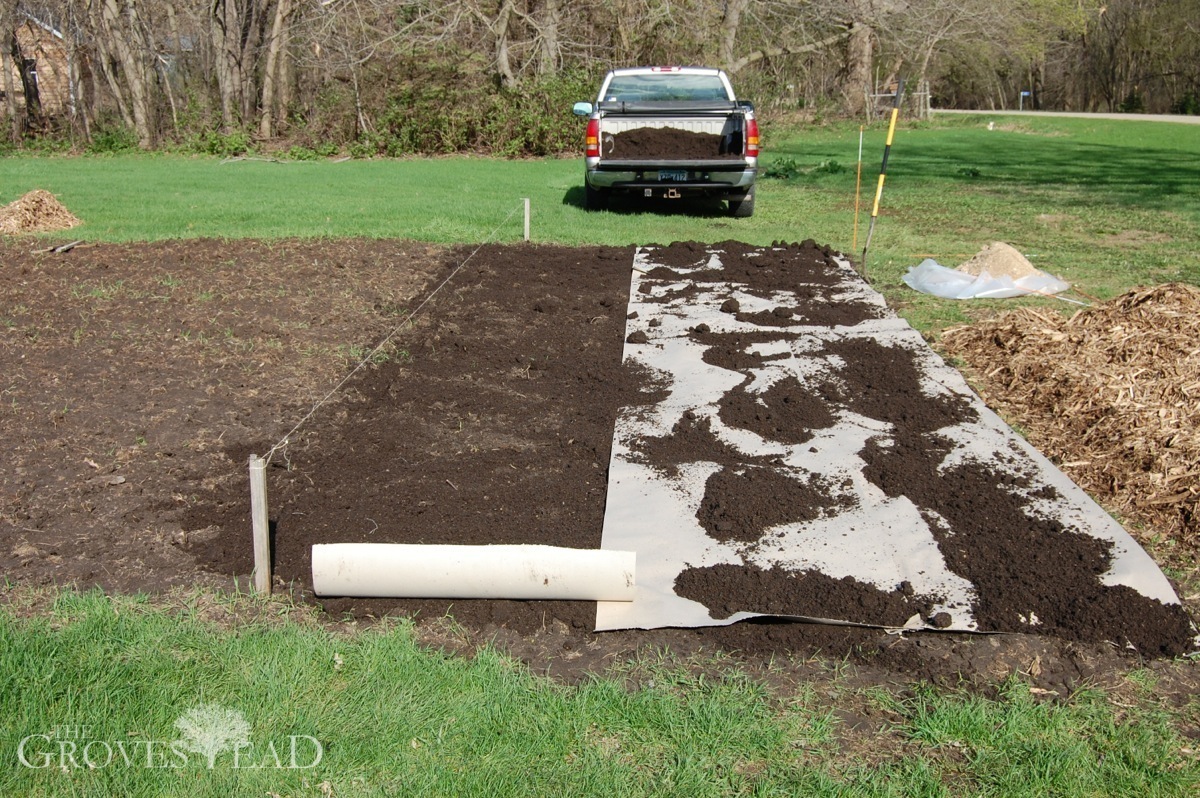
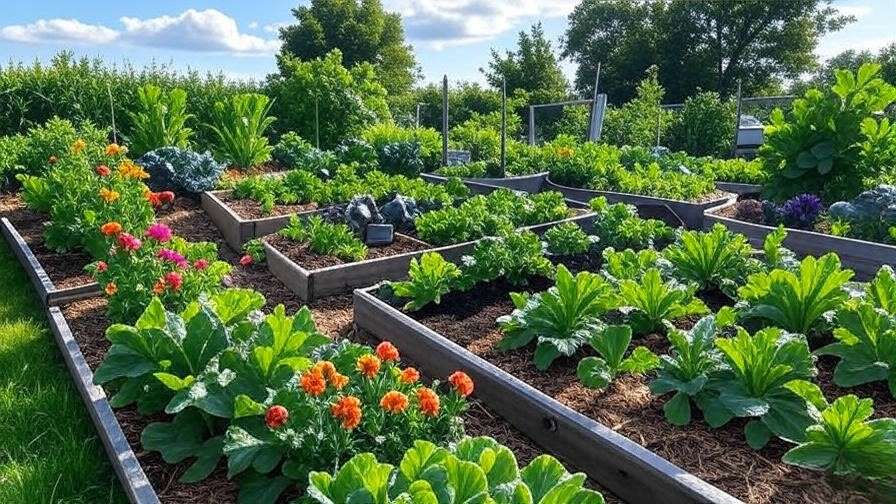
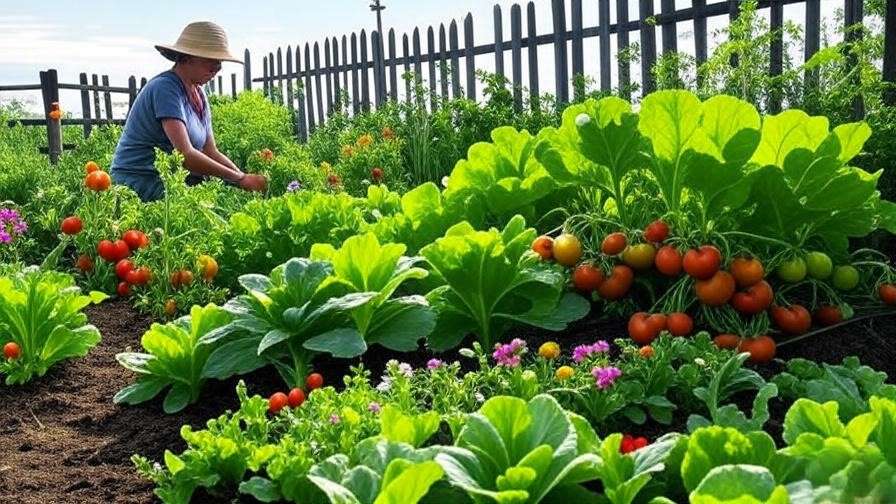
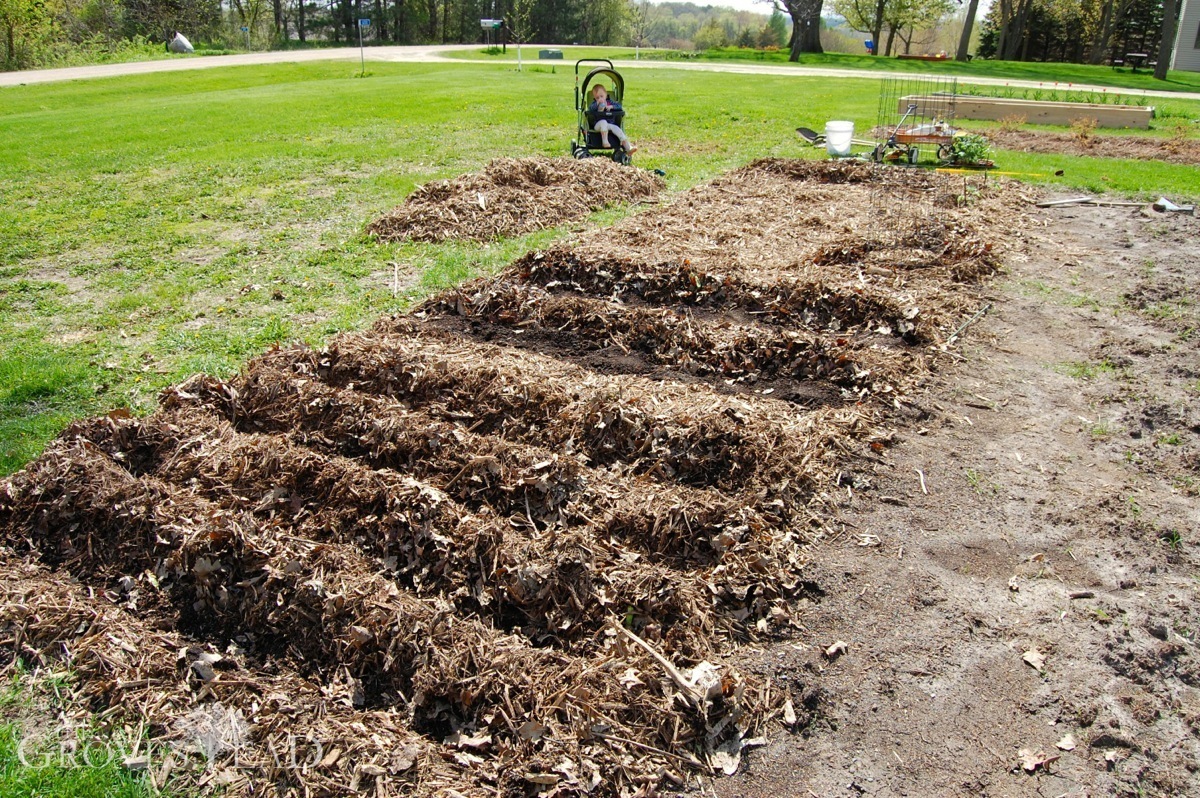
No-till gardens on clay often feature thick mulch layers, building rich topsoil while biology works below.
Alternatives to Full Tilling
Broadforking aerates without inversion, preserving structure.

The broadfork in action—loosening clay without disturbing layers.
Proven No-Till Strategies to Improve Heavy Clay Soil
This is the heart—biological, top-down improvement.
Build Soil from the Top Down (Sheet Mulching/Lasagna Gardening)
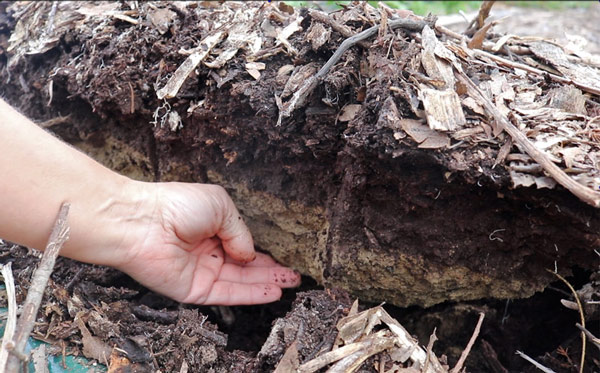
Layer cardboard/newspaper, compost, manure, straw, wood chips. Smothers weeds, feeds microbes.
Step-by-step:
- Mow low.
- Add nitrogen-rich layer.
- Cardboard overlap.
- Wet thoroughly.
- 4-6″ compost.
- Mulch top.


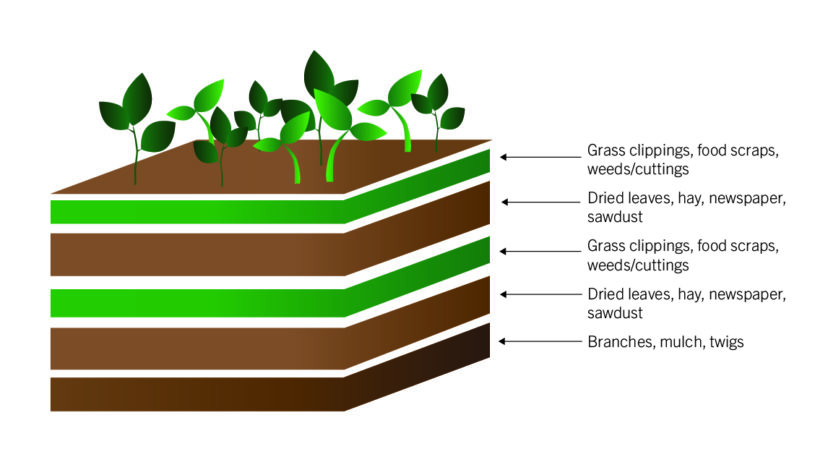
Lasagna layering cross-sections—nature’s way to build on clay.
Harness the Power of Cover Crops and Clay-Busters
Daikon radish (tillage radish) is king—taproot drills 2-6 feet, biodrills channels, adds biomass.
Others: Annual ryegrass, clover, alfalfa, buckwheat.
Mixes for climates; plant 6-8 weeks before frost.

Heavy Mulching Techniques
Ramial chipped wood promotes fungi dominant in perennials.
8-12″ deep initially.
Boost Biology with Compost and Inoculants
Top-dress compost tea; introduce worms.
Contour and Water Management
Swales, raised beds prevent logging.
Expert Tip: Transition Timeline
- Year 1: Surface improvement, some penetration.
- Years 2-3: Noticeable loosening, better drainage.
- Years 4-5: Crumbly, worm-rich soil.
Avoiding Hardpan Creation: Common Mistakes and Fixes
One of the biggest fears when working with clay soil is inadvertently worsening compaction—turning a challenging situation into a near-permanent hardpan. Repeated or poorly timed tillage is the primary culprit, but other practices can contribute too.
Common mistakes include:
- Tilling at the wrong moisture level: If clay is too wet, it smears and forms dense clods that bake into bricks. If too dry, it pulverizes into dust that settles even tighter. Ideal moisture is when soil crumbles easily in your hand but doesn’t stick.
- Heavy machinery or frequent foot traffic: Tractors, wheelbarrows, or walking on wet soil compacts subsoil beyond easy repair.
- Removing all organic cover: Bare soil exposes clay to raindrop impact, which seals the surface and promotes crusting.
- Over-reliance on amendments like sand or gypsum without organic matter: Sand can create a concrete-like mix in clay; gypsum helps only specific sodic clays and doesn’t replace biological structure-building.

Daikon radishes penetrating and breaking clay hardpan.
Fixes and preventive measures:
- Establish permanent paths and beds early (keyhole gardens, raised beds, or defined walkways).
- Always cover soil—mulch, cover crops, or living plants.
- If you must till once, follow immediately with deep-rooted cover crops to stabilize and biologically drill the soil.
- Use boards to distribute weight when working in beds.
With mindful practices, you can avoid the “brick” nightmare entirely.
Real-World Case Studies and Examples
Theory is valuable, but seeing transformation in action builds confidence.
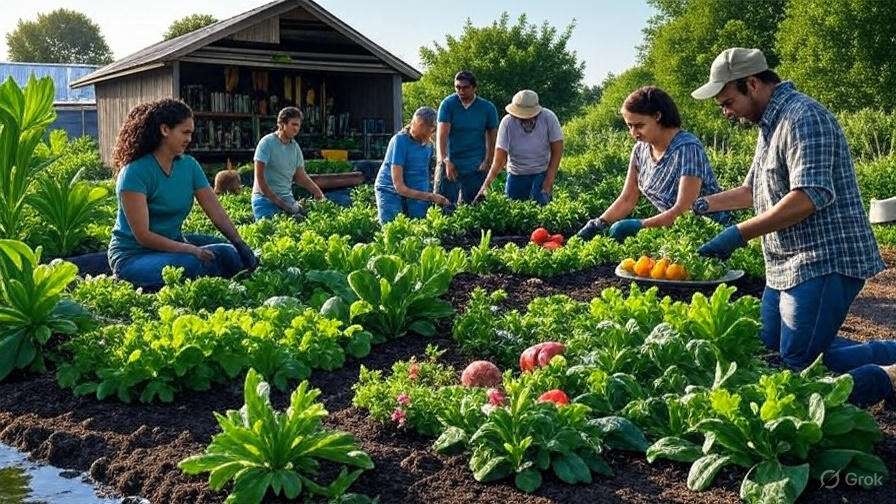
Case Study 1: Urban Permaculture Garden on Compacted Clay A community garden in the Midwest started on former lawn over builder’s fill—nearly pure clay with a 6-inch hardpan. They used one-time shallow tillage to incorporate compost, then sheet-mulched and planted daikon radishes. By year three, penetration resistance dropped dramatically; earthworm counts soared. Today, they grow heavy feeders like tomatoes and squash with no further tillage.
Case Study 2: Regenerative Farm Transition Gabe Brown (North Dakota) and similar farmers on clay-loam soils shifted from conventional tillage to diverse no-till cover crop cocktails. Infiltration rates improved from <0.5 inches/hour to over 4 inches/hour within five years. Hardpans dissolved as roots and fungal networks restructured the profile.
Case Study 3: Backyard Food Forest on Heavy Clay A permaculture designer in the Pacific Northwest documented a 10-year journey: initial broadforking and massive wood-chip mulching (12+ inches deep). Perennial systems (fruit trees, berries, comfrey) now thrive with friable topsoil extending 18 inches deep—all without ever rototilling.
These examples show that patience pays off. Clay improvement is measurable and achievable.
Recommended Plants for Clay Soil in Permaculture Systems
While building soil, choose species that tolerate or actively improve clay.
Annual Vegetables
- Potatoes (hilling loosens soil)
- Beans and peas (nitrogen-fixing)
- Brassicas (cabbage, kale—deep roots)
- Squash and pumpkins (large leaves shade and add biomass)
Cover Crops and Green Manures
- Daikon/tillage radish
- Crimson clover
- Winter rye
- Hairy vetch
- Buckwheat (quick smother crop)
Perennials and Trees
- Comfrey (dynamic accumulator, deep miner)
- Fruit trees: apples, pears, plums (on suitable rootstock)
- Elderberry, hazelnut, serviceberry
- Willows and poplars (fast-growing biomass producers)
Start with pioneers, then diversify as structure improves.
Frequently Asked Questions (FAQs)
What if my clay is rock-hard—can no-till ever work? Yes, absolutely. Start with surface mulching and opportunistic cover cropping (poke holes for seeds/transplants). Biological activity will begin cracking the surface within one season.
Is adding sand or gypsum worth it? Sand rarely helps and often worsens texture (needs 50%+ by volume to change). Gypsum benefits only sodium-affected (sodic) clays—test first. Focus on organic matter instead.
How long until I see noticeable improvement? Surface softening: 6–12 months. Significant drainage/rooting improvement: 2–4 years. Deep structural change: 5–10 years. Consistency accelerates progress.
Can I combine tilling and no-till? Yes—strategically. One-time minimal disturbance to kickstart, then strict no-till with covers and mulch. Many successful systems follow this “till once” rule.
Best cover crops for my region? Cool climates: rye, vetch, radish. Warm climates: sunn hemp, cowpeas, sorghum-sudangrass. Mix species for resilience.
Conclusion
Heavy clay soil presents real challenges, but it also offers immense potential for fertility and resilience once properly managed. The evidence is clear: repeated tilling risks creating or worsening hardpans, while no-till—aligned with core permaculture principles—builds lasting structure through biology and organic matter.
If your site is severely compacted, a thoughtful, minimal one-time intervention can help you transition faster. But the long-term winner is always no-till: sheet mulching, deep-rooted cover crops, heavy organic inputs, and patience.
Start small—observe your soil, add mulch today, plant a cover crop this season. Over time, that sticky, impenetrable clay will become dark, crumbly, life-filled earth that supports abundant yields with minimal inputs.