
Every year, thousands of hardworking homesteaders invest countless hours and hard-earned money into their land, animals, and gardens, yet when tax season arrives, they find themselves digging through shoeboxes of receipts, wondering what counts as a business expense and what doesn’t. Many end up overpaying taxes or missing valuable deductions simply because they never learned how to properly track homestead finances.
Tracking homestead finances is one of the most important skills any serious homesteader can develop. Treating your homestead like a real business — with clear records, organized systems, and accurate numbers — can save you thousands in taxes, help you make better decisions, and turn your homestead from an expensive hobby into a sustainable enterprise.
With over 15 years of running a diversified homestead as a business, filing Schedule F taxes annually, and helping hundreds of other homesteaders set up simple but effective financial systems through workshops and one-on-one guidance, I’ve seen what works and what leads to frustration. This comprehensive guide will walk you through practical, beginner-friendly methods for tracking homestead finances using ledgers, spreadsheets, and easy daily systems specifically designed for small farms and homesteads that file (or plan to file) Schedule F.
Why Most Homesteaders Struggle with Tracking Homestead Finances
The majority of homesteaders start with good intentions but quickly fall into common traps. Receipts get stuffed into drawers, personal and homestead expenses get mixed together, and there’s often no clear system for categorizing income from eggs, meat, vegetables, or value-added products.
This disorganized approach creates several painful problems:
- Missing legitimate tax deductions
- Overpaying self-employment taxes
- Difficulty knowing whether the homestead is actually profitable
- High stress and last-minute scrambling every January
- Problems if the IRS ever requests records
The truth is, the IRS expects anyone filing Schedule F to keep accurate, consistent records. Poor recordkeeping is one of the fastest ways to lose money or trigger an audit. On the positive side, good financial habits give you clarity, confidence, and control over your homestead’s future.
Expert Insight: According to IRS guidelines and feedback from tax professionals who work with small farms, consistent recordkeeping can reduce a homesteader’s tax burden by 20–40% through proper deductions while providing valuable data for business planning.
Tip: Quick Self-Assessment Ask yourself:
- Can I tell my total homestead income and expenses from last year in under 10 minutes?
- Are my personal and homestead finances clearly separated?
- Would I feel confident showing my records to a tax professional or the IRS?
If you answered “no” to any of these, this guide will help you fix it.
Getting Started: The Mindset Shift – Treat Your Homestead Like a Business
The first and most important step in tracking homestead finances is changing how you think about your homestead. Even if you’re not yet profitable, treating it like a business changes everything.
Separate Personal and Homestead Finances
Open a dedicated checking account and, if possible, a separate credit card for all homestead-related transactions. This single step makes tracking homestead finances dramatically easier and provides clear separation required for Schedule F.
Understand Schedule F Basics
Schedule F (Profit or Loss From Farming) is the tax form most homestead businesses use. It allows you to report farm income and deduct ordinary and necessary expenses. You do not need to show a profit every year, but you do need good records.
Create a Simple Chart of Accounts
List out your main income and expense categories. Common ones include:
- Income: Vegetable sales, egg sales, meat sales, value-added products
- Expenses: Feed, seeds, livestock purchases, fuel, repairs, equipment, utilities, etc.
Expert Insight: Keeping business and personal expenses separate is one of the top recommendations from both the IRS and experienced farm tax accountants.

Essential Tools for Tracking Homestead Finances
You don’t need expensive software to track homestead finances effectively. Here are three practical approaches:
Option 1: Simple Paper Ledger System
A basic ledger book or notebook can work very well, especially for beginners. Record income and expenses daily or weekly in clear columns (Date, Description, Category, Amount In, Amount Out, Balance).
Pros: Simple, no technology required, easy to review. Cons: Manual math, harder to create reports.
Option 2: Spreadsheet-Based Systems
Using Google Sheets or Microsoft Excel gives you powerful tracking homestead finances capabilities with very little cost. You can create tabs for Income, Expenses, Livestock, Inventory, and Summary.
Recommended Free Templates Include:
- Monthly Income & Expense Tracker
- Category Summary with automatic totals
- Tax Preparation Report
Pros: Automatic calculations, easy sorting, professional-looking reports. Cons: Requires basic computer comfort.
Option 3: Hybrid System (Best for Most Homesteaders)
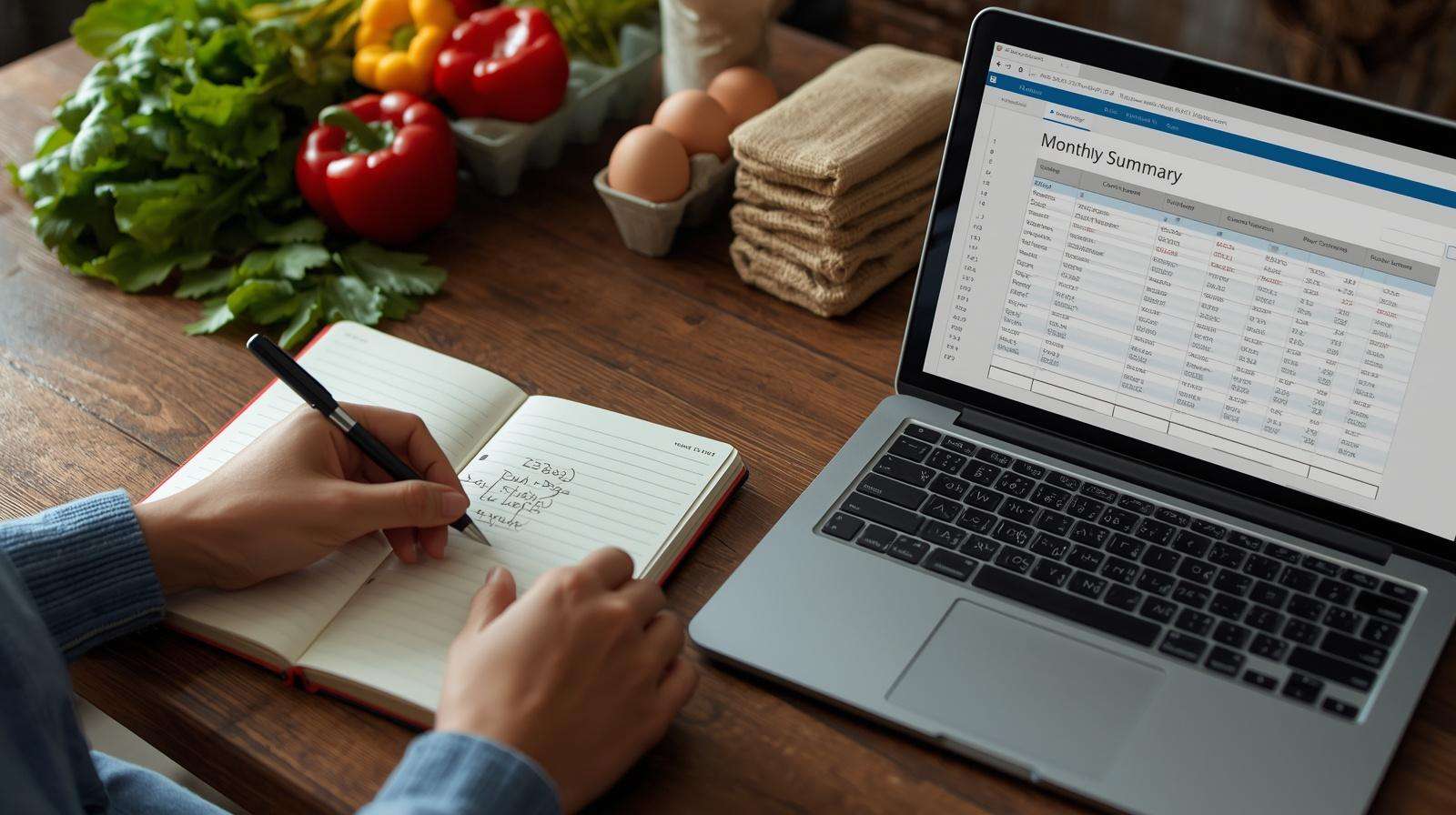
Combine a small daily ledger or notebook for quick field notes with a weekly spreadsheet update. This gives you the simplicity of paper with the power of digital organization.
Expert Insight: Many successful small homestead businesses use a hybrid system because it balances convenience with accuracy.
Tip: Start Simple Begin with just two categories (Income & Expenses) and expand as you get comfortable. Consistency is far more important than perfection.
Step-by-Step System for Tracking Homestead Finances
Once you’ve chosen your tools, it’s time to build a consistent routine. The goal is to make tracking homestead finances simple enough that it becomes a habit rather than a chore.
Monthly Tracking Routine
- Weekly Quick Entry (10–15 minutes): Record all income and expenses from the week. Note the date, description, category, and amount.
- End-of-Month Review (30 minutes): Categorize everything, reconcile your bank account, and update your spreadsheet summary.
- Quarterly Deep Review: Analyze profit/loss trends and adjust spending or pricing as needed.
Categorizing Expenses Correctly for Schedule F
Accurate categorization is critical for maximizing deductions. Common deductible homestead expenses include:
- Feed and supplements for livestock
- Seeds, plants, and soil amendments
- Veterinary care and medications
- Fuel for farm use
- Repairs and maintenance of equipment and buildings
- Depreciation on tools, tractors, and fencing
- Utilities (portion used for homestead business)
Keep personal expenses (groceries, household items) strictly separate.
Recording Income Streams
Be diligent about recording every source of income:
- Sales at farmers’ markets or farm stands
- Egg, meat, or vegetable CSA shares
- Value-added products (jams, soaps, baked goods)
- Agritourism or educational workshops
Even small amounts add up and must be reported.
Handling Inventory and Livestock Tracking
Maintain a simple livestock log noting purchases, births, deaths, and sales. Track feed inventory monthly so you know your largest expense category accurately.
Tip: Weekly 15-Minute Homestead Finance Routine Every Sunday evening, spend 15 minutes entering the week’s transactions. Small consistent efforts prevent big problems at tax time.
Advanced Tips to Make Tracking Homestead Finances Easier
Using Categories and Tags Effectively
Create clear, consistent categories and use tags (such as “poultry,” “garden,” or “equipment”) for better analysis later.
Depreciation and Asset Tracking
Learn basic depreciation rules for larger purchases. Even simple spreadsheets can track assets and calculate annual depreciation for Schedule F.
Year-End Reconciliation
In December, reconcile all accounts, back up your records, and prepare a clean summary report for your tax preparer or self-filing.
Preparing for Schedule F Filing
Organize your records into Income, Expenses, and Depreciation sections. Good documentation makes filing faster and reduces errors.
Case Study: One homesteader switched from scattered receipts to a simple spreadsheet system and discovered they had been missing over $3,200 in legitimate deductions the previous year.
Expert Insight: IRS audits on small farms often focus on poor recordkeeping. Clear, consistent records provide strong protection.

Troubleshooting Common Challenges
Irregular Income and Seasonal Cash Flow
Homestead income is often seasonal. Use a separate “Savings for Taxes” account and set aside 25–30% of income throughout the year.
Mixed-Use Assets
For items used for both personal and homestead purposes (truck, computer, phone), keep a simple mileage or usage log to calculate the business percentage.
Staying Consistent and Motivated
Link your finance routine to an existing habit (Sunday coffee, for example). Review your progress quarterly to see how tracking homestead finances improves your decision-making.
Dealing with Audit Fears
Remember: The IRS doesn’t expect perfection from small operations, but they do expect honest effort and reasonable records. Well-organized ledgers or spreadsheets demonstrate good faith.
Tip: Create a dedicated “Homestead Records” folder (physical or digital) to store bank statements, receipts, and logs.
Long-Term Benefits of Professional Tracking Homestead Finances
When you consistently track homestead finances, you gain:
- Clear understanding of which enterprises are truly profitable
- Better budgeting and planning for the next season
- Easier access to loans, grants, or insurance
- Reduced tax stress and potential savings
- Greater confidence when making purchasing or expansion decisions
Many homesteaders report that once they started properly tracking homestead finances, they felt more in control and motivated to grow their operation sustainably.
Conclusion
Tracking homestead finances doesn’t have to be complicated or overwhelming. By using simple ledgers, well-designed spreadsheets, and consistent daily or weekly habits, you can organize your homestead like a real business and be well-prepared for Schedule F taxes.
Start small this month. Choose one system — whether a basic ledger or a simple spreadsheet — and commit to recording transactions regularly. Over time, these small habits will save you money, reduce stress, and help your homestead thrive.
The difference between a struggling homestead and a sustainable one often comes down to how well you track homestead finances. Begin today, stay consistent, and watch your confidence and clarity grow with every entry.
Final Tip: Consistency always beats perfection. Fifteen focused minutes per week will transform your homestead finances and give you peace of mind at tax time.
Frequently Asked Questions (FAQs)
Do I need to file Schedule F if my homestead is small? You should file Schedule F if you have significant homestead income or want to claim farm-related expenses. Consult a tax professional for your specific situation.
What is the best way to separate personal and homestead expenses? The easiest method is using a dedicated bank account and credit card for all homestead transactions.
Can I use Google Sheets for tracking homestead finances? Yes. Google Sheets is free, accessible from any device, and powerful enough for most homesteaders.
What expenses are deductible on Schedule F? Common deductions include feed, seeds, veterinary care, fuel, repairs, depreciation, and a portion of utilities and vehicle use.
How do I track livestock and feed costs? Keep a simple livestock log and record feed purchases separately. Update inventory monthly.
Should I hire a bookkeeper or do it myself? Most small homesteaders successfully manage their own records with simple systems. Consider professional help only when your operation grows significantly.
How far back should I keep records? The IRS generally recommends keeping records for at least 3–7 years, depending on the situation.
What if I forget to record some transactions? Do your best to reconstruct them using bank statements. Then strengthen your routine going forward.
Is tracking homestead finances worth the effort? Absolutely. Good records typically save far more in taxes and improved decision-making than the time invested.
What’s the simplest starting point for beginners? Open a separate bank account and start recording every homestead transaction in a notebook or basic spreadsheet this week.