Imagine investing weeks in starting seedlings indoors, carefully hardening them off, and finally transplanting your precious tomatoes, peppers, and basil into the garden—only to wake up to blackened leaves and wilted stems after an unexpected late spring frost. Or watching a beautiful perennial shrub you nurtured for years succumb to a harsher-than-expected winter. These frustrating setbacks happen to gardeners every season, often because they rely on general calendar dates or vague regional advice instead of precise, location-specific data.
The two most important pieces of information for any successful garden or small-scale agricultural operation are your USDA Zone and local frost dates. Understanding and combining these tools allows you to select the right plants for winter survival and time your planting perfectly to maximize your frost-free growing season while minimizing risk.
In this comprehensive guide, you’ll learn exactly how to find your USDA hardiness zone and your local first and last frost dates, the critical differences between them, and how to use both together to create a customized, resilient garden plan. Whether you’re a beginner vegetable gardener, growing perennials and fruit trees, or managing a small homestead, this knowledge helps you avoid costly mistakes, extend your harvest, and achieve more consistent yields year after year.
What Is a USDA Plant Hardiness Zone?
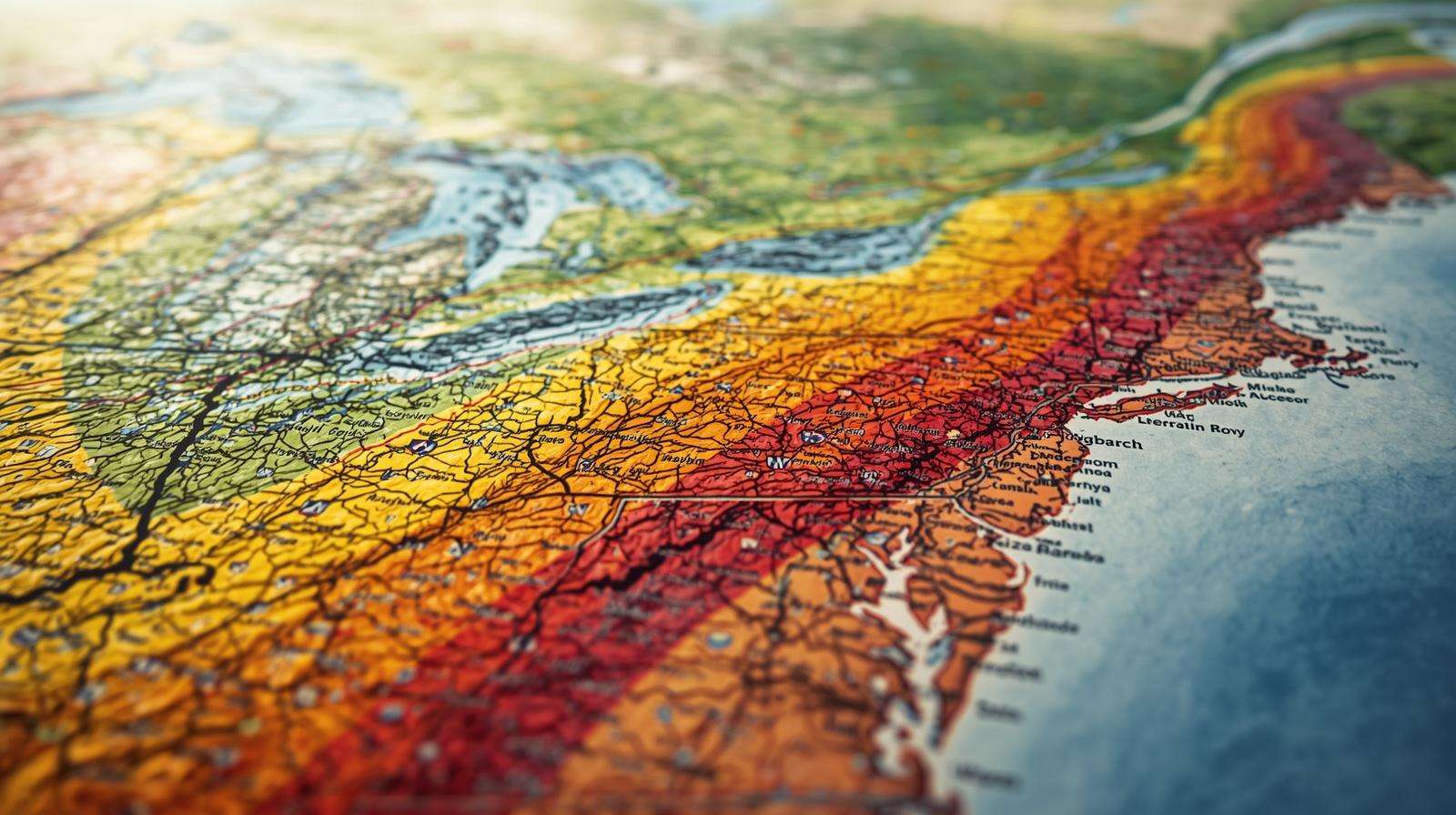
The USDA Plant Hardiness Zone Map is the gold standard reference used by gardeners, nurseries, and researchers across the United States to determine which perennial plants, trees, shrubs, and vines are most likely to survive the winter in a specific location.
The map divides the country into 13 main zones based on the average annual extreme minimum winter temperature. Each zone spans 10°F and is further split into “a” and “b” half-zones representing 5°F increments. For example, Zone 7a covers average annual lows from 0°F to 5°F, while 7b covers 5°F to 10°F.
The latest version—the 2023 USDA Plant Hardiness Zone Map—was released in November 2023 by the USDA Agricultural Research Service (ARS) in collaboration with Oregon State University’s PRISM Climate Group. It uses 30 years of data (1991–2020) from over 13,400 weather stations, making it significantly more accurate and detailed than the 2012 map, which relied on fewer stations and older data.
Key points about USDA zones:
- They focus primarily on winter cold tolerance for long-lived perennials.
- Zones help you choose plants labeled “hardy to Zone X” with confidence.
- The 2023 map shows that roughly half the country shifted into a warmer half-zone compared to 2012, reflecting a trend of slightly warmer winter lows in many areas.
However, USDA zones have limitations. They do not account for summer heat and humidity, soil quality, rainfall patterns, wind, snow cover, or microclimates on your property (such as sheltered south-facing walls or low-lying frost pockets). This is where local frost dates become essential.
USDA Zones vs. AHS Heat Zones While the USDA map addresses cold hardiness, the American Horticultural Society (AHS) Heat Zone Map tracks how many days a region experiences temperatures above 86°F (30°C). In hotter southern or southwestern regions, heat tolerance can be as important as cold hardiness for plant selection.
How to Find Your USDA Hardiness Zone Quickly
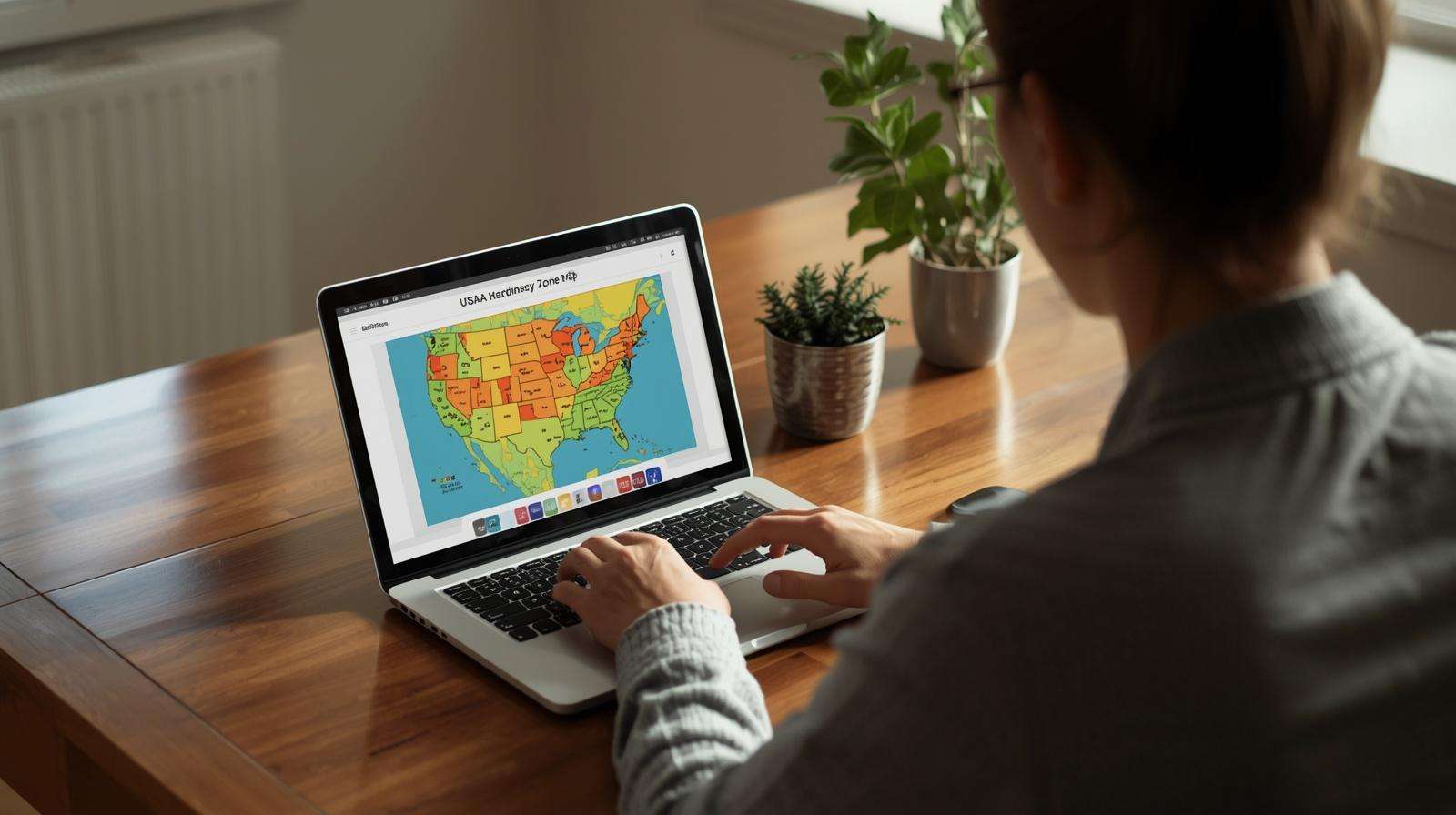
Finding your zone takes less than 30 seconds:
- Visit the official interactive map at planthardiness.ars.usda.gov.
- Enter your ZIP code in the Quick Search box or click on your location on the map.
- Note both the zone number and the “a” or “b” half-zone for precision.
Reliable alternatives include:
- Garden.org USDA Zone Finder
- Old Farmer’s Almanac zone lookup
- Your local Cooperative Extension office (often the best source for region-specific advice)
Pro Tip from Experience: If you live in a transitional area or have varied topography, check a few nearby ZIP codes. Urban heat islands, elevation changes, and proximity to large bodies of water can create microclimates that differ by a full half-zone or more from the official map.
For added safety and longevity, many experienced gardeners recommend selecting perennials rated for your zone and one zone colder. This provides a buffer against extreme winters or unusually cold snaps that the 30-year average might not fully capture.
What Are Local Frost Dates and Why Do They Matter?
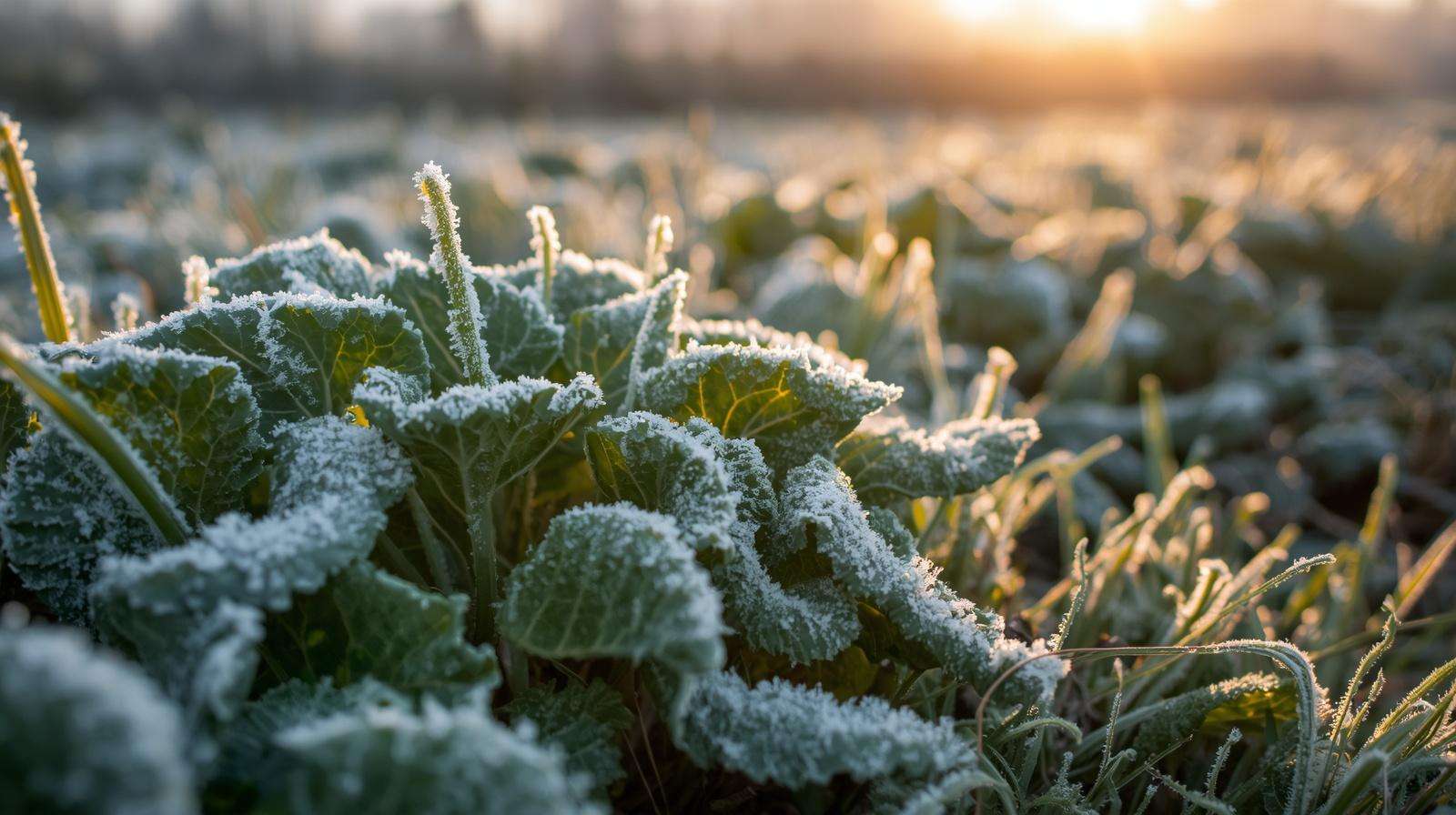
While your USDA zone tells you what can survive winter, local frost dates determine the length and timing of your actual growing season for annual crops, vegetables, herbs, and flowers.
- Last Spring Frost Date: The average date in spring when the risk of temperatures dropping to 32°F (0°C) or below becomes low.
- First Fall Frost Date: The average date in autumn when frost is likely to return.
The number of days between these two dates is your average frost-free growing season. This directly impacts which crop varieties you can grow successfully—short-season tomatoes in northern zones versus long-season heat-loving crops in southern zones.
Frost vs. Freeze A light frost (around 32–29°F) may damage tender leaves but spare hardier plants. A hard freeze (28°F and below) can kill most annuals and damage even some perennials. Understanding the difference helps you decide when to use protection like row covers or when to harvest.
For vegetable gardeners, frost dates are often more practically important than the hardiness zone alone because most popular garden crops (tomatoes, peppers, cucumbers, beans, squash) are annuals killed by the first frost, not perennials judged by winter lows.
How to Find Your Local First and Last Frost Dates
The most accurate way is to use data from the nearest weather station:
Recommended Free Tools:
- Old Farmer’s Almanac Frost Dates Calculator (almanac.com/gardening/frostdates) — Enter your ZIP code for average last spring and first fall frost dates based on historical data.
- Garden.org Frost Date Calculator
- Dave’s Garden Freeze/Frost Dates
- NOAA National Centers for Environmental Information data via local extension services
These calculators typically provide dates at different probability levels:
- 50% probability (median/average date) — 50% chance of frost after this date.
- 10% probability (conservative) — Only 10% chance of frost after this date; safer for tender crops.
- 90% probability — High risk dates.
Expert Recommendation: For tender warm-season crops like tomatoes, basil, and peppers, wait until the 10% or safer date before planting out. For cool-season crops (lettuce, spinach, peas, kale), you can plant earlier, as many tolerate light frost.
Climate change is gradually shifting frost dates in many regions, with last spring frosts trending earlier and first fall frosts later in some areas. Always cross-reference multiple sources and keep your own garden journal for actual observed frost dates on your property—these often differ from airport-based weather station data.
Using USDA Zone and Frost Dates Together for Smart Garden Planning
The real power comes from combining both data points:
- USDA Zone → Guides plant selection for perennials, fruit trees, shrubs, and overwintering strategies.
- Local Frost Dates → Guides planting timing and variety selection for annual vegetables and flowers.
Practical Framework:
- Determine your USDA zone to build a reliable backbone of hardy perennials and landscape plants.
- Find your frost dates to calculate your growing season length.
- Choose vegetable varieties whose “days to maturity” fit comfortably within your frost-free window (add 2–3 weeks buffer for safety).
Many regions with the same USDA zone can have dramatically different frost dates due to continental vs. maritime climates, elevation, or latitude. For instance, a Zone 5b garden in the Midwest might have a much shorter season than one in the Pacific Northwest.
Here is a general reference table of approximate frost dates by USDA zone (these are broad averages—always check your exact ZIP code):
| USDA Zone | Avg. Last Spring Frost | Avg. First Fall Frost | Typical Frost-Free Days |
|---|---|---|---|
| 3 | May 1 – May 16 | Sept 8 – Sept 15 | 110–130 |
| 4 | April 24 – May 12 | Sept 21 – Oct 7 | 130–160 |
| 5 | April 7 – April 30 | Oct 13 – Oct 21 | 160–190 |
| 6 | April 1 – April 21 | Oct 17 – Oct 31 | 180–210 |
| 7 | March 22 – April 3 | Oct 29 – Nov 15 | 210–240 |
| 8 | March 13 – March 28 | Nov 7 – Nov 28 | 230–260 |
| 9 | Feb 6 – Feb 28 | Nov 25 – Dec 13 | 270+ |
Note: Use these only as a starting point. Local data is more accurate.
Seed Starting Timelines Count backward from your last spring frost date:
- Cool-season crops (broccoli, cabbage, lettuce): 4–6 weeks before last frost.
- Warm-season crops (tomatoes, peppers): 6–8 weeks before last frost for indoor starting.
- Direct sowing tender crops: After last frost when soil has warmed.
Creating Your Personalized Planting Calendar
Building a custom calendar is straightforward once you have your zone and frost dates:
Step-by-Step Process:
- Record your exact USDA zone and last spring/first fall frost dates (use 10% risk dates for tender plants).
- List the crops you want to grow and note their requirements (days to maturity, minimum soil temperature, frost tolerance).
- Create columns for: Indoor start date, Transplant/harden off date, Direct sow date, Expected harvest window.
- Factor in succession planting for continuous harvest and fall crops timed before your first frost.
Example for Zone 6a (Last Spring Frost ~ April 15, First Fall Frost ~ October 25):
- Tomatoes: Start seeds indoors mid-February to early March; transplant mid-May.
- Lettuce: Direct sow or transplant starting late March; succession plant every 2–3 weeks.
- Pumpkins: Direct sow late May for fall harvest before October frost.
Tools like the Old Farmer’s Almanac Planting Calendar, Garden Planner software, or simple spreadsheets can automate much of this once your local dates are entered.
Practical Tips and Advanced Strategies for Success
Knowing your USDA zone and local frost dates is only the foundation. Applying them effectively requires hands-on strategies that account for real-world variability, microclimates, and unexpected weather events. Over years of working with gardeners across different regions, I’ve seen that those who treat these data points as flexible guides rather than rigid rules achieve far greater success.
Frost Protection Techniques Even after your average last spring frost date, a rogue cold snap can strike. Keep these proven methods ready:
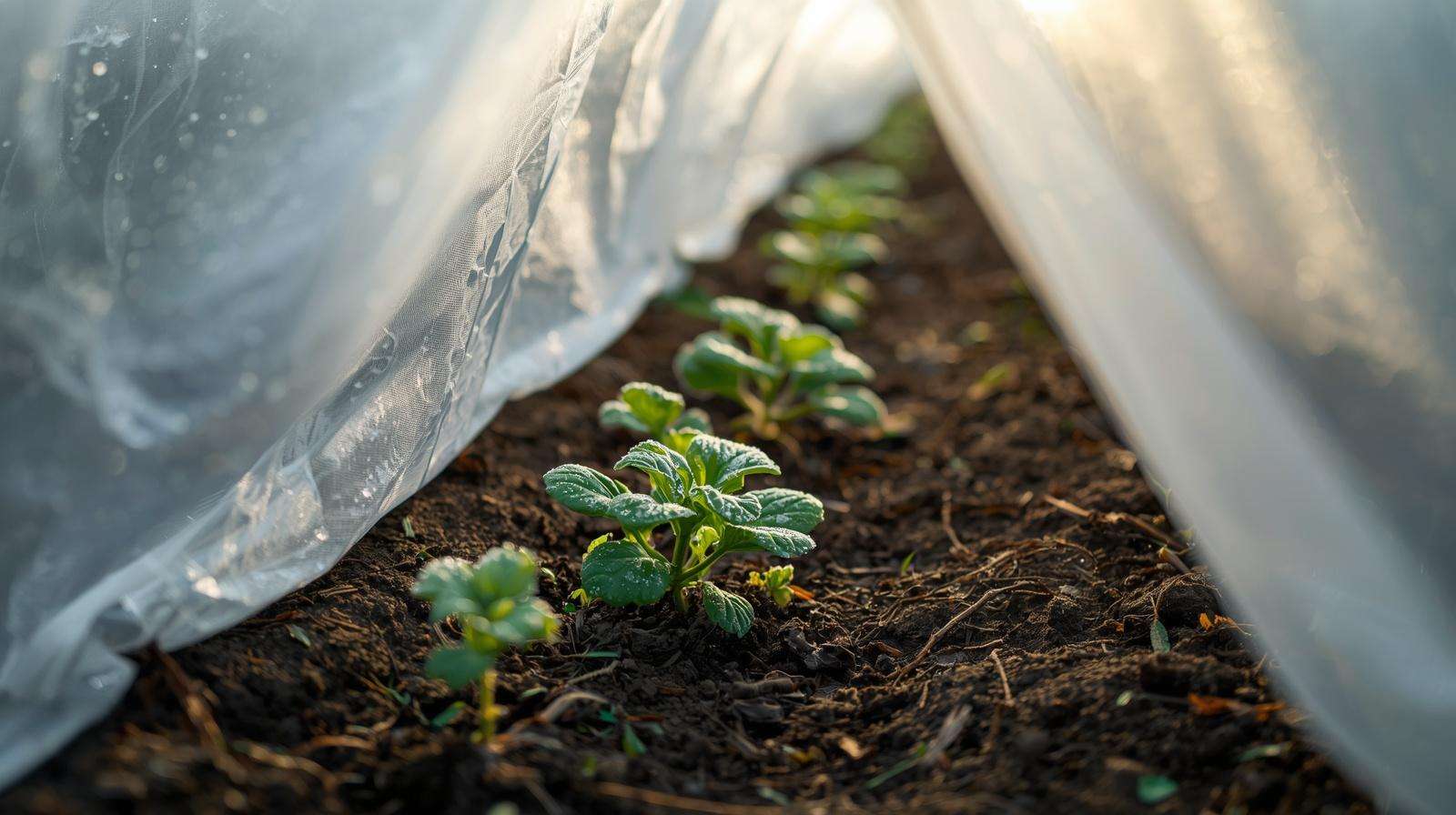
- Row covers and floating row fabric: Lightweight covers can protect tender plants down to 28–30°F. Heavier ones offer more insulation.
- Cloches and water-filled jugs: Plastic or glass cloches trap daytime heat. Gallon jugs of water placed around plants release stored heat overnight.
- Cold frames and low tunnels: Ideal for extending the season in both spring and fall.
- Overhead sprinkling: For temperatures just below freezing, continuous light sprinkling can protect buds and blossoms by releasing latent heat as water freezes.
Extending Your Growing Season
- Succession planting: Sow short-cycle crops (radishes, lettuce, bush beans) every 1–2 weeks to maintain continuous harvest.
- Fall gardening: Use your first fall frost date to work backward. Plant cool-season crops like kale, spinach, carrots, and garlic 6–8 weeks before the expected first frost.
- High tunnels or hoop houses: These simple structures can add 4–6 weeks (or more) to both ends of the season.
- Choose appropriate varieties: Opt for short-season or cold-tolerant hybrids in shorter-season zones (e.g., ‘Early Girl’ tomatoes in Zone 5 instead of long-season heirlooms).
Soil Temperature vs. Air Temperature Many gardeners make the mistake of planting based solely on frost dates. Soil temperature is often more critical for seed germination. For example:
- Peas and spinach germinate best at 40–50°F soil.
- Tomatoes, peppers, and squash need 60–70°F+ soil.
Use a soil thermometer and wait until conditions are right, even if air temperatures have passed the frost threshold.
Managing Microclimates Your property may have warmer or colder spots than the official data suggests:
- South-facing walls or raised beds warm up faster in spring.
- Low-lying areas or spots near trees can be frost pockets.
- Urban gardens often benefit from the heat island effect, effectively behaving like a half-zone warmer.
Observe your garden over a couple of seasons and record actual frost events. Your personal data will often prove more valuable than generalized forecasts.
Common Beginner Mistakes to Avoid
- Planting tender crops too early based on the calendar instead of local frost probability.
- Ignoring the difference between 50% and 10% risk frost dates (use the safer 10% date for expensive or sentimental plants).
- Choosing plants strictly by USDA zone without considering summer heat, humidity, or drought patterns in your area.
- Failing to harden off seedlings properly before transplanting after the last frost date.
Crop-Specific Guidance by Frost Tolerance
- Frost-tolerant (cool-season): Lettuce, kale, spinach, broccoli, cabbage, peas, radishes, Swiss chard — can handle light frost and often taste better after a chill.
- Semi-hardy: Beets, carrots, onions, potatoes — tolerate light frost but suffer in hard freezes.
- Frost-sensitive (warm-season): Tomatoes, peppers, eggplant, basil, cucumbers, squash, beans — killed or severely damaged by any frost. Plant only after soil has warmed and all frost risk has passed.
Real-World Examples and Case Studies
Example 1: Zone 6a Gardener in the Midwest Last spring frost around April 15 (10% risk ~ April 25), first fall frost around October 25. Growing season: ~180–200 days. This gardener starts tomatoes and peppers indoors in mid-February (8 weeks before safe transplant). They transplant hardened seedlings after May 10. Cool-season greens go in late March. Pumpkins and winter squash are direct-sown in late May to ensure ripening before October frost. By using row covers during early cool spells, they successfully extend harvests into November for hardy greens.
Example 2: Zone 9b Gardener in the Southeast Minimal frost risk — last spring frost mid-February, first fall frost late November or early December. Growing season exceeds 270 days. Here, the challenge shifts from frost protection to heat and humidity management. The USDA zone helps select perennials that survive mild winters, while frost dates allow nearly year-round vegetable production with succession planting and shade cloth during peak summer.
Example 3: Short-Season Zone 4b in the North Last spring frost mid-May, first fall frost early September — sometimes only 110–130 frost-free days. Success depends on choosing ultra-early varieties (e.g., ‘ determinate’ tomatoes with 55–65 days to maturity), starting seeds early indoors, and using season-extension techniques aggressively. Many gardeners here rely on raised beds that warm faster and protective structures to squeeze every possible day from the short season.
These examples highlight a universal truth: gardeners in the same USDA zone can have very different experiences based on local frost patterns, elevation, and proximity to water. Always prioritize your specific frost dates over broad zone averages.
Frequently Asked Questions (FAQs)
What is the difference between USDA zone and local frost dates? USDA hardiness zones measure average annual extreme minimum winter temperatures and guide perennial plant selection for winter survival. Local frost dates indicate the average last spring and first fall dates when temperatures may drop to 32°F or below, determining safe planting windows and the length of your growing season for annual vegetables and flowers.
How accurate are online frost date calculators? They provide excellent historical averages based on decades of weather station data. However, they are probabilities, not guarantees. Use the 10% risk dates for tender crops. Your own garden observations over multiple years will refine these numbers for your microclimate.
Can my USDA zone change over time? Yes. The 2023 USDA map showed roughly half the country shifting to a warmer half-zone compared to the 2012 map due to warmer winter lows. Climate trends suggest continued gradual shifts in many regions.
How do I adjust for elevation or proximity to large bodies of water? Higher elevations are generally colder and may behave like the next zone down. Large lakes or oceans moderate temperatures, often extending the growing season and creating milder conditions. Check multiple nearby ZIP codes and observe your site-specific conditions.
When should I start seeds indoors based on my last frost date? Count backward from your safe transplant date (usually 1–2 weeks after last frost for hardened seedlings):
- Tomatoes, peppers, eggplant: 6–8 weeks before.
- Broccoli, cabbage: 4–6 weeks before.
- Cucumbers, squash: 3–4 weeks before (or direct sow after frost).
Are frost dates getting earlier or later due to climate change? In many areas, last spring frosts are trending earlier and first fall frosts later, lengthening the growing season. However, this can increase the risk of false springs followed by damaging late freezes. Stay updated with local extension services and long-range forecasts.
What’s the safest way to protect plants from a late spring frost? Cover plants before temperatures drop. Use row covers, old sheets, or blankets (remove during the day to avoid overheating). Water the soil thoroughly beforehand, as moist soil holds and releases heat better.
Conclusion
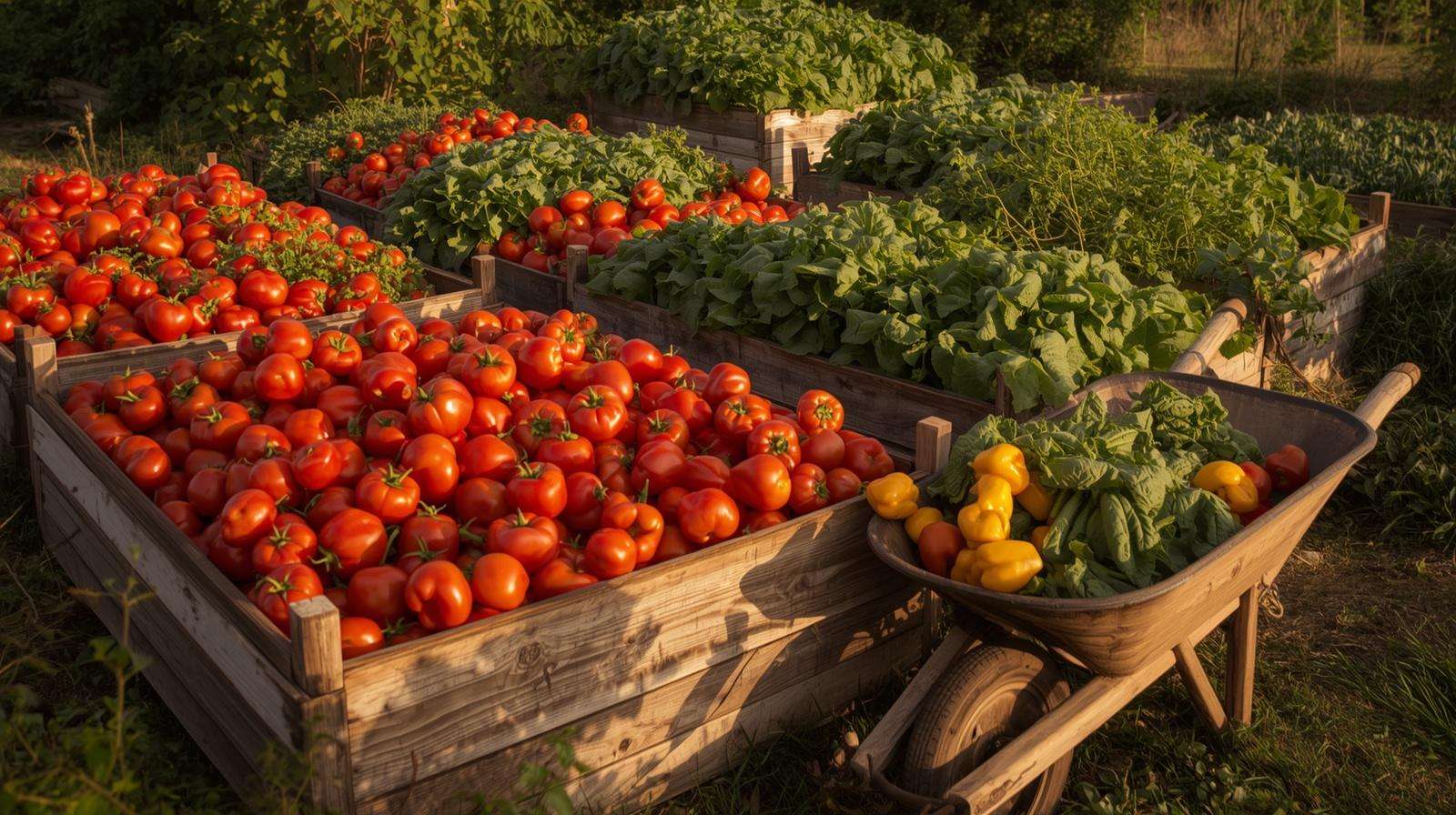
Mastering your USDA Zone and local frost dates transforms gardening from guesswork into a reliable, science-backed practice. Your USDA hardiness zone helps you build a resilient foundation of perennials, trees, and shrubs that can survive winter. Your local frost dates give you the precise timing needed to successfully grow annual vegetables, herbs, and flowers while minimizing losses to cold damage.
By combining both tools, protecting against extremes, managing microclimates, and keeping detailed garden records, you can create a productive, enjoyable garden that delivers fresh food and beauty season after season — even as climate patterns continue to evolve.
Take action today: Visit the official USDA Plant Hardiness Zone Map and the Old Farmer’s Almanac frost dates calculator using your ZIP code. Write down your zone and frost dates, then sketch a simple planting calendar for the crops you love most.
Your garden will reward you with better yields, healthier plants, and fewer heartbreaking losses. Gardening success starts with understanding your unique climate — and now you have the complete framework to do exactly that.
If you found this guide helpful, share your USDA zone and frost dates in the comments below. I’d be happy to offer more tailored tips for your specific area. For zone-specific planting calendars, season-extension techniques, or crop recommendations, explore the related guides on this site.
Happy gardening — may your frost-free days be long and your harvests abundant!