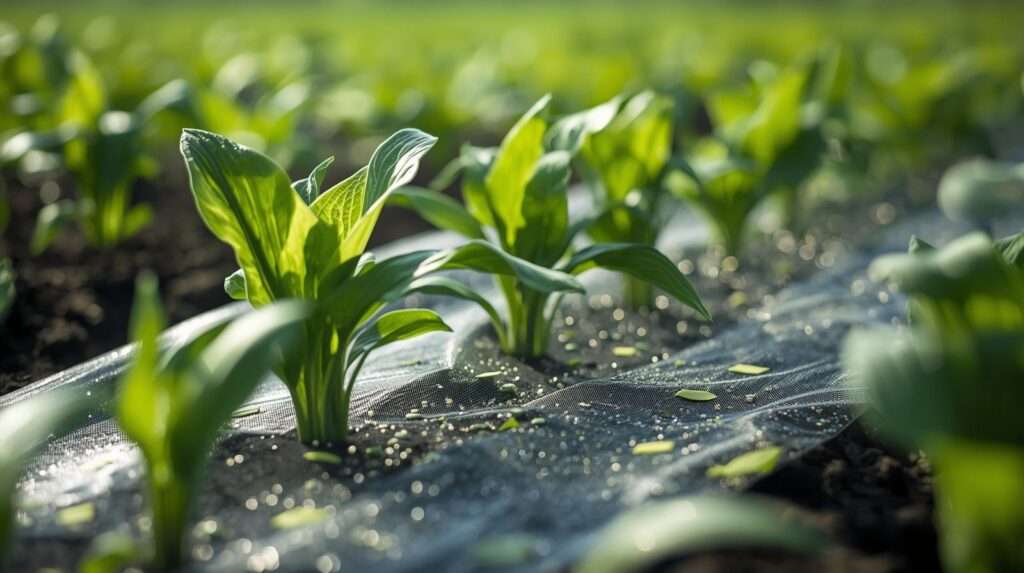
Imagine spending hours every weekend pulling weeds by hand, only to see them return stronger the next week. In humid, high-rainfall areas like Barishal, Bangladesh, where tropical weeds thrive year-round and heavy monsoon rains wash away topsoil, this struggle feels endless. Chemical herbicides offer quick fixes but raise concerns about soil health, water contamination, and long-term ecosystem damage. What if there was a simple, low-cost, chemical-free way to smother weeds permanently while simultaneously building richer, more fertile soil?
Using cardboard under mulch—a cornerstone of sheet mulching or no-till gardening—provides exactly that solution. This technique layers biodegradable cardboard as a natural weed barrier beneath organic mulch, blocking sunlight to kill existing vegetation, preventing new weed seeds from germinating, and decomposing over time to feed soil microbes, attract earthworms, and improve structure. Gardeners worldwide, from permaculture practitioners to home vegetable growers, report dramatic reductions in weeding time, better moisture retention during dry spells, and noticeably healthier plants.
In this ultimate guide, we’ll explore the science, benefits, potential drawbacks, and a foolproof step-by-step process to implement it successfully. Whether you’re converting a weedy lawn into a productive vegetable plot, establishing fruit tree guilds, or revitalizing tired garden beds, this method aligns with regenerative agriculture principles promoted by university extensions like Oregon State University and UC Agriculture & Natural Resources. By the end, you’ll have the tools to create low-maintenance, thriving gardens that support biodiversity and sustainability.
What Is Using Cardboard Under Mulch? (Explain the Concept)
Using cardboard under mulch refers to sheet mulching, also known as lasagna gardening or no-dig gardening. It involves placing sheets of cardboard (or heavy newspaper) directly on the soil surface as a biodegradable barrier, then covering it with layers of organic materials and a thick top mulch.
The cardboard acts as a temporary weed suppressant by creating an opaque layer that deprives plants of sunlight, halting photosynthesis and eventually killing grass, annual weeds, and many perennials. Unlike synthetic landscape fabric, which can persist indefinitely and harm soil life, cardboard breaks down naturally through microbial action and earthworm activity, adding organic carbon to the soil.
This differs from standard mulching (applying wood chips or straw directly): the cardboard layer provides stronger, longer-lasting suppression against aggressive weeds like Bermuda grass or nutgrass, common in tropical climates. Once decomposed (typically 6–12 months, faster in warm, moist conditions), the area becomes a fertile, no-till bed ready for planting without disturbing soil structure.
The Science Behind Cardboard as a Weed Barrier and Soil Builder
Weed suppression relies on light exclusion: most weed seeds and existing plants require sunlight for germination and growth. Cardboard blocks nearly 100% of light, starving vegetation below and reducing soil-seed contact that triggers new germination.
As it decomposes, cardboard—primarily cellulose from wood pulp—serves as a carbon source for soil fungi and bacteria. Earthworms are particularly drawn to it, tunneling through to feed on the moist, decomposing material. Their activity aerates soil, enhances nutrient cycling, and deposits castings rich in nitrogen, phosphorus, and micronutrients.
Studies and extension resources (e.g., Oregon State University Extension) note that sheet mulching preserves soil structure by avoiding tillage, which prevents erosion and maintains mycorrhizal networks. In high-rainfall regions, it reduces evaporation, conserves water, and sequesters carbon as organic matter builds. While some critics point to temporary reductions in soil oxygen diffusion under impermeable sheets, proper application with permeable top mulch mitigates this, and earthworm populations often increase as conditions become favorable.
Environmental perks include recycling waste (reducing landfill contributions) and supporting regenerative practices that boost biodiversity and resilience against climate extremes.
Pros and Cons of Using Cardboard Under Mulch
Pros
- Superior weed control: Effectively smothers grass, annuals, and many perennials for months to years, minimizing weeding effort—ideal for establishing new beds or lawn conversions.
- Soil biology boost: Attracts earthworms and fungi, improving aeration, drainage, and nutrient availability through decomposition.
- Cost-effective and sustainable: Free or low-cost from recycling; recycles household waste while adding organic matter.
- Moisture and erosion benefits: Retains soil moisture (crucial in Bangladesh’s variable wet-dry seasons) and prevents runoff.
- No-till friendly: Preserves soil structure, reduces compaction, and supports carbon sequestration.
Cons and Realistic Drawbacks
- Initial oxygen and water limitation: Thick or dry cardboard can temporarily restrict gas exchange and water infiltration; always wet thoroughly and use permeable mulch.
- Pest potential: Moist conditions may attract slugs, earwigs, or (rarely) termites in tropical areas—monitor and manage with beneficial predators or barriers.
- Not instant: Best for advance planning; decomposition takes time, so not ideal for immediate planting without cutouts.
- Material concerns: Modern cardboard uses soy-based inks and starch glues (generally safe), but avoid glossy, colored, or heavily taped varieties. Recent discussions mention trace PFAS in some packaging—opt for plain brown corrugated and remove plastics.
- Patience required: Full benefits emerge over seasons; breakthrough weeds possible if overlaps are poor.
Best Types of Cardboard and Preparation Tips
Opt for plain brown corrugated cardboard (e.g., from appliance or shipping boxes)—it’s sturdy, biodegradable, and ink/glue-safe. Avoid glossy magazine covers, pizza boxes with grease, or colored/heavily printed types.
Sourcing: Collect from neighbors, local shops, recycling centers, or online deliveries. Aim for large sheets to minimize seams.
Preparation:
- Flatten boxes completely.
- Remove all tape, staples, plastic labels, and shiny coatings.
- Cut along seams for bigger pieces.
- Double or triple-layer over tough weeds like perennial runners.
- Store flat and dry until use.
Step-by-Step Guide: How to Use Cardboard Under Mulch
Preparation Phase
Assess your site: Choose sunny areas (6+ hours daily) with good drainage. For lawns or weedy patches, mow or scythe vegetation as low as possible—leave clippings for added nitrogen. Remove aggressive perennials (e.g., bindweed roots) manually if needed. Water the area deeply if soil is dry to kickstart microbial activity. Optional: Spread a thin layer of compost or aged manure for extra nutrients.
Application Steps
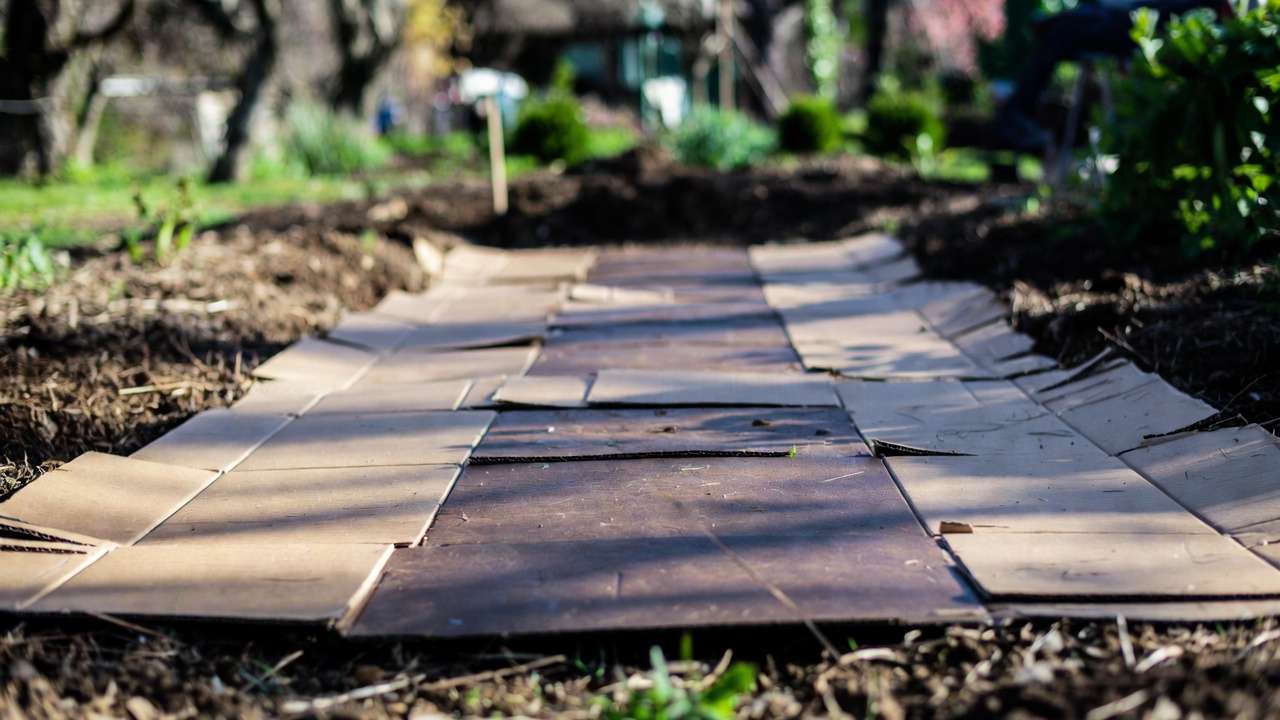
- Lay the cardboard: Cover the entire area, overlapping edges 6–12 inches to block light leaks. Patch any gaps. Wet thoroughly with a hose or buckets—soggy cardboard conforms better and starts breaking down faster.
- Add optional nutrient layers: For “lasagna” style, add 2–4 inches of compost, grass clippings, manure, or green waste on top.
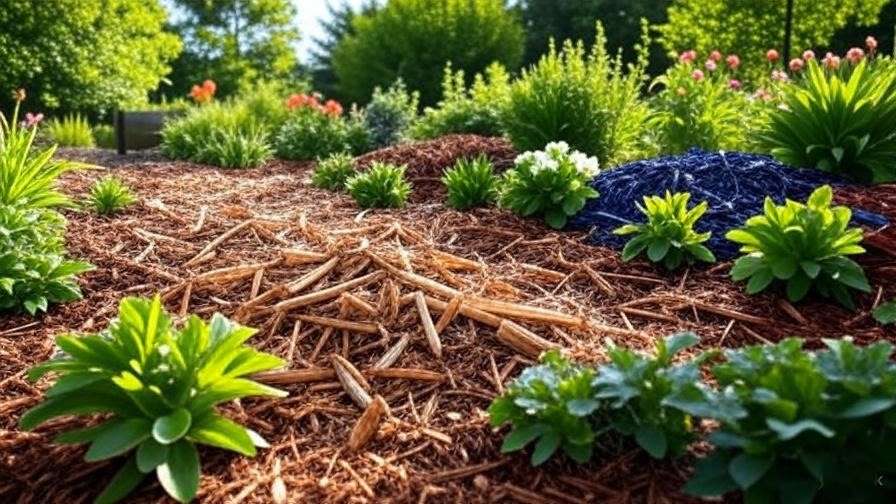
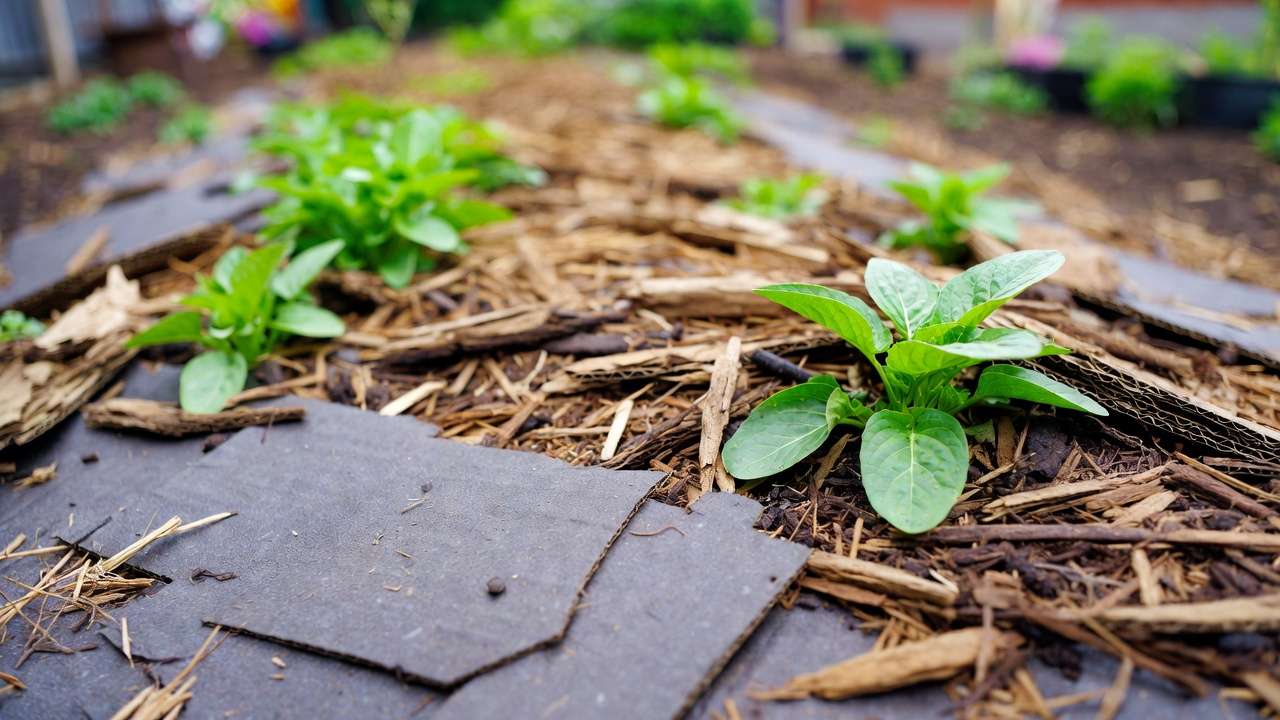
- Apply top mulch: Spread 4–8 inches of coarse organic mulch (more on types below). This holds everything in place, retains moisture, and suppresses any breakthrough weeds.
- Secure edges: Use rocks, logs, bricks, or extra mulch to prevent shifting, especially in windy or rainy conditions.
Timing and Seasonal Considerations
In Barishal’s climate, apply during cooler months (post-monsoon or winter) for spring planting—decomposition accelerates in heat/rain. Year-round possible in mild conditions. For immediate planting, cut X-shaped holes, fill with compost, and plant seeds/transplants directly.
Best Mulch Types to Use Over Cardboard
Coarse, long-lasting mulches work best:
- Wood chips or arborist chips — Top choice for permeability, longevity (2–5 years), and fungal support; free from tree services.
- Straw — Excellent for vegetable beds; suppresses weeds well but may contain seeds—use weed-free if possible.
- Shredded leaves or pine bark — Add carbon; leaves break down faster for nutrient boost.
- Avoid fine mulches initially (e.g., sawdust alone) as they compact.
Depth: Minimum 4 inches; 6–8+ for superior results in weed-prone, rainy areas.
Common Mistakes to Avoid (Expert Insights)
Even experienced gardeners can stumble when first trying sheet mulching with cardboard. Here are the most frequent errors I’ve seen (and corrected) in home gardens, community plots, and small farm setups—especially in humid, weed-heavy regions like Bangladesh:
- Single-layer or poor overlaps A single sheet often allows light through edges or seams, letting aggressive runners (e.g., Bermuda grass, nutgrass, or morning glory) sneak up. Always overlap by at least 6–12 inches and double-layer over known problem areas. In practice, three layers over persistent perennials can make the difference between success and frustration.
- Skipping the thorough wetting step Dry cardboard is stiff, lifts easily in wind or rain, and decomposes slowly and unevenly. Soak it completely until it’s dark and pliable—this also helps it mold to the soil surface and jumpstarts microbial breakdown.
- Applying too thin a mulch layer Less than 4 inches of top mulch allows weed seeds (blown in or already present) to germinate on the surface and root into the moist cardboard. In high-rainfall Barishal, aim for 6–8 inches minimum; the extra depth also protects against heavy downpours washing away finer material.
- Ignoring persistent perennial roots Cardboard kills most annuals and surface weeds, but deep-rooted perennials (e.g., Bermuda, Johnson grass, or certain vines) can push through over time. Spend 30–60 minutes upfront digging out the worst offenders. For very tough cases, solarize first with clear plastic for 4–6 weeks before laying cardboard.
- Planting too soon without preparation Freshly laid cardboard creates a temporary low-oxygen zone. Wait at least 2–3 months before direct sowing tiny seeds; for transplants, cut generous X-shaped holes and fill with rich compost to give roots immediate access to living soil below.
- Using questionable cardboard sources While modern corrugated cardboard is overwhelmingly safe (soy-based inks, starch glues), avoid pizza boxes (grease), glossy advertising mailers, or anything with metallic/foil coatings. When in doubt, stick to plain brown shipping boxes.
- Forgetting to secure edges In windy post-monsoon periods or during heavy rains, cardboard can shift or lift, creating light gaps. Weigh down edges with bricks, stones, logs, or extra mulch. This small step prevents weeks of rework.
Maintenance and Long-Term Care
Once installed, sheet mulching requires surprisingly little ongoing work—part of its appeal for busy gardeners.
- Initial watering: Keep the top mulch consistently moist (not soggy) for the first 4–8 weeks to encourage decomposition and earthworm activity. In Barishal’s wet season this often happens naturally; during drier months, water deeply once or twice weekly.
- Weed patrol: Check monthly for breakthrough weeds and pull them immediately while small. Most breakthroughs are weak and easy to remove due to the lack of established root systems.
- Annual refresh: Add 2–4 inches of fresh mulch each year as the previous layer breaks down. This maintains depth, feeds soil life, and prevents any new weed germination.
- Transition to permanent no-till: After 6–18 months (faster in warm, moist climates), the cardboard will be fully gone, leaving enriched, crumbly soil. Continue no-dig practices by adding compost and mulch on top rather than tilling.
- Pest monitoring: Slugs and earwigs may shelter under mulch initially. Encourage natural predators (birds, frogs, ground beetles) or use beer traps/iron phosphate baits if needed. Termite risk is very low unless the garden is already infested—cardboard alone rarely attracts them in healthy systems.

Real-World Examples and Case Studies
- Lawn-to-Vegetable Garden Conversion (Barishal homeowner example) A local gardener transformed a 400 sq ft weedy front lawn in late October. After mowing low, laying double cardboard, adding compost, and topping with 6 inches of wood chips, they planted tomatoes, brinjal (eggplant), okra, and spinach the following March. Result: Zero hand-weeding needed the first season, noticeably darker and more friable soil by year two, and earthworm castings visible everywhere. Yield increased 40% compared to previous tilled beds.
- Fruit Tree Guild Establishment Around young mango and guava trees, gardeners laid cardboard in a 6–8 ft radius, topped with arborist chips and legume cover crop seeds. Weeds were suppressed for two full growing seasons; trees showed faster growth and better drought tolerance during the following dry period.
- Community Plot Revival In a school/community garden project, 10 raised beds overrun with nutgrass were sheet-mulched in November. By April planting, nutgrass was nearly eradicated, and soil tests showed improved organic matter and microbial activity compared to adjacent conventionally managed beds.
These outcomes align with reports from permaculture farms and university extension trials in similar climates (e.g., subtropical regions of India, Southeast Asia, and the southeastern U.S.).
FAQs
Is cardboard safe for vegetable gardens? Yes—modern plain corrugated cardboard uses food-safe inks and glues. Remove tape/plastic and avoid glossy types. Countless organic gardeners grow edibles directly through sheet mulch without issues.
How long does cardboard take to decompose? 6–12 months in warm, moist conditions (common in Barishal); up to 18–24 months in cooler or drier climates. Thicker mulch and frequent rain speed it up.
Can I use cardboard in existing planted beds? Yes, but carefully. Cut around existing plants, lay cardboard up to the stems, and mulch over. Avoid burying crowns of perennials.
What if weeds still appear on top? Usually due to thin mulch, poor overlaps, or wind-blown seeds. Pull immediately and add more mulch. Persistent breakthroughs often indicate missed perennial roots during prep.
What are good alternatives if I can’t get cardboard? Multiple layers of newspaper (10–15 sheets), plain brown packing paper, or biodegradable weed mats. For very tough weeds, combine with solarization first.
Does it attract termites or other destructive pests? Rarely in healthy gardens. Termites prefer dead wood in soil contact; cardboard decomposes too quickly to sustain colonies. Monitor anyway in termite-prone areas.
Using cardboard under mulch transforms the exhausting cycle of weeding, soil disturbance, and chemical dependence into a low-effort, regenerative system that rewards you with healthier soil, more productive plants, and more free time. In regions facing intense weed pressure and erratic rainfall—like much of Bangladesh—this technique offers one of the most practical, affordable paths to sustainable gardening.
Start small: Convert one bed or a tree circle this season. Observe the changes—the worms that appear, the moisture that lingers, the weeds that never return. Over time, you’ll build garden soil that works for you rather than against you.