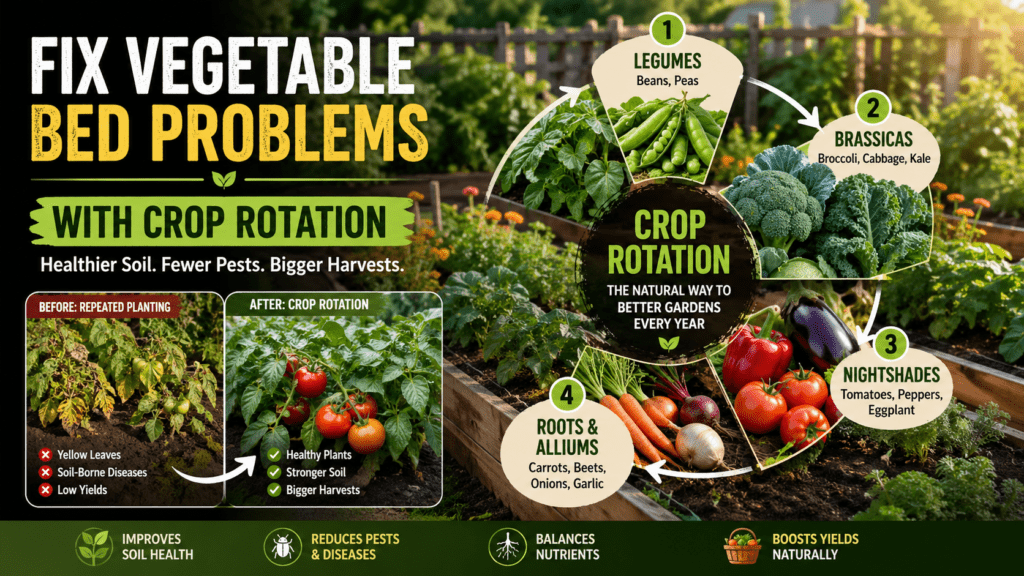
You water, fertilize, and care for your garden diligently—yet every season seems to bring the same frustrating issues: yellowing leaves, brown spots creeping across tomato plants, wilted vines collapsing overnight, and harvests that never quite meet expectations. If this sounds familiar, you’re not alone. These recurring Vegetable Bed Problems often leave gardeners wondering what they’re doing wrong.
The truth is, many of these issues aren’t caused by a lack of effort—but by what’s happening beneath the surface. Replanting the same crops in the same soil year after year gradually depletes nutrients, encourages the buildup of soil-borne diseases, and creates the perfect environment for pests to thrive.
Fortunately, there’s a proven, science-backed solution used by both home gardeners and commercial farmers worldwide: crop rotation. Recommended by institutions like the USDA and university extensions such as Penn State Extension and UC Agriculture and Natural Resources, crop rotation is one of the most effective natural strategies to restore soil health, break pest cycles, and dramatically improve yields.
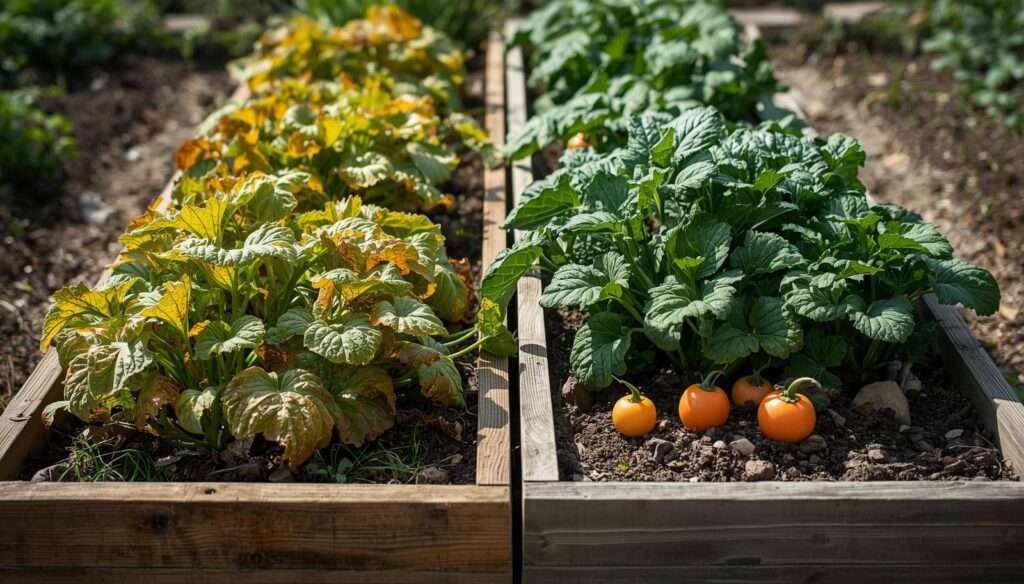
In this comprehensive guide, you’ll learn how crop rotation works, why it solves persistent vegetable bed problems, and how to implement practical 3-, 4-, and 5-year rotation plans—whether you’re gardening in raised beds, containers, or larger plots.
Understanding Common Vegetable Bed Problems
Symptoms and Underlying Causes
Vegetable bed issues often show up in predictable ways. Understanding these symptoms is the first step toward solving them.
- Brown spots on leaves
Often caused by fungal diseases like early blight or septoria, especially in tomatoes and potatoes. - Yellow leaves
Typically linked to nitrogen deficiency, poor soil health, or inconsistent watering. - Wilting vines
Commonly due to soil-borne pathogens such as Fusarium or Verticillium wilt. - Stunted growth and poor yields
A result of depleted soil nutrients or compacted soil structure. - Recurring pest infestations
Aphids, beetles, and nematodes often build up when crops are repeatedly planted in the same spot.
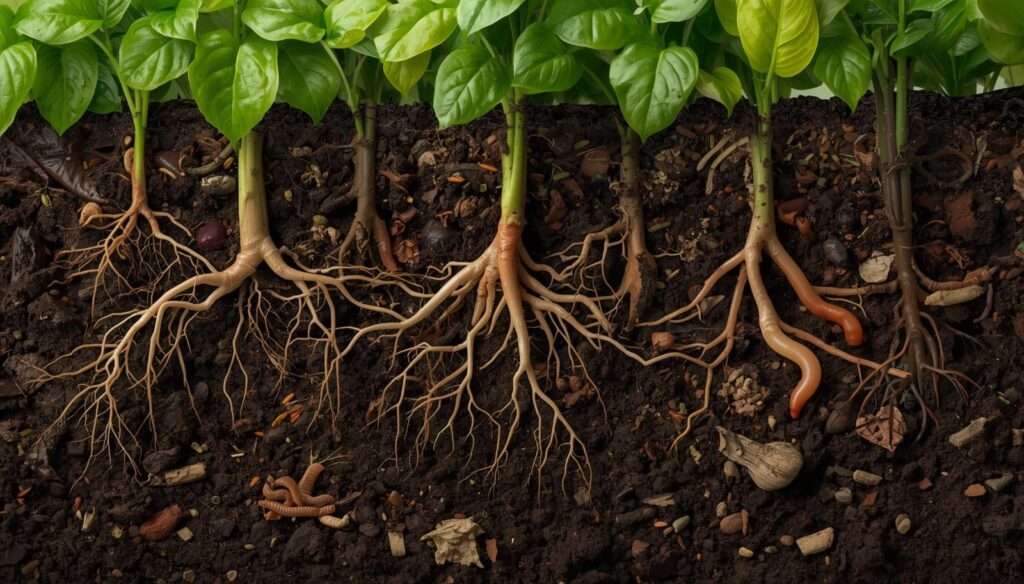
Why These Problems Persist Year After Year
These issues don’t just “happen”—they accumulate over time due to:
- Continuous planting of the same crop families
- Nutrient imbalances caused by heavy feeders
- Reduced microbial diversity in soil
- Persistent pest and disease cycles
Diagnostic Table
| Symptom | Likely Cause | How Crop Rotation Helps |
|---|---|---|
| Yellow leaves | Nitrogen depletion | Introduces legumes to restore nitrogen |
| Brown spots | Fungal buildup | Breaks disease cycles by changing host plants |
| Wilting | Soil pathogens | Removes host plants for several years |
| Low yield | Soil exhaustion | Balances nutrient demand across seasons |
| Pest outbreaks | Habitat stability | Disrupts pest life cycles |
What Is Crop Rotation and Why It Works
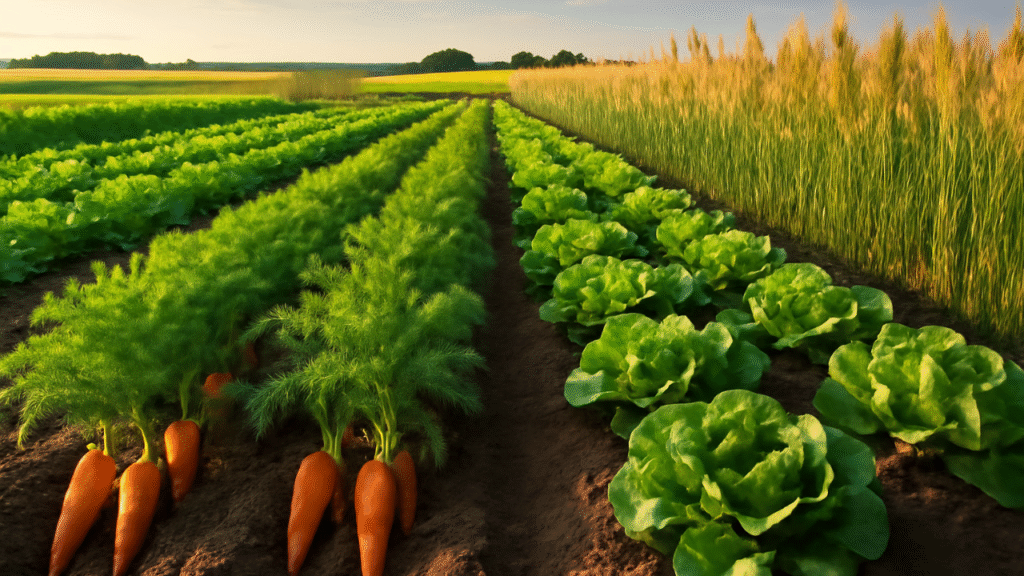
Crop rotation is the practice of growing different plant families in the same area in a planned sequence over multiple seasons.
The Science Behind Crop Rotation
Research from institutions like Iowa State University Extension and Outreach highlights several key mechanisms:
- Disrupts pest and disease cycles
Many pathogens are crop-specific. Rotating crops removes their food source. - Balances soil nutrients
Different crops use and replenish nutrients differently. - Improves soil structure
Deep-rooted plants break up compacted soil, while shallow-rooted crops stabilize it. - Enhances microbial diversity
A diverse plant system supports beneficial microbes that suppress disease.
A Time-Tested Global Practice
Crop rotation dates back thousands of years and remains a cornerstone of sustainable agriculture worldwide. Modern organic farming systems rely heavily on rotation to reduce chemical inputs and maintain soil fertility.
Key Benefits of Crop Rotation
Implementing crop rotation delivers measurable improvements:
1. Reduces Soil-Borne Diseases
Rotating crops prevents the buildup of pathogens like blight and wilt.
2. Restores Soil Fertility
Legumes fix nitrogen, while other crops utilize it—creating a natural nutrient cycle.
3. Boosts Yield and Plant Health
Healthier soil leads to stronger plants and larger harvests.
4. Improves Soil Structure
Different root systems enhance aeration and water retention.
5. Reduces Need for Chemicals
Less reliance on fertilizers and pesticides.
6. Enhances Climate Resilience
Healthy soil retains moisture better and withstands stress.
How to Group Vegetables for Effective Rotation
Successful rotation depends on grouping crops by family and function.
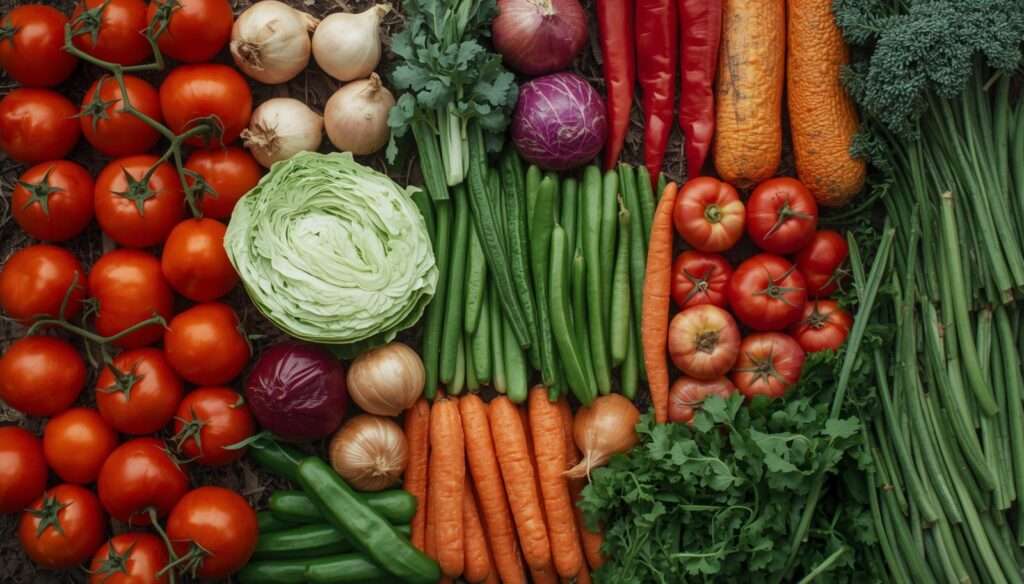
Major Vegetable Families
| Family | Examples | Key Traits |
|---|---|---|
| Nightshades | Tomatoes, peppers, eggplants | Heavy feeders, disease-prone |
| Brassicas | Cabbage, broccoli, kale | Moderate feeders, pest-sensitive |
| Legumes | Beans, peas | Nitrogen-fixers |
| Cucurbits | Squash, cucumbers | Heavy feeders |
| Alliums | Onions, garlic | Light feeders |
| Root crops | Carrots, beets | Soil conditioners |
| Leafy greens | Lettuce, spinach | Fast-growing |
Additional Considerations
- Heavy vs. light feeders
- Root depth
- Seasonal growth patterns
Practical Crop Rotation Strategies
Getting Started
- Map your garden layout
- Review past planting history
- Conduct a soil test
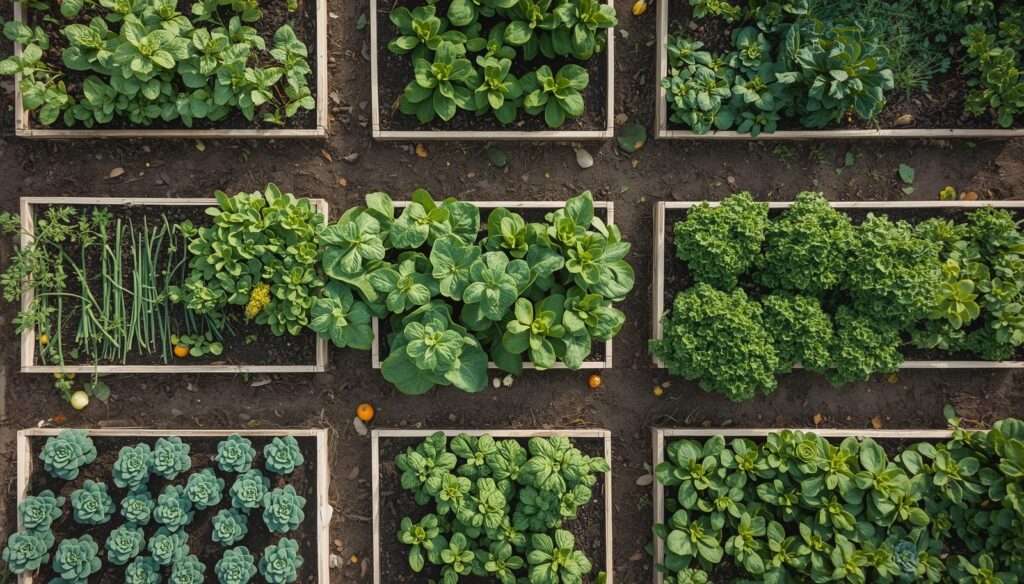
3-Year Rotation Plan (Small Gardens)
| Year | Bed 1 | Bed 2 | Bed 3 |
|---|---|---|---|
| 1 | Legumes | Leafy | Fruiting |
| 2 | Fruiting | Legumes | Leafy |
| 3 | Leafy | Fruiting | Legumes |
4-Year Rotation Plan (Recommended)
| Year | Bed A | Bed B | Bed C | Bed D |
|---|---|---|---|---|
| 1 | Legumes | Brassicas | Nightshades | Roots |
| 2 | Roots | Legumes | Brassicas | Nightshades |
| 3 | Nightshades | Roots | Legumes | Brassicas |
| 4 | Brassicas | Nightshades | Roots | Legumes |
5-Year Rotation (Advanced)
Includes a cover crop year:
- Clover or rye to rebuild soil
- Ideal for long-term soil restoration
Seasonal Rotation Tips
- Use cover crops like buckwheat or clover
- Practice intercropping
- Rotate within seasons when possible
Step-by-Step Implementation Guide
- Plan your layout
- Track planting history
- Group crops by family
- Follow a rotation sequence
- Add compost and cover crops
- Monitor and adjust annually
Expert Tips
- Pair crop rotation with companion planting
- Use disease-resistant varieties
- Add organic matter regularly
Common Mistakes to Avoid
- Replanting the same family too soon
- Ignoring soil testing
- Skipping cover crops
- Poor record keeping
- Not adapting to climate

Combining Crop Rotation with Best Practices
To maximize results:
- Test soil regularly
- Add compost and mulch
- Practice integrated pest management
- Choose resilient varieties
Real-World Examples
- Midwest gardener reduced tomato blight by 80% using a 4-year rotation
- Southern raised-bed gardener restored soil fertility within 2 seasons
Frequently Asked Questions
How long before replanting tomatoes in the same bed?
At least 3–4 years.
Can crop rotation work in raised beds?
Yes—rotate crops between beds or containers.
What if I have limited space?
Use mini-rotation or container rotation strategies.
Does it fix problems immediately?
Improvements begin within 1–2 seasons.
Conclusion
Crop rotation is more than just a gardening technique—it’s a long-term strategy for transforming struggling vegetable beds into thriving, productive ecosystems. By breaking pest cycles, restoring soil nutrients, and improving overall plant health, rotation addresses the root causes of persistent problems.
Start small. Even a simple 3- or 4-year rotation plan can yield noticeable improvements within a couple of growing seasons. Stay consistent, keep records, and adapt as you learn.
Healthy soil leads to healthier plants—and ultimately, a more rewarding gardening experience.