Imagine watching your carefully nurtured crops—lush lettuce, vibrant tomatoes, fragrant herbs—wither overnight from an unseen invasion of aphids or spider mites, Water-Based Systems for Pest-Free Growing forcing yet another round of chemical sprays that leave residues on your produce and harm beneficial insects. In traditional soil-based agriculture, pests destroy an estimated 20-40% of global crops each year, driving heavy reliance on pesticides that raise health, environmental, and resistance concerns.
Water-based systems for pest-free growing offer a powerful alternative. By shifting cultivation to nutrient-rich water solutions through hydroponics (plants grown directly in water or inert media with precise nutrients) and aquaponics (a symbiotic integration of fish farming and hydroponics where fish waste fertilizes plants), growers eliminate soil as a primary pest reservoir. These soilless methods naturally minimize soil-borne pests, root diseases, and many common infestations, often achieving near-pest-free results with little to no chemical intervention. This guide draws from established agricultural research, extension services (including university studies from Oklahoma State, University of the Virgin Islands, and others), and real-world commercial successes to show exactly how these systems work, why they excel at natural pest elimination, and practical steps to implement them for healthier yields, sustainability, and cleaner food.
Whether you’re a home gardener in an urban space, a small-scale farmer seeking lower inputs, or a commercial producer aiming for residue-free certification, water-based systems address the core need: reliable, low-risk growing without constant pest battles.
Why Water-Based Systems Are Superior for Pest-Free Growing
The fundamental advantage lies in removing soil—the biggest harbor for pests and pathogens. Soil teems with nematodes, fungi, root rot organisms, cutworms, and more that attack roots and stunt growth. In hydroponics and aquaponics, roots contact only water or inert media (like rockwool, clay pebbles, or coco coir), slashing exposure to these threats.
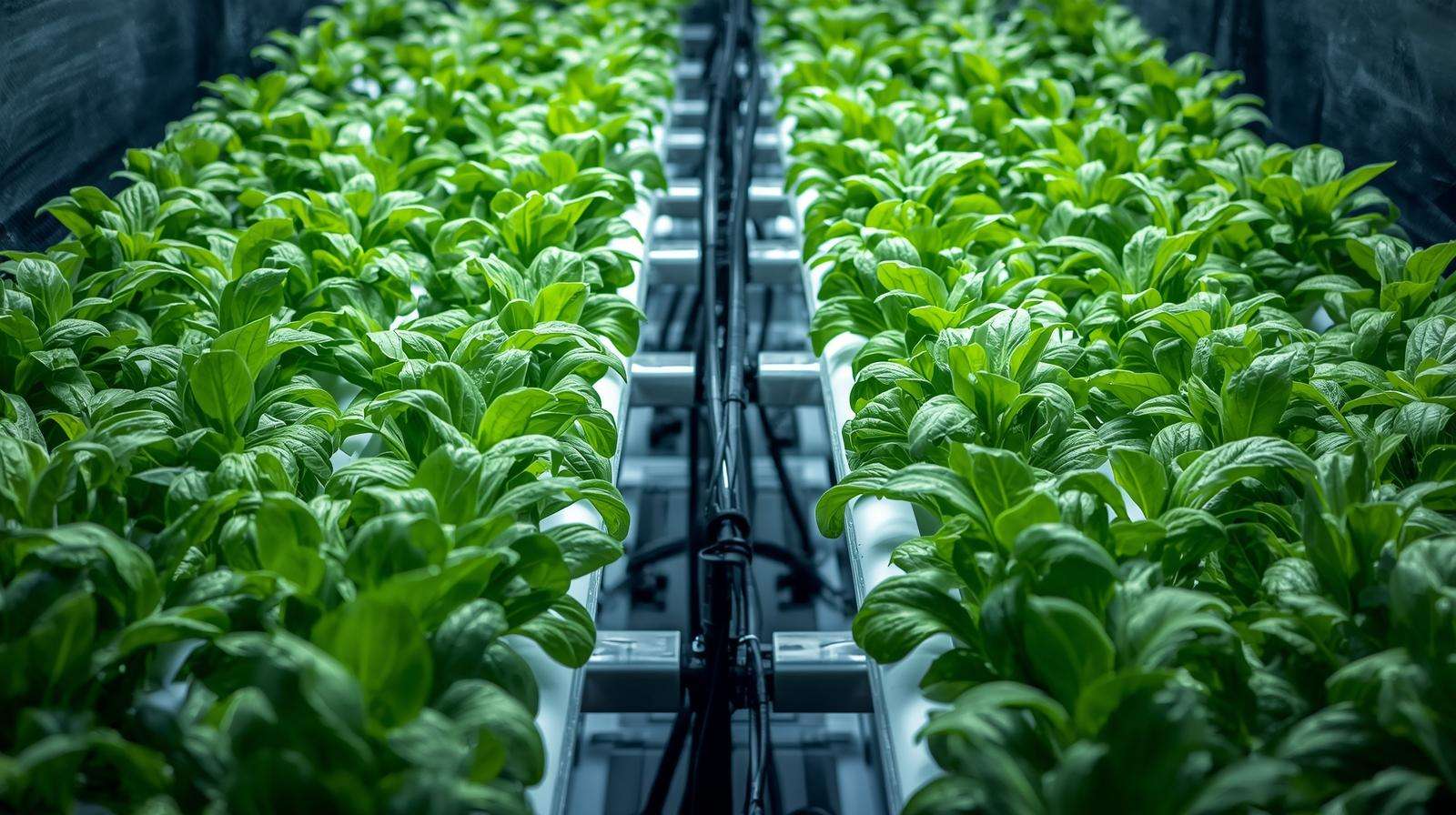
Controlled environments further enhance protection. Most setups operate indoors, in greenhouses, or under high-tunnels with screened vents, filtered air intake, and positive pressure systems that block flying insects. Precise nutrient delivery strengthens plants faster—often 30-50% quicker growth than soil—boosting natural resistance through robust cell walls and balanced physiology.
Pesticide use drops dramatically—frequently to zero—aligning with organic standards and consumer demand for clean produce. Additional perks include 90%+ water savings (recirculating systems lose minimal volume), year-round production regardless of climate, and higher yields per square foot.
Quick Comparison Table:
| Aspect | Traditional Soil Growing | Hydroponics | Aquaponics |
|---|---|---|---|
| Pest Risk (Soil-Borne) | High | Very Low | Very Low |
| Pesticide Reliance | High | Low to None | Low to None (fish-safe only) |
| Water Efficiency | Low | High (90%+ savings) | Highest (closed-loop) |
| Yield Potential | Baseline | 2-10x higher | 2-10x higher + fish protein |
| Environmental Impact | Higher runoff/chemicals | Lower | Lowest (symbiotic, no waste) |
These benefits stem from decades of research, including USDA and university extension findings showing reduced disease pressure in soilless systems.
Understanding Hydroponics for Pest-Free Cultivation
Core Principles of Hydroponic Systems
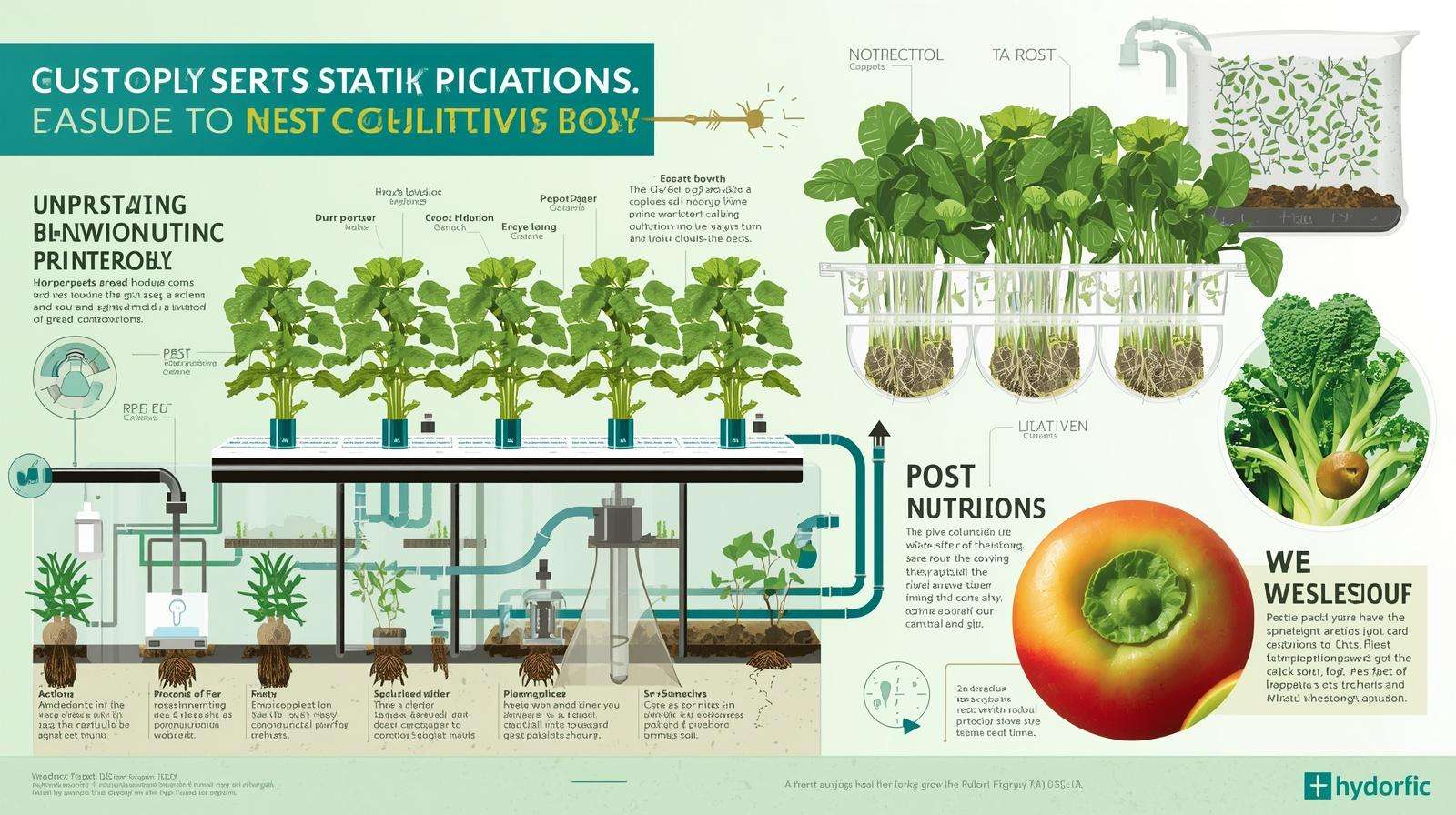
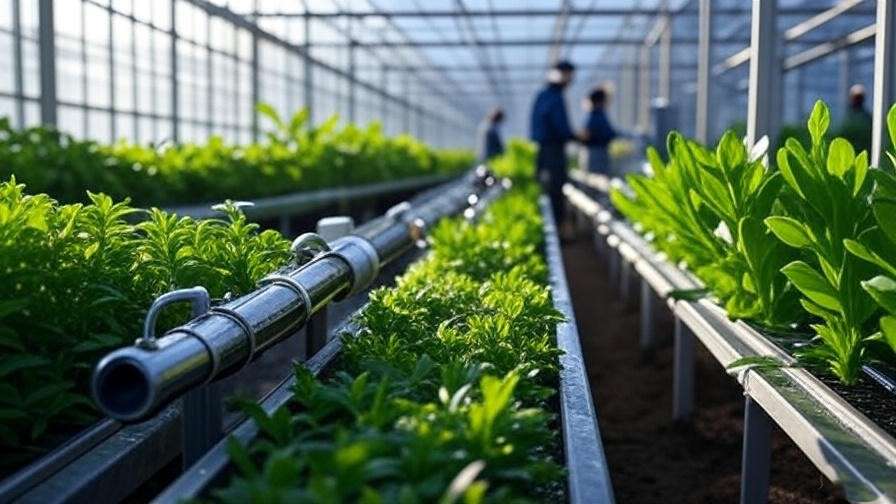
Hydroponics delivers nutrients directly via water, bypassing soil. Popular types include:
- Nutrient Film Technique (NFT): Thin film of nutrient solution flows over roots—minimal standing water reduces fungus gnat habitats.
- Deep Water Culture (DWC): Roots suspended in oxygenated nutrient solution—simple, but requires strong aeration to prevent root diseases.
- Ebb & Flow (Flood and Drain): Periodic flooding drains quickly—good for larger roots but needs clean trays.
- Drip Systems: Precise delivery to media—excellent control, low pest risk.
- Aeroponics: Mist roots in air—highest oxygenation, but nozzles can clog if not maintained.
Sterile practices (UV sterilization, regular reservoir cleaning, hydrogen peroxide dips) prevent pathogen buildup in recirculating water.
Why Hydroponics Reduces Pest Pressure Naturally
No soil means no root-knot nematodes, Fusarium wilt, or damping-off fungi. Indoor setups limit introductions from wind, wildlife, or contaminated tools. Healthy, fast-growing plants withstand minor attacks better.
Common Pests in Hydroponics and Early Signs
Pests can still enter via clothing, new plants, or vents. Watch for:
- Aphids: Clusters on new growth; curled leaves, sticky honeydew.
- Spider Mites: Fine webbing, stippled/yellow leaves.
- Thrips: Silver streaks, distorted growth.
- Whiteflies: Tiny white insects under leaves; sooty mold from honeydew.
- Fungus Gnats: Small black flies; larvae damage roots in over-wet media.
Early detection via yellow sticky traps and daily scouting prevents escalation.
Aquaponics: The Ultimate Symbiotic Pest-Resistant System
How Aquaponics Works and Enhances Pest Resistance
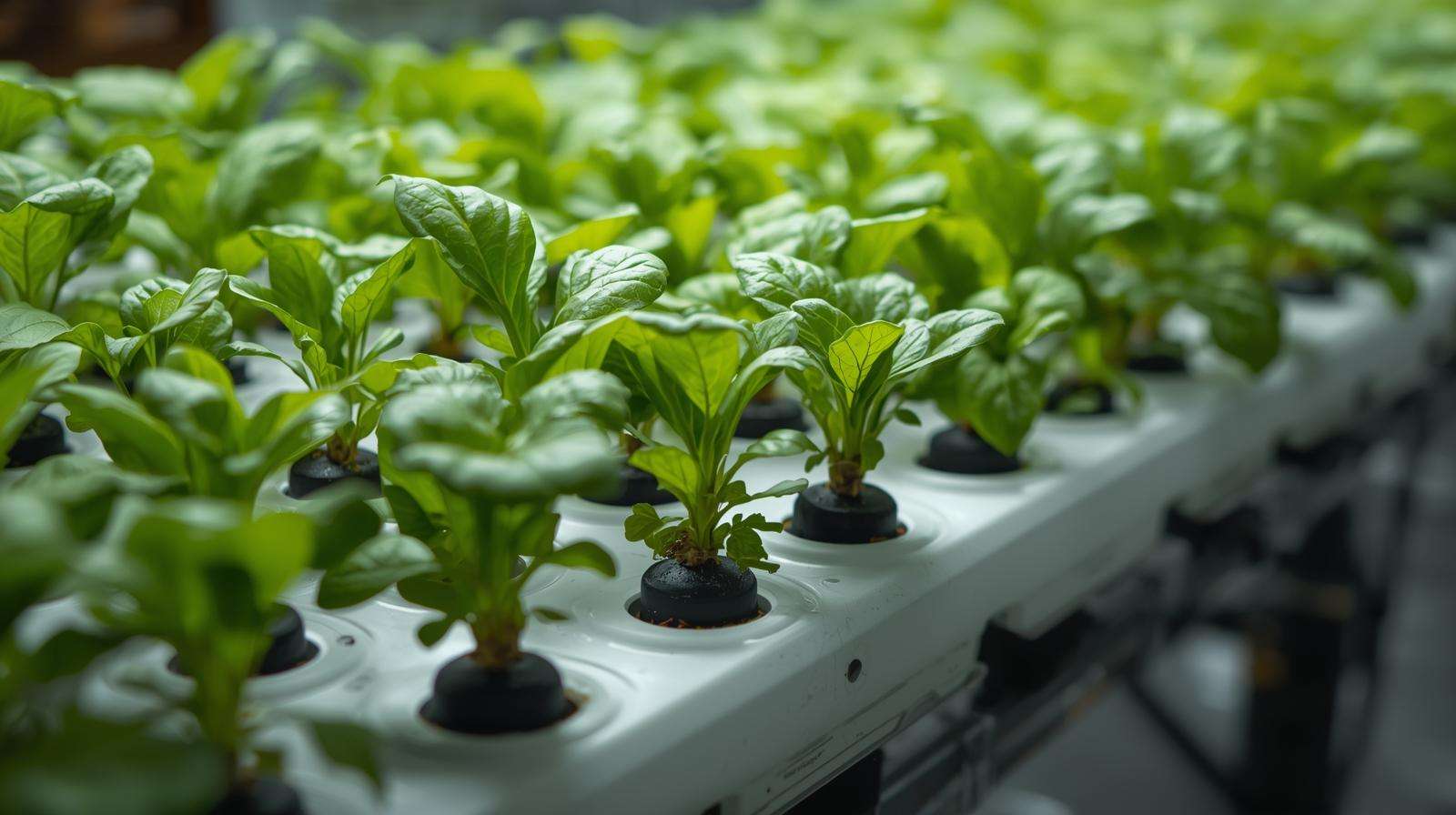
Fish (often tilapia, catfish, or trout) produce waste → beneficial bacteria convert ammonia to nitrates → plants uptake nutrients → clean water returns to fish. This closed loop creates a balanced mini-ecosystem where microbial diversity suppresses pathogens.
Natural Advantages Over Pure Hydroponics
Aquaponics adds biological complexity: nitrifying bacteria and diverse microbes outcompete harmful ones. Fish health indicators signal system balance early. Some setups integrate natural predation more seamlessly.
Common Pests in Aquaponics and Unique Challenges
Pests mirror hydroponics (aphids, mites, whiteflies), but treatments must be fish-safe—no copper-based products, limited pyrethrins. Focus on prevention and biologicals.
Natural and Organic Pest Prevention Strategies
Prevention trumps cure in water-based systems. Adopt Integrated Pest Management (IPM): monitor, prevent, control biologically when needed.
Prevention-First Approach: Integrated Pest Management (IPM) in Water-Based Systems
- Scout daily/weekly: Check leaf undersides, use magnifying lenses.
- Quarantine new plants 1-2 weeks.
- Use yellow/blue sticky traps for monitoring and mass trapping.
- Sanitation: Disinfect tools with 10% bleach or hydrogen peroxide; change clothes/shoes before entering grow space.
Physical and Cultural Controls
- Install insect screens on vents/doors (50-80 mesh).
- Maintain optimal conditions: 60-80% humidity deters spider mites; good airflow prevents fungal issues.
- Companion planting: Basil, marigolds, nasturtiums repel aphids/whiteflies.
- Crop rotation/diversity breaks pest cycles.
Biological Controls: Beneficial Insects and Organisms
Release predators/parasitoids:
- Ladybugs and lacewings devour aphids.
- Predatory mites (e.g., Amblyseius swirskii) target thrips/spider mites.
- Parasitic wasps (Aphidius, Encarsia) for aphids/whiteflies.
- Bacillus thuringiensis (Bt) for caterpillars—safe for fish/plants.
Introduce in evenings; provide pollen sources (flowers) for longevity.
Organic Sprays and Treatments (Fish/Plant-Safe)
- Insecticidal soaps or neem oil (diluted, foliar only—avoid tank drip in aquaponics).
- Hydrogen peroxide (3% solution) for root zone cleaning.
- Essential oils (peppermint, rosemary) as repellents.
- Diatomaceous earth (food-grade) barriers around bases.
In aquaponics, test small areas first.
System-Specific Tips
- Hydro: Add beneficial bacteria (e.g., Trichoderma) to nutrient solution.
- Aquaponics: Keep fish healthy—strong biofilter supports plant vigor.
Step-by-Step Setup Guide for a Pest-Resistant Water-Based System
Building a pest-resistant water-based system starts with thoughtful planning and execution. Below is a practical, beginner-to-intermediate roadmap suitable for home gardeners (small 4–10 m² setups) and scalable to small commercial operations.
- Choose the Right System Type and Scale
- Beginners: Start with a small Deep Water Culture (DWC) hydroponic bucket system or a media bed aquaponics setup (fish tank + grow beds). These are forgiving and low-maintenance.
- Intermediate: Move to Nutrient Film Technique (NFT) channels or vertical tower systems for space efficiency.
- Commercial consideration: Recirculating Deep Water Culture (RDWC) or Dutch bucket hydroponics with automated monitoring. Prioritize systems with minimal standing water and easy access for inspection to reduce hiding spots for pests.
- Select Pest-Minimizing Components
- Enclosed or semi-enclosed grow space (greenhouse, grow tent, or dedicated indoor room) with insect-proof screening (50–80 mesh) on all air intakes and exhausts.
- Positive-pressure ventilation: Slightly higher air pressure inside than outside prevents insects from being sucked in.
- UV sterilizer or ozone generator on the water loop (especially in larger hydroponic systems) to kill water-borne pathogens without harming plants or fish.
- Yellow sticky traps and blue sticky traps placed at canopy level from day one.
- In aquaponics: Mechanical filtration (solids filter) + biofilter + plant filtration to keep water crystal clear and biologically balanced.
- Initial Setup and Sterilization Best Practices
- Clean all surfaces, pipes, trays, and reservoirs with a 3–10% hydrogen peroxide solution or food-grade bleach (followed by thorough rinsing).
- Use new or sterilized growing media (expanded clay, rockwool cubes, coco coir rinsed and buffered).
- Fill the system with clean, dechlorinated water and cycle nutrients for 24–48 hours before adding plants or fish.
- Test pH (5.5–6.5 for most hydro crops; 6.8–7.2 for aquaponics) and EC/TDS before planting.
- Maintenance Routine Checklist
- Daily: Check pH/EC, top off water, inspect leaves/roots for early pest signs, empty and replace sticky traps as needed.
- Weekly: Clean filters, flush lines if buildup occurs, scout thoroughly under magnification, record observations.
- Monthly: Partial water change (10–20% in hydro; minimal in mature aquaponics), deep clean reservoir, test for beneficial bacteria levels (aquaponics).
- Always quarantine new plants or seedlings for 7–14 days in a separate area.
Following this protocol dramatically reduces the chance of infestation before it starts.
Real-World Examples and Case Studies
Case Study 1: Small-Scale Home Aquaponics (Backyard Success) In a suburban backyard in a warm climate, a family converted a 2 m × 3 m greenhouse into a media-bed aquaponics system using 1,000 L fish tanks stocked with tilapia and gravel grow beds growing lettuce, kale, basil, and cherry tomatoes. After implementing strict sanitation, insect screening, and releasing predatory mites and lacewings as needed, they reported zero pesticide applications over three growing seasons and only minor aphid presence (controlled biologically within days). Yields were 4–6 times higher per square meter than their previous soil garden, with no detectable pesticide residues.
Case Study 2: Commercial Hydroponic Greenhouse (Large-Scale Reduction) A mid-sized hydroponic greenhouse (1,500 m²) in a temperate region switched from conventional drip hydroponics to an IPM-focused system with UV water treatment, positive-pressure fans, companion planting strips of marigolds and alyssum, and regular releases of Amblyseius cucumeris predatory mites. According to grower records shared through university extension reports, pest-related crop loss dropped from ~18% to under 2% within two years, allowing organic certification and a premium price point for pesticide-free greens.
Expert Insight Dr. James Rakocy (University of the Virgin Islands, a pioneer in commercial aquaponics) has long emphasized that “the best pest control in aquaponics is a healthy, balanced system.” Strong fish growth and consistent nitrification support vigorous plants that simply do not attract or support large pest populations.
Overcoming Challenges and Troubleshooting
Even the best-designed systems can face occasional pest pressure. Here’s how to handle issues without compromising the “pest-free” goal.
- If pests appear: First escalate physical controls (remove heavily infested leaves, increase airflow, lower humidity if mites are present). Next introduce biological agents. Only as a last resort use organic sprays—and in aquaponics, test on a small section and monitor fish behavior closely for 48 hours.
- Common Myth Debunked: “Hydroponics and aquaponics are 100% pest-free.” Reality: They are dramatically lower-risk, but not sterile. Airborne pests, human vectors, and poor sanitation can still introduce issues. The goal is near-pest-free through prevention, not absolute zero.
- Scaling Up While Maintaining Control: As system size increases, invest in automation (pH/EC controllers, remote cameras for scouting, dosing pumps for beneficial microbes). Train staff on IPM protocols and limit access to the grow space.
Water-based systems for pest-free growing represent one of the most effective, sustainable shifts in modern agriculture. By eliminating soil as a pest reservoir, harnessing controlled environments, and prioritizing natural prevention through IPM, hydroponics and aquaponics allow growers to produce cleaner, healthier food with minimal chemical inputs. The payoff includes higher yields, water conservation, year-round production, and peace of mind knowing your crops are largely protected by system design rather than constant spraying.
Start small—perhaps with a single DWC bucket or a countertop aquaponics kit—and scale as confidence grows. The science, real-world results, and practical tools are all available today. The future of pest-resilient, residue-free growing is already here in water.
FAQs
Are hydroponics and aquaponics completely pest-free? No system is 100% immune, but both achieve near-pest-free status far more easily than soil-based growing. Most infestations are minor and manageable with prevention and biological controls.
Can I use neem oil in aquaponics? Use cautiously—only as a foliar spray, never allowing runoff into the fish tank. Many commercial aquaponic growers avoid it entirely and rely on soaps, predatory insects, or companion plants instead.
What are the best beneficial insects for indoor water-based systems? Predatory mites (Amblyseius swirskii or californicus), lacewings, ladybugs, and parasitic wasps (Aphidius colemani) perform reliably in enclosed environments.
How do I prevent fungus gnats without soil? Keep media surfaces relatively dry between irrigations, use yellow sticky traps, introduce beneficial nematodes (Steinernema feltiae) or predatory mites, and add a thin layer of sand or diatomaceous earth on top of media beds.
Is aquaponics better than hydroponics for pest control? Aquaponics often has a slight edge due to greater microbial diversity and ecosystem balance, but well-managed hydroponics can be equally effective. The choice usually depends on whether you also want to raise fish.
How much does a beginner pest-free setup cost? A basic home hydroponic DWC system (4–6 plants) can start at $100–300 USD. A small media-bed aquaponics system (200–500 L) typically ranges from $400–1,200 USD, depending on materials and automation level.
Can I grow everything pest-free in these systems? Most leafy greens, herbs, tomatoes, peppers, cucumbers, and strawberries thrive with very low pest pressure. Fruiting crops that attract more flying insects (e.g., melons) may require extra screening and vigilance.