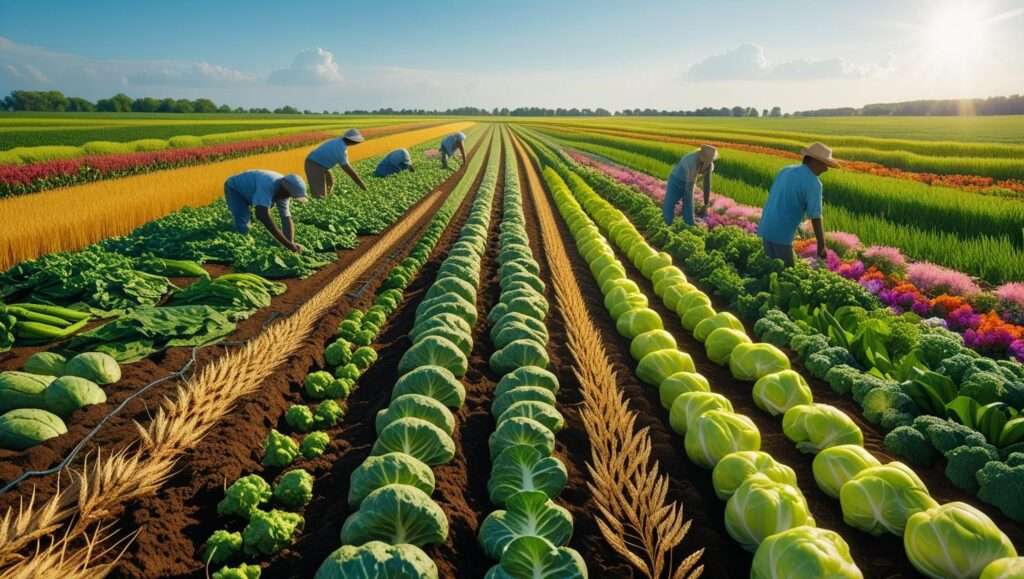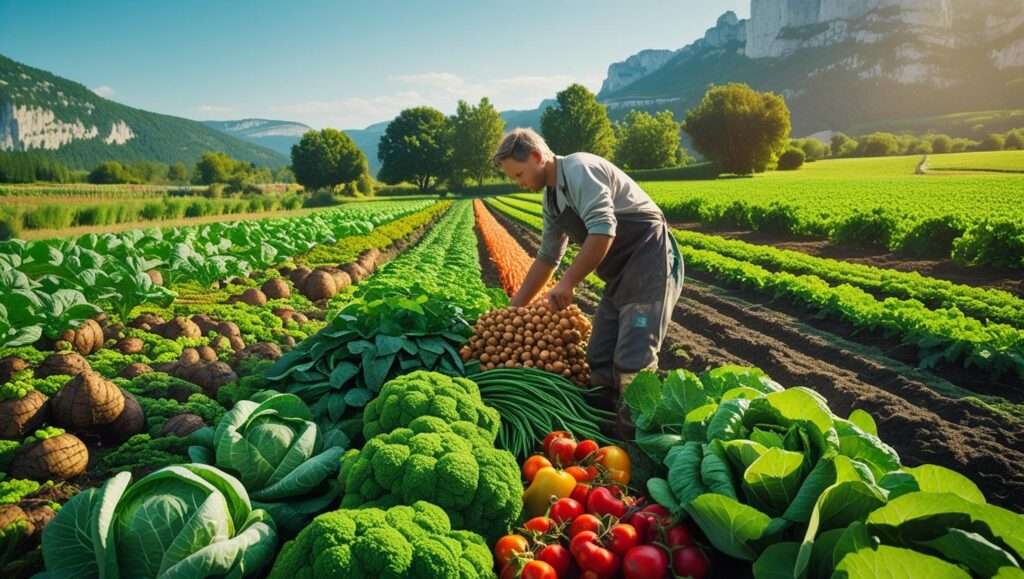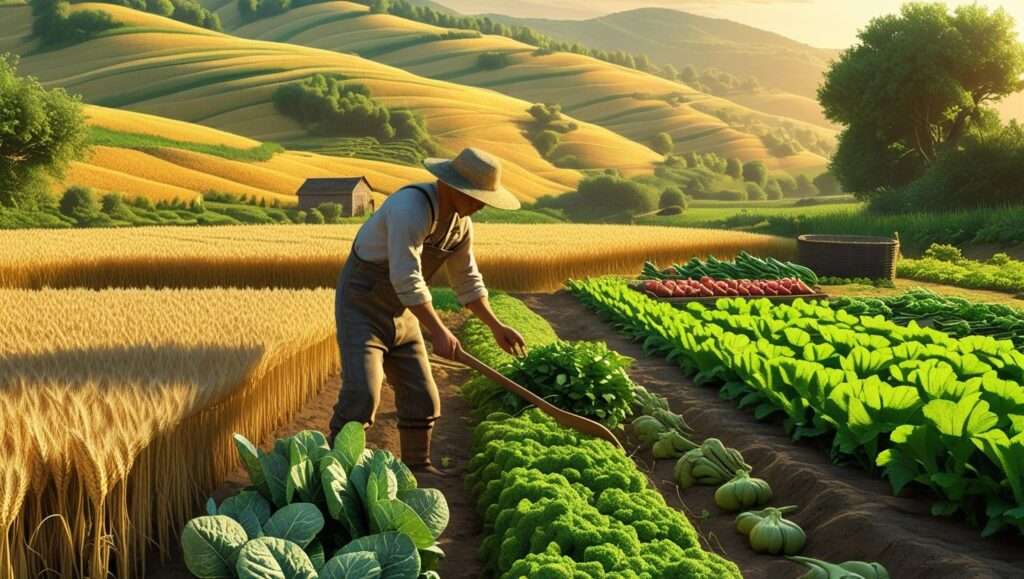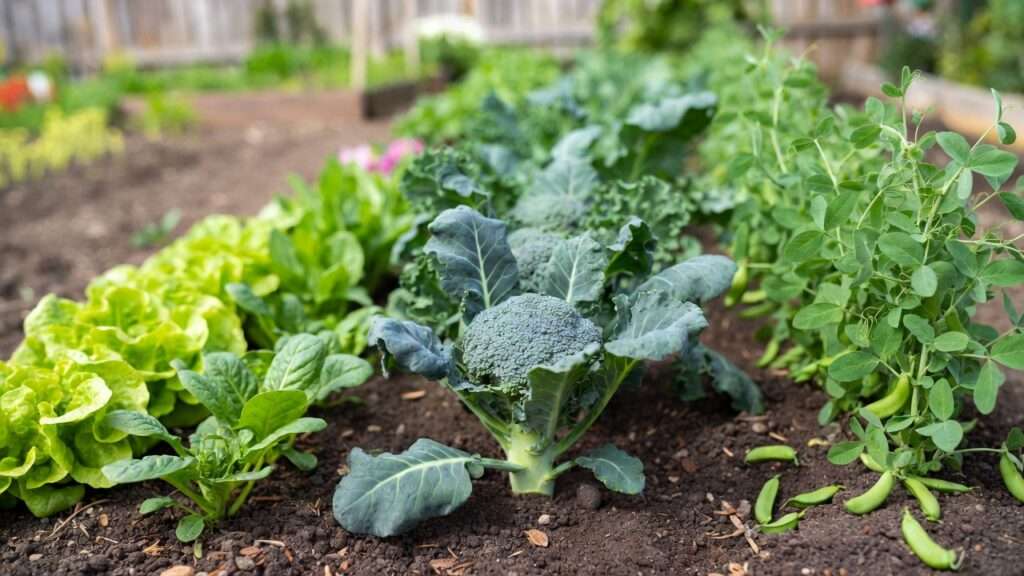
After harvesting your garlic, potatoes, and onions in mid-to-late summer, those freshly cleared garden beds represent a valuable opportunity rather than an empty space. Leaving soil bare risks weed invasion, nutrient leaching, soil erosion, and even pest buildup over the off-season. Instead, strategic succession planting or crop rotation allows you to extend your harvest into fall, rebuild soil fertility, break disease cycles, and dramatically increase overall garden productivity. What to plant after garlic, potatoes, and onions is a common question among home gardeners and small-scale farmers aiming for sustainable, high-yield plots. This guide draws from proven principles used by university extension services, experienced organic growers, and long-term vegetable production practices to provide the most comprehensive, actionable recommendations available.
By following family-based rotation—avoiding replanting alliums (onion family) after garlic/onions or nightshades after potatoes—you prevent common issues like white rot, pink root, late blight, scab, and verticillium wilt. These heavy-feeding crops deplete specific nutrients (nitrogen, potassium, phosphorus), so follow-up choices focus on nitrogen-fixers like legumes, nutrient-hungry brassicas, fast-growing greens, or soil-building cover crops. The result? Healthier soil structure, reduced pest pressure, and often 20-50% higher seasonal yields in small spaces.
Why Crop Rotation and Succession Planting Matter After Garlic, Potatoes, and Onions
Crop rotation and succession planting are foundational to resilient gardening. Succession planting involves immediately replacing a harvested crop with a new one in the same season, while crop rotation spreads plant families across years to maintain long-term soil balance.
Understanding Crop Families and Their Impact
- Alliums (garlic, onions, leeks, shallots): Part of the Amaryllidaceae family, these are prone to fungal diseases like white rot and pink root. They deplete phosphorus and can mildly inhibit some legumes due to allelopathic compounds.
- Nightshades (potatoes, tomatoes, peppers, eggplant): Solanaceae family members share vulnerabilities to late blight, early blight, verticillium/fusarium wilt, and potato scab. Potatoes are heavy feeders, pulling significant nitrogen and potassium.
- Combined challenges: When garlic, onions, and potatoes occupy adjacent or rotated beds, overlapping issues arise. Proper rotation requires at least 2–4 years before returning the same family to a spot, per recommendations from sources like Cornell Cooperative Extension and Penn State Extension.
Key Benefits of Smart Follow-Up Planting
Implementing rotation after these crops delivers multiple advantages:
- Soil health restoration: Legumes fix atmospheric nitrogen, brassicas scavenge deep nutrients, and roots improve structure.
- Pest and disease cycle interruption: Breaks pathogen buildup specific to alliums and nightshades.
- Increased yields and season extension: Succession crops can add 1–3 months of fresh produce.
- Weed suppression and erosion control: Dense plantings or mulched covers prevent bare-soil problems.
Timing Considerations for Succession Planting
Harvest timing varies by climate:
- Garlic: Early to mid-summer (June–July in many zones).
- Onions: Mid to late summer.
- Potatoes: Mid to late summer, depending on variety (early vs. maincrop).
Check your USDA growing zone’s average first fall frost date and count backward using days-to-maturity (DTM) for candidates. In zones 5–7, aim for crops maturing in 50–90 days; warmer zones (8+) allow longer-season options like winter squash. Immediately after harvest, remove debris, loosen soil lightly, and amend to prepare for quick planting.
Best Crops to Plant After Garlic (Alliums)
Garlic beds free up in early summer, offering ample time for cool-season or transitional crops. Avoid other alliums to prevent disease carryover.
Top Recommendations for Garlic Beds
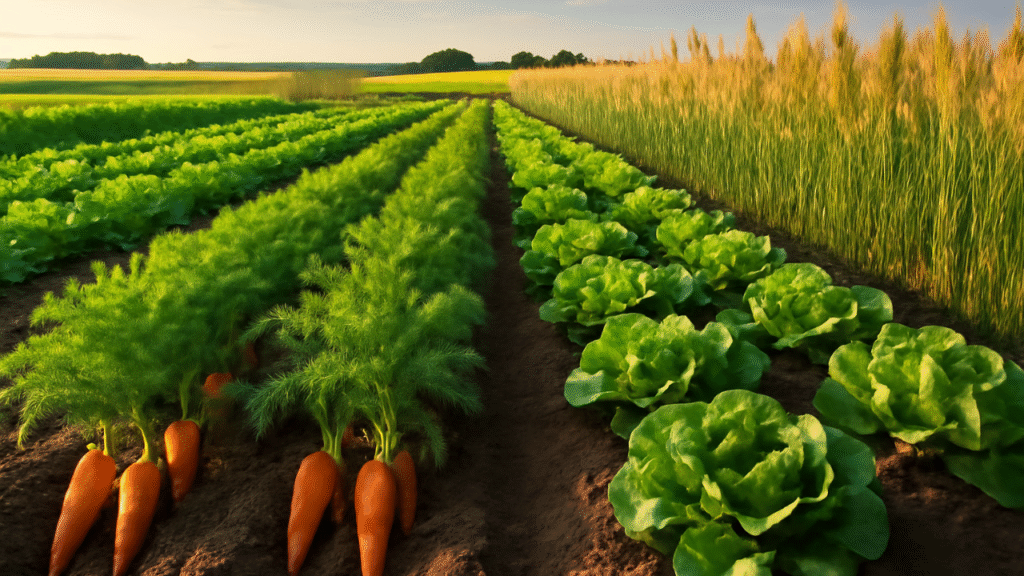
- Leafy greens — Kale, spinach, Swiss chard, lettuce mixes (30–60 DTM). Frost-tolerant and quick; harvest baby leaves repeatedly.
- Brassicas — Broccoli, cabbage, cauliflower, Brussels sprouts, kohlrabi (60–90 DTM). Nutrient-hungry; thrive on residual fertility.
- Root vegetables — Beets, carrots, turnips, radishes (40–70 DTM). Loose soil post-garlic suits roots; Japanese turnips mature fast.
- Legumes — Bush beans, peas (50–70 DTM). Nitrogen-fixers; some growers report mild inhibition, but most succeed with compost amendment.
- Cucurbits — Summer squash, zucchini, pumpkins (if seedlings started; 50–100 DTM). Space-efficient if trellised.
Crops to Avoid After Garlic
- Other alliums (leeks, shallots).
- Heavy legumes in sensitive cases (though rare).
Best Crops to Plant After Potatoes (Nightshades)
Potatoes leave soil somewhat compacted and nutrient-depleted, favoring nitrogen-replenishing or light-feeding follow-ups. Never follow with other nightshades.

Ideal Follow-Up Crops for Potato Beds
- Brassicas — Cabbage, broccoli, kale, collards — Excellent for using residual potassium.
- Legumes — Bush beans, pole beans, peas — Prime nitrogen-fixers to rebuild what potatoes took.
- Leafy greens — Lettuce, spinach, arugula, mustard greens — Fast turnaround for fall salads.
- Squash family — Zucchini, pumpkins, winter squash — Late plantings avoid vine borers in many regions.
- Other options — Sweet corn, okra (warmer zones), rutabagas.
Crops to Strictly Avoid After Potatoes
- Nightshades (tomatoes, peppers, eggplant) for 3+ years.
- Immediate heavy root crops if compaction persists.
Best Crops to Plant After Onions (Similar to Garlic)
Onion beds follow similar rules to garlic—avoid alliums, prioritize greens, brassicas, and beans.
Succession Options for Onion Beds
- Overlap heavily with garlic suggestions: Kale, beets, bush beans, squash.
- Quick roots like radishes or beets (avoid if phosphorus low).
- Cover crops if time is short.
Combined Strategy: What to Plant After Garlic, Potatoes, and Onions Together
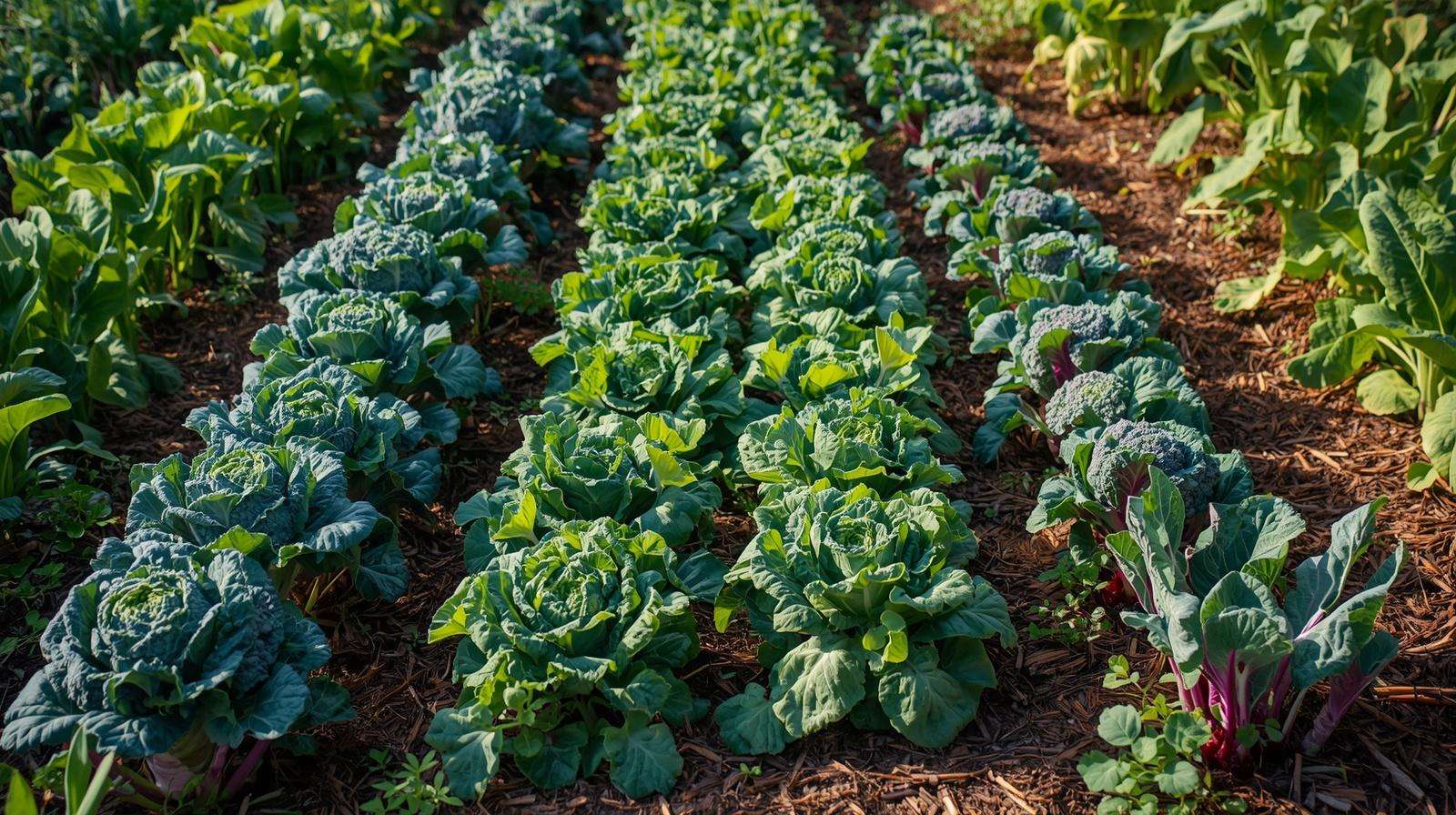
When these crops share garden space, prioritize versatile, family-diverse options that suit mid-summer planting windows.
Prioritizing Versatile, High-Value Crops
Top 10+ recommendations (with approximate DTM, benefits, and variety tips):
- Kale/Collards (50–70 days) — Cold-hardy, nutrient-dense; ‘Lacinato’ or ‘Red Russian’.
- Bush Beans (50–60 days) — Nitrogen-fixing; ‘Provider’ or ‘Contender’ for quick yields.
- Broccoli (60–80 days) — High-value; start transplants for faster harvest.
- Lettuce/Spinach (30–50 days) — Succession sow for continuous harvest.
- Beets (50–60 days) — Dual-purpose (greens + roots); ‘Detroit Dark Red’.
- Swiss Chard (50–60 days) — Heat-tolerant; ‘Bright Lights’ for color.
- Zucchini/Summer Squash (45–60 days) — Prolific; plant late to dodge borers.
- Carrots (60–80 days) — If soil loose; ‘Nantes’ types.
- Peas (50–70 days) — Fall crop in mild zones.
- Cover crops — Clover, oats, rye mix for soil building if no harvest time.
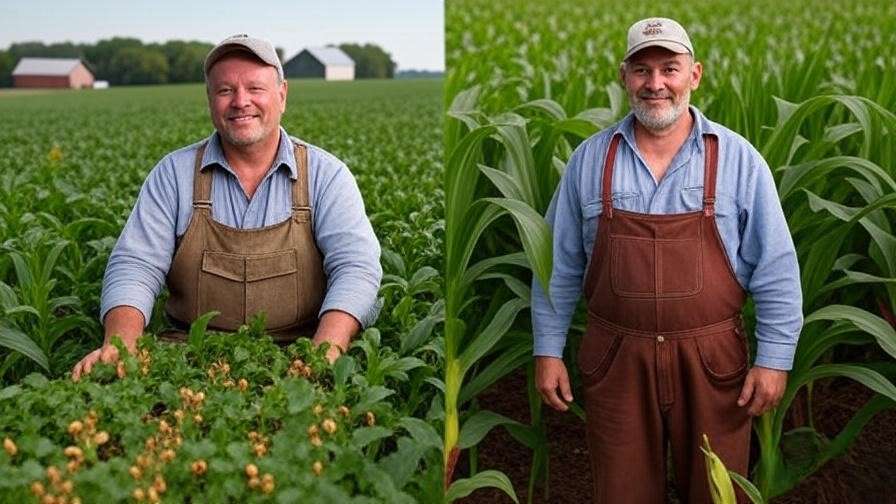
Consider polyculture like a modified Three Sisters (beans + squash + corn) for space efficiency.
Sample Crop Rotation Plans
- 4-Year Cycle Example:
- Year 1: Potatoes → Brassicas → Legumes → Greens/Cover.
- Year 2: Alliums → Roots/Brassicas → Legumes → Squash.
- Adapt for your zone: In cooler areas, prioritize frost-hardy greens; in warmer, add okra or sweet potatoes.
Soil Preparation and Management Tips After Harvest
Immediate Post-Harvest Steps
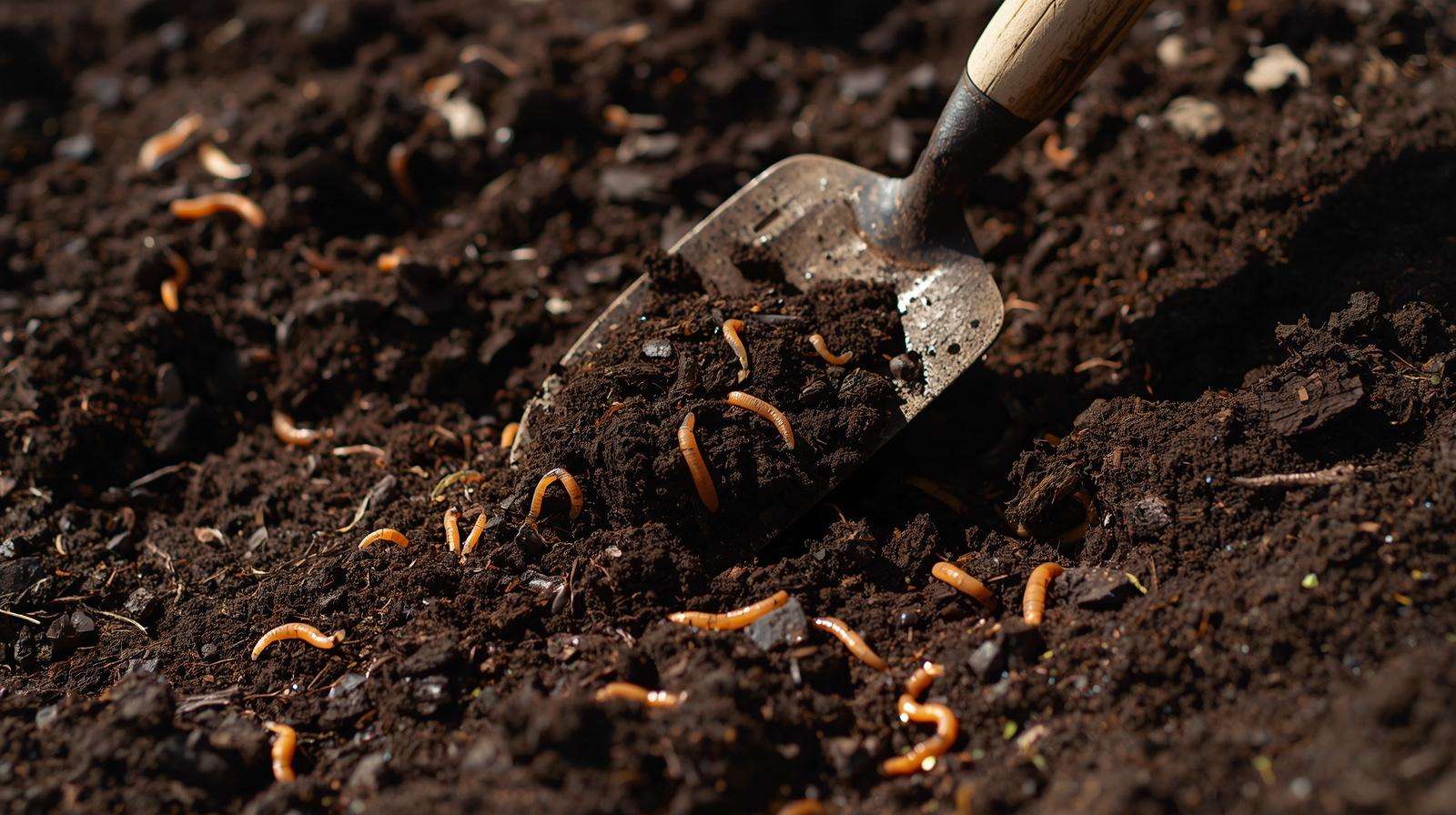
Clear all plant debris to reduce disease risk. Lightly fork or till top 6–8 inches, avoiding deep disturbance. Incorporate 2–4 inches of compost or aged manure for organic matter.
Organic Fertilization and Amendments
Test soil pH (aim 6.0–7.0) and nutrients. Add balanced organic fertilizer (e.g., 5-5-5), blood meal for nitrogen, or bone meal if phosphorus low. Mulch with straw or leaves to retain moisture and suppress weeds.
Common Mistakes to Avoid
- Replanting same family immediately.
- Ignoring frost dates or maturity times.
- Skipping soil amendments after heavy feeders.
- Overlooking pest scouting in new crops.
Expert Insights and Real-World Examples
University extensions (e.g., Cornell, Penn State, WVU) emphasize 3–4 year rotations for nightshades and alliums. Growers in varied climates report success with brassicas after potatoes for nutrient uptake and beans after alliums for nitrogen boost. In small plots, one gardener noted 30% yield increase by following potatoes with bush beans and kale succession.
Frequently Asked Questions (FAQs)
Can I plant tomatoes after potatoes? No—wait 3+ years to avoid shared diseases like blight.
Is it okay to plant beans after garlic? Yes, in most cases; mild inhibition is rare with good compost.
What if my season is short? Choose fast-maturing greens, radishes, or cover crops.
Should I use cover crops instead? Ideal if time is limited; they protect and build soil for next year.
How long before replanting garlic/onions/potatoes? 3–4 years minimum for the same family.
Conclusion
Mastering what to plant after garlic, potatoes, and onions transforms seasonal harvests into year-round productivity while nurturing healthier soil. Focus on family rotation, timely succession, and soil care for bigger yields and fewer problems. Start planning your beds today—your garden will reward you with abundance.