Imagine this: You’ve cleared a patch of stubborn weeds or old lawn in your backyard or small farm plot, excited to try the popular no-dig or lasagna gardening method. You gather plain brown cardboard boxes, overlap them carefully, soak them thoroughly, and top everything with a thick layer of organic mulch like straw or wood chips. It feels sustainable, low-effort, and eco-friendly. Weeks or months later, your new vegetable beds or fruit trees show stunted growth, yellowing leaves, persistent weed breakthroughs, or worse—slugs and other pests thriving while your plants struggle. The cardboard mulch you trusted has backfired.
When cardboard mulch backfires, it often stems from misunderstood application techniques, overlooked soil science, or mismatched site conditions rather than the material itself being inherently flawed. Many gardeners and small-scale farmers in tropical and subtropical regions, including areas like Bangladesh with its heavy monsoon rains and variable soils, turn to cardboard sheet mulching for weed suppression and soil building. But without proper knowledge, this popular technique can limit soil oxygen, disrupt water movement, create pest havens, and delay long-term garden productivity.
As an agricultural expert with extensive experience in sustainable soil management, regenerative practices, and practical gardening across diverse climates, I’ve seen both the successes and failures of cardboard mulching firsthand. University extension services from Oregon State University, Clemson University, and Washington State University, along with insights from horticultural researchers like those at the Garden Professors group, highlight that cardboard can be a useful short-term tool—but only when applied correctly.
This comprehensive guide addresses the real search intent behind “when cardboard mulch backfires”: diagnosing the problems, explaining the underlying science, revealing the most common mistakes, and providing proven best practices plus recovery strategies. By the end, you’ll know exactly how to use cardboard safely (or choose better alternatives) to build truly healthy, productive soil that supports strong plant growth and resilient yields. Whether you’re managing a home garden, small vegetable plot, or larger agricultural beds, these evidence-based insights will help you avoid costly setbacks and achieve lasting success.
Why Gardeners Love Cardboard Mulch — And Why It’s Not Always the Hero
Cardboard sheet mulching, often called lasagna gardening, has gained huge popularity in organic and no-till systems for good reason. It offers an accessible, low-cost way to transform weedy or grassy areas into productive growing spaces without heavy tilling, which can disrupt soil structure and beneficial microbes.
The Promised Benefits of Sheet Mulching with Cardboard
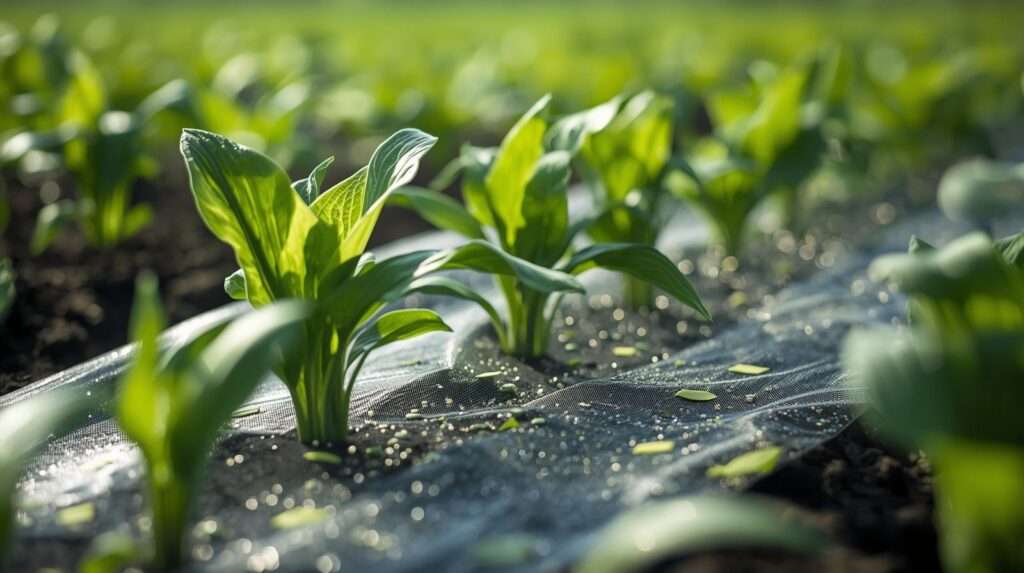
When done right in suitable conditions, cardboard acts as an effective weed barrier by blocking sunlight and physically smothering existing vegetation and weed seeds. As it decomposes, it adds carbon to the soil, potentially improving organic matter over time. It helps retain soil moisture in the early stages and reduces the need for synthetic herbicides or labor-intensive weeding.
Many gardeners report successful lawn conversions or new bed establishment using a single layer of plain corrugated cardboard topped with 3–6 inches (8–15 cm) of organic mulch such as wood chips, straw, or compost. In ideal scenarios, the cardboard breaks down within 6–12 months (faster in humid, warm tropical climates with active soil biology), allowing roots and earthworms to penetrate while enriching the soil with carbon.
When and Where Cardboard Mulch Works Well
Cardboard performs best for short-term use in new bed creation, especially on level ground with moderate moisture and active microbial life. It shines in temperate or humid subtropical areas where consistent rainfall or irrigation keeps the layers moist for steady decomposition. Combining it with nitrogen-rich layers (like grass clippings or compost) underneath or on top can balance the high-carbon cardboard and speed breakdown.
However, despite these upsides, problems frequently arise when best practices are ignored, site conditions don’t match, or expectations exceed the material’s limitations. This is precisely when cardboard mulch backfires, turning a promising technique into a source of frustration for soil health, plant vigor, and overall garden success.
When Cardboard Mulch Backfires — The Real Problems Gardeners Face
Understanding the mechanisms behind failure is key to prevention. Cardboard is designed as packaging material, not a long-term soil amendment. Its sheet form creates a physical interface that can interfere with natural soil processes.
Reduced Soil Oxygen and Gas Exchange Issues
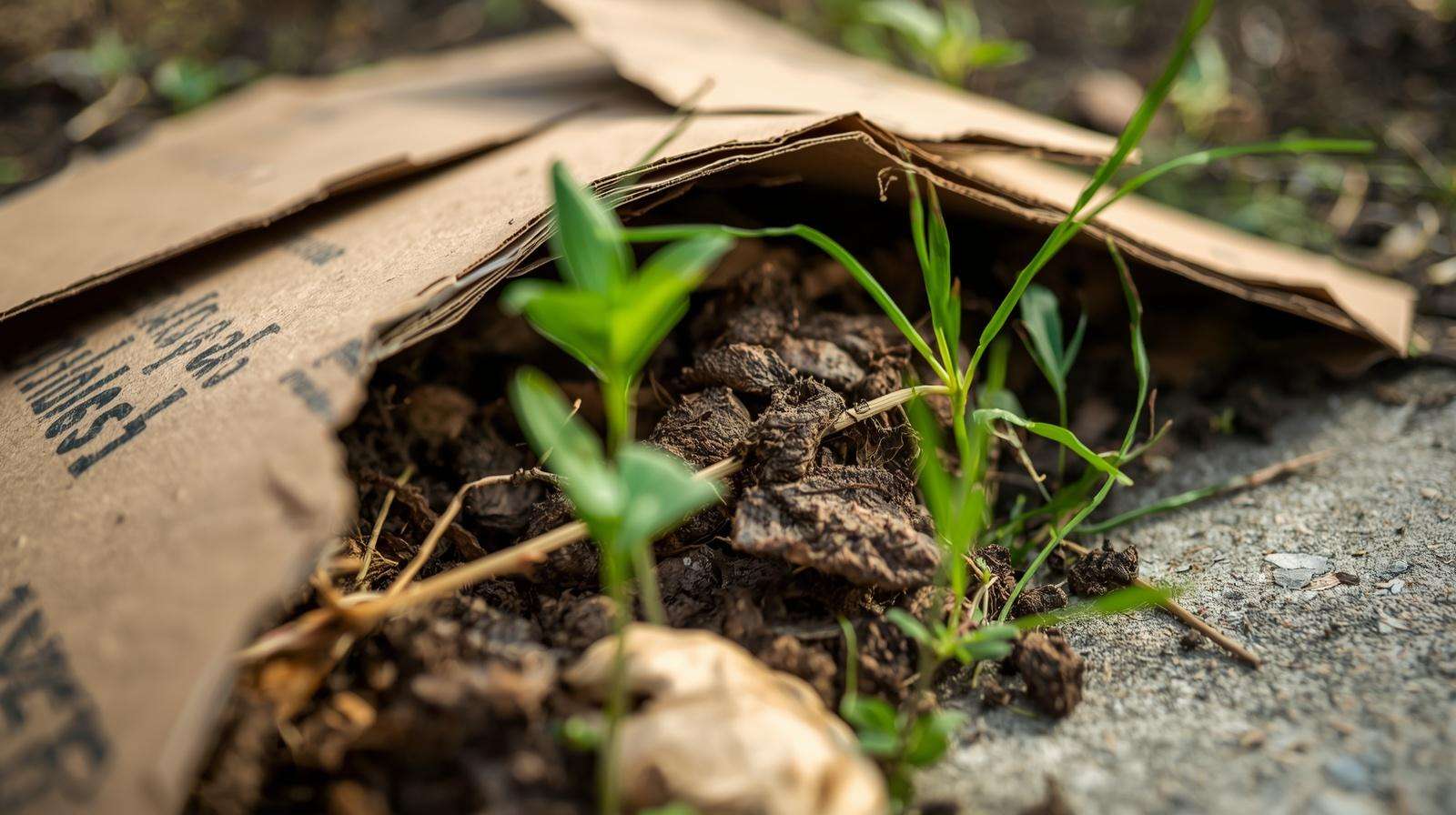
One of the most cited concerns from horticultural scientists is that cardboard sheets act as a semi-impermeable barrier, slowing the diffusion of oxygen from the atmosphere into the soil and the release of carbon dioxide produced by roots and microbes. In poorly aerated or wet soils, this can lead to temporary anaerobic conditions, harming beneficial aerobic microbes, slowing nutrient cycling, and stressing plant roots.
Symptoms include stunted growth, yellowing (chlorosis) of leaves, wilting despite adequate water, and increased risk of root rot. In heavy clay soils common in parts of Bangladesh and other delta regions, the effect can be more pronounced during monsoons when water saturates the profile.
Research and observations from extension services note that while a single thin layer may have minimal long-term impact in well-drained soils with active biology, thicker or multiple layers exacerbate the issue, especially if the cardboard remains intact for many months.
Water Repellency and Poor Infiltration
Dry cardboard is naturally hydrophobic (water-repelling). If the top mulch layer thins out or the area experiences dry spells, the cardboard can dry and cause irrigation or rainfall to bead up and run off rather than soak through evenly. This leads to drought stress in plants, uneven moisture distribution, and wasted water—particularly problematic in variable climates or during establishment phases.
In contrast, once thoroughly soaked and kept moist under a thick organic cover, cardboard becomes more permeable, but maintaining that consistency requires attention, especially in hot, sunny, or windy conditions.
Pest and Disease Havens
The dark, moist microenvironment created under cardboard sheets can attract unwanted guests. Slugs, snails, earwigs, sowbugs (pill bugs), and even rodents may find shelter there. In some reports, termites have shown preference for cardboard over certain wood mulches. Fungal issues can also increase in overly wet, low-oxygen zones beneath the sheets.
While some gardeners view increased earthworm activity under cardboard positively, experts point out that worms may migrate upward seeking better oxygen rather than thriving due to improved conditions. Regular monitoring and integrated pest management (e.g., traps, beneficial nematodes, or cultural controls) become essential.
Weed Breakthroughs and Long-Term Suppression Failure
Aggressive weeds or perennial grasses often push through gaps, tears, or insufficient overlaps. If layers are too thin, not overlapped by at least 6–8 inches (15–20 cm), or if tape/staples create weak points, weeds can re-emerge stronger. In drier climates or with slow decomposition, the barrier effect lingers too long, delaying planting and root establishment.
Potential Chemical Concerns (PFAS, Inks, Glues, Contaminants)
Plain brown corrugated cardboard with soy-based inks and starch glues is generally considered low-risk and acceptable in many organic systems. However, recycled boxes, glossy or colored prints, tapes, staples, or boxes previously used for greasy foods may introduce trace contaminants, including per- and polyfluoroalkyl substances (PFAS or “forever chemicals”).
Current discussions in gardening communities reference studies on various paper products, but concentrations in typical shipping cardboard appear low compared to other sources. A simple home test involves dropping cooking oil on the cardboard—if it soaks in rather than beads, PFAS levels are likely negligible. Experts recommend sticking to clean, plain sources and avoiding food packaging or treated materials. Overall, the risk is often overstated for garden use, but caution and source selection remain wise.
Negative Impacts on Soil Biology and Earthworms
Debate continues: Some field observations show improved soil life after sheet mulching as the cardboard breaks down and organic layers integrate. Others, including university researchers, warn of temporary disruption to gas exchange and soil fauna. The truth is context-dependent—healthy, biologically active soils with good structure recover faster, while compacted or low-organic soils may suffer more noticeable setbacks.
In tropical conditions with high rainfall and temperatures, decomposition accelerates, but so can anaerobic risks during prolonged wet periods.
These problems highlight why when cardboard mulch backfires is a frequent complaint: the technique seems simple, but it demands attention to detail, soil type, climate, and ongoing management.
Common Mistakes That Cause Cardboard Mulch to Fail
Even experienced gardeners can fall into predictable traps when using cardboard sheet mulching. These mistakes often amplify the problems described earlier, turning a promising weed-suppression method into a setback for soil health and plant performance. Here are the most frequent errors, drawn from real-world observations and recommendations by university extension services.
Using the Wrong Type or Quality of Cardboard
Not all cardboard is garden-safe. Glossy, heavily printed, waxed, or colored cardboard can contain inks, coatings, or adhesives that break down more slowly or introduce unwanted substances. Plain brown corrugated cardboard (the kind used for shipping boxes) with soy-based inks and starch glues is the preferred choice because it decomposes more readily and poses lower risk.
Avoid pizza boxes, food packaging with grease, or boxes with plastic tape and staples still attached. Staples can be removed later as the material breaks down, but plastic tapes create persistent litter and weak spots. In regions with high humidity like Bangladesh’s delta areas, poor-quality cardboard may mold excessively or attract unwanted fungi before integrating into the soil.
Incorrect Application Techniques
Many failures trace back to sloppy installation:
- Insufficient overlap: Sheets must overlap by at least 6–8 inches (15–20 cm) or more on all edges to prevent weeds from emerging at seams.
- Not removing tape, labels, or staples thoroughly.
- Failing to soak the cardboard adequately before or immediately after laying it down. Dry cardboard repels water and blows away easily in wind.
- Stepping directly on dry or partially wet sheets, causing tears that become entry points for weeds.
Extension guidelines emphasize wetting the cardboard as you work to help it conform to the ground and begin decomposition.
Layering Too Thick or Too Thin — and Forgetting the Top Mulch
A single layer of unfolded corrugated cardboard is usually sufficient. Multiple thick layers slow decomposition dramatically and worsen oxygen and water issues. Conversely, a single thin or torn layer fails to suppress aggressive perennial weeds or grasses.
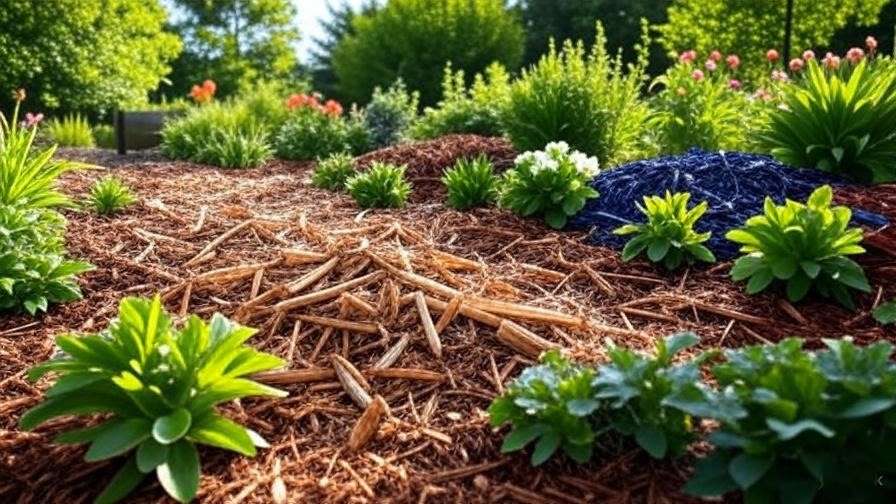
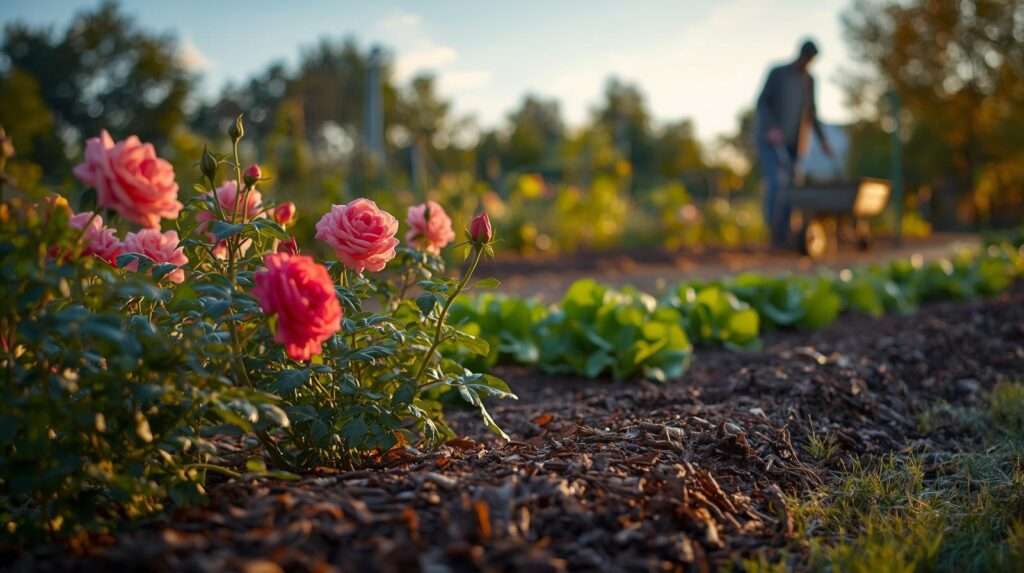
The biggest oversight is skipping or skimping on the top organic mulch layer. Cardboard alone looks unsightly, dries out quickly, blows away, and provides little long-term benefit. Always top it with 3–6 inches (8–15 cm) of bulky organic material such as wood chips, straw, shredded leaves, or compost. This top dressing weighs down the cardboard, retains moisture, moderates temperature, and feeds soil life as everything breaks down together.
Applying in the Wrong Climate, Soil Type, or Season
Cardboard sheet mulching behaves differently across environments. In heavy clay soils common in many parts of Bangladesh and tropical regions, it can trap excess monsoon water, promoting anaerobic conditions. In very dry or sandy soils, it may create a hydrophobic barrier during dry spells.
Timing matters too. Applying cardboard too close to planting time (less than 6–8 weeks in advance) often leaves the barrier intact when roots need to establish. Fall applications in temperate zones or pre-monsoon prep in subtropical areas generally allow more breakdown time. In hot, windy conditions, unsecured cardboard can shift or tear, exposing soil and inviting weeds.
Ignoring Existing Plants or Poor Site Preparation
Covering living perennials or trees without providing supplemental water and nutrients stresses their roots. Existing plants may suffer if the cardboard blocks necessary gas exchange or water infiltration around their root zones.
Skipping soil preparation is another pitfall. On compacted or nutrient-poor ground, simply laying cardboard rarely transforms the bed quickly. Loosening the surface slightly with a garden fork (without full tilling) and adding a thin layer of compost or nitrogen-rich material beneath the cardboard helps balance the high-carbon input and jump-starts microbial activity.
These mistakes are avoidable with planning and attention to detail. Recognizing them early prevents the frustration many gardeners experience when cardboard mulch backfires.
How to Use Cardboard Mulch Safely and Effectively (Best Practices)
Successful cardboard sheet mulching requires treating it as one tool in a broader soil-building strategy rather than a standalone miracle solution. Follow these evidence-based steps for better outcomes.
Step-by-Step Guide to Successful Sheet Mulching
- Assess and Prepare the Site Test or observe your soil type, drainage, and existing vegetation. Remove large debris, woody weeds, or invasive roots if possible. On hard or compacted soil, water the area deeply a day or two before application to soften it.
- Choose and Prepare the Cardboard Collect clean, plain brown corrugated boxes. Break them down along seams and unfold into large flat sheets. Remove as much tape, labels, and staples as practical. Avoid glossy or printed materials.
- Install Optional Under-Layers For nutrient-poor soils, spread a thin layer of compost, grass clippings, or other nitrogen sources directly on the soil first. This helps offset the carbon-heavy cardboard.
- Lay the Cardboard Overlap sheets by 6–8+ inches. Work around existing plants by tearing and tucking the material. Soak each section thoroughly with a hose as you go so it molds to the ground and begins to soften.
- Add the Top Mulch Layer Immediately cover with 3–6 inches of organic mulch (wood chips work well for longevity; straw or leaves for faster breakdown). This is critical for moisture retention, temperature moderation, and aesthetics.
- Secure and Monitor In windy areas, use garden stakes or rocks temporarily. Install drip irrigation underneath or around the edges before or shortly after mulching if planting directly into the bed.
- Planting into the Mulch For transplants, pull back the top mulch, cut an “X” in the cardboard, and plant into the soil below. Add extra compost in the planting hole. For direct seeding, wait until the cardboard has softened significantly or use a thicker compost layer on top.
Alternatives and Complementary Methods
If cardboard risks feel too high for your site, consider these options:
- Shredded Cardboard: Breaks down faster, improves aeration, and mixes better with other organics.
- Newspaper or Kraft Paper: Similar benefits with potentially quicker decomposition.
- Wood Chips or Arborist Mulch: Excellent long-term choice that supports fungal networks and doesn’t create a solid barrier.
- Living Mulches or Cover Crops: Build soil biology while suppressing weeds naturally.
- No-Cardboard Lasagna Gardening: Layer compost, straw, leaves, and other organics without the sheet barrier.
A helpful comparison:
| Mulch Type | Weed Suppression | Soil Aeration Impact | Decomposition Speed | Pest Attraction Risk | Best For |
|---|---|---|---|---|---|
| Cardboard Sheets | High (short-term) | Can reduce | Medium (6–18 months) | Medium-High (slugs, termites) | New beds, short-term |
| Wood Chips | Medium-High | Minimal negative | Slow (2+ years) | Low | Long-term soil building |
| Straw | Medium | Neutral | Fast | Low-Medium | Vegetable gardens |
| Shredded Cardboard | Medium | Better | Faster | Medium | Mixing with other mulches |
Monitoring and Maintenance Tips
Check edges and seams regularly for weed breakthroughs. Maintain consistent moisture—especially important in the first few months. In tropical or monsoon climates, watch for excessive water pooling and improve drainage if needed. Replenish top mulch as it settles or decomposes. Over time, the cardboard should integrate into the soil profile, supporting rather than hindering biological activity.
Fixing Cardboard Mulch Problems — Recovery Strategies for Your Garden
If your cardboard mulch has already backfired, don’t despair. Most issues are reversible with targeted intervention.
- For Oxygen and Water Issues: Puncture remaining cardboard in multiple places with a garden fork or aerator tool. Pull back sections, add compost and aerating amendments (such as coarse sand or biochar in clay soils), and remix the top layers.
- Pest Problems: Remove shelter by lifting cardboard in affected areas. Use organic controls like beer traps for slugs, diatomaceous earth, or beneficial nematodes. Improve airflow and reduce excess moisture.
- Weed Breakthroughs: Hand-pull or spot-treat emerging weeds early. Patch gaps with fresh overlapping cardboard and extra mulch.
- Poor Plant Performance: Supplement with foliar feeds or root-zone compost tea. Replant resilient species while the bed recovers. In severe cases, remove the cardboard entirely, fork the soil lightly, and restart with a different mulching approach.
Long-term recovery focuses on rebuilding soil biology through cover cropping, regular compost additions, and diversified organic inputs. Healthy, active soil bounces back faster from temporary disruptions.
Expert Insights and Evidence-Based Recommendations
Horticultural experts, including those from the Garden Professors and university extension programs (Oregon State, UCANR), emphasize context over dogma. Cardboard sheet mulching is a useful short-term tactic for smothering tough weeds or converting lawns, but it is not a universal soil enhancer. Its main drawbacks—reduced gas exchange and potential pest habitat—stem from its sheet-like nature rather than any inherent toxicity.
In tropical and subtropical regions with active soil life and high rainfall, decomposition happens faster, but so do risks of anaerobic pockets during wet seasons. The consensus: Use cardboard judiciously, always with a generous organic top layer, and monitor closely. Prioritize overall soil health—structure, biology, and organic matter—over any single technique.
Many successful no-dig practitioners now favor shredded materials or pure organic layering to avoid the impermeable barrier effect while still gaining carbon inputs.
Frequently Asked Questions (FAQs)
Is cardboard mulch safe for vegetable gardens? Plain brown corrugated cardboard is generally safe when sourced cleanly and used with proper top mulching. Avoid printed, glossy, or food-contaminated boxes.
How long does cardboard take to break down? Typically 6–18 months, faster in warm, moist, biologically active soils and slower in dry or cold conditions.
Does cardboard attract slugs or termites? Yes, the moist, sheltered environment can attract slugs, snails, earwigs, and in some cases termites. Termite researchers actually use cardboard as a preferred bait material. Proper top mulching and monitoring help mitigate risks.
Can I use shredded cardboard instead of sheets? Absolutely—shredded cardboard mixes better, decomposes faster, and causes fewer aeration problems.
What are the signs that my cardboard mulch is backfiring? Stunted or yellowing plants, water runoff instead of absorption, increased pest activity, or weeds pushing through seams are common red flags.
What alternatives work better in tropical climates like Bangladesh? Wood chips, straw, living mulches, or layered organic materials without a solid cardboard barrier often perform more reliably in high-rainfall, warm conditions.
Conclusion
When cardboard mulch backfires, it usually results from mismatched expectations, application errors, or ignoring site-specific soil and climate factors rather than the material being worthless. While it can serve as an effective short-term weed suppressor in new garden beds or lawn conversions, its limitations around gas exchange, water movement, and pest habitat make it less ideal as a long-term solution compared to well-managed organic mulches.
The key takeaway for gardeners and small-scale farmers is thoughtful integration: Select clean materials, prepare the site properly, overlap generously, soak thoroughly, and always finish with a thick organic top layer. Monitor conditions regularly and be ready to adjust. In many cases, alternatives like wood chips, straw, or shredded organics provide similar or better benefits with fewer drawbacks.
By understanding both the strengths and weaknesses of cardboard sheet mulching, you can make informed decisions that truly support resilient soil biology, healthier plants, and more productive gardens or agricultural plots. Healthy soil is the foundation of sustainable growing—treat every technique as a tool that serves that larger goal.