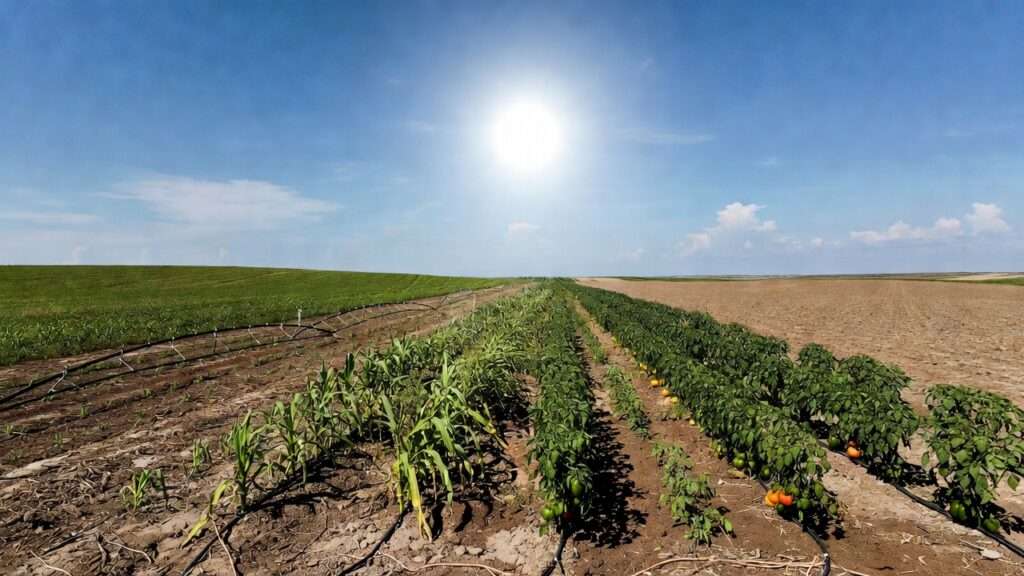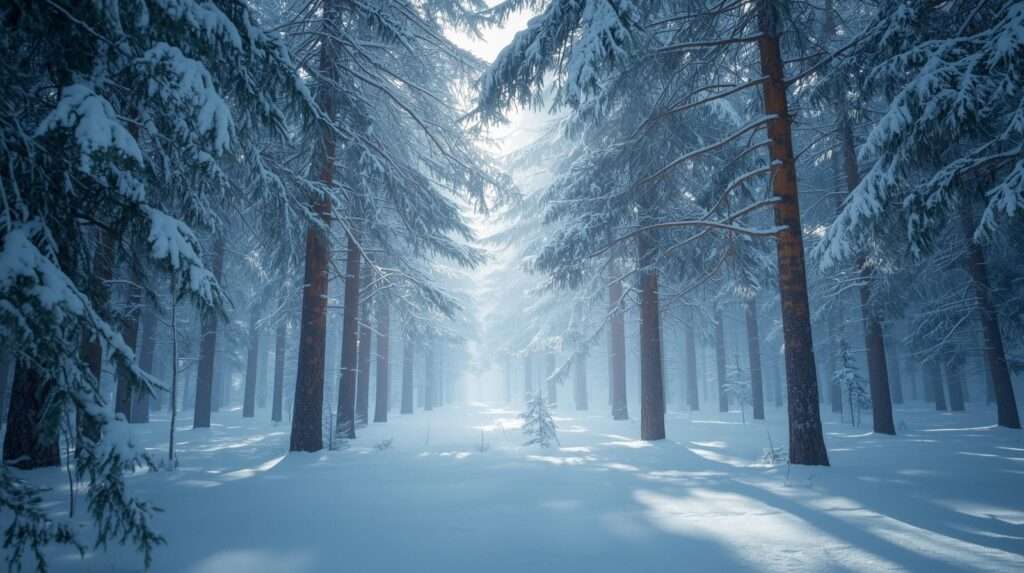
Imagine standing in your winter woods on a crisp December morning, snow crunching underfoot, as you survey your woodlot. What many farmers see as a dormant, unproductive season is actually a golden opportunity for proactive management that can boost tree health, generate off-season income, and enhance overall farm resilience.
For agroforestry practitioners integrating trees into crop or livestock systems—whether through silvopasture, forest farming, or woodlot management—these winter woods hold untapped potential. With leaves off the trees, visibility is excellent for spotting issues, frozen ground allows heavy equipment access without compaction, and dormancy makes interventions like pruning low-stress for trees.
This comprehensive guide, drawing from decades of research by the USDA National Agroforestry Center, university extension services, and on-farm experiences, provides practical, evidence-based strategies to manage your wooded areas sustainably during winter.
By implementing these tips, you’ll protect soil health, control invasives, harvest responsibly, and set your agroforestry system up for vigorous spring growth—all while potentially adding revenue streams like firewood or maple syrup.
Why Winter Management Matters in Agroforestry
Winter isn’t just a break from fieldwork; it’s a critical period for long-term agroforestry success. According to the USDA National Agroforestry Center, intentional integration of trees with agriculture creates diverse, productive systems that deliver environmental, economic, and social benefits.
Yet, many farmers underutilize their wooded areas in winter, missing chances to improve resilience against pests, climate variability, and erosion.
Ecological Benefits
Frozen ground minimizes soil disturbance, allowing tasks like selective harvesting without rutting or compaction. This preserves soil structure essential for root health and water infiltration in silvopastures or alley cropping systems.
Economic Advantages
Winter activities can generate income from firewood, non-timber forest products (NTFPs) like decorative greens, or late-winter maple tapping—helping cash flow during low-revenue months.
Long-Term Sustainability
Proactive care enhances forest stand resilience. For instance, thinning overcrowded areas improves airflow, reducing disease risk, while leaving habitat features supports biodiversity.
Common Challenges Farmers Face
Overgrown invasives like bush honeysuckle thrive in disturbed woods, storm damage accumulates unnoticed, and deer browsing stifles regeneration. Without winter intervention, these issues compound, reducing productivity in integrated systems like forest farming or riparian buffers.
1. Assessing and Planning Your Winter Woods
Effective management starts with assessment. Winter’s bare canopy makes it the perfect time to evaluate your woodlot objectively.
Conducting a Winter Woodlot Inventory
Bundle up and walk your woods. Note tree species (e.g., sugar maple for syrup potential, black walnut for timber), health indicators (dead branches, cankers), and damage from storms or browsing.
Map boundaries using free apps like Avenza or simple sketches. Document diameter at breast height (DBH) for key trees—crucial for harvest planning or cost-share eligibility.
Look for natural regeneration: Seedlings and saplings are visible without leaves. Excessive deer browsing (browse lines at 5-6 feet) often limits oak or nut tree recruitment in agroforestry settings.
Developing or Updating Your Agroforestry Management Plan
Align winter activities with goals: timber production, NTFP harvesting, livestock integration, or carbon sequestration?
Incorporate site-specific factors like soil type and slope. For example, on steeper land, prioritize erosion control.
Expert Insight: Consult a certified forester through state extension or NRCS programs. Many qualify for EQIP funding covering planning or practices like thinning. The USDA’s Agroforestry Strategic Framework emphasizes tailored plans for sustainability.
Start small—focus on 5-10 acres per winter to avoid overwhelm.
2. Tree Health and Pruning Practices
Winter dormancy is the optimal time for pruning and thinning in agroforestry systems. Trees are not actively growing, so energy reserves remain intact, wound closure begins promptly in spring, and disease transmission risk is minimized—unlike summer pruning, which can attract insects or fungi.
Research from the University of Missouri Center for Agroforestry and Penn State Extension consistently shows that properly timed winter pruning improves tree structure, increases light penetration for understory crops or forage, and enhances overall stand productivity.
Pruning for Structure and Productivity
Focus on high-value “crop trees”—those selected for timber, nuts, syrup, or fruit production. In a typical agroforestry woodlot, these might include black walnut, sugar maple, oak, or pecan.
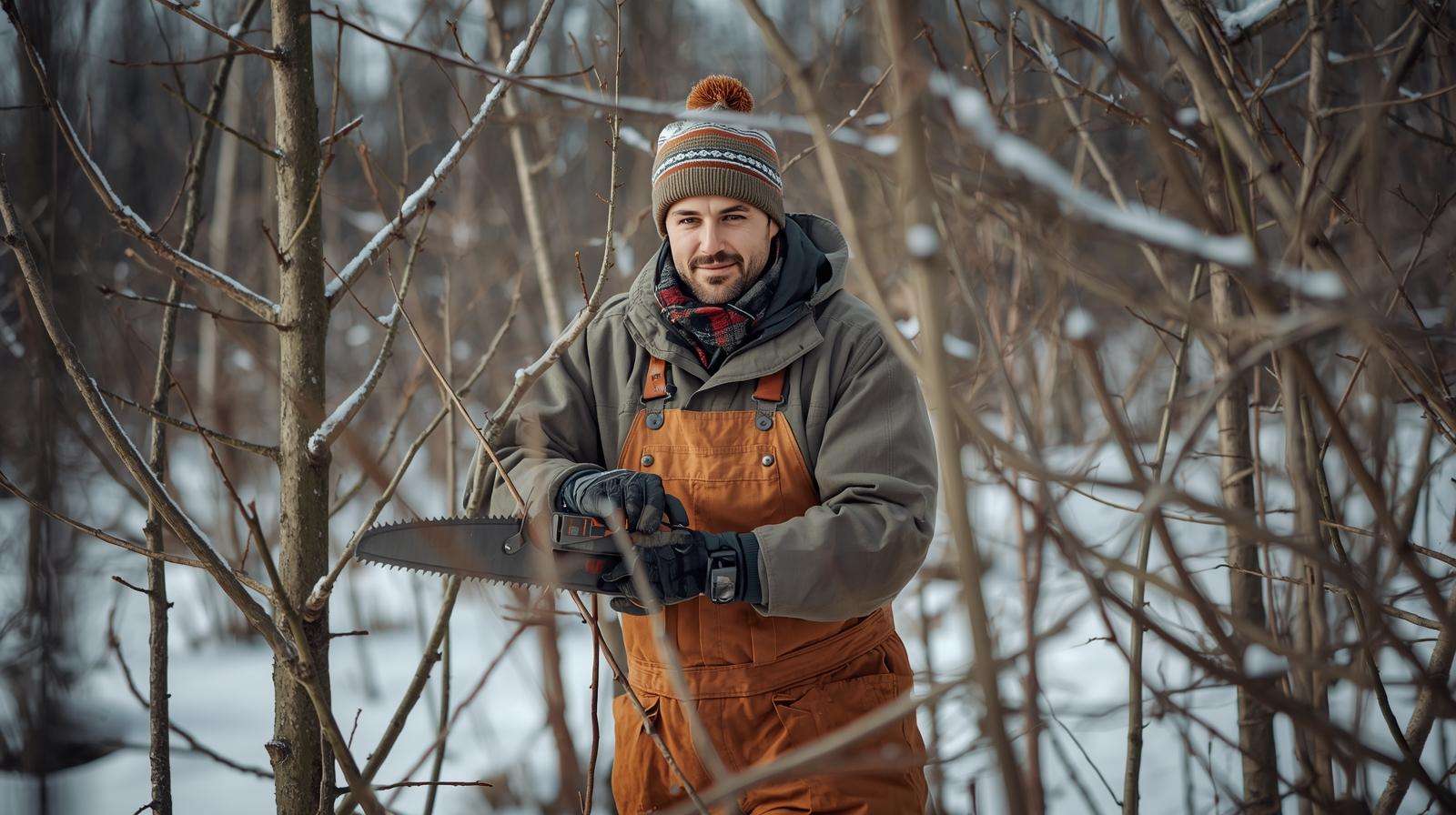
Key Pruning Objectives:
- Remove dead, dying, or diseased branches (the “3Ds”) to prevent decay spread.
- Eliminate crossing or rubbing branches that cause wounds.
- Open the canopy to improve airflow, reducing fungal diseases like anthracnose in maples.
- Shape young trees for strong form: Maintain a dominant leader and balanced scaffold branches.
Step-by-Step Pruning Guide:
- Use sharp, clean tools—bypass pruners for small branches, loppers for medium, and a pruning saw for larger cuts.
- Make cuts just outside the branch collar (the swollen area at the base); avoid flush cuts that hinder healing.
- Limit removal to no more than 25% of live canopy in a single season to prevent stress.
- Prioritize trees along alleys or silvopasture lanes where improved light boosts forage or crop yields.
In forest farming systems growing ginseng or goldenseal, strategic pruning can increase dappled shade to the ideal 70-80% level recommended by extension specialists.
Thinning Overcrowded Stands
Overstocked woods compete fiercely for light, water, and nutrients, leading to stagnant growth. Winter thinning releases desirable trees while providing marketable products.
Thinning Strategies:
- Crop Tree Release: Free the crowns of 40-60 high-quality trees per acre by removing competitors within a 20-foot radius.
- Low Thinning: Remove suppressed or poor-form trees from the lower canopy—common in uneven-aged stands.
- Target Basal Area: In mature hardwood stands, aim for 60-80 square feet of basal area per acre post-thinning (use a prism or angle gauge for measurement).
Silvopasture-Specific Tips: Maintain 40-60% canopy cover to balance shade-tolerant forage (e.g., orchard grass, fescue) with tree growth. Thinning here often doubles forage production within two years, according to Virginia Tech studies.
Leave some slash on-site as coarse woody debris—it protects soil, recycles nutrients, and provides wildlife habitat. Chip larger branches for trail mulch or bedding in adjacent livestock areas.
3. Invasive Species and Undergrowth Control
Bare winter woods offer unparalleled visibility for spotting and controlling invasive plants that often go unnoticed in summer foliage.
Invasive species like autumn olive, bush honeysuckle, multiflora rose, and tree-of-heaven outcompete native regeneration and reduce biodiversity critical to resilient agroforestry.
Identifying and Managing Common Invasives
Bush Honeysuckle (Lonicera spp.) Often retains leaves into early winter, making it easy to spot. Cut-stump treatment with glyphosate or triclopyr in late fall/early winter achieves 90%+ control (Cornell University data).
Multiflora Rose and Autumn Olive Mechanical removal is feasible on frozen ground. Pull smaller plants with a weed wrench; cut larger stems and apply basal bark herbicide (triclopyr in oil).
Integrated Approach Combine mechanical, chemical, and biological methods. In silvopastures, targeted goat grazing (“goatscaping”) during winter effectively suppresses rose and honeysuckle while fertilizing the site.
Clearing Brush and Debris
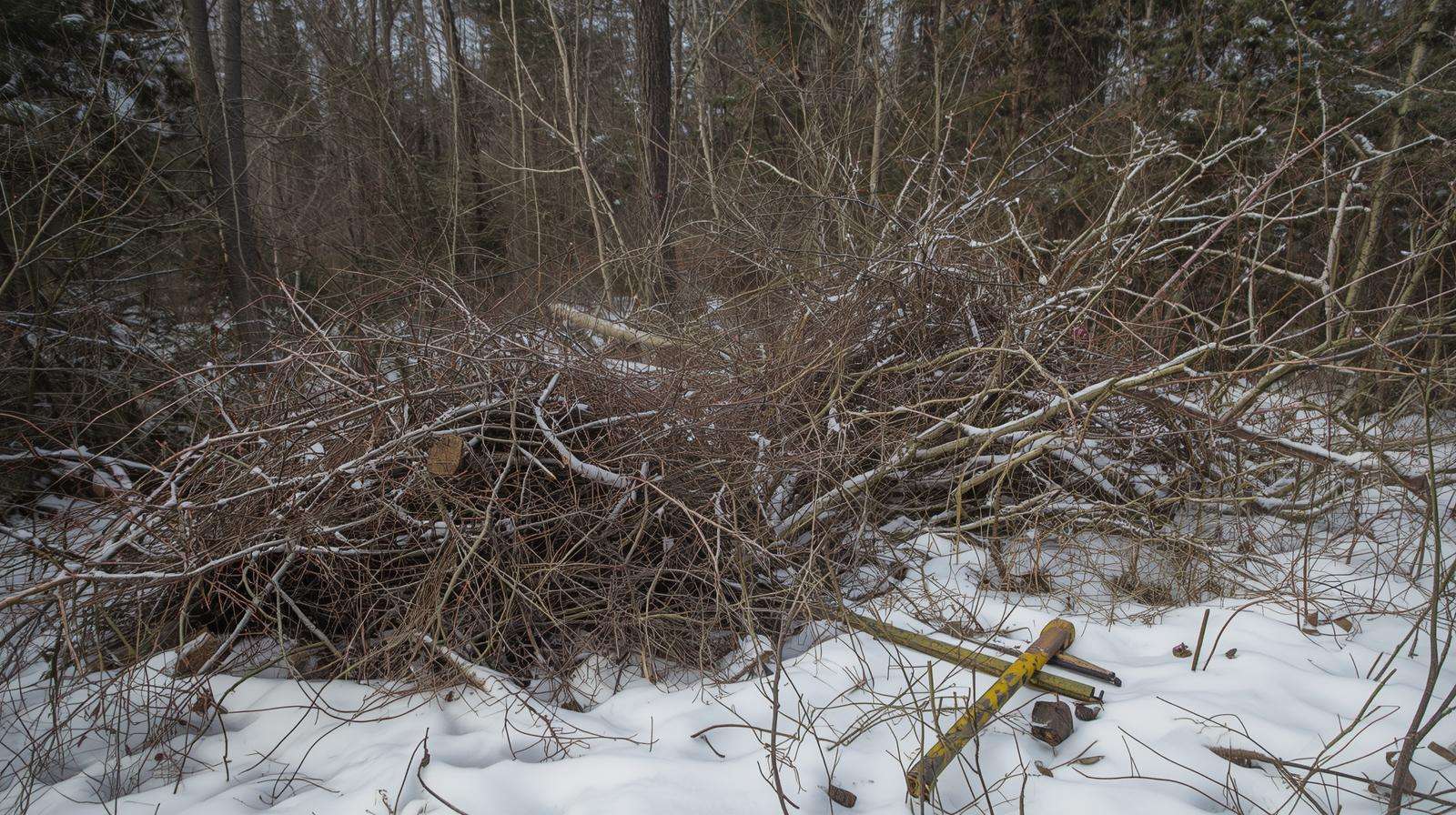
Remove fallen branches, vines, and storm debris to reduce fire hazard and improve access. This also limits habitat for rodents that girdle young trees.
Use a brush cutter or chainsaw for dense areas, then pile material for controlled burning (if permitted) or chipping. Spread chips as mulch around valuable trees or along farm trails—adding organic matter and suppressing weeds.
Pro Tip: Leave some brush piles strategically for rabbit and quail cover, supporting pollinators and game species that benefit farm ecosystems.
4. Winter Harvesting Opportunities
One of the most rewarding aspects of winter woods management in agroforestry is the ability to harvest sustainably while conditions are favorable. Frozen ground supports heavy machinery, reducing environmental impact, and dormant trees experience less stress from removal.
Sustainable harvesting not only provides immediate economic returns but also improves stand quality for future growth. Guidelines from organizations like the Forest Stewardship Council (FSC) and state forestry best management practices (BMPs) ensure long-term viability.
Sustainable Timber and Firewood Harvesting
Selective harvesting during winter is a cornerstone of responsible woodlot management.
Best Practices for Low-Impact Operations:
- Operate only when ground is frozen at least 6-12 inches deep to prevent rutting.
- Use designated skid trails (no more than 10-15% of area) with mats or slash for protection.
- Employ low-ground-pressure equipment like forwarders rather than skidders when possible.
- Mark trees pre-winter with a consulting forester to ensure only low-quality or marked individuals are removed.
Harvest Intensity Guidelines: In even-aged stands, thin to improve growth rates; in uneven-aged, use single-tree or group selection. Typically, remove 20-30% of basal area every 10-15 years.
Economic Considerations: Firewood from thinnings can be processed on-site and sold locally. High-value logs (e.g., veneer-quality walnut) command premium prices through certified channels. Many farmers recoup planning costs via EQIP or state incentives.
Tapping for Maple Syrup
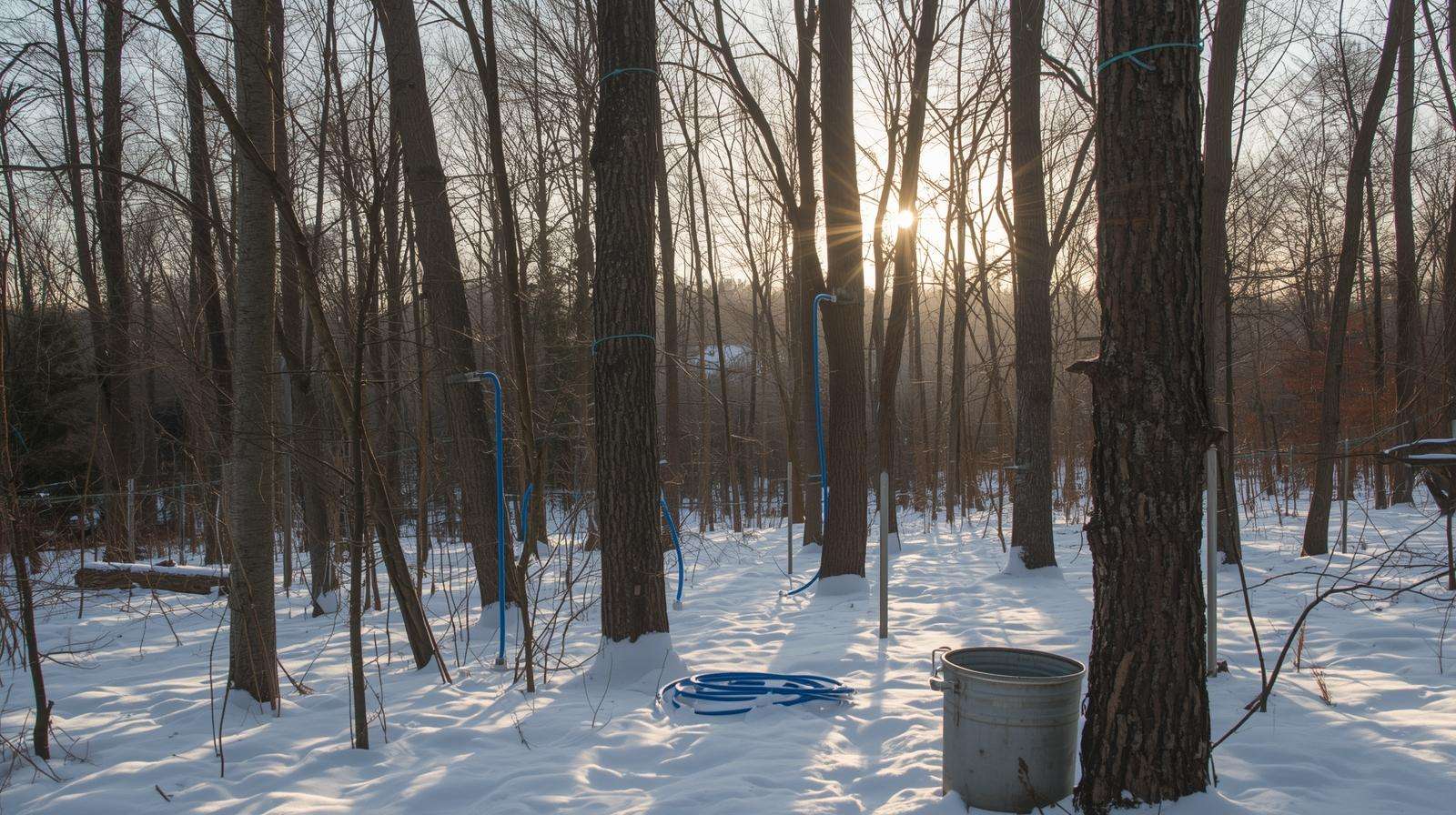
Late winter signals the start of maple sugaring season—a classic agroforestry enterprise that diversifies income without compromising tree health.
- Tap only healthy sugar or red maples ≥10 inches DBH.
- Limit taps: 1 for 10-20 inches, 2 for 20-30 inches, up to 3-4 for larger trees.
- Use health spouts (5/16-inch) and vacuum tubing for higher yields with less wounding.
- Tap when daytime temps rise above freezing and nights drop below—typically February-March in northern regions.
Modern systems with vacuum can yield 1-2 gallons sap per tap, boiling down to high-value syrup sold direct-to-consumer or at farmers’ markets.
Harvesting Non-Timber Forest Products
NTFPs offer low-impact revenue streams that complement tree growth.
Winter-Specific Opportunities:
- Decorative evergreens (e.g., balsam fir boughs for wreaths).
- Medicinal bark (e.g., slippery elm, if sustainably sourced).
- Prepare mushroom logs: Cut oak or other hardwoods in winter dormancy, inoculate with shiitake spawn in spring.
Shiitake cultivation on logs can yield 2-3 pounds per log annually for 4-6 years, providing steady income with minimal inputs.
5. Soil and Water Conservation in Winter Woods
Agroforestry’s strength lies in protecting natural resources—winter management plays a key role in preventing erosion and maintaining soil fertility.
Erosion Control and Trail Maintenance
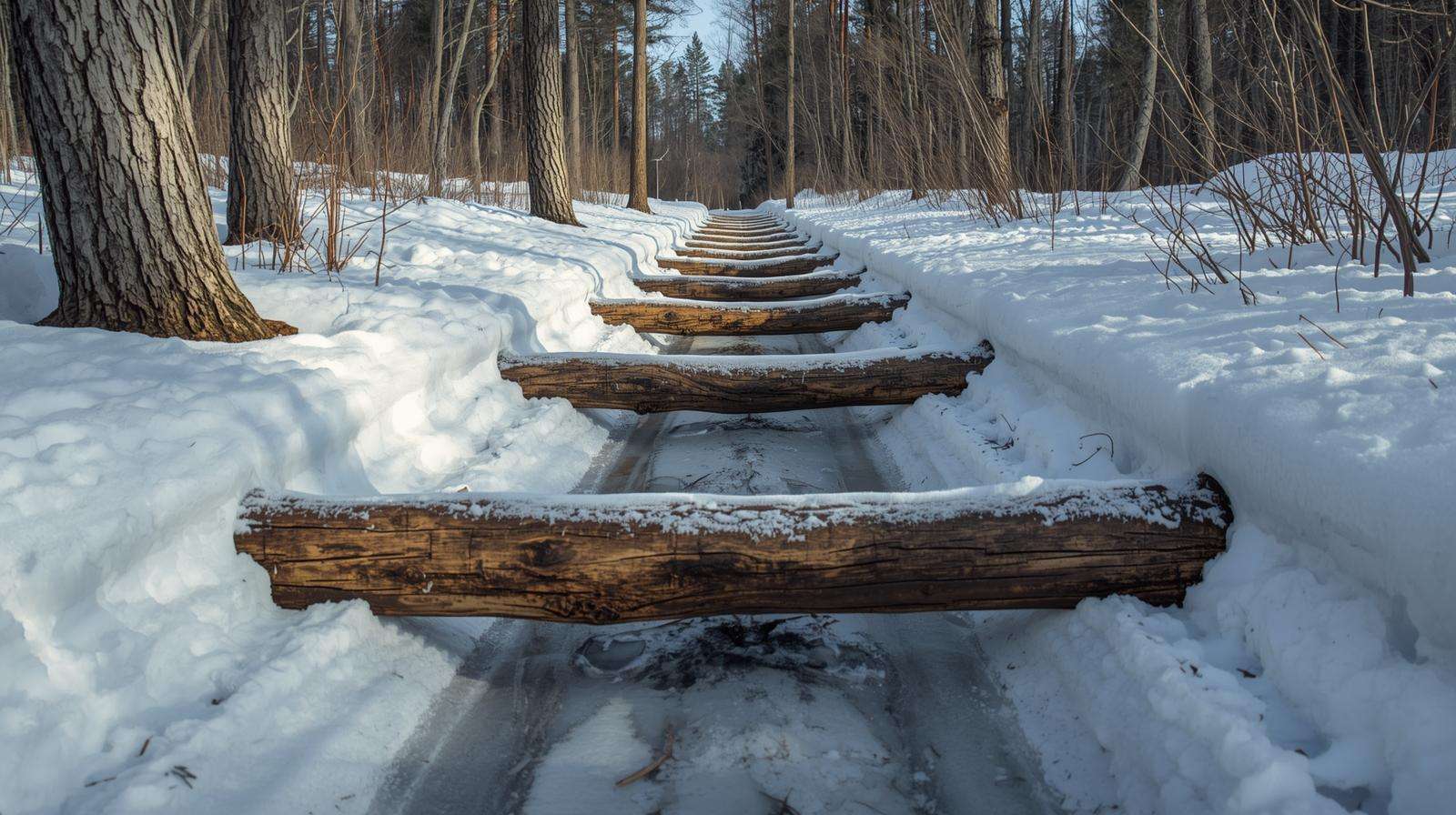
Post-harvest or access trails are vulnerable during thaws.
Effective Techniques:
- Lay slash mats or corduroy logs across trails for reinforcement.
- Install water bars (angled ditches) or broad-based dips to divert runoff.
- Seed trails with quick-growing annuals if needed in spring.
State BMPs require these measures; compliance avoids fines and preserves productivity.
Enhancing Soil Health
Winter is ideal for building organic matter.
Spread wood chips from thinnings as mulch around crop trees or in alleys—suppressing weeds and slowly releasing nutrients. Leave leaf litter intact for natural insulation and decomposition.
In open woodland edges, plan interplanting with nitrogen-fixing species like black locust for long-term fertility.
6. Integrating Livestock: Silvopasture in Winter
Silvopasture—the intentional integration of trees, forage, and grazing livestock—shines in winter when wooded areas provide natural shelter from wind and cold. Well-managed winter woods can reduce stress on animals, lower feed costs, and improve soil health through managed grazing.
Research from the USDA National Agroforestry Center shows that silvopasture systems can increase farm profitability by 20-50% compared to open pastures alone, thanks to diversified outputs like timber, forage, and livestock gains.
Providing Windbreaks and Shelter
Evergreen trees (pines, spruce) or dense hardwoods create effective windbreaks, reducing wind chill and energy loss in livestock. Studies indicate that sheltered animals require up to 30% less feed to maintain body condition in cold weather.
Design Tips:
- Orient wooded areas perpendicular to prevailing winter winds.
- Maintain dense lower canopies in shelterbelts by protecting regeneration from browsing.
- Use portable fencing to rotate animals into sheltered zones during storms.
Managed Winter Grazing
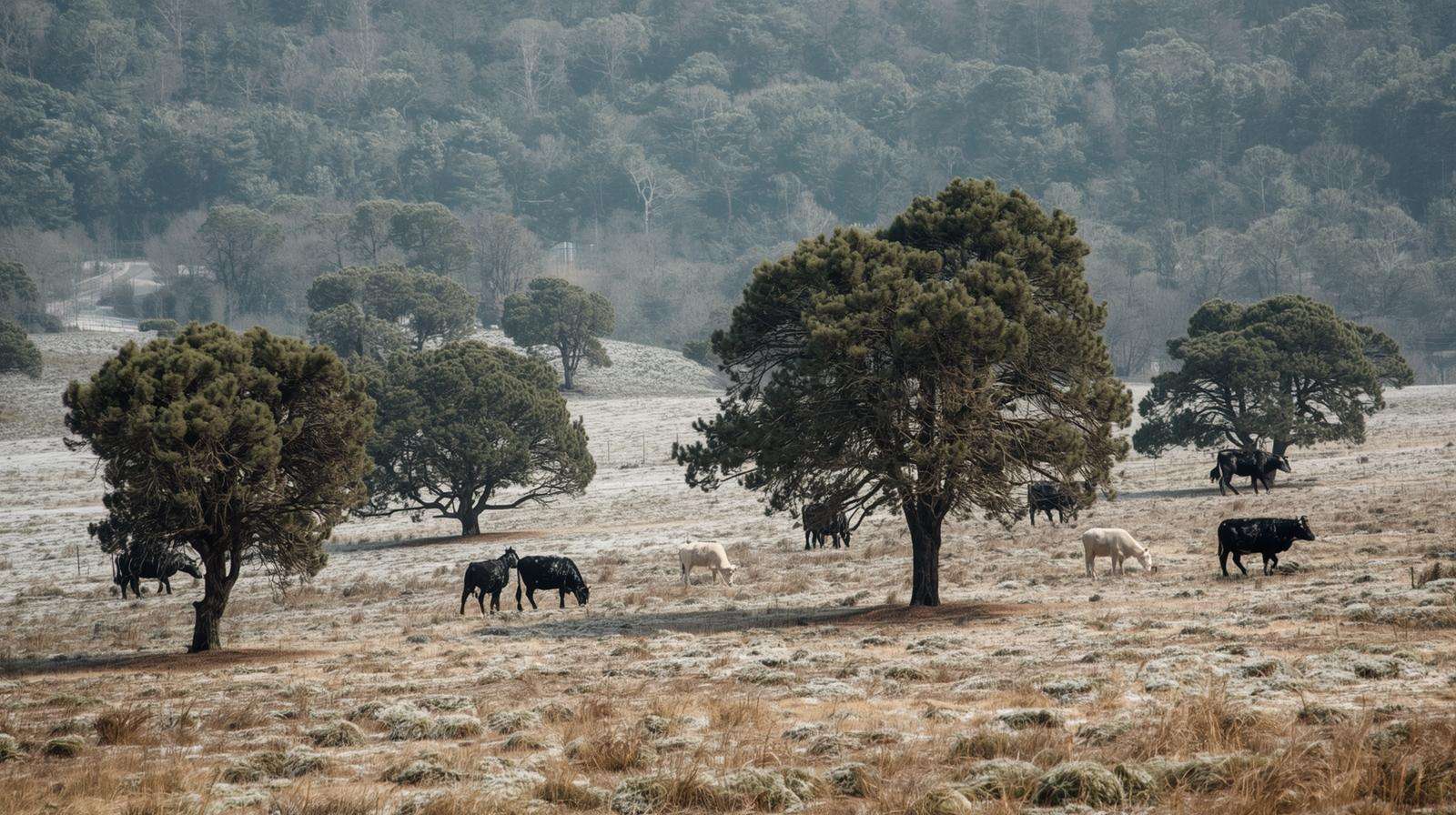
While forage growth halts in winter, standing stockpiled grasses, browse from shrubs, and pruned tree branches offer supplemental nutrition.
Safe Winter Grazing Practices:
- Limit access to short durations (1-3 days per paddock) to prevent bark damage or soil compaction during thaws.
- Provide sacrificial areas with hay feeding to protect main woodlot soils.
- Favor browse species like willow, mulberry, or honeylocust pods—high in protein and palatable.
Goats excel in winter silvopasture for invasive control; their browsing suppresses unwanted shrubs while fertilizing the site. Cattle and sheep can utilize fallen leaves or understory residues.
Monitor body condition closely and supplement with hay as needed. Avoid overgrazing to preserve root reserves for spring regrowth.
7. Wildlife Habitat Enhancement
Sustainable agroforestry balances production with biodiversity. Winter woods management that incorporates wildlife needs supports pollinators, pest predators, and game species—benefiting the entire farm ecosystem.
Creating Winter Cover and Food Sources
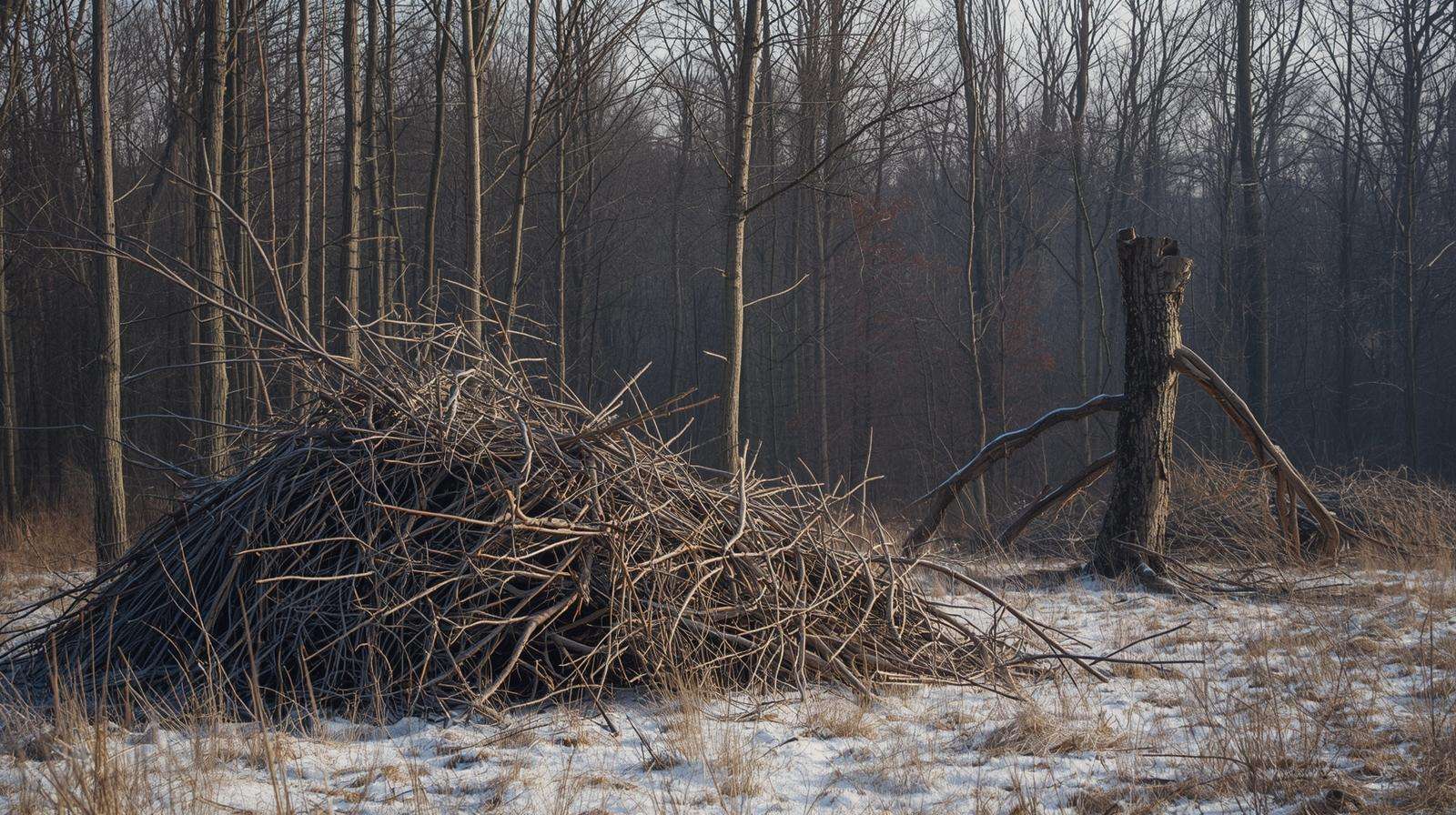
Cold months are stressful for wildlife; intentional habitat features make a big difference.
Key Enhancements:
- Retain standing snags (dead trees) for cavity-nesting birds like woodpeckers and owls.
- Create brush piles from thinnings—excellent cover for rabbits, quail, and songbirds.
- Leave mast-producing trees (oaks, hickories, beechnuts) unharvested in patches for deer, turkey, and squirrels.
- Plant native shrubs (e.g., dogwood, serviceberry) in canopy gaps for soft mast and nesting.
Edge feathering along woodlot borders increases habitat diversity and provides travel corridors.
Long-term, diverse age classes in your stand ensure continuous food and cover. Programs like NRCS’s Working Lands for Wildlife offer technical and financial assistance for habitat practices.
8. Tools, Safety, and Best Practices
Successful winter woods work requires proper preparation and caution.
Essential Winter Equipment
- Chainsaw: Well-maintained with sharp chain; consider battery models for lighter work.
- Pruning Tools: Pole saws, hand pruners, and loppers.
- Protective Gear: Hard hat, chaps, eye/ear protection, steel-toe boots, and insulated gloves.
- Marking Tools: Paint, flagging tape, and measuring devices (DBH tape, clinometer).
- First Aid Kit and communication device (cell phone or two-way radio).
Pre-season maintenance prevents breakdowns in cold conditions.
Safety First
Winter hazards include slippery surfaces, falling branches (widow-makers), and hypothermia.
Critical Safety Rules:
- Never work alone in remote woods.
- Inspect trees for hanging limbs before cutting.
- Dress in layers; monitor for frostbite or fatigue.
- Have an emergency plan and inform someone of your location and expected return.
Follow OSHA logging standards and take chainsaw safety courses (e.g., Game of Logging).
Expert Tips for Success
- Start Small: Tackle one management unit per winter to build confidence and observe results.
- Document Progress: Use photo points and journals to track changes over years—valuable for adaptive management.
- Leverage Incentives: USDA NRCS EQIP, CSP, and state cost-share programs often fund 50-90% of practices like thinning, fencing, or invasive control.
- Network Locally: Join agroforestry associations or attend field days for region-specific advice.
- Adapt to Climate Shifts: Warmer winters may shorten frozen-ground windows—plan flexible schedules.
Frequently Asked Questions (FAQs)
Q: When is the best time for winter harvesting? A: Ideally when the ground is frozen 6-12 inches deep and snow cover is minimal for access—typically mid-January to early March in temperate regions. Monitor soil conditions closely to avoid damage.
Q: How much can I harvest sustainably from my woodlot? A: Follow your management plan. A general rule is to remove no more than the annual growth increment (often 20-30% of basal area every 10-15 years). A professional forester can calculate precise sustainable yields.
Q: Is winter pruning harmful to trees? A: Quite the opposite—dormant pruning minimizes stress, reduces disease entry (e.g., fewer oak wilt risks), and promotes vigorous healing in spring. Avoid late-winter cuts on sap-flowing species like maples or birches.
Q: Can beginners manage winter woods effectively? A: Absolutely. Start with free resources from your state extension service or the USDA Agroforestry Center. Many offer free or low-cost consultations and workshops tailored to small landowners.
Q: What if I don’t have frozen ground every winter? A: Focus on low-impact activities like pruning, invasive control by hand, or planning. Use portable mats or wait for suitable conditions—patience preserves soil health.
Q: Are there grants available for agroforestry practices? A: Yes—check NRCS EQIP, state forestry programs, and Sustainable Agriculture Research and Education (SARE) grants. Many prioritize tree planting, silvopasture, and forest health improvements.
Conclusion
Your winter woods are far more than a dormant backdrop—they’re a dynamic asset waiting for thoughtful management. By assessing stands, pruning strategically, controlling invasives, harvesting responsibly, protecting soil, integrating livestock, and enhancing habitat, you transform the quiet season into one of meaningful investment.
These practices, grounded in decades of agroforestry research and real-world application, build resilient systems that deliver ecological stability, economic diversification, and long-term productivity. Start with a plan, seek expert guidance when needed, and watch your woodlot thrive year after year.
For region-specific recommendations, contact your local NRCS office, state forester, or university extension agroforestry specialist. Your proactive steps this winter will yield benefits for generations of sustainable farming.