
It starts with a soft clucking under the porch or the rhythmic scratching of claws against your fresh garden mulch. You look out the window, expecting to see a wild bird, only to find a colorful flock of Barred Rocks or Rhode Island Reds systematically dismantling your prize-winning hostas. In small towns and semi-rural areas, the appearance of lost neighbors’ chickens on your property is more than just a quaint pastoral moment—it is a complex situation involving property rights, biosecurity risks, and the delicate social fabric of the community. Whether these birds are accidental wanderers or have been intentionally abandoned, knowing the legal and practical steps to take is essential for protecting your land and maintaining neighborly peace.
As a seasoned agricultural consultant, I have mediated dozens of “poultry trespass” disputes. What seems like a minor nuisance can quickly escalate into a legal headache if handled incorrectly. This guide provides a professional framework for managing these uninvited guests, covering everything from municipal livestock ordinances to the biological safety protocols required to protect your own flock.
1. The Legal Landscape: Who “Owns” a Wandering Bird?
When a chicken crosses the road and enters your yard, the legal definition of that bird changes based on your local jurisdiction. Is it a pet, like a dog? Or is it “stray livestock,” like a cow or a goat?

Livestock vs. Pets In many traditional agricultural zones, chickens are classified strictly as livestock. This distinction is vital because livestock laws—often referred to as “Fence-In” or “Fence-Out” statutes—dictate who is responsible for the trespass. In a “Fence-In” jurisdiction, the owner of the lost neighbors’ chickens is legally obligated to contain their animals. If they fail to do so, they are liable for any property damage the birds cause. Conversely, in rare “Fence-Out” areas, you may be responsible for fencing your own garden to keep livestock out.
The “At Large” Doctrine Most modern small-town ordinances have adopted “At Large” poultry rules. These laws state that it is unlawful for poultry owners to allow their birds to wander off their own premises. If a neighbor’s bird is in your yard, they are technically in violation of a local code. However, proving ownership is the first hurdle. Unlike a dog with a collar or a microchipped cat, a chicken rarely carries identification.
Liability for Damage Chickens can cause surprising amounts of damage. From tearing up irrigation lines to destroying expensive landscaping and leaving behind droppings that carry pathogens like Salmonella or E. coli, the costs can add up. Legally, you are entitled to compensation for these damages, but documentation is your strongest ally.
2. Immediate Actions: What to Do When They First Arrive
The moment you notice unfamiliar poultry on your land, your “expert” hat must go on. Your priority is to manage the situation without increasing your own liability or risking the health of your existing animals.
Documenting the Intrusion Before you try to catch the birds, pull out your phone. Take high-quality photos and videos of the chickens on your property. If they are actively destroying plants or scratching at your foundation, record that specifically. This serves as undeniable proof for insurance claims or local animal control if the situation becomes contentious.
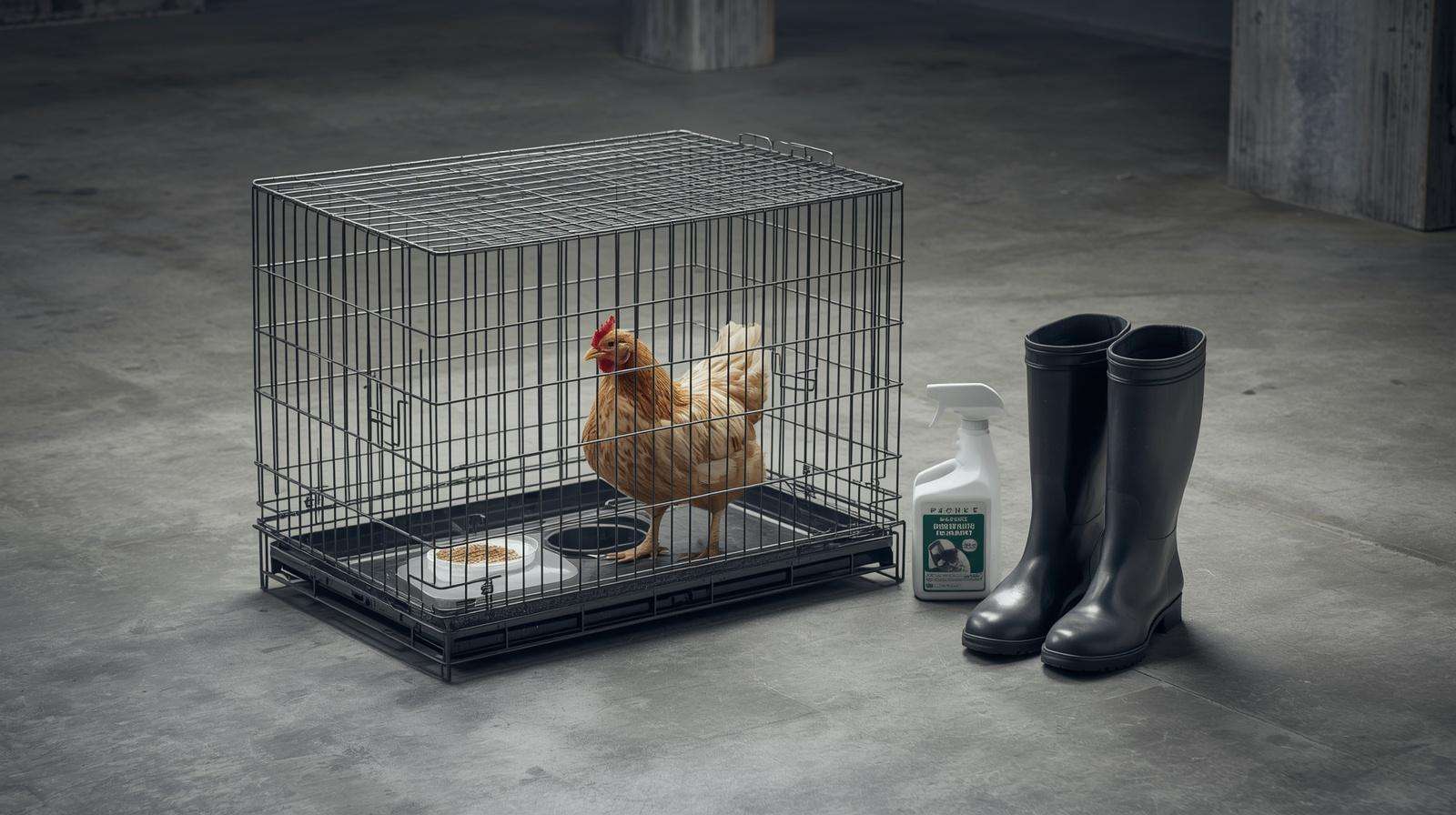
Safe Containment and Bio-Security If you have the means to contain the birds—such as a portable dog crate or a section of poultry netting—do so carefully. However, never introduce these birds to your own coop. The risk of disease transmission is exceptionally high. “Found” birds must be kept in strict quarantine, at least 30 feet away from your own flock, with no shared waterers or feeders.
Treat every wandering bird as a potential carrier of Avian Influenza or Marek’s Disease until proven otherwise. If you handle the birds, wash your hands and change your footwear before visiting your own birds.
3. Identifying the Source: How to Find the Owner
Finding the owner of lost neighbors’ chickens requires a blend of digital sleuthing and old-fashioned neighborhood canvassing.
The Digital Search The fastest way to find a frantic poultry owner is through local community groups.
-
Nextdoor and Facebook: Post a “Found” notice in local community or “Lost and Found Pets” groups. Be specific about the location but vague about some identifying features (like a specific leg band color) to ensure the person claiming them is the actual owner.
-
The “Chicken Underground”: Many towns have specific “Backyard Chicken” enthusiast groups. These members often recognize each other’s breeds or unique “look-alike” flocks.
The Physical Search If the digital route fails, take a walk. Chickens rarely wander more than a few hundred yards from their home base unless they were spooked by a predator. Look for the tell-tale signs of a coop: the sound of a rooster crowing, a fenced-off area in a backyard, or bags of poultry feed on a porch.
Identifying Marks Inspect the birds (from a distance if possible) for:
-
Leg Bands: Many professional breeders and 4-H members use numbered or colored plastic bands.
-
Wing Clips: If one wing is neatly trimmed, it’s a sign of an owner who was trying to keep them contained.
-
Specific Breeds: High-value or “fancy” breeds like Silkies, Polish, or Ayam Cemani are much easier to track back to an owner than a standard “Production Red.”
4. Dealing with Truly Abandoned Birds
Unfortunately, not all lost neighbors’ chickens are actually lost. In the agricultural world, we face the “dumping” dilemma. People often buy “straight run” chicks, only to find they have too many roosters for their neighborhood ordinances. Instead of rehoming them properly, they may drop them off on a quiet rural road.
The “Dumped” Dilemma If you find a group of roosters or “spent” hens (older birds that have stopped laying), they may have been intentionally abandoned. These birds are often stressed, malnourished, and highly susceptible to predators.
The 72-Hour Rule While specific laws vary by state, most agricultural guidelines suggest a “holding period” (typically 48 to 72 hours) during which you must make a “good faith” effort to find the owner. After this window closes and the authorities have been notified, the animal is often legally considered abandoned, and ownership may transfer to the finder or the local municipality for rehoming.
5. Who to Call: Navigating Small Town Resources
In a major city, you call 311. In a small town or rural county, the chain of command for lost neighbors’ chickens is often more personal and less formalized. Depending on the situation, you may need to contact various agencies to ensure you are following the law.
Local Animal Control Most municipal animal control officers (ACOs) are primarily equipped for dogs and cats. However, in many jurisdictions, they are still the primary point of contact for “poultry at large.” Even if they cannot come out and physically catch the birds, reporting the incident creates a paper trail that protects you from “theft” accusations later.
The County Sheriff or Brand Inspector In regions where agriculture is the primary industry, wandering poultry may fall under “stray livestock” laws managed by the Sheriff’s department or a state brand inspector. These officials have the authority to impound livestock and can often identify the owners of large commercial escapees.
Agricultural Extension Offices If the birds appear sick or if you are dealing with a mass abandonment, call your local University Agricultural Extension. They are experts in avian health and can provide immediate guidance on biosecurity risks like High Pathogenicity Avian Influenza (HPAI).
6. The “Neighborly” Conversation: Diplomacy First
Before involving the law, a face-to-face conversation is almost always the best first step. However, these discussions require a strategic approach to prevent a long-term neighborhood feud.
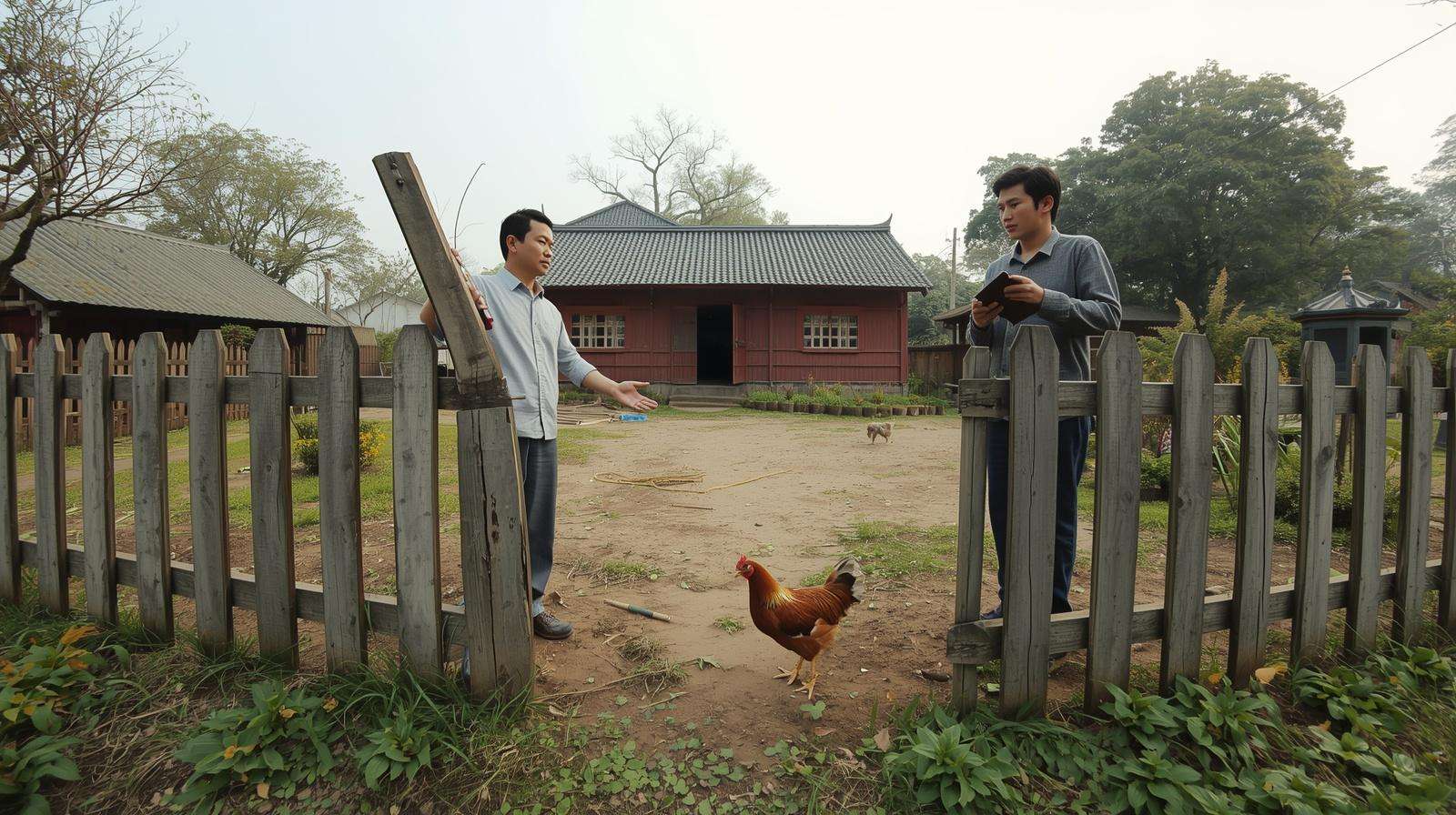
The Diplomatic Script Avoid accusations. Instead, frame the conversation around the birds’ safety and your property’s integrity.
-
“Hi [Neighbor’s Name], I’ve noticed a few of your hens have been finding their way into my vegetable garden. I’m worried they might get hurt by a predator or eat something toxic in my yard. Could we look at your fencing together to see where they’re getting out?”
The “Notice of Trespass” If the verbal approach fails and the lost neighbors’ chickens continue to cause damage, it is time to move to a written record. A polite but firm letter—sent via certified mail if necessary—documents that you have notified them of the problem. This is a critical piece of evidence if you eventually have to seek damages in small claims court.
7. Practical Capture Techniques for “Lost” Birds
If you have decided to contain the birds for their own safety or to wait for an owner, you need to catch them without causing injury to the bird or yourself.
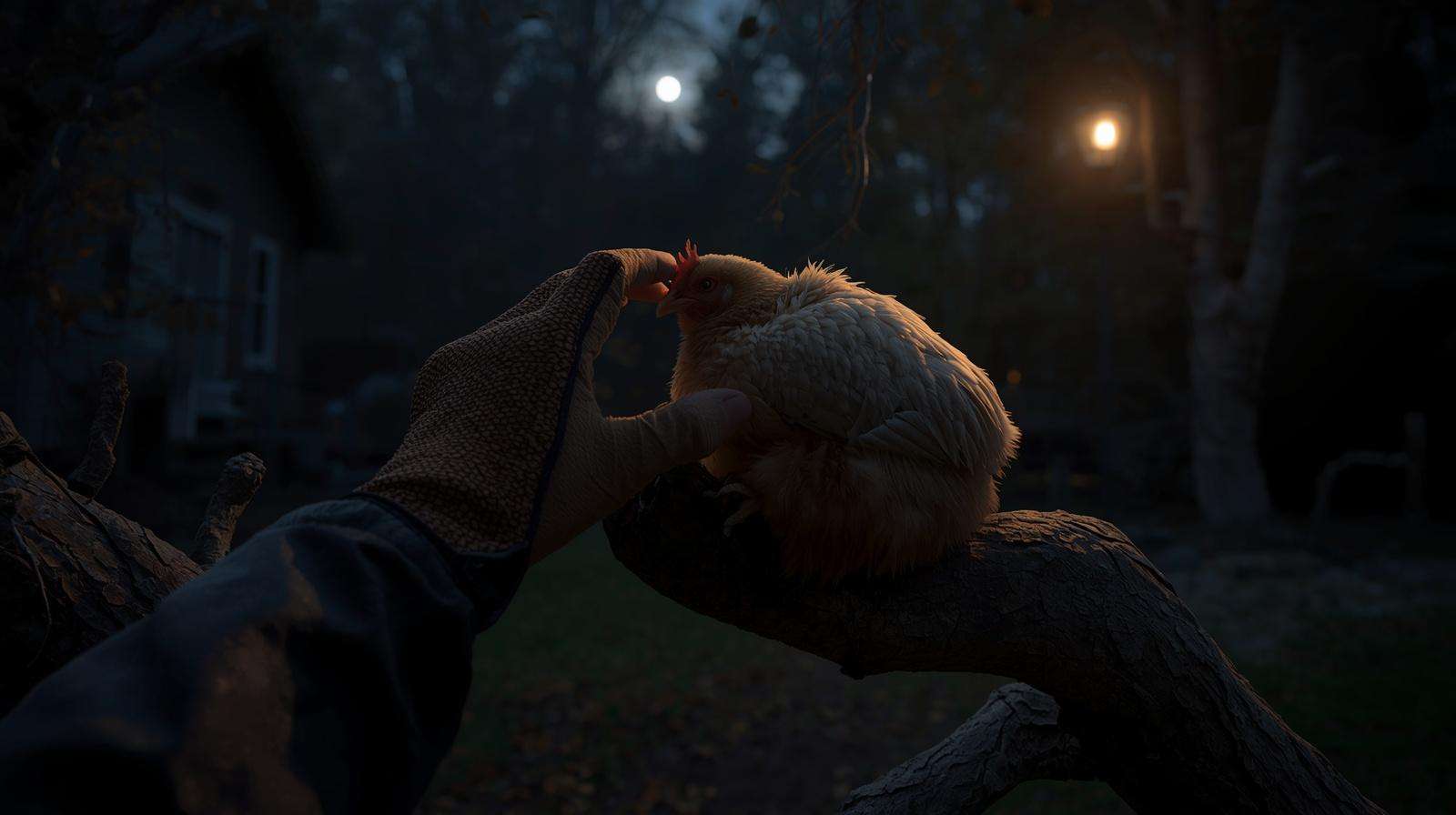
The Nighttime Grab Chickens have notoriously poor night vision and enter a near-comatose state when roosting. If you can locate where the birds sleep (usually in a low tree or a bush), wait until well after dark. Wear a pair of gloves, approach quietly with a dim flashlight, and simply pick them up by pinning their wings to their sides. This is the least stressful method for everyone involved.
The Poultry Net and Lure Method If you must catch them during the day, do not chase them. Chasing leads to “capture myopathy,” a fatal stress response in birds. Instead, use a high-value treat like scratch grain or mealworms to lure them into a confined space, such as a garage or a small fenced run. If they are flighty, a professional long-handled poultry net is essential.
8. Rehoming and “Fostering” Protocols
Once the legal holding period has passed and the owner hasn’t come forward, you have a choice: rehome the birds or add them to your own flock.
Adding to Your Flock If you choose to keep them, the quarantine period is non-negotiable.
-
30-Day Isolation: Keep them completely separate.
-
Health Check: Treat for external parasites (mites/lice) and internal worms.
-
Introduction: Use the “look but don’t touch” method for 7 days before allowing physical contact to prevent bullying.
Vetting New Owners If you rehome them, be wary of “free to a good home” ads, which often attract people looking for cheap meat or fighting-bird bait. Ask for a small rehoming fee or ask for a photo of their existing coop to ensure the birds are going to a safe environment.
9. Frequently Asked Questions (FAQ)
Can I keep the eggs from chickens that wander into my yard? While technically the “produce” of the neighbor’s property, most small-town norms allow you to keep the eggs as “rent” for the garden space they’ve occupied. However, if the owner is found, it is a gesture of goodwill to offer them back.
Am I legally allowed to harm a neighbor’s chicken? In almost all jurisdictions, you cannot intentionally harm or kill a neighbor’s livestock unless they are posing an immediate threat to your own animals or safety. Using a hose to spray them is usually acceptable; using a pellet gun is often a criminal offense.
What if the neighbor refuses to come and get their birds? This is legally considered “abandonment of livestock.” Document the refusal, notify animal control, and proceed with rehoming or impoundment as per your local ordinances.
10. Conclusion: Maintaining Peace in the Poultry Patch
Dealing with lost neighbors’ chickens is one of the unique challenges of rural and small-town life. It requires a balance of empathy for the animals and a firm stance on your own property rights. By documenting the intrusions, maintaining strict biosecurity, and communicating clearly with your community, you can turn a frustrating situation into an opportunity for better neighborhood management.
The best defense against wandering poultry is a proactive community. Encourage your neighbors to clip wings, upgrade fencing, and participate in a local “emergency contact list” for escaped livestock. After all, a good fence makes for good neighbors—but a good plan for when those fences fail is what keeps the peace.