Healthy gardens are not built with fertilizers alone — they are built from the ground up. Many gardeners spend hundreds of dollars on seeds, organic amendments, and irrigation systems, only to struggle with weak plants, poor harvests, compacted soil, and recurring nutrient deficiencies. In most cases, the real problem lies beneath the surface: depleted soil biology and poor organic matter management.
That is where manure management for regenerative gardens becomes one of the most powerful tools for long-term soil health and sustainable food production. When handled correctly, manure can transform lifeless soil into a thriving ecosystem rich in beneficial microbes, nutrients, and organic matter. However, when used improperly, it can damage plants, spread pathogens, create nutrient imbalances, and pollute nearby water sources.
Regenerative gardening focuses on restoring soil naturally rather than simply feeding plants temporarily. Proper manure management plays a central role in this process by recycling nutrients, improving soil structure, increasing water retention, and supporting healthy microbial activity.
In this comprehensive guide, you will learn exactly how to use manure safely and effectively in regenerative gardens, including composting techniques, application methods, timing strategies, common mistakes to avoid, and expert practices that build fertile living soil year after year.
What Is Manure Management in Regenerative Gardening?
Manure management refers to the collection, storage, composting, handling, and application of animal manure in ways that maximize soil benefits while minimizing environmental risks and plant damage.
In regenerative gardening, manure is not treated as a quick fertilizer fix. Instead, it is viewed as a biological soil-building resource that feeds microorganisms, improves soil ecosystems, and supports long-term sustainability.
Unlike conventional gardening systems that rely heavily on synthetic fertilizers, regenerative gardening emphasizes:
- Building soil organic matter
- Supporting microbial diversity
- Reducing chemical dependency
- Improving nutrient cycling naturally
- Increasing soil resilience over time
Manure contributes to all of these goals when managed properly.
Why Manure Is Valuable for Regenerative Soil Health
Well-managed manure contains valuable nutrients and organic compounds, including:
- Nitrogen (N)
- Phosphorus (P)
- Potassium (K)
- Calcium
- Magnesium
- Micronutrients
- Beneficial microorganisms
- Organic carbon
These elements improve soil fertility while supporting the biological processes that make nutrients available to plants naturally.
More importantly, manure helps create living soil — a dynamic environment where bacteria, fungi, earthworms, and other organisms work together to improve plant growth.
Benefits of Proper Manure Management for Regenerative Gardens
Using manure strategically offers far more benefits than simply feeding crops.
Improves Long-Term Soil Fertility Naturally
Synthetic fertilizers often provide short-term nutrient boosts but contribute little to soil structure or biology. Manure improves fertility gradually while increasing organic matter content over time.
This leads to:
- Better nutrient retention
- Reduced nutrient leaching
- Improved root development
- Higher long-term productivity
Boosts Beneficial Microbial Activity
Healthy soil depends on billions of microorganisms. Properly composted manure acts as food for beneficial microbes that:
- Break down organic matter
- Release nutrients slowly
- Improve disease resistance
- Enhance soil aeration
Microbial-rich soils often produce stronger, healthier plants with fewer pest and disease problems.
Increases Water Retention
Soils rich in organic matter can hold significantly more water than depleted soils. This is especially important during drought conditions or extreme summer heat.
Gardens with proper manure management typically require:
- Less frequent irrigation
- Reduced water waste
- Better moisture consistency
Reduces Dependence on Synthetic Fertilizers
One of the main goals of regenerative gardening is reducing external chemical inputs. Proper manure composting creates a sustainable nutrient cycle within the garden ecosystem.
Over time, gardeners often notice:
- Lower fertilizer costs
- Improved soil resilience
- More stable plant growth
Helps Sequester Carbon
Organic matter from manure contributes to carbon storage in the soil. Regenerative gardening practices that build soil carbon help:
- Improve climate resilience
- Reduce erosion
- Enhance soil aggregation
- Support long-term ecosystem stability
Types of Manure Used in Regenerative Gardens
Not all manure is the same. Different animal manures vary greatly in nutrient content, moisture levels, decomposition rates, and application methods.
Understanding these differences is essential for safe and effective use.
Cow Manure
Cow manure is one of the most commonly used organic soil amendments in regenerative gardening.
Benefits
- Balanced nutrient profile
- Excellent organic matter source
- Improves soil texture
- Ideal for large garden beds
Best Uses
- Composting
- Mulching
- Soil conditioning
Important Considerations
Fresh cow manure should usually be composted before application because it may contain pathogens and weed seeds.
Chicken Manure
Chicken manure is extremely nutrient-dense, especially in nitrogen.
Benefits
- Rapid nutrient release
- Excellent for heavy-feeding crops
- Supports leafy vegetable growth
Risks
Because it is highly concentrated, fresh chicken manure can easily burn plants if overapplied.
Best Practice
Always compost chicken manure thoroughly before using it in vegetable gardens.
Horse Manure
Horse manure is widely available and composts quickly.
Advantages
- Good carbon-to-nitrogen balance
- Improves compost pile aeration
- Excellent bulk organic matter source
Drawbacks
Horse manure sometimes contains viable weed seeds if animals consumed untreated hay.
Proper hot composting helps eliminate this issue.
Goat and Sheep Manure
Goat and sheep manure comes in dry pellet form, making it easier to handle and distribute.
Benefits
- Lower odor
- Slow nutrient release
- Minimal weed seed problems
- Easy storage
This manure works especially well for raised beds and smaller regenerative gardens.
Rabbit Manure
Rabbit manure is often called a “cold manure,” meaning it is less likely to burn plants.
Benefits
- Lower risk of overfertilization
- Can sometimes be applied directly
- Rich in nutrients and organic matter
It is particularly popular among home gardeners focused on sustainable closed-loop systems.
Green Manure Crops
Green manure refers to cover crops grown specifically to improve soil health.
Common green manure crops include:
- Clover
- Vetch
- Rye grass
- Alfalfa
- Field peas
These plants are cut down and incorporated into the soil to add organic matter and nutrients naturally.
Green manure is a core principle of regenerative agriculture because it protects soil while feeding soil biology.
Fresh Manure vs Composted Manure — Which Is Better?
One of the biggest mistakes new gardeners make is applying fresh manure directly to crops.
Understanding the difference between raw and composted manure is critical for food safety and soil health.
What Is Fresh Manure?
Fresh manure is animal waste that has not gone through a composting process.
It typically contains:
- High ammonia levels
- Unstable nutrients
- Potential pathogens
- Weed seeds
- Excess moisture
Risks of Using Fresh Manure
Root Burn
Fresh manure can contain excessive nitrogen and ammonia, which may damage plant roots.
Food Safety Concerns
Raw manure may contain harmful pathogens such as:
- E. coli
- Salmonella
- Listeria
Nutrient Imbalances
Excessive fresh manure can overload soil with nitrogen, causing:
- Weak plant growth
- Poor fruit production
- Nutrient runoff
Benefits of Composted Manure
Composted manure undergoes controlled decomposition that stabilizes nutrients and reduces harmful organisms.
Advantages Include:
- Safer nutrient release
- Reduced odor
- Lower pathogen risk
- Improved microbial diversity
- Better soil integration
Proper composting also creates humus-rich material that improves soil structure significantly.
When Fresh Manure Can Be Used Safely
Fresh manure may still have limited uses in regenerative systems when handled carefully.
Examples include:
- Fall application on empty beds
- Orchard soil conditioning
- Long pre-planting intervals
- Compost pile activation
However, fresh manure should never be applied immediately before harvesting edible crops.
How to Compost Manure Properly for Regenerative Gardening
Proper composting transforms raw waste into stable, nutrient-rich organic matter that feeds the soil ecosystem safely.
Understanding Carbon-to-Nitrogen Ratios
Successful composting depends heavily on balancing nitrogen-rich materials with carbon-rich materials.
Nitrogen Sources
- Fresh manure
- Green grass clippings
- Kitchen scraps
Carbon Sources
- Dry leaves
- Straw
- Wood chips
- Shredded cardboard
A balanced compost pile heats efficiently and decomposes evenly.
Step-by-Step Manure Composting Process
1. Choose the Right Location
Select an area that:
- Has good drainage
- Receives partial sunlight
- Is protected from excessive rain
- Allows airflow
Avoid composting directly beside water sources.
2. Build Layers Properly
Alternate:
- Manure layers
- Carbon material layers
This helps regulate moisture and oxygen levels.
3. Maintain Proper Moisture
The pile should feel like a damp sponge:
- Too dry slows decomposition
- Too wet causes odors and anaerobic conditions
4. Monitor Compost Temperature
Hot composting is ideal for pathogen reduction.
Effective compost piles often reach:
- 130°F to 160°F (54°C to 71°C)
These temperatures help destroy:
- Harmful bacteria
- Weed seeds
- Fly larvae
5. Turn the Compost Regularly
Turning introduces oxygen and speeds decomposition.
Most compost piles benefit from turning:
- Every 1–2 weeks
This maintains aerobic microbial activity.
6. Know When Compost Is Finished
Finished compost should:
- Smell earthy
- Appear dark brown
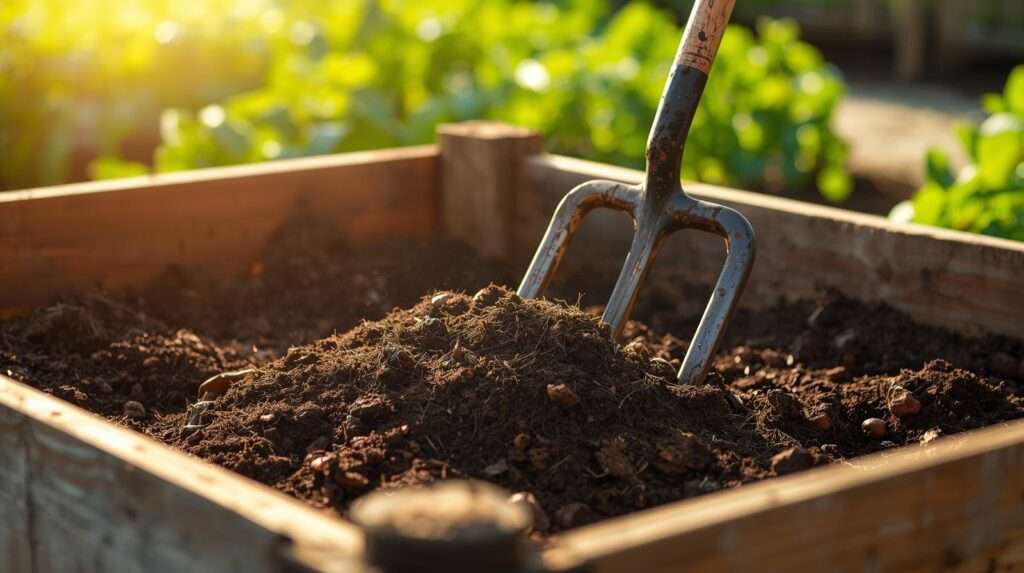
- Have crumbly texture
- Show no recognizable manure materials
Depending on conditions, composting may take:
- 2–6 months
Common Composting Mistakes to Avoid
Even experienced gardeners sometimes make avoidable errors.
Adding Too Much Manure
Excess nitrogen can create:
- Strong odors
- Anaerobic conditions
- Nutrient imbalance
Balance manure with sufficient carbon materials.
Poor Aeration
Compacted piles lack oxygen, slowing decomposition and causing foul smells.
Excess Moisture
Overly wet compost encourages harmful anaerobic bacteria.
Using Contaminated Inputs
Avoid manure from animals exposed to:
- Persistent herbicides
- Heavy antibiotics
- Chemical contamination
These substances may damage soil biology and crops.
Best Application Methods for Manure in Regenerative Gardens
The way manure is applied can significantly affect nutrient efficiency and soil performance.
Top Dressing
Top dressing involves spreading composted manure over the soil surface.
Benefits
- Minimal soil disturbance
- Supports no-dig gardening
- Protects soil microbes
This method works especially well in regenerative vegetable beds.
Trench Composting
This technique involves burying composted manure in trenches near root zones.
Advantages
- Slow nutrient release
- Reduced odor
- Improved root access
Ideal for:
- Tomatoes
- Corn
- Squash
- Fruit trees
Sheet Mulching With Composted Manure
Sheet mulching combines:
- Cardboard
- Compost
- Mulch
- Composted manure
This method suppresses weeds while building rich soil layers naturally.
Liquid Manure Tea
Manure tea is created by soaking composted manure in water.
Benefits
- Fast nutrient availability
- Useful for stressed plants
- Supports microbial activity
However, properly composted manure should always be used for safety.
No-Dig Gardening Integration
Regenerative gardeners often avoid tilling to preserve soil structure.
Composted manure works exceptionally well in no-dig systems because it:
- Feeds surface biology
- Protects fungal networks
- Improves soil aggregation naturally
When and How Often to Apply Manure
Timing is one of the most important factors in successful manure management for regenerative gardens. Even high-quality composted manure can create nutrient imbalances if applied incorrectly or at the wrong time.
The goal is to feed the soil ecosystem steadily rather than overwhelm plants with excessive nutrients.
Seasonal Application Guide
Spring Applications
Spring is ideal for moderate manure applications before planting begins.
Best Practices
- Apply composted manure 2–4 weeks before planting
- Incorporate lightly into the topsoil or use as surface mulch
- Focus on heavy-feeding crops such as:
- Tomatoes
- Corn
- Peppers
- Cabbage
Benefits
- Provides nutrients during active growth
- Stimulates microbial activity after winter dormancy
- Improves moisture retention early in the season
Avoid excessive fresh manure applications in spring because they may burn young seedlings.
Summer Applications
During summer, regenerative gardens benefit from lighter applications focused on maintaining soil biology.
Recommended Methods
- Compost tea applications
- Light top dressing
- Mulch enrichment
Important Tip
Avoid applying heavy nitrogen-rich manure during extreme heat because it may stress plants and disrupt nutrient balance.
Fall Applications
Fall is one of the best times to apply manure strategically.
Why Fall Applications Work Well
- Soil organisms remain active
- Nutrients stabilize gradually over winter
- Organic matter decomposes slowly
- Reduced risk of plant burn
Fresh manure is sometimes applied during fall to empty garden beds because there is sufficient time before spring planting.
Winter Soil Preparation
In mild climates, winter can still be productive for regenerative soil building.
Winter Strategies
- Protect beds with cover crops
- Apply composted manure beneath mulch layers
- Prevent soil erosion and nutrient loss
This approach prepares gardens for vigorous spring growth.
How Much Manure Should You Apply?
Overapplication is one of the most common regenerative gardening mistakes.
General recommendations vary depending on:
- Soil condition
- Crop type
- Manure source
- Compost maturity
General Guideline
A layer of:
- 1–2 inches of composted manure annually
is sufficient for most home regenerative gardens.
Heavy-feeding crops may benefit from additional side dressing during the growing season.
Signs of Over-Fertilization
Too much manure can harm plants and soil biology.
Warning Signs Include:
- Excessive leafy growth with poor fruiting
- Yellow leaf edges
- Salt buildup in soil
- Strong ammonia smell
- Increased pest problems
- Water runoff contamination
Healthy regenerative systems focus on balance, not excess.
Soil Testing Recommendations
Professional soil testing helps determine:
- Nutrient levels
- Organic matter content
- pH balance
- Micronutrient deficiencies
Testing every 2–3 years allows gardeners to make informed manure management decisions instead of guessing.
This improves both productivity and environmental sustainability.
Common Manure Management Mistakes That Harm Soil Health
Even organic gardeners sometimes unintentionally damage soil ecosystems through poor manure practices.
Avoiding these common mistakes can dramatically improve regenerative garden success.
Applying Raw Manure Too Close to Harvest
Fresh manure poses significant food safety risks when used improperly.
Pathogens may contaminate:
- Leafy greens
- Root vegetables
- Herbs
- Low-growing crops
A safer approach is to:
- Compost manure thoroughly
- Apply fresh manure months before harvest
- Follow recommended waiting periods
Overusing Nitrogen-Rich Manure
Chicken manure and other high-nitrogen sources can create serious imbalances.
Excess Nitrogen May Cause:
- Weak plant tissues
- Reduced flowering
- Delayed fruit production
- Pest susceptibility
Regenerative gardening prioritizes steady nutrient cycling over rapid growth spurts.
Ignoring Soil pH
Repeated manure applications can gradually alter soil pH.
Some manures may increase alkalinity, affecting nutrient availability.
Best Practice
Regularly monitor soil pH and adjust naturally if needed using:
- Agricultural lime
- Sulfur amendments
- Organic matter balancing
Poor Compost Aeration
Oxygen is essential for healthy composting.
Without proper airflow:
- Anaerobic bacteria dominate
- Compost smells foul
- Decomposition slows
- Nutrient quality declines
Aerobic composting creates healthier microbial diversity.
Nutrient Runoff and Water Pollution
Improper manure storage or overapplication may contaminate:
- Groundwater
- Streams
- Nearby ponds
Nutrient runoff contributes to:
- Algae blooms
- Water quality issues
- Ecosystem imbalance
Regenerative gardening always considers environmental impact beyond the garden itself.
Using Contaminated Manure Sources
Not all manure is safe for organic gardening.
Potential contaminants include:
- Persistent herbicides
- Antibiotic residues
- Heavy metals
- Industrial feed additives
Whenever possible, source manure from:
- Trusted local farms
- Organic livestock systems
- Small regenerative operations
Sustainable and Safe Manure Storage Practices
Proper manure storage preserves nutrients while reducing environmental and health risks.
Preventing Nutrient Loss
Exposure to heavy rain can wash away valuable nutrients before manure is even applied.
Best Storage Methods
- Covered compost bins
- Tarp-protected piles
- Roofed storage areas
Keeping manure protected improves nutrient retention significantly.
Managing Moisture Levels
Excess moisture creates anaerobic conditions and foul odors.
Proper storage areas should:
- Drain well
- Allow airflow
- Prevent waterlogging
Dry carbon materials such as straw help absorb excess moisture.
Reducing Flies and Pests
Poorly managed manure attracts:
- Flies
- Rodents
- Mosquitoes
Prevention Strategies
- Cover fresh manure with carbon materials
- Maintain active compost temperatures
- Avoid exposed food waste nearby
Healthy compost systems rarely produce major pest problems.
Eco-Friendly Containment Solutions
Sustainable gardeners often use:
- Wooden compost bays
- Wire mesh bins
- Pallet compost systems
- Covered worm bins
These solutions improve organization while supporting efficient decomposition.
Safety Precautions for Gardeners
Manure handling requires basic hygiene practices.
Important Safety Tips
- Wear gloves
- Wash hands thoroughly
- Avoid inhaling dry manure dust
- Keep manure away from children’s play areas
Food safety should always remain a priority.
Integrating Manure Management With Other Regenerative Gardening Practices
Manure becomes even more powerful when combined with broader regenerative techniques.
Combining Manure With Cover Crops
Cover crops and manure work together to:
- Build organic matter
- Improve soil structure
- Prevent erosion
- Increase microbial diversity
Popular combinations include:
- Rye with composted cow manure
- Clover with poultry compost
- Vetch with mulched manure systems
This synergy accelerates soil regeneration.
Mulching Strategies for Soil Regeneration
Mulch protects soil organisms and enhances manure performance.
Organic mulches include:
- Straw
- Leaves
- Wood chips
- Grass clippings
Benefits include:
- Reduced evaporation
- Temperature moderation
- Weed suppression
- Improved decomposition efficiency
Crop Rotation Benefits
Repeated planting of the same crops depletes specific nutrients and encourages pests.
Rotating crops improves:
- Nutrient cycling
- Disease resistance
- Soil biodiversity
Manure applications can then be adjusted according to crop needs.
Biochar and Manure Synergy
Biochar is a carbon-rich material produced from burned organic matter.
When combined with manure:
- Nutrient retention improves
- Soil microbes thrive
- Carbon sequestration increases
Many regenerative gardeners use biochar-enhanced compost systems for long-term soil building.
Vermicomposting Integration
Worm composting adds another biological layer to manure management.
Earthworms convert organic waste into nutrient-rich castings filled with beneficial microbes.
Benefits include:
- Faster nutrient cycling
- Improved microbial populations
- Enhanced soil structure
Rabbit and cow manure are especially effective in vermicomposting systems.
Organic Certification and Food Safety Considerations
For market gardeners and homesteaders, manure management must also align with food safety standards.
Organic Gardening Standards for Manure Use
Organic production systems typically require:
- Proper composting methods
- Documented temperature control
- Safe storage practices
- Waiting periods before harvest
These standards reduce contamination risks while protecting consumer health.
Pathogen Reduction Practices
Hot composting remains the most effective method for pathogen control.
Maintaining compost temperatures above:
- 131°F (55°C)
for several consecutive days significantly reduces harmful organisms.
Turning compost regularly ensures all materials are exposed to sufficient heat.
Safe Harvest Intervals
Many growers follow waiting periods such as:
- 90 days before harvesting crops not touching soil
- 120 days for root crops and leafy vegetables
These intervals help minimize foodborne illness risks.
Record-Keeping for Small Farms
Maintaining simple records improves both consistency and accountability.
Useful records include:
- Compost dates
- Temperature logs
- Application schedules
- Soil test results
This approach supports professional regenerative gardening practices.
Beginner-Friendly Manure Management Plan for Small Regenerative Gardens
Starting simple is often the best strategy.
Many new gardeners fail because they overcomplicate regenerative methods early on.
Weekly Maintenance Routine
Simple Weekly Tasks
- Check compost moisture
- Add carbon materials if needed
- Turn piles occasionally
- Observe plant health
- Monitor odors and pests
Consistency matters more than perfection.
Seasonal Workflow Example
Spring
- Apply finished compost
- Prepare planting beds
Summer
- Mulch heavily
- Use compost tea sparingly
Fall
- Add organic residues
- Plant cover crops
- Begin new compost piles
Winter
- Protect soil with mulch
- Plan nutrient management for next season
Budget-Friendly Manure Sources
Affordable manure options include:
- Local livestock farms
- Small horse stables
- Backyard rabbit keepers
- Municipal compost programs
Always verify the source quality before use.
Recommended Tools and Supplies
Helpful tools for manure management include:
- Compost thermometer
- Garden fork
- Wheelbarrow
- Compost bins
- Moisture meter
- Protective gloves
Simple tools often outperform expensive systems.
30-Day Beginner Action Plan
Week 1
- Test soil
- Source quality manure
- Select composting area
Week 2
- Build compost pile
- Balance carbon and nitrogen materials
Week 3
- Monitor temperature and moisture
- Turn pile once
Week 4
- Begin mulching garden beds
- Plan seasonal application schedule
Small consistent improvements lead to major long-term soil transformation.
Expert Tips to Maximize Results Naturally
Experienced regenerative gardeners focus on biology first, fertilizers second.
Build Living Soil Gradually
Healthy soil develops over years, not weeks.
Focus on:
- Organic matter accumulation
- Microbial diversity
- Minimal soil disturbance
This creates stable fertility naturally.
Use Compost Tea Strategically
Properly brewed compost tea may:
- Support beneficial microbes
- Improve leaf health
- Enhance nutrient cycling
Apply during:
- Early morning
- Mild weather
- Active growth periods
Encourage Biodiversity
Diverse ecosystems are naturally more resilient.
Encourage:
- Pollinators
- Earthworms
- Beneficial fungi
- Native insects
Healthy biodiversity improves regenerative performance dramatically.
Source Locally Whenever Possible
Local manure sources often:
- Reduce transportation emissions
- Match regional soil conditions
- Support local agriculture
This aligns with regenerative sustainability principles.
Monitor Long-Term Soil Improvement
Track indicators such as:
- Earthworm activity
- Water infiltration
- Soil texture
- Plant vigor
- Organic matter levels
Visible improvements may take time, but the long-term results are substantial.
Frequently Asked Questions About Manure Management for Regenerative Gardens
What is the best manure for vegetable gardens?
Composted cow and rabbit manure are excellent choices because they provide balanced nutrients and improve soil structure safely.
Can fresh manure damage plants?
Yes. Fresh manure may burn roots, spread pathogens, and create nutrient imbalances if applied improperly.
How long should manure compost before use?
Most manure composts safely within 2–6 months depending on temperature, moisture, and turning frequency.
Is chicken manure too strong for gardens?
Fresh chicken manure is highly concentrated and should always be composted before use.
Can manure attract pests?
Poorly managed manure piles may attract flies and rodents, but proper composting greatly reduces this issue.
Is manure safe for raised beds?
Yes. Composted manure works exceptionally well in raised beds when applied in moderation.
Conclusion: Building a Self-Sustaining Garden Starts With Smarter Manure Management
Healthy regenerative gardens are built on living soil systems, not short-term fertilizer solutions. Proper manure management allows gardeners to recycle nutrients naturally, strengthen soil biology, improve water retention, and create resilient ecosystems that become more productive over time.
Whether you are growing vegetables in raised beds, managing a backyard homestead, or building a large regenerative landscape, thoughtful manure practices can dramatically improve long-term soil fertility while reducing environmental impact.
The key is balance:
- Compost manure properly
- Apply it strategically
- Protect soil biology
- Combine it with regenerative techniques such as cover cropping, mulching, and crop rotation
Over time, these practices create healthier plants, stronger harvests, and more sustainable gardens that thrive naturally season after season.
Regenerative gardening is ultimately about stewardship — caring for the soil so it can continue nourishing life for generations to come.