Standing in the grocery aisle—or scrolling endlessly on Amazon—can feel overwhelming. Every package seems to shout “organic,” yet it’s hard to know which brands truly deliver clean ingredients, transparent sourcing, and real value versus those that treat the word as marketing.
If you are searching for the 10 best organic food brands, this 2026 guide is written for you. Shoppers face real frustrations: greenwashing, premium prices that don’t always match quality, inconsistent standards, difficulty finding trustworthy USDA Organic options available online, confusion over company ownership, and the desire for convenient Amazon products that support healthier everyday eating. This in-depth resource ranks the 10 best organic food brands using current Amazon ratings and sales data, certification rigor, ingredient quality, sustainability reputation, and real customer feedback so you can shop with confidence.
You will find a transparent methodology, a clear comparison table, detailed brand and product profiles with pros and cons, ideal use cases, and straightforward recommendations—everything needed to make informed choices.
As an Amazon Associate, we may earn from qualifying purchases.
How We Chose the Best Organic Food Brands
To identify the 10 best organic food brands, we evaluated options on these criteria:
- USDA Organic certification and overall standards rigor
- Amazon sales volume and star ratings of flagship products
- Transparency in sourcing and farming practices
- Independent reputation (farmer-owned cooperatives, clean facilities, third-party testing where available)
- Product range, consistency, and value
- Strong customer loyalty and availability on Amazon
We prioritized brands whose products are easy to purchase online and that consistently meet or exceed basic organic requirements. Note that “organic” guarantees specific production standards but does not automatically mean a product is minimally processed or independently owned.
Quick Comparison Table
| Brand / Flagship Focus | Best For | Rating & Approx. Price Range |
|---|---|---|
| Organic Valley | Organic dairy | 4.6+ ★ ($4–12) |
| Bob’s Red Mill | Grains, flours, oats | 4.7–4.8 ★ ($5–15) |
| Eden Foods | Pantry staples & beans | 4.6+ ★ ($3–10) |
| Nature’s Path | Cereal & breakfast | 4.5+ ★ ($4–8) |
| Mary’s Gone Crackers | Crackers & snacks | 4.5+ ★ ($5–8) |
| Earth’s Best | Organic baby food | 4.6–4.8 ★ ($15–25 packs) |
| Orgain | Organic protein & plant nutrition | 4.5+ ★ ($25–35) |
| Simply Organic | Spices & seasonings | 4.7–4.8 ★ ($5–10) |
| ALOHA | Organic protein bars | 4.6 ★ ($20–30 packs) |
| Thrive Market / Strong Alternative | Value organic staples | 4.5+ ★ (varies) |
Detailed Brand & Product Reviews
1. Organic Valley – Best Organic Dairy
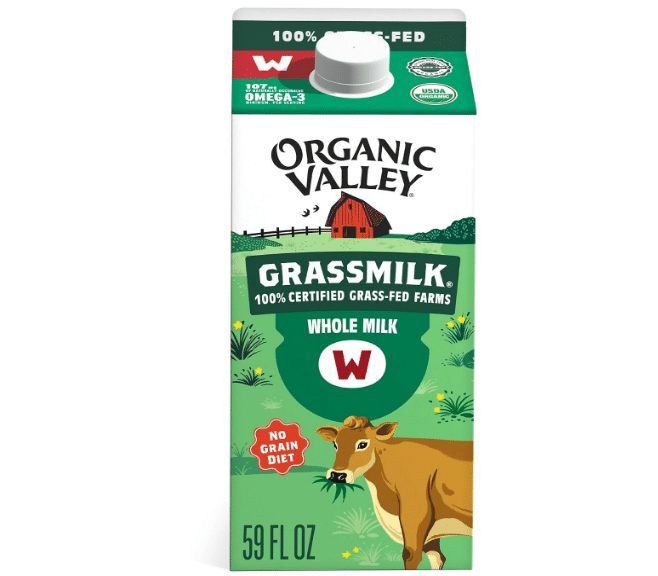
Organic Valley is a farmer-owned cooperative and one of the most trusted names in organic dairy. Their products come from family farms that follow strict organic standards, with many offerings going beyond baseline requirements through grass-fed and regenerative practices. Milk, butter, cheese, and yogurt are widely available and consistently well-reviewed.
Approximate Price: $4–$12 depending on product and size (e.g., half-gallon milk, butter sticks).
Key Features & Benefits:
- Farmer-owned cooperative model
- USDA Organic certification
- Grass-fed and pasture-raised options
- Wide range of dairy products
- Strong transparency and animal-welfare focus
Pros: Excellent reputation for integrity; high-quality taste; supports family farms; reliable availability.
Cons: Premium pricing compared with conventional dairy; some products have limited regional stock.
Amazon Customer Ratings & Reviews: Typically 4.6+ stars across core dairy items. Customers praise flavor, creaminess, and the knowledge that they are supporting organic family farms.
Why It’s a Good Choice: It combines rigorous organic standards with a cooperative structure that prioritizes farmers and land stewardship.
Ideal Use Case / Who Should Buy It: Households seeking trustworthy organic milk, butter, and cheese who value farmer ownership and higher animal-welfare standards.
2. Bob’s Red Mill – Best Organic Grains, Flours & Oats
Bob’s Red Mill has built a strong reputation for high-quality organic grains, flours, oats, seeds, and baking ingredients. Their organic line is known for clean facilities, consistent certification, and products that perform well in both everyday cooking and specialty baking.

Approximate Price: $5–$15 for common sizes (e.g., organic rolled oats, almond flour, quinoa).
Key Features & Benefits:
- Broad organic grain and flour selection
- Consistent USDA Organic certification
- Clean production standards
- Suitable for baking, breakfast, and cooking
- Widely available in multiple sizes
Pros: Excellent quality and consistency; versatile product range; strong customer trust.
Cons: Some specialty items carry a higher price; packaging can be bulky for small households.
Amazon Customer Ratings & Reviews: Frequently 4.7–4.8 stars. Users highlight the clean taste of the oats and reliable performance in recipes.
Why It’s a Good Choice: It is one of the most dependable sources for organic pantry staples that form the foundation of healthier cooking.
Ideal Use Case / Who Should Buy It: Home cooks and bakers who want reliable organic grains, flours, and oats for everyday meals and baking.
3. Eden Foods – Best Organic Pantry Staples & Beans
Eden Foods is a long-standing organic brand known for pantry staples, beans, tomatoes, and traditional foods. They emphasize traditional processing methods, BPA-free packaging where relevant, and a commitment to organic integrity that has earned strong credibility among clean-eating consumers.

Approximate Price: $3–$10 for canned beans, sauces, and staples.
Key Features & Benefits:
- Long history of organic commitment
- High-quality beans, grains, and pantry items
- Attention to packaging and processing
- Traditional and minimally processed options
- Strong brand reputation for purity
Pros: Excellent ingredient quality; trusted by long-time organic shoppers; good value in core staples.
Cons: Smaller product range than some larger brands; availability can vary.
Amazon Customer Ratings & Reviews: Solid 4.6+ stars. Customers appreciate the clean taste and reliable organic standards.
Why It’s a Good Choice: It delivers pantry essentials with a focus on integrity that many larger brands no longer match.
Ideal Use Case / Who Should Buy It: Shoppers stocking organic beans, tomatoes, and traditional pantry items who prioritize long-standing organic credentials.
4. Nature’s Path – Best Organic Cereal & Breakfast
Nature’s Path is a go-to brand for organic breakfast cereals, granolas, and related products. They maintain a strong non-GMO and organic focus and offer options that appeal to families looking for cleaner morning meals.

Approximate Price: $4–$8 per box or bag.
Key Features & Benefits:
- Wide range of organic cereals and granolas
- Non-GMO and USDA Organic focus
- Family-friendly flavors and formats
- Commitment to organic farming
- Readily available on Amazon
Pros: Convenient breakfast options; good flavor variety; solid organic standards.
Cons: Some products still contain notable amounts of sugar; not the most minimal-ingredient choice.
Amazon Customer Ratings & Reviews: Generally 4.5+ stars. Families appreciate the organic certification and kid-friendly options.
Why It’s a Good Choice: It makes organic breakfast accessible and appealing for everyday households.
Ideal Use Case / Who Should Buy It: Families and individuals seeking organic cereal and granola options that are easy to find and enjoyable to eat.
5. Mary’s Gone Crackers – Best Organic Crackers & Snacks
Mary’s Gone Crackers specializes in organic, gluten-free crackers and snacks made from whole grains and seeds. The brand emphasizes minimally processed, consciously sourced ingredients and has become a favorite for clean snacking.

Approximate Price: $5–$8 per box.
Key Features & Benefits:
- Certified organic and often gluten-free
- Whole-grain and seed-based recipes
- Minimally processed
- Strong sustainability and sourcing focus
- Crunchy, satisfying texture
Pros: Clean ingredient lists; great for snacking and entertaining; widely praised taste.
Cons: Premium price per ounce; some varieties are denser than conventional crackers.
Amazon Customer Ratings & Reviews: Typically 4.5+ stars. Customers love the flavor and the fact that the crackers feel substantial and wholesome.
Why It’s a Good Choice: It elevates everyday snacking with organic, whole-food ingredients that still deliver satisfying crunch.
Ideal Use Case / Who Should Buy It: Anyone looking for cleaner cracker and snack options, especially those avoiding gluten or prioritizing whole grains.
6. Earth’s Best – Best Organic Baby Food
Earth’s Best is a leading organic baby-food brand known for purees, cereals, and snacks formulated for infants and toddlers. The brand focuses on organic ingredients and has performed well in independent testing for heavy metals relative to many competitors.
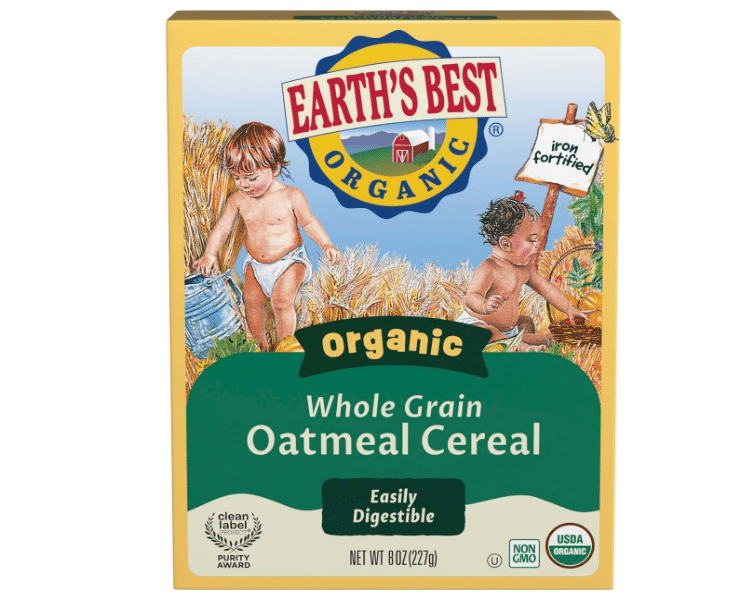
Approximate Price: $15–$25 for multi-packs of pouches or jars.
Key Features & Benefits:
- USDA Organic certification
- Wide range of stage-appropriate baby foods
- Emphasis on vegetable and fruit blends
- Convenient pouch and jar formats
- Strong reputation among parents
Pros: Trusted organic option for babies; good variety; convenient packaging.
Cons: Some products still contain fruit-heavy blends; price is higher than conventional baby food.
Amazon Customer Ratings & Reviews: 4.6–4.8 stars across popular items. Parents appreciate the organic certification and ease of use.
Why It’s a Good Choice: It provides a reliable, widely available organic starting point for introducing solid foods.
Ideal Use Case / Who Should Buy It: Parents seeking certified organic baby food that is easy to find and feed on the go.
7. Orgain – Best Organic Protein & Plant-Based Nutrition
Orgain offers organic plant-based protein powders, shakes, and nutrition products designed for everyday use. The brand emphasizes clean ingredients, organic certification, and formulations that appeal to both fitness-focused and general wellness consumers.

Approximate Price: $25–$35 for standard protein powder sizes.
Key Features & Benefits:
- Organic plant-based protein options
- Added nutrition (fiber, vitamins in some formulas)
- Convenient powder and ready-to-drink formats
- Suitable for smoothies and baking
- Strong brand presence on Amazon
Pros: Clean protein source; good mixability and flavor options; organic certification.
Cons: Premium pricing; some users prefer single-ingredient proteins.
Amazon Customer Ratings & Reviews: 4.5+ stars. Customers value the organic status and versatility for daily nutrition.
Why It’s a Good Choice: It makes organic plant protein accessible and practical for everyday routines.
Ideal Use Case / Who Should Buy It: Anyone looking for an organic protein powder or plant-based nutrition boost that fits into smoothies or meals.
8. Simply Organic – Best Organic Spices & Seasonings
Simply Organic provides a full line of certified organic spices, herbs, and seasoning blends. The brand focuses on pure, single-origin and blended spices that elevate everyday cooking without additives.
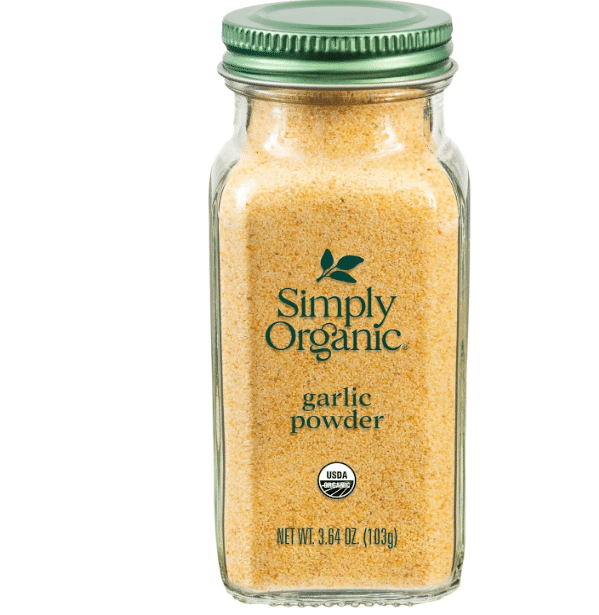
Approximate Price: $5–$10 per jar or bottle.
Key Features & Benefits:
- USDA Organic spices and blends
- Wide variety of single spices and mixes
- Clean ingredient profiles
- Good potency and aroma
- Convenient for both everyday and specialty cooking
Pros: Excellent quality and freshness; pure organic spices; versatile range.
Cons: Higher cost than conventional spice brands; smaller jars in some cases.
Amazon Customer Ratings & Reviews: Frequently 4.7–4.8 stars. Home cooks praise the flavor intensity and clean labels.
Why It’s a Good Choice: Spices are used in small amounts but make a big difference; organic versions from a trusted brand improve both taste and ingredient quality.
Ideal Use Case / Who Should Buy It: Home cooks who want to upgrade their spice cabinet with certified organic options.
9. ALOHA – Best Organic Protein Bars / Snacks
ALOHA produces organic, plant-based protein bars with clean ingredient lists and balanced nutrition. The brand focuses on whole-food components and avoids many common additives found in conventional bars.
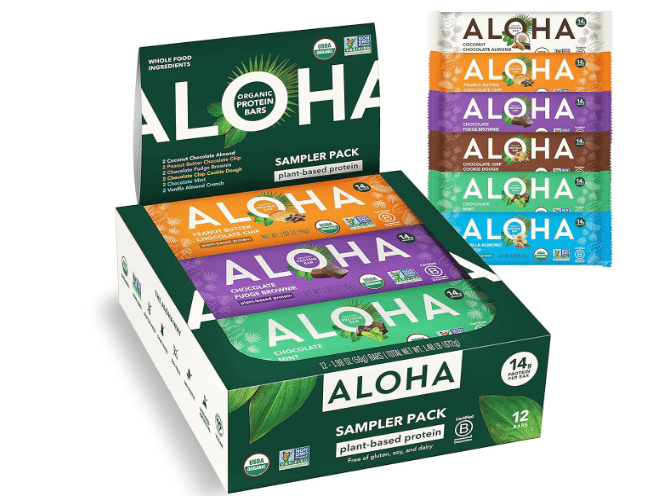
Approximate Price: $20–$30 for multi-packs.
Key Features & Benefits:
- Organic and plant-based formulas
- Solid protein content with lower sugar in many varieties
- Clean, recognizable ingredients
- Convenient on-the-go format
- Strong flavor options
Pros: Cleaner alternative to many protein bars; good macros; organic certification.
Cons: Premium price; texture preferences vary by user.
Amazon Customer Ratings & Reviews: Around 4.6 stars. Customers appreciate the ingredient quality and taste relative to other “clean” bars.
Why It’s a Good Choice: It delivers convenient organic protein in a format that fits busy lifestyles without heavy processing.
Ideal Use Case / Who Should Buy It: Anyone needing a portable organic protein snack that aligns with cleaner-eating goals.
10. Thrive Market Private Label / Strong Value Alternative – Best Value Organic Staples
Thrive Market’s private-label organic products (and similar high-value organic lines available on Amazon) offer pantry staples, oils, snacks, and basics at competitive prices while maintaining organic certification. These options help make organic eating more accessible.
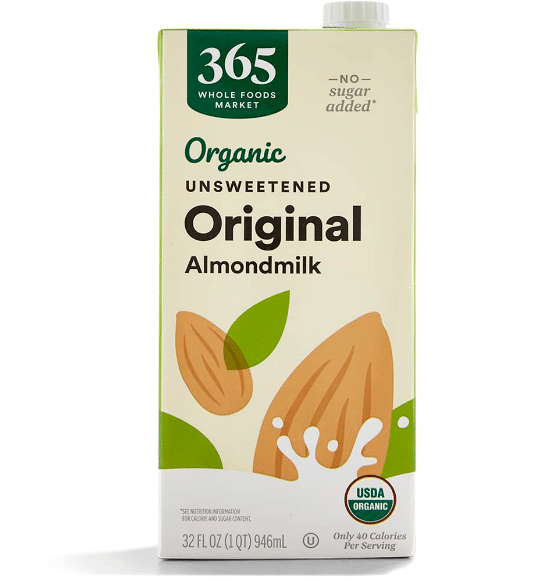
Approximate Price: Varies widely; often 20–40% below comparable name brands for members or bulk buys.
Key Features & Benefits:
- Competitive pricing on organic essentials
- Broad range of pantry and snack items
- USDA Organic certification on private-label goods
- Convenient online ordering
- Focus on accessibility
Pros: Strong value; wide selection; helps reduce the cost of organic shopping.
Cons: Membership model for full benefits on some platforms; selection can change.
Amazon Customer Ratings & Reviews: Generally 4.5+ stars on core private-label items. Shoppers highlight the savings and quality relative to price.
Why It’s a Good Choice: It addresses the biggest barrier to organic eating—cost—while still delivering certified products.
Ideal Use Case / Who Should Buy It: Budget-conscious households that want to increase organic purchases without overspending.
Buying Guide: How to Choose Organic Food Brands
Look for the USDA Organic seal as a baseline. Prioritize organic for the Dirty Dozen produce items, dairy, and foods you eat frequently. Check for additional transparency (farmer-owned, third-party testing, minimal processing). Compare unit prices and consider bulk or subscription options to manage cost. Match brands to your needs—dairy, grains, baby food, protein, or spices—rather than expecting one brand to cover everything.
Common Mistakes to Avoid
- Assuming every product labeled “organic” is equally high quality or minimally processed.
- Paying premium prices for low-priority items while skipping organic on high-exposure foods.
- Ignoring ownership and actual farming practices behind the label.
- Buying organic versions of ultra-processed foods that offer limited benefit.
Frequently Asked Questions
Is organic food really better?
Organic farming restricts synthetic pesticides and fertilizers and prohibits GMOs. For many people the benefits are strongest for certain produce, dairy, and foods consumed daily.
How can I save money on organic?
Focus organic spending on the Dirty Dozen, buy store or private-label organic brands, purchase in bulk, and use subscriptions or membership discounts.
Which organic brands are truly independent?
Some (like Organic Valley’s cooperative model and certain smaller brands) remain farmer- or independently owned; many others have been acquired by larger companies. Check current ownership if this matters to you.
Are Amazon organic products reliable?
Products carrying the USDA Organic seal sold on Amazon must meet the same certification standards. Check seller ratings and reviews for freshness and packaging quality.
Final Recommendations & Verdict
For most people seeking the 10 best organic food brands, start with Organic Valley for dairy, Bob’s Red Mill for grains and oats, Eden Foods for pantry staples, and Simply Organic for spices. Add Earth’s Best if you have a baby, Orgain or ALOHA for protein needs, and Mary’s Gone Crackers or Nature’s Path for snacks and breakfast. Use value-oriented organic lines to stretch your budget.
The most effective approach is to choose a few trusted brands for the foods you buy most often, verify the USDA Organic seal, and build from there. Select the products that match your priorities—taste, integrity, convenience, or value—and enjoy cleaner everyday eating with confidence.
Check current Amazon pricing, start with one or two categories, and upgrade your pantry with brands you can trust.