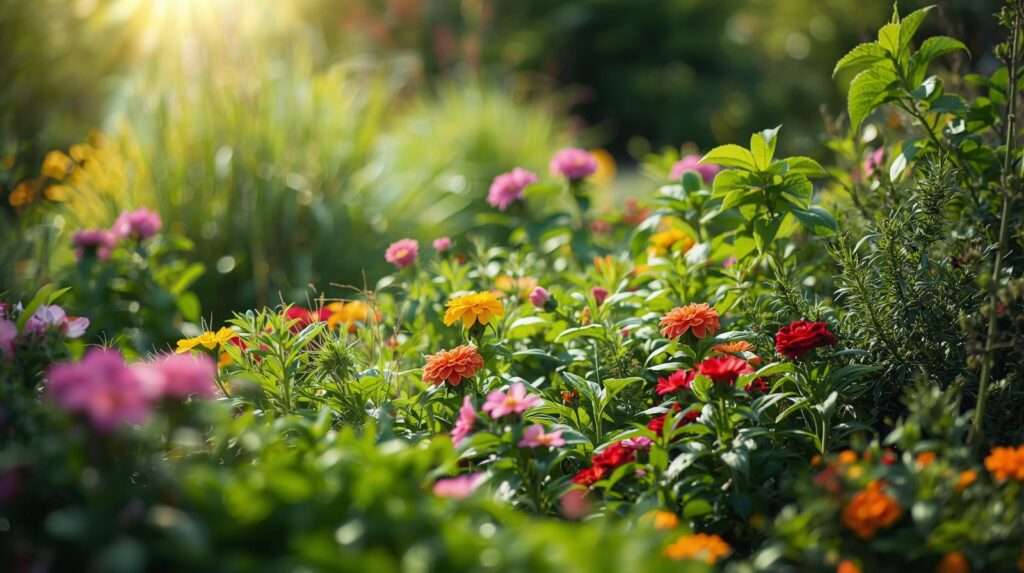
It’s one of the most frustrating myths in gardening: the idea that vibrant, blooming gardens can only exist under full, blazing sunlight. If your property features heavy tree canopies, north-facing walls, or narrow building alleys, you’ve likely watched dark corners sit as bare dirt or struggle with patchy grass. But low-light areas don’t have to stay drab or lifeless. Finding the best flowers for full shade allows you to turn those dim, forgotten pockets into lush, colorful retreats that thrive year after year.
The Real Challenge with Low-Light Gardening
The core issue most gardeners run into isn’t a lack of effort—it’s picking the wrong plants for low-light environments. Most popular blooming varieties are genetically hardwired to require hours of intense direct UV rays to generate energy. When planted in deep shade, these light-hungry plants react poorly:
-
Leggy growth and weak stems: Plants stretch frantically toward any nearby light source, becoming weak, sparse, and flopping over.
-
Dropped buds and zero blooms: Without enough light to fuel energy production, plants abort their flower buds before they can open.
-
Root rot and fungal issues: Shaded soil stays cool and wet much longer. Sun-loving plants in these conditions suffer from waterlogged roots, leading to rot and fungal infections.
Buying sun-loving annuals and placing them in deep shade leads to wasted time and money.
The Solution: Specialized Shade-Tolerant Varieties
The secret to a thriving shade garden lies in selecting species naturally adapted to forest floors and understory environments. These plants feature broader leaves to catch dappled light and specialized photosynthetic systems designed to produce rich blooms in under 2 to 4 hours of filtered sunlight. Even better, many of the top-performing, nursery-grown live plants are available directly on Amazon with doorstep delivery guarantees.
Below is a simple, mobile-friendly summary table to help you compare the best flowers for full shade based on your space and aesthetic goals:
Quick-Nav Product Comparison
| Plant Name | Best Use Case | Rating |
| Astilbe (False Spirea) | Feathered background plumes for moist beds | 9.6 / 10 |
| Helleborus (Lenten Rose) | Year-round evergreen groundcover under trees | 9.8 / 10 |
| Begonia (Nonstop Series) | Continuous patio pot & hanging basket blooms | 9.4 / 10 |
| Heuchera (Coral Bells) | Bright architectural foliage and border edging | 9.5 / 10 |
| Tricyrtis Hirta (Toad Lily) | Exotic orchid-like blooms for late autumn color | 9.1 / 10 |
II. The Ultimate Shade Flower Buying Guide (How to Choose)
Choosing plants for a low-light space requires matching the microclimate of your garden bed to the right root and foliage adaptations.
Understanding Shade Levels
Not all shade is created equal. Knowing your exact light condition prevents buying errors:
-
Partial Shade (3–6 hours of sun): Usually receives direct morning sun followed by harsh afternoon shade. Perfect for most traditional perennials.
-
Full Shade (Less than 3 hours of direct sun): Receives dappled sunlight filtered through high tree branches or indirect reflected light from nearby walls all day.
-
Deep/Dense Shade (No direct sunlight): Found under dense evergreen trees or inside enclosed covered courtyards. Requires shade-obligate species like Hellebores or Ferns.
Soil & Moisture Dynamics in the Shade
Shade beds present two contrasting soil challenges:
-
Dry Shade (Tree Root Competition): Established tree roots absorb water and nutrients rapidly, leaving the topsoil dry and barren. Plants like Helleborus excel here due to deep, tough root systems.
-
Wet Shade (Poor Evaporation): Low-light areas without tree roots retain moisture for days. Plants like Astilbe and Tricyrtis require this high moisture level to keep their leaves from crisping.
Hardiness Zones & Longevity
Decide whether you want long-term landscaping investment or rapid seasonal color:
-
Perennials (USDA Zones 3–9): Return every year, growing larger over time (Astilbe, Hellebores, Heuchera, Toad Lilies).
-
Shade Annuals (or Tender Perennials): Provide nonstop blooming power from spring through frost but must be replanted yearly in cold climates (Begonias).
III. In-Depth Product Reviews & Top Recommendations
1. Astilbe (False Spirea) Live Plants / Bare Roots
-
Product Overview: Astilbe is widely celebrated as the crown jewel of woodland perennial beds. Producing dense, feathery plumes above delicate, fern-like foliage, this plant brings vertical elegance and bright pastel tones into low-light landscapes.
-
Price Range: ~$14.99 – $24.99 (varies by pot size or multi-root pack).
-
Key Features & Benefits:
-
Exceptional Shade Performance: Thrives seamlessly in partial to 100% full shade environments.
-
Pest & Pestilence Resistance: Naturally unpalatable to deer and rabbits due to fibrous stem structures.
-
Mid-Summer Bloom Power: Fills the summer blooming gap when spring bulbs fade.
-
-
Pros & Cons:
-
Pros: Striking vertical architectural lines; highly attractive to native pollinators; low long-term maintenance.
-
Cons: Requires consistently moist soil; leaves scorch quickly if allowed to dry out completely.
-
-
Amazon Customer Ratings & Sentiment: 4.4 out of 5 stars. Buyers frequently highlight how quickly nursery roots establish once planted in rich, compost-amended soil.
-
Why It’s a Good Choice for Full Shade: Astilbe’s natural habitat is moist streambanks and forest floors, making its cellular makeup ideal for capturing indirect light.
-
Ideal Use Case: Homeowners looking to add colorful background borders along shaded property lines or damp woodland paths.
2. Helleborus (Lenten Rose) Live Nursery Plants
-
Product Overview: If you need a virtually indestructible evergreen flower for deep shade, Hellebores are unmatched. Blooming in late winter to early spring—frequently while snow is still on the ground—they display thick, leathery leaves with cup-shaped flowers in burgundy, pink, cream, and green.
-
Price Range: ~$15.99 – $28.00 per 1-quart to 1-gallon live plant.
-
Key Features & Benefits:
-
True Evergreen Structure: Dark green foliage stays intact through winter, preventing bare soil spots.
-
Dry-Shade Tolerant: Deep taproots allow mature plants to survive under thirsty oak and maple trees.
-
Maximum Wildlife Resistance: Contains natural compounds that deter deer, rabbits, and voles completely.
-
-
Pros & Cons:
-
Pros: Unbeatable cold hardiness; blooms early in the season; thrives in dry shade.
-
Cons: Higher upfront cost per live plant; slow grower during its first season.
-
-
Amazon Customer Ratings & Sentiment: 4.6 out of 5 stars. Gardeners praise these plants for their longevity, noting they reliably return bigger and stronger every year.
-
Why It’s a Good Choice for Full Shade: Naturally adapted to floor beds beneath dense deciduous canopies, flowering before overhead trees produce leaves.
-
Ideal Use Case: Anyone dealing with dry, root-filled soil under large trees who wants permanent, low-maintenance evergreen coverage.
3. Begonia (Nonstop / Dragon Wing Series) Live Plants
-
Product Overview: For sheer volume of non-stop floral output from May until the first autumn freeze, begonias are the gold standard for low-light container gardening. Featuring fleshy, glossy leaves and rosette-like blooms in fiery shades of scarlet, orange, yellow, and soft pink, they transform dim porches into tropical displays.
-
Price Range: ~$18.99 – $29.99 (multi-pack starter sets or potted specimens).
-
Key Features & Benefits:
-
Continuous Bloom Cycle: Produces fresh flower heads constantly without requiring manual deadheading or trimming.
-
Exceptional Heat & Humidity Tolerance: Maintains crisp, vibrant foliage even during sweltering midsummer heatwaves.
-
Self-Cleaning Nature: Spent blooms drop off cleanly on their own, keeping containers looking freshly manicured.
-
-
Pros & Cons:
-
Pros: Maximum color density per square foot; ideal for hanging baskets and window boxes; drought-tolerant once established.
-
Cons: Tender annual in USDA zones under 9; succumbs to frost; succulent stems can snap in strong gusty winds.
-
-
Amazon Customer Ratings & Sentiment: 4.3 out of 5 stars. Reviewers consistently applaud how quickly these plants fill out hanging pots and brighten north-facing entryways.
-
Why It’s a Good Choice for Full Shade: Begonias utilize efficient metabolic pathways that produce vibrant red and orange pigments without requiring harsh UV exposure.
-
Ideal Use Case: Urban gardeners, apartment dwellers, and homeowners wanting high-impact color on shaded patios, balconies, or covered front porches.
4. Heuchera (Coral Bells) Live Perennial Plants
-
Product Overview: While famous for their ruffled leaves ranging from deep mahogany and electric lime to rich amber, Coral Bells also send up slender, wand-like flower stems loaded with delicate bell-shaped blooms. They offer a dual-purpose solution for adding year-round structure and summer flowers to low-light borders.
-
Price Range: ~$8.99 – $19.99 per established live plant.
-
Key Features & Benefits:
-
Four-Season Foliage Color: Leaf color remains rich through spring, summer, and fall (and stays semi-evergreen in milder winters).
-
Pollinator Attraction: Micro-bells attract hummingbirds and bees into shaded garden beds throughout June and July.
-
Compact Mounding Growth: Grows in neat 12-to-18-inch mounds that won’t invade adjacent plants.
-
-
Pros & Cons:
-
Pros: Incredible leaf color diversity; highly adaptable across various soil types; excellent border edging plant.
-
Cons: Shallow root crowns can heave out of the ground during freeze-thaw winter cycles if not mulched properly.
-
-
Amazon Customer Ratings & Sentiment: 4.5 out of 5 stars. Customers value Heuchera for its low maintenance and striking contrast when paired alongside ferns or hostas.
-
Why It’s a Good Choice for Full Shade: Highly efficient leaf pigments allow Heuchera to thrive on minimal indirect light while maintaining rich coloration.
-
Ideal Use Case: Landscapers and home gardeners seeking colorful, tight border edging along shaded walkways or around tree bases.
5. Tricyrtis Hirta (Toad Lily) Live Nursery Roots
-
Product Overview: Toad Lilies are the hidden gems of the fall garden. Appearing almost like delicate wild orchids, these shade-loving perennials bloom late in the season when most other plants are winding down. Each stem displays starry white-to-pale-lavender petals heavily speckled with deep magenta dots.
-
Price Range: ~$12.99 – $22.00 (varies by bare root vs. potted format).
-
Key Features & Benefits:
-
Unique Autumn Bloom Window: Flowers reliably from August through October, extending garden color into late autumn.
-
Shade-Obligate Nature: Thrives in deep, dappled shade and actually burns if subjected to hot afternoon sun.
-
Exotic Visual Appeal: Intricate bloom structure makes it an immediate talking point along close-up garden paths.
-
-
Pros & Cons:
-
Pros: Exotic appearance; flowers when the rest of the garden is dormant; hardy across USDA zones 4–9.
-
Cons: Requires consistently moist, acidic woodland soil; slow to emerge in early spring.
-
-
Amazon Customer Ratings & Sentiment: 4.2 out of 5 stars. Plant enthusiasts praise Toad Lilies for their unusual aesthetic and resilience in cool, dark spots.
-
Why It’s a Good Choice for Full Shade: Evolutionary origins on shaded forest slopes in East Asia make this plant naturally suited for low-light, high-moisture ground.
-
Ideal Use Case: Collectors and experienced gardeners looking to add late-season interest to shaded woodland gardens or moisture-retentive beds.
IV. Amazon Buying Guide: Live Plant Delivery & Care Tips
Ordering live plants online via Amazon is convenient, but taking the proper post-delivery steps ensures high survival and fast establishment:
-
Unbox Immediately Upon Arrival: Unpack your plants as soon as they arrive. Place them outdoors in a protected, shaded area and give them a thorough soak with lukewarm water to alleviate transit stress.
-
Acclimate Before Planting: Allow live nursery plants 24 to 48 hours to adjust to your local outdoor temperature and humidity before moving them into the ground.
-
Soil Preparation for Shade Beds: Shaded soil is often compacted or nutrient-deprived due to nearby tree roots. Work 2–3 inches of organic compost or leaf mold into the top 6 inches of soil to improve aeration, drainage, and nutrient content.
-
Proper Mulching Techniques: Apply a 2-inch layer of shredded bark mulch around your shade plants. This keeps moisture from evaporating quickly and insulates root systems during winter, but keep mulch 1 inch away from main plant stems to prevent rot.
V. Frequently Asked Questions (FAQ)
Can flowers really bloom in 100% full shade?
Yes! True shade-tolerant plants like Helleborus and Begonias are genetically adapted to produce flowers using low levels of indirect ambient light. However, “100% shade” still requires indirect ambient daylight (such as under a tree canopy or porch overhang). Total pitch-black darkness will not support plant life.
What is the exact difference between partial shade and full shade?
-
Partial Shade: The plant receives 3 to 6 hours of direct sunlight daily, usually during early morning or late afternoon.
-
Full Shade: The location gets less than 3 hours of direct sunlight per day, relying instead on filtered, dappled, or reflected light throughout the day.
How do I keep shade-loving flowers blooming all summer long?
To maximize blooms, ensure consistent soil moisture (shade plants dry out surprisingly fast due to tree root competition) and apply a balanced, slow-release liquid fertilizer formulated for flowering plants every 4 to 6 weeks during the growing season.
Which perennial shade flowers come back every single year?
Astilbe, Helleborus (Lenten Rose), Heuchera (Coral Bells), and Tricyrtis (Toad Lily) are all cold-hardy perennials across most USDA growing zones. Once planted and established, they will return reliably every spring with increased size and vigor.
VI. Final Verdict & Recommendation
Building a vibrant garden in low-light conditions comes down to choosing plants engineered by nature for the shade:
-
Best Overall Perennial: Helleborus (Lenten Rose) taking top honors for its year-round evergreen foliage, extreme drought tolerance, and early-spring blooms that withstand deer and cold weather.
-
Best for Patios & Hanging Baskets: Begonia (Nonstop Series) for continuous, non-stop summer bloom production without direct sunlight.
-
Best for Background Foliage & Texture: Astilbe for dramatic vertical plumes and Heuchera for rich, four-season leaf color along pathways.