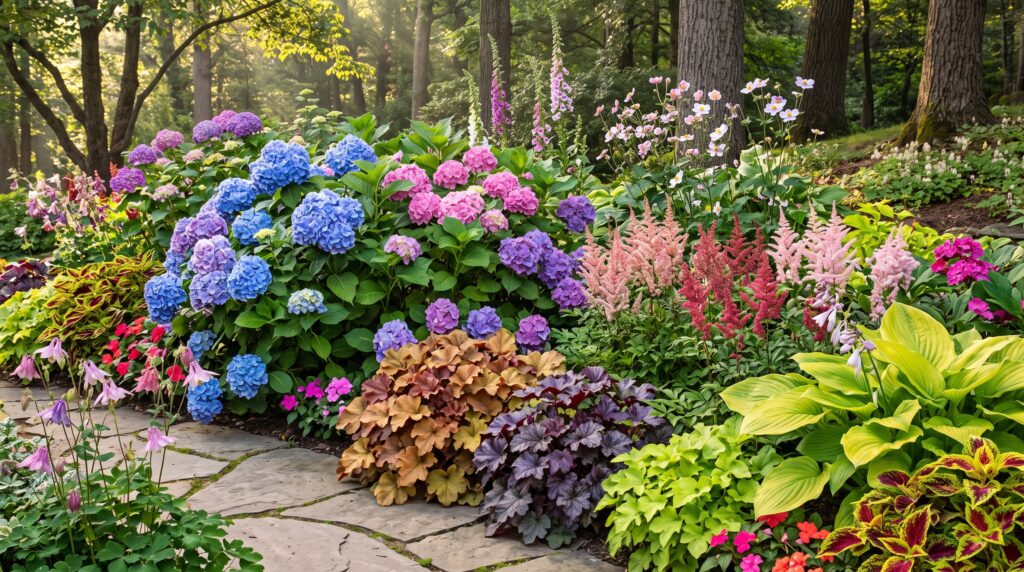
Finding the right plants for the “in-between” zones of your garden can be incredibly frustrating. These tricky spots often receive too much direct light for delicate deep-shade varieties—leaving their leaves scorched and crispy—yet they lack the sustained energy required to keep full-sun perennials from becoming leggy and bloomless. The secret to mastering these transitional areas is embracing the concept of “partial shade,” which typically means three to six hours of cool morning sun followed by reliable protection from the intense afternoon heat. To help you stop guessing and start planting, we have compiled a data-backed list of the 10 best partial shade plants available for direct delivery on Amazon. We rigorously evaluated these top-rated selections for shipping hardiness, customer success rates, and their overall landscape impact, ensuring you can confidently cultivate a thriving, dynamic garden.
Quick Comparison Guide
A quick, scannable guide to help you find exactly what you need at a glance.
| Plant | Best For | Key Trait |
| Hydrangea macrophylla | Best Overall Shrub | Massive, color-changing blooms |
| Heuchera (Coral Bells) | Best Foliage Color | Ruffled, vibrant year-round leaves |
| Astilbe | Best Summer Plumes | Feathery, upright flower spikes |
| Sun-Tolerant Hosta | Best Large Perennial | Huge, textured architectural leaves |
| Aquilegia (Columbine) | Best Native Plant | Intricate, bell-shaped wildflowers |
| New Guinea Impatiens | Best Container Annual | Continuous, neon-colored summer blooms |
| Japanese Anemone | Best Late-Season | Graceful, swaying autumn flowers |
| Digitalis (Foxglove) | Best Vertical Accent | Tall, dramatic bell-shaped spires |
| Coleus | Best Fast-Growing | Explosively colorful patterned foliage |
| Tiarella (Foamflower) | Best Groundcover | Low-growing woodland living mulch |
Buying Guide: How to Make an Informed Decision
Before you click “Add to Cart,” it is vital to understand the microclimate of your planting site. Partial shade is arguably the most versatile lighting condition in gardening, but it requires a bit of strategy.
1. Morning Sun vs. Afternoon Sun
When plant tags say “partial shade,” they almost always prefer morning sun. The sun’s rays from 7:00 AM to 11:00 AM are cooler and less intense, providing vital energy for blooming without burning delicate leaves. In contrast, three hours of direct, blazing afternoon sun (from 1:00 PM to 4:00 PM) can easily scorch woodland plants. Always prioritize east-facing beds or areas sheltered by deciduous trees for these plants.
2. Soil Moisture Requirements
Sunlight drives evaporation. Because partial shade areas dry out faster than deep shade but slower than full sun, you need to match your plant to the soil drainage. Shrubs like Hydrangeas and perennials like Astilbe are thirsty and require consistently moist (but not waterlogged) soil. Conversely, native wildflowers often prefer better drainage to prevent root rot.
3. Hardiness Zone Compatibility
Amazon ships live plants nationwide, so it is entirely up to you to verify that a perennial will survive your local winters. Check your USDA Hardiness Zone before buying. Keep in mind that annuals (like New Guinea Impatiens and Coleus) are meant to last only one season in most climates, making zone restrictions less critical for them.
In-Depth Product Reviews: The Top 5
1. Hydrangea macrophylla (Bigleaf Hydrangea) – Best Overall Flowering Shrub
Product Description
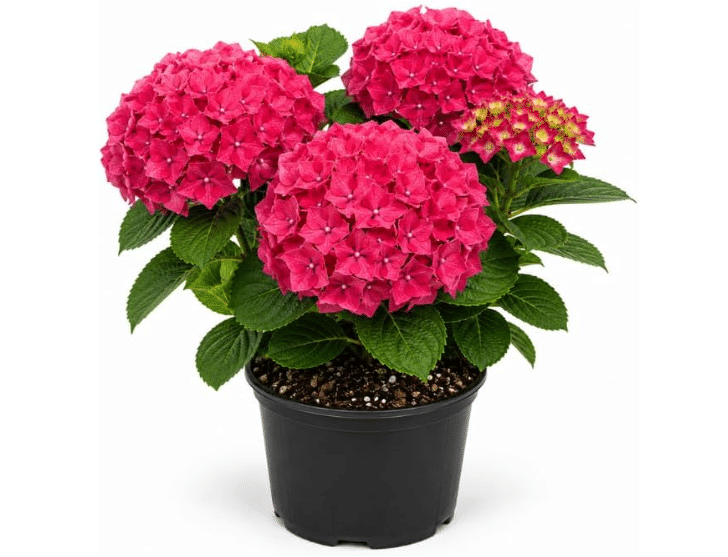
If you have an east-facing foundation or a woodland border that receives a few hours of gentle morning light, the Bigleaf Hydrangea is the undisputed king of partial shade. These classic, large-leafed deciduous shrubs produce breathtaking, massive globe-shaped flower clusters (mopheads) throughout the summer. The true magic of the macrophylla species is its sensitivity to soil pH: acidic soils yield deep blue flowers, while alkaline soils turn the blooms a vibrant pink.
-
Price:
-
Key Features & Benefits:
-
Produces massive, showy flowers spanning up to 8 inches across.
-
Customizable bloom colors based on simple soil amendments.
-
Fills large landscape voids quickly with its robust, bushy growth habit.
-
-
Pros and Cons:
-
Pros: Unmatched floral volume; excellent as cut flowers; long blooming season.
-
Cons: Highly water-dependent during summer heat (they will quickly wilt if dry); late spring frosts can nip the flower buds.
-
-
Amazon Customer Ratings & Reviews: Highly rated (typically 4.4/5 stars). Buyers frequently praise the secure packaging of 1-gallon and 2-gallon pots and report strong root systems upon unboxing.
-
Why it’s a good choice: It delivers a structural, high-impact floral display that smaller perennials simply cannot match.
-
Ideal use case or who should buy it: Homeowners looking for a grand, traditional look along the front of their house, or gardeners needing a sizable focal point in a dappled-light border.
2. Heuchera (Coral Bells) – Best for Foliage Color
Product Description
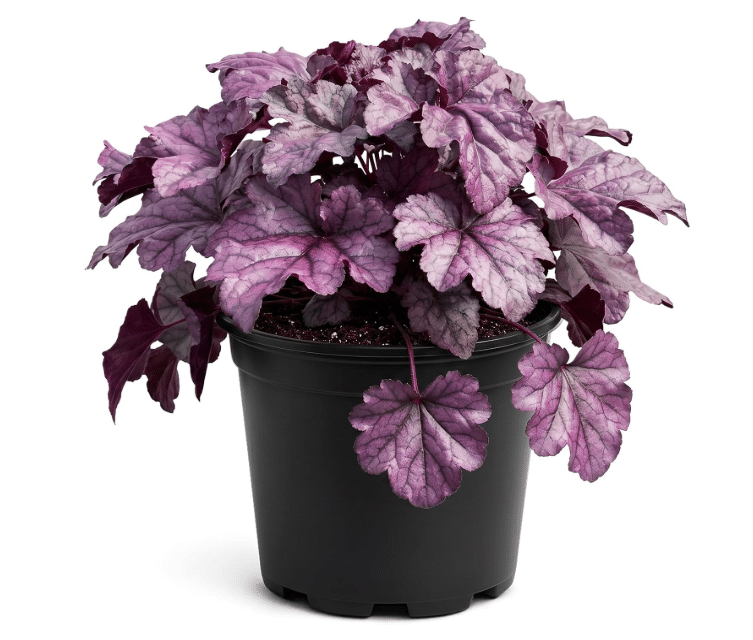
For areas where flowers struggle to take hold, Heuchera (Coral Bells) steps up to provide intense, non-stop color purely through its foliage. These low-profile, mounding perennials boast stunning, ruffled leaves available in an astonishing array of colors—from burnt caramel and deep purple to electric lime and soft peach. In late spring, delicate, wiry stems shoot up bearing tiny, bell-shaped flowers that hummingbirds adore.
-
Price:
-
Key Features & Benefits:
-
Evergreen or semi-evergreen in milder climates (Zones 4-9), offering winter interest.
-
Highly tolerant of partial shade and morning sun, which actually helps deepen their leaf coloring.
-
Low, compact growth habit perfect for neat edges.
-
-
Pros and Cons:
-
Pros: Vivid, year-round color that doesn’t rely on fleeting bloom times; low maintenance.
-
Cons: Shallow root systems can suffer from frost heaving in winter; prone to vine weevils in some regions.
-
-
Amazon Customer Ratings & Reviews: Averages 4.5/5 stars. Customers love the instant pop of color these provide straight out of the shipping box.
-
Why it’s a good choice: It offers constant visual interest. When other plants stop flowering and fade to plain green, Heuchera keeps your garden looking vibrant.
-
Ideal use case or who should buy it: Gardeners looking to neatly edge a partial-shade walkway, or those building mixed seasonal container gardens for a covered porch.
3. Astilbe – Best for Mid-Summer Plumes
Product Description
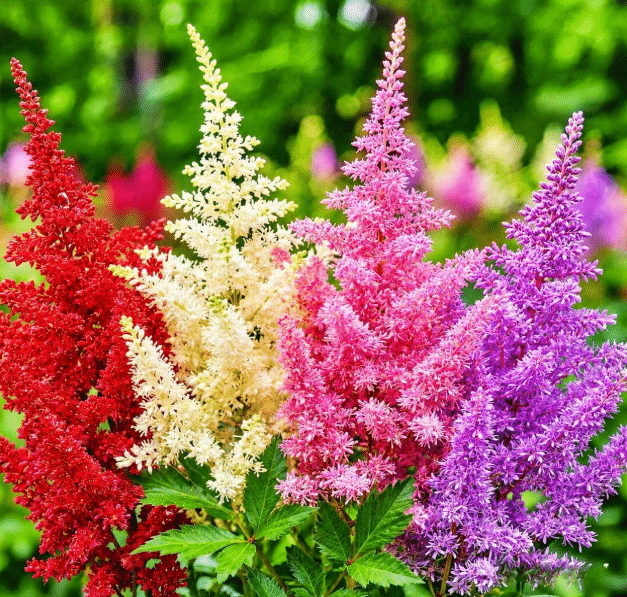
Astilbe brings an elegant, architectural softness to the garden. While many shade-tolerant plants focus on rounded, broad leaves, Astilbe features deeply cut, fern-like foliage topped with feathery, upright flower plumes in brilliant shades of red, pink, lavender, and white. They thrive in dappled sunlight, where the shifting rays perfectly highlight their textural blooms in mid-summer.
-
Price: $6.99
-
Key Features & Benefits:
-
Naturally deer and rabbit resistant.
-
Provides vital vertical height (18 to 36 inches) in perennial borders.
-
Blooms heavily during the mid-summer gap when early spring flowers are gone.
-
-
Pros and Cons:
-
Pros: Unique, fluffy floral texture; attracts butterflies; very cold hardy.
-
Cons: Highly sensitive to drought. If the soil completely dries out, the foliage will crisp and brown rapidly.
-
-
Amazon Customer Ratings & Reviews: Averages 4.3/5 stars. Bare-root buyers note that they sprout remarkably fast in warm soil, though users emphasize the strict need for regular watering.
-
Why it’s a good choice: It adds essential vertical height and a soft, feathery texture to break up monotonous mounds of green leaves.
-
Ideal use case or who should buy it: Gardeners with naturally damp, moisture-retentive soil, or those planting near water features beneath a dappled tree canopy.
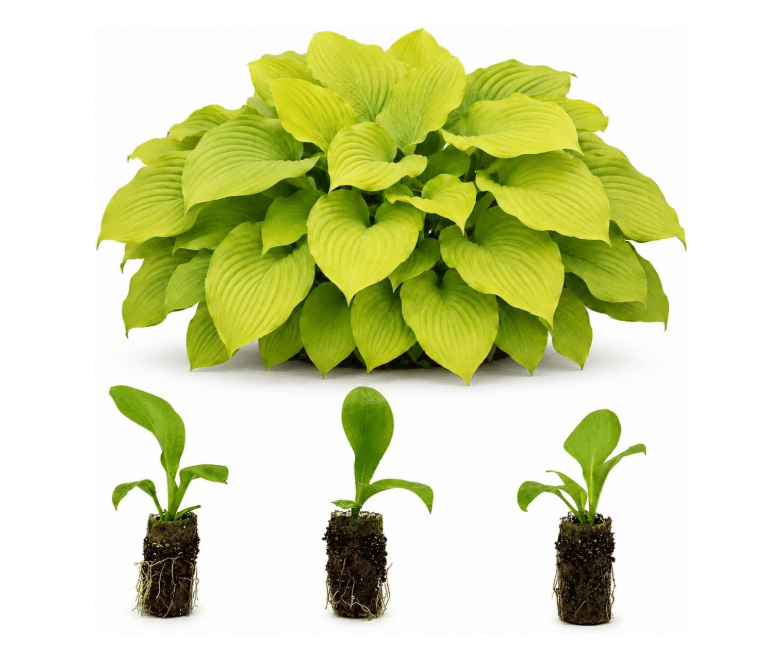
4. Sun-Tolerant Hosta (e.g., ‘Sum and Substance’) – Best Large-Scale Perennial
Product Description
While Hostas are famous for deep shade, certain varieties—particularly those with chartreuse, yellow, or thick leaves—actually require a few hours of direct morning sun to achieve their most vibrant coloring. A mammoth variety like ‘Sum and Substance’ can grow over 4 feet wide, boasting massive, heavily ribbed, golden-green leaves that create an immediate tropical feel. In late summer, tall scapes of pale lavender flowers attract pollinators.
-
Price: $23.99
-
Key Features & Benefits:
-
Gigantic, textured leaves that function as architectural focal points.
-
Extreme cold hardiness (down to Zone 3).
-
Excellent at suppressing weeds due to their dense, overlapping foliage.
-
-
Pros and Cons:
-
Pros: Incredibly tough and long-lived; fills massive spaces quickly with zero effort.
-
Cons: A favorite snack for browsing deer and garden slugs.
-
-
Amazon Customer Ratings & Reviews: Averages 4.6/5 stars. Reviewers are often stunned by the rapid growth rate of bare-root divisions within just one season.
-
Why it’s a good choice: It is the ultimate low-maintenance structural plant, offering massive ground coverage and striking color.
-
Ideal use case or who should buy it: Ideal for planting under high-canopy trees (like oaks or pines) where sunlight shifts throughout the day, or for those needing to fill large, empty garden beds on a budget.
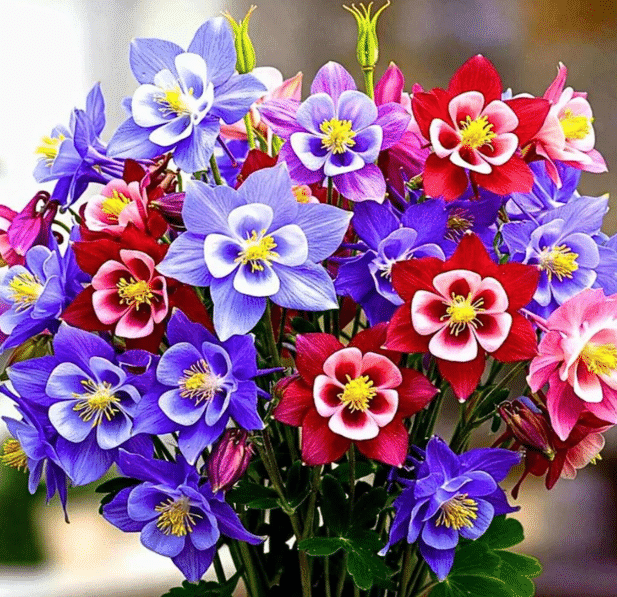
5. Aquilegia (Columbine) – Best Early Season Native
Product Description
If you want to cultivate a natural, woodland-meadow aesthetic, the native Columbine is a must-have. This delicate perennial features lacy, clover-like foliage and intricate, nodding, bell-shaped flowers. What makes Columbine unique are the long, backward-pointing “spurs” on the blooms. They thrive in the cool, dappled light of spring and early summer before the heavy heat sets in.
-
Price:
-
Key Features & Benefits:
-
Prolific self-seeder that will slowly naturalize and spread through your garden over the years.
-
One of the absolute best early-season nectar sources for hummingbirds and native bees.
-
Prefers well-draining soil and dappled morning sun.
-
-
Pros and Cons:
-
Pros: Highly intricate, mesmerizing blooms; excellent wildlife supporter; effortless cottage-garden look.
-
Cons: Foliage often declines or falls victim to harmless (but ugly) leaf-miner trails by late summer; relatively short-lived individual plants (relies on dropping seed).
-
-
Amazon Customer Ratings & Reviews: Averages 4.2/5 stars. Buyers love the delicate flowers but remind new gardeners not to deadhead them if they want the plant to drop seeds for next year.
-
Why it’s a good choice: It provides an effortless, whimsical wildflower aesthetic that looks naturally integrated into woodland edges.
-
Ideal use case or who should buy it: Native plant enthusiasts, hummingbird lovers, and those building naturalized, cottage-style borders under light tree cover.
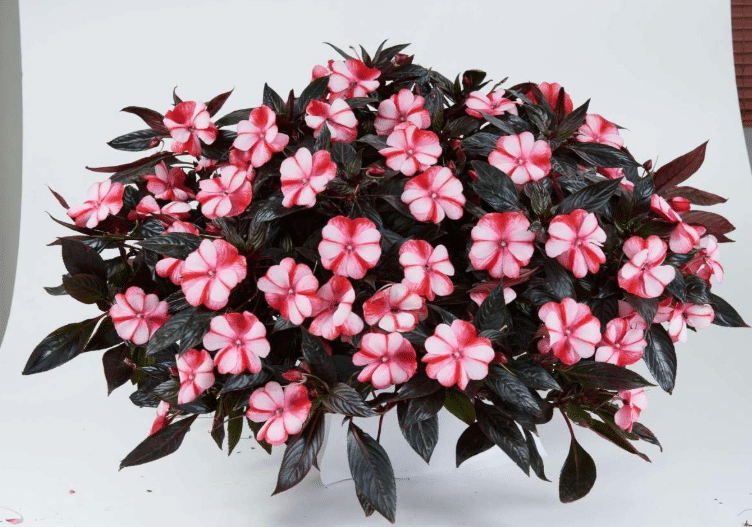
6. New Guinea Impatiens – Best Annual for Continuous Color
Product Description
While standard impatiens often melt under the sun or succumb to downy mildew, New Guinea Impatiens (Impatiens hawkeri) are bred for resilience. These vigorous annuals boast dark, glossy, lance-shaped leaves and large, flat-petaled flowers that come in saturated neon shades of magenta, orange, scarlet, white, and violet. They handle partial shade—especially gentle morning sun—exceptionally well, using that extra energy to produce nonstop blossoms from late spring until the first autumn freeze.
-
Price: $19.99
-
Key Features & Benefits:
-
Continuous, profuse blooming cycle with no deadheading required.
-
Naturally resistant to the impatiens downy mildew that affects older varieties.
-
Dense, compact habit (12 to 18 inches high and wide) ideal for tight planting spaces.
-
-
Pros and Cons:
-
Pros: Consistent color all season long; vibrant contrast against dark green foliage; self-cleaning flowers.
-
Cons: Non-hardy annual in most regions (killed by the first frost); wilts quickly if soil dries out completely.
-
-
Amazon Customer Ratings & Reviews: Averages 4.3/5 stars. Buyers frequently note that the plants rebound within 24 hours of watering after transit and begin setting buds within two weeks.
-
Why it’s a good choice: It delivers reliable, constant flower power in partly shaded areas where perennials only bloom for a couple of weeks.
-
Ideal use case or who should buy it: Container gardeners, window box designers, and anyone looking for instant, season-long curb appeal on an east-facing porch.
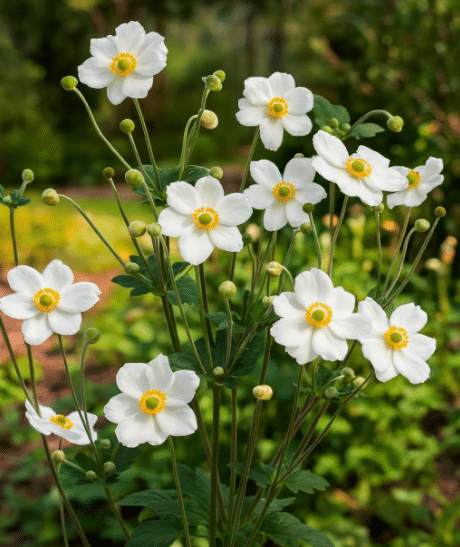
7. Japanese Anemone (Windflower) – Best Late-Summer and Fall Bloomer
Product Description
Just as most summer borders begin to look tired, Japanese Anemones (Anemone × hybrida) take center stage. These graceful perennials send up tall, wiry stems topped with delicate, saucer-shaped flowers in soft blush, rose, or pristine white, each anchored by a ring of golden-yellow stamens. Beneath the blooms lies a dense carpet of handsome, lobed, dark-green foliage that looks tidy from spring right through the end of the season.
-
Price: $
-
Key Features & Benefits:
-
Late-season bloom window (August through October) extending visual interest.
-
Long, flexible stems that sway gently in the wind without lodging.
-
Forms expanding colonies over time, functioning as an effective weed-suppressing groundcover.
-
-
Pros and Cons:
-
Pros: Bridges the difficult gap between late summer and early autumn; excellent cut flower; low pest trouble.
-
Cons: Can spread aggressively via underground runners in loose, rich soil; slow to establish in year one.
-
-
Amazon Customer Ratings & Reviews: Averages 4.4/5 stars. Reviewers highlight their graceful movement in the garden and their ability to endure crisp fall mornings without petal drop.
-
Why it’s a good choice: It keeps your partial shade garden alive and full of motion when other plants have finished blooming for the year.
-
Ideal use case or who should buy it: Gardeners seeking late-season color along woodland edges or in mixed borders beneath high-branching trees.
8. Digitalis (Foxglove) – Best Vertical Accent
Product Description
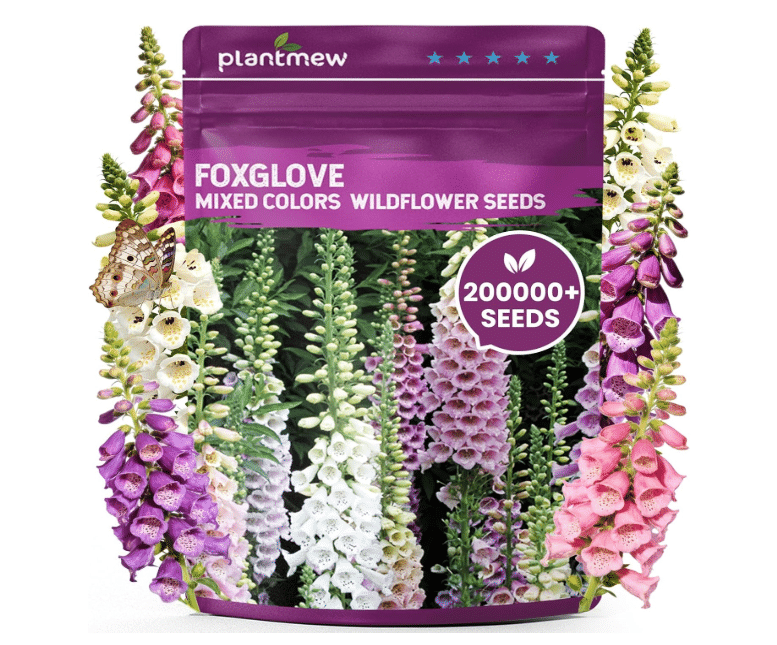
Nothing introduces architectural drama to a woodland border like the majestic spires of Digitalis. These classic cottage-garden plants feature towering flower spikes—reaching anywhere from 3 to 5 feet tall—packed with tubular, bell-shaped blooms that display intricate freckled throats. Because they naturally thrive along forest margins, they flourish in partial shade where the morning sun brings out their pastel tones while the canopy shields them from wilting midday heat.
-
Price: $6.99
-
Key Features & Benefits:
-
Striking vertical focal point that draws the eye upward.
-
A magnetic nectar source for bumblebees and hummingbirds.
-
Thrives in rich, slightly acidic, moisture-retentive woodland soils (Zones 4–8).
-
-
Pros and Cons:
-
Pros: Unmatched vertical grandeur; deer and rabbit resistant due to natural alkaloids.
-
Cons: Highly toxic to pets and humans if ingested; typically a biennial, requiring seed drop or staggered planting for continuous annual blooms.
-
-
Amazon Customer Ratings & Reviews: Averages 4.3/5 stars. Customers appreciate the strong stems and healthy root balls upon arrival, though many remind buyers to wear garden gloves when handling.
-
Why it’s a good choice: It provides the height and presence of sun-loving delphiniums, but tailored specifically for partly shaded woodland gardens.
-
Ideal use case or who should buy it: Traditional cottage garden enthusiasts and landscape designers needing a backdrop against fences, stone walls, or mature shrubs.
9. Coleus – Best Fast-Growing Foliage Annual
Product Description
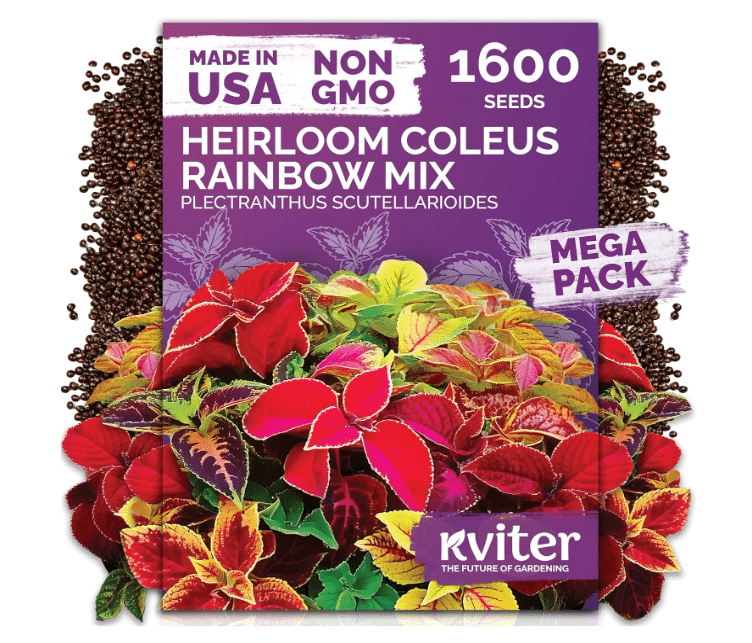
When you need fast color and cannot wait for blooms, Coleus (Plectranthus scutellarioides) provides an instant solution. Known for its velvety, serrated leaves patterned in electrifying shades of chartreuse, burgundy, coral, crimson, and neon pink, modern partial-shade varieties thrive when given a few hours of gentle morning rays. That light intensifies their leaf pigments without the risk of bleaching or leaf scorch caused by harsh afternoon glare.
-
Price:
-
Key Features & Benefits:
-
Extremely rapid growth rate, filling gaps in borders within weeks.
-
Endless color and pattern combinations to complement any design palette.
-
Easy to propagate by simply taking cuttings in water.
-
-
Pros and Cons:
-
Pros: High-impact visual drama; fast coverage; adapts seamlessly to pots and ground beds alike.
-
Cons: Sensitive to cold (will perish at the first sign of frost); flower spikes should be pinched off regularly to preserve leafy vigor.
-
-
Amazon Customer Ratings & Reviews: Averages 4.5/5 stars. Shoppers praise the intense foliage saturation and the sheer speed at which the starter plugs fill out containers.
-
Why it’s a good choice: It serves as an affordable, high-impact filler that delivers guaranteed color from day one until freezing temperatures arrive.
-
Ideal use case or who should buy it: Container gardeners, rental property decorators, or anyone needing quick color to mask seasonal gaps in perennial beds.
10. Tiarella (Foamflower) – Best Native Groundcover
Product Description
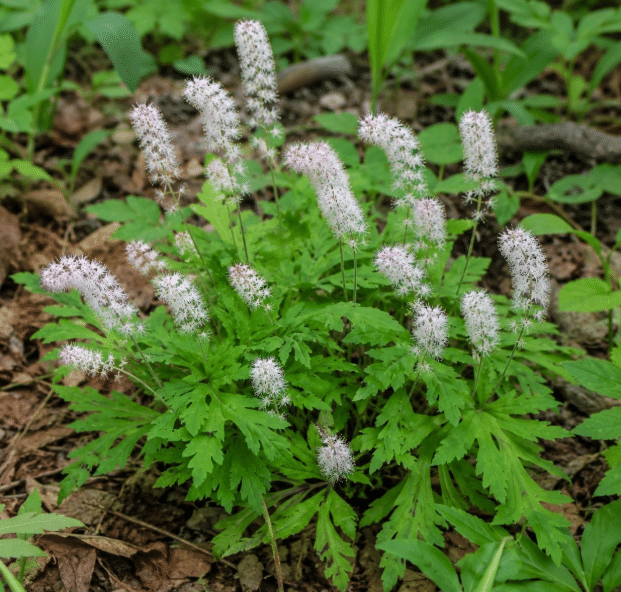
Tiarella cordifolia, commonly known as Foamflower, is a tough North American woodland native that forms an attractive, spreading carpet of foliage. In mid-spring, it erupts with dozens of airy, bottle-brush spikes of starry white to pale pink blossoms that seem to float like foam above the leaves. The deeply lobed, maple-like foliage often features striking burgundy veins and takes on a rich bronze tint as autumn temperatures drop.
-
Price: $32.99
-
Key Features & Benefits:
-
Spreads steadily via stolons to form a dense groundcover without becoming unruly or invasive.
-
Early spring bloom period supports emerging native pollinators.
-
Naturally adapted to acidic soils, root competition, and dappled woodland light (Zones 4–9).
-
-
Pros and Cons:
-
Pros: Excellent native alternative to aggressive ivies; stays neat and compact (8 to 12 inches tall); deer resistant.
-
Cons: Requires regular moisture while establishing; struggles in poorly drained, heavy clay soils.
-
-
Amazon Customer Ratings & Reviews: Averages 4.5/5 stars. Gardeners highlight its steady spreading habit and its ability to carpet the challenging ground around tree roots.
-
Why it’s a good choice: It delivers a sustainable, native carpet of weed-suppressing foliage topped by delicate spring blooms.
-
Ideal use case or who should buy it: Eco-minded gardeners, woodland restorations, and anyone looking to underplant shrubs or shade trees with a neat, living mulch.
Post-Purchase Guide: Caring for Live Plants from Amazon
Ordering live plants online offers access to specialized varieties rarely found at local big-box stores, but the shipping process can be stressful for green foliage. To give your plants the best start, follow these three steps:
1. Unboxing Protocol
Unpack your plants the moment the delivery box arrives on your doorstep. Carefully cut away the exterior tape, pull the pot out without pulling the main stem, and remove any plastic wrap, moss collars, or rubber bands holding the soil in place. Inspect the soil immediately: if it feels dry, give it a slow, thorough drink until water drains freely from the base.
2. The Hardening-Off Period
Never take a live plant directly from a dark cardboard shipping box and install it in direct sunlight. Even partial-shade plants need 48 to 72 hours in a bright, fully sheltered shady spot outdoors. This allows the foliage to adjust to ambient outdoor airflow, temperature fluctuations, and natural humidity before having to endure root shock.
3. Site Preparation and Planting
When you are ready to plant, dig a hole that is twice as wide as the nursery container but the same depth. Loosen any coiled roots circling the bottom of the root ball to encourage outward growth. Blend native soil with organic compost to provide moisture retention and structure, plant at the exact same depth the plant sat in its container, and finish with a 2-inch layer of organic mulch around the drip line (keeping it clear of the main stem) to protect delicate root systems.
Mastering the partial-shade parts of your landscape does not mean compromising on color, height, or bloom potential. By pairing the natural light rhythm of morning sun and afternoon shelter with plants bred to thrive in those conditions, you can turn a previously awkward bed into the centerpiece of your property.
If you are looking for an immediate flowering focal point, start with a classic Hydrangea macrophylla. For season-long foliage interest that never fades, pick up a few varieties of Heuchera or Coleus. Check the latest availability and nursery inventory on Amazon through the links above, and give your garden beds the deliberate design they deserve.