Struggling with patchy lawns, bare soil, or wilted plants in low-light spots around your home? You are not alone. Low-light yards, heavy tree canopies, and north-facing walls create frustrating environments that leave many home gardeners wondering what grows best in shade. Too often, standard seeds and plants simply stall out or die, resulting in wasted time, money, and effort.
However, a shaded yard does not have to mean a barren one. In fact, many perennial flowers, leafy greens, root vegetables, and specialized grass blends actually thrive without direct mid-day sun—as long as you choose varieties specifically suited to low-light conditions.
To help you turn dark, neglected garden beds into lush spaces, this comprehensive guide cuts through the confusion. We break down the exact shade classifications, highlight the highest-performing shade-tolerant varieties, and review top-rated products on Amazon so you can make informed buying decisions.
Quick-Access Navigation
I. Buying Guide: Understanding Shade Before You Buy
Before purchasing seeds, live root packs, or lawn mixtures, it is crucial to diagnose the exact type of shade present in your garden space. Not all shade is created equal, and misinterpreting light conditions is the single most common reason shade gardening projects fail.
1. Decoding Shade Categories
-
Dappled / Light Shade (4–6 Hours of Sunlight): Sunlight is filtered through an overhead tree canopy, producing shifting flecks of light and shadow throughout the day. This condition is ideal for almost all shade-tolerant flowers, ornamental shrubs, and cool-season leafy vegetables.
-
Partial Shade (3–4 Hours of Direct Sunlight): Areas receiving direct sunlight for a short duration—typically early morning or late afternoon sun—while remaining shaded during the intense mid-day heat. This light environment protects tender foliage from burning while providing enough energy for root crops and blooming annuals.
-
Full / Deep Shade (Less Than 2 Hours of Sun): Structural shadows cast by tall buildings, north-facing walls, covered patios, or dense evergreen hedges. Plants in full shade must rely entirely on ambient indirect light. Only extremely hardy perennials (like hostas or ferns) and heavy-shade turf grasses will survive here.
2. Essential Decision Factors for Shade Buyers
-
Soil Moisture Management: Shaded ground loses water via evaporation much slower than sun-baked soil. This creates damp soil conditions prone to root rot. Buyers should choose well-draining soil mixes or select plants that can tolerate consistently moist soil.
-
Nutrient Competition from Trees: When planting under large mature trees, your garden bed competes directly with aggressive tree root networks for water and nitrogen. Adding organic compost or topdressing with rich topsoil gives young plants an established edge.
-
Hardiness Zones & Climate: Always check USDA Plant Hardiness Zones for perennial bare roots. While shade plants are sheltered from scorching overhead sun, they must still endure local winter freezing cycles.
II. At-a-Glance Comparison Table
To keep this guide fast and mobile-friendly, the top-rated recommendations are categorized below using a simplified 3-column layout that scales cleanly across mobile screens, tablets, and desktop devices.
| Product & Category | Shade Level & Rating | Key Highlight |
|
Hostas Bare Root Variety Pack
(Perennial Foliage) |
Full to Partial Shade
⭐ 4.6 / 5.0 |
Extreme low-light foliage; fills bare spots under dense trees permanently. |
|
Shade-Tolerant Impatiens & Begonia Mix
(Annual Flowers) |
Partial to Dappled Shade
⭐ 4.4 / 5.0 |
Vibrant, continuous blooms from late spring to fall without sun scorch. |
|
Leafy Greens Heirloom Seed Vault
(Edible Salad Crops) |
Partial Shade (3–4 hrs)
⭐ 4.7 / 5.0 |
High germination; greens taste sweeter and resist bolting in cool shade. |
|
Culinary Herb & Root Crop Selection
(Edible Root/Herbs) |
Partial to Dappled Shade
⭐ 4.5 / 5.0 |
Versatile kitchen crop pack containing shade-friendly radishes, mint, and parsley. |
|
Dense Shade Fine & Tall Fescue Blend
(Lawn Grass Seed) |
Full to Partial Shade
⭐ 4.3 / 5.0 |
Specially coated seed designed to establish lush green turf with only 2–4 hrs of sun. |
|
3-in-1 Soil Moisture, pH & Light Meter
(Diagnostic Tool) |
Universal Diagnostic
⭐ 4.4 / 5.0 |
Battery-free probe that measures exact sunlight levels and prevents overwatering. |
III. Detailed Product Reviews & Recommendations
Category A: Best Shade-Loving Perennial Flowers & Ornamental Seeds
1. Top Pick for Color in Deep Shade: Hostas Bare Root Variety Pack
Product Description
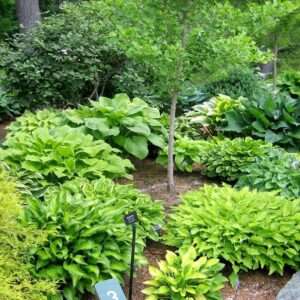
Hostas are universally recognized as the foundation of shade gardening. The Hostas Bare Root Variety Pack delivers dormant root divisions that burst into vibrant, heart-shaped foliage shortly after planting. Ranging in colors from deep forest green to striking blue-green and variegated cream-and-green patterns, these perennials establish broad ground cover that blocks weeds and stabilizes damp soil under heavy tree canopies.
Price & Value
-
Price Range: $28.99 (depending on pack size, typically 6 to 24 bare roots).
-
Value Rating: High. Because these are long-lived perennials that expand each season, they provide a permanent landscaping solution.
Key Features & Benefits
-
Exceptional Shade Resilience: Grows reliably in dark corners where sunlight drops below two hours per day.
-
Low Maintenance: Requires minimal feeding and pruning once established.
-
Textural Contrast: Broad leaves create visual depth against ferns, stones, and dark tree trunks.
-
Summer Blooms: Produces slender tall stalks with white or light lavender flowers that attract pollinators.
Pros and Cons
-
Pros:
-
Comes back reliably every year across USDA zones 3 through 9.
-
Can be easily divided every few years to multiply your garden coverage for free.
-
Highly forgiving of moist or heavy clay soils.
-
-
Cons:
-
Susceptible to damage from slugs, snails, and deer.
-
Dies back entirely to ground level after the first hard freeze before returning in spring.
-
Amazon Customer Ratings & Reviews
-
Rating: 4.6 out of 5 stars.
-
Customer Feedback Summary: Buyers consistently highlight how quickly the bare roots sprout once planted. Multiple reviewers mention that these roots successfully filled dark, muddy spots along north-facing fences where grass refused to survive.
Why It’s a Good Choice
It solves the core problem of deep shade landscaping without requiring annual replanting or expensive grow lights.
Ideal Use Case / Who Should Buy
Homeowners with heavily shaded yards, large mature trees, or north-facing garden beds who want low-effort, multi-year green coverage.
2. Best for Continuous Blooms: Shade-Tolerant Impatiens & Begonia Annual Seed Mix
Product Description
If you want bright, continuous flowering without risking midday leaf burn, this shade-tolerant seed mix is an ideal choice. Combining hybrid impatiens and shade begonias, this pack produces mounds of red, pink, rose, and brilliant white flowers that stay colorful from late spring until the first winter frost.

Price & Value
-
Price Range: $11.95 per seed bundle.
-
Value Rating: Excellent for budget-conscious home decorators needing high visual impact for a single season.
Key Features & Benefits
-
Non-Stop Flowering: Continuously produces new blossoms without requiring deadheading (removing old blooms).
-
Compact Growth Habit: Reaches 8–16 inches in height, making it clean and manageable for borders and planters.
-
Heat & Shade Tolerance: Formulated to resist petal wilting in hot, humid, low-light summer climates.
Pros and Cons
-
Pros:
-
Delivers vibrant flower color to dark patios and covered porches.
-
Performs exceptionally well in pots, window boxes, and hanging baskets.
-
Rapid germination and growth cycle.
-
-
Cons:
-
Annual plants that must be replanted each spring in freezing climates.
-
Requires regular, consistent watering to prevent soil drying out in containers.
-
Amazon Customer Ratings & Reviews
-
Rating: 4.4 out of 5 stars.
-
Customer Feedback Summary: Users appreciate the high germination rate and love how these flowers brighten covered apartment balconies and shaded front porches where traditional bedding plants fade.
Why It’s a Good Choice
It provides maximum flower production per dollar in areas that receive zero direct mid-day sunlight.
Ideal Use Case / Who Should Buy
Patio gardeners, apartment renters, and home decor enthusiasts looking to add vivid color to covered entryways or container gardens.
Category B: Best Vegetables & Herbs for Low Sunlight
3. Best Edible for Partial Shade: Leafy Greens Heirloom Seed Vault
Product Description
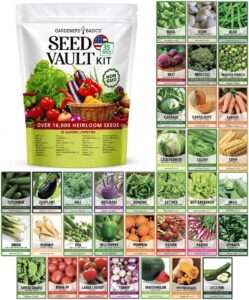
When considering what grows best in shade from an edible standpoint, leafy green vegetables are the absolute top performer. Vegetables that produce leaves (rather than fruits or roots) do not require high levels of photosynthesis. This Heirloom Leafy Greens Seed Vault contains high-germination seed packets of spinach, butterhead lettuce, kale, arugula, and Swiss chard specially suited for 3 to 4 hours of indirect sun.
Price & Value
-
Price Range: $29.95 per multi-pack vault.
-
Value Rating: Exceptional value for fresh produce growers, offering hundreds of edible harvests per packet.
Key Features & Benefits
-
100% Non-GMO & Heirloom: High seed purity with strong germination viability.
-
Resistant to Bolting: Cool, shaded growing conditions prevent greens from prematurely flowering (bolting) and becoming bitter.
-
Cut-and-Come-Again Harvest: Leaves can be harvested continuously throughout the growing season.
Pros and Cons
-
Pros:
-
Greens grown in partial shade often taste sweeter and remain tender longer than sun-exposed crops.
-
Quick maturation—ready to harvest in as little as 30 to 45 days.
-
Compact growth fits neatly into small raised beds or deck containers.
-
-
Cons:
-
Will stall out if placed in 100% pitch-black shade with zero indirect light.
-
Requires protection against garden pests like caterpillars and garden slugs.
-
Amazon Customer Ratings & Reviews
-
Rating: 4.7 out of 5 stars.
-
Customer Feedback Summary: Highly rated among suburban homesteaders and urban growers. Buyers frequently report successful salad greens grown along narrow side yards and tree-shaded garden patches.
Why It’s a Good Choice
It turns unproductive, partially shaded yard spaces into a reliable source of fresh, home-grown food.
Ideal Use Case / Who Should Buy
Kitchen gardeners and health-conscious homeowners with urban yards or partially shaded raised beds who want fast-growing edible crops.
4. Best Root Crop & Herb Selection: Culinary Herb & Root Seed Selection
Product Description
Fruiting crops like tomatoes and peppers require 6 to 8 hours of scorching sun, but root vegetables and select aromatic herbs thrive in partial morning light. This curated seed selection includes radishes, carrots, spearmint, parsley, and chives. These varieties focus their energy underground or into leaf oils, making them highly resilient under dappled tree canopies.

Price & Value
-
Price Range: $14.99
-
Value Rating: High versatility for small raised beds, herb planters, and kitchen window sills.
Key Features & Benefits
-
Rapid-Maturity Radishes: Harvestable root crops in as few as 25 days, even in low-sun conditions.
-
Vigorous Herb Varieties: Mint and parsley adapt easily to damp, cool shade conditions.
-
Space-Saving Design: Ideal for high-density square-foot gardening techniques.
Pros and Cons
-
Pros:
-
Excellent adaptation to cool morning sun with afternoon shade.
-
Multi-variety packs offer diverse crops for kitchen cooking.
-
Mint and chives naturally deter several common garden pests.
-
-
Cons:
-
Root crops (like carrots) take slightly longer to reach full size in shaded beds compared to full sun.
-
Mint must be planted in containers to prevent it from spreading unchecked across garden beds.
-
Amazon Customer Ratings & Reviews
-
Rating: 4.5 out of 5 stars.
-
Customer Feedback Summary: Buyers praise the reliable germination rates. Gardeners mention that parsley and radishes performed surprisingly well in areas receiving under four hours of sunlight daily.
Why It’s a Good Choice
It gives home cooks a culinary garden setup that succeeds in partial shade where traditional sun-loving herbs fail.
Ideal Use Case / Who Should Buy
Home cooks and beginner gardeners wanting fresh kitchen herbs and crisp root vegetables from shaded yard locations.
Category C: Best Shade Lawn Solutions & Essential Growing Gear
5. Best Grass Seed for Heavy Shade: Dense Shade Turf-Type Fine & Tall Fescue Blend
Product Description
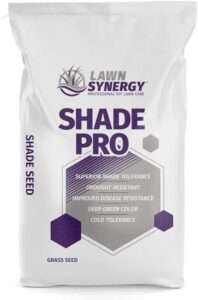
Standard lawn grasses (like Kentucky Bluegrass or Bermuda) quickly thin out and turn into bare mud under tree shade or along house walls. This Dense Shade Fescue Blend combines fine-leafed fescues and turf-type tall fescues selected for low-light performance. The seeds come coated in a water-retaining shell that improves seed-to-soil moisture transfer and accelerates root setup.
Price & Value
-
Price Range: $194.99 (available in 7 lb to 20 lb bags).
-
Value Rating: Moderate to high. It eliminates the recurring cost of laying sod that dies off in low-light environments.
Key Features & Benefits
-
Low Light Efficiency: Engineered to maintain photosynthesis with as little as 2 to 4 hours of filtered sunlight.
-
Protective Water-Retaining Coating: Keeps delicate seeds moist during critical germination periods.
-
Fine Blade Texture: Yields a soft, dark-green lawn appearance that blends seamlessly with surrounding turf.
Pros and Cons
-
Pros:
-
Directly addresses bare patches beneath maple, oak, and pine trees.
-
Stronger resistance to fungal turf diseases that affect damp, shaded lawns.
-
Requires less frequent mowing than fast-growing sun-loving grasses.
-
-
Cons:
-
Requires strict moisture monitoring during the first 14 to 21 days of seeding.
-
Cannot handle heavy, continuous foot traffic as well as full-sun sports turf.
-
Amazon Customer Ratings & Reviews
-
Rating: 4.3 out of 5 stars.
-
Customer Feedback Summary: Highly regarded by homeowners fixing lawn patches. Reviews frequently note success in growing green grass along dark side alleys and beneath broad tree shade.
Why It’s a Good Choice
It is the most practical, cost-effective seed solution for transforming patchy, muddy ground under trees into a healthy green lawn.
Ideal Use Case / Who Should Buy
Homeowners struggling to repair patchy bare spots in lawns shaded by tall trees, privacy fences, or adjacent buildings.
6. Essential Care Tool: 3-in-1 Soil Moisture, pH, and Light Meter
Product Description
Guessing light and moisture levels is the leading cause of plant failure in shade gardening. Because shaded soil holds onto moisture much longer than sunny beds, overwatering is common. This 3-in-1 Diagnostic Soil Probe measures soil moisture, pH balance, and ambient light intensity at root depth—without requiring batteries or electrical charging.
Price & Value
-
Price Range: $11.00 – $16.00.
-
Value Rating: Essential diagnostic insurance that prevents costly loss of young plants and seeds.
Key Features & Benefits
-
Battery-Free Operation: Powered by bi-metal soil conductivity—always ready for instant use.
-
Triple Diagnostic Functions: Toggle switch lets you instantly check moisture, soil acidity/alkalinity (pH), and light levels.
-
Deep Probe Stem: Reaches 7 to 8 inches into the ground to inspect moisture directly around root zones.
Pros and Cons
-
Pros:
-
Eliminates overwatering risks by revealing true soil dampness beneath the topsoil layer.
-
Instantly confirms whether a location qualifies as partial or full shade.
-
Simple, lightweight design suitable for indoor pots and outdoor garden beds.
-
-
Cons:
-
Probes must be wiped dry after each reading to prevent tip corrosion.
-
Designed for soil testing only—cannot be left submerged in standing water.
-
Amazon Customer Ratings & Reviews
-
Rating: 4.4 out of 5 stars (with over 30,000 ratings across top brands).
-
Customer Feedback Summary: Reviewers praise this tool as an eye-opener. Many report realizing their “dry” shaded garden beds were actually wet underneath, saving their plants from root rot.
Why It’s a Good Choice
It provides clear, actionable data so you can tailor your watering schedule and plant choices to your yard’s true conditions.
Ideal Use Case / Who Should Buy
Every shade gardener—especially beginners—who wants to prevent plant loss caused by incorrect watering or misjudged sunlight levels.
IV. Common Pitfalls & How to Avoid Them (Pro Tips for Shade Gardening)
-
Avoid Overwatering Shaded Beds: Because sunlight is limited, water evaporation is slow. Always test soil moisture 2 to 3 inches below the surface before watering.
-
Supplement Competing Soil Nutrients: Tree roots actively draw nitrogen and organic nutrients from surrounding soil. Layering 2 inches of rich organic compost annually recharges the root zone for shade perennials.
-
Space Plants for Good Airflow: Low sunlight paired with high moisture creates an ideal environment for fungal diseases like powdery mildew. Space plants out to encourage proper air circulation.
-
Mulch to Prevent Soil Erosion: Heavy rainfall dripping off tree canopies can erode bare shaded soil. Applying organic bark mulch preserves soil structure and keeps moisture levels consistent.
V. Frequently Asked Questions (FAQ)
Q1: Can tomatoes, peppers, or cucumbers grow in full shade?
No. Fruiting vegetable crops require at least 6 to 8 hours of direct, unfiltered sun daily to blossom and develop fruit. In deep shade, tomato plants will grow thin and leggy without producing fruit. For shaded garden beds, stick to leafy greens (spinach, kale, lettuce) and select root crops or herbs.
Q2: What is the easiest plant to grow in shade for beginners?
Hostas and Ferns. Both varieties are forgiving, hardy, and highly adaptable to poor light conditions. Once planted in well-drained soil, they grow with minimal intervention.
Q3: How many hours of sunlight count as “partial shade”?
Partial shade typically means 3 to 4 hours of direct sunlight per day, ideally during the cooler morning hours.
Q4: Why does grass die under mature shade trees?
Standard turf grass dies under trees due to two combined factors: lack of sunlight for energy, and severe competition from tree roots for water and nutrients. Planting a specialized fescue blend or establishing shade ground covers (like hostas or pachysandra) solves this issue.
VI. Conclusion & Final Verdict
Transforming low-light yard areas into healthy, green landscapes comes down to choosing the right products for your specific shade level:
-
Best Perennial Ground Cover: Hostas Bare Root Variety Pack for reliable, long-lasting foliage in full shade.
-
Best Edible Crop: Leafy Greens Heirloom Seed Vault for fast-growing, fresh salad greens in partial light.
-
Best Lawn Repair: Dense Shade Fine & Tall Fescue Blend to fix bare, muddy patches under trees and fences.
-
Best Essential Care Tool: 3-in-1 Soil Moisture & Light Meter to measure light levels accurately and prevent overwatering.
Before ordering, use a soil meter to test your light and moisture levels—then pick the right seeds or bare roots to turn your shaded yard into a lush, growing space.