Are you constantly battling sluggish digestion, frustrating energy crashes, or stubborn bloating, despite eating what you consider a “healthy” diet? If so, you might be missing out on one of the most powerful nutritional keys available to human wellness: dietary fiber.
The modern Western diet is notoriously deficient in fiber. The average adult gets barely half of the recommended 28 to 34 grams per day. While many people attempt to fix this by turning to chalky, artificially flavored fiber supplements or heavily processed snack bars, they often miss out on nature’s original, nutrient-dense package: whole, fresh fruits. However, not all fruits are created equal when it comes to fiber content. Choosing the wrong ones can spike your blood sugar or leave you unfulfilled.
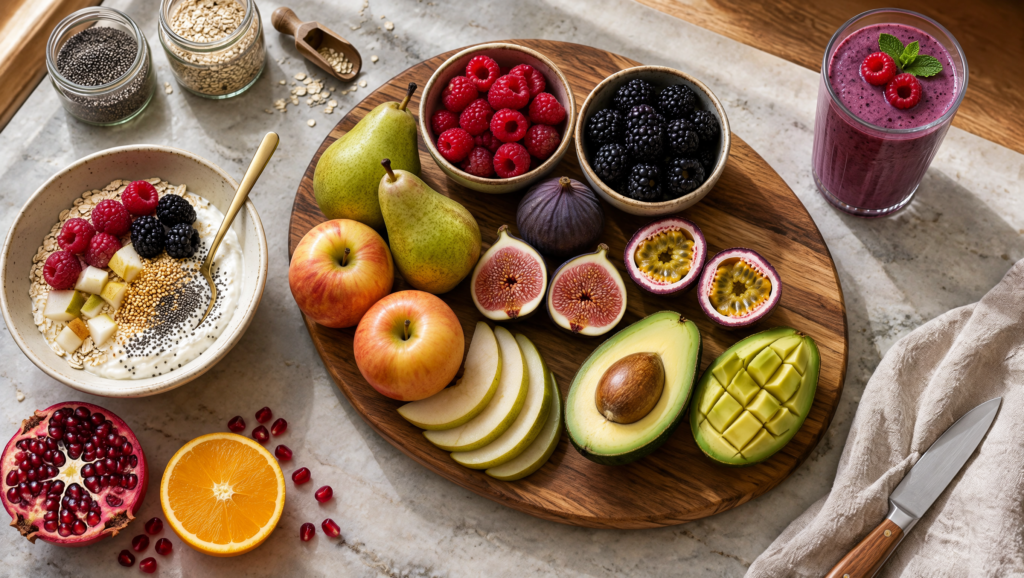
Incorporating the right high-fiber fruits into your daily routine can transform your gut microbiome, lower cholesterol, regulate blood sugar, and keep you feeling fuller for longer. We’ve analyzed soluble-to-insoluble fiber ratios, natural sugar counts, glycemic impact, and verified Amazon grocery and fresh produce delivery reviews to bring you the definitive guide to the best 10 fruits with fiber.
II. Expert Buying Guide: How to Make an Informed Decision
Before you stock your refrigerator or pantry with high-fiber fruits, it helps to understand how fiber works and how to select the best forms for your body.
-
Soluble vs. Insoluble Fiber: Whole fruits contain a blend of both. Soluble fiber dissolves in water to form a gel-like substance, slowing digestion and helping to lower blood cholesterol and stabilize blood sugar. Insoluble fiber does not dissolve in water; it adds bulk to your stool and helps food pass more quickly through the digestive tract, preventing constipation.
-
Fresh Produce vs. Dried Fruit & Powders: While whole, fresh, or organic flash-frozen fruits provide superior hydration, live enzymes, and balanced micronutrients, dried fruits offer concentrated fiber for travel. Avoid isolated fiber powders when possible, as they frequently trigger gas, cramping, and bloating compared to whole-food fiber matrices.
-
Glycemic Index (GI) & Sugar Content: Always balance high-fiber content with natural fructose levels. If you are managing blood sugar or insulin resistance, prioritize low-sugar, high-fiber powerhouses like raspberries, avocados, and blackberries over overly sweet tropical fruits.
-
The Skin-On Rule: A massive percentage of a fruit’s fiber (such as in apples, pears, and peaches) lives right in or directly under the skin. Unless a fruit has an inedible rind (like a banana or avocado), wash it thoroughly and eat the skin whenever possible.
-
Sourcing via Amazon Grocery Delivery: Ordering fresh fruit bundles, organic freeze-dried whole fruits, or frozen superfruit packs through Amazon Fresh or Prime Pantry makes maintaining a high-fiber lifestyle effortless, delivering farm-fresh produce directly to your doorstep.
III. At a Glance: Top 10 Fruits with Fiber
| Fruit Name & Product Form | Fiber Content per Serving | Best For |
| Fresh Raspberries | 8g per 1 cup serving | Best Overall Fiber Champion & Low Sugar |
| Hass Avocados | 10g per medium avocado | Best for Satiety & Heart-Healthy Fats |
| Fresh Guava | 9g per 1 cup sliced | Best Tropical Immunity & Fiber Boost |
| Organic Fresh Pears | 5.5g per medium pear (with skin) | Best Everyday Prebiotic & Gentle Digestion |
| Fresh Blackberries | 8g per 1 cup serving | Best Antioxidant & Metabolic Support |
| Organic Pomegranate Arils | 7g per 1 cup arils | Best Salad Topper & Crunch Texture |
| Organic Kiwifruit | 5g per 1 cup (2-3 fruits) | Best Natural Enzyme Gut Motility Aid |
| Dried Mission Figs | 7–12g per 1/3 cup serving | Best Portable Snack & Mineral Density |
| Organic Crisp Apples | 4.5g per medium apple (with skin) | Best Pectin-Rich Prebiotic Staple |
| Sun-Dried California Prunes | 7g per 5-7 prune serving | Best Clinically Proven Regularity Relief |
IV. Detailed Product Comparison and Reviews
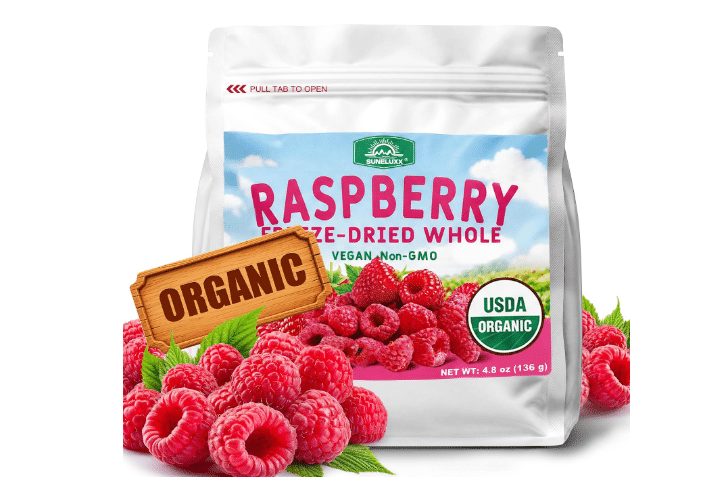
1. Fresh Raspberries (Organic Bulk Fresh or Freeze-Dried Packs)
Product Description: The undisputed monarch of the fiber world. Delicate, tart, and naturally sweet, a single cup of fresh raspberries packs an astonishing amount of dietary fiber wrapped in tiny, edible seeds that actively supercharge gut motility and feed beneficial microbiome bacteria.
-
Price: Mid-Range (~$4.00 – $6.00 per 6oz fresh clamshell or freeze-dried bulk bag)
-
Key Features & Benefits:
-
Massive 8 grams of fiber per 1 cup serving.
-
Extremely low sugar profile compared to other sweet fruits (only ~5g of sugar per cup).
-
Packed with powerful antioxidant ellagic acid and Vitamin C.
-
-
Pros & Cons:
-
Pros: Highest fiber-to-sugar ratio of any mainstream fruit; exceptional for low-glycemic, diabetic, and keto diets.
-
Cons: Highly perishable when fresh; tiny seeds can occasionally get stuck in dental work.
-
-
Amazon Customer Ratings & Reviews: 4.7/5 stars. Frequently praised by Amazon Fresh buyers for arriving plump and maintaining freshness longer than standard grocery store stock.
-
Why It’s a Good Choice: It delivers the absolute highest fiber punch per calorie without spiking blood sugar or causing glycemic fatigue.
-
Ideal Use Case / Who Should Buy It: Health-conscious eaters, individuals managing blood sugar, and anyone wanting maximum daily fiber with minimum natural sugar.
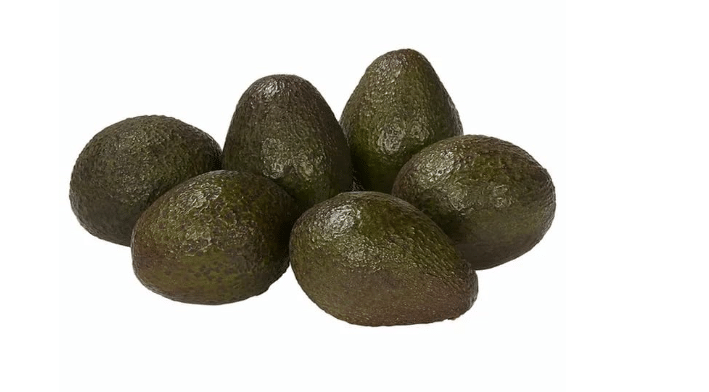
2. Hass Avocados (Fresh Organic Multi-Packs via Amazon Fresh)
Product Description: Often mistaken solely for a healthy fat source, the humble avocado is technically a single-seeded berry and a true fiber titan, packing roughly 10 grams of total fiber per medium fruit. Its rich, creamy texture comes paired with a dense matrix of soluble and insoluble plant fibers.
-
Price: Budget/Mid-Range (~$4.00 – $6.00 for a 4-pack bag)
-
Key Features & Benefits:
-
~10 grams of fiber per whole medium avocado.
-
Rich in monounsaturated oleic acid (heart-healthy fats).
-
Contains both soluble and insoluble fiber matrices to feed beneficial gut bacteria.
-
-
Pros & Cons:
-
Pros: Incredibly versatile for savory dishes; keeps you satiated for hours; virtually zero sugar.
-
Cons: Has a notoriously short window of perfect ripeness before spoiling.
-
-
Amazon Customer Ratings & Reviews: 4.6/5 stars. Buyers appreciate the convenience of doorstep delivery for heavy produce items, ensuring they don’t have to lug heavy bags from the supermarket.
-
Why It’s a Good Choice: It combines heart-healthy fats with a massive dose of fiber, making it the ultimate tool for sustained satiety and appetite control.
-
Ideal Use Case / Who Should Buy It: Keto dieters, weight-management seekers, and avocado toast enthusiasts.
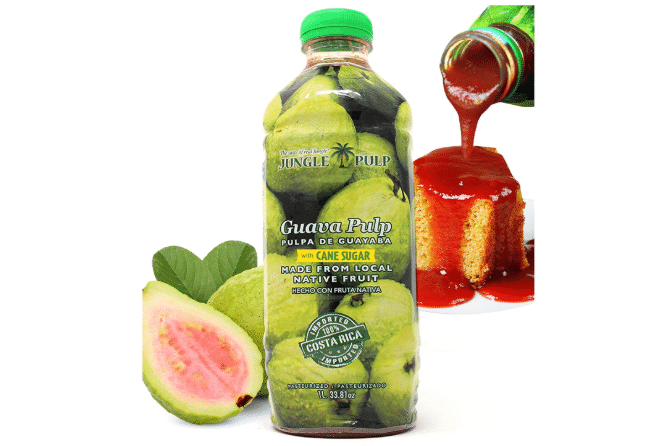
3. Fresh Guava (Whole Fruit / Pureed Pulp Packets)
Product Description: A tropical superfruit exploding with distinct aroma and sweetness. Guava is uniquely dense in dietary fiber, particularly when eaten with its edible soft seeds, offering a delicious escape from standard apple-and-banana routines.
-
Price: Mid-Range (~$5.00 – $8.00 per pound fresh or frozen pulp pouches)
-
Key Features & Benefits:
-
~9 grams of fiber per 1 cup of fresh sliced guava.
-
Contains up to 4x your daily Vitamin C requirements in a single serving.
-
Low glycemic index despite its intense tropical sweetness.
-
-
Pros & Cons:
-
Pros: Immense Vitamin C and fiber density; unique, exotic flavor profile.
-
Cons: Fresh whole guavas can be hard to source locally outside of specialty markets (frozen pulp packets are much more readily available on Amazon).
-
-
Amazon Customer Ratings & Reviews: 4.5/5 stars. Loved by smoothie enthusiasts for adding rich texture, vibrant color, and tropical tartness to morning blends.
-
Why It’s a Good Choice: Offers an exotic flavor twist while doubling down on dual immune and digestive support.
-
Ideal Use Case / Who Should Buy It: Smoothie lovers and adventurous eaters looking to upgrade their morning blender routine with serious functional nutrition.
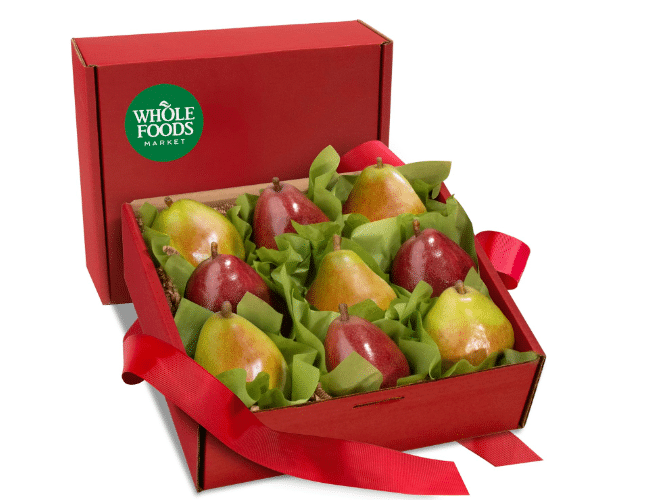
4. Organic Fresh Pears (Bosc or Anjou Varieties)
Product Description: A crisp, juicy autumn-and-winter favorite. Pears—especially when eaten with their skin intact—are among the highest-fiber orchard fruits available, offering a gentle, soothing texture for the digestive tract.
-
Price: Budget (~$3.00 – $5.00 for a 2lb bag)
-
Key Features & Benefits:
-
Up to 5.5 grams of fiber per medium pear (with skin).
-
High concentration of soluble pectin fiber, which supports healthy cholesterol levels.
-
High water content for natural daily hydration.
-
-
Pros & Cons:
-
Pros: Excellent source of prebiotic fiber; budget-friendly; long shelf life if bought slightly firm.
-
Cons: Can bruise easily during transit if not packed correctly in grocery bags.
-
-
Amazon Customer Ratings & Reviews: 4.7/5 stars. Noted for crisp texture and sweet, non-acidic flavor that doesn’t irritate sensitive stomachs.
-
Why It’s a Good Choice: An easy, everyday snack that provides a massive chunk of your daily fiber goal without specialized preparation.
-
Ideal Use Case / Who Should Buy It: Traditional fruit snackers and anyone looking to improve daily regularity gently.
5. Fresh Blackberries (Organic Clamshells)
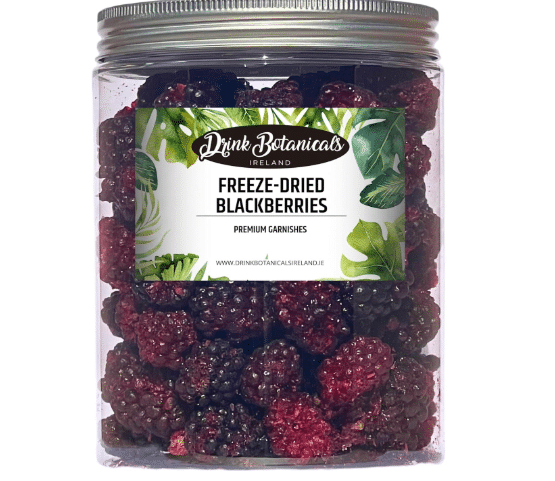
Product Description: Deep-purple drupelets bursting with rich, earthy flavor. Like raspberries, blackberries boast an impressive high-fiber, low-sugar matrix that makes them a gold standard for metabolic health and steady blood sugar control.
-
Price: Mid-Range (~$4.00 – $6.00 per 6oz container)
-
Key Features & Benefits:
-
8 grams of fiber per 1 cup serving.
-
Loaded with anthocyanins (powerful antioxidants that protect brain and heart health).
-
Low glycemic load.
-
-
Pros & Cons:
-
Pros: Outstanding antioxidant profile; low sugar; delicious fresh or baked into healthy treats.
-
Cons: Large seeds can occasionally be bothersome for people with specific digestive sensitivities (like diverticular issues).
-
-
Amazon Customer Ratings & Reviews: 4.8/5 stars. Praised for deep, sweet-tart flavor and large, juicy sizes delivered straight to the door.
-
Why It’s a Good Choice: Maximizes fiber intake while flooding the body with disease-fighting cellular antioxidants.
-
Ideal Use Case / Who Should Buy It: Yogurt toppers, oatmeal lovers, and anyone focusing on anti-inflammatory nutrition.
6. Organic Pomegranate Arils (Ready-to-Eat Cups)
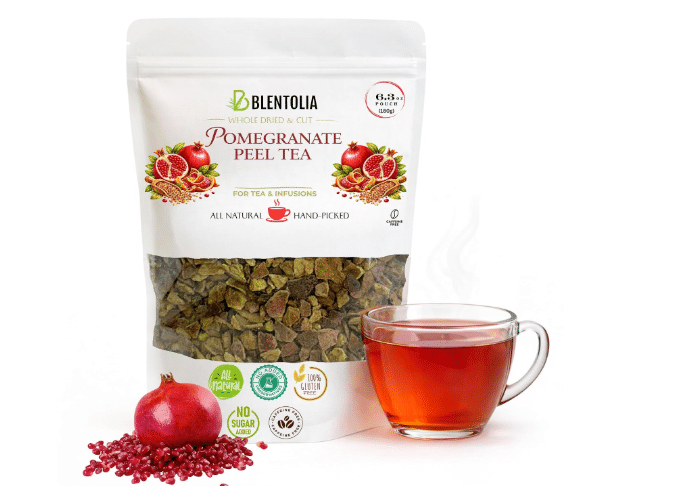
Product Description: The ruby-red jewel seeds hidden inside tough pomegranate husks. Buying pre-seeded pomegranate arils eliminates the messy extraction process, giving you pure, crunchy, fiber-rich seeds instantly ready for salads, yogurt bowls, or snacking.
-
Price: Mid-Range (~$4.50 – $6.50 per 4oz ready-to-eat cup)
-
Key Features & Benefits:
-
~7 grams of fiber per 1 cup of arils.
-
Entirely edible, crunchy seeds packed with insoluble fiber.
-
Exceptional concentration of punicic acid and punicalagins.
-
-
Pros & Cons:
-
Pros: Zero prep work required; incredible texture contrast for salads and grain bowls; high antioxidant load.
-
Cons: Short refrigerated shelf life once opened; higher price point per ounce due to pre-seeding convenience.
-
-
Amazon Customer Ratings & Reviews: 4.6/5 stars. Frequently bought for salad prep convenience and holiday entertaining, with reviewers noting they stay plump and juicy in their sealed cups.
-
Why It’s a Good Choice: Provides a unique, crunchy texture that satisfies snack cravings while delivering dense plant fiber without the hassle of cracking open a whole pomegranate.
-
Ideal Use Case / Who Should Buy It: Salad enthusiasts, busy professionals, and gourmet home cooks who love texture in their meals.
7. Organic Whole Kiwifruit (Green or SunGold Varieties)
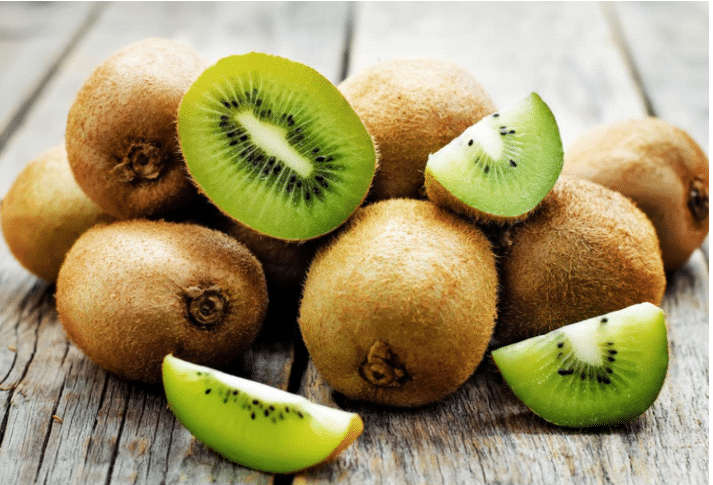
Product Description: A fuzzy or smooth-skinned oval wonder that punches well above its weight class. Kiwifruit is clinically proven to enhance bowel regularity and protein digestion due to its unique combination of soluble fiber and the active proteolytic enzyme actinidin.
-
Price: Budget (~$4.00 – $6.00 for a 1lb container or multi-pack)
-
Key Features & Benefits:
-
~5 grams of fiber per 1 cup (about 2-3 fruits).
-
Contains actinidin, a natural enzyme that actively aids digestion and protein breakdown.
-
Massive Vitamin C content (more per ounce than an orange).
-
-
Pros & Cons:
-
Pros: Highly effective natural remedy for chronic constipation; sweet and tangy flavor profile.
-
Cons: Some people dislike the texture of the skin (though the skin is completely edible and doubles the fiber boost if you brush off the fuzz!).
-
-
Amazon Customer Ratings & Reviews: 4.7/5 stars. Extolled by wellness reviewers for rapid improvements in gut motility and morning regularity.
-
Why It’s a Good Choice: It targets sluggish digestion through both physical fiber bulk and active digestive enzymes, making it a double threat for gut health.
-
Ideal Use Case / Who Should Buy It: Anyone experiencing sluggish digestion or looking for a natural morning gut-health kickstart.
8. Organic Dried Mission or Calimyrna Figs
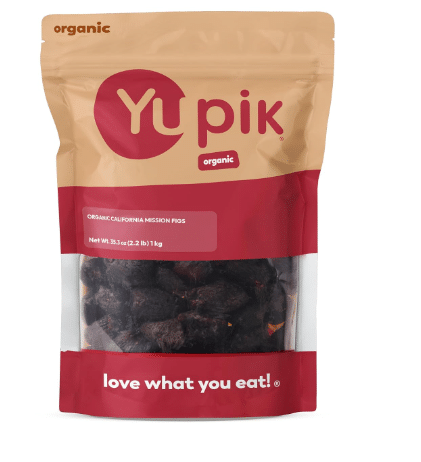
Product Description: A concentrated, sweet Mediterranean delicacy. Because the water content is removed during drying, figs concentrate their natural nutritional profile, making them one of the most potent portable fiber sources on earth.
-
Price: Mid-Range (~$6.00 – $9.00 for a 16oz resealable pouch)
-
Key Features & Benefits:
-
Delivers an impressive 7 to 12 grams of fiber per 1/3 to 1/2 cup serving.
-
High in bone-supporting calcium, magnesium, and potassium.
-
Long pantry shelf-life.
-
-
Pros & Cons:
-
Pros: Ultimate portable snack; deeply satisfying natural caramel sweetness; great for baking.
-
Cons: High natural sugar and calorie concentration (portion control is necessary for calorie-conscious dieters).
-
-
Amazon Customer Ratings & Reviews: 4.8/5 stars. Praised by hikers, bakers, and wellness snackers for rich moisture, softness, and deep flavor.
-
Why It’s a Good Choice: Offers a quick, high-density fiber boost when fresh fruit isn’t practical or available on the go.
-
Ideal Use Case / Who Should Buy It: Outdoor hikers, clean-eating bakers, and individuals needing a reliable, travel-friendly digestive aid.
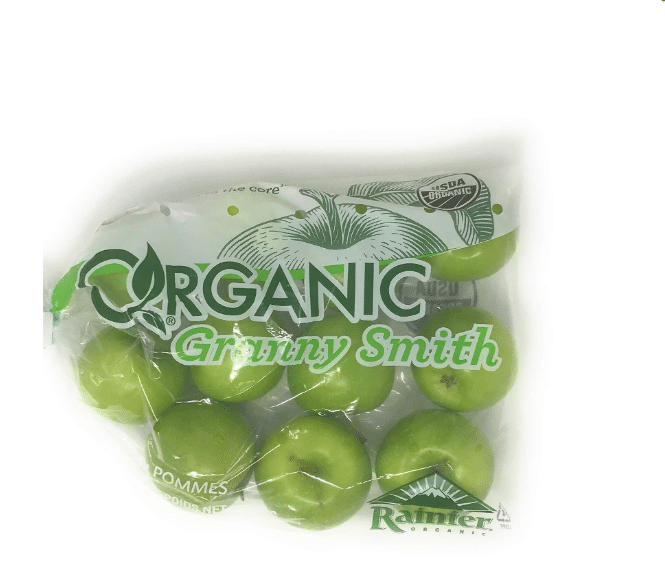
9. Fresh Organic Crisp Apples (Honeycrisp or Granny Smith)
Product Description: The ultimate American pantry staple. Apples are rich in pectin, a unique soluble fiber that acts as a powerful prebiotic, actively feeding the friendly bacteria living in your gut microbiome.
-
Price: Budget (~$3.00 – $5.00 for a 3lb bag)
-
Key Features & Benefits:
-
3 to 4.5 grams of fiber per medium apple (when eaten with the skin on).
-
Pectin fiber supports healthy blood cholesterol and stable blood sugar levels.
-
Incredible crunch and year-round availability.
-
-
Pros & Cons:
-
Pros: Inexpensive; highly versatile; virtually indestructible in a lunchbox or backpack.
-
Cons: Most of the fiber is concentrated in the skin—peeling the apple cuts its fiber value nearly in half.
-
-
Amazon Customer Ratings & Reviews: 4.7/5 stars. Consistent grocery staple reviews for crunch, crispness, and long refrigerator life.
-
Why It’s a Good Choice: Pectin is one of the most thoroughly researched prebiotics for cultivating a healthy, balanced gut environment and keeping cholesterol in check.
-
Ideal Use Case / Who Should Buy It: Daily lunch-packers, office workers, and anyone wanting a reliable, low-cost prebiotic boost.
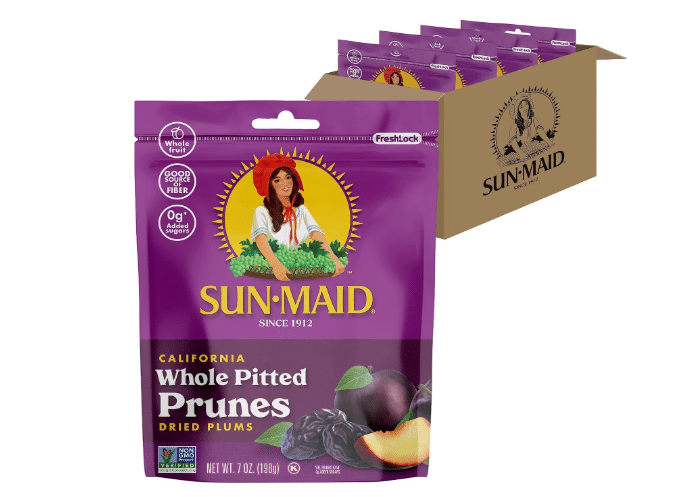
10. Sun-Dried California Prunes (Pitted)
Product Description: The generational, tried-and-true classic for digestive regularity. Prunes (dried plums) combine high insoluble fiber bulk with natural sugar compounds (sorbitol) that gently stimulate intestinal movement without synthetic chemical harshness.
-
Price: Budget/Mid-Range (~$5.00 – $7.00 for a 12oz to 18oz resealable canister)
-
Key Features & Benefits:
-
~7 grams of fiber per 40g (approx. 5-7 prunes) serving.
-
Contains natural sorbitol for gentle, non-irritating laxative properties.
-
Rich in Vitamin K, iron, and potassium.
-
-
Pros & Cons:
-
Pros: Clinically proven track record for easing occasional constipation; chewy, sweet, and easy to eat.
-
Cons: Over-consumption can lead to digestive gas or loose stools due to the sorbitol content.
-
-
Amazon Customer Ratings & Reviews: 4.8/5 stars. Frequently reviewed as a life-changing pantry item for maintaining effortless daily regularity without relying on pills.
-
Why It’s a Good Choice: Nothing beats prunes for targeted, natural relief from sluggish bowel movements and supporting long-term colon health.
-
Ideal Use Case / Who Should Buy It: Older adults, sedentary office workers, or anyone dealing with stubborn, occasional irregularity.
V. Skyscraper Value-Add: Maximizing Fruit Fiber Without the Bloat
Adding high-fiber fruits to your diet is transformative, but if you rush into it blindly, you may experience uncomfortable gas and cramping. Follow these golden rules:
1. The “Slow and Steady” Rule
If your current diet contains only 12 grams of fiber daily, jumping straight to 35 grams overnight will shock your digestive system. Scale up your intake by adding just one high-fiber fruit serving every 4 to 5 days, giving your gut microbiome time to adjust.
2. Hydration is Mandatory
Fiber acts like a dry sponge in your digestive tract. Soluble fiber absorbs water to form a gel, while insoluble fiber requires fluid to bulk stool. If you increase your fruit fiber without drinking plenty of water, the fiber will dry out inside your gut, causing severe constipation rather than relief. Aim for an extra 16 to 32 ounces of water daily when upping your fiber intake.
3. Keep the Skin On (When Applicable)
A massive percentage of a fruit’s fiber, vitamins, and protective antioxidants live directly in or immediately under the peel. Scrub your apples, pears, and kiwifruits thoroughly under running water and eat them skin-on to instantly double your fiber payoff.
VI. Conclusion & Final Verdict
Achieving optimal digestive health, regulating your blood sugar, and lowering your cholesterol doesn’t require chalky synthetic powders or expensive supplements. Nature has already provided the ultimate digestive toolkit in the form of whole, fiber-rich fruits.
Frequently Asked Questions (FAQ)
What is the difference between soluble and insoluble fiber in fruit? Both types of fiber are essential for gut health, but they work differently:
-
Soluble fiber dissolves in water to form a gel-like consistency in your digestive tract. This helps slow down digestion, stabilizes blood sugar levels, and binds to cholesterol to help lower LDL levels (found abundantly in apples, pears, and avocados).
-
Insoluble fiber does not dissolve in water. Instead, it adds bulk to your stool and speeds up the movement of food through your digestive system, preventing constipation (found in high concentrations in raspberry seeds, blackberry seeds, and fruit skins).