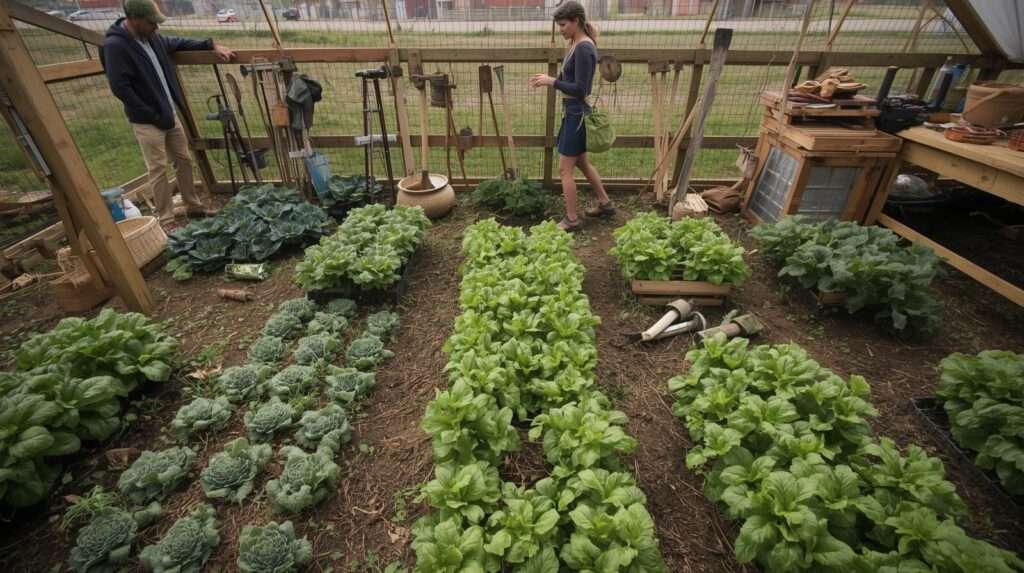
Imagine this: You’ve just signed the papers on your dream piece of land. Visions of fresh eggs every morning, a thriving garden overflowing with vegetables, and a peaceful, self-sufficient life dance in your head. Fast-forward six months—you’re exhausted, your chickens are sick from poor housing, half your garden has failed due to bad soil, and unexpected costs have drained your savings. The homesteading dream feels more like a nightmare.Beginner Homesteader Pitfalls to Avoid
This scenario plays out for countless enthusiastic beginners every year. Beginner homesteader pitfalls are incredibly common because the lifestyle looks romantic on social media but demands practical skills, realistic planning, and patience in real life. The good news? Most of these mistakes are avoidable with the right knowledge and a step-by-step approach.
With over a decade of experience guiding new homesteaders through agricultural challenges—from small suburban plots to multi-acre family farms—I’ve seen the same patterns repeat. This comprehensive guide draws from real-world lessons, university extension recommendations, and community experiences to help you sidestep the biggest traps. Whether you’re researching land purchase or already knee-deep in your first season, these insights will save you time, money, stress, and heartbreak while building a sustainable, enjoyable homestead.
In this article, we’ll explore the 10 most common mistakes new homesteaders make, why they happen, their costly consequences, and—most importantly—clear, actionable strategies to avoid them. We’ll also cover mindset shifts, practical checklists, and long-term resilience tips tailored for agricultural success. By the end, you’ll have a solid roadmap to turn your homesteading vision into a thriving reality.
Why Most Beginner Homesteaders Struggle
Homesteading promises freedom, self-reliance, and connection to the land, but the reality involves seasonality, unpredictability, weather extremes, and a steep learning curve. Many newcomers fall for the “instant self-sufficiency” myth fueled by polished online content, leading to overwhelm and burnout.
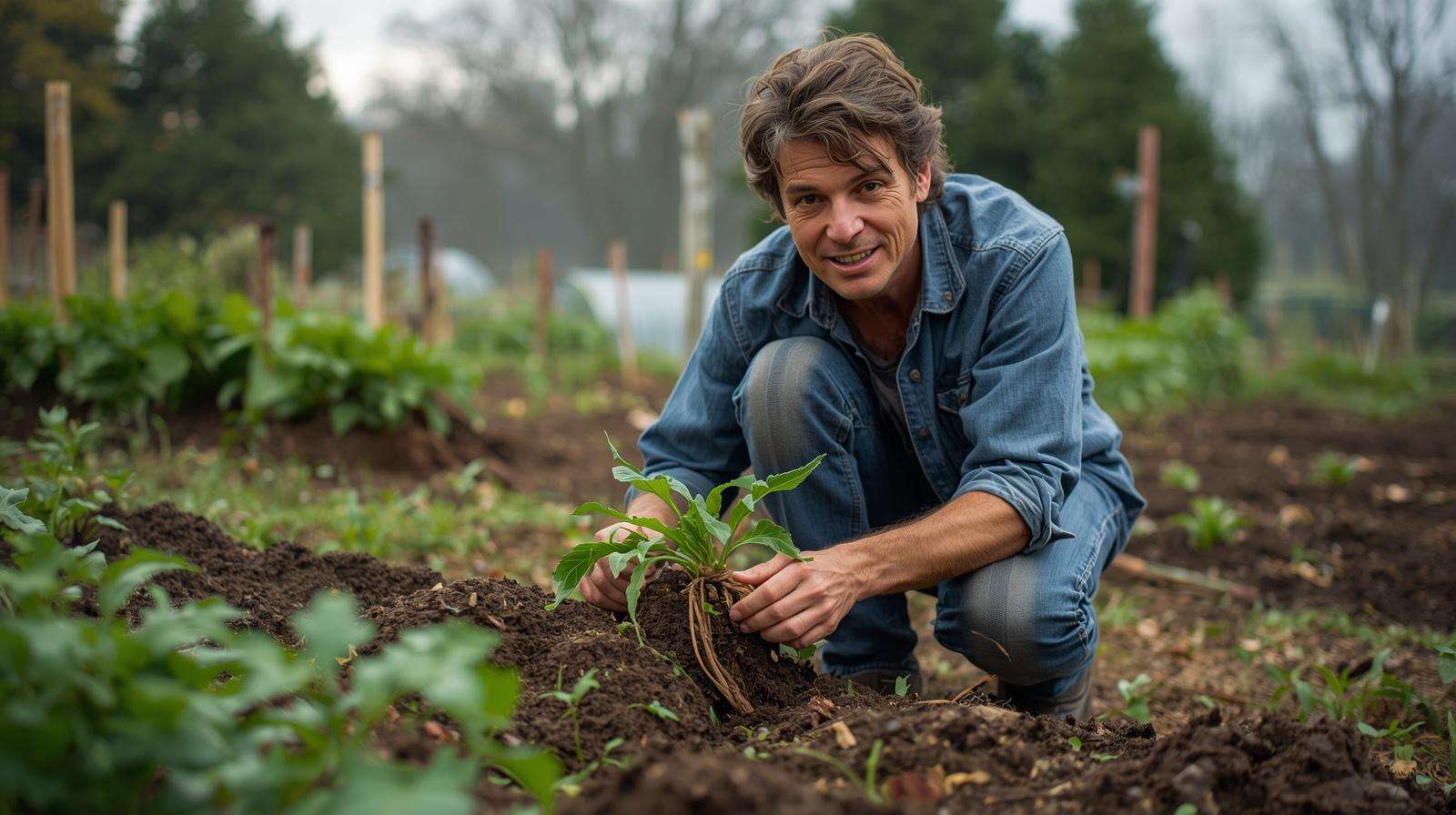
The key mindset shift? Homesteading is a marathon, not a sprint. It’s about building skills gradually, working with your local climate and resources, and embracing continuous learning rather than chasing perfection. Starting with realistic expectations dramatically reduces the impact of beginner homesteader pitfalls and sets the foundation for long-term success.
The 10 Common Beginner Homesteader Pitfalls (and How to Avoid Them)
Here are the top pitfalls, ranked by how frequently they derail new projects, along with practical prevention strategies drawn from experienced homesteaders and agricultural best practices.
1. Taking On Too Much Too Soon
This is hands-down one of the most frequent beginner homesteader pitfalls. Excitement leads to buying too many animals, planting oversized gardens, and tackling multiple infrastructure projects simultaneously.
Why it happens: Social media highlights “perfect” homesteads, creating pressure to replicate them quickly. Beginners often underestimate daily labor demands.
Real consequences: Burnout within months, neglected animals leading to health issues or losses, wasted money on failed crops or unused equipment, and family strain from constant overwhelm.
How to avoid it:
- Start small and scale gradually. In your first season, limit yourself to 4–6 chickens or a small 10×10 garden bed rather than a full flock and large plot.
- Use a phased approach: Year 1 focuses on soil building, basic infrastructure, and one or two easy crops/animals. Year 2 expands based on lessons learned.
- Create a prioritization checklist: Rank projects by necessity (water and shelter first) versus nice-to-have (large orchards or multiple livestock species).
- Actionable tip: Keep a simple journal tracking time spent on tasks. If you’re already overwhelmed at 2–3 hours daily, pause new additions.
Many successful homesteaders credit starting slow with their long-term sustainability.
2. Skipping Proper Planning and Budgeting for Beginner Homesteader Pitfalls to Avoid
Jumping in without a clear plan or realistic budget ranks among the top financial homesteading mistakes for beginners.
Common oversights: Ignoring hidden costs like feed, veterinary care, fencing repairs, or seasonal storage; failing to create a seasonal calendar; or assuming “it will all work out.”
Consequences: Debt accumulation, project abandonment midway, or constant financial stress that kills the joy of homesteading.
Smart solutions:
- Develop a detailed homestead budget covering startup costs (land improvements, tools) and ongoing expenses (feed, seeds, utilities). Include a 20–30% buffer for surprises.
- Use free or low-cost tools like spreadsheets or basic homestead calculators to track expenses.
- Create a 1-year and 5-year vision: What do you want to produce? How will you handle off-seasons?
- Sample beginner budget categories: Water systems (priority), fencing and housing, garden startup, initial livestock, tools, and emergency fund.
Prioritize essentials and shop used or multipurpose items. Review your budget monthly to stay on track.
3. Underestimating Water Needs and Resources
Water is the backbone of any homestead, yet beginners often assume rainfall or a single well will suffice year-round.
Why overlooked: Optimistic assumptions about local weather or failure to calculate needs for gardens, animals, and household use.
Challenges: Drought periods, poor water quality, legal restrictions on collection or rights, and high costs for new systems.
Practical fixes:
- Assess all sources early: wells, rainwater harvesting, ponds, or municipal access. Test water quality for contaminants.
- Calculate daily requirements (e.g., chickens need about 0.5 liters per bird daily; gardens vary by climate and crop).
- Implement conservation: Drip irrigation, mulching, and greywater systems where permitted.
- Check local water rights and regulations before purchase—especially in drier regions.
In variable climates, a reliable backup plan (storage tanks, efficient systems) prevents crop failure and animal stress.
4. Ignoring Local Laws, Zoning, and Regulations
Nothing halts progress faster than discovering your dream setup violates local rules.
Hidden restrictions: Limits on livestock numbers or types, building permits for coops or barns, HOA covenants, or restrictions on rainwater collection and off-grid systems.
Costly outcomes: Fines, forced removal of animals or structures, or legal battles that drain resources.
Due diligence checklist:
- Research zoning classifications (agricultural is usually most flexible).
- Contact county planning offices for permits and restrictions.
- Verify water rights, septic requirements, and any conservation easements.
- Note: This is general guidance—always consult local authorities and professionals for your specific area.
Early research prevents expensive surprises and ensures your homestead complies with agricultural guidelines.
5. Poor Livestock Choices and Management
Acquiring too many animals or the wrong breeds before building proper infrastructure is a classic pitfall.
Common issues: Inadequate fencing leading to escapes or predator losses, high feed costs, health problems from poor biosecurity, or choosing high-maintenance species unsuitable for beginners.
Beginner-friendly approach:
- Start with forgiving animals like chickens or rabbits before moving to larger livestock.
- Focus on breed selection suited to your climate and goals (e.g., dual-purpose chickens for eggs and meat).
- Build housing and fencing first—never buy animals without secure shelter ready.
- Learn basic biosecurity: quarantine new arrivals, clean water, and predator protection.
Here’s a quick comparison table for common beginner animals:
- Chickens: Low startup cost, daily eggs, manageable with basic coop; vulnerable to predators.
- Rabbits: Quiet, efficient meat production, small space needs; require consistent care.
- Goats/Sheep: Good for brush control and milk/meat; need strong fencing and more experience.
- Cows: High resource demand; better after gaining skills.
Prioritize infrastructure and education over numbers.
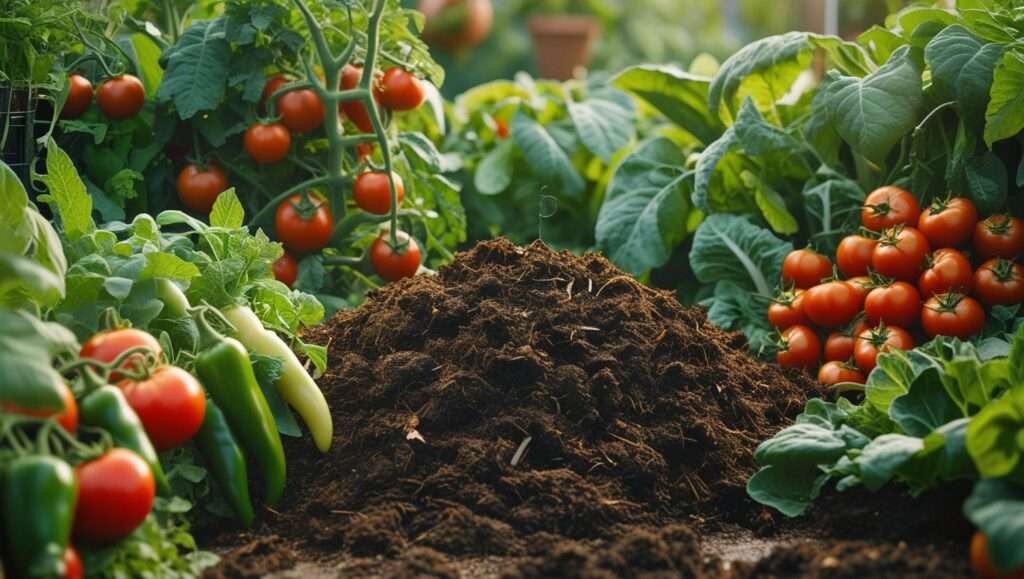
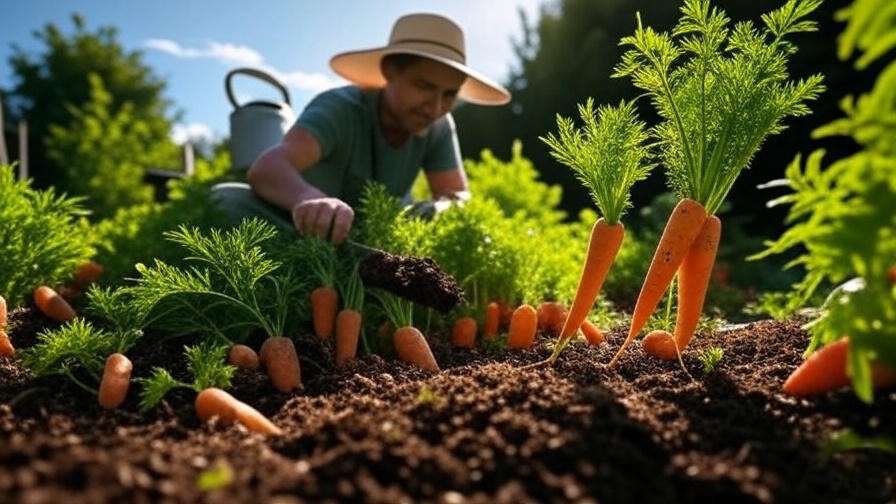
6. Inadequate Soil, Garden, and Crop Planning
Assuming any patch of ground will grow food leads to disappointing harvests.
Typical problems: Poor soil fertility, wrong crop timing for your zone, pest and weed overruns, or lack of rotation leading to nutrient depletion.
Effective strategies:
- Always test soil pH and nutrients before planting (many local extension offices offer affordable testing).
- Start with raised beds or containers if native soil needs major improvement.
- Practice companion planting, succession sowing, and crop rotation to reduce pests naturally.
- Choose crops suited to your climate and growing season length.
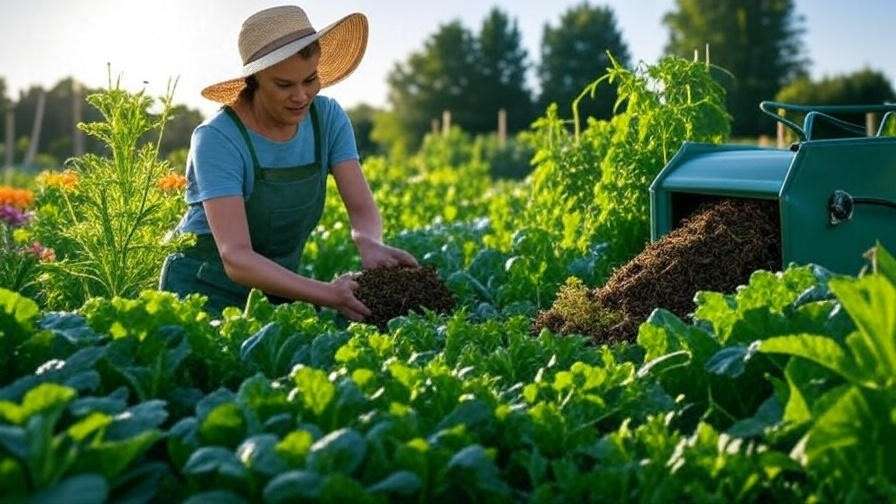
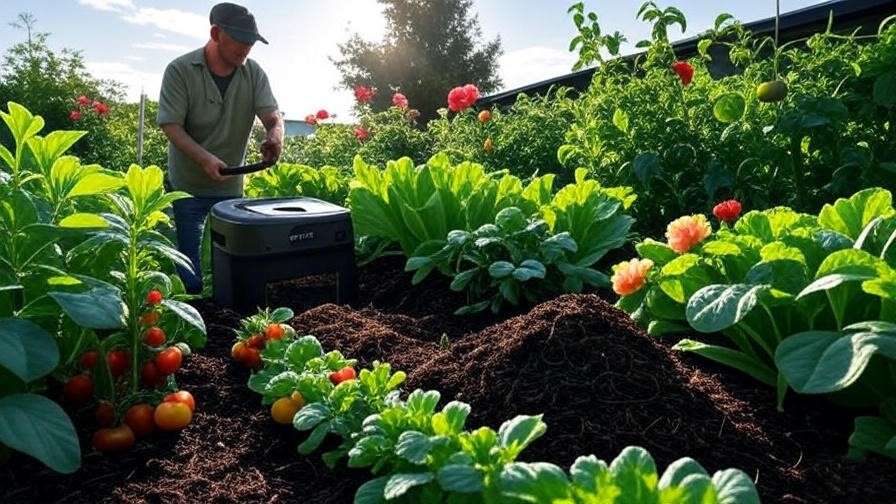
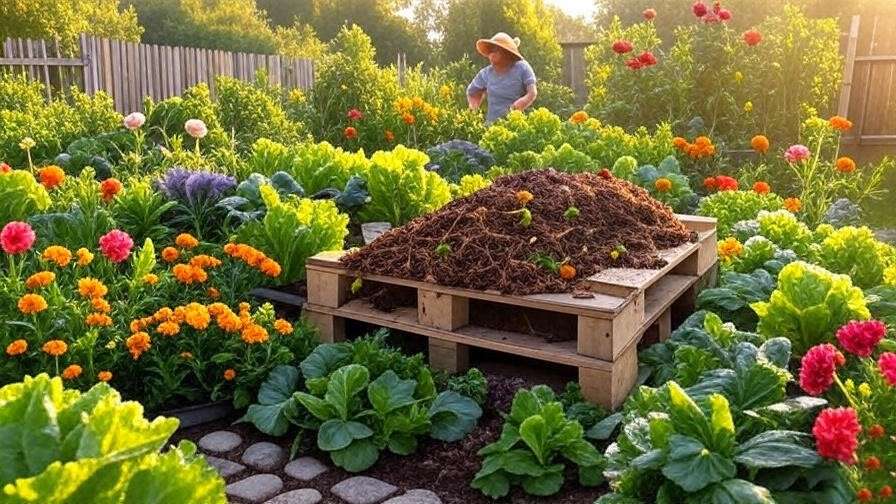
Building healthy soil through compost, mulch, and cover crops pays dividends for years.
7. Neglecting Infrastructure and Tools
Buying cheap or unnecessary equipment while skimping on essentials creates inefficiency.
Issues: Frequent breakdowns, lack of proper storage leading to waste, or mismatched tools that slow tasks.
Starter recommendations:
- Focus on multipurpose, durable items first: quality shovel, hoe, wheelbarrow, and basic fencing tools.
- Prioritize critical infrastructure: secure animal housing, garden beds, water access, and storage for harvests.
- Maintain and store tools properly to extend lifespan—clean after use and keep dry.
Invest once in quality rather than replacing cheap versions repeatedly.
8. Failing to Build Skills Gradually and Seek Knowledge
Relying solely on videos without hands-on practice creates dangerous gaps in areas like food preservation, animal husbandry, or basic repairs.
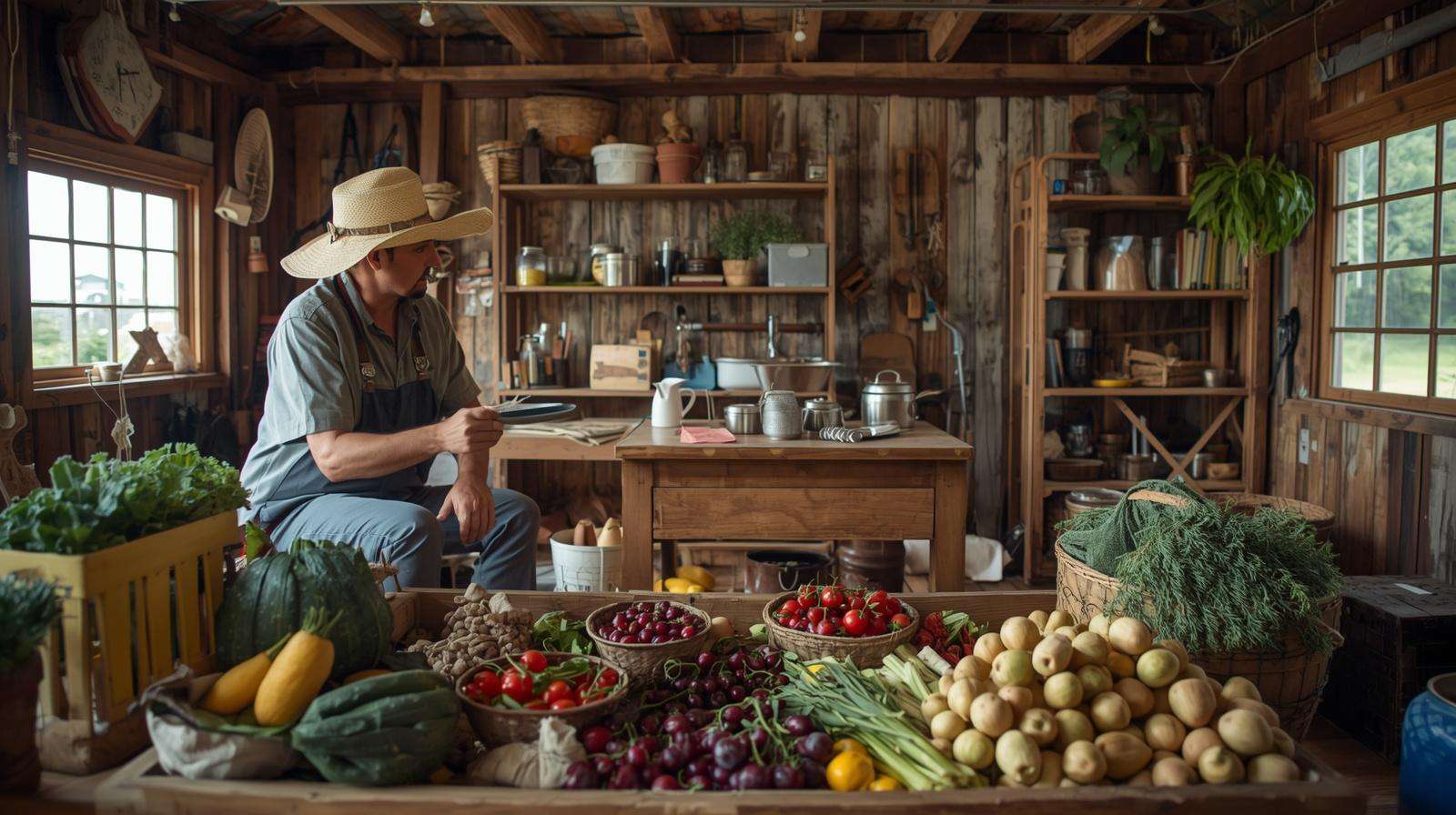
Recommended learning path (top foundational skills):
- Soil health and gardening basics
- Simple animal care and biosecurity
- Food preservation (canning, dehydrating, fermenting—with safety first)
- Basic tool maintenance and repairs
- Seasonal planning and record-keeping
- Water management and conservation
- Natural pest control
- Budgeting and resource tracking
- Emergency preparedness
- Community networking
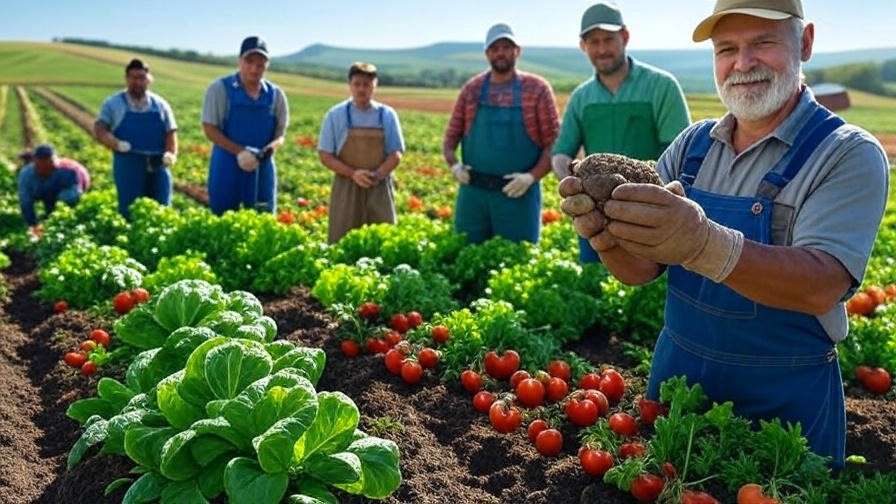
Combine reading, local workshops, extension classes, and gradual practice. Mentorship from experienced locals accelerates progress.
9. Underestimating Time, Labor, and Family Buy-In
Homesteading chores add significant daily demands that can disrupt work-life balance.
Realities: Seasonal peaks (planting, harvesting, preservation) cause fatigue; lack of family support leads to resentment.
Strategies:
- Involve household members in planning and task division from the start.
- Track actual time spent to set realistic expectations.
- Build in self-care and rest periods—burnout helps no one.
- Start with manageable daily commitments and adjust as skills improve.
Open communication and shared goals strengthen family homesteads.
10. Expecting Instant Results or Perfection
The comparison trap—measuring your beginning against others’ highlight reels—leads to discouragement.
Why it hurts: Homesteading involves trial and error; first-year yields are often low while learning occurs.
Winning mindset:
- Celebrate small wins: your first successful batch of eggs, a thriving tomato plant, or a repaired fence.
- Keep detailed records to track progress over seasons.
- View failures as valuable lessons rather than defeats.
- Focus on long-term resilience over short-term perfection.
Patience and iteration create sustainable systems.
From the Field: Real Homesteader Lessons
One couple started with 20 chickens and a large garden in their first season. Poor fencing led to predator losses, and overwhelm caused garden neglect. They scaled back to 6 birds and a small plot the next year, added proper infrastructure, and now enjoy steady production with far less stress.
Another new homesteader ignored soil testing and lost most crops to nutrient deficiencies. After testing and amending, their yields tripled. These stories highlight that adjusting course early turns pitfalls into strengths.
Essential Beginner Homesteading Checklist
Use this as a starting point (consider printing or downloading a version):
- Pre-purchase: Research zoning, water rights, soil potential, and climate data.
- First 3 months: Secure water, basic shelter, test soil, start small garden or flock.
- First year: Build budget tracking, learn core skills, keep records, expand gradually.
- Ongoing: Regular maintenance, seasonal reviews, community connection.
Building Resilience: Turning Pitfalls into Strengths
Develop systems for record-keeping, emergency preparedness (power outages, extreme weather), and community support. Join local agricultural groups or extension programs for ongoing guidance. Embrace sustainable practices like composting and water conservation for long-term success.
Conclusion
Beginner homesteader pitfalls don’t have to derail your journey. By starting small, planning thoroughly, respecting local conditions and regulations, building skills gradually, and maintaining realistic expectations, you can create a productive, fulfilling homestead that aligns with your agricultural goals.
FAQ: Beginner Homesteader Pitfalls – Your Most Common Questions Answered
What is the single biggest mistake new homesteaders make? The most frequent beginner homesteader pitfall is taking on too much too soon. Overwhelm from trying to manage a large garden, multiple livestock species, and major infrastructure projects at once often leads to burnout, animal welfare issues, and abandoned dreams. Starting small and scaling gradually prevents most other mistakes from snowballing.
How much land do I realistically need to start homesteading? It depends on your goals. A productive backyard homestead is possible on just ¼ to ½ acre if you focus on intensive gardening, chickens, and rabbits. For a family aiming for significant self-sufficiency (including larger livestock and orchards), 2–5 acres is often a practical minimum. Always prioritize soil quality, water access, and zoning over sheer size.
Can I homestead successfully in a suburban or urban area? Yes—many people practice suburban homesteading with raised-bed gardens, container growing, backyard chickens (where allowed), and even small livestock like quail or bees. Check local ordinances carefully, as some areas limit livestock or structures. Focus on high-yield, space-efficient methods like vertical gardening and intensive planting.
How do I avoid wasting money on my first homestead setup? Create a detailed budget with a 25–30% contingency fund. Prioritize essentials: reliable water, secure animal housing, and soil improvement. Buy quality tools and infrastructure once rather than cheap versions that fail quickly. Shop used equipment from local farm auctions or online homestead groups, and start with only what you truly need in the first year.
What are the best animals for absolute beginners? Chickens are usually the top choice—they provide daily eggs, are relatively low-maintenance once the coop is ready, and teach basic animal husbandry skills. Rabbits are another excellent starter option for quiet meat production in small spaces. Avoid goats, sheep, or cows until you have at least one full season of experience with smaller animals and proper fencing.
How important is soil testing before starting a garden? Extremely important. Many first-year garden failures stem from unknown pH imbalances or nutrient deficiencies. A simple soil test (often available cheaply through local agricultural extension offices) tells you exactly what amendments your soil needs. Investing in this step early can triple your yields and prevent wasted time and seed money.
Is homesteading expensive to start? Startup costs vary widely. A modest backyard setup might cost $1,000–$3,000, while a larger rural property with infrastructure can run $10,000+. The key is phasing expenses over time and focusing on high-return activities like egg production and vegetable gardening, which pay for themselves quickly.
What if I make a mistake—how do I recover? View every setback as valuable data. Keep detailed records of what worked and what didn’t. Most experienced homesteaders have lost entire flocks, gardens, or harvests in their early years. Adjust quickly, scale back if needed, and apply the lesson moving forward. Community support from local farming groups can provide encouragement during tough periods.
How do I balance homesteading with a full-time job and family life? Start with 30–60 minutes of daily chores rather than full days of labor. Involve family members in age-appropriate tasks and decision-making. Use time-blocking techniques and focus on efficient systems (automated watering, easy-clean coops). Accept that the first 1–2 years involve more learning than production.