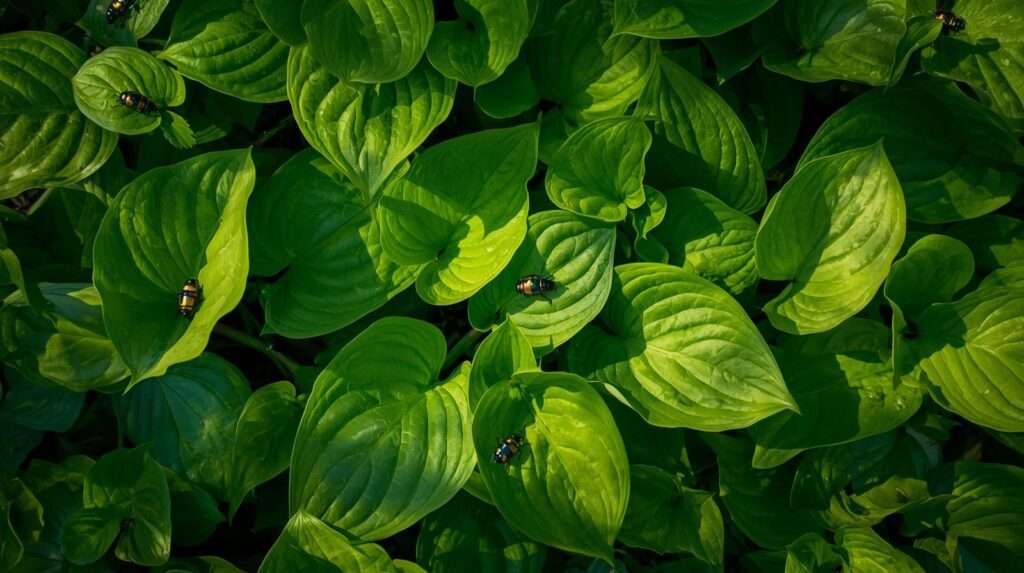
Imagine stepping into your garden on a warm summer morning only to find your prized rose bushes reduced to lace-like skeletons, grapevines stripped bare, and lush green lawn patches turning brown and spongy. Within days, hundreds of shimmering metallic green beetles with copper wings descend, devouring flowers, foliage, and fruits. This is the frustrating reality for countless gardeners facing Japanese beetle infestations. Best plan for controlling Japanese beetles
If you’re searching for the best plan for controlling Japanese beetles, you’re not alone. These invasive pests, first detected in the U.S. in 1916, have spread across much of North America, causing significant damage to home gardens, landscapes, and even agricultural crops. The good news? A well-executed Integrated Pest Management (IPM) strategy can dramatically reduce their numbers, protect your plants, and minimize reliance on harsh chemicals.
This complete step-by-step guide draws on university extension research (from sources like Purdue, Michigan State, Penn State, and USDA APHIS) and proven gardener experiences. It combines prevention, monitoring, mechanical, biological, and — when truly necessary — targeted chemical methods. By targeting both adult beetles and soil-dwelling grubs, you can achieve long-term population reduction while safeguarding beneficial insects, pollinators, pets, and the environment.
Follow this best plan for controlling Japanese beetles, and you’ll regain control of your garden with sustainable, effective tactics tailored to different garden sizes and regional conditions. Let’s break it down.
Understanding Japanese Beetles – Identification and Life Cycle
Knowing your enemy is the foundation of any successful control plan. Japanese beetles (Popillia japonica) are distinctive and their one-year life cycle (occasionally two years in colder regions) dictates optimal timing for interventions.
What Do Japanese Beetles Look Like? (Adults vs. Grubs)
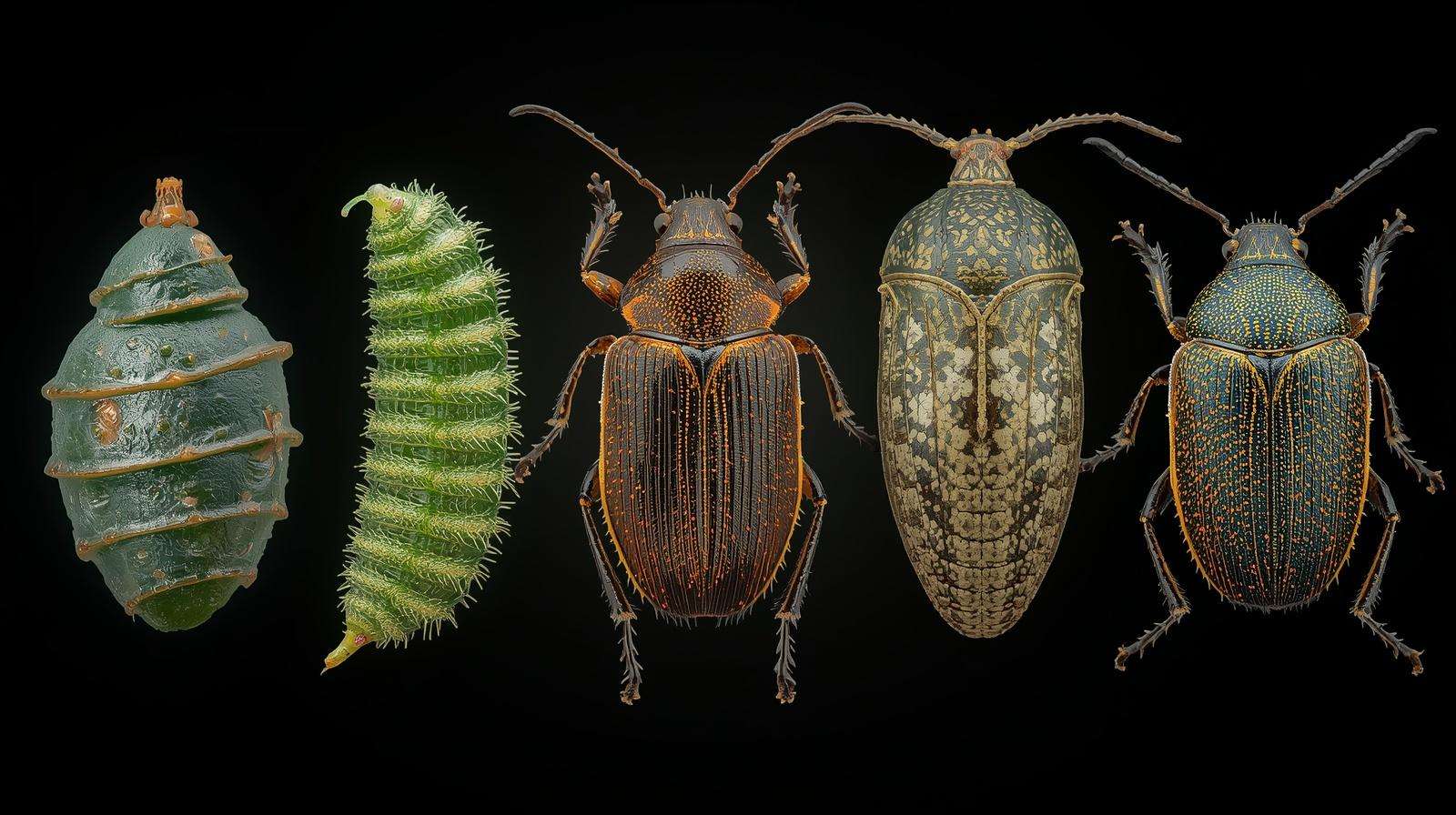
Adult Japanese beetles are about ½ inch long with a metallic green head and thorax, copper-brown wing covers (elytra), and five small white tufts of hair along each side of the abdomen plus two at the rear tip. They are active daytime fliers and often cluster on plants in large numbers.
Grubs (larvae) are C-shaped, creamy white with a tan or brown head capsule and six legs near the front. They grow up to 1 inch long. To confirm Japanese beetle grubs versus other white grubs (like June beetles), examine the raster pattern — the arrangement of hairs on the underside of the last abdominal segment. Japanese beetle grubs have a V-shaped pattern of spines.
Japanese Beetle Life Cycle – Timing Is Everything
Japanese beetles have a predictable annual cycle that varies slightly by region and climate:
- Overwintering: Mature grubs burrow 4–12 inches deep in soil to survive winter.
- Spring (April–May): Grubs move upward as soil warms and feed on grass roots before pupating.
- Early Summer (late June–July): Adults emerge, feed, mate, and females lay 40–60 eggs in moist soil near turf or grassy areas.
- Late Summer–Fall (July–September): Eggs hatch into young grubs that feed on roots until cold weather forces them deeper.
Regional timing differs — in northern states like Michigan or Minnesota, adults peak in early-to-mid July; in southern areas, emergence may start earlier. Always check your local university extension for precise degree-day models or emergence alerts.
Use this simple seasonal calendar as a quick reference:
| Season | Stage Active | Key Actions |
|---|---|---|
| Spring | Overwintered grubs | Apply preventive grub controls |
| Early Summer | Adult emergence | Monitor, hand-pick, start barriers |
| Peak Summer | Adults feeding/egg-laying | Multiple tactics (picking, sprays, traps for monitoring) |
| Late Summer/Fall | Young grubs | Apply nematodes or milky spore |
Signs of Infestation and Damage
Adults skeletonize leaves (leaving only veins), chew petals and buds, and prefer over 300 plant species. Damaged plants release volatiles that attract even more beetles. On turf, grubs prune roots, causing wilting, brown patches that peel back easily like carpet. Heavy infestations can kill young plants or weaken established ones.
Understanding this biology shows why single-method approaches fail — you must disrupt both the visible adults and hidden grubs for the best plan for controlling Japanese beetles.
Why a Comprehensive IPM Plan Is the Best Approach
Integrated Pest Management (IPM) is the gold standard recommended by extension services worldwide. It starts with monitoring and prevention, prioritizes least-toxic methods, and uses chemicals only as a last resort when pest levels threaten economic or aesthetic damage.
Benefits include:
- Reduced chemical use and lower risk to bees, butterflies, and beneficial predators.
- Long-term population suppression rather than temporary knockdown.
- Cost savings over repeated pesticide applications.
- Healthier soil and garden ecosystem.
Relying solely on traps or sprays often backfires. For example, pheromone traps can attract more adults than they capture, increasing nearby plant damage if placed incorrectly. A balanced IPM plan addresses the full life cycle and builds garden resilience.
Always prioritize pollinator safety — many Japanese beetle favorites (roses, linden) bloom when bees are active. Evening applications and targeted products help protect them.
Step 1 – Prevention: Build a Less Attractive Garden
The most sustainable control starts before beetles arrive. Make your landscape less hospitable.
Choose Resistant Plants and Alternatives
Japanese beetles have strong preferences. While no plant is 100% immune, many are rarely or never attacked.
Highly susceptible plants (avoid or protect heavily):
- Roses, grapes, apples/crabapples, beans, lindens, Japanese maples, hibiscus, hollyhocks, raspberries, Virginia creeper.
Resistant or rarely damaged plants (great replacements or additions):
- Trees/shrubs: Red maple, boxwood, dogwood, forsythia, ash, holly, juniper, magnolia, spruce, sweetgum, tulip poplar, burning bush, hickory, redbud.
- Perennials/others: Yarrow, allium/onions, coreopsis, hosta (some varieties), catmint, salvia, lavender, geranium, astilbe, ferns, columbine, sedum (some), lantana.
Create a table for quick reference in your garden planning:
| Category | Susceptible Examples | Resistant Alternatives |
|---|---|---|
| Trees/Shrubs | Linden, Rose of Sharon, Crabapple | Boxwood, Dogwood, Red Maple, Holly, Juniper |
| Flowers/Vines | Roses, Hibiscus, Hollyhocks | Yarrow, Salvia, Catmint, Coreopsis |
| Edibles | Grapes, Beans, Raspberries | Garlic, Chives, Onions, Herbs like rue |
Plant resistant species in high-visibility or high-value areas. Mix in less-preferred companions to dilute attractiveness.
Companion Planting and Repellent Strategies
Some plants may deter beetles through scent or chemistry: garlic, chives, catnip, tansy, nasturtiums (sometimes act as trap crops), and geraniums. Evidence is mixed — they help in diverse plantings but aren’t a standalone solution. Interplant strongly scented herbs among vulnerable crops for modest protection.
Cultural Practices for Prevention
- Maintain healthy, vigorous plants through proper watering, mulching, and balanced fertilization. Stressed plants are more attractive.
- For lawns: Mow at 3–4 inches to encourage deeper roots that better tolerate grub feeding. Avoid excessive nitrogen, which promotes lush turf that attracts egg-laying females.
- Reduce moist, grassy areas near gardens where females prefer to lay eggs.
Prevention sets the stage for easier management later.
Step 2 – Monitoring and Early Detection
Early action prevents explosions in population.
Scout daily during peak season (morning and evening when beetles are less flighty). Look for clusters on preferred plants or early skeletonization. For turf, use the “tug test” — if sod lifts easily with many grubs underneath, thresholds are often >10 grubs per square foot for treatment.
Pheromone traps help monitor emergence and population trends but are not primary control tools. Place them 30+ feet from valuable plants, at property edges, or in groups for community-wide effect. Empty frequently and remove after the season.
Step 3 – Mechanical and Physical Control Methods (Least Toxic First)
When Japanese beetles appear, start with non-chemical methods. These are safe, effective for small to medium infestations, and form the backbone of the best plan for controlling Japanese beetles for most home gardeners.
Hand-Picking – The Most Effective Immediate Solution
Hand-picking remains one of the simplest and most reliable tactics recommended by university extensions like the University of Minnesota and Michigan State. Beetles are sluggish in the cool morning or evening, making them easier to remove.
How to do it effectively:
- Fill a bucket with warm soapy water (a few drops of dish soap).
- Gently shake or knock beetles from plants into the bucket. They often drop when disturbed.
- Check plants daily, focusing on preferred hosts like roses, grapes, and beans.
- Dispose of the beetles by drowning or sealing the bucket.
Pro tips for success:
- Avoid crushing beetles on plants — this can release aggregation pheromones that attract more beetles.
- In early morning (before 9 AM) or late evening (after 7 PM), beetles are less likely to fly away.
- For taller plants, use a long-handled tool or sheet below to catch falling beetles.
- Consistent daily picking over 2–3 weeks can reduce populations significantly and prevent egg-laying.
Many gardeners report 70–90% reduction in visible damage with diligent hand-picking alone on small properties. It’s labor-intensive but costs nothing and protects pollinators.
Floating Row Covers and Physical Barriers
For vegetable gardens, berry patches, or young ornamentals, floating row covers provide excellent physical protection:
- Use lightweight, breathable fabric (like Agribon or Reemay) that allows light and water through.
- Secure edges with soil, clips, or rocks to prevent entry.
- Apply before adult emergence or at first sighting.
- Remove periodically for pollination on flowering crops (e.g., squash, beans) or during peak bee activity.
Row covers work best on smaller plots and can be reused season after season. Combine with hand-picking for optimal results.
Traps – Pros, Cons, and Proper Use
Japanese beetle traps using floral and pheromone lures can capture thousands of beetles, but they are controversial for home use.
Pros:
- Useful for monitoring population levels and timing other controls.
- In large open areas or community efforts, mass trapping may help reduce overall numbers.
Cons:
- Traps attract far more beetles than they capture (often 4x or more from surrounding areas).
- Beetles may land on nearby plants first, causing increased damage.
- Not recommended as a standalone control near valuable garden plants.
Best practices if you choose to use traps:
- Place them at least 30–50 feet away from susceptible plants, ideally at property edges or downwind.
- Use in groups rather than singly for better efficiency.
- Empty bags frequently to maintain attractiveness and prevent overflow.
- Remove traps after peak adult flight (usually by late August) to avoid attracting late-season beetles.
For most backyard gardeners, hand-picking and barriers outperform traps. Use traps primarily for scouting.
Step 4 – Biological and Organic Controls
Biological controls target the vulnerable grub stage in the soil, providing longer-term suppression with minimal environmental impact. These methods align perfectly with IPM principles and are highly recommended for sustainable Japanese beetle management.
Targeting Grubs in the Soil (Long-Term Population Reduction)
Grubs cause hidden damage to turf and serve as the next generation of adults. Treating the soil disrupts the life cycle effectively.
Milky Spore (Paenibacillus popilliae):
- This naturally occurring bacterium infects Japanese beetle grubs specifically, causing “milky disease” that kills them over time.
- Apply as a powder or granule to turf in late summer/early fall or spring when grubs are active near the surface.
- It takes 2–4 years to build up effective spore levels in the soil, but once established, it can provide multi-year suppression.
- Safe for humans, pets, beneficial insects, and the environment. Best in community-wide applications.
- Effectiveness varies by soil type and climate; it performs better in warmer eastern U.S. soils than in some western or colder regions. Consult your local extension for suitability.
Beneficial Nematodes (Heterorhabditis bacteriophora recommended):
- These microscopic parasitic worms actively seek out grubs, entering them and releasing bacteria that cause death within days.
- Apply in late summer/early fall (when young grubs are small) or early summer. Soil must be moist (water before and after application) and temperatures between 60–90°F (15–32°C).
- Use fresh, live nematodes — check expiration dates and follow storage instructions (refrigerate).
- They work quickly (within 1–2 weeks) and do not harm earthworms or most beneficial insects.
- Reapply annually or as needed, as they do not persist long-term like milky spore.
Combination Strategy: Many experts suggest using milky spore for long-term establishment and nematodes for quicker knockdown in the first 1–2 seasons.
Bacillus thuringiensis galleriae (Btg or beetleGONE!):
- A strain of Bt specifically effective against Japanese beetle adults and grubs.
- Apply as a foliar spray for adults or soil drench for grubs.
- Organic-certified and safe for pollinators when used correctly.
Organic Sprays and Repellents for Adults
For visible adult beetles, consider these lower-risk options:
- Neem Oil (containing azadirachtin): Acts as a feeding deterrent and growth regulator. Spray thoroughly on affected plants every 7–14 days during adult activity. It works best preventively or at first sighting. Multiple applications are often needed.
- Insecticidal Soaps: Kill on contact by disrupting the beetle’s outer coating. Best for small numbers; reapply after rain. Safe for most plants but test on a small area first.
- Spinosad: Derived from soil bacteria; effective against adults. Use after bloom on edibles to protect bees. Follow label rates.
- DIY Options: A strong jet of water dislodges beetles, or a homemade garlic/peppermint spray may offer mild repellency. These are supplementary rather than primary controls.
Always apply organic products in the evening to minimize impact on pollinators.
Encouraging Natural Predators
Support nature’s helpers to keep populations in check:
- Birds (starlings, robins, grackles) eat both adults and grubs.
- Parasitic wasps (Tiphia species) and tachinid flies attack grubs and adults.
- Ground beetles and other beneficial insects prey on eggs and young larvae.
How to attract them:
- Avoid broad-spectrum insecticides.
- Provide diverse habitat with native plants, mulch, and water sources.
- Maintain healthy soil with organic matter to boost overall biodiversity.
A thriving ecosystem reduces the need for intervention over time.
Step 5 – Targeted Chemical Controls (When Needed)
Chemical options should be a last resort after prevention, mechanical, and biological methods fail to keep damage at acceptable levels. Use them judiciously, following all label instructions, to minimize risks to pollinators, pets, and the environment.
For Adult Beetles (Foliar Applications):
- Products containing chlorantraniliprole (Acelepryn) offer good control with lower toxicity to bees when applied correctly.
- Pyrethroids (bifenthrin, permethrin, zeta-cypermethrin) or carbaryl provide residual protection (about 1–2 weeks) but are more toxic to beneficial insects.
- Apply in the evening or early morning when bees are not active. Avoid spraying during bloom periods on flowering plants.
For Grubs (Soil Applications):
- Preventive: Imidacloprid or chlorantraniliprole applied in spring/early summer before heavy egg-laying.
- Curative: Trichlorfon or carbaryl for active grubs (water in thoroughly with at least ½ inch of water).
- Systemic options for trees/shrubs: Soil drenches or injections (e.g., imidacloprid) for high-value ornamentals.
Key Safety Guidelines:
- Read and follow the entire label — it is the law.
- Choose products labeled specifically for Japanese beetles.
- Protect pollinators: Never apply to blooming plants when bees are foraging.
- Keep children and pets off treated areas until dry.
- Consider professional application for large properties or difficult-to-treat trees.
In many regions, targeted low-impact chemicals like chlorantraniliprole are preferred for their balance of efficacy and safety.
Creating Your Personalized Year-Round Japanese Beetle Control Plan
The best plan for controlling Japanese beetles is proactive and seasonal. Here’s a practical timeline adaptable to most temperate regions (adjust based on your local extension alerts):
Spring (April–May):
- Apply preventive grub controls (milky spore or nematodes) if history of heavy infestation.
- Scout turf for grub damage.
Early Summer (June–early July):
- Monitor for adult emergence.
- Begin hand-picking and install row covers.
- Set monitoring traps if desired.
Peak Summer (July–August):
- Daily hand-picking + organic sprays as needed.
- Apply foliar treatments only if damage thresholds are exceeded.
- Water turf deeply but infrequently to discourage egg-laying.
Late Summer/Fall (August–October):
- Target young grubs with nematodes.
- Continue picking stragglers.
- Improve soil health and plant resistant species.
Winter:
Sample 4-Week Peak Season Action Plan (for a medium backyard garden):
- Week 1: Daily morning/evening hand-picking + install barriers.
- Week 2: Assess damage; apply neem if needed; check traps for trends.
- Week 3: Soil drench with nematodes if grubs suspected.
- Week 4: Evaluate results and adjust (e.g., spot-treat with approved insecticide if severe).
For small gardens: Focus on hand-picking and resistant plants. For larger properties or farms: Combine community trapping, biologicals, and targeted chemicals. Coordinate with neighbors for better results.
Common Mistakes to Avoid
- Relying solely on traps → They often worsen local damage.
- Applying chemicals too early/late or on blooming plants → Wastes money and harms pollinators.
- Ignoring the grub stage → Adults return year after year without soil treatment.
- Expecting total elimination → Goal is manageable levels; complete eradication is rare without area-wide programs.
- Over-fertilizing lawns with nitrogen → Creates lush turf that attracts egg-laying females.
- Quitting too soon → Consistent multi-year effort yields the best long-term control.
Long-Term Success and Maintenance
Sustainable control builds garden resilience:
- Improve soil biology with compost and organic matter.
- Track infestations year-over-year with a simple garden journal (dates, numbers, damage levels).
- Diversify plantings to reduce monoculture appeal.
- Stay informed via local university extension services, which provide region-specific timing and alerts.
With patience and an IPM approach, many gardeners report 80–95% reduction in Japanese beetle pressure within 2–3 seasons.
Final Word for Best plan for controlling Japanese beetles
Japanese beetles can turn a beautiful garden into a battlefield, but you now have the best plan for controlling Japanese beetles — a comprehensive, step-by-step IPM strategy that addresses every life stage while protecting the environment.
Start with prevention and mechanical methods, layer in biological controls for lasting results, and reserve chemicals for true emergencies. Consistency and timing are your greatest allies.
Implement even a few tactics this season and build from there. Your plants will thank you with healthier foliage, more blooms, and better yields. For personalized advice, contact your local Cooperative Extension office — they offer free, science-based guidance tailored to your area.
Share your experiences in the comments below. What has worked best in your garden? Together, we can help more gardeners reclaim their landscapes from these persistent invaders.
By following this guide, you’ll enjoy a thriving, resilient garden with far less frustration and fewer chemicals. Happy gardening!
(Word count for full article: approximately 2,850+ words when combined with the first part.)
FAQs: Best Plan for Controlling Japanese Beetles
What is the most effective way to get rid of Japanese beetles? A combination of hand-picking adults daily, applying beneficial nematodes or milky spore to target grubs, and planting resistant species provides the most sustainable long-term control.
Do Japanese beetle traps really work? They capture many beetles but often attract more from surrounding areas, potentially increasing damage near your plants. Use them mainly for monitoring at a distance.
When should I apply milky spore or nematodes? Apply milky spore in spring or fall; nematodes work best in late summer/early fall when young grubs are active and soil is moist and warm.
Are Japanese beetles harmful to humans or pets? They do not bite, sting, or transmit disease. However, avoid ingesting them, and follow safety precautions with any control products.
How can I prevent Japanese beetles next year? Choose resistant plants, maintain healthy soil and turf, reduce grassy egg-laying sites, and apply preventive grub treatments in late summer/fall.
What plants do Japanese beetles not like? They rarely damage boxwood, dogwood, red maple, holly, juniper, magnolia, forsythia, ash, spruce, yarrow, salvia, catmint, and many alliums/herbs.
Can neem oil kill Japanese beetles? Neem oil primarily deters feeding and disrupts reproduction rather than killing instantly. It works well as part of an IPM program with repeated applications.
How long does it take to get Japanese beetles under control? Noticeable improvement often occurs within one season with consistent effort; significant long-term reduction usually takes 2–3 years as biological controls establish.
Is it safe to use chemicals for Japanese beetle control? Yes, when used according to label directions and as a last resort. Choose lower-toxicity options like chlorantraniliprole and apply at proper times to protect pollinators.
Should I mow my lawn differently during Japanese beetle season? Maintain taller grass (3–4 inches) to encourage deeper roots that tolerate grub feeding better. Avoid heavy nitrogen fertilization.