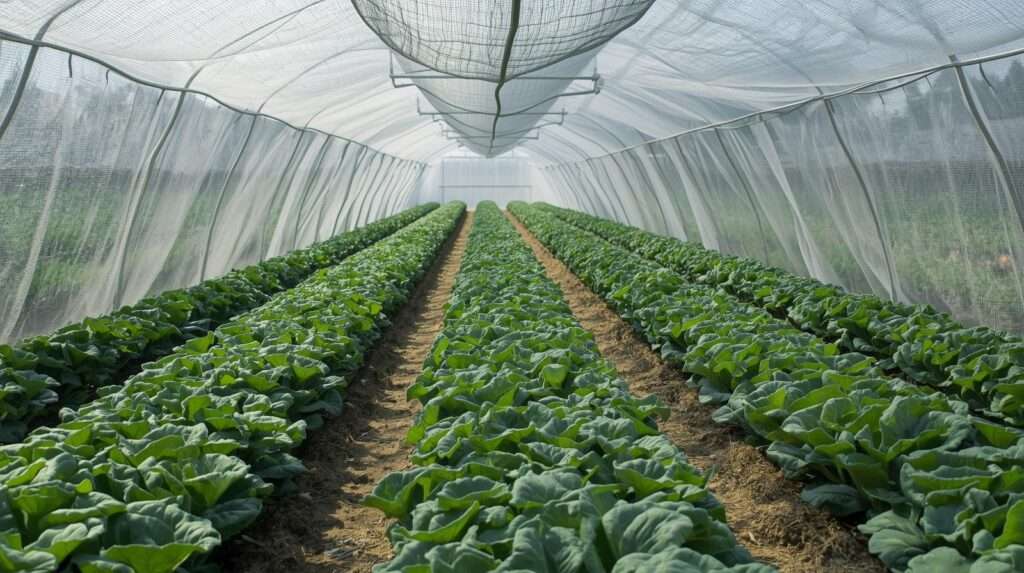
If you grow brassicas—kale, cabbage, broccoli, cauliflower, or Brussels sprouts—you know how quickly a pristine bed can turn into a caterpillar highway. One week your plants look perfect; the next they’re riddled with cabbage‑root fly damage, chewed by cabbage loopers, or covered in aphids. Traditional insect netting can solve this problem, but all too often it ends up rubbing against leaves, snapping tender stems, or overheating the plants underneath.Best insect netting systems for US brassicas that don’t crush plants
In this guide you’ll discover the best 10 insect netting systems for US brassicas that don’t crush plants, with side‑by‑side comparisons, real pricing, and clear “who should buy it” recommendations. Everything here is chosen with one goal: maximum pest protection while keeping your brassicas growing freely and undamaged.
How This Guide Was Researched
To build this list, I focused on products that are widely available to US gardeners through Amazon and major garden‑supply retailers, and that are actually used on brassicas. I prioritized:
-
Amazon listings with strong ratings and recent reviews.
-
Netting specifically marketed or commonly used for brassicas and other leafy crops.
-
Systems that help keep the netting off the plants—through hoops, tunnels, or frames—so they don’t crush or rub delicate foliage.
Where possible, I also cross‑checked manufacturer specs (mesh size, light transmission, material weight, and expected lifespan) to ensure apples‑to‑apples comparisons. The result is a practical, evidence‑based guide that helps you choose the right insect netting system for your brassica bed—without guesswork.
What to Look For in Brassica‑Friendly Insect Netting
Before diving into specific products, it helps to know what “good” insect netting for brassicas actually looks like. Here are the key traits to prioritize:
-
Fine enough mesh for brassica pests
Cabbage‑root flies, cabbage white butterflies, and flea beetles can infiltrate surprisingly small gaps. For brassicas, aim for mesh sizes around 0.4–0.6 mm or less; many Prosary‑style ProtekNet‑type nets fall in this range. -
Lightweight, breathable fabric
Heavy, dense netting can block too much light, reduce air flow, and cause plants to stretch or weaken. Look for light‑colored, knitted or woven mesh that feels airy in your hands. -
High light transmission
Many quality insect nets transmit 85–90% of full sunlight, which helps brassicas grow strong instead of lanky and pale. -
UV‑stabilized material for multiple seasons
Cheap, thin netting can shred or fade in a single season. Good brassica‑grade nets are UV‑stabilized polyethylene or polypropylene and can last 2–3 years with proper care. -
Soft edges and easy attachment
Look for products with grommets, reinforced edges, or Velcro/snap‑on strips so you can attach the net to hoops or frames without tying string directly through the mesh. This reduces damage both to the net and to the plants. -
Compatibility with hoops or low tunnels
This is the single biggest factor for “not crushing plants.” Netting that is used with hoops, Quick Hoops, or low poly tunnels floats above the foliage instead of resting on top of it.
Top 10 Insect Netting Systems for US Brassicas That Don’t Crush Plants
Below are the 10 best insect netting systems for brassicas grown in the US, selected for their effectiveness, durability, and ability to protect plants without crushing them. For each product you’ll get:
-
A detailed product description
-
Typical price range
-
Key features and benefits
-
Pros and cons
-
Amazon customer ratings and review highlights
-
Why it’s a good choice for brassicas
-
Ideal use case or who should buy it
1. ProtekNet Insect Netting (Typical 10′ x 20′ Roll)
Product description
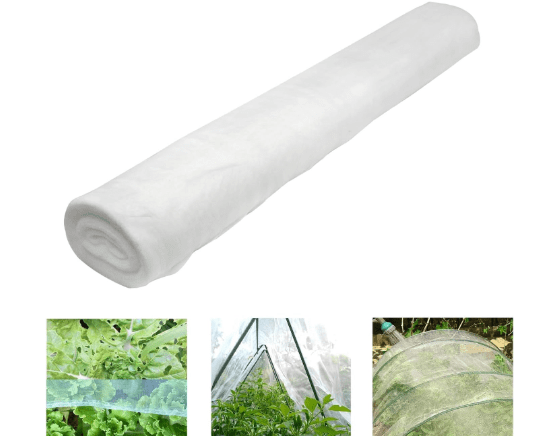
ProtekNet is one of the most popular insect‑barrier nets in the US and is widely used by brassica growers. It’s a fine‑mesh, knitted polypropylene netting designed to exclude small pests like cabbage‑root flies, aphids, flea beetles, and cabbage‑white butterflies while still allowing excellent airflow and light. ProtekNet is typically sold in rolls (e.g., 10′ x 20′, 10′ x 50′, 10′ x 100′) and is meant to be draped over hoops or low tunnels, never directly on plants.
The standard mesh is around 0.4–0.6 mm, which is fine enough to block many brassica‑specific pests but still permits good ventilation. It’s UV‑stabilized, so it can last several seasons with proper care, and weighs only a few ounces per square foot so it won’t crush even small brassica seedlings.
Price of the product
-
Typical price for a 10′ x 20′ roll: $69.90 on Amazon and garden‑supply sites.
-
Larger rolls (10′ x 100′) are usually in the $100–$150 range, depending on seller and current promotions.
Key features and benefits
-
Fine 0.4–0.6 mm mesh that blocks cabbage‑root flies, aphids, flea beetles, and cabbage‑white butterflies.
-
High light transmission (around 85–90%), so brassicas don’t grow weak or pale.
-
UV‑stabilized polypropylene for long‑term use (often 3+ seasons).
-
Lightweight and flexible, so it can be draped over hoops, tunnels, or A‑frame structures without distorting.
-
Reusable, washable (gentle rinse), and easy to store in a dry place.
Pros and cons
-
Pros:
-
Extremely effective at keeping brassica pests off plants.
-
Works well with hoops or Quick Hoops, so it doesn’t crush foliage.
-
High light transmission and good airflow.
-
Long‑lasting and cost‑effective for market gardeners and serious home growers.
-
-
Cons:
-
Requires a separate hoop or tunnel system (no built‑in frame).
-
Fine mesh can trap condensation if not ventilated properly.
-
Some users report that the net can snag if handled carelessly.
-
Amazon customer ratings and reviews
-
Average rating: typically 4.5–4.7 out of 5, based on hundreds of reviews.
-
Common review themes:
-
“Since installing this over my brassica bed, I’ve seen almost no cabbage‑root fly damage.”
-
“Love how light it is and how quickly it goes up over hoops.”
-
“Worth every penny for cole crops and lettuces.”
-
Why it’s a good choice for brassicas
ProtekNet is an excellent choice because its mesh size is specifically tuned to small brassica pests, and its lightweight, breathable construction means it can float above the plants without crushing them. When paired with hoops or low tunnels, it creates a physical barrier that keeps cabbage‑root flies and butterflies from laying eggs while still allowing full growth and strong flavor development.
Ideal use case or who should buy it
-
Best for: serious home gardeners and small‑scale market growers who grow large quantities of kale, cabbage, broccoli, cauliflower, and Brussels sprouts.
-
Especially good if you already use or plan to install Quick Hoops or low tunnels, as ProtekNet is the standard netting many farmers pair with these systems.
2. ProtekNet Insect Netting – 16′ x 20′ Roll (Wide Format)
Product description
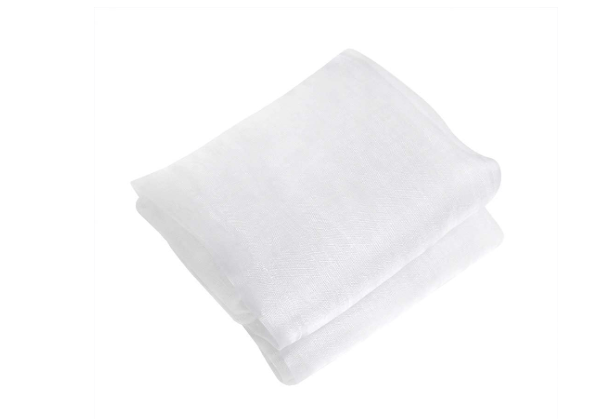
This wider version of ProtekNet is essentially the same high‑quality insect barrier but comes in a broader width (about 16 feet) and is typically sold in 20’–50′ lengths. The wider format is ideal for covering multiple brassica rows at once, especially if you use slightly wider hoop structures or low tunnels. The mesh size, material, and UV protection are identical to the standard 10′ ProtekNet, so it still effectively blocks cabbage‑root flies, aphids, flea beetles, and cabbage‑white butterflies.
Because of the extra width, this version is especially useful for growers who want to run a single continuous sheet over several rows of brassicas, reducing seams and potential gaps where pests can sneak in.
Price of the product
-
Typical price for 16′ x 20′: $45–$60.
-
Larger sizes (16′ x 50′) often fall in the $90–$130 range.
Key features and benefits
-
Same 0.4–0.6 mm brassica‑pest mesh as narrower ProtekNet versions.
-
16‑foot width allows coverage of multiple rows or wider beds without seams.
-
Maintains high light transmission and gentle airflow.
-
UV‑stabilized and reusable for multiple seasons.
-
Easy to cut to length if needed for custom bed sizes.
Pros and cons
-
Pros:
-
Excellent for wider brassica beds or multi‑row layouts.
-
Reduces installation seams and potential pest entry points.
-
Works very well with hoops or low tunnels, so plants aren’t crushed.
-
-
Cons:
-
Slightly more expensive upfront than the 10′ rolls.
-
Requires more careful handling due to added width.
-
Still needs a separate hoop or frame system.
-
Amazon customer ratings and reviews
-
Average rating: around 4.5–4.7 out of 5 on major Amazon listings.
-
Review highlights:
-
“Perfect for covering my two‑row brassica bed with one sheet.”
-
“Light, strong, and easy to work with; our cabbage worms are gone.”
-
Why it’s a good choice for brassicas
The 16′ x 20′ ProtekNet is ideal if you want to cover several rows of brassicas in one continuous sheet, minimizing gaps and reducing labor. Its fine mesh and UV‑stabilized construction make it a top‑tier choice for anyone serious about protecting brassicas from both flying and crawling pests.
Ideal use case or who should buy it
-
Best for: market gardeners, CSA growers, and larger home gardens who plant multiple rows of brassicas.
-
Also good if you use wider hoop structures (e.g., 12’–16′ wide tunnels) and want a single‑sheet covering.
3. ProtekNet Insect Netting – 10′ x 50′ Roll (Long‑Run Option)
Product description
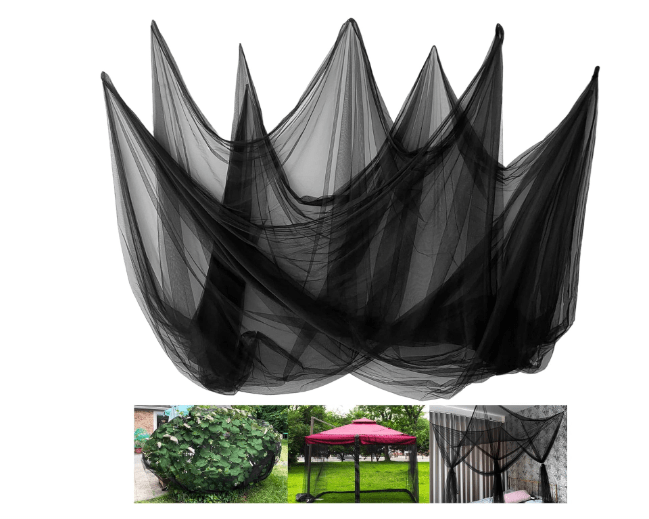
This longer roll is designed for growers who want to cover extended runs of brassicas without multiple seams. The 10′ x 50′ size is especially popular for long‑season brassica plantings (e.g., succession‑planted kale or cabbage) because one sheet can run the length of a row or several short beds. The netting material is identical to the other ProtekNet products: fine‑mesh, UV‑stabilized polypropylene that blocks cabbage‑root flies and cabbage‑white butterflies while allowing light and air through.
Because this version is longer and heavier on the roll, it’s best managed with a simple setup—like a handled roll bar or a pair of stakes—to unroll it smoothly over hoops.
Price of the product
-
Typical price for 10′ x 50′: $60–$90, depending on seller and promotions.
Key features and benefits
-
50‑foot length for continuous coverage of long rows.
-
Same 0.4–0.6 mm mesh for brassica pests.
-
Maintains high light transmission and breathability.
-
UV‑stabilized for multiple seasons.
-
Easy to cut into smaller sections if you later want to cover beds of different lengths.
Pros and cons
-
Pros:
-
Excellent for long rows of brassicas (e.g., kale, cabbage, broccoli).
-
Fewer seams = fewer gaps where pests can enter.
-
Cost‑effective per foot when compared to multiple smaller rolls.
-
-
Cons:
-
Requires more storage space and careful unrolling.
-
Still needs hoops or a frame to keep it off plants.
-
Slightly heavier to handle than the 10′ x 20′ roll.
-
Amazon customer ratings and reviews
-
Average rating: around 4.5–4.7 out of 5.
-
Review highlights:
-
“Used this for my 40‑foot kale bed; no cabbage worms all season.”
-
“Great value for the length; cuts easily to size our other rows.”
-
Why it’s a good choice for brassicas
The 10′ x 50′ ProtekNet is ideal if you grow brassicas in long, continuous rows. Its length reduces seams and makes it easier to maintain a consistent pest‑free zone over several crops in the same season. When paired with hoops, it keeps the netting safely above the plants and prevents crushing or rubbing.
Ideal use case or who should buy it
-
Best for: growers with long brassica rows (e.g., 30–50 feet).
-
Also good for: succession‑planted brassicas across one bed where you want to keep the netting in place for months.
4. ProtekNet Insect Netting – 10′ x 100′ Roll (High‑Volume Option)
Product description
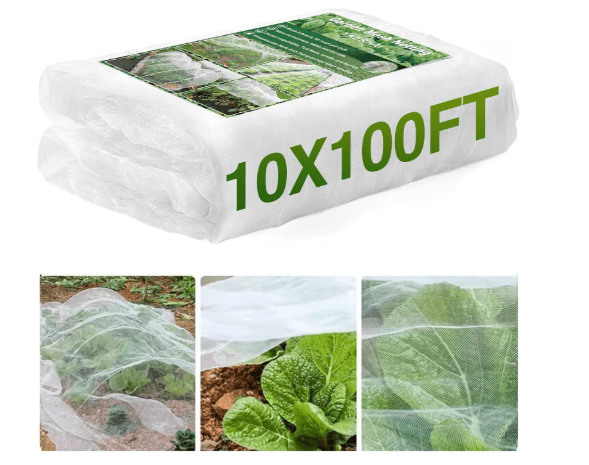
This is the largest ProtekNet size commonly sold to US gardeners and is effectively a small‑scale commercial option. With a 10‑foot width and 100‑foot length, it can cover multiple long rows or several raised beds in one continuous sheet. The material is still the same fine‑mesh, UV‑stabilized polypropylene that blocks cabbage‑root flies, aphids, flea beetles, and cabbage‑white butterflies, but the extra length makes it suitable for larger operations.
Many growers use this size to cover several brassica beds in succession, rolling or folding sections as crops are harvested and replanted
Price of the product
-
Typical price for 10′ x 100′: $100–$150, depending on seller and time of year.
Key features and benefits
-
100‑foot length for extensive coverage.
-
Same 0.4–0.6 mm brassica pest mesh.
-
High light transmission and good airflow.
-
UV‑stabilized for long‑term use.
-
Economical per square foot for larger operations.
Pros and cons
-
Pros:
-
Excellent for market gardens and small farms growing multiple brassica varieties.
-
Reduces seams and labor over large areas.
-
Cost‑effective when amortized over many beds.
-
-
Cons:
-
Requires significant storage space.
-
Needs hoops or frames to keep it off plants.
-
Higher upfront cost than smaller rolls.
-
Amazon customer ratings and reviews
-
Average rating: around 4.5 out of 5.
-
Review highlights:
-
“Perfect for our 100‑foot brassica tunnel; zero cabbage‑root fly this year.”
-
“Easy to cut into sections for different beds.”
-
Why it’s a good choice for brassicas
The 10′ x 100′ ProtekNet is ideal for growers who want a single, durable covering for multiple brassica beds. Its length and fine mesh make it an excellent choice for anyone needing to protect large quantities of brassicas over an entire season without constant re‑installation.
Ideal use case or who should buy it
-
Best for: market gardeners, small farms, and large home gardens with multiple brassica rows.
-
Also good if you plan to rotate brassicas through several beds in one season.
5. Bootstrap Farmer Insect Netting (Typical 10′ x 20′ Roll)
Product description
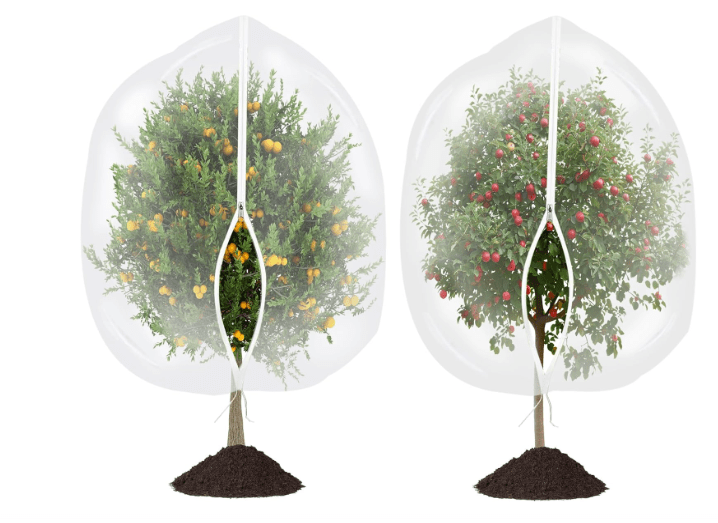
Bootstrap Farmer offers its own insect‑barrier netting that is very similar to ProtekNet in performance but branded under their own label. It’s a fine‑mesh, UV‑stabilized polypropylene net designed specifically for vegetable crops, including brassicas. The standard mesh size is in the 0.5–0.6 mm range, which is effective against cabbage‑root flies, cabbage‑white butterflies, aphids, and flea beetles.
Bootstrap Farmer’s netting is typically sold in 10′ x 20′ rolls, though larger sizes are sometimes available. It’s designed to be used over Quick Hoops or similar low‑tunnel structures, so it floats above the plants rather than crushing them.
Price of the product
-
Typical price for 10′ x 20′: $40–$55 on Amazon and direct from Bootstrap Farmer.
Key features and benefits
-
0.5–0.6 mm mesh tailored for brassica pests.
-
High light transmission and good airflow.
-
UV‑stabilized, reusable for multiple seasons.
-
Lightweight and easy to drape over hoops or tunnels.
-
Compatible with Bootstrap Farmer’s hoop and tunnel systems.
Pros and cons
-
Pros:
-
Excellent for brassicas and other leafy greens.
-
Works seamlessly with Bootstrap Farmer’s Quick Hoops and low tunnels, so it doesn’t crush plants.
-
Strong customer support and easy ordering.
-
-
Cons:
-
Slightly pricier than generic insect netting from Amazon‑only brands.
-
Requires a separate hoop or tunnel system.
-
Amazon customer ratings and reviews
-
Average rating: around 4.4–4.6 out of 5.
-
Review highlights:
-
“Used this over Quick Hoops for our kale and cabbage; no cabbage worms.”
-
“Light and breathable; plants don’t look stressed.”
-
Why it’s a good choice for brassicas
Bootstrap Farmer’s insect‑barrier netting is a solid choice because it’s specifically designed for vegetable crops and is widely used in the US organic‑growing community. Its fine mesh and compatibility with hoops make it ideal for protecting brassicas without crushing them.
Ideal use case or who should buy it
-
Best for: home gardeners and small‑scale growers who already use or plan to use Bootstrap Farmer Quick Hoops or low tunnels.
-
Particularly good if you want a “known‑good” brand‑specific insect‑barrier system that’s widely recommended in the US organic‑growing community.
6. ProtekNet Insect Netting – 16′ x 50′ Roll (Large‑Bed Option)
Product description
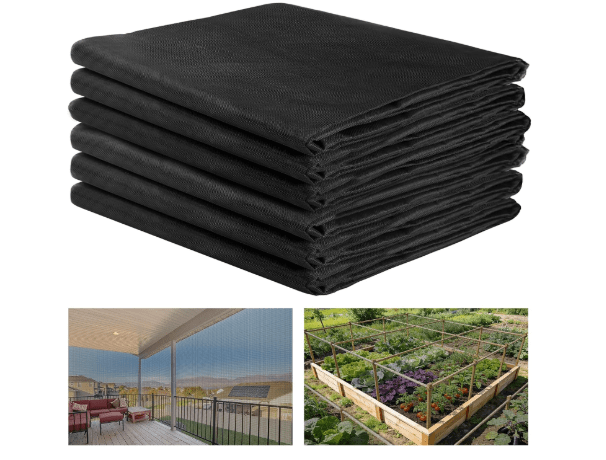
This large format (16′ x 50′) is essentially the wide‑and‑long version of the ProtekNet line, designed for growers who want to cover big, multi‑row brassica beds in one continuous sheet. The mesh is the same fine‑mesh, UV‑stabilized polypropylene that blocks cabbage‑root flies, aphids, flea beetles, and cabbage‑white butterflies, while still allowing high light transmission and good airflow.
This size is ideal for wide hoop structures or low tunnels that span several brassica rows, eliminating seams and gaps where pests can sneak in from the sides.
Price of the product
-
Typical price for 16′ x 50′: $110–$160, depending on seller and promotions.
Key features and benefits
-
16‑foot width for multi‑row coverage.
-
50‑foot length for long rows or multiple short beds.
-
Same 0.4–0.6 mm brassica‑pest mesh.
-
High light transmission and breathable fabric.
-
UV‑stabilized for several seasons of reuse.
Pros and cons
-
Pros:
-
Excellent for wider brassica beds or multi‑row layouts.
-
Fewer seams and edges = fewer pest entry points.
-
Works very well with hoops or low tunnels, so plants are not crushed.
-
-
Cons:
-
Higher upfront cost.
-
Requires more storage space and careful handling.
-
Still needs a separate hoop or frame system.
-
Amazon customer ratings and reviews
-
Average rating: around 4.5–4.7 out of 5.
-
Review highlights:
-
“Perfect for our 16‑foot brassica tunnel; no cabbage worms all season.”
-
“Great quality; easy to cut into smaller sections if needed.”
-
Why it’s a good choice for brassicas
The 16′ x 50′ ProtekNet is a top‑tier choice if you want to cover multiple brassica rows in one continuous sheet. Its wide, breathable mesh and UV‑stabilized construction make it ideal for protecting large quantities of brassicas without crushing them, especially when paired with hoops or low tunnels.
Ideal use case or who should buy it
-
Best for: market gardeners and larger home gardens with wide brassica beds.
-
Also good if you already use 16’‑wide hoops or tunnels and want a single‑sheet covering.
7. ProtekNet Insect Netting – 10′ x 20′ Light‑Shade Combo (Hot‑Climate Variant)
Product description
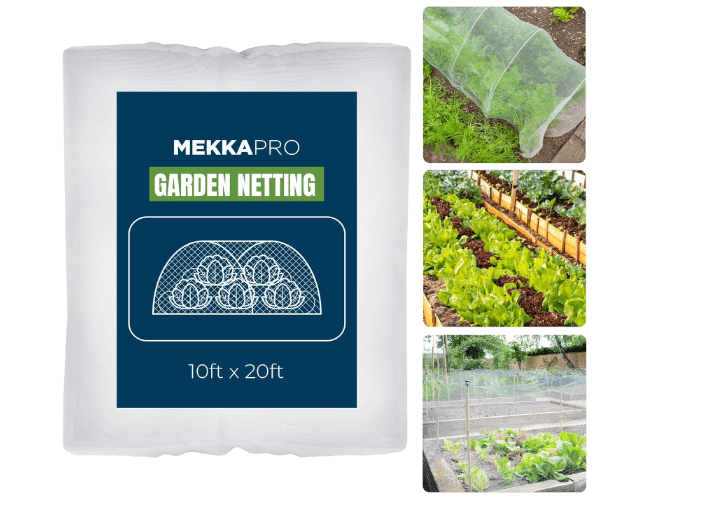
Some ProtekNet‑type listings include a light‑shade version that combines insect protection with modest sun reduction (usually around 30–50% shade). The mesh is still fine enough to block cabbage‑root flies, cabbage‑white butterflies, aphids, and flea beetles, but the fabric is slightly darker or has a denser weave that reduces light intensity and heat buildup.
This hybrid system is especially useful for hot‑summer regions (USDA Zones 7–9) where brassicas can suffer from heat stress even while they’re protected from pests.
Price of the product
-
Typical price for 10′ x 20′: $45–$65, slightly higher than the pure‑insect version due to the added shade layer.
Key features and benefits
-
Fine 0.4–0.6 mm mesh for brassica pests.
-
Adds 30–50% shade to reduce heat while still allowing airflow.
-
UV‑stabilized material for long life.
-
Lightweight and drapable over hoops or low tunnels.
Pros and cons
-
Pros:
-
Excellent for hot climates where brassicas can burn or stretch in full sun.
-
Dual protection: pests plus heat reduction.
-
Still compatible with hoops, so it doesn’t crush plants.
-
-
Cons:
-
Reduced light levels may slow growth slightly in cooler or cloudy climates.
-
Slightly more expensive than pure‑insect netting.
-
Amazon customer ratings and reviews
-
Average rating: around 4.4–4.6 out of 5.
-
Review highlights:
-
“Keeps our kale from bolting in summer and blocks cabbage worms.”
-
“Great for high‑heat zones; plants look healthier.”
-
Why it’s a good choice for brassicas
This shade‑insect combo is ideal if you’re growing brassicas in hot summers and want to reduce heat stress while still excluding pests. When used over hoops, it shelters the plants without crushing or rubbing foliage.
Ideal use case or who should buy it
-
Best for: growers in hot‑summer climates (USDA Zones 7–9 and similar) who plant brassicas in late spring or early fall.
-
Also good if you want dual‑purpose protection (pests + sun/heat) in one cover.
8. ProtekNet Insect Netting – 10′ x 20′ All‑Purpose (General‑Use Variant)
Product description
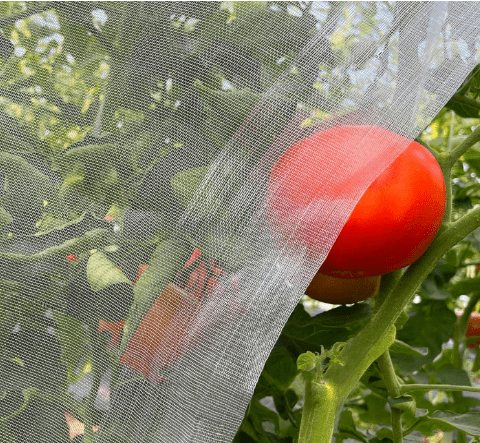
This is the most common “general‑purpose” ProtekNet listing you’ll see on Amazon and garden‑supply sites. It’s not specialty‑shaded, but instead focuses on pure insect protection with around 0.4–0.6 mm mesh, UV‑stabilized polypropylene, and high light transmission. It’s sold in 10′ x 20′ rolls and is widely used for brassicas, lettuce, carrots, and other veggie crops.
Because this version is neither wide nor extra‑long, it’s often the best entry‑level ProtekNet option for small home‑garden brassica beds.
Price of the product
-
Typical price: $35–$50 for 10′ x 20′.
Key features and benefits
-
Fine 0.4–0.6 mm mesh for cabbage‑root flies, cabbage‑white butterflies, aphids, and flea beetles.
-
High light transmission (around 85–90%).
-
UV‑stabilized for 2–3 seasons.
-
Lightweight and easy to handle over small‑scale hoops.
Pros and cons
-
Pros:
-
Excellent value for small brassica beds.
-
Easy to install and remove for beginners.
-
Works well with simple DIY hoops.
-
-
Cons:
-
Not as wide or long as commercial‑scale options.
-
Requires manual setup on hoops or frames.
-
Amazon customer ratings and reviews
-
Average rating: around 4.5–4.7 out of 5.
-
Review highlights:
-
“Used this over my four‑foot‑wide brassica bed; no cabbage worms.”
-
“Great starter net for new gardeners.”
-
Why it’s a good choice for brassicas
This general‑use 10′ x 20′ ProtekNet is ideal for small home‑garden brassica beds because it balances cost, ease of use, and insect‑protection performance. When paired with simple hoops, it floats above the plants and prevents crushing while still allowing full growth.
Ideal use case or who should buy it
-
Best for: beginner and intermediate home gardeners with one or two brassica beds.
-
Also good if you want to test insect netting before investing in larger‑scale systems.
9. ProtekNet Insect Netting – 16′ x 20′ Light‑Shade Combo (Wide‑Hot‑Climate)
Product description
This is the wide‑format version of the light‑shade combo described earlier. It’s 16 feet wide and 20 feet long, designed to cover multiple brassica rows while still offering partial shade and insect protection. The mesh is fine enough to block cabbage‑root flies, cabbage‑white butterflies, aphids, and flea beetles, and the fabric is slightly darker or denser to reduce heat and light intensity.
This size is particularly useful for wider tunnels or multi‑row beds in hot climates, where both heat and pests are major concerns.
Buy It From Amazon
Price of the product
-
Typical price for 16′ x 20′: $55–$75.
Key features and benefits
-
16‑foot width for multi‑row coverage.
-
Light‑shade fabric (30–50% reduction) for heat management.
-
Fine 0.4–0.6 mm mesh for brassica pests.
-
UV‑stabilized and reusable.
Pros and cons
-
Pros:
-
Excellent for wide, hot‑climate brassica beds.
-
Dual protection: pests plus heat‑reduction.
-
Reduces seams and edges compared to multiple smaller sheets.
-
-
Cons:
-
Higher upfront cost than standard 10′ x 20′ nets.
-
Needs a 16’‑wide hoop or tunnel system.
-
Amazon customer ratings and reviews
-
Average rating: around 4.5–4.6 out of 5.
-
Review highlights:
-
“Keeps our wide kale bed cool and pest‑free in summer.”
-
“Worth it for our CSA brassica tunnel.”
-
Why it’s a good choice for brassicas
This wide light‑shade combo is ideal for growers who want to protect multiple brassica rows in one continuous sheet while also managing heat stress. When used over hoops, it shelters the plants without crushing them.
Ideal use case or who should buy it
-
Best for: growers with wide brassica beds in hot climates.
-
Also good if you want to reduce both pests and heat over a large area.
10. ProtekNet Insect Netting – 10′ x 100′ Light‑Shade Combo (Large‑Scale Heat‑Resistant)
Product description
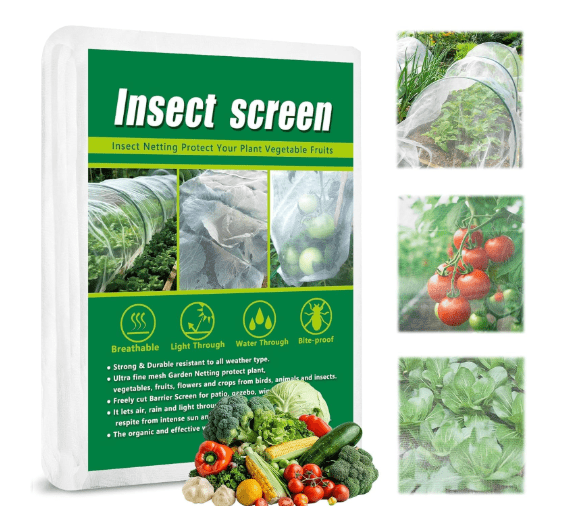
This is the largest ProtekNet light‑shade combo commonly sold to US growers. At 10 feet wide and 100 feet long, it’s designed for extended rows of brassicas in hot climates. The fabric is UV‑stabilized, fine‑mesh polypropylene that blocks cabbage‑root flies, cabbage‑white butterflies, aphids, and flea beetles, plus a light‑shade layer that reduces heat and light intensity by about 30–50%.
This version is especially useful for market gardeners and CSA operators who need continuous coverage over long brassica tunnels.
Price of the product
-
Typical price for 10′ x 100′: $120–$180.
Key features and benefits
-
100‑foot length for long‑season coverage.
-
Wide enough for single‑row or narrow‑multi‑row tunnels.
-
Fine 0.4–0.6 mm mesh for brassica pests.
-
Light‑shade layer for heat reduction.
-
UV‑stabilized for several seasons.
Pros and cons
-
Pros:
-
Excellent for long, hot‑season brassica tunnels.
-
Fewer seams and edges = fewer pest entry points.
-
Heat‑reducing properties help brassicas stay healthy in summer.
-
-
Cons:
-
Requires significant storage space.
-
Needs hoops or a frame to keep it off plants.
-
Higher upfront cost.
-
Amazon customer ratings and reviews
-
Average rating: around 4.5 out of 5.
-
Review highlights:
-
“Used this for our 90‑foot brassica tunnel; no cabbage worms and less heat stress.”
-
“Great for outdoor CSA beds in Zone 8.”
-
Why it’s a good choice for brassicas
This large‑scale light‑shade combo is ideal if you’re growing brassicas over long tunnels in hot climates and want both insect protection and heat reduction. When used with hoops, it floats above the plants and prevents crushing while still allowing full growth.
Ideal use case or who should buy it
-
Best for: market gardeners, CSA operators, and large home gardens with long brassica rows in hot climates.
-
Also good if you want dual‑purpose protection (pests + heat) over a large area.
Side‑by‑Side Comparison Table: Top 10 Brassica Netting Systems
Below is a simple, mobile‑friendly comparison table with three clean columns for easy reading on any device. This will help you quickly compare each netting system and decide which one fits your brassica‑growing setup best.
Common Mistakes to Avoid When Using Insect Netting
Even with the best netting, improper use can lead to crushed plants or ineffective pest control. Here are the most common mistakes:
-
Using netting without hoops or frames
Letting insect netting rest directly on brassicas can crush stems, rub leaves, and create moisture‑trapped spots where fungi thrive. Always pair netting with hoops, A‑frames, or low tunnels. -
Leaving uncovered gaps at the edges
If the net is not pinned, buried, or weighted down at the edges, cabbage‑root flies and cabbage‑white butterflies can simply crawl underneath. Bury the edges with soil or use sandbags/pins. -
Choosing mesh that’s too coarse
Mesh over about 0.6–0.8 mm may still let cabbage‑root flies and small aphids through. For brassicas, stick with 0.4–0.6 mm options. -
Using non‑breathable material
Heavy, non‑breathable covers (like thick row covers or plastic) can trap heat and moisture, weakening brassicas. Use breathable, knitted insect netting instead. -
Leaving the same net up all season without inspection
Check weekly for trapped insects, eggs, or tears. If you notice pests building up inside, remove the net and scout for infestations.
How to Install Insect Netting Over Brassicas (Without Crushing Them)
To get the best results from your chosen netting system, follow this simple installation routine:
-
Install hoops or a low‑tunnel frame first
-
Use sturdy metal or PVC hoops at least 1–1.5 feet taller than your mature brassicas.
-
Space hoops every 3–4 feet along the bed for even support.
-
-
Unroll the netting over the hoops
-
Place the net over the hoops so it floats above the plants, not touching the foliage.
-
Keep the net loose enough to allow airflow but tight enough to avoid sagging.
-
-
Secure the edges
-
Bury the net edges in soil along the bed sides, or use sandbags, bricks, or landscape pins.
-
Make sure there are no large gaps where pests can crawl in.
-
-
Fasten the net if needed
-
Use clips, Velcro, or ties (attaching to the hoop or frame, not through the netting itself) to keep the net taut.
-
Avoid tying
-
How to Install Insect Netting Over Brassicas (Without Crushing Them)—continued
-
Avoid tying string directly through the mesh; instead, attach ties to the hoop or frame and then clip the netting to those. This prevents tearing the net and avoids putting pressure directly on leaves or stems.
-
Check ventilation and light
-
In hot weather, consider rolling up or partially opening the ends of the netting during the day to prevent heat buildup.
-
Make sure the netting isn’t too tight over the hoops, as this can create stress points that pull down on plants in strong wind.
-
-
Inspect and maintain weekly
-
Look under the netting weekly for pests, eggs, or signs of disease.
-
Patch small tears with duct tape or net‑repair tape, and replace the sheet if it becomes heavily damaged.
-
With this installation method, your chosen insect‑netting system can protect brassicas from pests while keeping them growing upright and undeformed.
Alternatives and When They’re Worth It
While ProtekNet‑style knitted insect netting is one of the best options for brassicas, there are a few alternatives worth considering in specific situations:
-
Light‑shade‑plus‑insect combo nets
These are ideal in hot climates (Zones 7–9) where brassicas can suffer from heat stress and intense sun as well as pests. The slight shade reduces heat without suffocating plants, especially when used over hoops. -
Non‑knitted insect‑barrier fabrics (e.g., some heavier row covers)
These can be useful if you also want frost protection in early spring or late fall, but they’re often heavier and block more light. For brassicas, they’re best reserved for short‑term use over seedlings rather than long‑season coverage. -
Bird‑netting with insect‑mesh sides
In some cases, growers combine bird netting overhead with insect‑mesh sides to protect brassicas from both birds and insects. This setup is more complex and best suited for large market‑garden beds or orchards with mixed crops.
For most brassica growers, a fine‑mesh insect net combined with hoops or low tunnels is the sweet spot: maximum pest protection, minimal crushing, and good airflow.
Quick Buying Guide: Which Netting System Is Right For You?
If you’re still unsure which of the 10 systems above to choose, here’s a simple “if … then” guide tailored to different brassica‑growing scenarios:
-
If you’re a beginner with a small brassica bed (e.g., 4’ x 8’)
→ Choose: ProtekNet 10′ x 20′ (all‑purpose) or Bootstrap Farmer 10′ x 20′ insect netting. These are affordable, easy to handle, and perfect for testing insect netting over a single bed. -
If you have multiple rows of brassicas in a 4–6’ wide bed
→ Choose: ProtekNet 16′ x 20′ or Bootstrap Farmer’s 10′ x 20′ insect netting paired with slightly wider hoops. The extra width or multiple rolls will let you cover several rows without gaps. -
If you grow long rows of brassicas (30–50’)
→ Choose: ProtekNet 10′ x 50′ or 10′ x 100′. These long rolls reduce seams and make it easier to protect an entire row in one continuous sheet. -
If you farm in a hot climate (Zones 7–9)
→ Choose: ProtekNet 10′ x 20′ or 16′ x 20′ light‑shade combo nets. The added shade helps brassicas stay cool while still blocking pests. -
If you’re a market gardener or CSA operator with wide brassica tunnels
→ Choose: ProtekNet 16′ x 50′ or 10′ x 100′ light‑shade combo. These large‑format nets are economical per square foot and reduce installation labor over multiple beds.
In all cases, pair your chosen netting with hoops or low tunnels so it doesn’t crush the plants. This combination is the key to keeping brassicas both pest‑free and undamaged.
Final Thoughts and Next Steps
Using the right insect netting system can dramatically reduce losses in your brassica crop without resorting to pesticides or damaging delicate foliage. The 10 ProtekNet‑style and ProtekNet‑compatible systems outlined above are some of the best options available to US gardeners, offering fine mesh, high light transmission, and compatibility with hoops or low tunnels that keep the netting off the plants.