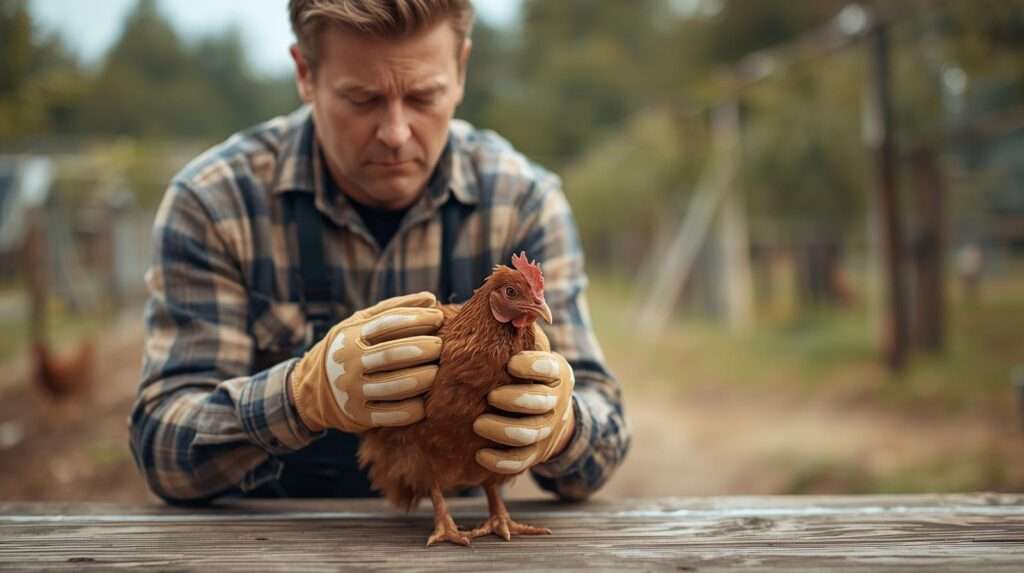
Every seasoned poultry keeper knows the sudden, sinking feeling of walking into the coop and finding a bird that was perfectly fine yesterday now huddled in a corner, listless and pale. In the world of livestock management, chickens are masters of disguise; as prey animals, they have evolved to hide illness until it is often too late. By the time a bird shows obvious distress, you are likely dealing with one of several high-stakes chicken emergencies that require immediate intervention to prevent a loss.
Whether you are managing a small backyard flock or a large-scale agricultural operation, understanding the “Golden Hour”—the critical window of time between the onset of symptoms and systemic failure—is the difference between a successful recovery and a heartbreaking loss. This guide serves as your expert triage manual, detailing the five most critical signs of distress and the professional protocols needed to stabilize your birds and protect your entire flock from potential outbreaks.
1. Emergency #1: Labored Breathing and Respiratory Distress
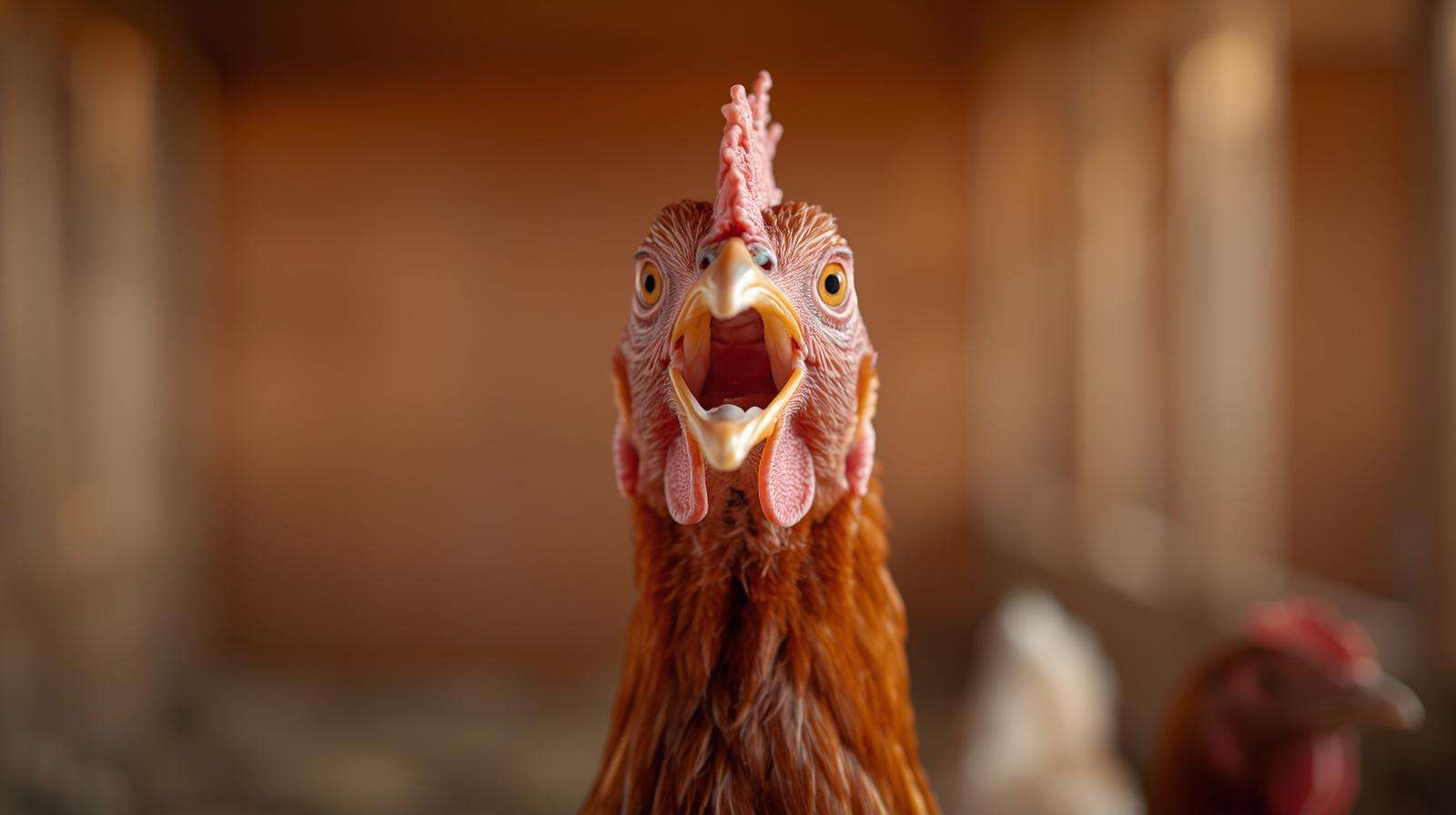
In a healthy flock, breathing is silent and effortless. If you begin to notice “open-mouth breathing” or hear unusual sounds coming from the coop at night, you are facing a top-tier emergency. Respiratory issues in poultry can move with terrifying speed, often spreading through shared water sources or airborne pathogens.
Identifying the Symptoms
Respiratory distress isn’t always a simple cough. Look for these specific indicators:
-
Gasping (Dyspnea): The bird extends its neck forward and upward, opening its beak wide to draw in air.
-
Rales and Rattles: A clicking or gurgling sound coming from the chest or throat, indicating fluid in the lungs or trachea.
-
Nasal Discharge and Swelling: Bubbles in the corners of the eyes or a sticky discharge from the nares (nostrils).
-
Cyanosis: The comb and wattles turning a dark purple or blue hue due to lack of oxygen.
The Potential Causes
From an expert agricultural perspective, we look at three primary culprits:
-
Infectious Bronchitis (IB): A highly contagious viral infection. While it has a low mortality rate in adults, it can cause permanent damage to the oviduct.
-
Gapeworm (Syngamus trachea): These red worms attach to the trachea, physically blocking the airway. This is common in birds that forage on wet ground where earthworms and snails (the intermediate hosts) are prevalent.
-
Ammonia Toxicity: In poorly ventilated coops, the buildup of ammonia from decomposing bedding burns the delicate lining of the respiratory tract, making the bird susceptible to secondary bacterial infections like E. coli.
Immediate Action Protocol
Isolation is mandatory. Move the bird to a “Hospital Wing” with high ventilation but no drafts. For immediate relief, a vet-approved respiratory stimulant or an electrolyte solution can help stabilize the bird while you determine the root cause. If Gapeworm is suspected, a dewormer containing Flubendazole or Fenbendazole is required immediately.
2. Emergency #2: Sudden Lethargy and the “Fluffed Up” Posture
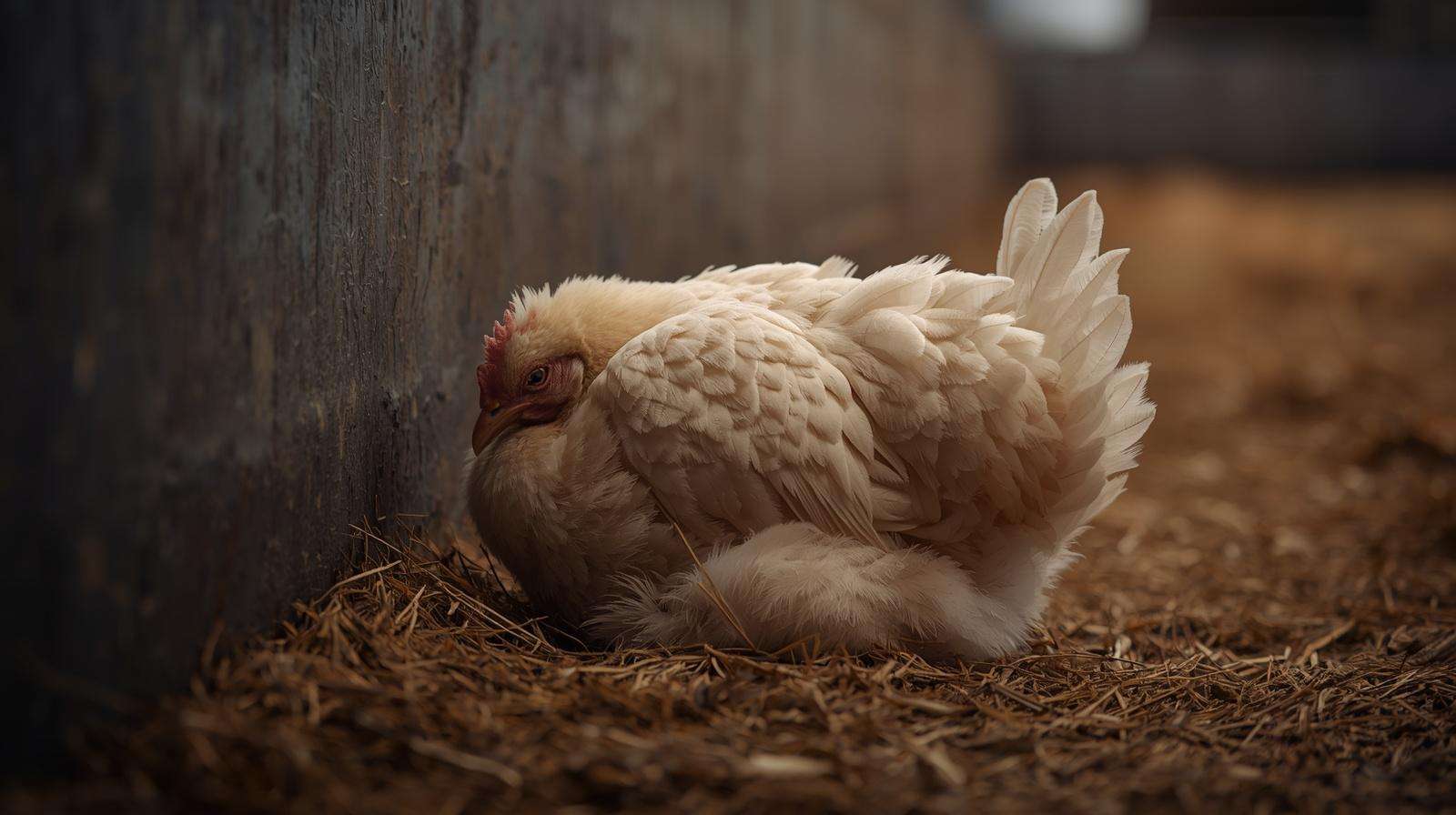
If a chicken looks like a “ball of feathers”—hunched over with its head tucked and eyes closed—it is in a state of metabolic or systemic shock. This is one of the most common chicken emergencies reported by homesteaders, and it is often a race against time.
The “Pinch Test” and Initial Assessment
Before jumping to conclusions, perform a physical exam.
-
Hydration Check: Gently pinch the skin on the back of the bird’s neck. If it stays “tented” rather than snapping back, the bird is severely dehydrated.
-
The Crop Exam: Feel the crop (located at the base of the neck). Is it rock hard (Impacted Crop), soft and squishy like a water balloon (Sour Crop), or completely empty despite food being available?
The Silent Killer: Coccidiosis
In young birds or birds recently moved to new ground, the most likely culprit for sudden lethargy is Coccidiosis. This intestinal parasite destroys the gut lining, leading to internal bleeding and the inability to absorb nutrients.
-
Expert Tip: Do not wait for bloody droppings. While “red poop” is a classic sign, many strains of Eimeria (the parasite) cause severe lethargy and death before blood is ever visible to the naked eye.
Stabilization Steps
A bird in this state is often too weak to eat. Your priority is Warmth and Hydration. Use a heat lamp (safely secured) to bring the bird’s body temperature up, as a cold chicken cannot digest food or process medication. Provide an oral drench of Vitamin B12 and electrolytes to jumpstart the nervous system.
3. Emergency #3: Egg Binding (Dystocia)
For the laying hen, egg binding is an acute life-threatening emergency where an egg becomes stuck in the oviduct. If not resolved within 24 to 48 hours, the pressure on the bird’s internal organs can cause kidney failure or the egg may rupture internally, leading to fatal peritonitis.
How to Spot an Egg-Bound Hen
You will notice a hen visiting the nesting box repeatedly but leaving without an egg. She may stand in a “penguin posture”—with her tail down and legs wide apart. You may also see rhythmic straining or “pumping” of the vent.
The Professional Treatment Pathway
-
Calcium Boost: Calcium is essential for muscle contractions. Administering a liquid calcium supplement (like Calcium Gluconate) can often give the hen the muscular strength needed to expel the egg naturally.
-
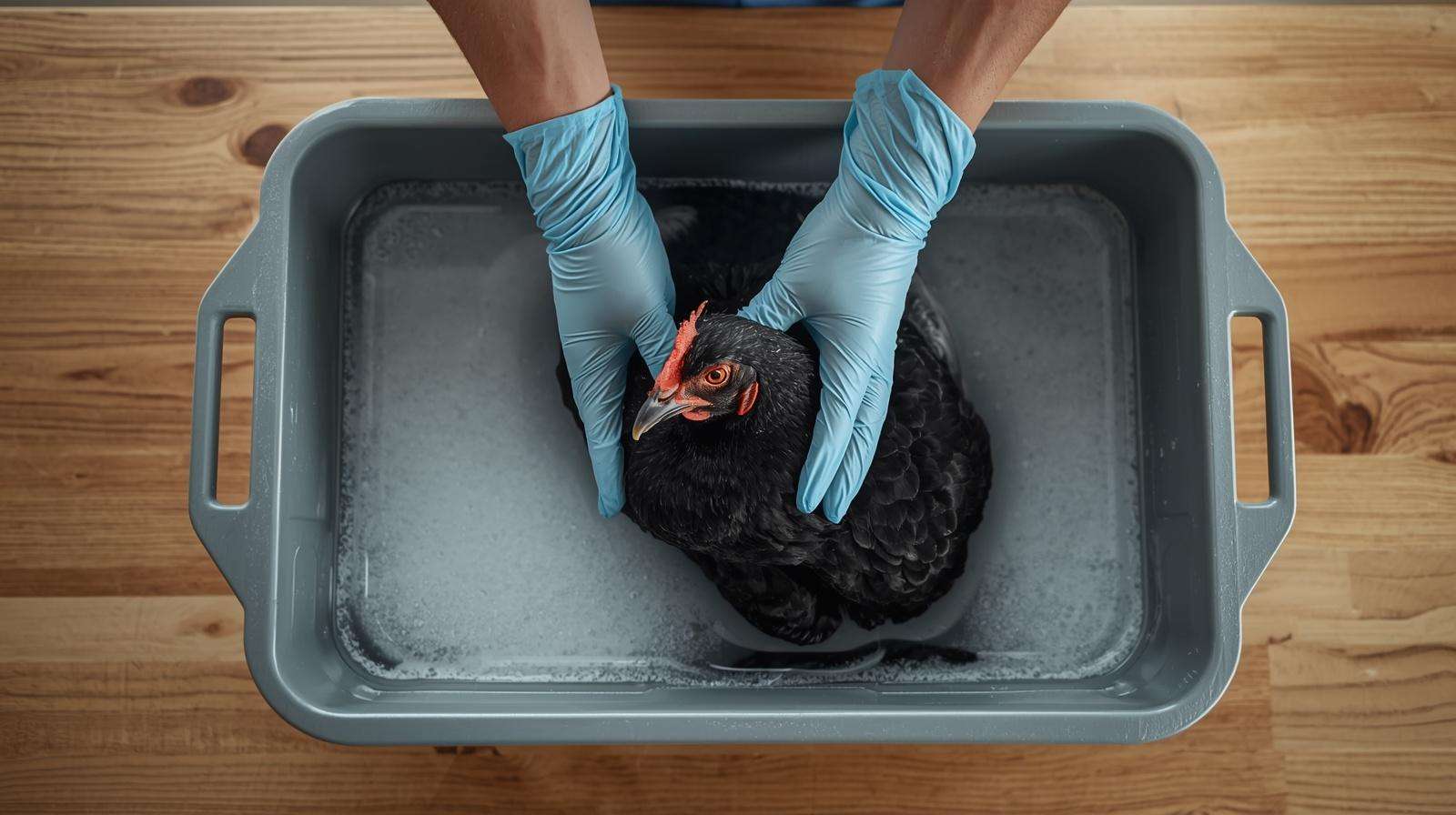
The Warm Soak: Submerge the hen’s lower half in a tub of warm water with Epsom salts for 20 minutes. This relaxes the pelvic muscles and hydrates the vent area.
-
Lubrication: Using a gloved finger and a water-based lubricant, gently apply lubrication around the inside of the vent.
Warning: Never attempt to break the egg while it is inside the bird. The sharp edges of the shell will lacerate the oviduct, almost certainly leading to a fatal infection.
4. Emergency #4: Neurological Symptoms and “Wry Neck”
Neurological distress is perhaps the most frightening for a poultry owner to witness. A bird may appear to lose control of its limbs, twist its head backward (Star-gazing), or walk in circles.
Distinguishing the Cause
-
Vitamin Deficiency: Often seen in fast-growing chicks or birds on poor-quality feed. A lack of Vitamin E or Selenium causes “Crazy Chick Disease” (Encephalomalacia). This is often reversible with high-potency supplementation.
-
Marek’s Disease: This is a viral neoplastic disease. A classic sign is “range paralysis,” where the bird lies with one leg stretched forward and one leg stretched back. Unfortunately, there is no cure for Marek’s, and it requires strict bio-security measures to protect the rest of the flock.
-
Botulism (Limberneck): Caused by ingesting toxins in rotting organic matter or stagnant water. The paralysis starts at the legs and moves up the neck until the bird cannot hold its head up.
Critical Care for Neurological Cases
Supportive care is the only path forward. You must physically hold the bird to help it drink and eat, as it can no longer coordinate its movements. In cases of Wry Neck, a combination of Vitamin E and Selenium (which helps the body absorb the Vitamin E) can show results within 48 to 72 hours.
5. Emergency #5: Severe Comb Discoloration and Sudden Pale Appearance
In the agricultural world, a chicken’s comb and wattles serve as a “visual barometer” for their internal health. A healthy, laying hen should possess a vibrant, waxy, red comb. When this color shifts drastically, it is a signal of a systemic failure that requires your immediate attention.
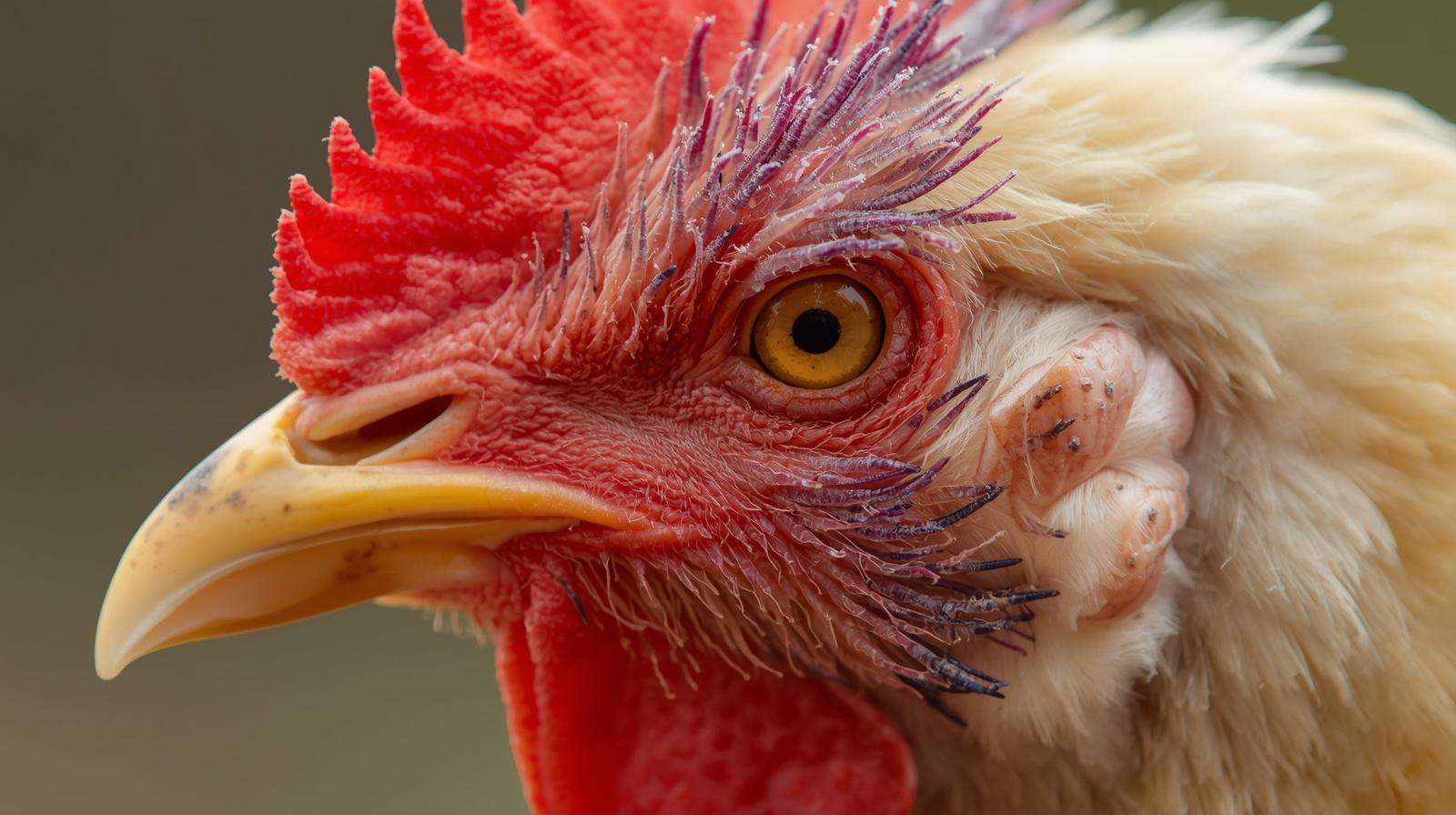
The Spectrum of Discoloration
-
The Purple/Blue Comb (Cyanosis): This indicates a lack of oxygen in the bloodstream. It often points to respiratory failure, heart distress, or late-stage “Ascites” (Water Belly), where fluid buildup in the abdomen compresses the lungs.
-
The Pale, Shriveled Comb: This is a sign of extreme anemia or shock. If the comb looks like it has been drained of color, the bird is likely losing blood internally or is suffering from a massive external parasite load.
-
Black Spots: While sometimes just scabs from pecking, sudden blackening of the comb tips can indicate fowl pox or, in cold climates, severe frostbite that has turned necrotic.
Investigating Anemia: The Mite Check
If you find a pale bird, your first step is a physical inspection under the wings and around the vent. Northern Fowl Mites or Red Mites can reproduce so rapidly that they literally drain a chicken of its life force overnight. An infested bird will become lethargic and pale as its red blood cell count plummets.
Immediate Action
If the bird is pale and weak, provide an iron-rich supplement or “Poultry Nutri-Drench” to support blood cell production. If the comb is purple, ensure the bird is in a cool (not cold) area with maximum oxygen flow and minimize handling to reduce the stress on its struggling heart.
6. The “Emergency Triage” Protocol: Steps to Take Right Now
When you are in the heat of a crisis, it is easy to panic. Following a standardized professional triage protocol ensures that you provide the best chance of survival while protecting your broader investment—the rest of your flock.
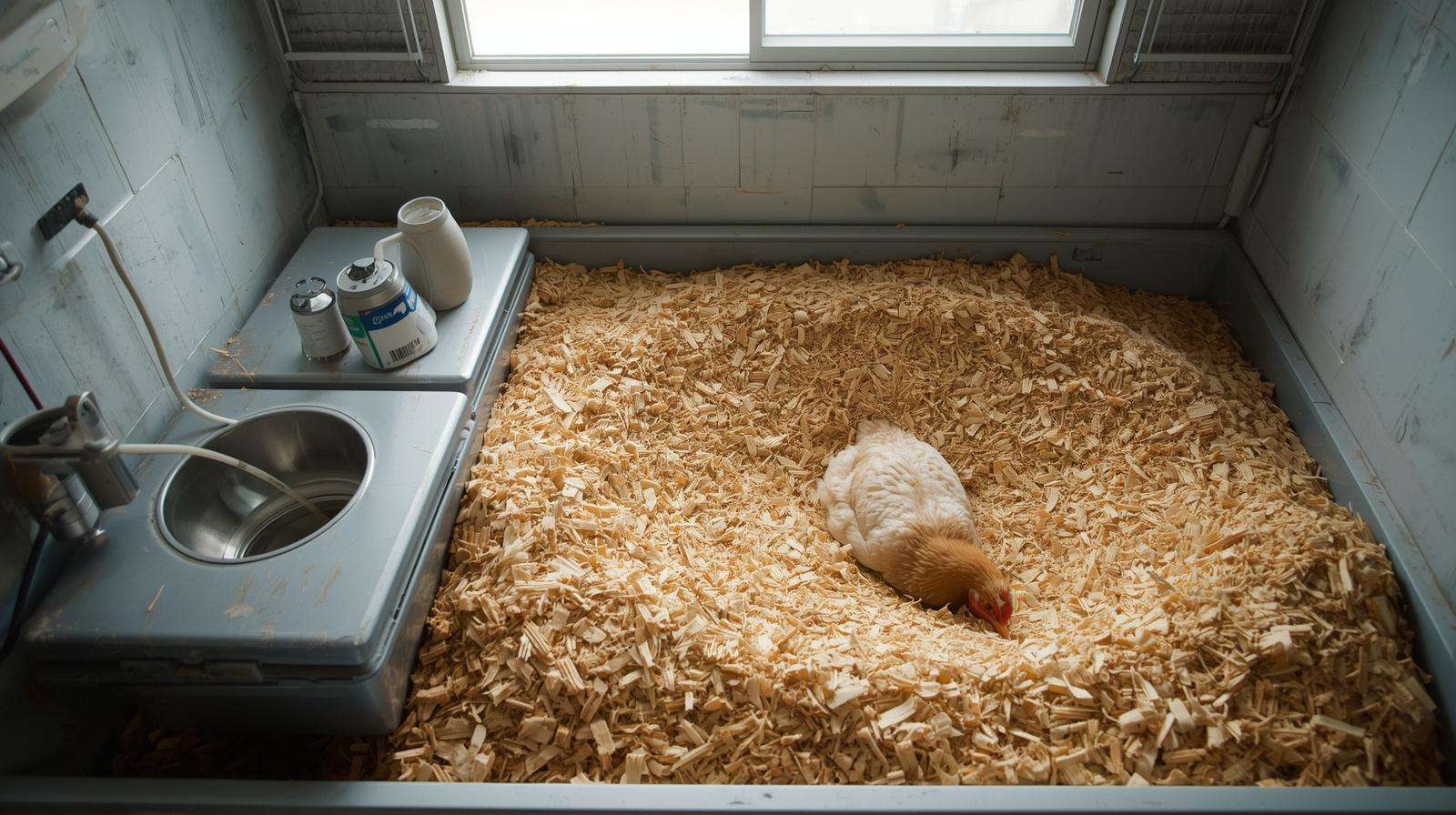
Step 1: The Isolation Ward (The Hospital Coop)
Never treat a critically ill bird inside the main coop. Not only do you risk the spread of contagion, but chickens are notorious for pecking at a weak flock mate. Your hospital coop should be:
-
Predator-proof and draught-free.
-
Equipped with a dedicated waterer containing electrolytes.
-
Located away from the main flock to maintain bio-security.
Step 2: Temperature Stabilization
A sick bird loses body heat rapidly as its metabolism slows down. Provide a heat source (such as a ceramic heat emitter or a safely mounted brooder plate) so the bird can maintain a body temperature of approximately 104°F to 107°F. Note: If the bird is gasping for air, keep the heat moderate, as excessive heat can worsen respiratory distress.
Step 3: Fluid Therapy
A chicken can survive days without food, but only hours without water when in shock. Use a dropper or syringe (without a needle) to place drops of water on the side of the beak. Allow the bird to swallow at its own pace to avoid aspiration (fluid entering the lungs).
7. The Essential “First Aid Kit” for Every Homestead
Professional agricultural management requires having the right tools on hand before the emergency strikes. Waiting for a farm supply store to open the next morning is often not an option.
Comprehensive First Aid Checklist
| Category | Item | Purpose |
| Wound Care | Veterycin Plus / Chlorhexidine | Non-toxic antiseptic for cuts and pecking sores. |
| Hydration | Electrolyte & Vitamin Powder | To treat shock and dehydration. |
| Digestion | Food-grade Mineral Oil | For treating impacted crops or egg binding. |
| Parasites | Permethrin dust or Ivermectin | Immediate treatment for mite or lice infestations. |
| Supplements | Calcium Gluconate (Liquid) | Critical for hens struggling with egg binding. |
| Tools | Vet-Wrap and Gauze | To secure wings or dress leg injuries. |
8. Case Study: Early Detection vs. Late Intervention
To illustrate the importance of these chicken emergencies, consider the case of two neighboring farms facing a Coccidiosis outbreak.
-
Farm A noticed a single pullet standing alone with fluffed feathers. They immediately moved her to isolation and started the entire flock on Amprolium (a coccidiostat). They lost zero birds.
-
Farm B waited three days until they saw bloody droppings in the coop. By then, the parasite had caused irreversible intestinal scarring in 40% of their birds. Despite treatment, they lost five hens and saw a permanent drop in egg production in the survivors.
The takeaway: In poultry health, over-reacting to a “minor” symptom is always better than under-reacting to a major one.
9. Frequently Asked Questions (FAQ)
How can I tell if my chicken is dying or just broody?
A broody hen will stay on the nest, “growl” or puff her feathers when approached, and potentially peck at you. However, her comb will still be red, and she will be alert. A dying bird will be limp, have a dull or closed eye, and will not show the defensive “spark” of a broody hen.
Can I use human antibiotics for chicken emergencies?
This is strongly discouraged. Many human antibiotics (like certain penicillins) are not dosed for avian metabolism and can lead to antibiotic resistance or toxic overdose. Always use medications labeled for poultry or consult a vet.
When is it time to consider euthanasia?
If a bird is in visible pain, cannot breathe despite intervention, or has a neurological condition that prevents it from eating or drinking after 72 hours of supportive care, humane euthanasia is often the most professional and compassionate choice for a livestock manager.
What is the best way to transport a sick chicken?
Use a small, dark, ventilated cat carrier or a cardboard box with air holes. The darkness helps keep the bird calm and reduces the cortisol levels that can lead to heart failure during transport.
10. Conclusion: Building a Resilient Flock
Managing chicken emergencies is an inevitable part of the agricultural journey. While loss is sometimes unavoidable, your ability to recognize these five critical signs—labored breathing, lethargy, egg binding, neurological shifts, and comb discoloration—puts you leagues ahead of the average keeper.
True expertise in poultry management isn’t just about treating the sick; it’s about creating an environment where health thrives. By maintaining strict bio-security, providing high-quality nutrition, and performing “daily flock walks” to catch subtle changes in behavior, you reduce the frequency of crises. Remember: you are the first responder for your flock. Your observation is their best defense.
Bookmark this guide as your go-to triage manual, and ensure your first-aid kit is stocked. Your quick action today is what will save your flock tomorrow.