You walk into your chicken yard early in the morning and immediately notice feathers scattered across the grass. The flock is silent. One hen is missing.
For backyard poultry keepers and small-scale farmers, few things are more frustrating than losing birds to predators. Hawks are among the most common threats because they are intelligent, patient hunters capable of striking quickly during daylight hours. Unfortunately, many poultry owners waste money on ineffective scare tactics that hawks ignore after only a few days.
The good news is that there are hawk deterrents that actually work — and most of them are humane, affordable, and practical for everyday farm use. Whether you raise chickens, ducks, quail, or other poultry, the right predator protection strategy can dramatically reduce losses and create a safer environment for your flock.
In this guide, you’ll learn:
- Why hawks target backyard poultry
- Which deterrents are proven to work long-term
- Common mistakes that attract hawks
- How to protect free-range chickens naturally
- Expert-backed strategies used by experienced poultry keepers
If you’re tired of losing birds and want real solutions instead of gimmicks, this article will help you build a safer and more secure poultry setup.
Why Hawks Target Backyard Chickens and Farm Birds
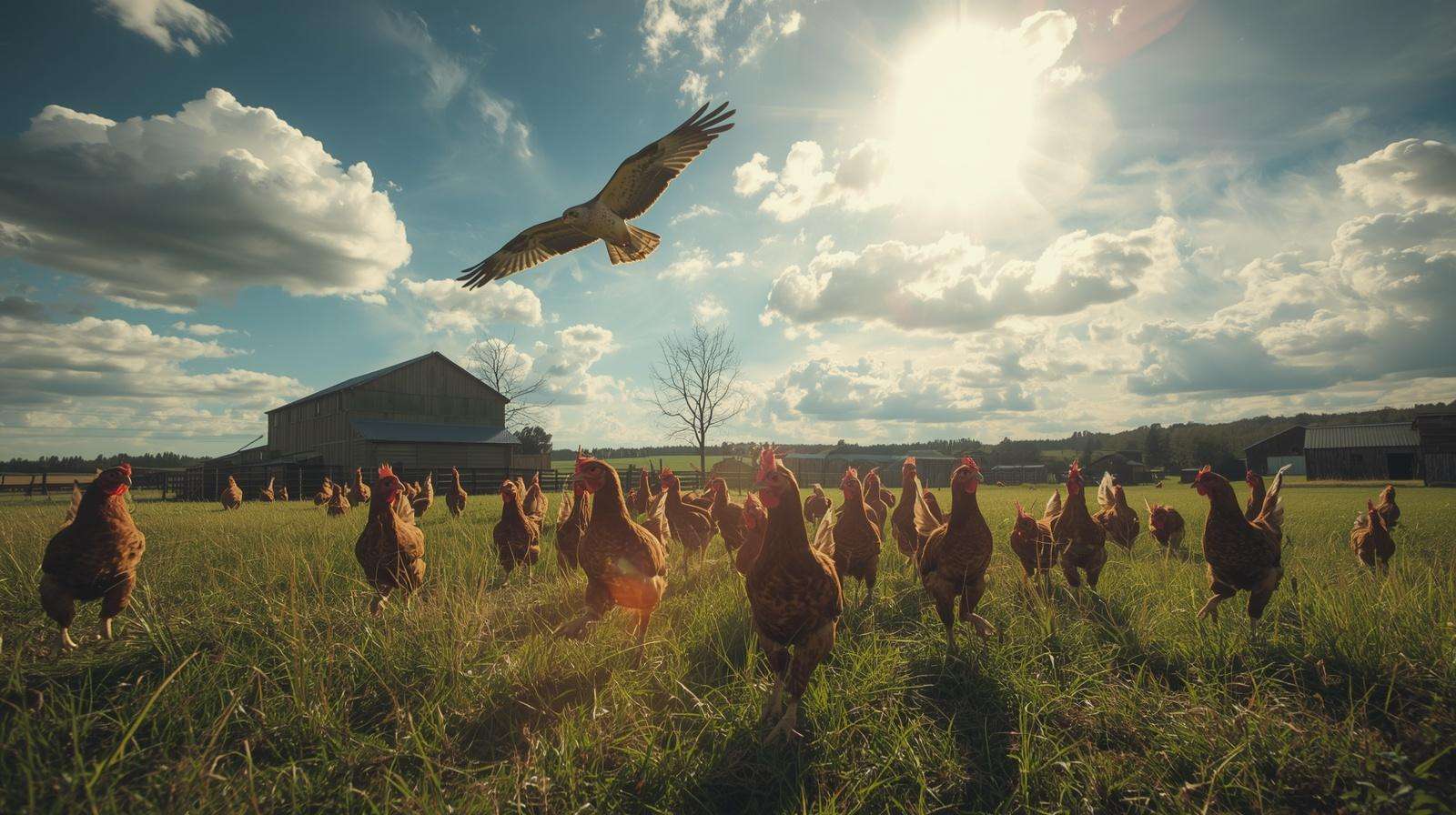
Understanding hawk behavior is the first step toward effective predator control. Many poultry owners focus only on reacting after an attack, but prevention becomes much easier when you understand why hawks are attracted to certain farms and homesteads.
Common Hawk Species That Attack Poultry
Several hawk species are known to prey on chickens and small farm birds. The exact species depends on your region, but the most common include:
Red-Tailed Hawks
These large hawks often hunt in open fields and rural areas. While they typically prefer rodents and rabbits, they can attack free-range chickens, especially smaller breeds.
Cooper’s Hawks
Cooper’s hawks are agile hunters that specialize in birds. They are a major threat to bantams, chicks, ducks, pigeons, and small poultry.
Sharp-Shinned Hawks
These smaller hawks target lightweight birds and frequently hunt near wooded areas or tree lines.
Juvenile Hawks
Young hawks learning to hunt are often more aggressive and unpredictable around poultry flocks.
Why Chickens, Ducks, and Small Birds Are Easy Targets
Backyard poultry often make ideal prey because they are:
- Easy to spot in open areas
- Slower than wild birds
- Distracted while feeding
- Often lacking overhead protection
Free-range systems especially increase vulnerability because hawks prefer clear attack paths from above.
Small birds are at highest risk, including:
- Bantam chickens
- Young pullets
- Baby chicks
- Ducklings
- Quail
- Pigeons
Signs a Hawk Is Hunting Your Property
Many flock owners notice warning signs before attacks increase.
Common indicators include:
- Hawks circling overhead regularly
- Birds suddenly running for cover
- Unusual flock silence
- Feathers scattered without fence damage
- Repeated sightings near trees or poles
- Missing birds during daylight hours
Recognizing these patterns early can help prevent major losses.
Are Hawks Protected by Law?
In many countries, including the United States, hawks are protected under wildlife conservation laws. It is illegal to trap, poison, or kill them without special permits.
That is why humane deterrents are essential.
Fortunately, effective hawk prevention focuses on making your property less attractive and more difficult for predators to hunt successfully.
What Makes Hawk Deterrents Actually Effective?
One of the biggest mistakes poultry owners make is relying on a single scare tactic. Hawks are intelligent predators that quickly adapt to stationary or predictable deterrents.
To stop attacks long-term, you need strategies based on how hawks naturally hunt.
Why Some Popular Methods Fail
Many commonly advertised predator deterrents stop working because hawks become accustomed to them.
Examples include:
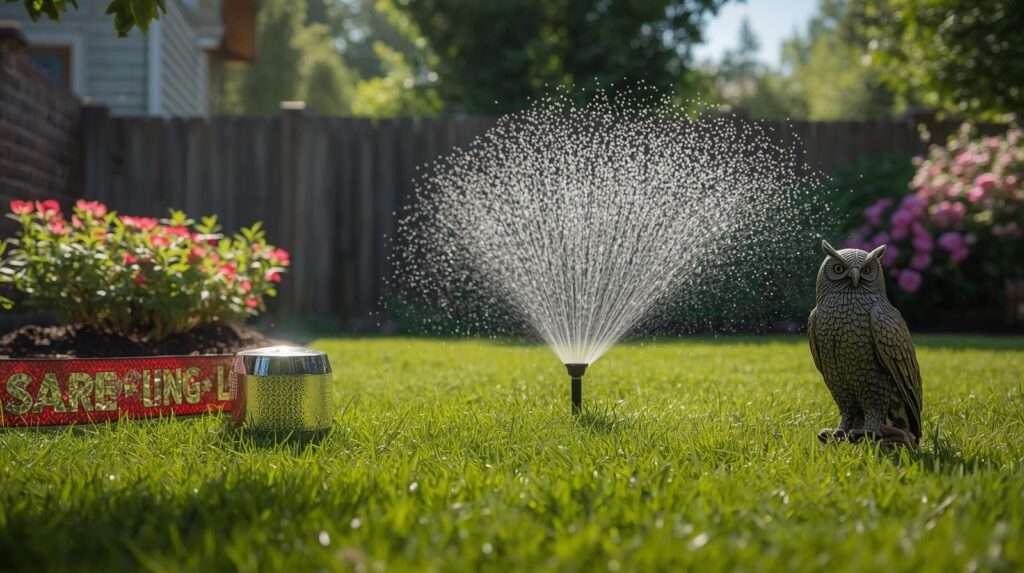
- Fake owls left in one place
- Cheap reflective decorations
- Noise devices without movement
- Static scarecrows
A hawk may avoid these briefly, but repeated exposure teaches them the “threat” is harmless.
The Science Behind Successful Deterrents
The best hawk deterrents disrupt a hawk’s confidence and hunting ability.
Effective systems typically involve:
Movement
Hawks dislike unpredictable motion overhead or near feeding areas.
Reflection
Bright flashes interfere with visual focus and approach patterns.
Physical Barriers
Netting and covered runs physically prevent attacks.
Shelter Access
Quick hiding spots reduce successful strikes.
Unpredictability
Rotating deterrents prevents hawks from adapting.
The Best Strategy: Layering Multiple Deterrents
Experienced poultry keepers rarely depend on one method alone.
Instead, they combine:
- Covered areas
- Reflective deterrents
- Guardian animals
- Timed ranging schedules
- Motion-based devices
This layered approach creates a much stronger defense system than any single product.
11 Hawk Deterrents That Actually Work
Here are the most effective hawk deterrent methods used successfully by poultry farmers, homesteaders, and backyard chicken keepers.
1. Install Overhead Netting or Wire
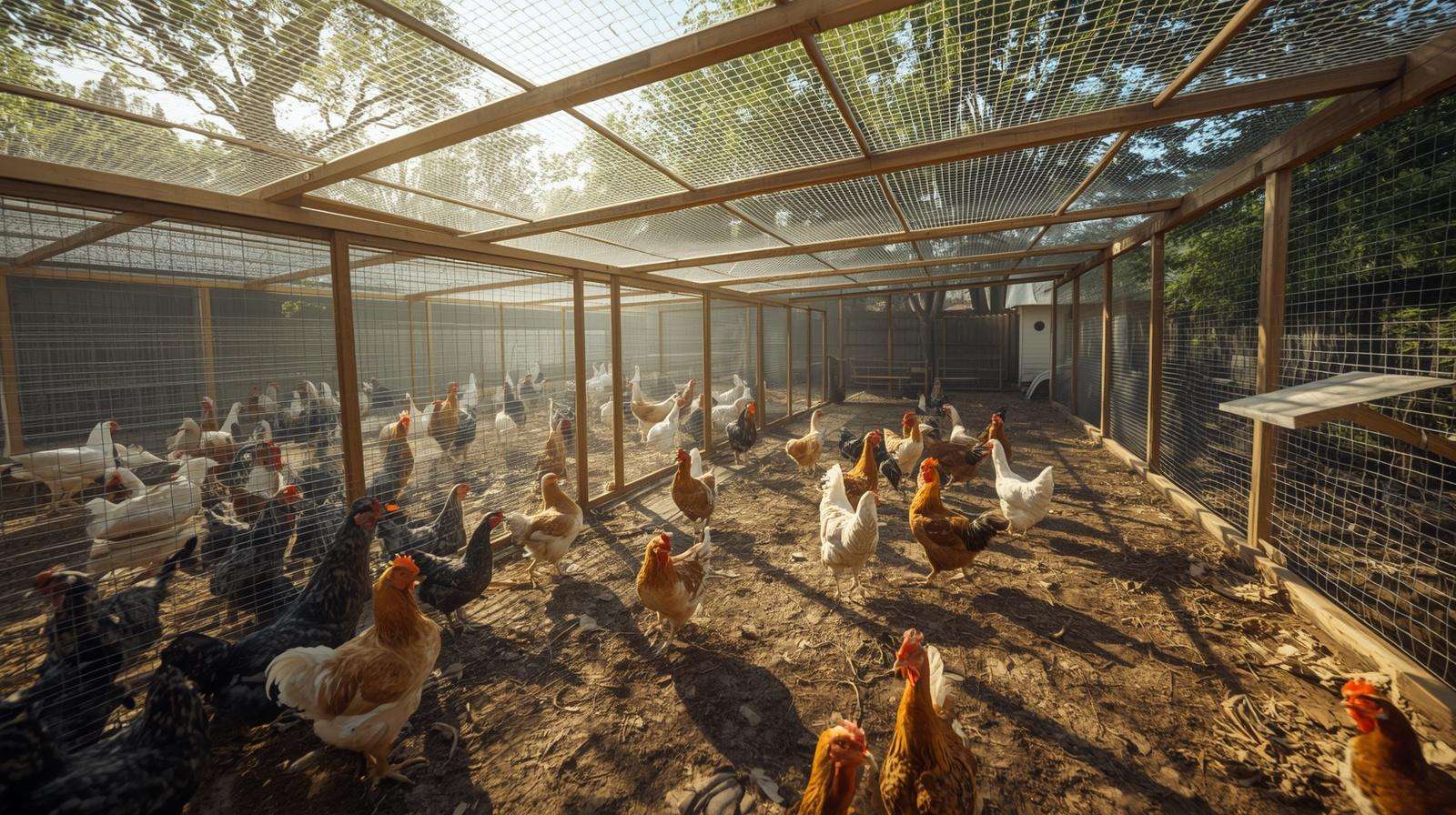
If you want the most reliable hawk protection possible, overhead coverage is the gold standard.
Physical barriers prevent hawks from diving directly into your flock area.
Best Options Include:
- Poultry netting
- Aviary wire
- Deer netting
- Hardware cloth for small runs
For larger free-range spaces, some farmers use fishing line grids above open areas to disrupt attack paths.
Tips for Better Results
- Cover vulnerable feeding areas first
- Keep netting tight to prevent sagging
- Use UV-resistant materials outdoors
- Inspect regularly for holes or tears
While netting requires some setup cost, it dramatically reduces predator losses.
2. Create Covered Safe Zones
Even if your birds free-range, they need nearby cover at all times.
Hawks prefer attacking exposed prey with no escape options.
Effective Shelter Ideas
- Shade tarps
- Lean-to structures
- Small roof extensions
- Wooden shelters
- Bushes and shrubs
- Portable chicken tractors
Natural cover works especially well because it blends into the environment while giving birds instant protection.
3. Use Reflective Deterrents Correctly
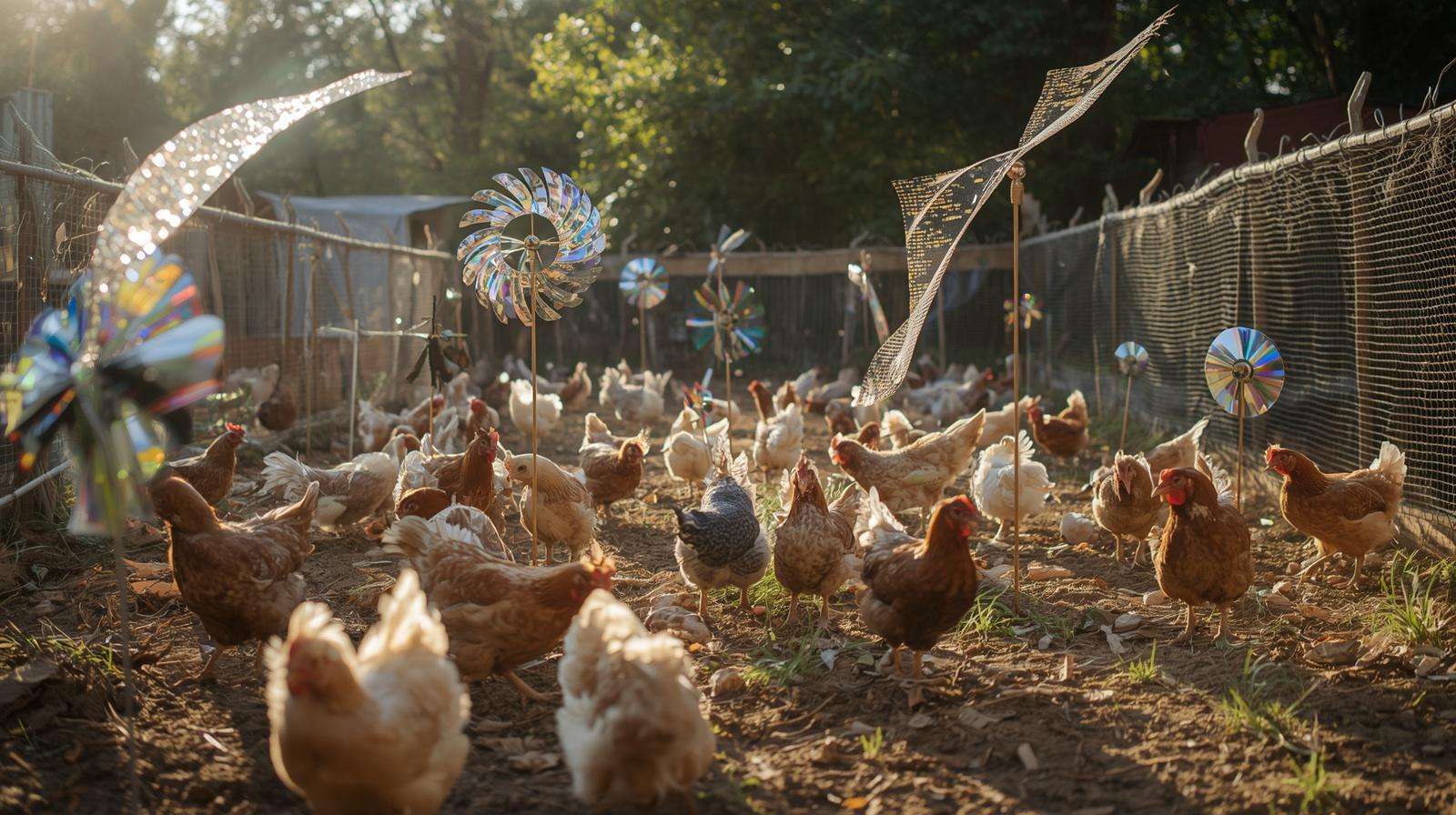
Reflective materials can help deter hawks when used strategically.
The key is movement and changing light angles.
Effective Reflective Options
- Reflective predator tape
- Hanging CDs
- Rotating mirrors
- Aluminum pie plates
- Flash tape
Hang them where sunlight creates constant movement and flashing.
Important Tip:
Move reflective deterrents every few days so hawks do not adapt to their location.
4. Add Motion-Based Scare Devices
Motion creates uncertainty, which hawks dislike.
Devices that move unexpectedly are far more effective than stationary decorations.
Useful Motion Deterrents
Wind Spinners
These create unpredictable flashes and movement patterns.
Motion Sprinklers
Water bursts startle predators without harming them.
Hanging Streamers
Reflective streamers move naturally with the wind.
Inflatable Predator Eyes
These large floating scare balloons can temporarily reduce hawk activity.
For best results, combine motion devices with overhead protection.
5. Keep a Rooster With the Flock
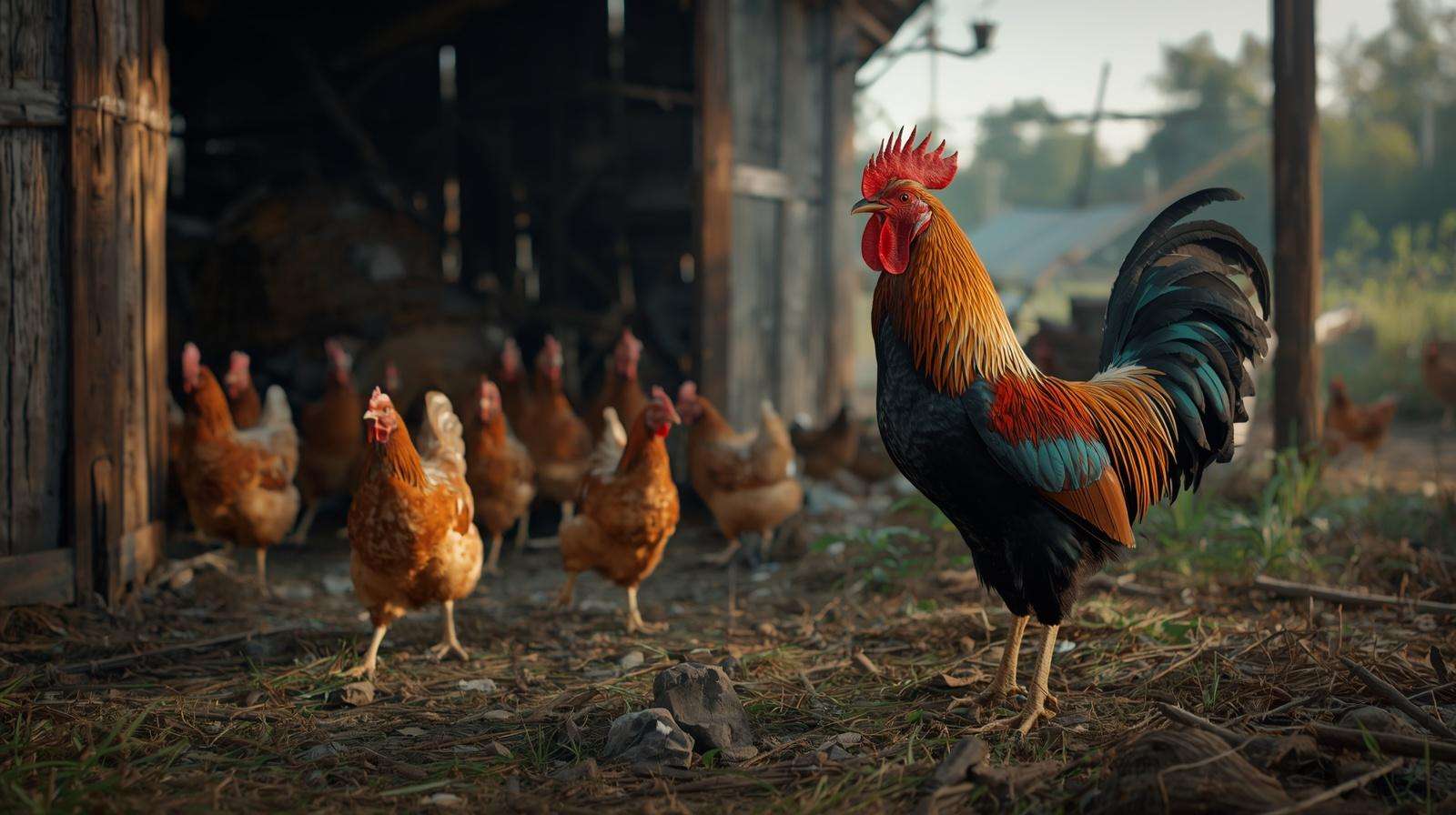
A good rooster acts as an early warning system.
Experienced roosters often:
- Spot hawks before hens notice danger
- Sound alarm calls
- Direct hens toward cover
- Distract predators
While a rooster cannot physically stop most hawks, the extra awareness greatly improves flock survival.
Some heritage breeds are especially alert and protective.
6. Use Livestock Guardian Animals
Guardian animals can discourage hawks from approaching your property.
Farm Dogs
Dogs that patrol outdoor areas reduce predator confidence.
Breeds commonly used include:
- Great Pyrenees
- Anatolian Shepherds
- Maremma Sheepdogs
Even smaller active dogs may help if they regularly patrol poultry areas.
Geese
Geese are territorial and noisy.
They can:
- Alert flocks to danger
- Intimidate smaller predators
- Create activity that discourages hawks
Guardian Animals Work Best When:
- Birds are supervised
- Predators are pressured consistently
- Poultry areas remain active and occupied
7. Limit Free-Ranging During Peak Hawk Hours
Hawks hunt most actively during certain parts of the day.
Reducing exposure during these windows can significantly lower attacks.
Peak Hunting Times
Typically:
- Early morning
- Late afternoon
- During colder months
- Migration seasons
If hawk pressure is severe, allow free-ranging only during safer midday hours.
8. Build Hawk-Proof Chicken Runs
Predator-resistant chicken runs are one of the smartest long-term investments for poultry safety.
Features of a Hawk-Proof Run
Covered Roof
Use wire, solid roofing, or heavy netting.
Enclosed Sides
Prevent both aerial and ground predator access.
Secure Entry Points
Avoid gaps around doors and fencing.
Multiple Hiding Areas
Add roosts, shelters, and shaded corners.
A properly designed run protects birds even when you are away from home.
9. Rotate Deterrents Frequently
Hawks are intelligent enough to recognize patterns.
If deterrents never change, they eventually lose effectiveness.
Smart Rotation Strategies
- Move reflective tape weekly
- Alternate scare devices
- Change hanging locations
- Rotate visual deterrent colors
- Rearrange shelter layouts
Unpredictability is one of the most underrated predator control tools.
10. Remove Hawk Hunting Advantages
Many farms accidentally create perfect hunting environments.
Hawks prefer locations with:
- Clear visibility
- Easy landing spots
- Elevated perches
Remove These Common Hawk Advantages
Tall Isolated Perches
Fence posts and dead trees provide lookout points.
Open Feeding Areas
Avoid feeding birds in fully exposed spaces.
Wide Attack Lanes
Break up large open areas with shelters or vegetation.
Reducing visibility and attack angles makes your property less attractive.
11. Use Portable Shelters in Open Areas
Large pastures and free-range systems need mobile protection options.
Portable shelters give birds emergency hiding spaces wherever they roam.
Effective Portable Options
- Chicken tractors
- Rolling shade shelters
- Lightweight hoop structures
- Portable tarp stations
These are especially useful for rotational grazing systems.
Hawk Deterrents That Usually Do NOT Work Long-Term
Not every predator solution advertised online is effective.
Some methods work briefly but fail over time because hawks adapt quickly.
Fake Owls and Plastic Predators
This is one of the most overused poultry protection tactics.
A stationary fake owl may scare hawks temporarily, but predators soon realize it never moves.
If you use one:
- Relocate it frequently
- Combine it with movement
- Avoid relying on it alone
Noise Makers Alone
Sudden sounds may startle hawks initially, but repeated exposure reduces effectiveness.
Examples include:
- Bells
- Radios
- Ultrasonic devices
- Metal clanging objects
Noise works best when combined with visual disruption and physical barriers.
Leaving Birds Fully Exposed
Many poultry owners underestimate how vulnerable open yards are.
Even healthy adult hens become easy targets without:
- Overhead protection
- Shrub cover
- Escape routes
Depending on Just One Method
One of the biggest reasons hawk deterrents fail is overreliance on a single solution.
For example:
- Netting without shelter still causes flock stress
- Reflective tape without movement becomes ineffective
- A rooster alone cannot stop determined predators
The most successful poultry setups use layered protection systems that combine physical barriers, behavioral strategies, and environmental design.
Best Hawk Protection Setups for Different Farm Types
Every poultry setup has unique challenges. A backyard chicken coop in a suburban neighborhood requires a different strategy than a large free-range farm.
Here are the most effective approaches based on flock type and farm layout.
Small Backyard Chicken Flocks
Backyard chicken keepers often have limited space but can still build highly effective hawk protection systems.
Recommended Setup
Covered Chicken Run
Install overhead netting or a solid roof over the main run.
Shrub Cover
Add bushes, potted plants, or low shelters around ranging areas.
Reflective Deterrents
Use rotating reflective tape near fences and coop entrances.
Scheduled Free-Ranging
Allow birds out when supervision is possible.
Best Low-Cost Improvement
Adding overhead fishing line grids above open areas can reduce aerial attack success dramatically.
Free-Range Poultry Farms
Free-range systems are attractive to hawks because birds are visible over wide areas.
The goal is not eliminating exposure entirely, but reducing hunting success.
Best Free-Range Strategies
Rotational Grazing
Move birds frequently to avoid predictable routines.
Portable Shelter Stations
Place hiding areas throughout fields.
Livestock Guardian Dogs
Patrolling dogs discourage aerial predators from approaching.
Mixed Vegetation Zones
Trees and brush lines create visual obstacles for hawks.
Mobile Reflective Devices
Move deterrents regularly to maintain effectiveness.
Large poultry farms often combine multiple methods simultaneously for best results.
Duck Pens and Waterfowl Areas
Ducks and ducklings are especially vulnerable because they are slower and spend time in open wet areas.
Best Protection Methods for Ducks
- Covered pond sections
- Floating shelter platforms
- Netting above shallow pools
- Dense perimeter vegetation
- Predator-safe nighttime housing
Ducklings should never remain fully exposed during the day in areas with active hawk populations.
Homesteads With Mixed Livestock
Homesteads often include chickens, ducks, goats, sheep, and gardens within shared spaces.
This creates both opportunities and challenges for predator management.
Integrated Protection Strategies
Shared Guardian Animals
Dogs and geese can protect multiple livestock species simultaneously.
Strategic Shelter Placement
Place poultry shelters near larger livestock activity zones.
Controlled Feeding Areas
Avoid isolated feeding spots that attract predators.
Multi-Purpose Structures
Use barns and sheds to create safe ranging corridors.
Activity and movement around mixed livestock properties often reduce predator confidence naturally.
Seasonal Hawk Protection Tips
Hawk behavior changes throughout the year, and understanding seasonal patterns can help poultry owners prepare before attacks increase.
Fall and Winter Hawk Activity
Many flock owners notice more hawk attacks during colder months.
Why?
Because natural food sources become less available.
Migrating hawks and hungry juvenile birds often target poultry during:
- Late fall
- Winter
- Early spring
Winter Protection Tips
- Reduce unsupervised free-ranging
- Increase overhead cover
- Feed birds closer to shelters
- Remove snow-covered exposure zones
Birds are easier to spot against snow or bare winter landscapes.
Protecting Baby Chicks and Young Birds
Young poultry are the most vulnerable targets.
Even small hawks can easily carry away chicks, ducklings, and bantams.
Best Practices for Young Birds
Use Covered Brooders
Outdoor brooders should always have overhead protection.
Limit Open Exposure
Avoid letting chicks roam freely without supervision.
Add Immediate Hiding Areas
Young birds need nearby cover every few feet.
Keep Flocks Close to Structures
Buildings provide psychological protection and faster shelter access.
Many experienced poultry keepers avoid free-ranging chicks entirely until they are significantly larger.
Weather Conditions That Increase Hawk Attacks
Certain weather patterns make hawk hunting easier.
Conditions That Increase Risk
Clear Sunny Days
Hawks hunt visually and prefer bright conditions.
Windy Weather
Strong winds improve soaring ability.
Drought Conditions
Reduced natural prey increases poultry targeting.
After Storms
Disrupted wildlife patterns can temporarily increase predator pressure.
Monitoring weather-related behavior patterns can help you anticipate risk periods.
Expert Tips From Experienced Poultry Keepers
Long-term poultry owners often rely on simple but highly effective habits that reduce predator attacks naturally.
These small daily practices can make a huge difference.
Daily Habits That Reduce Hawk Attacks
Supervised Free-Ranging
The presence of humans significantly lowers hawk confidence.
Even occasional yard activity can discourage attacks.
Consistent Feeding Schedules
Predictable flock movement helps birds stay closer to shelter during vulnerable periods.
Avoid scattering feed in large exposed areas.
Observation Routines
Watch for:
- Repeated circling patterns
- Perching hawks nearby
- Sudden flock panic
- Predator tracks or signs
Early detection prevents repeated losses.
Low-Cost DIY Hawk Deterrent Ideas
Protecting poultry does not always require expensive equipment.
Some of the best deterrents are simple homemade solutions.
DIY Reflective Line System
Materials:
- Fishing line
- Reflective tape
- Lightweight poles
Create overhead movement grids above open areas.
Homemade Covered Runs
Use:
- PVC pipe frames
- Shade cloth
- Chicken wire
- Repurposed lumber
This creates affordable predator-safe zones.
Natural Vegetation Barriers
Planting shrubs and small trees around ranging areas provides:
- Shade
- Shelter
- Visual disruption
- Faster escape cover
Fast-growing options work especially well for long-term predator control.
Mistakes Beginners Commonly Make
Many hawk attacks occur because new poultry owners underestimate aerial predators.
Waiting Until After an Attack
Predator prevention works best before losses occur.
Relying Only on One Deterrent
Single-method protection usually fails over time.
Ignoring Overhead Vulnerability
Ground fencing alone does not stop hawks.
Free-Ranging Chicks Too Early
Young birds require heavy protection.
Leaving Feed in Open Areas
Feed attracts activity that hawks can monitor easily.
How to Create a Long-Term Hawk Defense Plan
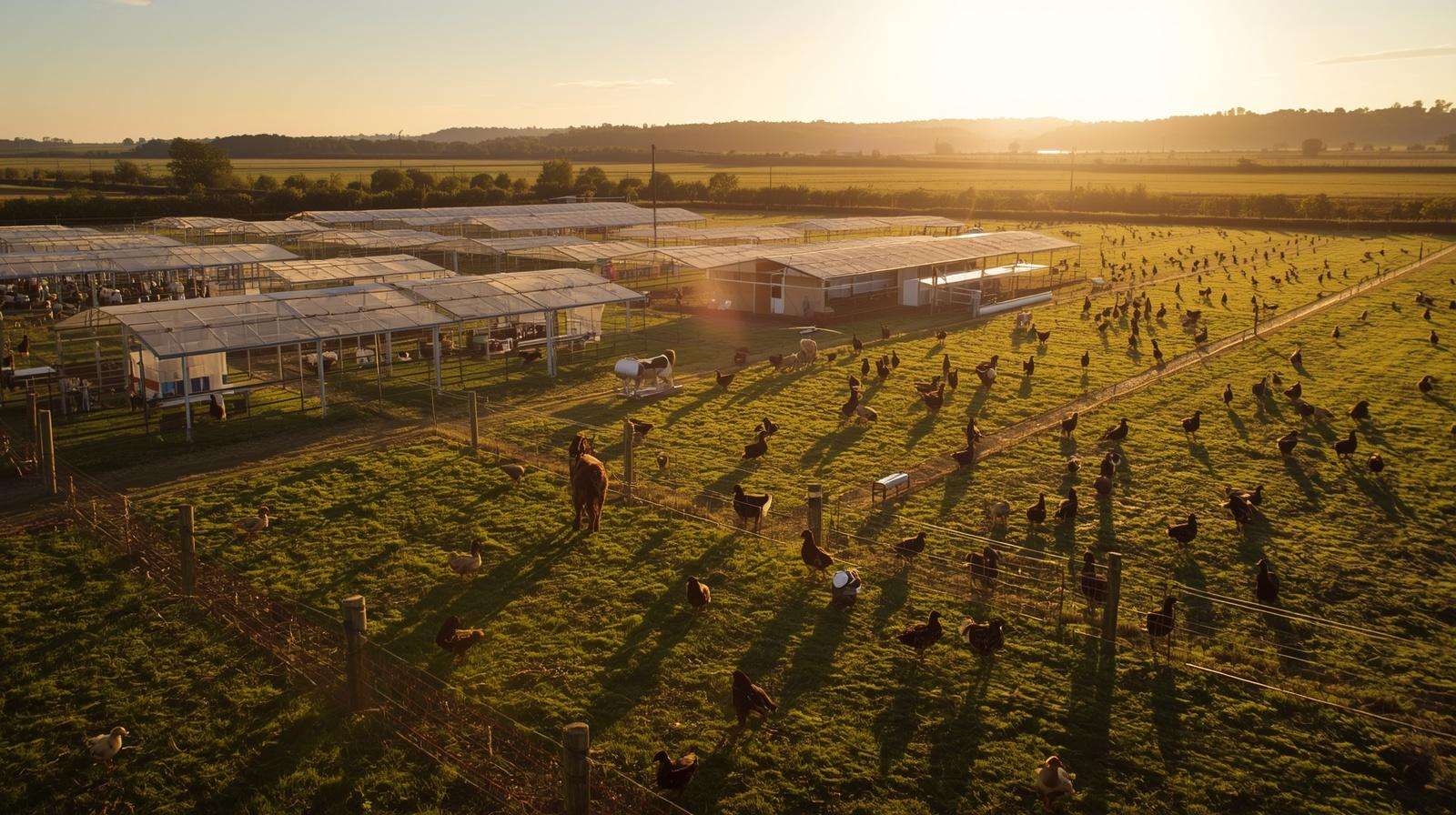
The safest poultry systems use a proactive protection strategy rather than reacting after attacks happen.
Here’s how to create a sustainable long-term plan.
Step 1: Assess Your Property
Walk through your poultry area and identify:
- Open exposure zones
- Hawk perching spots
- Lack of shelter areas
- Vulnerable feeding locations
Understanding weaknesses is the foundation of predator prevention.
Step 2: Prioritize Physical Protection
Start with the most effective barriers first.
Highest-Priority Improvements
- Covered run areas
- Overhead netting
- Safe shelters
- Predator-resistant housing
Physical barriers provide the strongest long-term results.
Step 3: Add Visual and Motion Deterrents
Once physical protection is established, increase unpredictability.
Use:
- Reflective tape
- Wind spinners
- Motion sprinklers
- Hanging objects
Rotate placements regularly.
Step 4: Improve Flock Behavior
Train birds to stay closer to safe zones by:
- Feeding near cover
- Providing shaded resting areas
- Reducing open-field exposure
Bird habits influence predator vulnerability more than many people realize.
Step 5: Monitor and Adjust
Hawk activity changes seasonally.
Inspect your setup regularly and adapt when necessary.
Monthly Maintenance Checklist
- Check netting for holes
- Replace damaged deterrents
- Trim dangerous perch trees
- Reposition reflective materials
- Observe flock behavior
Consistent maintenance keeps deterrents effective long-term.
Frequently Asked Questions About Hawk Deterrents
What is the most effective hawk deterrent?
Overhead netting or covered poultry runs are generally the most reliable hawk deterrents because they physically prevent attacks.
However, combining physical barriers with motion and shelter systems produces the best long-term protection.
Do fake owls really keep hawks away?
Fake owls may work temporarily, but hawks usually adapt if the owl remains stationary.
For better results:
- Move the owl frequently
- Combine it with reflective movement
- Use additional deterrent layers
Can hawks kill full-grown chickens?
Yes. Larger hawk species can injure or kill adult chickens, especially lightweight breeds or isolated birds.
Small hens, bantams, and young poultry are most vulnerable.
What time of day do hawks usually attack?
Hawks commonly hunt during:
- Early morning
- Late afternoon
- Bright daylight hours
They are visual predators and rarely hunt after dark.
How do I protect free-range chickens from hawks?
The best strategies include:
- Portable shelters
- Guardian animals
- Rotating deterrents
- Covered feeding zones
- Limiting exposure during peak hunting hours
Free-range flocks require layered protection systems.
Are hawks afraid of dogs?
Many hawks avoid areas with active dogs because constant movement creates uncertainty.
Livestock guardian dogs are especially effective on larger farms.
Is it legal to trap or harm hawks?
In many regions, hawks are protected wildlife species.
Always check local laws before taking action.
Humane deterrents are the safest and most legal approach.
Will fishing line stop hawks?
Fishing line grids can help disrupt hawk dive paths, especially above smaller ranging areas.
They work best when combined with:
- Shelter access
- Reflective movement
- Covered feeding zones
Final Thoughts: The Best Hawk Deterrents Combine Protection, Shelter, and Strategy
Protecting chickens, ducks, and other farm birds from hawks is not about finding one magical solution. Successful poultry keepers understand that long-term predator control comes from combining multiple smart strategies.
The most effective hawk deterrents focus on three key principles:
- Reducing visibility
- Limiting attack opportunities
- Creating safe shelter access
Whether you manage a backyard chicken coop or a larger free-range poultry farm, investing in layered protection can dramatically reduce losses and improve flock safety.
Start with the essentials:
- Overhead protection
- Covered hiding areas
- Motion-based deterrents
- Smart ranging schedules
Then adapt your system based on seasonal predator activity and your farm’s specific layout.
With the right setup, you can raise healthier, calmer birds while greatly reducing the risk of devastating hawk attacks.