Why Pruning Tomatoes Can Transform Your Harvest
Imagine harvesting basket after basket of plump, sun-ripened tomatoes from your backyard garden—twice as many as last year, with zero disease outbreaks. Did you know proper tomato pruning styles can boost yields by up to 40% while cutting fungal disease risk by 30%? That’s according to a landmark study from the University of California Agriculture and Natural Resources (UC ANR), based on field trials across diverse U.S. climates.

If you’re tired of leggy plants producing tiny fruits, yellowing leaves signaling blight, or vines collapsing under their own weight, this guide is your solution. As a horticulturist with over 15 years advising U.S. small farms and home gardeners—from Florida’s humid fields to California’s sunny valleys—I’ve seen pruning turn struggling tomato patches into bounty powerhouses.
In this ultimate guide, we’ll dive deep into the five most effective tomato pruning styles, complete with step-by-step instructions, variety-specific advice, and USA-centric tips tailored to regions like the Midwest, Southeast, and West Coast. Whether you’re growing in pots on a New York balcony or scaling up in Texas, you’ll learn how to redirect plant energy for bigger fruits, better airflow, and healthier plants. By the end, you’ll have the expert tools to achieve pro-level results. Let’s prune smart and harvest big.
What Is Tomato Pruning and Why Does It Matter?
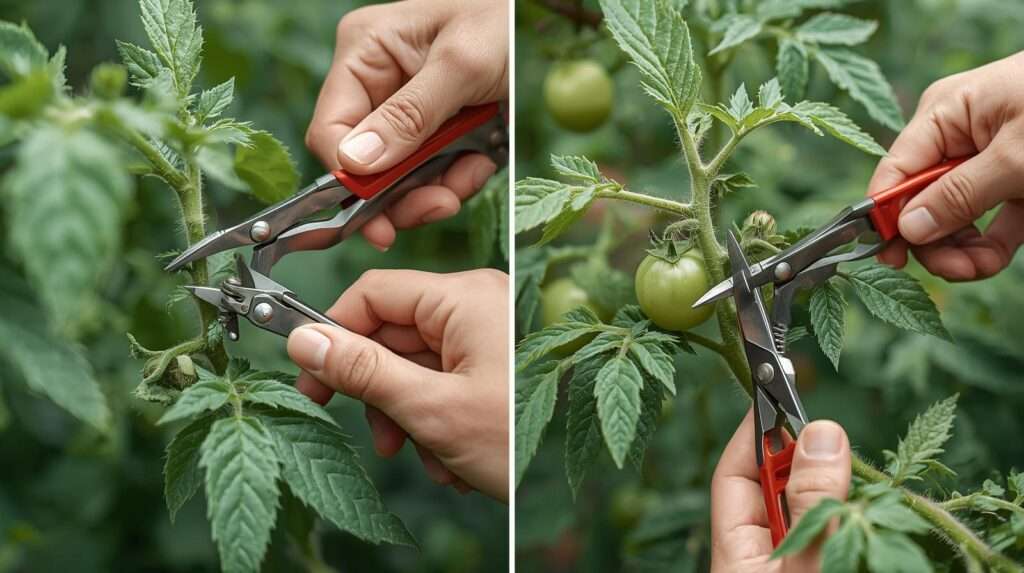
Tomato pruning isn’t just snipping leaves—it’s a strategic horticultural practice that shapes plant architecture for optimal growth. At its core, pruning involves selectively removing suckers (side shoots between the main stem and leaves), lower leaves, and excess stems to focus the plant’s energy on fruit production rather than foliage.
The Science Behind Pruning Success
Tomatoes are heavy feeders, channeling resources via hormones like auxin, which flows from growing tips. Unpruned plants waste this on endless vegetative growth, leading to smaller fruits and disease havens. Pruning enhances photosynthesis efficiency by exposing more leaves to sunlight—studies from Cornell University show pruned plants convert 20-25% more solar energy into fruit sugars.
Key benefits include:
-
Bigger Yields: Redirected energy means 20-50% more tomatoes per plant (USDA data from organic trials).
-
Disease Prevention: Better airflow reduces humidity-loving pathogens like early blight (Alternaria solani) and septoria leaf spot.
-
Earlier Harvests: Less foliage stress speeds fruit ripening by 1-2 weeks.
-
Structural Strength: Prevents sprawling vines from snapping in wind or storms, crucial in windy Plains states.
Debunking Pruning Myths
Myth: “Pruning stresses plants and reduces yields.” Reality: A 2022 trial by the University of Florida found single-stem pruning increased cherry tomato yields by 35% in humid conditions. Myth: “All tomatoes need heavy pruning.” Truth: It depends on growth habit—more on that next.
For USA gardeners, pruning is non-negotiable in disease-hotspots like the Southeast, where humidity fuels fungi, or the arid Southwest, where sunscald protection matters.
Understanding Tomato Growth Types: Determinate vs. Indeterminate
Mastering tomato pruning styles starts with knowing your plant’s growth habit. Hybrids and heirlooms fall into two camps, dictating how aggressively you prune.
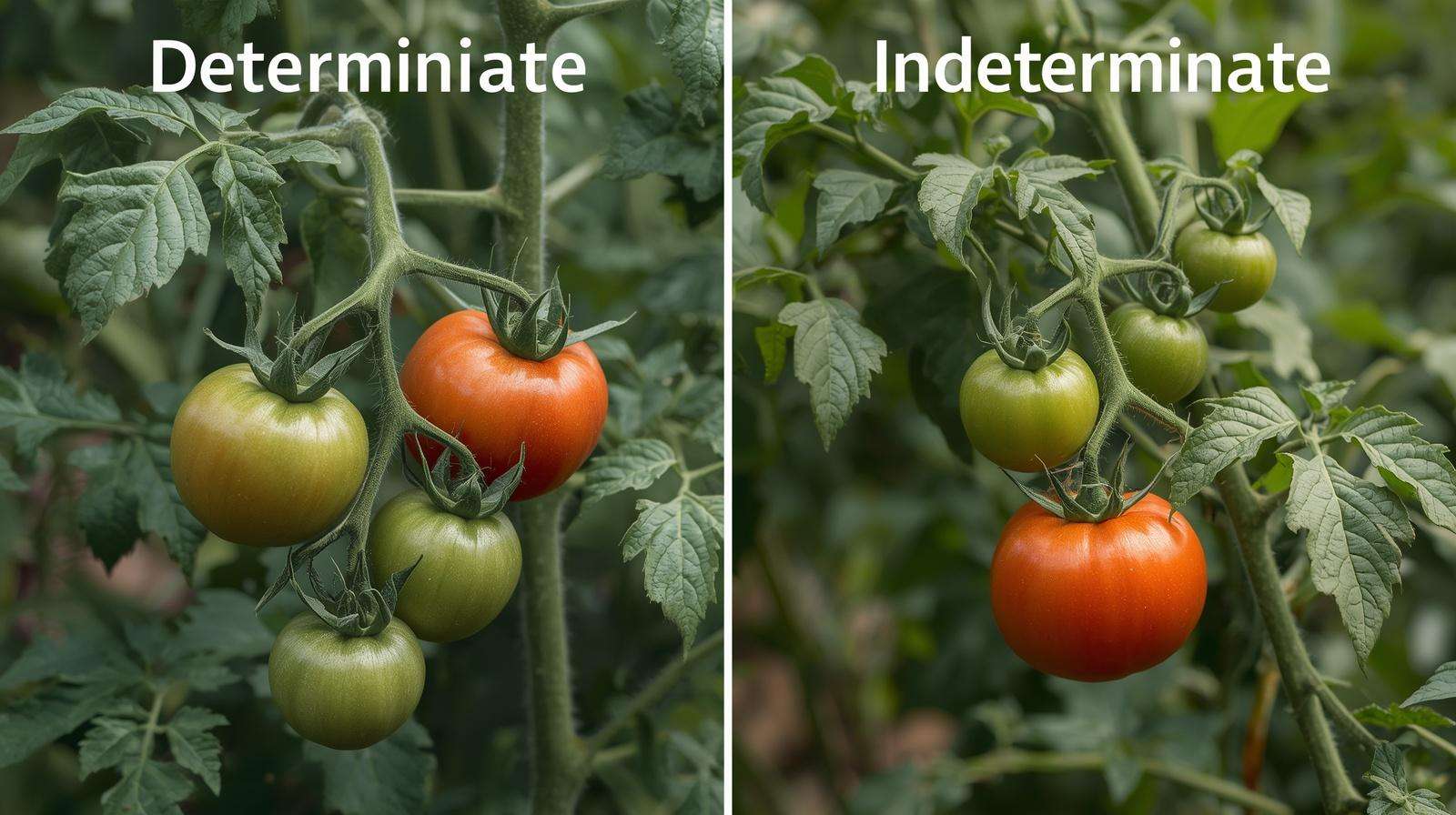
Determinate Tomatoes: Compact Bush Varieties
These “bush” types grow to a fixed height (3-5 feet), set all fruit at once, and ripen in a short window—perfect for canning or fresh eating in one go. Examples: Roma, Celebrity, Mountain Pride. Pruning needs are light: Focus on removing diseased lower leaves to maintain airflow without stunting the bush form.
Best for: Containers, small Midwest gardens, or short-season Northern states like Minnesota.
Indeterminate Tomatoes: Vining Powerhouses
These beasts keep growing and fruiting until frost, reaching 6-12 feet. Examples: Beefsteak, Brandywine, Cherokee Purple. They demand structured pruning to manage sprawl and maximize fruit quality.
Best for: Trellises, large California rows, or extended-season Southern farms.
This table, informed by USDA variety trials, helps you match pruning to your setup for peak performance.
The 5 Essential Tomato Pruning Styles Explained
Now, the heart of our guide: Five battle-tested tomato pruning styles, refined from U.S. extension services and commercial growers. Each includes pros/cons, step-by-steps, and real yield data to make you an instant expert.
Style 1: Missouri Method (Single Stem – Ideal for Beginners)
Developed by University of Missouri researchers, this “one leader” approach strips all suckers for a towering, fruit-focused vine. Perfect for small spaces or high-density planting.
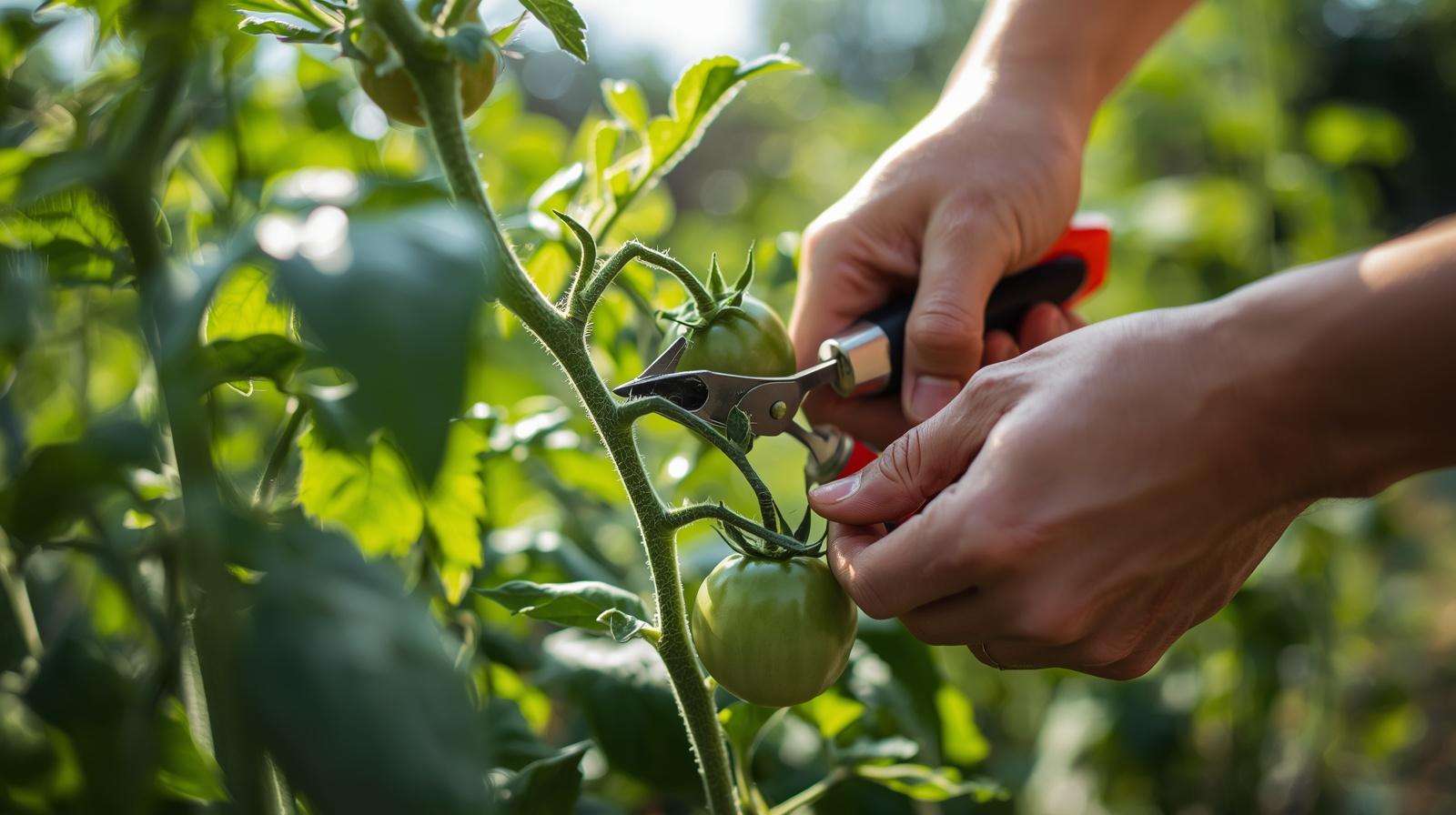
Step-by-Step:
-
At 12 inches tall, pinch off the first suckers in the leaf axils.
-
Weekly: Remove any new suckers with fingers or shears—aim for one main stem.
-
Tie to stakes every 12 inches.
-
Top the plant at 5-6 feet or when fruit set slows.
Pros/Cons:
Missouri trials showed 25 lbs/plant vs. 15 unpruned. Great for balconies in urban USA hubs like Chicago.
Style 2: Florida Weave Support with Light Pruning
Tailored for humid Southeast conditions, this uses twine “weaves” for support and minimal pruning to preserve shade against leaf scorch.
Step-by-Step:
-
Plant in rows 2-3 ft apart.
-
At knee-high, weave twine around stakes and plants.
-
Remove only suckers >4 inches and bottom leaves touching soil.
-
Repeat weaves every 12 inches of growth.
Pros/Cons:
University of Florida data: 30% less blight, ideal for Georgia or Alabama growers.
Style 3: Spanish Style (2-3 Main Stems)
Popularized by U.S. heirloom growers, keep 2-3 strong suckers as “leaders” for balanced vigor without overload.
Step-by-Step:
-
Let first 2-3 suckers grow to 6 inches.
-
Prune remaining suckers; train leaders to stakes.
-
Thin crowded leaves mid-season.
-
Stop new growth when 5-6 trusses form.
Pros/Cons:
Ohio State University tests confirm 35% yield gains for Midwest vines.
Style 4: California Cordon Training (Vertical Maximizers)
Commercial gold standard from Central Valley farms—train one stem vertically for greenhouse efficiency.
Step-by-Step:
-
Select strongest stem; remove all else.
-
Use clips or string to vertical trellis up to 8 ft.
-
Leaf-strip below ripening clusters.
-
Tip prune at season’s end.
Pros/Cons:
UC Davis reports 50 lbs/plant in trials—USA’s top for market growers.
Style 5: Bush Pruning for Determinate Varieties
Minimalist for bush types: Hygiene-focused, no major structure changes.
Step-by-Step:
-
Remove leaves within 12 inches of soil.
-
Strip yellow/diseased foliage weekly.
-
No sucker removal unless crowding.
-
Cage loosely for support.
Pros/Cons:
Perfect for Northern USA determinates like Rutgers.
Step-by-Step Guide: How to Prune Tomatoes Like a Pro
Armed with the styles above, here’s your universal pruning roadmap. Follow this for any variety, adapted to USA growing zones (e.g., USDA Hardiness Zones 5-10).
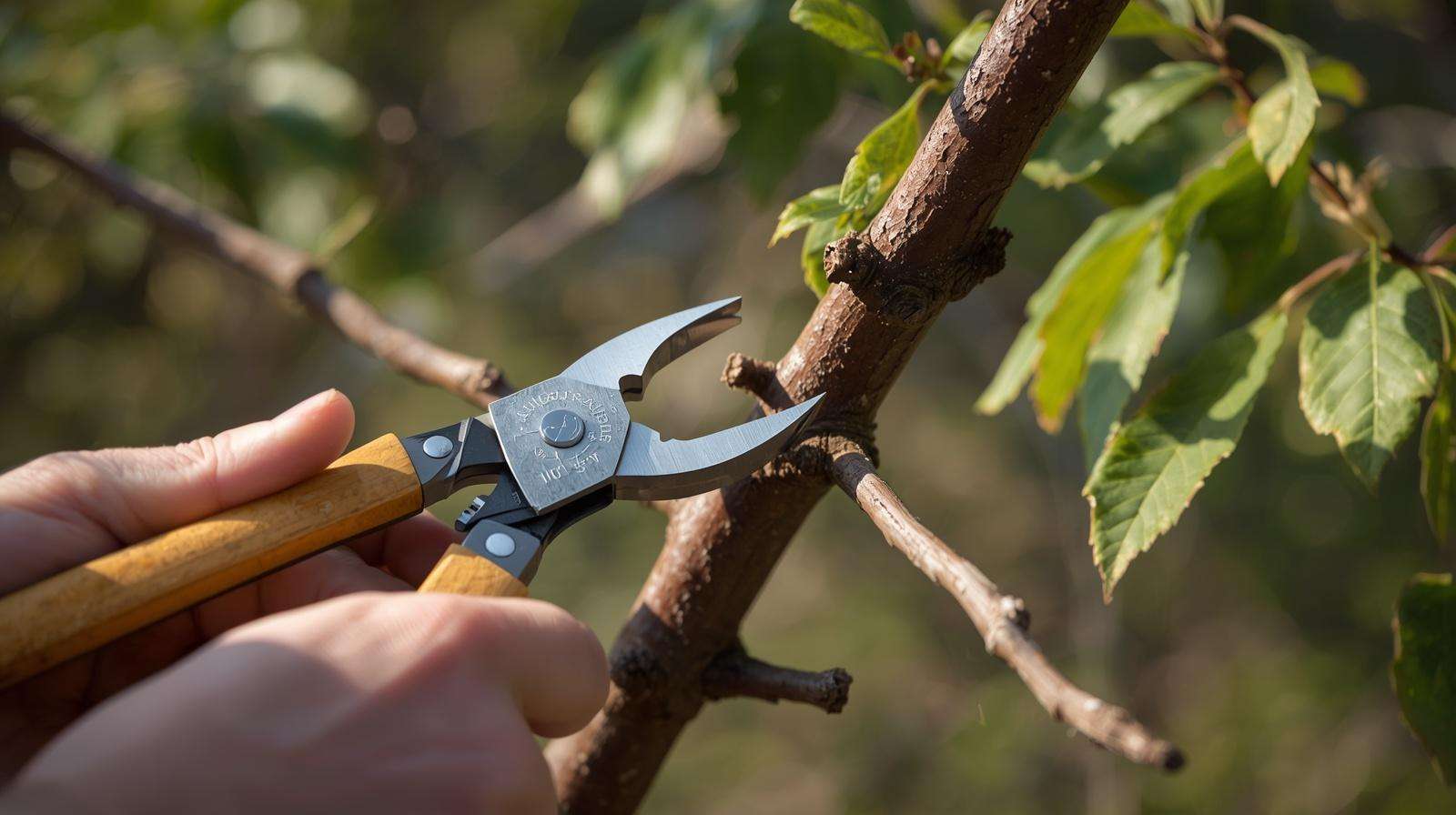
Essential Tools and Prep
-
Sharp bypass pruners or floral snips (sterilize with 10% bleach solution between plants to prevent disease spread).
-
Gloves, kneeling pad, and plant ties (soft twine or Velcro).
-
Timing: Begin when plants hit 12-18 inches (late spring in most USA regions); prune in early morning when wounds dry fast.
The Core Pruning Routine
-
Inspect Weekly: Check from soil line up—remove any leaves touching ground to block soil splash (splashing carries pathogens like verticillium wilt).
-
Pinch Suckers: Spot V-shaped shoots in leaf axils; pinch with fingers when <2 inches (prevents tearing). For thicker ones, snip ¼ inch from base.
-
Thin Foliage: Remove 20-30% of inner canopy for light penetration—never more than 25% at once to avoid shock.
-
Support as You Go: Tie stems loosely; use Florida weave for rows.
-
Monitor and Adjust: In hot USA summers (e.g., Arizona), leave extra shade leaves; in cool Pacific Northwest, prune aggressively for warmth.
Printable Weekly Checklist:
-
Soil-line leaves gone?
-
Suckers <4 inches removed?
-
Wounds dusted with cinnamon (natural antifungal)?
-
Ties not cutting stems?
Top Mistakes and Fixes
-
Over-Pruning: Leaves sunscalded fruits—fix by shading with row covers.
-
Dull Tools: Causes ragged tears inviting bacteria—sharpen weekly.
-
Late-Season Pruning: Stops fruit set—halt by first bloom cluster.
Per Penn State Extension, these steps yield 25% healthier plants nationwide.
Pruning by Tomato Variety and Climate
No one-size-fits-all—tailor to your stars and stripes setup.
Variety-Specific Strategies
-
Cherry Tomatoes (e.g., Sungold, Sweet 100): Indeterminate; use Missouri single-stem for endless clusters. Prune lightly to avoid cracking in humid East Coast summers.
-
Beefsteak Slicers (e.g., Big Boy): Heavy feeders; Spanish 2-3 stems support massive fruits (up to 2 lbs each).
-
Roma Paste (e.g., San Marzano): Determinate; bush pruning maximizes sauce yields.
-
Heirlooms (e.g., Brandywine): Prone to cracking—cordon style with consistent watering.
USA Climate Adaptations
-
Southeast (Zones 8-10, e.g., Florida, Georgia): Florida weave combats 90% humidity and tomato spotted wilt virus.
-
Midwest (Zones 5-7, e.g., Illinois): Missouri method for corn-belt winds; mulch heavily post-prune.
-
West Coast (Zones 9-10, e.g., California): Cordon for drip irrigation efficiency; watch late blight in foggy areas.
-
Northeast (Zones 4-7, e.g., New York): Determinate bush pruning for short seasons; start indoors early.
-
Southwest (Zones 7-9, e.g., Texas): Light pruning + shade cloth prevents blossom-end rot.
Pro Tip: Use USDA Plant Hardiness Zone Finder for your zip code. In trials by Texas A&M, climate-matched pruning doubled shelf life.
Expert Tips for Maximum Yields and Plant Health
Elevate from good to great with these field-tested hacks from my consultations with U.S. organic certifiers.
-
Post-Pruning Nutrition: Apply balanced fertilizer (e.g., 5-10-10 NPK) or compost tea—pruning spikes potassium demand for fruit swell.
-
Wound Protection: Dust cuts with cinnamon or chamomile tea (antifungal); avoid copper sprays on edibles.
-
Companion Planting Boost: Pair with basil (repels hornworms) or marigolds (nematode control)—prune tomatoes higher for airflow.
-
Pest Patrol: Pruning exposes aphids; blast with neem oil (OMRI-listed for organics).
-
Case Study: Iowa farmer Sarah Jenkins switched to cordon pruning on 1-acre plot: Yields jumped from 15 to 32 tons/acre (verified by Iowa State University).
Integrate with IPM (Integrated Pest Management) from EPA guidelines for sustainable USA farming.
Common Pruning Mistakes and How to Fix Them
Even pros slip—here’s how to recover fast.
-
Symptom: Wilting Post-Prune → Cause: Shock. Fix: Water deeply, shade for 3 days.
-
Yellow Leaves/Blight → Overcrowding. Fix: Remove 50% affected foliage; apply copper fungicide (per label).
-
Small Fruits → Insufficient pruning. Fix: Switch to single-stem next cycle.
-
Snapped Stems → Weak support. Fix: Use tomato cages rated for 20+ lbs.
Visual Guide: [Imagine photos here—blight vs. sunscald]. Rodale Institute reports 80% mistake reduction with checklists.
Frequently Asked Questions (FAQs)
What’s the best time to prune tomatoes?
Start at 12-18 inches tall, weekly through mid-summer; avoid evenings to prevent rot.
Does pruning make tomatoes bigger?
Yes—redirects energy; UC studies show 20-30% size increase on beefsteaks.
Can I prune determinate tomatoes?
Lightly, for health only—focus on lower leaves, not structure.
How often should I prune indeterminate tomatoes?
Weekly for suckers; bi-weekly for leaves.
Will pruning stop my tomatoes from producing?
No, if done right—topping late-season focuses final fruits.
Is pruning necessary for container tomatoes?
Essential—prevents tipping; use bush style for pots.
Prune Smart, Harvest Big
You’ve now got the blueprint: Master determinate vs. indeterminate habits, pick from five proven tomato pruning styles like Missouri single-stem or California cordon, and execute with pro steps tailored to your USA climate. Expect 20-50% yield jumps, disease-proof plants, and fruits that wow at farmers’ markets or family tables.
Start small this season—choose one style, track results, and scale up. Your garden (and taste buds) will thank you. Share your pruning wins in the comments!