You buy a beautiful perennial rose or lavender plant labeled “Hardy to Zone 7,” plant it carefully in your garden, provide the best soil and care — only to watch it struggle or die during winter, even though your area is listed as Zone 7 or 8. Or worse, you avoid trying exciting new varieties because you’re unsure whether they will survive in your location. This common frustration happens to thousands of gardeners every year because they never fully understood how USDA Zones actually work or how to use them effectively.
USDA Zones Explained in simple, practical terms is one of the most valuable skills any gardener or small-scale grower can learn. The USDA Plant Hardiness Zone Map serves as the standard reference for determining which perennial plants, trees, shrubs, and vines are most likely to survive the winter cold in your specific area.
In this comprehensive guide, you’ll get a clear, expert-level explanation of what USDA zones are, how the latest 2023 map works, how to find your exact zone, the important limitations you must know, and — most importantly — how to apply this knowledge for smarter plant selection and a more successful, resilient garden. Whether you’re a beginner or an experienced gardener, this guide will help you move beyond guesswork and reduce costly plant losses.
What Are USDA Zones?
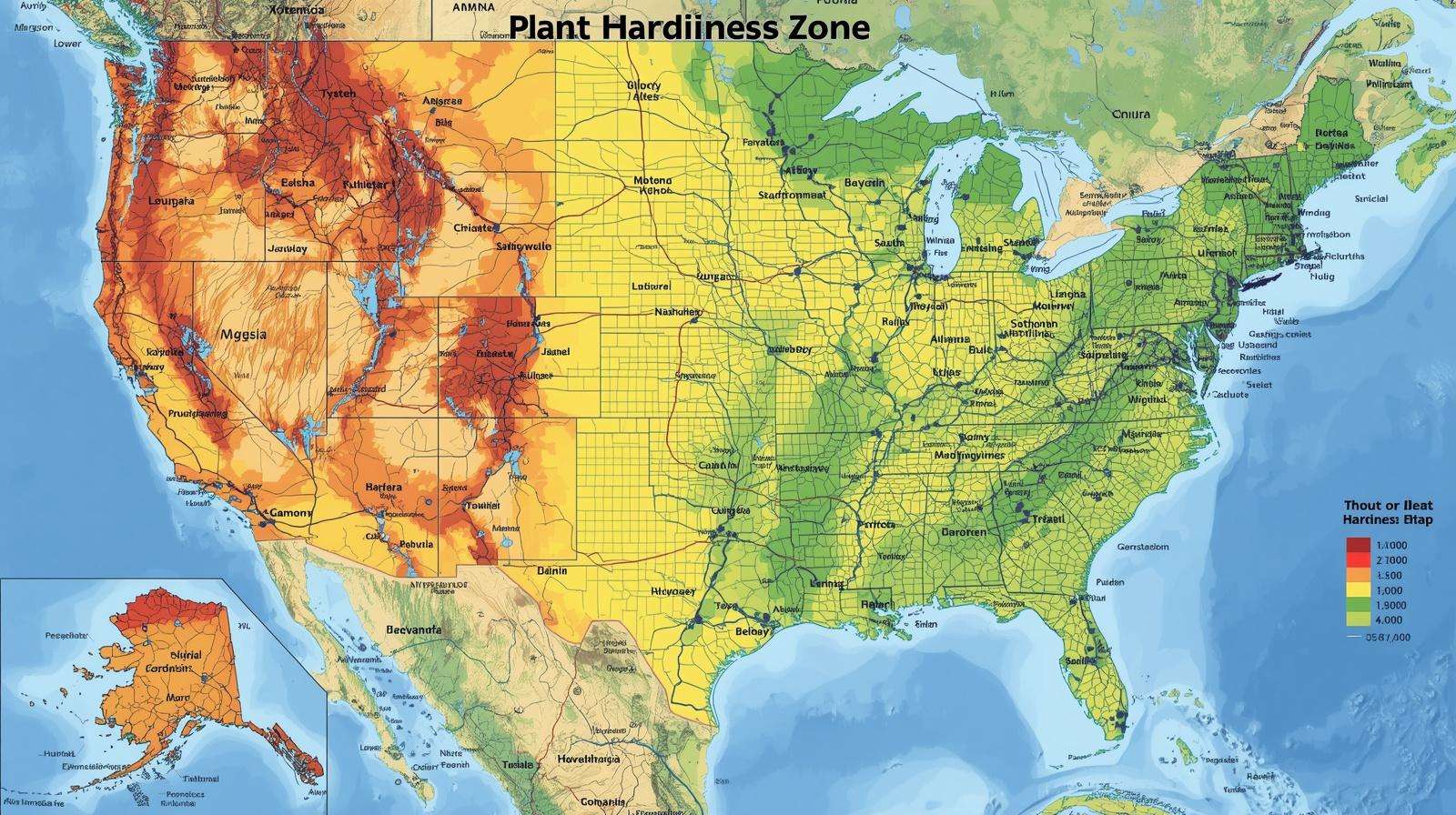
USDA Zones, officially known as the USDA Plant Hardiness Zones, are a geographic system developed by the United States Department of Agriculture (USDA) Agricultural Research Service to help gardeners and growers select plants that can survive the average coldest winter temperatures in their location.
The map divides the United States (plus Puerto Rico and parts of Canada and Mexico) into 13 main zones, with each zone representing a 10°F range in average annual extreme minimum winter temperature. Each main zone is further split into two half-zones labeled “a” (colder) and “b” (warmer), creating 5°F increments for greater precision.
For example:
- Zone 6a: average annual extreme minimum temperature of -10°F to -5°F
- Zone 6b: -5°F to 0°F
The zones are based purely on historical weather data — specifically the average of the lowest winter temperature recorded each year over a 30-year period. The latest 2023 USDA Plant Hardiness Zone Map uses data from 1991–2020 collected from over 13,400 weather stations, nearly double the number used in the 2012 map. This makes the current map significantly more accurate and detailed.
The purpose is straightforward: give gardeners a reliable starting point for choosing long-lived perennials, landscape plants, fruit trees, and ornamental trees that have a good chance of surviving winter in their climate.
How to Read and Understand the USDA Zone Map
The USDA Zone Map uses color coding to make it visually easy to understand. Generally, colder zones (lower numbers) appear in the northern parts of the country and at higher elevations, while warmer zones (higher numbers) dominate the South and coastal areas. However, topography, large bodies of water, and urban heat islands create many exceptions.
Here is a clear breakdown of the temperature ranges:
USDA Hardiness Zone Temperature Ranges (2023 Map)
- Zone 1a: below -65°F
- Zone 1b: -65°F to -60°F
- Zone 2a: -60°F to -55°F
- Zone 2b: -55°F to -50°F
- Zone 3a: -50°F to -45°F
- Zone 3b: -45°F to -40°F
- Zone 4a: -40°F to -35°F
- Zone 4b: -35°F to -30°F
- Zone 5a: -30°F to -25°F
- Zone 5b: -25°F to -20°F
- Zone 6a: -20°F to -15°F
- Zone 6b: -15°F to -10°F
- Zone 7a: -10°F to -5°F
- Zone 7b: -5°F to 0°F
- Zone 8a: 0°F to 5°F
- Zone 8b: 5°F to 10°F
- Zone 9a: 10°F to 15°F
- Zone 9b: 15°F to 20°F
- Zone 10a: 20°F to 25°F
- Zone 10b: 25°F to 30°F
- Zone 11a: 30°F to 35°F
- Zone 11b: 35°F to 40°F
- Zone 12a: 40°F to 45°F (mainly Hawaii)
- Zone 12b: 45°F to 50°F
- Zone 13a/b: 50°F to 60°F+ (tropical areas)
Higher zone numbers mean milder winters. Each step up in zone number generally represents plants that are less cold-hardy but may handle heat or longer growing seasons differently.
The 2023 USDA Plant Hardiness Zone Map Update – What Changed? Compared to the 2012 map, approximately half of the United States shifted into a warmer half-zone. This reflects warmer average winter lows in many regions, driven by the more recent 30-year dataset (1991–2020). Alaska received much higher resolution mapping, and two new warmer zones (12 and 13) were added for tropical areas like Hawaii and Puerto Rico. While this indicates a warming trend in minimum temperatures, experts caution that it does not necessarily mean every winter will be milder — extreme cold snaps can still occur.
How to Find Your Exact USDA Zone

Finding your zone is quick and simple:
- Visit the official interactive map at planthardiness.ars.usda.gov.
- Enter your ZIP code in the Quick Search box or click on your location on the map.
- The tool will display your exact zone (e.g., 7b) along with the corresponding average minimum temperature range.
Alternative reliable tools include:
- Garden.org USDA Zone Finder
- Old Farmer’s Almanac zone lookup
- Your local University Cooperative Extension office website (often provides the most regionally relevant advice)
Expert Tip: If you live near a zone boundary or in an area with varied terrain, check several nearby ZIP codes. Elevation, proximity to large lakes or oceans, and urban vs. rural settings can shift your effective zone by a half-zone or more.
Many experienced gardeners recommend selecting plants rated for your zone and one zone colder as a safety buffer against unusually harsh winters or microclimate variations.
USDA Zones vs. Other Climate Systems
While USDA Zones are the most widely used system in North America for winter hardiness, they are not the only climate classification gardeners should know. Understanding how they compare helps you make better planting decisions.
USDA Zones vs. AHS Heat Zones The American Horticultural Society (AHS) Heat Zone Map measures how many days a region experiences temperatures above 86°F (30°C). This is particularly important in southern and southwestern states where intense summer heat can stress or kill plants that are otherwise cold-hardy. A plant labeled “Hardy in USDA Zones 5–9” may still fail in Zone 8 if it cannot tolerate high heat and humidity. Many nurseries now list both cold hardiness and heat tolerance ratings.
USDA Zones vs. Local Frost Dates USDA zones focus exclusively on winter survival of perennials. They do not tell you the length of your growing season. Local first and last frost dates are critical for timing annual vegetables, starting seeds indoors, and planning your planting calendar. A gardener in USDA Zone 6 in the Midwest may have a much shorter frost-free season than someone in Zone 6 along the Pacific coast. For complete success, always combine your USDA zone with your local frost dates.
USDA Zones vs. Sunset Climate Zones The Sunset Western Garden Book uses a more detailed 45-zone system that factors in winter cold, summer heat, humidity, elevation, and rainfall. It is especially useful for gardeners in the Western United States. While more granular, it is less universally adopted than the USDA system.
Why USDA Zones Alone Are Not Enough Relying solely on USDA zones can lead to disappointment. The map is based on long-term averages and does not account for microclimates, soil conditions, wind exposure, snow cover, or extreme weather events that are becoming more common. Smart gardeners treat USDA zones as a helpful guideline rather than an absolute rule.
Limitations of USDA Hardiness Zones
As an experienced gardener and agricultural advisor, I always emphasize transparency: the USDA Plant Hardiness Zone Map is an excellent tool, but it has important limitations that every grower should understand.
Microclimates Matter Your specific property can differ significantly from the official zone. A south-facing wall or raised bed can create a warmer microclimate equivalent to half a zone warmer. Conversely, low-lying frost pockets or windy hilltops can behave like the next colder zone. Urban gardens often benefit from the heat island effect, while rural or high-elevation sites tend to be colder.
Snow Cover as Insulation In colder zones, consistent snow cover acts as a protective blanket for plant roots. Areas with reliable snow may successfully grow plants that would fail in similar temperatures without snow.
Summer Heat, Humidity, and Rainfall USDA zones ignore summer conditions entirely. A Zone 5 plant may survive winter in the South but suffer from extreme heat, fungal diseases, or drought stress during long, humid summers.
Soil Quality and Drainage Poor drainage or heavy clay soil can cause root rot even if temperatures are within the plant’s hardiness range. Well-drained, healthy soil significantly improves a plant’s cold tolerance.
Climate Change and Extreme Events The 2023 map shows a clear warming trend in minimum winter temperatures. However, unpredictable polar vortex events and late spring frosts can still cause major damage. Zones are shifting slowly, but extreme weather remains a challenge.
Realistic Expectation: Many plants can survive outside their recommended zone with proper siting, soil improvement, and winter protection. Others may fail even inside their zone if conditions are not ideal.
How to Use USDA Zones for Smart Plant Selection
This is where understanding USDA Zones Explained delivers the greatest practical value. Here’s how to apply the knowledge effectively:
Reading Plant Labels Correctly When shopping, look for labels that say “Hardy in Zones 5–9” or “USDA Zone 6.” This means the plant is generally expected to survive the average minimum temperatures in those zones. The wider the range, the more adaptable the plant usually is.
The “Zone +1 Rule” for Safety A widely recommended best practice is to choose plants hardy to your zone and one zone colder. For example, if you are in Zone 7a, prioritize plants hardy to Zone 6 or 7. This provides a safety margin against colder-than-average winters and microclimate variations.
Best Practices for Buying Plants
- Buy from local nurseries whenever possible — they often stock plants already adapted to your regional conditions.
- When ordering online, always verify the hardiness zone listed and cross-check with the USDA map.
- Consider native plants or regionally adapted varieties, which often perform better than exotic plants pushed to their zone limits.
Using USDA Zones for Landscape Design and Edible Gardening
- Ornamental Perennials & Shrubs: Use zones as your primary guide for roses, hydrangeas, lavender, peonies, and conifers.
- Fruit Trees: Most fruit trees have specific chill hour requirements in addition to hardiness zones. A Zone 8 gardener may need low-chill varieties of apples or peaches.
- Vines and Groundcovers: Clematis, wisteria, and ivy have very different zone tolerances — always check carefully.
Cold-Hardy vs. Heat-Tolerant Selection In warmer zones (8–11), focus more on heat tolerance and disease resistance. In colder zones (3–6), prioritize plants with proven cold hardiness and quick establishment before winter.
Creating a Resilient Garden Using Your USDA Zone
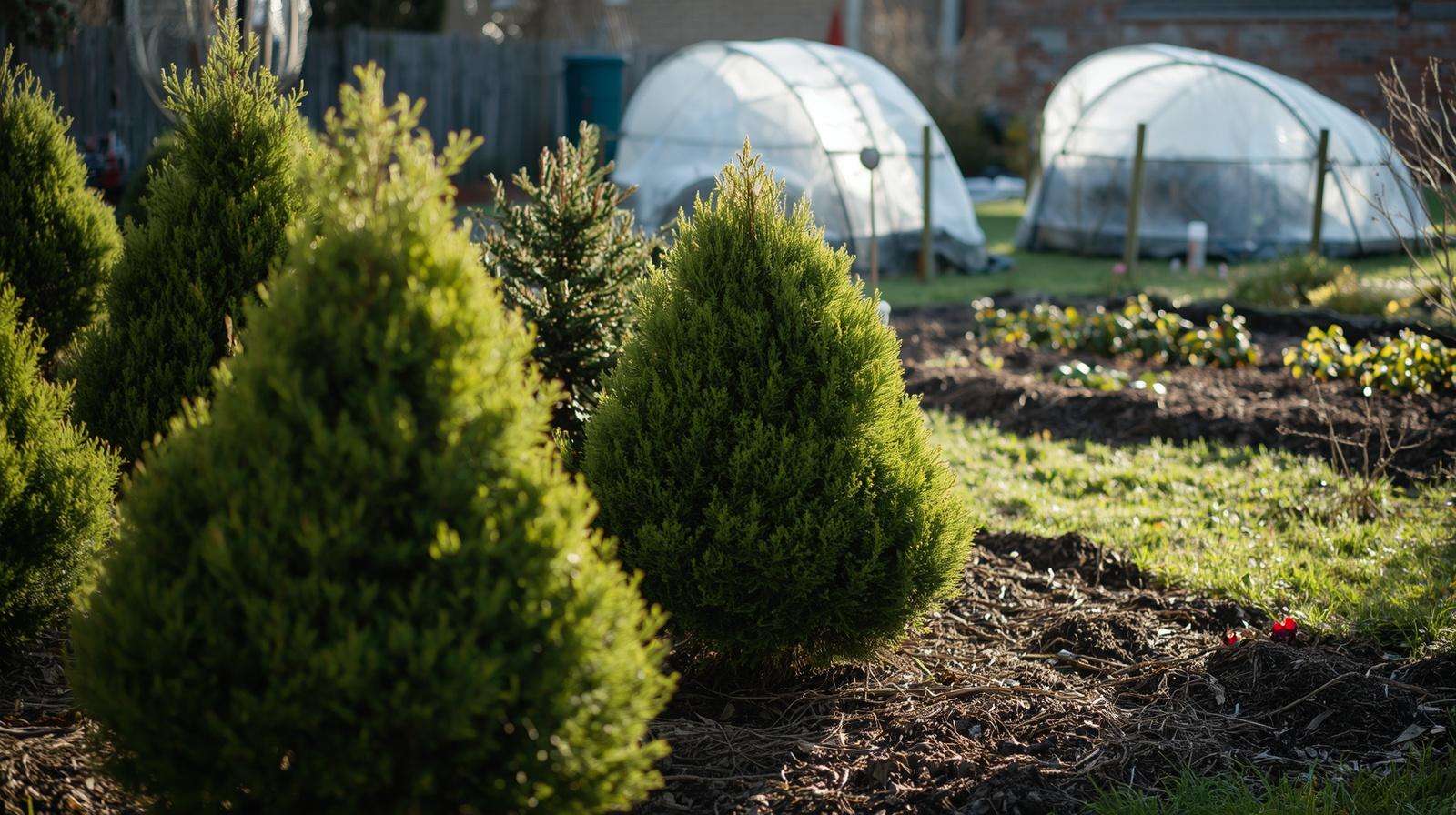
To build a truly successful garden, integrate your USDA zone knowledge with these advanced strategies:
- Improve Soil Health: Healthy, well-drained soil with good organic matter helps plants withstand colder temperatures by promoting strong root systems.
- Strategic Planting Locations: Use windbreaks, south-facing walls, and raised beds to create favorable microclimates.
- Winter Protection Techniques: Apply mulch around the root zone, use burlap wraps for sensitive shrubs, and consider anti-desiccant sprays for evergreens in windy areas.
- Combine with Frost Dates: Use your USDA zone for long-term plant selection and local frost dates for seasonal planting timing of annuals.
Expert Tips for Extending Plant Survival in Colder Zones:
- Plant slightly deeper than recommended for better root protection.
- Avoid fertilizing late in the season to prevent tender new growth before winter.
- Choose early-blooming varieties carefully — late spring frosts can damage flower buds even if the plant is zone-hardy.
Real-World Examples and Case Studies
Understanding USDA Zones Explained becomes much clearer when we look at how different gardeners apply (or misapply) the information in real life.
Example 1: Zone 5b Gardener Pushing the Limits A gardener in Minnesota (Zone 5b) fell in love with a beautiful lavender variety rated for Zones 6–9. Instead of avoiding it, they planted it in a raised bed against a south-facing brick wall, added excellent drainage, and applied a thick layer of mulch in late fall. With these microclimate adjustments and winter protection, the lavender has survived for three winters. This shows how proper siting and soil management can sometimes allow you to grow plants from one zone warmer.
Example 2: Zone 8a Gardener Facing Summer Heat In coastal South Carolina (Zone 8a), a homeowner planted several hydrangeas rated hardy to Zone 8. While they survived winter easily, many struggled during the hot, humid summers with powdery mildew and wilting. Switching to heat-tolerant and humidity-resistant varieties (such as ‘Limelight’ panicle hydrangea or native oakleaf hydrangea) dramatically improved results. This case highlights that in warmer zones, summer performance often matters more than winter hardiness.
Example 3: Urban vs. Rural Garden in the Same Zone Two gardeners living in USDA Zone 7a had very different outcomes with the same Japanese maple trees. The rural gardener experienced colder nights and occasional wind damage, losing one tree during a harsh winter. The urban gardener benefited from the heat island effect and wind protection from nearby buildings, resulting in healthier trees. This demonstrates how dramatically microclimates can influence plant performance even within the same official zone.
Key Lesson: USDA zones provide an excellent starting point, but your specific garden conditions, soil quality, and protective measures often determine real success. Observing your garden over multiple seasons and keeping records of plant performance is one of the best ways to refine your zone knowledge.
Frequently Asked Questions (FAQs)
What does USDA Zone really mean? USDA Zones indicate the average annual extreme minimum winter temperature in a given area. They help predict which perennial plants are likely to survive the coldest nights of winter based on long-term historical data.
Has my USDA zone changed due to climate change? Yes. The 2023 USDA Plant Hardiness Zone Map shows that roughly half the country has shifted into a warmer half-zone compared to the 2012 map, reflecting warmer average winter lows over the 1991–2020 period. However, this does not eliminate the risk of occasional extreme cold events.
Can I grow plants outside my USDA zone? Absolutely. Many gardeners successfully grow plants rated for warmer or colder zones by creating favorable microclimates, improving soil, providing winter protection, or choosing especially vigorous varieties. However, success is never guaranteed and usually requires extra care.
What is the difference between Zone 7a and 7b? Zone 7a has average minimum temperatures between -10°F to -5°F, while 7b ranges from -5°F to 0°F. The “a” half-zones are colder than the “b” half-zones. This 5°F difference can be significant for marginally hardy plants.
Do USDA zones consider summer heat? No. USDA zones only measure winter cold hardiness. They do not account for summer heat, humidity, rainfall, or drought. For hot climates, you should also consider AHS Heat Zones or regional recommendations.
How accurate is the USDA Hardiness Zone Map? The 2023 map is the most accurate version yet due to more weather stations and recent data. However, it remains an average. Local microclimates, elevation, and soil conditions can make your actual growing conditions different from the mapped zone.
Should I choose plants for my zone or one zone colder? For better long-term success and insurance against harsh winters, many experts recommend selecting plants hardy to your zone and one colder (the “Zone +1 Rule”), especially for expensive trees and shrubs.
Do houseplants have USDA zones? No. Houseplants are typically tropical and grown indoors. USDA zones apply mainly to outdoor perennials, trees, and shrubs.
Conclusion
USDA Zones Explained properly can dramatically improve your gardening success and save you time, money, and disappointment. The USDA Plant Hardiness Zone Map gives you a science-based foundation for selecting perennials, trees, shrubs, and vines that are likely to survive winter in your climate.
However, the most successful gardeners treat zones as a helpful guide rather than a strict rule. By understanding how the zones work, knowing their limitations, finding your exact zone, and combining this knowledge with good site selection, soil improvement, and microclimate management, you can create a more resilient and beautiful garden.
Take action today: Visit the official USDA Plant Hardiness Zone Map at planthardiness.ars.usda.gov, enter your ZIP code, and note your exact zone. Then review the plants you already have or plan to buy this season with your new understanding.
Remember — gardening is both an art and a science. Use USDA zones as your compass, but let your own experience and observation of your specific garden be the final teacher.
If you found this guide helpful, share your USDA zone in the comments below along with any questions you still have. I’m happy to offer more tailored advice for your specific hardiness zone.
For further reading, explore our related guides on combining USDA zones with local frost dates, best perennials for your zone, and season-extension techniques for marginal climates.
Happy gardening — may your plants thrive through every season!